
Fevvers | Re-inventing the Feather with Stella McCartney’s 2026 Summer Collection
Inside the plant-based feather innovation redefining couture – and the startup behind Stella McCartney’s headline-making finale. We interview the founders of Fevvers to know more about the challenges of replacing feathers in luxury fashion.
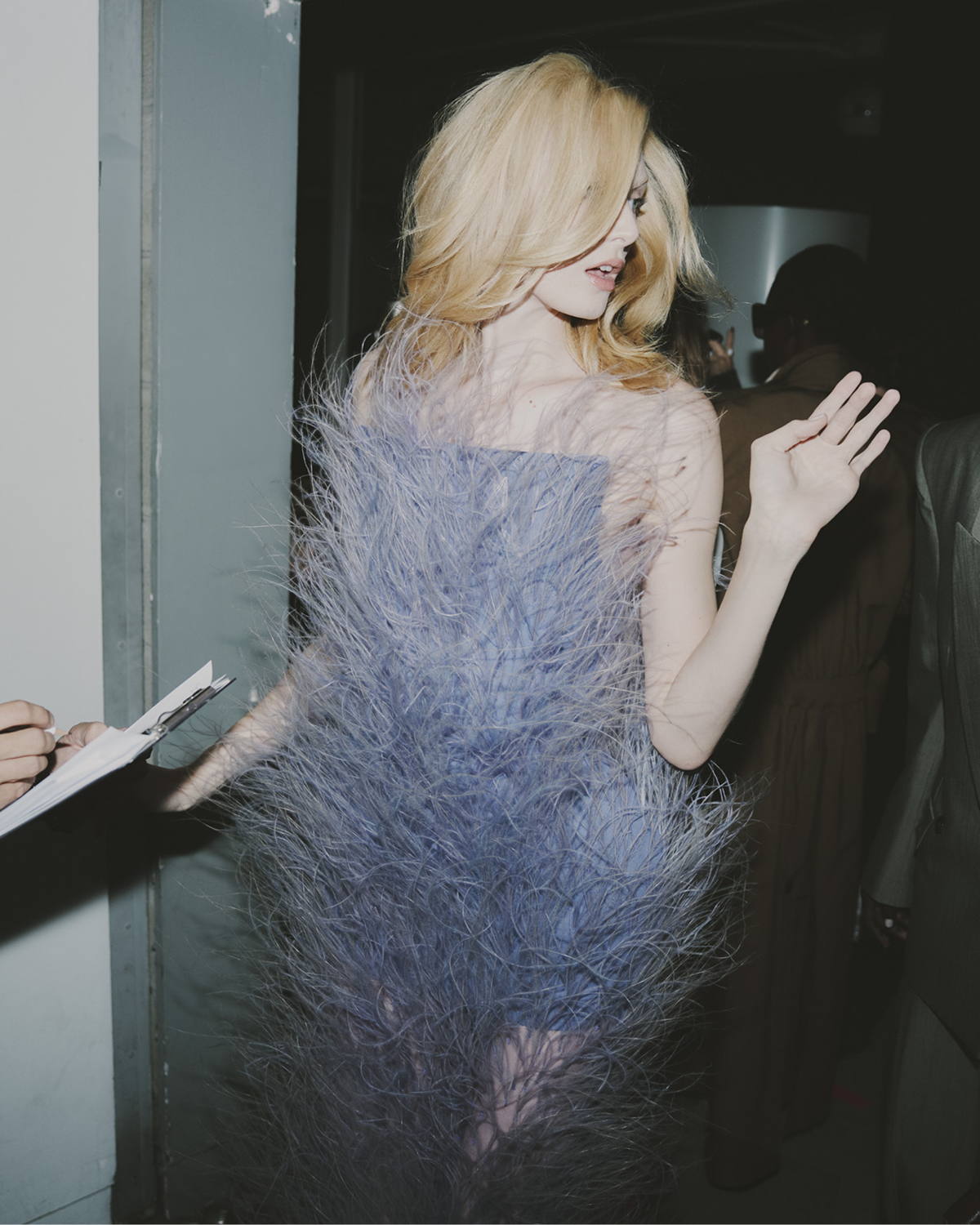
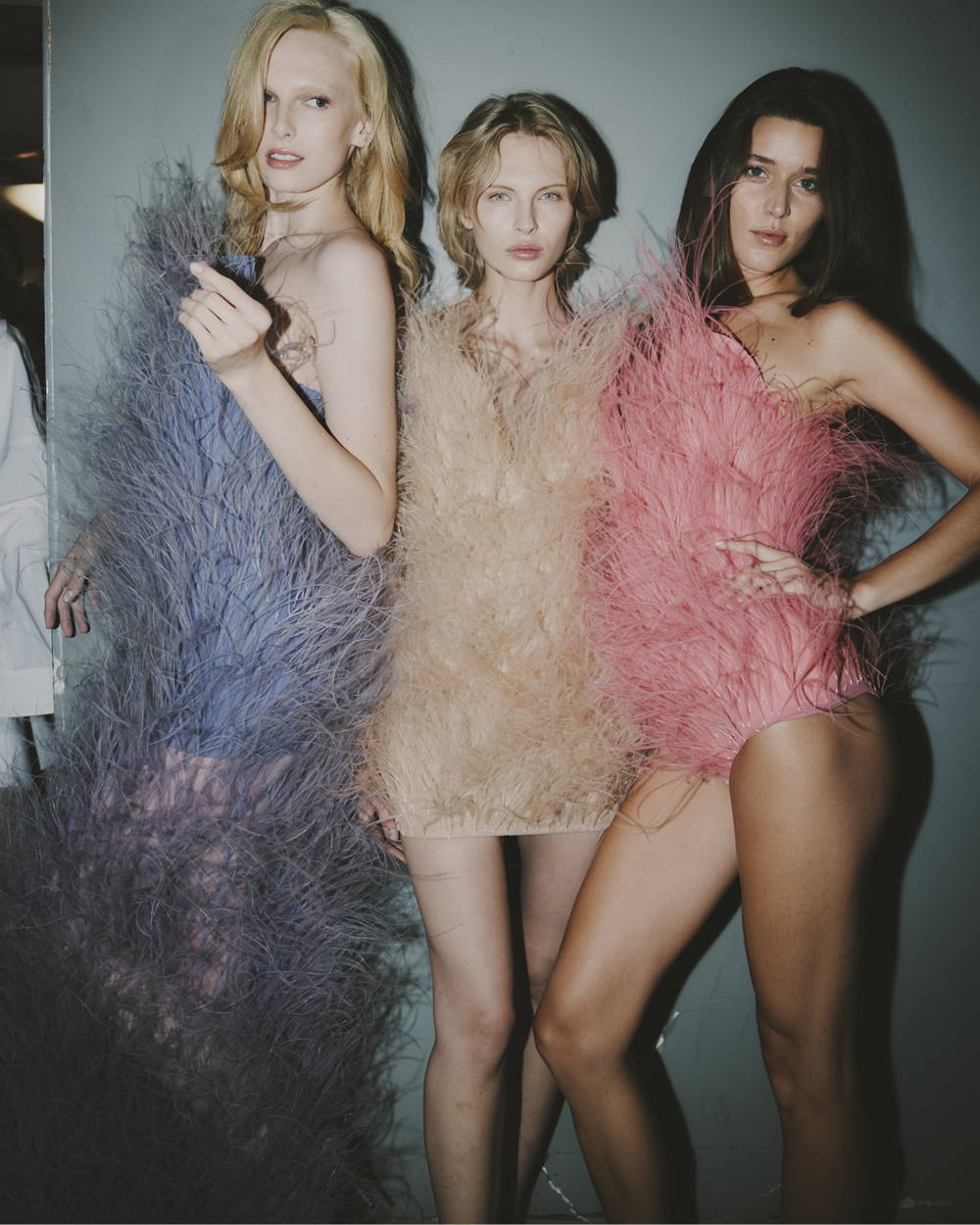
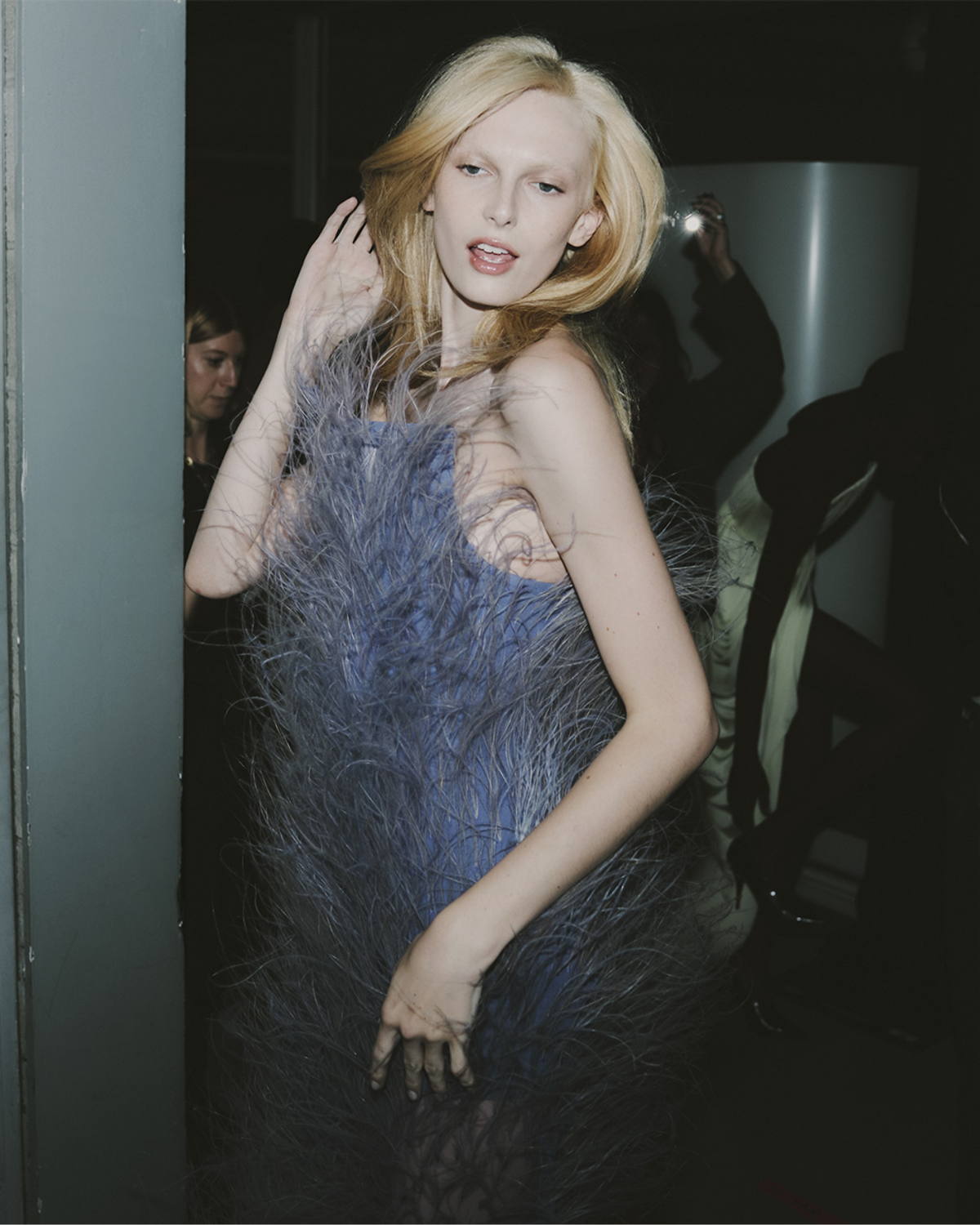
The elegant and whimsical nature of Fevvers has brought back to life a previously phased-out corner of the fashion world: feathers. These plant-based alternatives to traditional feathers were the creation of Nicola Woolon, an embroidery and textile specialist, and James West, a creative industry pioneer. Together, they combined their skills to develop a revolutionary product that challenges long-established materials with a fully vegan alternative.
The magic of Fevvers shone in Stella McCartney’s Summer 2026 Collection, appearing in several looks, including the closing garment worn by Model of the Year 2024, Alex Consani. Stella McCartney has long been a leader in sustainable fashion innovation, and her ongoing collaborations with ethical material startups underscore her commitment to fashion as a force for good. With Fevvers now entering that ecosystem, it is clear that vegan feathers are poised to become a powerful new runway staple.
What follows is a conversation with the founders of Fevvers about the challenges of replacing feathers, the industry’s hunger for alternatives, and what comes next for their young but rapidly accelerating startup.
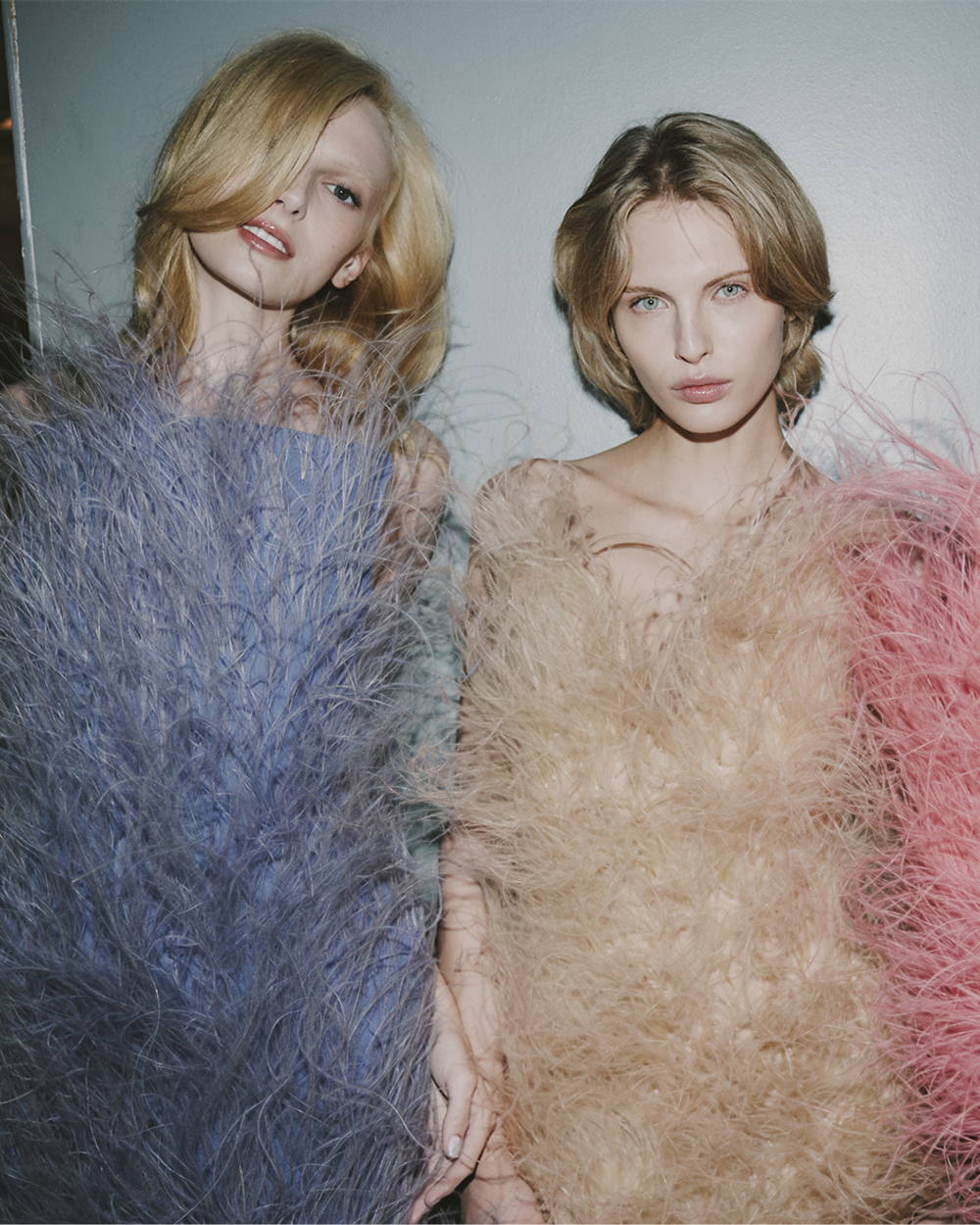
Interview with the founders of Fevvers
From your point of view, why has the fashion industry been so slow to innovate when it comes to replacing these animal-derived feathers, despite its enormous creativity and financial resources?
I think a feather is just so naturally incredible that creating its strength and likeness is a really hard combination to crack. I’ve spent many years working on embroidery solutions for feathers. We’ve frayed chiffon, organza, and it just doesn’t have the same likeness and movement as a feather. So it’s a really difficult one to innovate.
It is almost a product that needs to be seen moving on you because the beauty of a feather is its lightness, its flow, movement, etc.
What exactly are feathers made from, and what does the full process look like from raw plant material to the finished feather?
So at present, we are right in the depths of R&D. It’s plant-based, and that’s all we’re able to say at the moment. But it’s fully vegan, fully natural, and we are working on addressing this. This is proof of concept that it works. And the reaction we got from the catwalk and the press, and the interest we’ve had since, is evidence of that. We are now working on completing the R&D to get it commercially ready. So we sort of did it backwards. Most innovations come out of the lab and then struggle to get into the hands of people like us who can give them a route to market. Maybe we’re slightly different, but neither of us comes from a science background. Nicola is an embroiderer and textile artist. I work in the creative industries. So we’ve gone with the approach of collaborating outwardly in public—show the world what it could look like and then see if we can refine it thereafter.
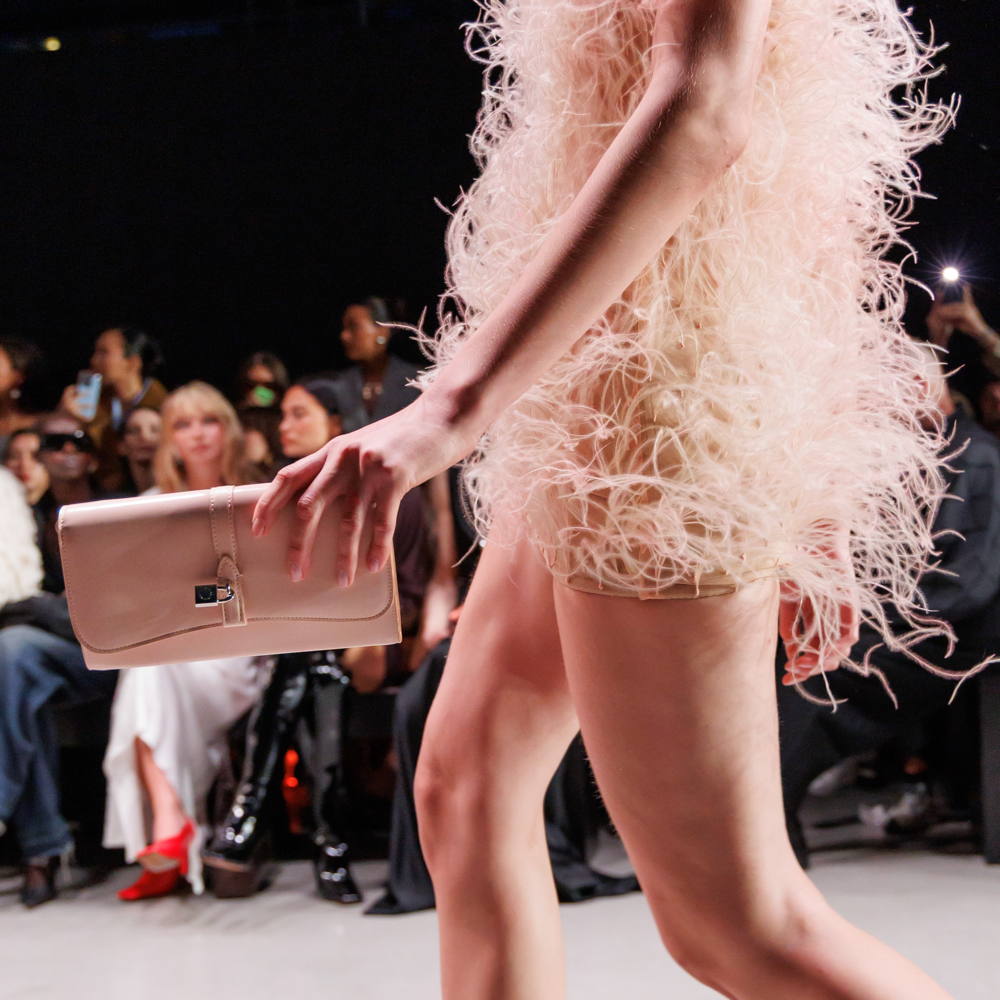
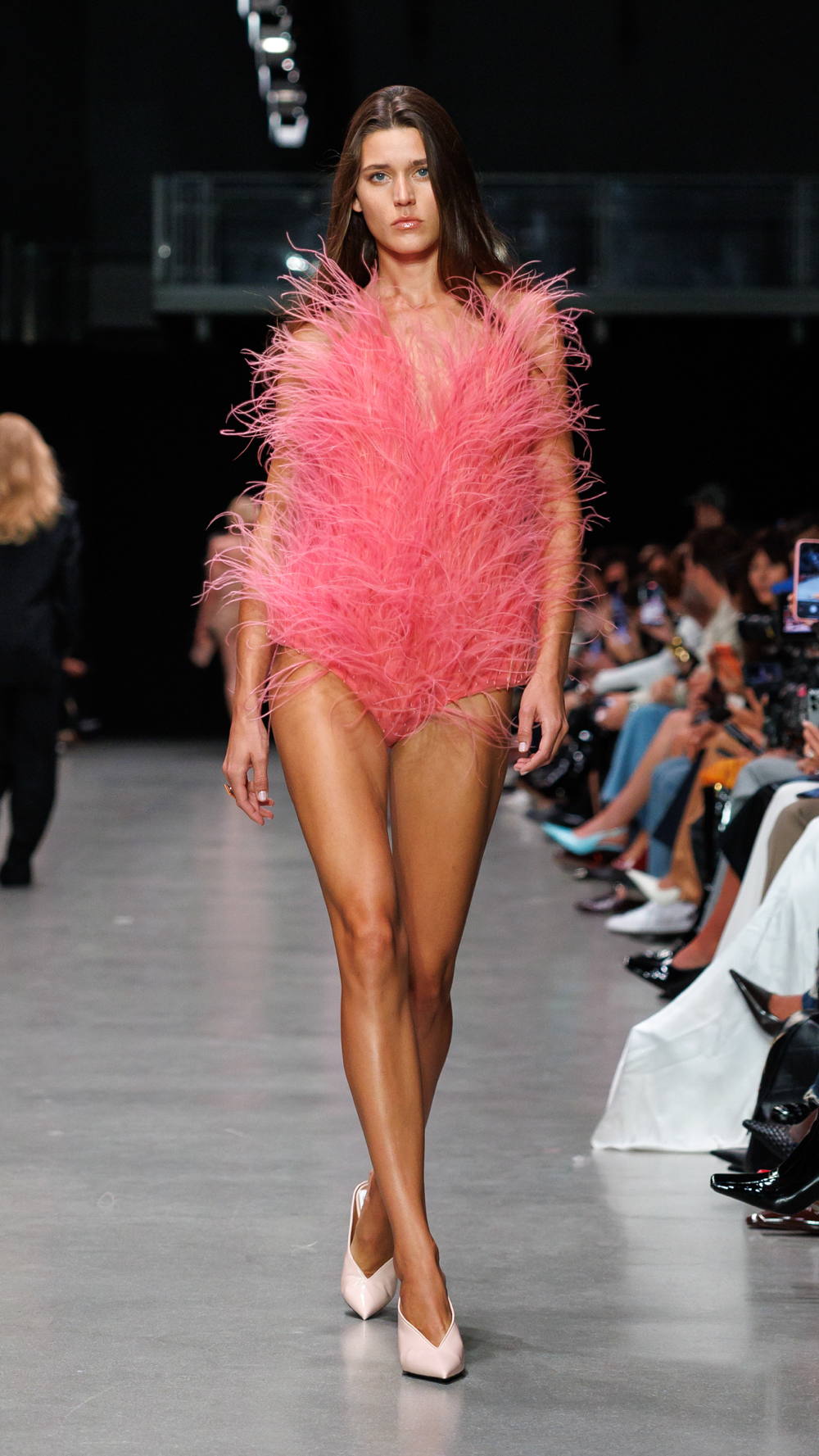
“It’s fully vegan, fully natural – this is proof of concept that it works.”
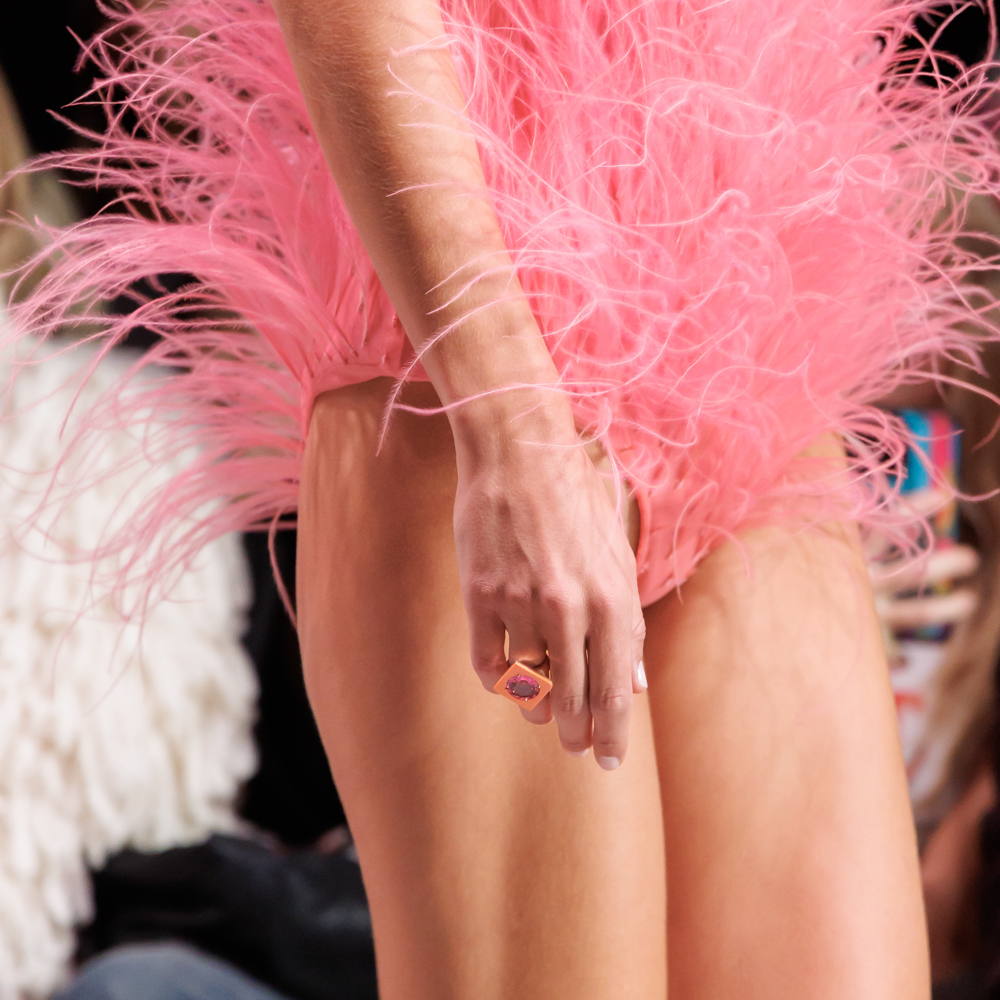
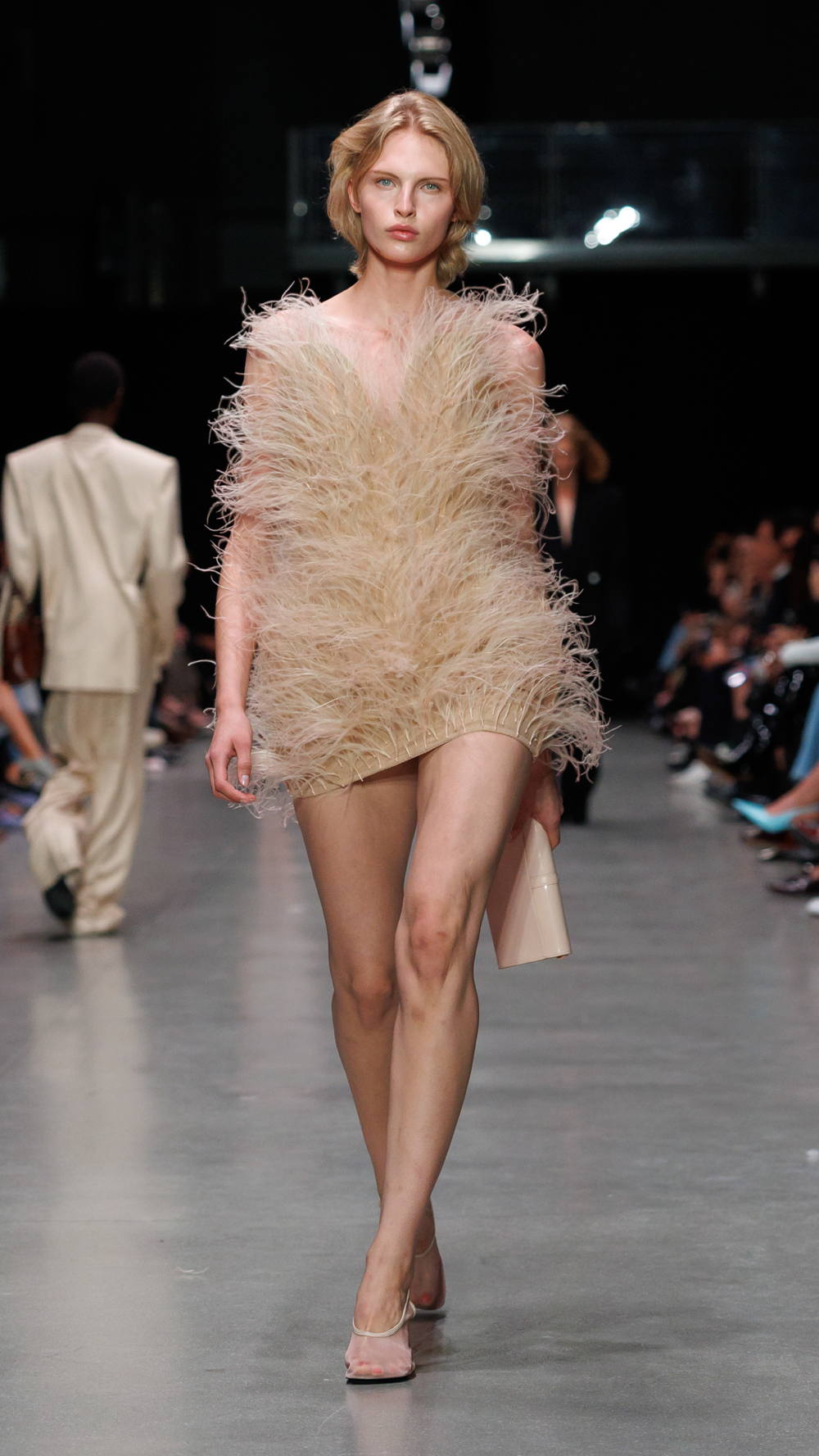
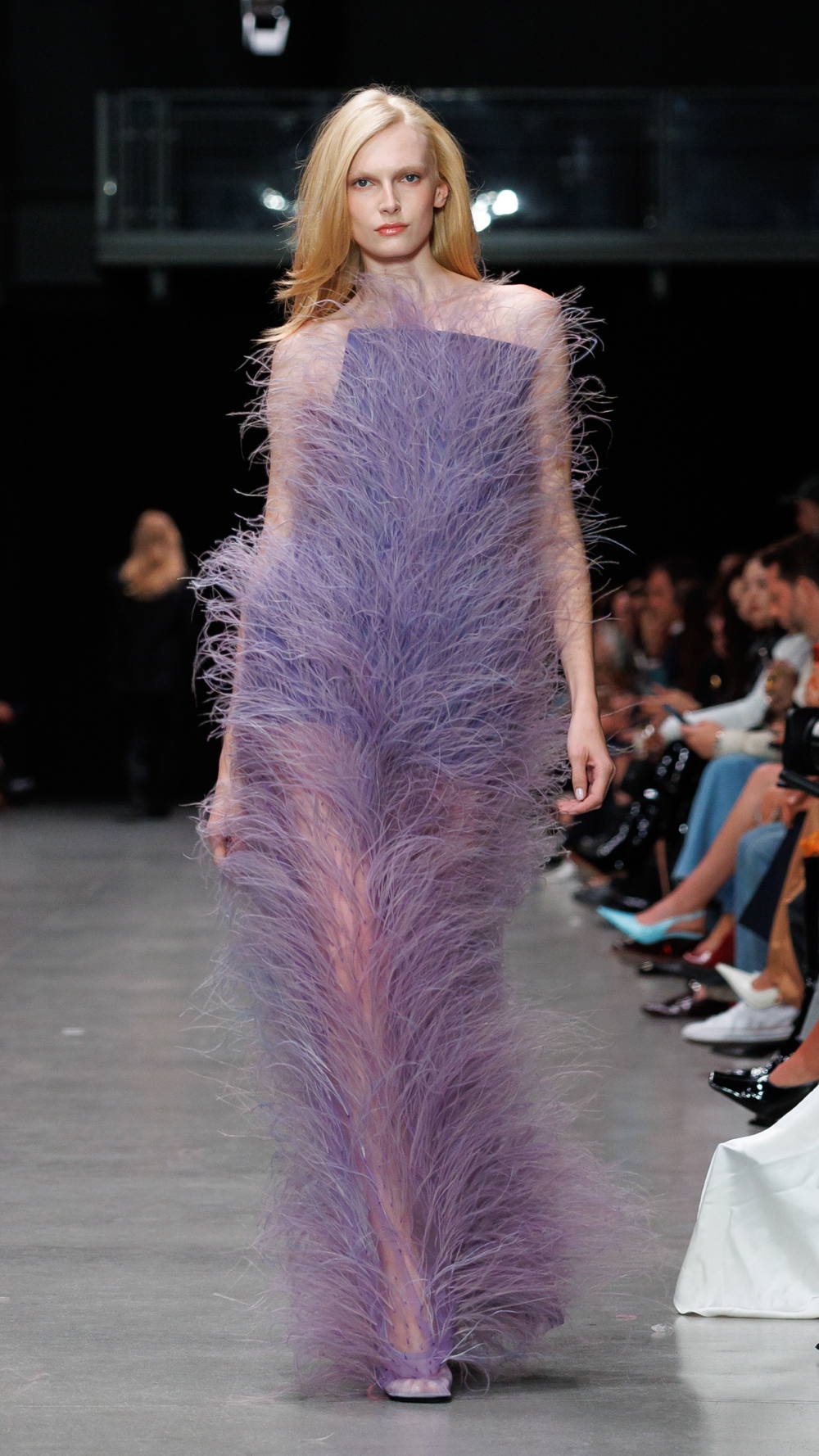
As a young startup entering a conservative market, how do you read the industry’s appetite for real innovation? Is fashion genuinely ready to adopt new materials?
I think you can tell from the hunger we’ve seen from brands. We have been contacted by everyone and even just the demand for an embroidered alternative to feathers over the last decade-plus has been huge. It’s every season. So then to have something like this come out and be such a perfect replica of an ostrich feather –the demand has been huge. Yeah. I mean, they’re ready. They want it now. We want to work on it a bit more before we launch it.
I mean, the other thing is that lots of brands have actually banned the use of feathers internally. Not many of them are public about it. You know, there’s the feather-free pledge with PETA that Stella has been a champion of. But most of them have banned it internally. So you ask them, “Is there a demand for feathers?” and they’re like, “Well… yes, but we haven’t been able to verify it because we haven’t been using them.” So there’s just a void.
You’ve talked about next steps for the company and how you’ve kind of done things backwards. Any next steps or things coming up?
So key next steps: there’s obviously the innovation –strengthening that. And we’re opening an investment round at the beginning of next year because we need some cash to get this going. So any ethical investors out there, give us a shout. And then it’s really about growing it through iterations. What we’re not going to do is sit in the studio or lab for the next five years trying to get it absolutely perfect before we bring it back. We’re going to use the same principle and bring it out in iterations –small capsule collections with key brands like Stella McCartney, just to grow in the market. Because we think that’s the quickest way to get it into people’s hands.
+ All Images:
© Courtesy by Stella McCartney


