
The Intersection Of Photography And The Ecological Crisis | Interview with Edd Carr
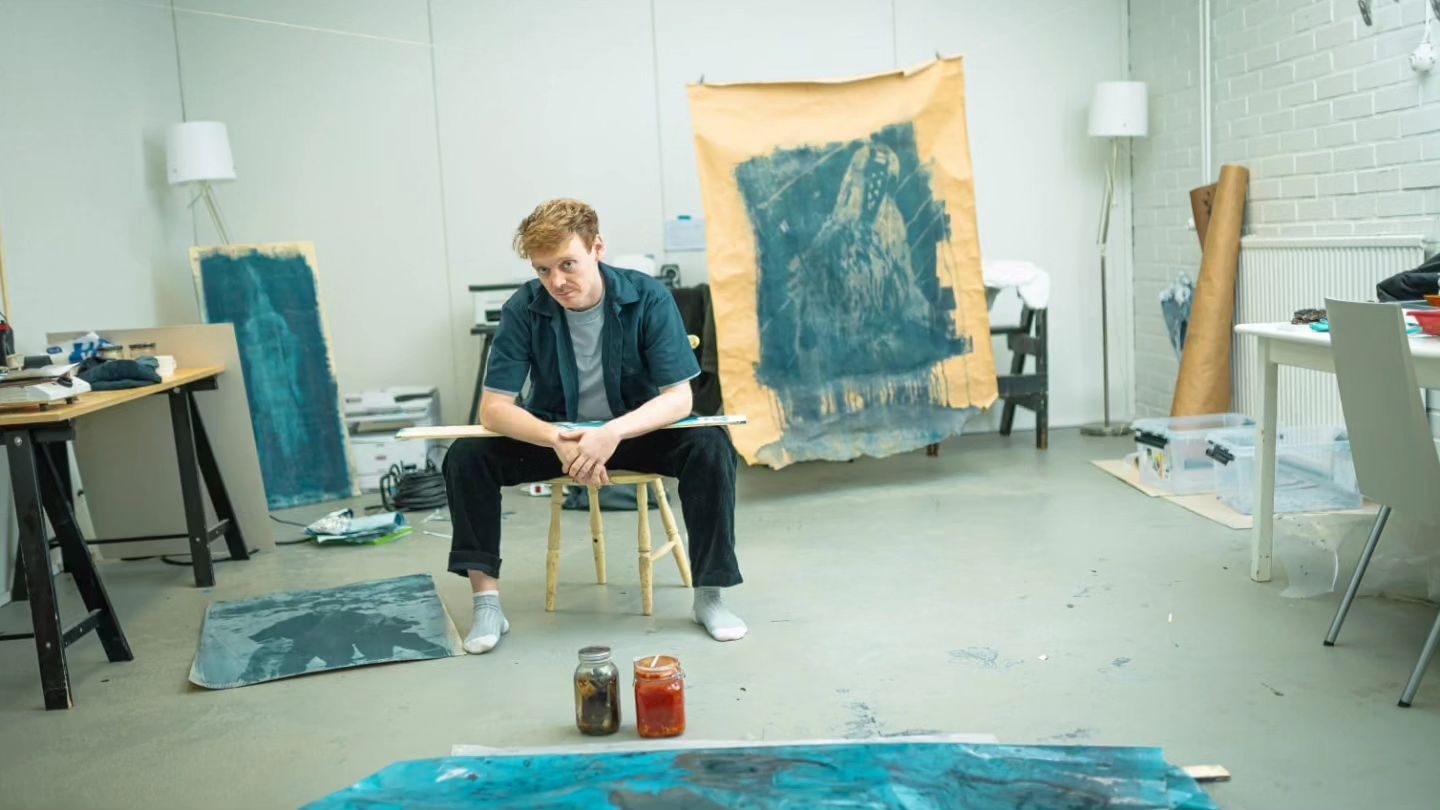
Edd Carr is an animator and experimental artist from Leeds, UK. His short films often use plant-based processes such as printing footage into soil, developing film in plant pulp and many other unique alternate processes, to create work that wholly engages with our ecological crisis.
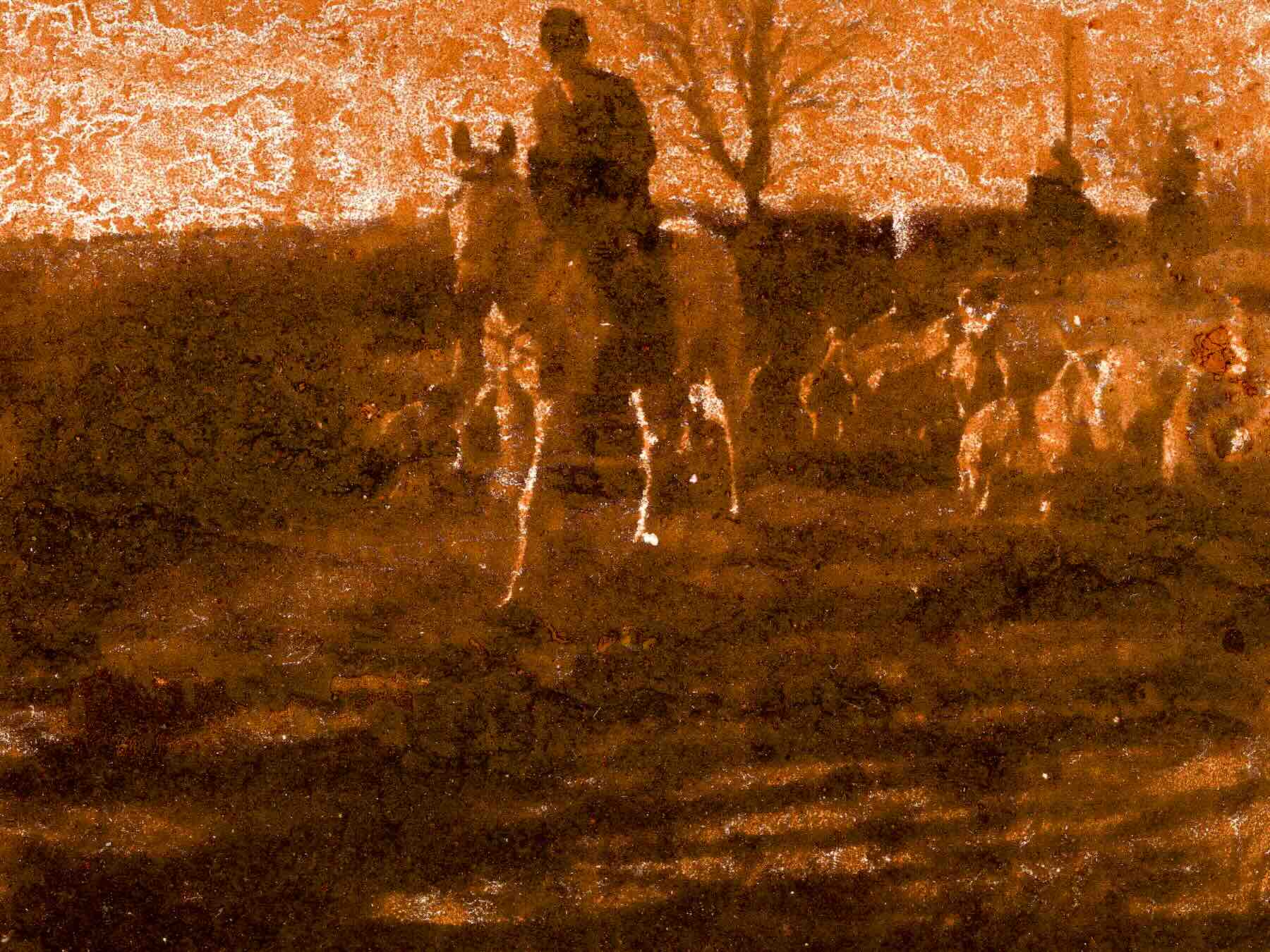
In Carr’s narratives, his work often draws profound parallels between humans and nature, exploring their dichotomies. A prime example is his work “Yorkshire Dirt.” The film’s moving images unfold like a fever dream, oscillating between serene depictions of British pastoralism —peaceful green pastures— and the shocking violence in slaughterhouses. Carr illustrates how the beauty of nature coexists with the horrific damage humanity inflicts upon it.
You are currently viewing a placeholder content from Default. To access the actual content, click the button below. Please note that doing so will share data with third-party providers.
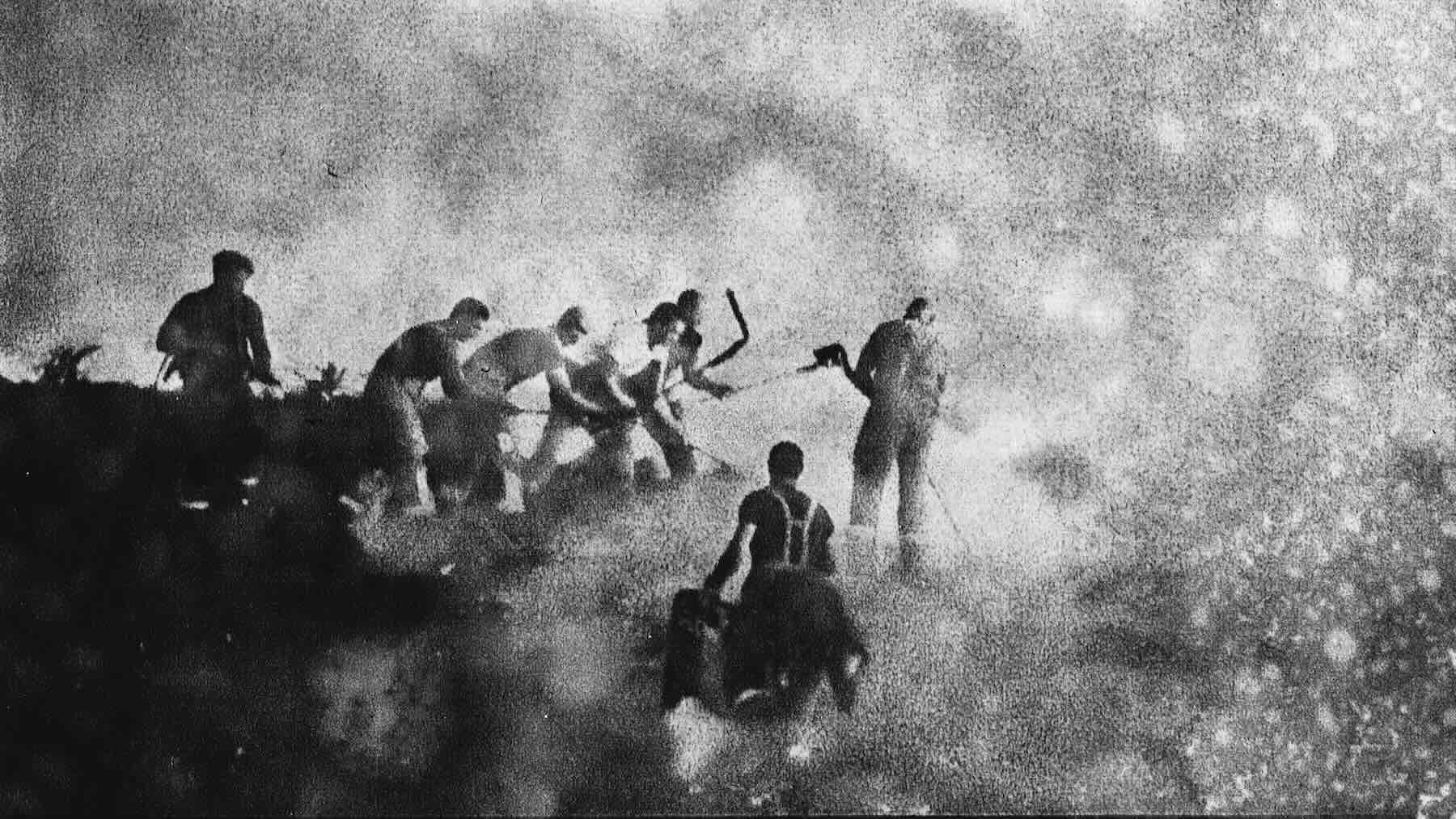
More InformationThe message of these themes are further driven home by Carr’s processes of film-making; the film is printed entirely on soil collected from North Yorkshire moorland. It gives the images a gritty and earthy quality. This is not just for an aesthetic purpose. Carr is the leader of the sustainable darkroom, which researches alternative processes of film-making and photography that are more sustainable and produce less toxic waste. Such processes include cyanotypes and anthotypes which rely on emulsions made of plant extracts and not chemicals as with typical analogue photography.
Recently, Carr focuses on narrative work that tells stories, such as his recent exhibit at the Tokyo Arts and Space in Hongo, “Come and Sleep”. The installation focuses on the fictional narrative of a child who escapes an abusive household and finds solace in a figure of a fox.
We had the pleasure of catching up with Carr on his journey as an artist, the alternate process he uses and some of his work.
Can you tell us a little bit about your background and how you got started in photography?
I started doing photography when I was working as a dog walker about ten years ago. I had a DSLR to take pictures of the dogs during our walks, to share with the owners – a bit of an unusual entry into photography considering the nature of my work now! I then decided to study wildlife photography and after a year of shooting birds and landscapes and all that calendar-type stuff, I started to feel more disconnected from the nonhuman world because I was so focused on this tiny digital reproduction on the back of the camera. At that point I was introduced to analogue processes by the technicians in my school, and I fell in love. I felt more alive with my work than I ever did with digital photography, by using my hands and engaging physically with the materials.
Are there any particular artists or movements that have influenced your work?
I’d say my biggest influences have been others working with alternative photo processes, like Jill Enfield, Ky Lewis, and my colleagues Hannah Fletcher and Alice Cazenave. Beyond that, the fashion photographer and filmmaker Tyrone LeBon influenced my film work a lot, and so I was honoured to make a film for his production company recently about The Sustainable Darkroom, titled I AM A DARKROOM. Other filmmakers like Paul Clipson have also influenced my film work, and filmmakers from the Shinjuku underground like Nagisa Ōshima.
Much of your work uses alternative photography techniques that are more environmentally-friendly. For those who may not be familiar with the topic, Can you explain what exactly is the environmental impact of photography and what makes alternative techniques like cyanotypes or anthotypes better alternatives?
A big question! Like anything produced by modern industry, there is an enormous web of material relationships that makes photography ecologically detrimental. In terms of analogue photography – obvious things include the chemicals used for development, the extraction of silver and its dispersal into waterways during development, the use of oil-based plastics for film backing, and of course the way all of these things are produced and distributed around the world. A lot of these impacts, especially on a personal level, can be reduced through appropriate waste management and chemical disposal. However, some of them are ingrained into the production of the materials itself, as with many industries in contemporary capitalism.
It’s true that cyanotype is considered a low-toxic process, in that the ecological harm compared to other methods is significantly lower, and the waste produced from the process is considered negligible when dispersed into waterways. However, I wouldn’t class it as a sustainable process, in the sense of identifying how these chemicals are produced, packaged, and so on – all of which are likely not done regeneratively. Of course – the only way to mitigate this is through localised, holistic production of photographic materials. Something which we are aiming for at the Sustainable Darkroom, but are far away from achieving. Anthotypes are purely plant-based, so you could argue these are the most sustainable process, especially if the plants are grown at home or foraged from the outdoors respectfully. But to me, this is what makes photography such an interesting area to research, because it is so inherently toxic as an artistic medium.
Were you drawn to these techniques specifically because of their low environmental impact or due to a certain aesthetic allure?
I’d say it’s a combination of both. Of course, I want to mitigate the harms that my practice might entail, but I’m also aware that the mediums I work with are almost impossible to do with total sustainability. As I’m a filmmaker, even the hosting of the films and the amount of work I have to do on a laptop with editing etc., probably has a significant carbon footprint. So the low-toxicity of the techniques definitely influences my approach, and I would avoid using any technique that is especially harmful. But I also have to be honest that as a filmmaker, it’d be near impossible to reach complete sustainability. So for me, it is about finding a balance between the impact my work can have and those material concerns. And of course, the aesthetic is a huge part for me – I love the natural and handmade feel that these processes can produce, as well as the unpredictability of how they may look. On top of that, I like working physically, and can’t see myself ever transitioning to a fully digital practice, even though it could be arguably less resource intensive.
You are co-director of the Sustainable Darkroom, an organisation focused on research and discovering environmentally friendly practices for photography. What are some alternate practices (for photography) that you or your colleagues have developed or are currently researching?
Ah, where to begin! I’d say the thing that introduces most people to our work is the alternative photo chemistries made from plants. This tends to be the gateway for a lot of people, which then opens them up to more in-depth research such as recycling used silver from spent chemistry into metal objects, waste degradation and re-using waste products in your process, and much more.
One good example is our Photographic Garden residency, where we sponsored 8 artists to research different ideas on the intersection of gardening and photography, with a physical garden space being built for the residency. We had residents that researched cleaning waste darkroom water with plants, developers made entirely from waste products, plant-based alternatives to the cyanotype process, degrading darkroom plastics with mushrooms, and so on. The symposium we hosted after the residency can be watched on YouTube, and gives a good insight into the different research conducted.
Beyond material research, we also stress that the Sustainable Darkroom has an academic and theoretical output. For instance, Alice Cazenave is doing a PhD at Goldsmiths University, researching the history of silver extraction for photography, and its impact on the local ecologies and communities of regions in the USA. In addition, I focus my research on the ethics of using nonhuman animal bodies in photography, such as cow gelatine for film production.
How do you choose a photographic process or technique that reflects the aesthetic or emotional tone of your work?
For commission work, such as the music videos and stuff I do, often they request a certain process or look, so there isn’t much freedom there. For my own work, I usually look at the themes of the work and the scenes I am planning on doing, and then selecting or adapting processes to suit the concepts. YORKSHIRE DIRT is probably the most obvious example of this, in that the film is about violence in rural Yorkshire, and I printed the entire film on soil dug up from the landscape. Importantly, it creates a direct connection between the work and the materials. In my work, I attempt to bridge the actuality of nature and the decontextualized world of the screen. Whether it’s burying stock in the soil of an ancient oak or transferring frames to wood, my process is an attempt to weave a living link between the abstraction of visual media and the actuality of existence – emphasising the real as most definitely real – and beyond the sphere of blinking screens.
The Sustainable Darkroom maintains a garden to use as materials for developing photos. Do you enjoy gardening? Has it served as a source of inspiration for your art or developed your personal connection to nature?
The Photographic Garden residency was an amazing period – but unfortunately the garden itself no longer exists, as we had to leave the property due to the landlord. However, during the time of the residency where we constructed the garden, I was in charge of maintaining it without much prior experience of gardening. When I was a kid, I used to do a bit with my grandad, and even once won a competition for growing the largest marrow! But since then, I wouldn’t classify myself as green thumbed – so it was a bit of a learning curve to say the least. By the end, I felt a connection with the garden, having lived alongside it, seen the plants develop, and then be used in photography. And also the research that came out of the residency from the other artists was hugely inspiring, and it is something we are progressively sharing for free on the Sustainable Darkroom website.
I’m not sure if it inspired my own art directly – maybe in the sense of trying to slow down a bit, be more considered, and work with the process, not against. Allowing imperfection and unpredictability is something that definitely was a part of managing the garden, and also a strong feature of my practice!
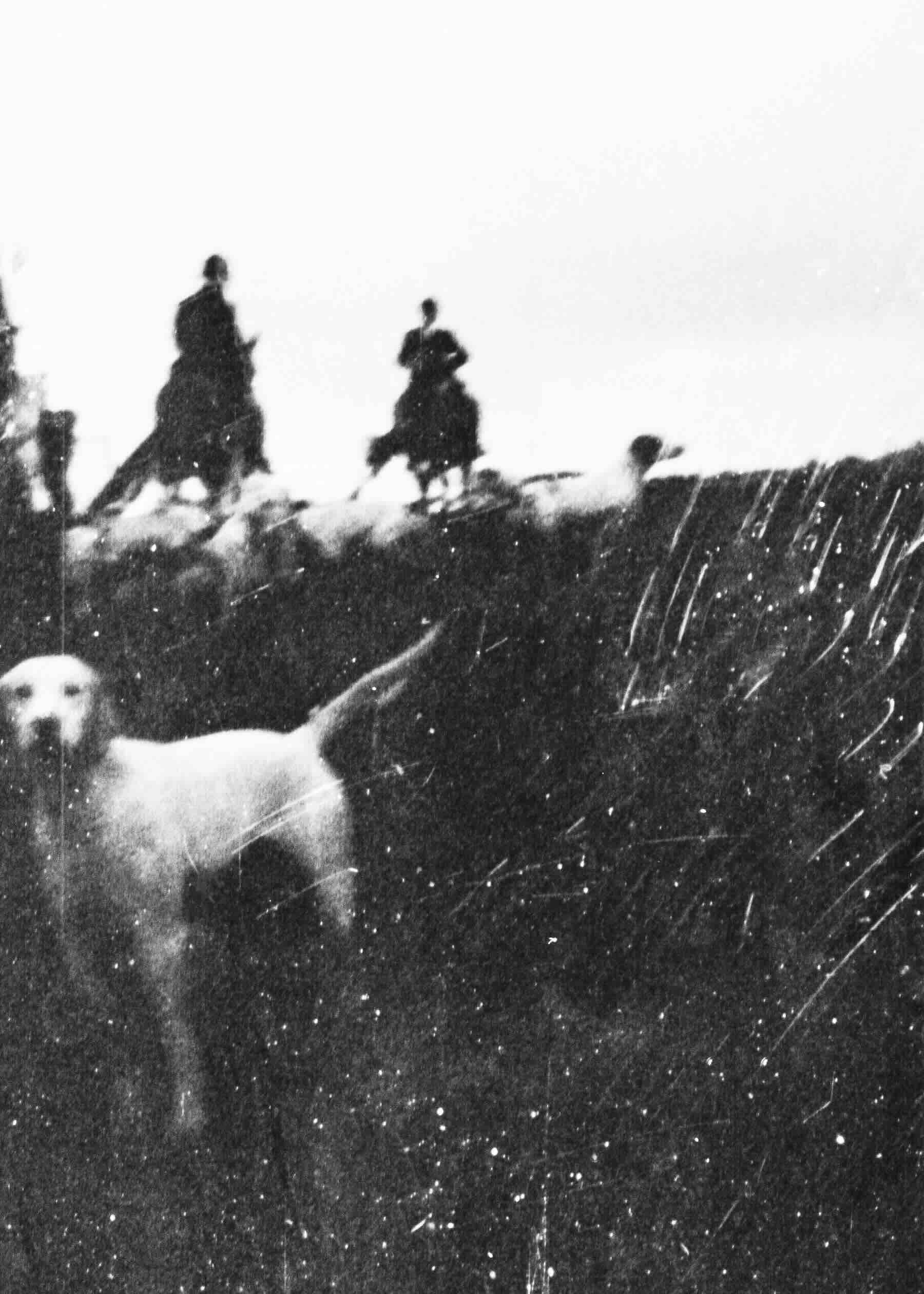
” For me, it is important to create parallels between the universal experience of ecology and the personal, as a way to connect with the audience, and give more context to issues which seem so enormous and impossible to understand”
Your work engages in themes of deep ecology such as the parallels between man and nature. What is your personal understanding of deep ecology?
I first became aware of Deep Ecology when I was a student through the writings of the likes of Arne Næss and others who were foundational in the movement. I think the dissolving of dualistic boundaries between humans and nonhuman nature really spoke to me at the time, as I hadn’t really read anything prior that addressed this fundamental flaw in contemporary society, and was perhaps something that I had always felt subconsciously. The idea that we are connected with the rest of the nonhuman world in living ecologies on an equal footing, challenging the master/servant relationship that has defined the human psyche for the past few centuries was really important to my development as an artist.
More recently, I drifted away from identifying with Deep Ecology as a movement, as I agree with Murray Bookchin’s criticisms that often the movement can be anti-human, characterising humans as a virus and as inherently destructive – which I think is a flawed, isolating, and damaging perspective to take. I prefer to take a more structural analysis that recognizes class dynamics, hierarchy, and the dominance of capital as being driving forces in ecological crises, than the notion that humans are inherently evil.
You have spoken about ‘Photographic entanglement’; a concept that connects the photographer to the natural environment through the act of photography. Can you talk a little bit more about this? How has it influenced the principles of the Sustainable darkroom?
Sure – when I talk about photographic entanglement, it’s something that the average photographer isn’t consciously aware of when out shooting – nor is it something that I would demand people be constantly thinking about! Basically, it is the idea that with every press of the shutter, you are connected to a much wider material network of living and non-living beings to make this possible. Historically, photography and the philosophy of photography has been concerned with what happens through the lens – you know, the representation of the subject, and the creation of the final image, and what that means.
But with photographic entanglement, it is instead looking at the relationships that enable photography, and the material, ethical, and environmental questions that arise as a result. So if we think of it very immediately – then the extraction of oil that produces the plastics for your film, or the silver that was extracted by a worker in a different country, and so on. This is really the core of the Sustainable Darkroom – in helping people to think differently about photography, and its material place in the world.
Some of your work like ‘Dogs on Fire’ and ’Yorkshire Dirt’ portray human violence against animals and nature. Is this portrayal of violence always necessary to make your work impactful?
I would say the violence in some of my works is born out of a frustration for environmentalists or animal rights activists to be held to an incredibly high standard, where instead of depicting the violent realities of everyday practices like eating meat, or animal agriculture – we are told to take a neutral stance and portray ourselves with endless niceties and positive messaging. Of course, I understand this perspective, and have no doubt it is effective to the public. But as someone that is a quite meek and pathetic person – I think it becomes a way for me to express the anger I feel, and also to portray the horrors that these other sentient beings suffer. Ultimately, you are watching an artist film, far removed from the reality of the factory farm, where unimaginable violence and suffering occurs, to end up in a sad microwaved meal.
That said, going forwards, I will focus more on narrative work – and trying to tell stories that explore these themes in a more nuanced way through the use of subtext. So I wouldn’t say it is always necessary, and perhaps I have finally expunged that part of my personality through those works!
What is your approach to storytelling or narratives when it comes to your short films?
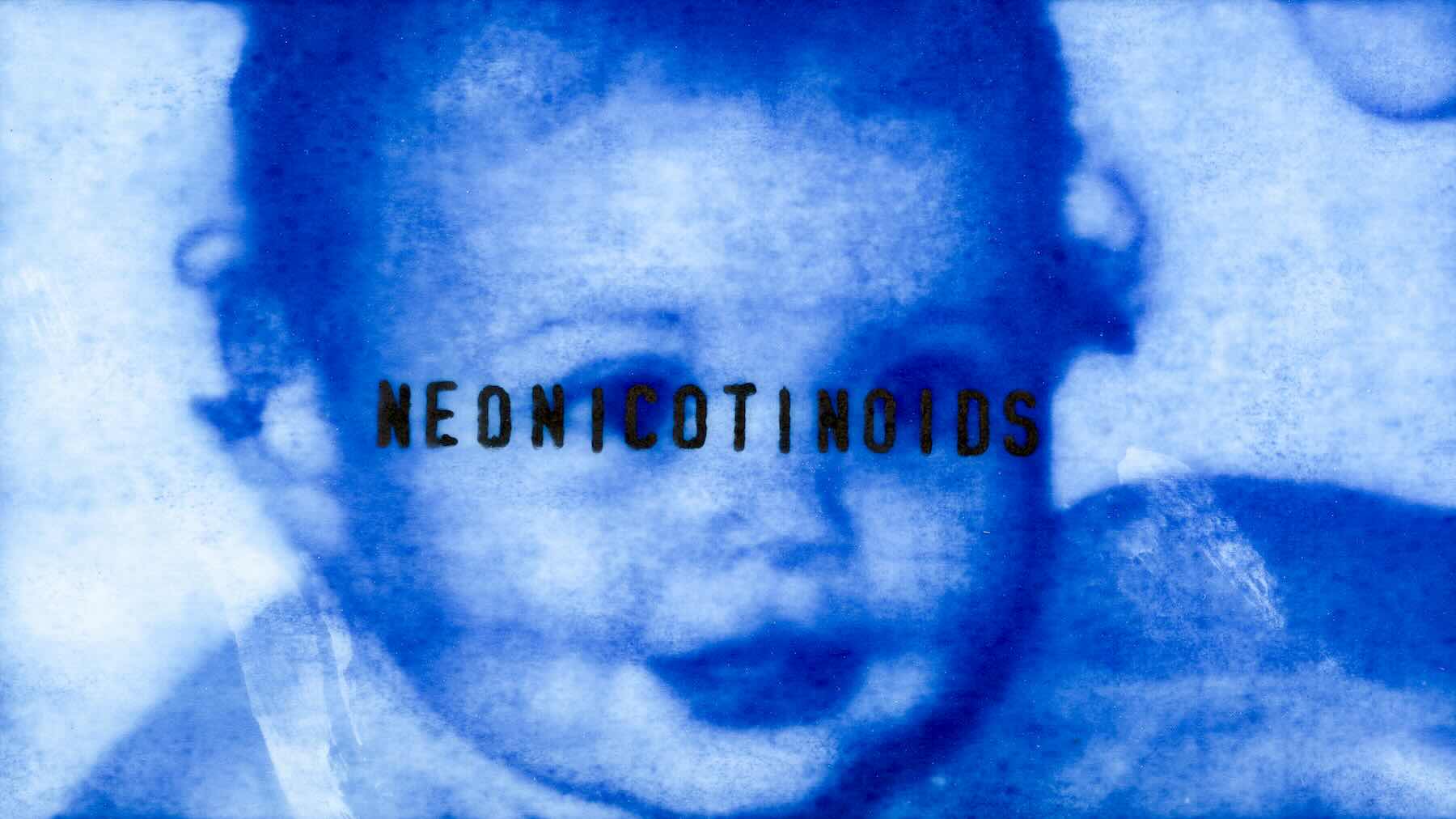
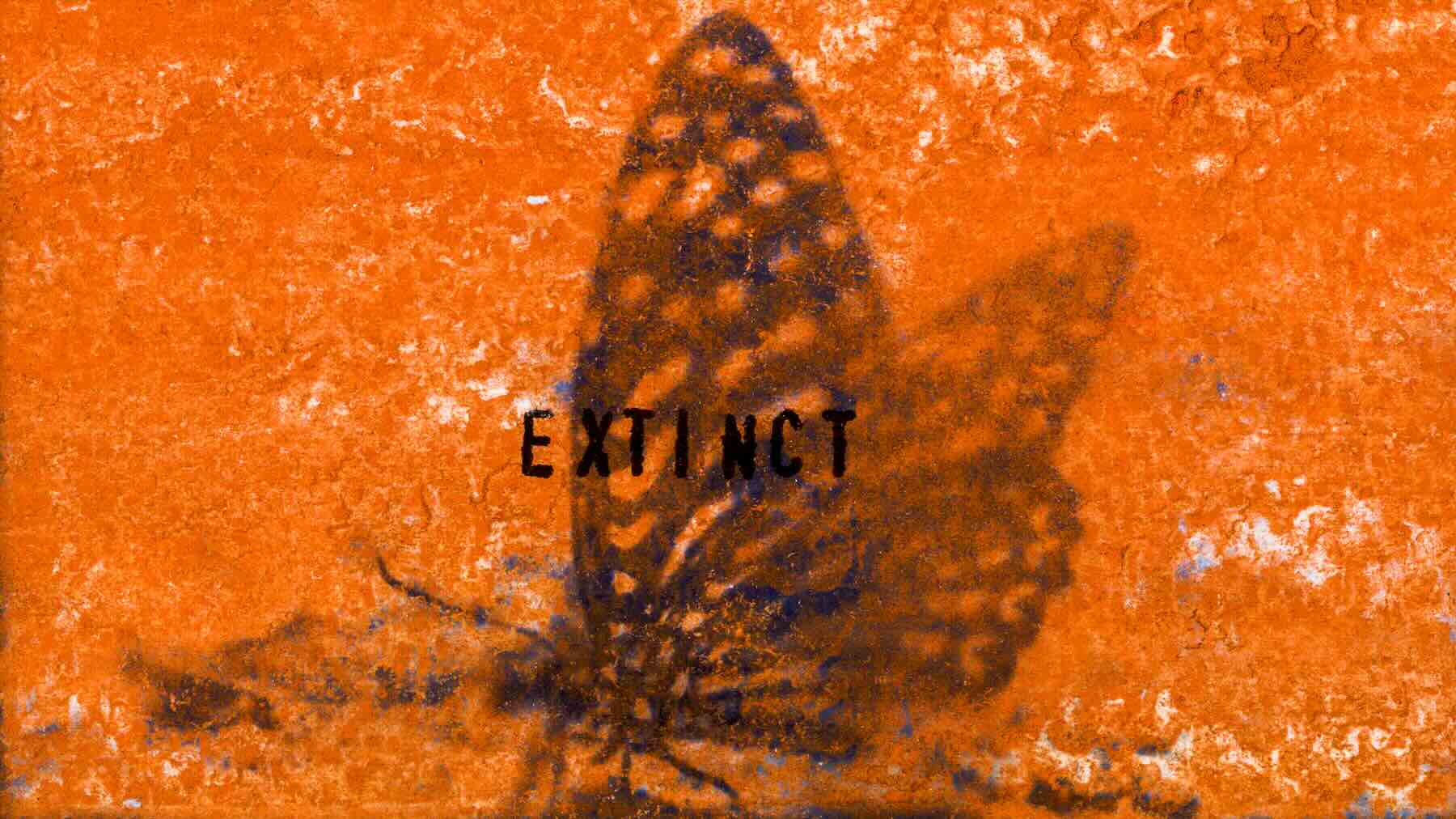
More recently, since my film LEPIDOPTERA, I have been focused on telling stories about ecological crises through the lens of personal experience, specifically trauma and family histories. I think I had a personal realisation that I don’t connect with environmental art that takes a kind of detached, neoliberal perspective – focusing on statistics, melting ice, that kind of thing. For me, it is important to create parallels between the universal experience of ecology and the personal, as a way to connect with the audience, and give more context to issues which seem so enormous and impossible to understand (such as climate breakdown).
For example, my recent film COME AND SLEEP for a show in Tokyo, is a first-person narrative piece of a boy from an abusive home that starts to live on the streets and then starts to believe he is a fox – and is motivated to destructive action as a result. I think for the future, I will be developing these narrative story-telling elements of my practice, whilst remaining within the wider context of ecological art.
You have said previously that art is exempt from talks of sustainability because of the cultural significance it holds. Do you still agree with this? In your opinion, what does it mean to be an artist in the age of the climate crisis?
I said that in the sense that I personally don’t agree with that perspective – but feel that historically it has been an industry exempt from these discussions because of the revered cultural significance it possesses. But the reality is, from the materials used, to the gigantic art fairs, and installation equipment/methods, the industry isn’t too focused on sustainable change, beyond perhaps some neoliberal solutions like carbon offsetting or recycling paper cups.
That said, there is definitely more awareness, and pressure from groups for museums to divest from fossil fuels and so on has had some success. And of course, it is becoming a more prominent topic within curation and museum programming – although, whether this is an exercise in greenwashing is left unsaid.
I think it’s difficult for artists concerned about these issues, as you of course want to be in exhibitions and to receive exposure and (possibly) financial gain, to continue your career as an artist – but also you have to contend with an industry full of both environmental and social dilemmas. So I’d say to any artist reading this, to not cut off your nose to spite your face, if it is a good opportunity that is presented to you – because we need more aware and engaged artists involved in the industry and working towards pragmatic change. So keep doing what you do, and don’t feel held back by guilt or anything like that. Small steps towards big change!


