

The Most Forward-Thinking Sustainable Materials Redefining the Textile Industry
At Texworld Paris 2026, sustainability was no longer a promise on a label. It became tangible, technical, and deeply material. Walking through the Econogy Hub and its surrounding showcases, one message stood out clearly: the future of fashion will be built less on virgin resources and more on intelligence, circular systems, and radical material reinvention.
Across Texworld Apparel Sourcing Paris 2026 and more exactly at the Econogy Hub, exhibitors presented solutions that went far beyond surface-level eco claims. These were materials designed for scale, performance, and real industrial integration, addressing waste streams, fossil-free alternatives, and closed-loop processes with precision and intent.
Below, we highlight the most compelling sustainable material innovations discovered at Texworld Paris 2026, all of them aligned with circularity, traceability, and responsible design.
One of the strongest signals of systemic change comes from projects focused on fibre-to-fibre recycling.
From Waste to Fiber: Closing the Loop on Synthetic Textiles
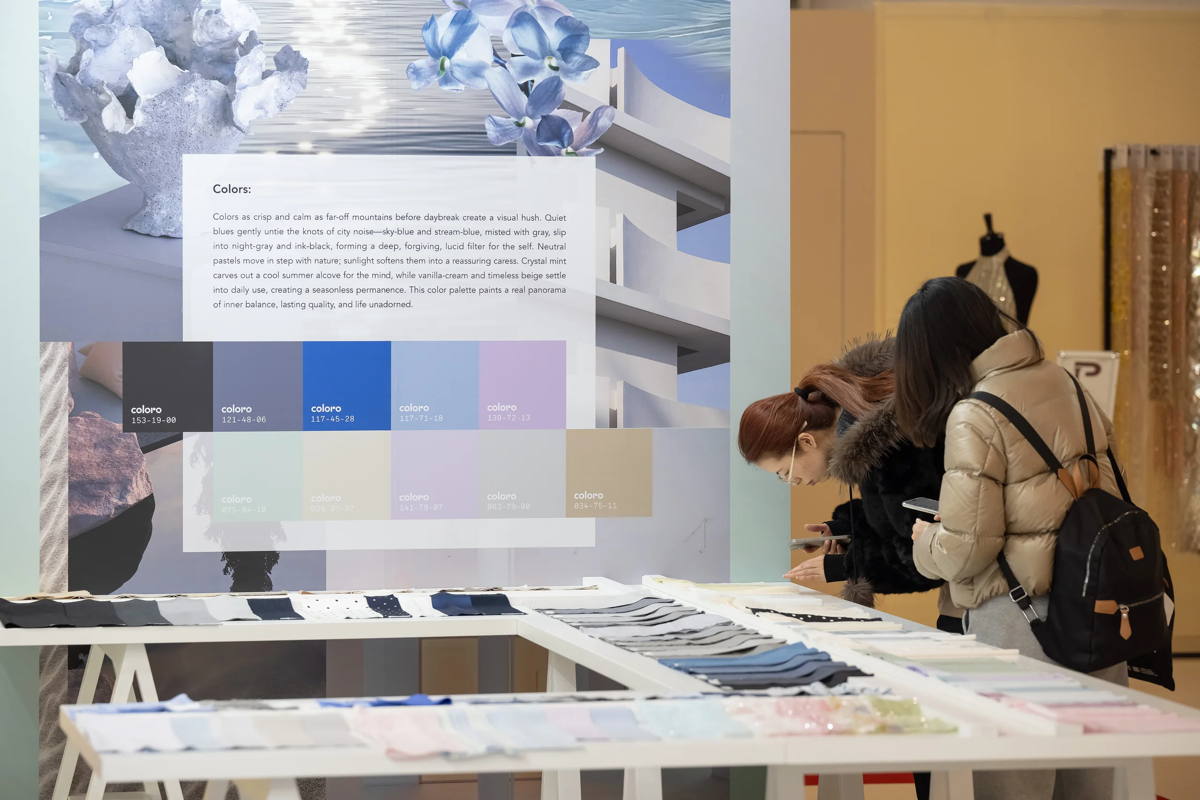
One of the strongest signals of systemic change came from projects focused on fibre-to-fibre recycling by Dresdner Spitzen. Rather than downcycling, several initiatives are now tackling one of the industry’s most complex challenges: separating blended fibres and reintegrating them into new yarns.
Advanced research into polyamide recovery from production waste and textile remnants demonstrated how elastane and other components can be isolated, processed, and reused. These developments lay the groundwork for truly circular warp-knit fabrics, where performance and durability coexist with recyclability.
Recycled lace and elastic warp-knit textiles showed that even technically demanding categories can evolve without sacrificing aesthetics, comfort, or functionality.
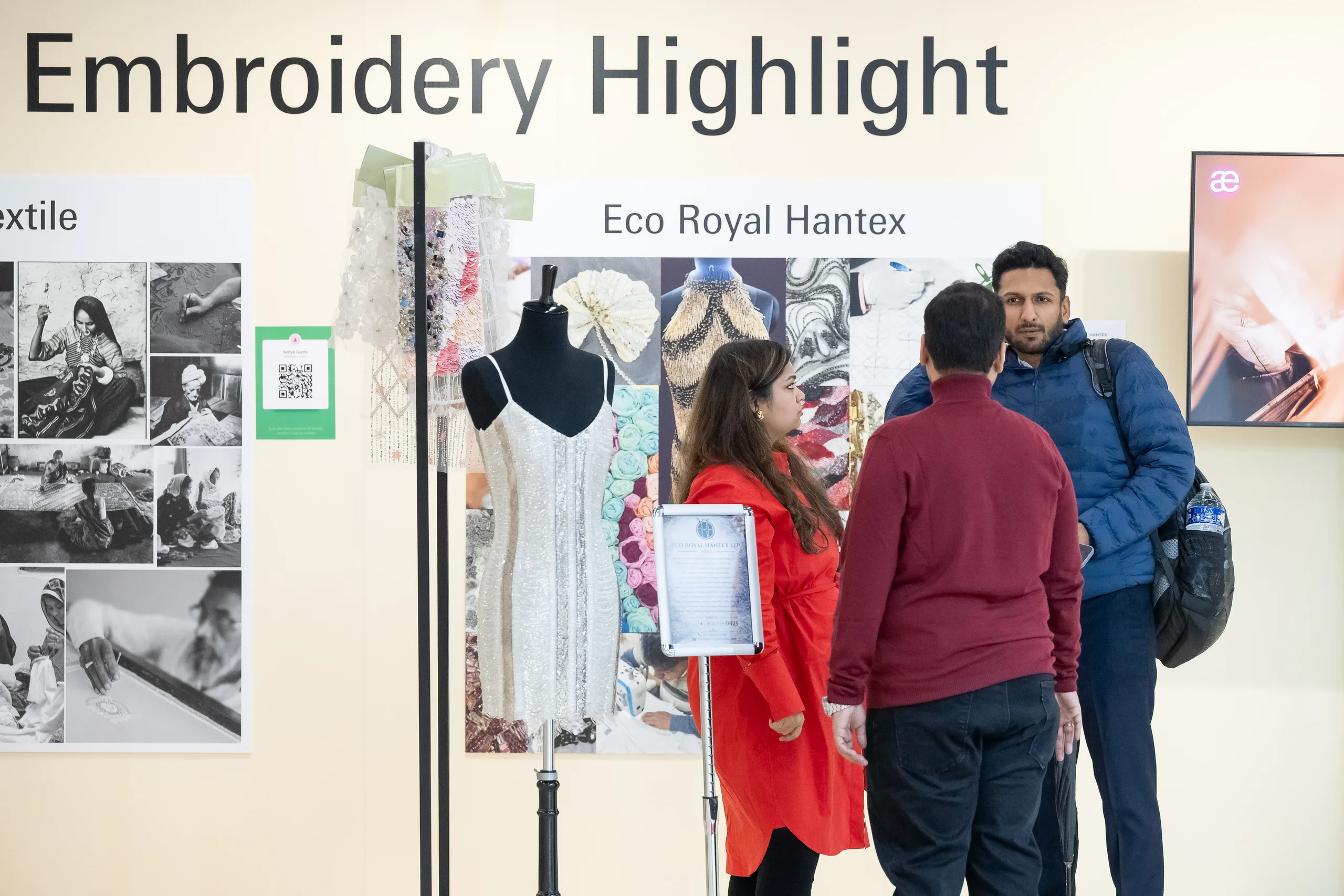
Rather than focusing on finished garments, the exhibition Zero Waste Couture, curated by designer Lea Theres Lahr-Thiele, explored what comes before the product: material research, design systems, components, and open processes.
BioFluff: Plant-Based Luxury Without Compromise
BioFluff emerged as one of the most inspiring material innovators at the fair. Its proposition is radical in its clarity: no animals, no oil, no compromise.
Savian Naturals by BioFluff presented 100% plant-based fur developed from natural fibres such as flax and hemp. Entirely free from plastic and toxic chemicals, these materials are biodegradable and designed as genuine alternatives to animal fur and synthetic faux fur. Equally striking was the reinterpretation of silk fur, offering a lightweight, soft-textured material with a luxurious hand feel, while remaining entirely plant-based. BioFluff also showcased bio-based PLA polymers derived from agricultural waste, proving that high-performance materials do not need to rely on fossil resources or compete with food supply chains.
Savian Naturals by BioFluff presented 100% plant-based fur developed from natural fibres such as flax and hemp.
Tintex: Circular Knits and Low-Impact Surface Innovation
Portuguese textile specialist Tintex demonstrated how circularity can be embedded into everyday materials through advanced finishing and coating technologies.
Among the highlights was B. Cork™, a textile coating created from cork industry waste and applied using water-based formulations. The result is a durable, tactile surface with a distinctly natural aesthetic. InVinoTex took circular storytelling even further, transforming grape pomace from the wine industry into an alternative leather-like coating. The material combines softness, depth of colour, and narrative richness with measurable environmental benefits. Another standout was Rice Husk, a coating developed from discarded rice husks, creating organic textures while reducing reliance on synthetic fillers and pigments.
InVinoTex transforms grape pomace from the wine industry into an alternative leather-like coating.
More innovations
Valupa: Compostable Hardware for Circular Design
Sustainability often fails at the component level. Valupa addressed this gap by rethinking one of fashion’s most overlooked elements: buckles and accessories. Their bio-based buckles are made from compostable materials, designed to be detached, repaired, or safely reintegrated into natural or industrial cycles. By eliminating microplastics and enabling disassembly, these components support circular product design from the inside out.
Jablonex: Recycled Glass Beads with Architectural Precision
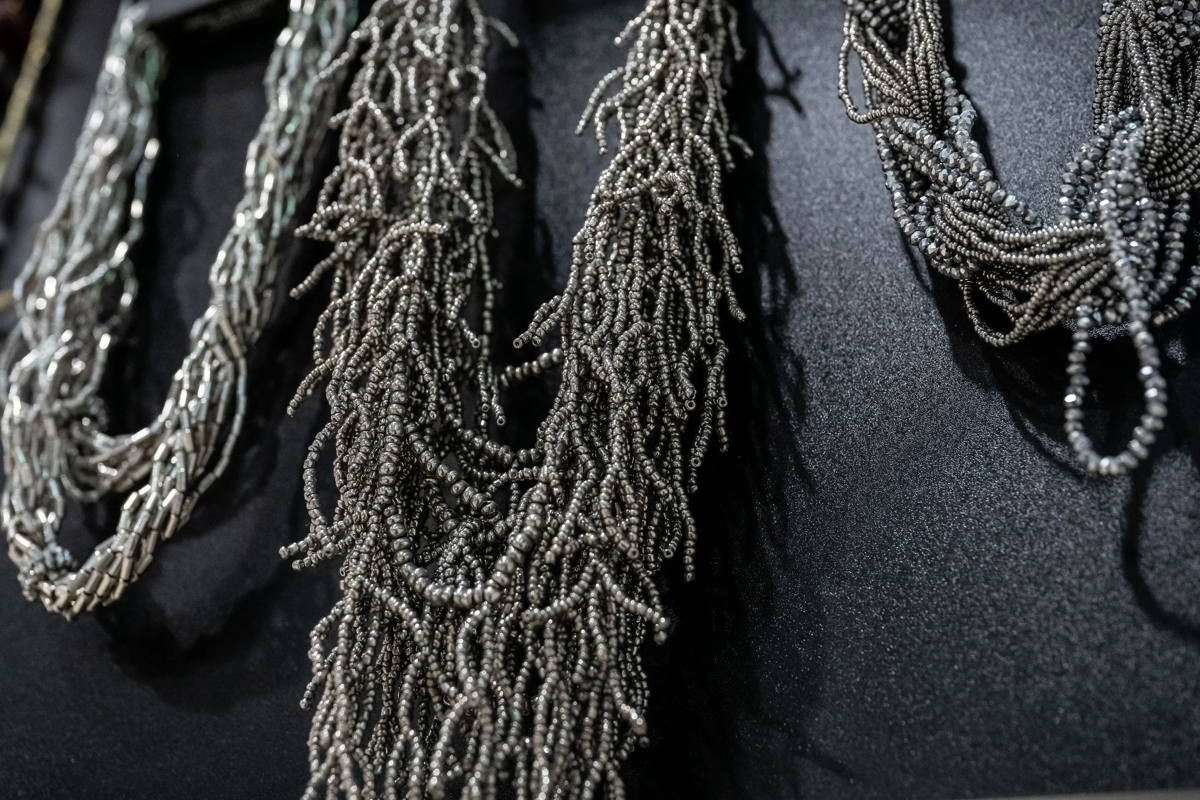
Decorative elements also took a circular turn. Jablonex showcased recycled glass beads made entirely from post-consumer glass waste. From cube-shaped beads to olive-inspired forms, these components retain precision, durability, and visual depth while giving new life to discarded materials. The result is a refined solution for embroidery, accessories, and surface embellishment that aligns beauty with responsibility.
Zero-Waste Innovations in Intimate Apparel
Technical lingerie components are notoriously difficult to redesign sustainably. Yet innovations in zero-waste bra cups demonstrated that even high-performance intimate apparel can evolve.
Biodegradable cups, wool and hemp-based structures, silicone fibre alternatives, and lightweight spacer constructions were presented as solutions that balance comfort, durability, and reduced environmental impact. Clean upcycling processes and bio-based inputs further strengthened their circular credentials.
Unexpected Waste Streams: Coffee Grounds and Tennis Balls
Some of the most inspiring innovations came from unexpected sources. Textile coatings developed from used coffee grounds introduced warm, natural tones and tactile depth while transforming everyday waste into functional surfaces.
Equally bold was the reuse of old tennis balls, ground and integrated into water-based coatings. The resulting textures are dynamic, durable, and visually distinctive, proving that performance waste can be transformed into expressive design material.
A New Material Language for Fashion
What united all these innovations was not just sustainability, but intent. At Texworld Paris 2026, materials were no longer framed as isolated solutions, but as part of a broader redesign of the fashion system.
Waste became a resource. Processes became transparent. And materials carried stories that extended beyond aesthetics into ethics, innovation, and long-term responsibility. This shift marks a decisive moment for the industry. Sustainability is no longer about reducing harm. It is about redefining value, starting at the material level.
All Images:
@ Courtesy by Texworld Apparel Sourcing Paris


