
Why La Boutique Consciente at MOMAD Created Business and Why It Inspires Brands and Retailers
Sustainability is no longer an optional narrative in the fashion industry. It is influencing wholesale strategies, retail positioning, and international partnerships. At MOMAD Madrid February 2026, La Boutique Consciente demonstrated that responsible fashion is not only an ethical commitment, it is increasingly a commercial catalyst. We asked the brands participating and this is what they answered.
A Curated Space for Circular and Responsible Fashion
Curated in collaboration with Luxiders Magazine, La Boutique Consciente once again occupied a dedicated and visible space within Pavilion 10 at Momad Madrid. The February edition, held from 5th to 7th, reflected clear structural improvements, stronger international reach, and tangible business outcomes for several participating brands, while also revealing the current challenges facing European trade fairs.
Despite the collateral impact of the national train strike in Spain following the accident that occurred more than a week earlier, the severe weather conditions that caused train cancellations from Andalucía and other regions, and the broader crisis currently affecting international fashion trade fairs, the outcome of La Boutique Consciente at MOMAD February 2026 was unexpectedly strong. Most exhibitors connected by Luxiders Magazine agreed that visitor numbers felt lower than in previous editions. Yet, surprisingly, sales results and qualitative feedback were largely positive.
In a moment when the fashion trade fair model is under structural pressure across Europe, Momad Madrid demonstrated resilience and relevance.


International Reach and Qualified B2B Contacts
Across the participating brands, one theme was consistent: international engagement. Several brands confirmed that the quality of contacts outweighed the reduced volume of visitors. Miluska Novoa, Founder of Disoal, stated: “During the fair we secured high-value B2B contacts, mainly Swiss and German, as well as premium and luxury multi-brand stores in Spain. These were highly qualified visits, interested in our baby alpaca pieces and in our sustainable and timeless proposal.” More importantly, those conversations translated into real business: “Several of these visits have already converted into real sales, which demonstrates concrete interest in our products.”
For German brand Brax, represented by Sales Manager Sven Paus, the international scope was equally evident: “Customers from Spain, Guatemala, Ecuador, Mexico, England, Poland. Production Specialist (fibre innovations) from Switzerland. Producers from China.” Beyond commercial contacts, Brax highlighted a strategic sustainability connection: “Also very interesting contact with a company offering specialised recycling services.”
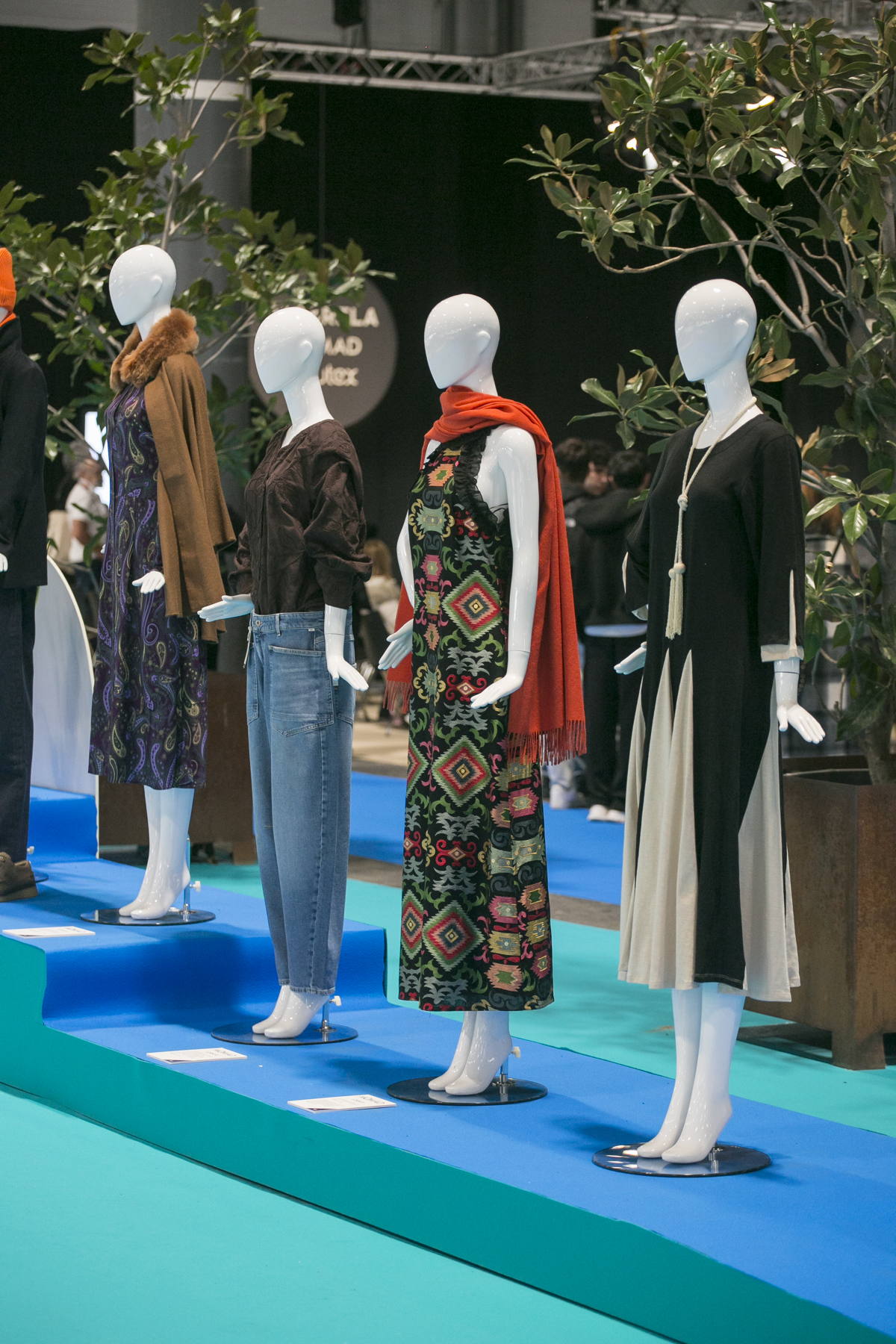
French heritage brand Saint James, through Sales Manager in Spain Mario Menéndez, confirmed a similar profile: “Saint James was mainly visited by multi-brand stores positioned in the medium to upper segment, looking for high-quality brands with strong design and personality. The majority were Spanish, but we also had Portuguese, Swiss, Danish, Dutch, and Mexican buyers. Journalists and industry personalities also visited.”
NKN Nekane, represented by Sales Manager Sonia Martín, reported the visit of “multi-brand stores from Chile, Ecuador, Germany, Poland, Italy, the UK, and Switzerland.” Specifically through La Boutique Consciente, she declared: “We had three potential clients from Chile, Ecuador, and Germany coming directly from La Boutique Consciente, which we now need to follow up from headquarters.”
These statements confirm that La Boutique Consciente continues to function as a cross-border platform connecting Spanish, European, and Latin American markets. Patricia Chao, Founder of Tartaruga, described a similar profile of aligned visitors: “During the fair we made contacts mainly with multi-brand boutiques and concept stores aligned with our positioning, interested in brands with strong identity and carefully managed production. The majority of the contacts were national, although we also had international visits, especially European buyers interested in brands with strong DNA and differentiated summer proposals.” Her feedback reinforces the idea that La Boutique Consciente attracts retailers looking for authenticity, storytelling, and consistency rather than volume-driven collections.

A Stronger and More Visible Concept
Feedback consistently highlighted improvement in the space’s structure and visibility. Brax described the space as far better than Winter 2025: “clearer, more visible, and significantly improved”. Saint James noted that it helped reinforce a necessary sustainability debate within the sector.
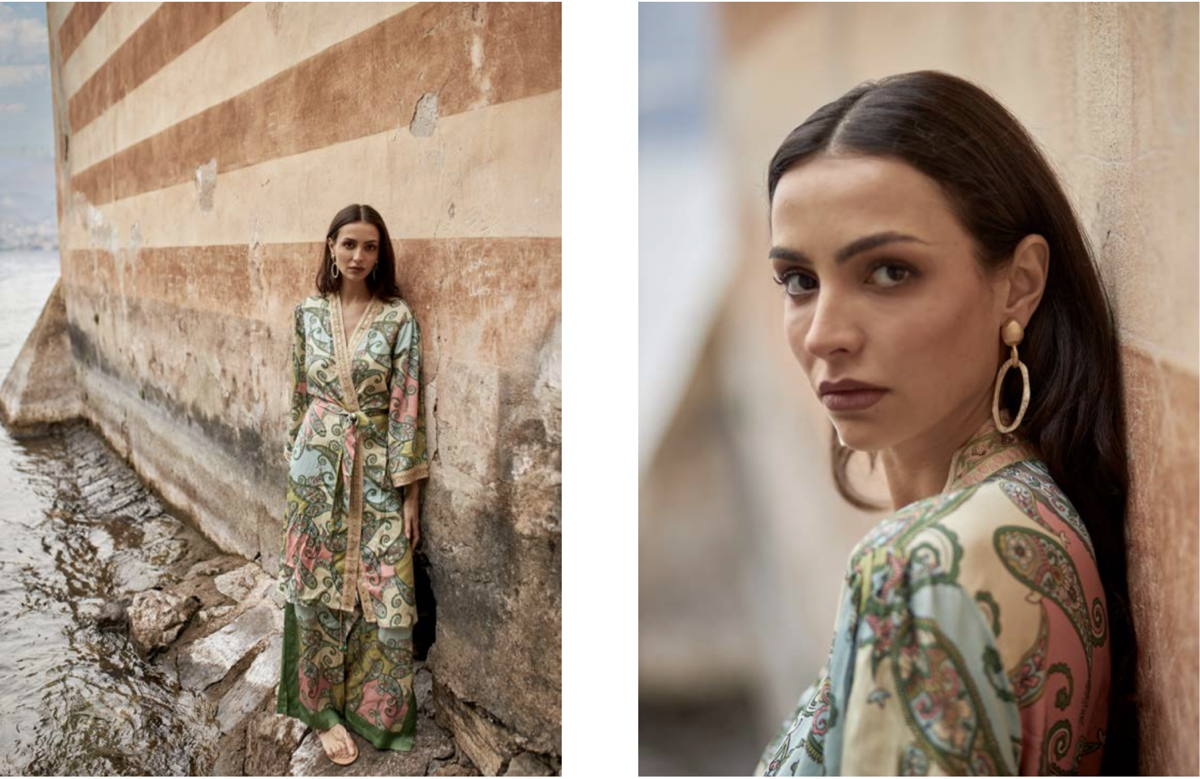
Patricia Chao also highlighted the importance of the space’s curation and visual coherence:“We really liked the La Boutique Consciente space. The location near the runway area, the visibility through the mannequins, and the careful representation of the product were very well planned. It was a space with aesthetic coherence and a clear message.”
Disoal emphasised that the space attracted qualified visitors and allowed clients to better understand the value of noble fibres such as baby alpaca. NKN Nekane underlined the importance of communicating that “even when production is international, high standards of quality and conscious manufacturing are achievable”.
Riscas Sucessivas described La Boutique Consciente as a very strong and meaningful concept, and an important initiative for promoting sustainability and responsible practices within the textile and fashion industry. “This alignment is crucial. The space is not perceived as decorative. It is recognised as structurally relevant”.
For Susan Pinto, direct sales during the fair were limited. All interviewed noted that it was difficult to assess whether traffic to their stand resulted directly from the Boutique display. However, even in cases without immediate orders, brands emphasised the value of visibility, positioning, and alignment with sustainability discourse. In today’s market, trade fairs serve both as transactional spaces and relationship accelerators.


News for July 2026 and Strategic Decisions
The July edition introduces a significant calendar shift, positioning MOMAD earlier in the buying cycle. The fair will be held from 23 to 25 de July with focus in the product and internationalization. Many brands see this as positive. However, the overlap with Düsseldorf Fashion Days creates scheduling challenges for internationally active labels.
Looking ahead to July 2026, MOMAD is entering a new strategic phase marked by a definitive calendar shift, a stronger focus on product quality, and reinforced international projection. The fair will permanently move from September to 23–25 July, aligning itself with the European buying calendar and strengthening its competitive position. Held as a standalone event with its own international buyers programme, the new MOMAD will prioritise curated brands, clearer sector segmentation, and a more structured exhibition layout in Pavilion 5. With expanded global outreach, a sharper commercial identity, and a more experiential format centred on innovation and sustainability, the upcoming edition signals a decisive evolution for the Spanish fashion trade landscape.
Saint James and NKN Nekane have confirmed participation in July and expressed their desire to remain part of La Boutique Consciente. Disoal also confirmed strong interest in returning. Brax expressed conditional interest depending on summer participation.
Highlight Image:
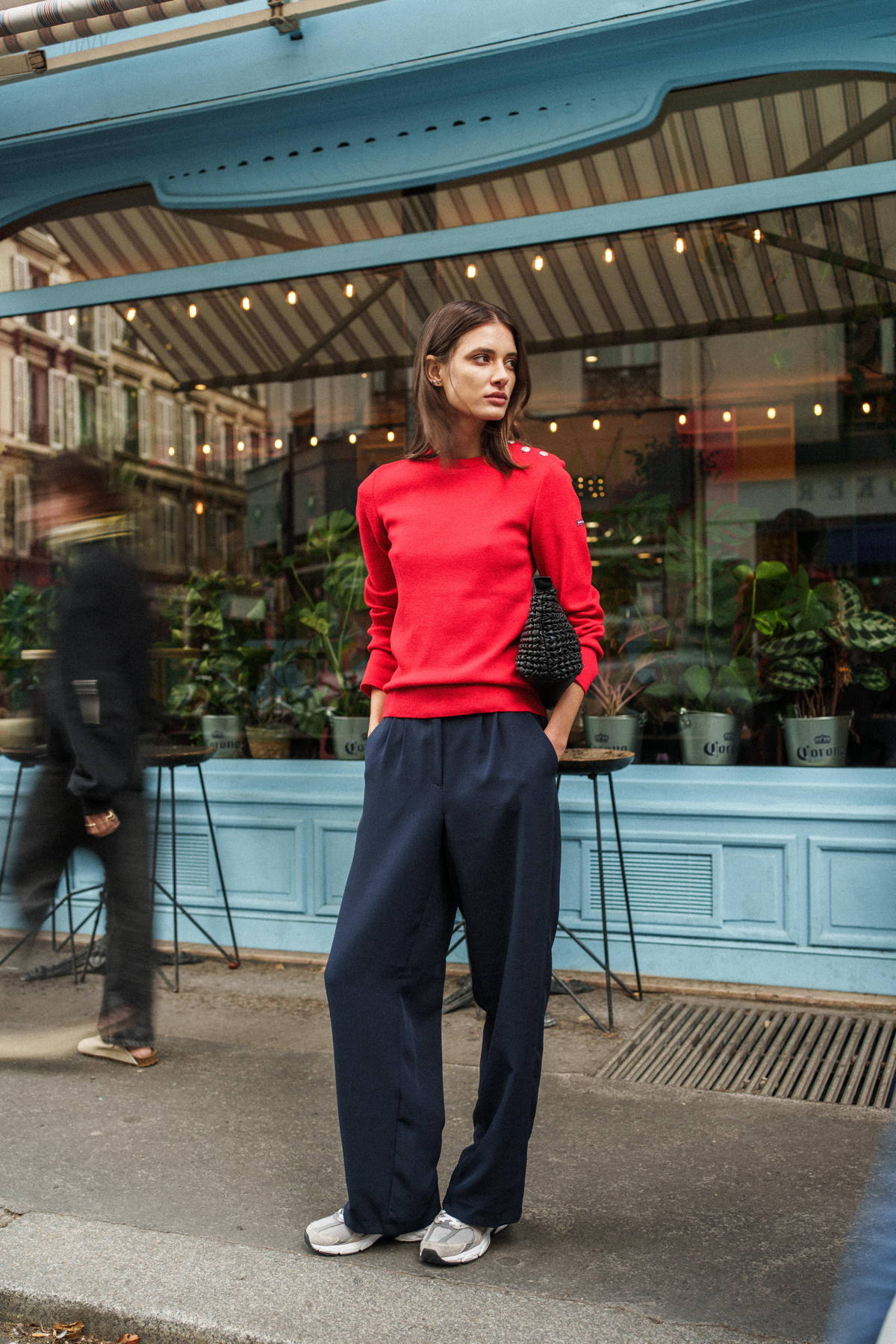
© Saint James


