


Family Hotel In Maspalomas: What To Consider Before Choosing
Traveling with children changes everything. Not just the pace of the trip, but the way decisions are made from the very beginning. A destination that works for adults may not work the same way for families. And more importantly, a hotel that looks good on paper doesn’t always translate into a smooth, enjoyable experience once you arrive. That’s why choosing the right accommodation in places like Maspalomas is less about ticking boxes and more about understanding how a hotel actually functions in real life.
Family hotel in Maspalomas: beyond the obvious
At first glance, many properties position themselves as family-friendly. Pools, kids’ areas, entertainment programs —these elements are often highlighted as key features. But the real difference lies in how those elements are integrated into the overall experience. A true family hotel in Maspalomas should not feel like a space adapted for children, but one designed with families in mind from the ground up. That means thinking about flow, accessibility, comfort, and flexibility.
In this context, resorts like the family hotel in Maspalomas offer a useful reference point for understanding how these elements come together in practice.
Space is not a luxury —it’s a necessity
One of the most underestimated aspects of family travel is space.
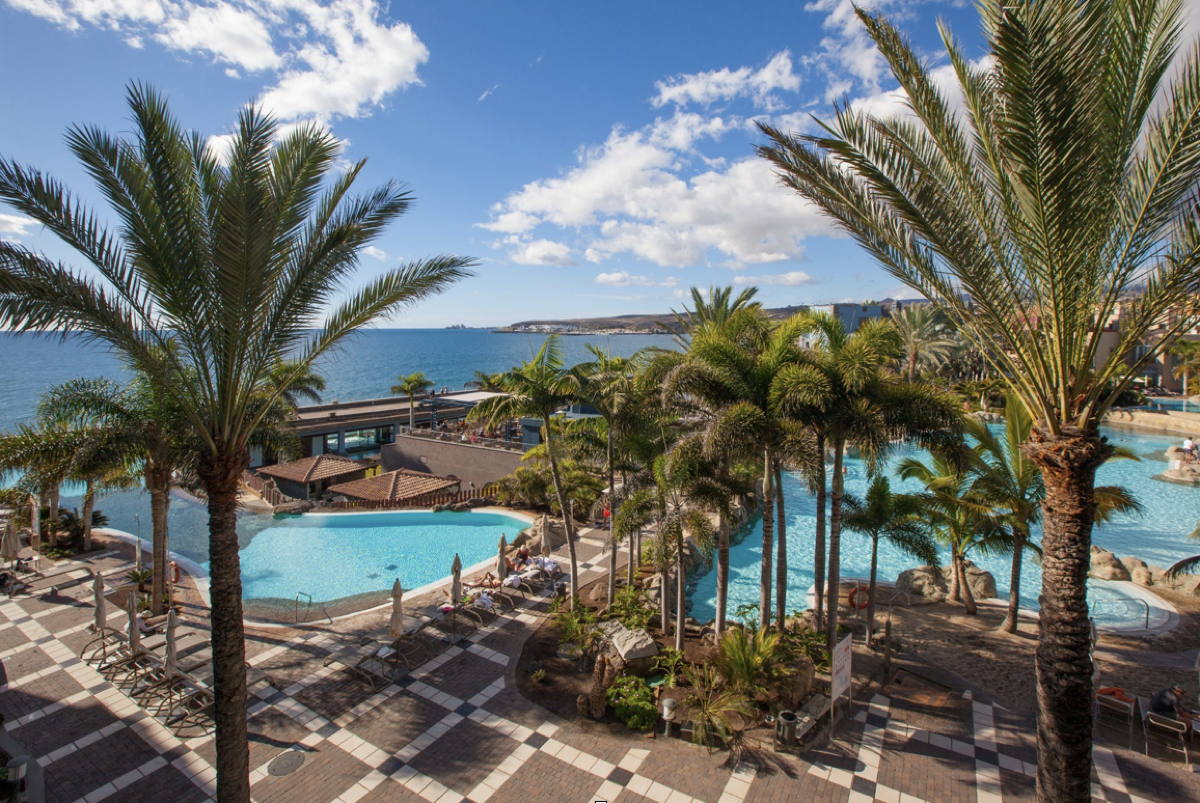
Not just in the room, but throughout the entire property. Families don’t move the same way as solo travelers or couples. They need room to spread out, to pause, to regroup. Wide walkways, multiple pool areas, open gardens, and clearly defined zones make a significant difference in how comfortable a stay feels.
When space is well designed, it reduces stress without anyone even noticing why.
Flexibility makes everything easier
Traveling with children rarely follows a strict schedule. Plans change, energy levels fluctuate, and routines shift from day to day.
Hotels that impose rigid structures—fixed meal times, limited access to services, crowded spaces—can quickly become challenging.
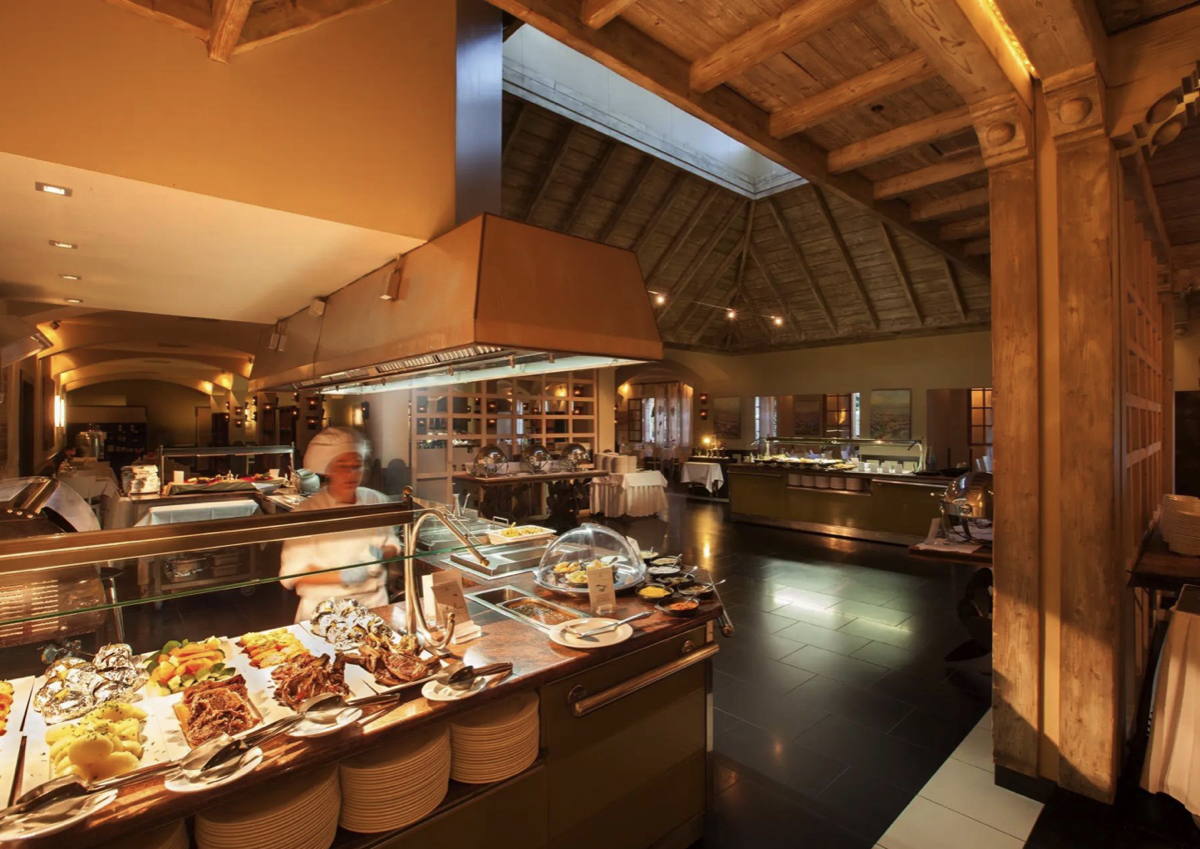
On the other hand, properties that allow for flexibility create a much smoother experience. Being able to eat when it suits you, move between different areas easily, or change plans without friction becomes invaluable.
The importance of multiple environments
One of the key factors in a successful family hotel is the ability to offer different environments within the same space.
Children may want activity, movement, and interaction. Adults, at least part of the time, look for quiet, rest, and a slower pace.
Hotels that manage to balance both—without forcing a compromise—stand out immediately.
This often comes down to layout: separate pool areas, quiet corners, shaded spaces, and zones designed for different rhythms throughout the day.
Pools, but not just any pools
Pools are central to most family holidays, especially in destinations like Gran Canaria.
But it’s not just about having a pool—it’s about how it’s designed and distributed.
A single large pool can quickly become crowded and overwhelming. Multiple pools, with different depths, atmospheres, and uses, create a more dynamic and enjoyable experience.
Children can play freely, while adults still have access to calmer areas when needed.
Design that engages without overwhelming
The visual and conceptual design of a hotel also plays a role, especially for families.
Environments that spark curiosity—through architecture, theming, or layout—can enhance the experience for younger travelers without turning the stay into something chaotic or overstimulating.
The balance is delicate. Too neutral, and the space feels generic. Too intense, and it becomes exhausting.
When done right, design becomes part of the experience without dominating it.
Location still matters —but in a different way
Maspalomas offers a wide range of locations, from more active areas to quieter zones.
For families, proximity is important—but not always in the most obvious way.
Being close to key attractions like the dunes or the beach is valuable, but so is having a calm environment to return to at the end of the day.
That’s why areas like Meloneras are often preferred. They offer access without the intensity, allowing families to explore and then retreat into a more relaxed setting.
Reducing friction improves the entire trip
One of the most important, yet invisible, elements of a good family hotel is how well it reduces friction.
Short distances between facilities, intuitive layouts, easy access to services—these small details add up.
When everything works smoothly, the trip feels lighter. There’s less need to plan, less need to adapt constantly, and more room to simply enjoy the time together.
When the hotel becomes part of the experience
In many cases, families don’t want to be constantly on the move. They want a place where staying in also feels like a good option.
A hotel that offers enough variety—pools, outdoor areas, dining options, open spaces—can become a destination in itself.
This doesn’t replace the destination, but complements it. It creates a balance between exploring and resting.
Choosing well means traveling better
At the end of the day, choosing a family hotel isn’t about finding the one with the most features.
It’s about finding the one that aligns with how families actually travel.
Space, flexibility, balance, and thoughtful design matter more than long lists of amenities.
And in a destination like Maspalomas, where the environment already does a lot of the work, choosing the right hotel allows everything else to fall into place naturally.
+ All Images:
© Courtesy by MasPalomas


