

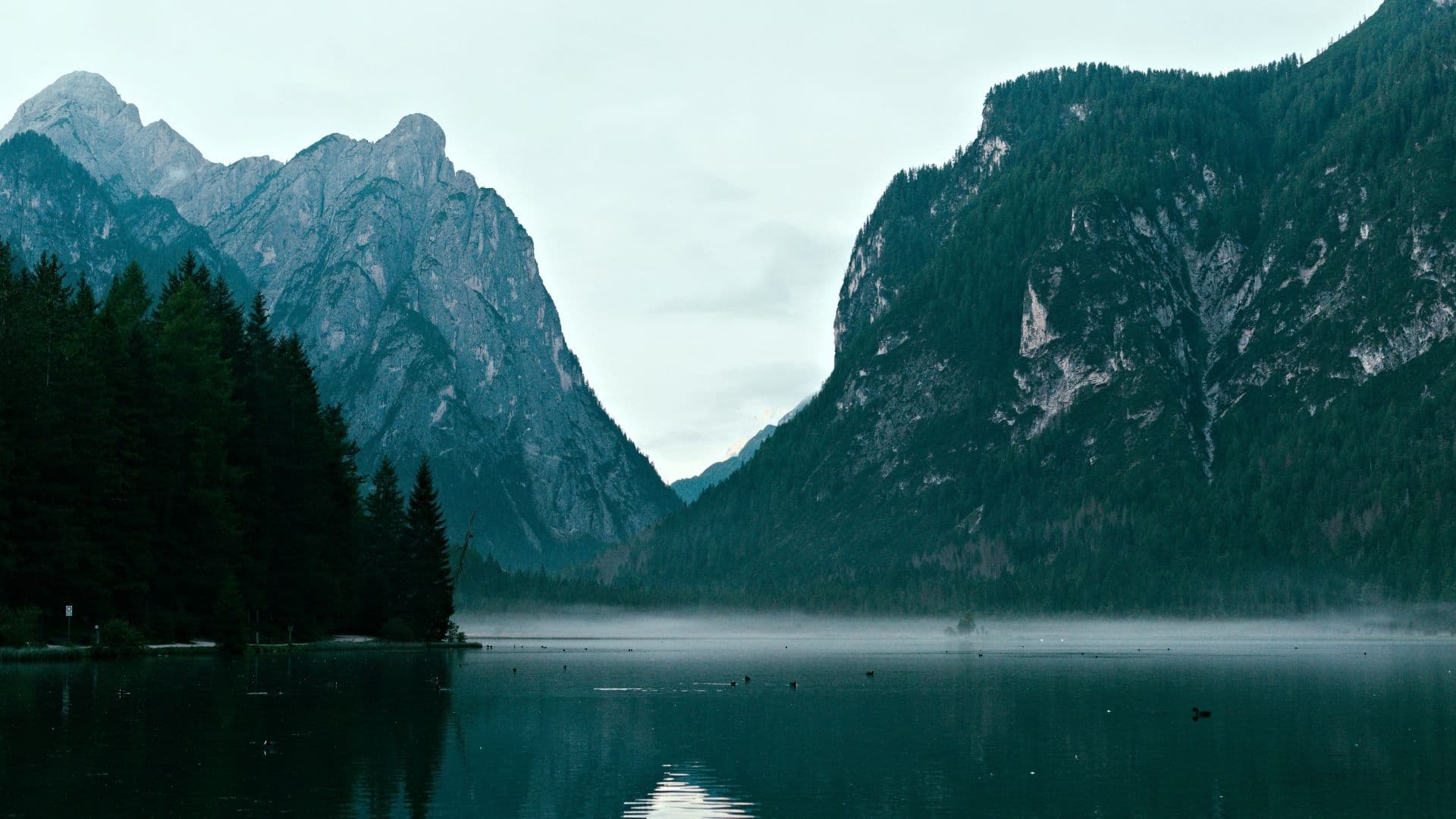
Quietcation | Why Gen Z Is Choosing Silence Over Luxury Travel in 2026
Luxury used to mean going farther, spending more and doing more. Today, for many young travellers, true luxury means hearing nothing at all.
What Is a Quietcation?
A quietcation — sometimes referred to as “silent travel” — redefines what a vacation can be. Instead of seeking thrills or luxury amenities, travellers intentionally seek out environments where silence is the main attraction. In a world saturated by digital noise and constant connectivity, more young people are escaping to quietcations to disconnect from technology, restore their mental energy, and rediscover the value of stillness. For those who live in bustling cities, these trips provide a much-needed antidote to the relentless barrage of urban sounds and stimuli.
“Quietcations” are gaining traction as more travellers face burnout and digital overload. Instead of jam-packed trips, people now seek intentional disconnection, “hushpitality,” and soothing spaces to truly recharge.
Rather than bucket-list sightseeing or all-inclusive entertainment, quietcations are about embracing solitude and mindful reflection. Travellers often retreat to off-the-grid cabins, remote eco-lodges, or resorts that ban digital devices during designated hours. Activities focus on fostering calm — think forest bathing, silent hikes, or simply sitting by a lake without interruption.
Why is Gen Z Embracing Quietcation?
Gen Z are the protagonists of this new travel trend, and this shouldn’t come as a surprise considering this is also the generation with the highest levels of anxiety and burnout, according to recent statistics.
Digital fatigue is a leading factor. A 2025 study found that constant screen time significantly increases stress and anxiety, eroding overall well-being. Recent data paints a concerning picture for Gen Z: 54% report experiencing anxiety or depression, while social media use is linked to 40% feeling lonely or inadequate, and 36% suffering from FOMO (Fear of Missing Out).
Additionally, excessive screen time can lead to mental overload and overstimulation. According to Datareportal, Gen Z spends an average of 7 hours a day online, mainly switching between messaging apps and social media. Researchers at Sultan Qaboos University and Fayoum University explain that Multitasking on digital devices bombards the brain with information faster than it can process, leading to cognitive overload. This strain results in mental fatigue and difficulty concentrating, as the brain struggles to retain and organise what it encounters.
Studies increasingly show that younger adults, heavily engaged in these behaviours, frequently report symptoms such as poor focus, mental fog — now commonly known as ‘brainrot’ — and reduced cognitive sharpness. The constant switching between apps and tasks overstimulates the mind, making it hard to concentrate on what matters most. Over time, this sustained overstimulation erodes both productivity and motivation.
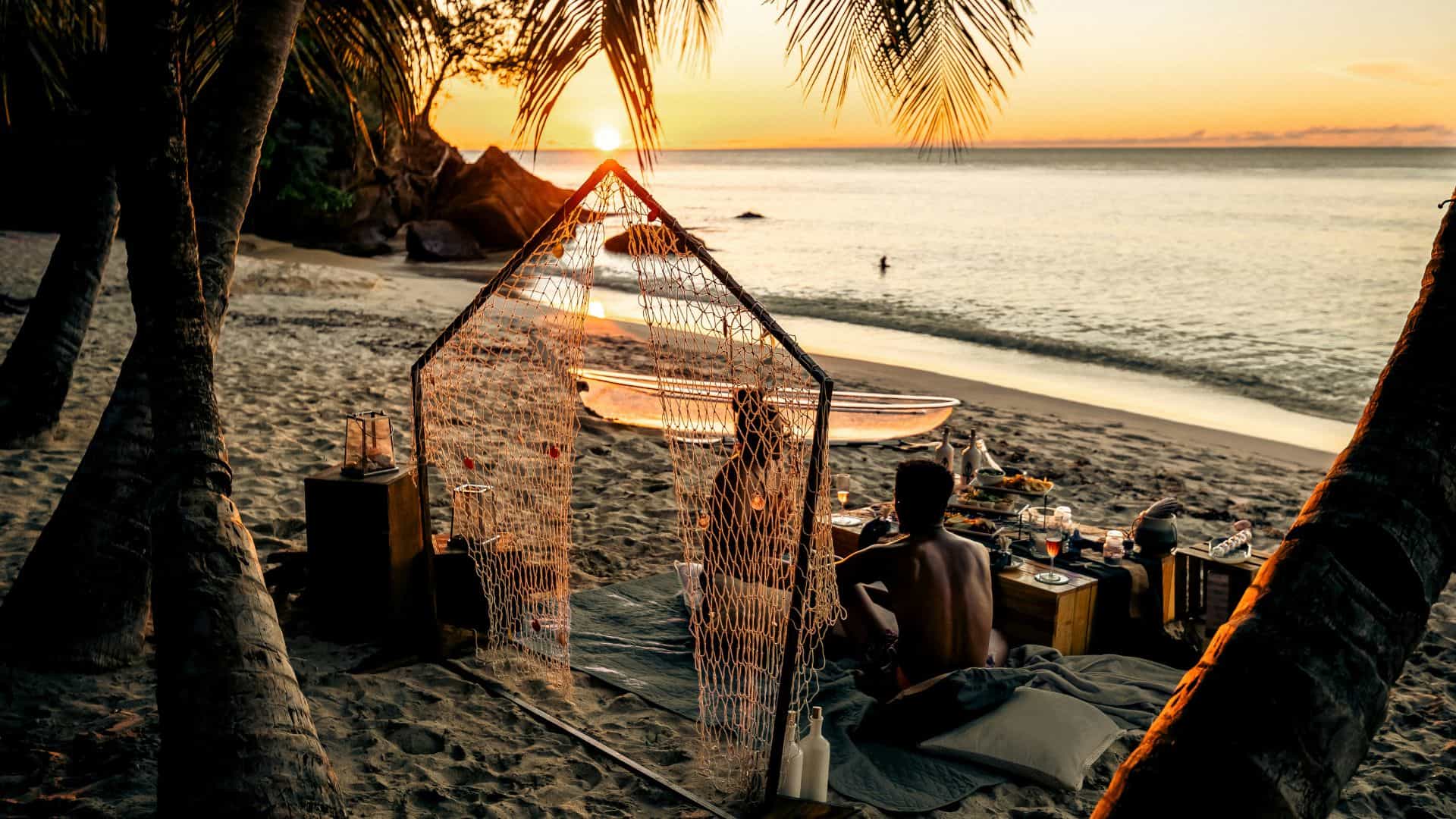
Keeping this data in mind, it is understandable that Gen Z is so fascinated by the new travel trend of Quietcation. In a world that is progressively becoming more and more digital, feeling grounded and present in our physical spaces has become a luxury. If in the past our phones and digital devices were a source of fleeting joyful distractions, nowadays, we are unprecedentedly immersed in their cyborg realities. If before, exchanging fun emails with plenty of emojis or sending silly GIFs via Bluetooth was an innovative way to connect with one another, today, putting our phones on silent mode to enjoy the — rare — stillness of real life seems like a forbidden treat.
The increasing focus on mental health could also be a powerful contributor to Gen Z’s desire to embark on quiet, internet-free travels. A new survey of Harmony Healthcare IT, a healthcare data management firm, demonstrates that nearly half of Gen Z have a diagnosed mental health condition, with anxiety topping the list, followed by depression, ADHD, and PTSD. Around one in five have attended therapy, and a striking 60 per cent rely on medication to manage their symptoms. While concerns about the future are widespread, Gen Z stands out for their openness in discussing mental health and seeking support.
The Psychology of Silence
Social media keeps us perpetually plugged into each other’s lives, making true solitude increasingly rare. As a result, many have lost touch with the restorative power of quiet moments spent alone, away from the digital noise.
Psychologist Robert J Coplan affirms that true solitude shields us from relentless stimulation, allowing our thoughts to roam freely and our minds to reset. When freed from constant external input, the brain becomes more creative and open to new ideas. For introverts in particular, time alone fosters a deep sense of focus, often leading to their most productive and inspired states:
“Solitude is a great incubator for ideas. To help get unstuck with a problem, take a break and spend some time alone. Choose a solo activity that will let your mind wander; ideally, something that is just the right amount between ‘not too boring’ and ‘not too engaging’.”
— Psychologist Robert J Coplan
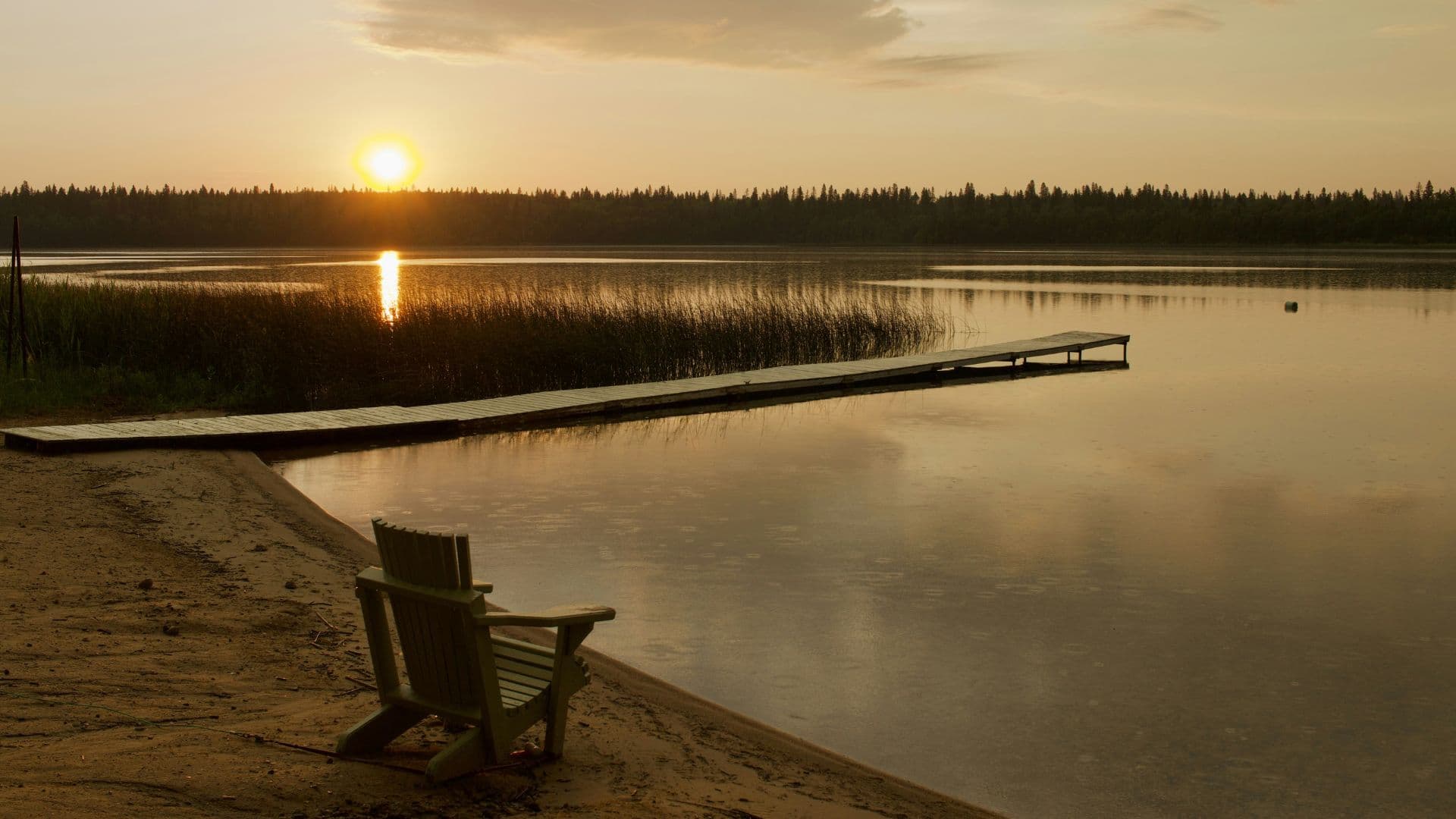
Similarly, psychologist Noam Shpancer points out the benefits of spending time in nature to restore our mental well-being and attention span. He reports that a comprehensive 2026 review published in Nature analysed over 3,800 studies and data from more than 10 million participants worldwide. The findings are clear: spending time in nature not only alleviates anxiety and depression, but also fosters relaxation and emotional well-being. For Schpancer, the “biophilia” hypothesis helps explain these mental health benefits, suggesting that humans possess a deep-rooted, instinctive connection to nature and are naturally drawn to living things and natural environments.
It seems that, then, the Luxury travel industry might be catching on to people’s inherent need to reconnect with the natural world and experience the regenerative benefits of quietication. Traditionally, luxury travel was all about exclusivity and over-the-top indulgence. Think lavish hotels, sumptuous cruises, and Michelin-starred meals — experiences designed to signal status and follow a strict formula of glamour. Its roots trace back to an era when the privileged few embarked on cultural pilgrimages like the “Grand Tour,” a rite of passage for European aristocrats to cultivate sophistication and social standing.
Today’s new luxury experiences include silent retreats, digital detox hotels, forest cabins, off-grid stays, wellness resorts, immersive nature escapes, and low-density tourism. These options cater to a growing desire for peace, privacy, and genuine rejuvenation.
“Nature exposure appears to promote parasympathetic activation, lowering heart rates and blood pressure. In addition, immersion in nature has been linked to decreased amygdala activation, reductions in cortisol levels, and decreased cerebral activity in the prefrontal cortex, all relaxation indicators.”
— Psychologist Noam Shpancer
Sustainable Travel Meets Slow Living
Quietcations draw travellers toward less crowded places and a more unhurried pace, supporting sustainable tourism that values residents’ well-being and eases the burden on popular destinations. This type of tourism is also called “slow tourism”.
Interreg Europe — an EU-funded interregional cooperation program — points out that the benefits of slow tourism are rooted in two core principles: sustainability and meaningful connection. By encouraging travellers to minimise their environmental footprint through low-impact transportation, support for local businesses, and responsible engagement with natural and cultural resources, slow tourism helps protect both the environment and the communities that call these places home.
This approach not only aligns with global ecological goals, but also fosters deeper relationships between visitors and locals. Spending on local goods and services creates a mutually beneficial cycle — strengthening the local economy, building cross-cultural understanding, and ensuring that both travellers and host communities thrive together.
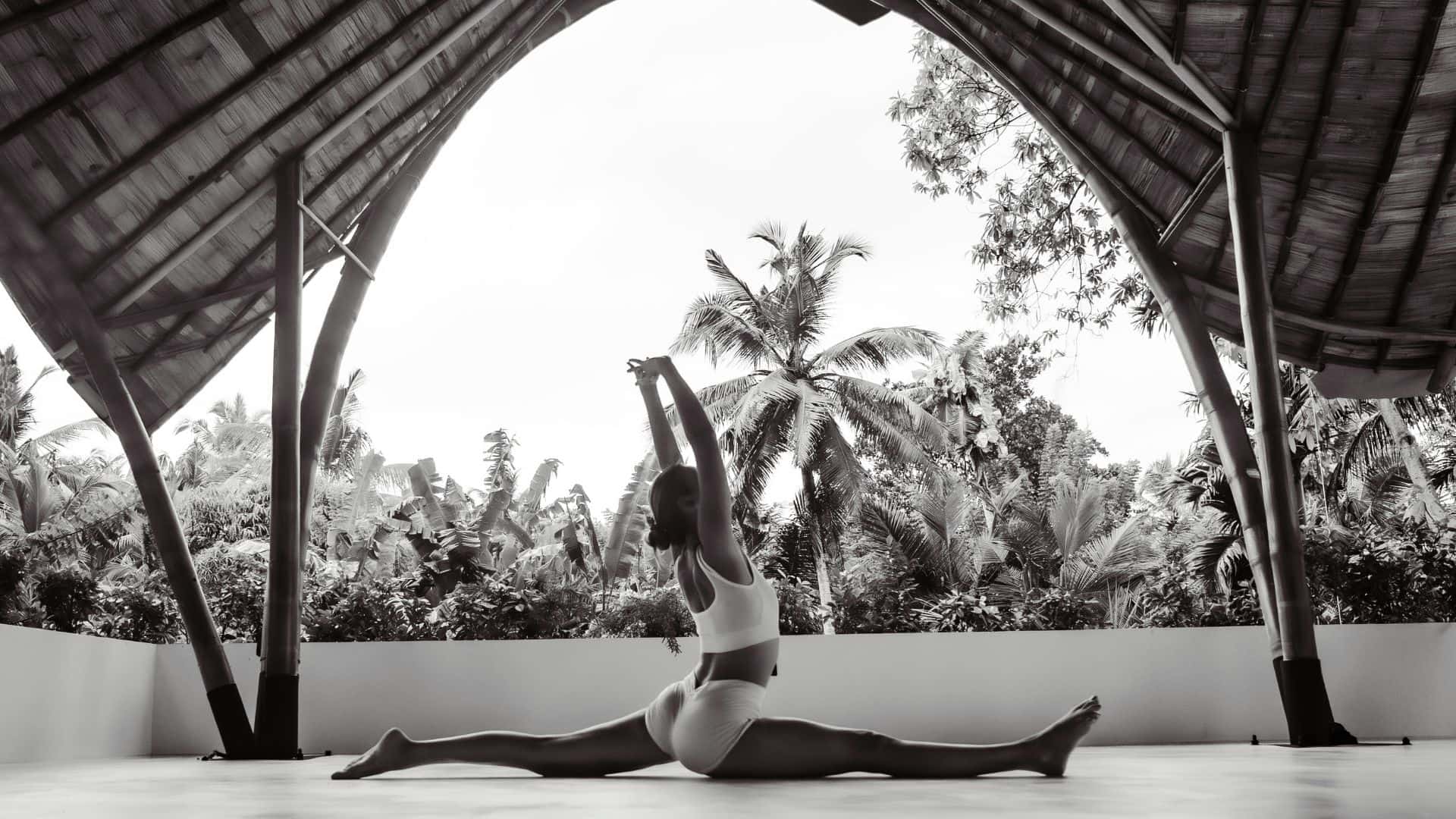
As digital fatigue, anxiety, and burnout continue to shape the way younger generations travel, quietcations are emerging as more than just another wellness trend. They reflect a broader shift in how Gen Z defines luxury — placing greater value on silence, presence, nature, and meaningful experiences than on excess or constant entertainment. From off-grid cabins and digital detox retreats to slow tourism and immersive nature escapes, the appeal lies in creating space to rest, reflect, and reconnect with both ourselves and the world around us.
Rather than signalling a rejection of modern life, quietcations reveal a growing desire to restore balance in an increasingly noisy and hyperconnected world. Rather than escaping the world, perhaps today’s traveller is simply trying to reconnect with it.
Highlight Image:
@Kai Muro via Unsplash


