
Why is Eating Meat Associated With Masculinity and Veganism With Femininity?
Throughout history, eating meat has been associated with masculinity, with famous phrases like “real men eat real food”. Contrastingly, women are more likely to go vegan, vegetarian or eat plant-based diets. Is this related to ideas of women having ‘smaller’ appetites and to women experiencing male control, the same as animals do? Gender differences in meat consumption could be caused by outdated gender roles and modern food advertisements.
When it comes to veganism, there are clear gender differences. The Vegan Society’s 2025 survey showed that only 37% of the UK vegan population is male. However, 14% of Brits are now meat-free. Similarly, women were more likely to go meat-free than men over a 15-year study published in 2024. Meat has been associated with masculinity for centuries. Contrastingly, femininity has been associated with male control, small appetites and being viewed as secondary citizens; similar to how people perceive animals. Is there a reason that both women and animals are associated with being controlled? Does this relate to why more women eat plant-based diets than men? Outdated stereotypes and modern technology maintain these ideologies and keep gender-orientated diets for men and women.
Dominance and Power
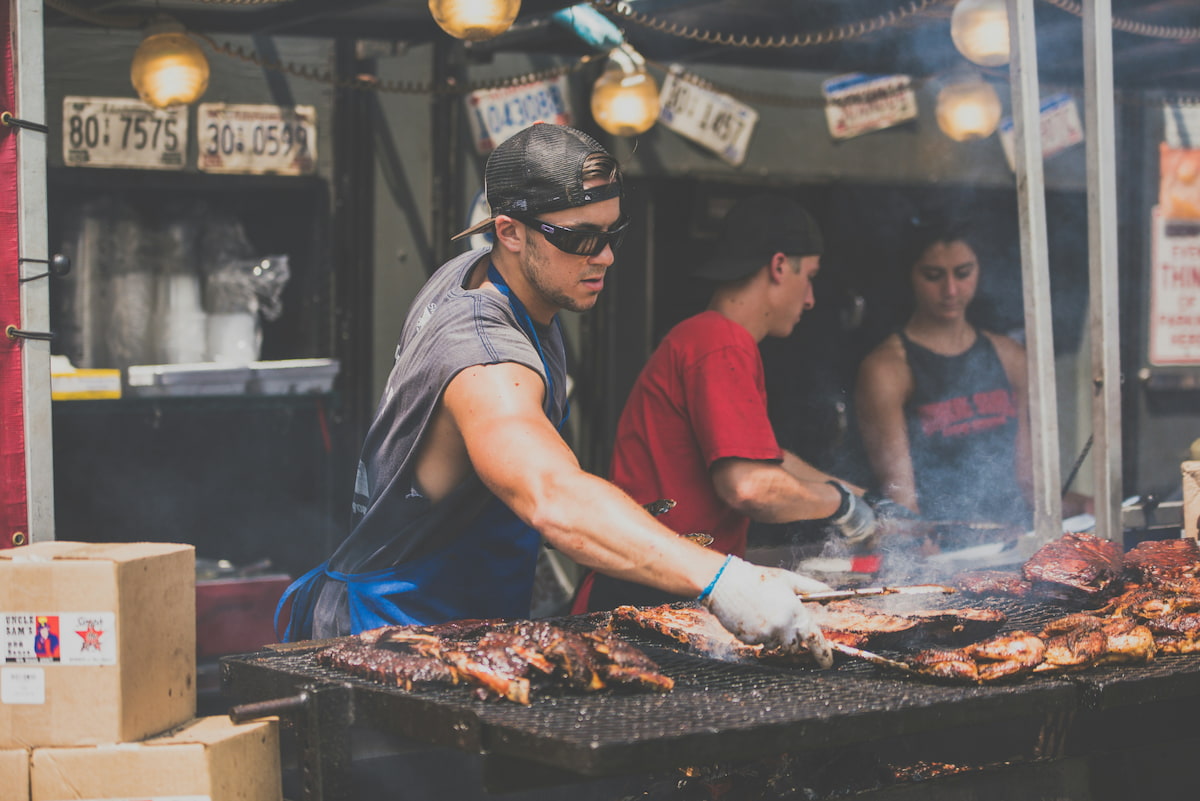
Meat is associated with masculinity and veganism with femininity because of historically rooted gender roles. For centuries, eating meat has been associated with having money and luxuries. Extravagant dinners in early modern England included many types of meat – who was it that had access to these meats? These dinners would require large sums of money, but also access to land and resources to hunt the animals. Eating meat was associated with high social status and power over the natural world. How is this related to masculinity? Because it was a ‘goal’ for men to be able to provide and have control over the natural world. Historically, men did not see the natural world as the environment we share with animals, but more as land to colonise or take power over.
“People with power have always eaten meat”
– Carol Adams, Vegan Activist and Author
Because of these historical roles, many men might believe that it is their ‘right’ to eat meat. However, this view isn’t as popular with women. In a study examining why people don’t eat vegetarian food, many men believed that animals are lower in the hierarchy than humans and that it is ‘human fate’ to eat animals. However, women were more likely to think of meat and animals as two separate entities. Additionally, women avoided thinking about how animals were treated before they became food for humans.
Gender roles influenced many men to control animals that they viewed as lower in the hierarchy. This gives them feelings of ‘righteousness’ and justifications to eat animals. However, many women don’t share these ideologies about dominance and power. Can this partly explain why there are more women eating plant-based diets than men?
Femininity and Empathy
Being kind, caring and empathetic is associated with ‘womanly’ or feminine traits that many men might try to avoid. Is this related to meat consumption?
Meat consumption aligns with normative masculinity, affirming that ‘real men eat meat’. In a recent scoping review, meat-eating men rated vegan men as more feminine. Is this because vegan men were more likely to care about animals? When a man is empathetic, do some men perceive him as ‘less of a man’?
Because of this, do men not want to be perceived as caring or empathetic? In the same study, many vegan men’s reasons for going vegan weren’t related to empathy. They put the reasons down to ‘redoing’ masculinity rather than ‘undoing’ it. Similarly, they avoided other vegans because they didn’t want to be seen as ‘weak’. Contrastingly, women’s reasons for going vegan were largely based on animal cruelty and environmental concerns.
Even in this study on vegans, vegan men were scared they would be perceived as weak and ‘less of a man’. Does the fear of being perceived as feminine stop men from going vegan? Do women dominate vegan statistics because they don’t have the same gender expectations?

Advertisements
Advertising is one of the most important tools to construct gender representation. As a result, plant-based diets could be marketed towards women more than men.
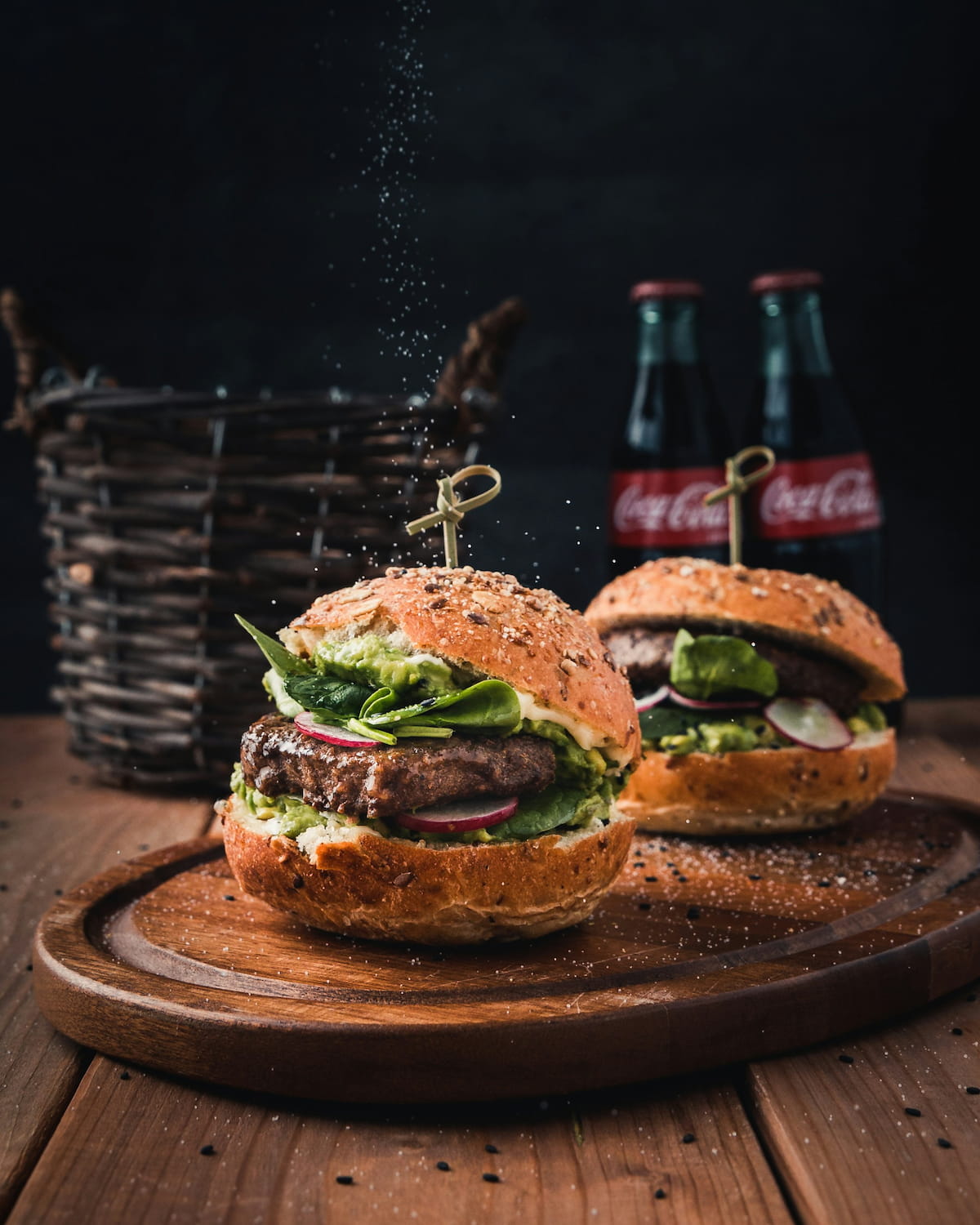
In a recent study, it was found that many advertisements still depict men as strong, active and adventurous, with athletic bodies and defined torsos. Depending on the product, different aspects of masculinity will be highlighted in the commercials. For example, fast food advertisements relied on stereotypically-masculine traits when advertising meat-based products. Some advertisements even used phrases like “Are you man enough?” and “real man food” to advertise burgers and steaks.
Contrastingly, products that were advertised as ‘healthier’ or for smaller appetites were marketed towards women. This was found in Coca-Cola’s advertising. Diet Coke was purposely advertised towards a feminine audience, to give the idea of Diet Coke as being the healthier choice. Do advertisements reinforce outdated gender norms? Do they reinforce ideas that men should eat big portions of meat, and that women should be more health conscious?
Can these factors partly explain gender differences in meat consumption? From the research, it seems that changing gender norms could influence more men to eat plant-based diets.
Highlight Image:
@ Mae mu via Unsplash


