

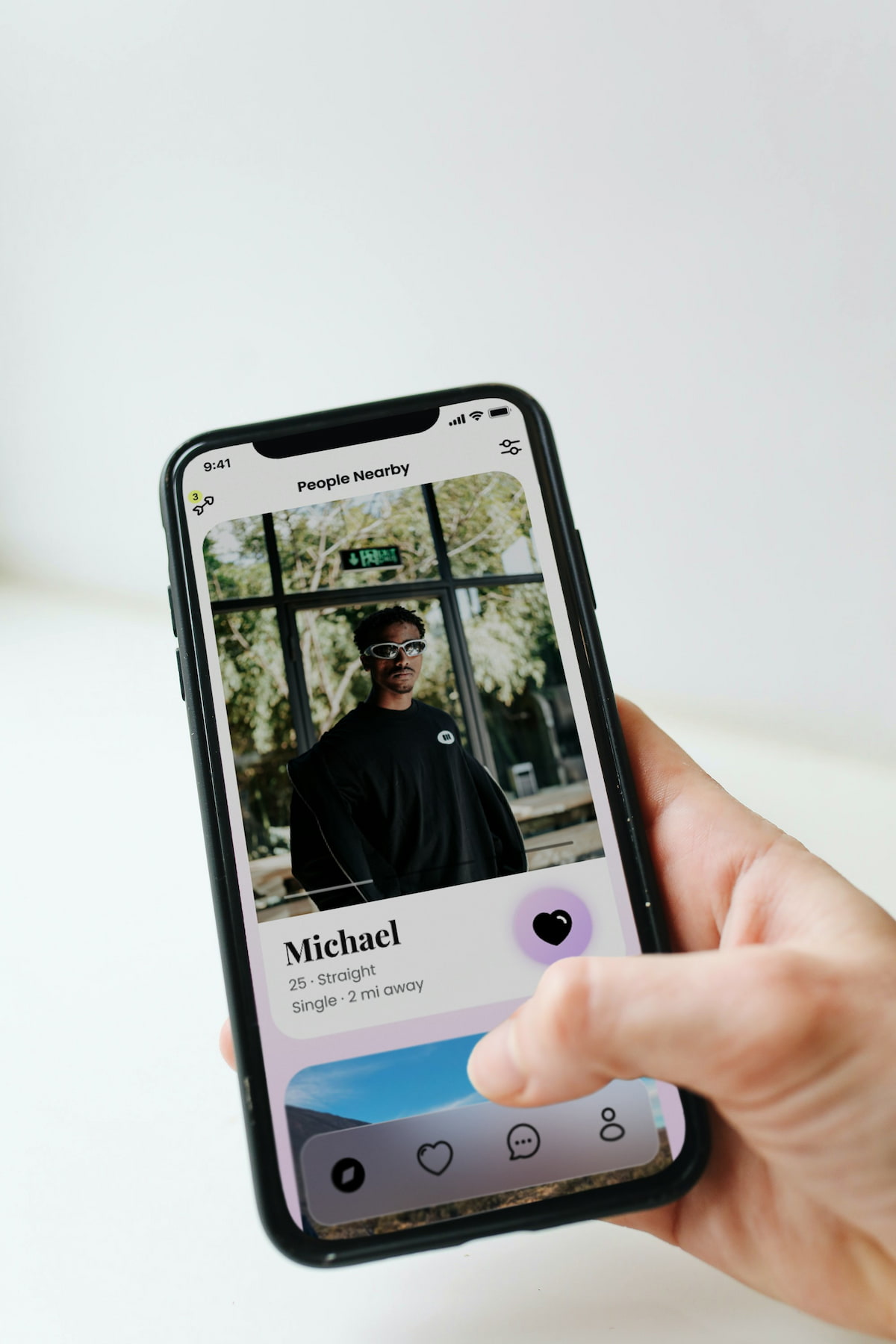
How Dating Apps Are Making Beauty Standards More Narrow
How are dating apps like Tinder, Bumble or Hinge making beauty standards more narrow? Dating apps can influence how you see yourself and others. Who you swipe on isn’t merely ‘just a preference’– it’s influenced by the app’s structure. Dating apps can reinforce outdated beauty standards, which are rooted in racist and sexist attitudes.
Online dating has become an increasingly popular way to meet a partner, or for casual dating/sex. Three in ten adults in the US have used a dating app, with one in ten claiming to have met their partner through a dating app.
Dating apps have features that influence who we talk to, and how we use the apps. For example, sending likes or messages to someone, the filter-by-race feature and the swipe feature – all three of these features influence how we see ourselves and other users, as well as what we consider attractive. These features influence users to perceive outdated beauty standards as the most attractive and to ignore users that don’t look like this.
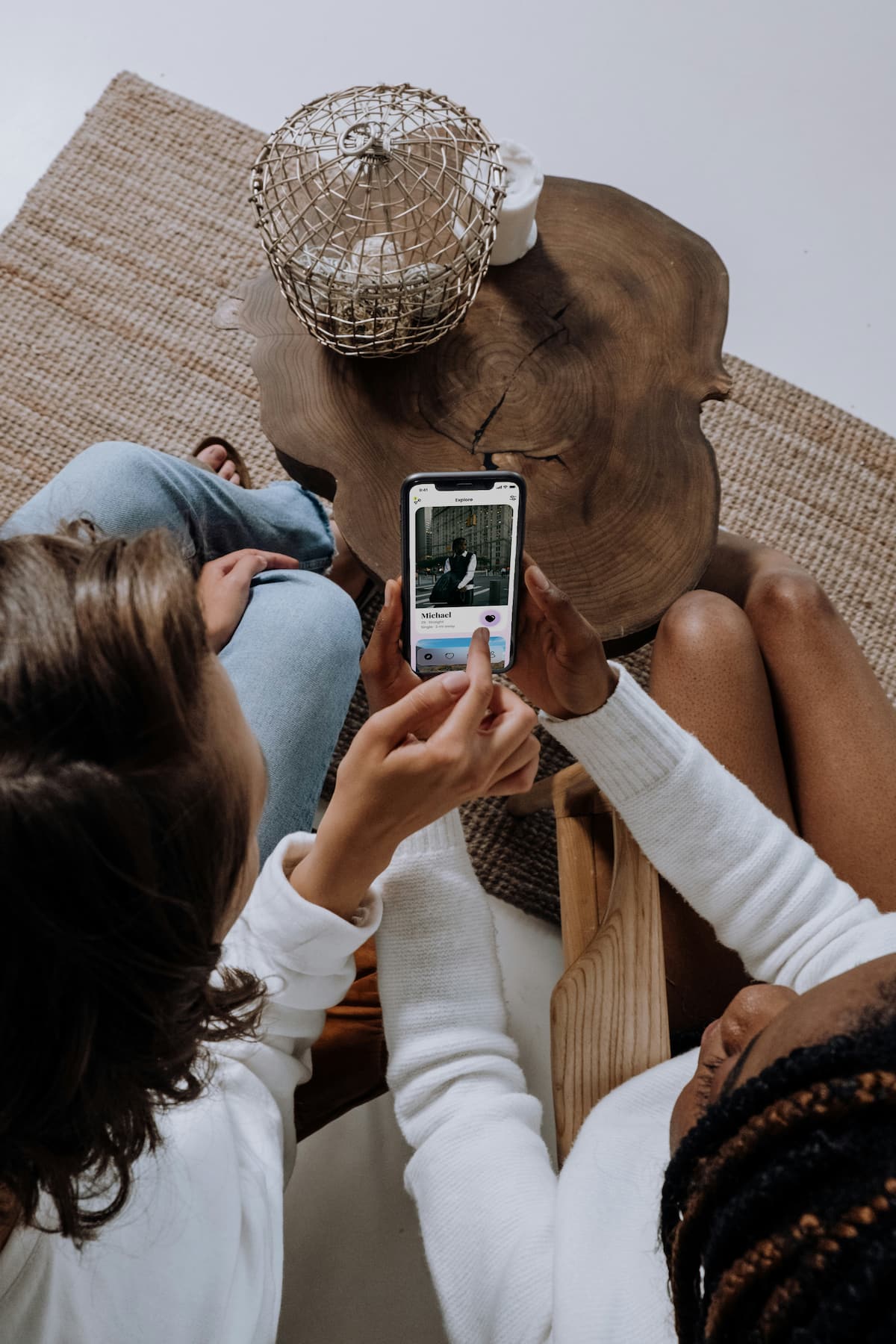
The Number of Likes or Messages Received
When users receive large numbers of likes or messages, they feel validated about their appearance. However, when they receive little to none, users take this as appearance-based rejection. In a survey by Adelaide University, girls who had fewer likes or messages on dating apps were more accepting of appearance-modifying behaviours, like cosmetic surgery or diet pills. For men, the more they used dating apps, the more likely they were to feel pressure related to their appearance.
Because dating apps rely on appearance-based feedback, it can change the way users see themselves and encourage people to feel insecure or try to change things about their looks. To look more attractive, users might resort to outdated perceptions of beauty, to receive more likes or messages.
Dating App Filters
On some dating apps, users can filter out specific traits, including race. This filter is not merely ‘personal preference’, it has led to people relying on outdated perceptions of race and beauty in online dating. In a study analyzing racial preferences on Tinder, white profiles were favoured in gay and straight relationships. What does this mean for dating apps like Hinge, who have the racial filter? This means that many users can engage with these filters to purposely find white profiles, and exclude other races. These filters narrow down what is considered attractive – outdated white supremacist beauty standards.

The Swipe Feature
With the swipe feature, users can swipe left or right on other users profiles, depending on whether they are interested in the profile or not. This allows users to see many profiles over a short period. Why is this a problem?
After multiple swipes, users can become frustrated about finding a match. In a 2019 study, users developed negative attitudes and became ‘pickier’ the longer they swiped for. What does it mean for users to become pickier?
It could mean that people skip past lots of profiles without properly looking. They focus on the main traits that they consider attractive and if the profile doesn’t have these main traits, they will swipe left. But what do people consider the ‘main’ attractive traits?
Attraction is different for everyone, but would this encourage people to swipe on people who meet societal beauty standards? In a study from 2022, users showed racial preferences for white profiles, even though they claimed to not have a racial preference. If users swipe for long periods of time, do they make decisions that are influenced by racial biases and outdated beauty standards? I.e., slim, white, blonde hair, tall? Are profiles who don’t meet these criteria the same profiles that don’t get as many matches?
Many couples have met through dating apps, and the industry is expected to reach a market value of $3.25 billion US dollars this year. However, dating apps like Tinder, Hinge or Bumble need to redesign their layout to prevent beauty standards from becoming narrower.
Highlight Image:
@ Flure Bunny via Unsplash


