



FibreMaxxing | Why Fibre Is the New Protein and What Nutritionists Really Think
Is fibremaxxing the new protein? Increasing fibre intake has become a trend across social media. But what is behind the growing interest in fibre, and how much fibre is actually beneficial? Discover the benefits and consequences of consuming too much fibre, whole foods versus fibre supplements, and nutritionists’ honest opinions about the fibremaxxing trend.
What is Fibremaxxing? Fibre Versus Protein as Trends
Fibremaxxing is the latest wellness trend that involves maximising one’s fibre intake through meals and snacks. According to the Journal of the American College of Cardiology, only 6% of adults in the US are reaching their recommended daily fibre intake. Why is fibre important? Soluble fibre forms a gel-like material in the stomach that slows down digestion. In turn, this lowers cholesterol and blood sugar. Insoluble fibre supports the movement of food through the digestive system and adds bulk to stool. Insoluble fibre is important for speeding up digestion and preventing constipation. Most high-fibre plant foods have both soluble and insoluble fibres, such as fruit and vegetables. But why is ‘fibremaxxing’ only recently trending?
In recent years, protein has become popular and widely consumed. According to an article published in the National Library of Medicine, there was a 21.6% increase in high-protein product sales between January and September in 2022 compared with the same period in 2021. Protein is important for muscle repair, feeling full between meals and maintaining muscle strength. However, if protein and fibre intake aren’t balanced, health issues can develop. Is this why ‘fibremaxxing’ is trending? According to Northwestern Medicine, eating too much protein without fibre can strain the digestive system. Fibre interacts with protein during digestion by slowing down the digestive process and regulating blood sugar levels. Similarly, people who eat high-fibre diets tend to have a ‘rich’ microbiome and a lower risk of gastrointestinal issues. Adding fibre to a high-protein diet ensures that protein has sufficient effects on the body, and may be why fibremaxxing has risen to fame.

How much fibre is too much?
The National Academy of Medicine recommends a daily fibre intake of 25g for women and 38g for men under 50. Women over 50 are recommended 21g, and men 30g. It is important not to overdo or ‘maximise’ fibre consumption in every snack and meal, because there are negative consequences of consuming too much fibre. In a 2007 study, a high-fibre diet was associated with excessively long (or stretched) colons and higher incidences of megacolon and volvulus. Similarly, a review of 17 studies found that fibre only had marginal effects on relieving symptoms of irritable bowel syndrome and constipation, even suggesting that insoluble fibre could worsen the symptoms of these conditions. In another study, consuming lactulose was preferred by participants over fibre to relieve their constipation symptoms. Is it possible that patients with constipation or irritable bowel syndrome are already influenced by the media to consume fibre to relieve their symptoms, and then experience no or poor relief after further consumption recommended by doctors?
In the same study, it was argued that too much fibre can lead to a surge in microbial activity in the colon. Hydrogen, methane and carbon dioxide are produced in large amounts, which can result in uncomfortable bloating, cramps and gas. It is important to reach the recommended daily intake; however, purposely ‘maxxing’ fibre intake in every meal is not necessary.
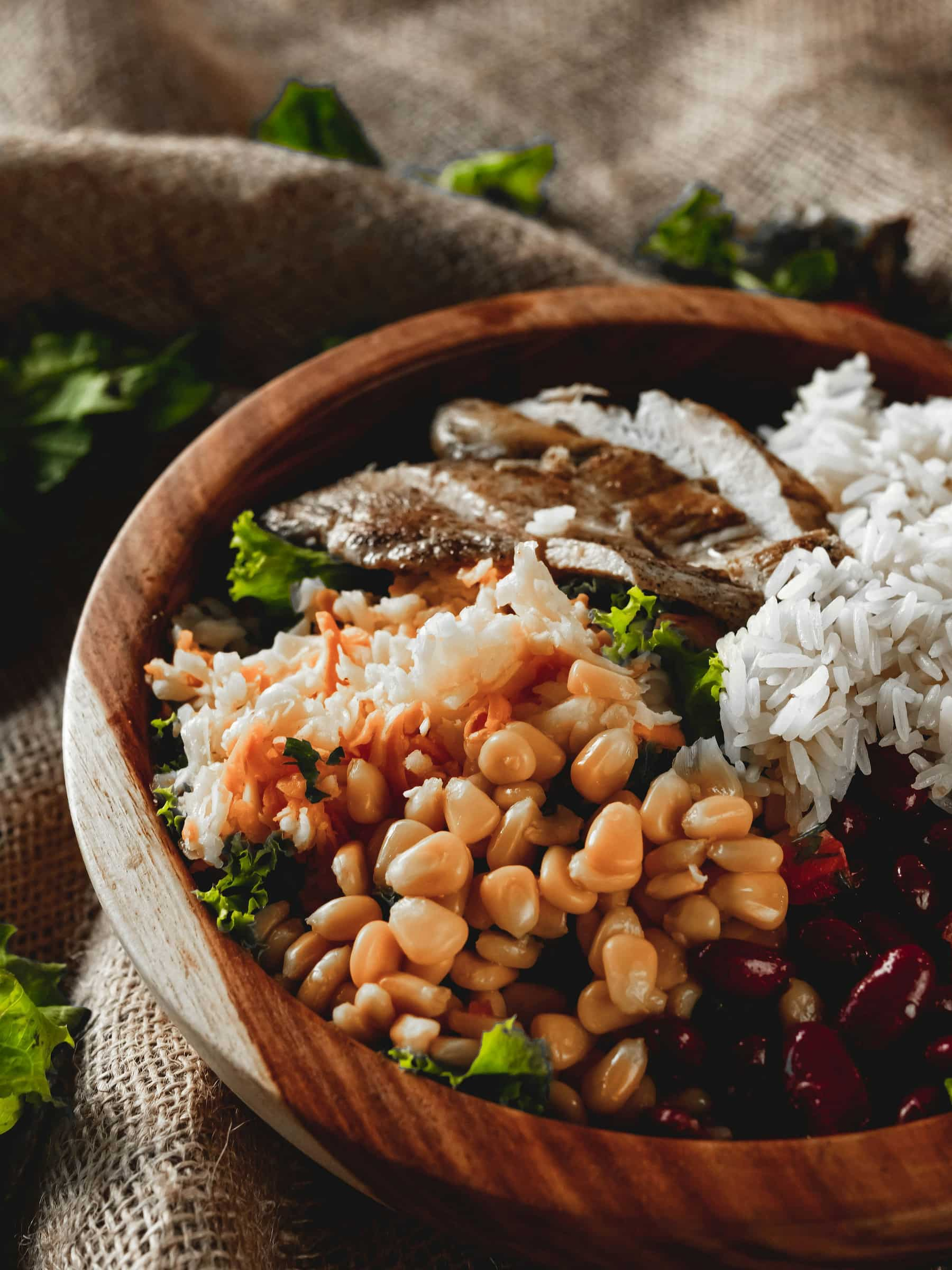
fibre-rich foods versus supplements
Overall, it seems that fibre-rich foods are preferred over fibre-based supplements or powders. The Mayo Clinic states that whole foods are the better choice because fibre supplements don’t provide the variety of fibre, vitamins, minerals and other nutrients that whole foods do. By contrast, a review on food fortification from 2021 argues that although there can be concerns about the safety and performance of food supplements, food fortification can be cost-effective and help patients suffering with nutritional deficiencies.
Do the benefits depend on the type of supplement? In a review from 2015, the only fibre supplements that were beneficial were the soluble, non-fermenting, gel-forming fibres. According to this review, this was the only clinically proven supplement that provides all of the health benefits associated with fibre supplements.
In terms of fibremaxxing, whole foods seem to be the healthiest choice. It is important to consult a doctor before taking fibre supplements and to prioritise whole foods before buying fibre supplements.
What Do Nutritionists Think about fibremaxxing?
In interviews at various outlets, three dieticians had various opinions on the fibremaxxing trend. In an interview with The Guardian, Dr Emily Leeming says that she doesn’t believe that people need to go “above and beyond” for fibre intake. Contrastingly, Yasi Ansari told UCLA Health that she likes the fibremaxxing trend because it is “encouraging people to increase fibre intake”. Similarly, in Country & Town Magazine, Rhiannon Lambert argues that “A trend focused on increasing fibre is one I can get behind as a registered nutritionist.” However, both Lambert and Ansari warned of the consequences of eating too much fibre, with Lambert adding “eating large amounts too quickly, as seen in some “fibremaxxing” trends, can lead to uncomfortable side effects like bloating, gas, cramps, and even diarrhoea.” Ansari warns that “If we go from ‘zero to 100’ when it comes to fibre intake, most people will experience some gas, some bloating, and for some people, maybe even constipation if they’re not getting enough water.”
Ansari and Leeming agree that whole foods are the best way to increase one’s fibre intake, with Leeming adding “An extra 7g a day is linked to lower risk of heart disease, type 2 diabetes and bowel cancer. Just 5g more is linked with a 5% lower risk of depression. If you want to increase your intake, do it gradually and drink plenty of fluids.” Ansari discusses the health benefits of fibre-rich foods: “Adding more fruits and vegetables to your diet will naturally increase your fibre intake – and it’s not just about fibre.” She explains “You’re also getting a variety of micronutrients – vitamins and minerals along with antioxidants and phytochemicals that support overall health from a varied diet.”
In reality, we don’t need to go above and beyond to fibremax – increasing fruit and vegetable consumption can naturally increase fibre intake and avoid reliance on chemical supplements.
Highlight Image:
@ Monaz Nazary via Unsplash


