


The Art Exhibitions Not to Miss This Winter 2026/2027 | Nature, Climate and Humanity
How can art make us reconsider issues like climate change, the future of our planet and our connection with nature? These five exhibitions invite visitors to explore our natural world and humanity through various paintings, sculptures, films, mixed-reality experiences and spoken words. Can creativity influence a more conscious way of living?
Deep End
Los Angeles, USA
From 15 November 2026 to 6 June 2027, The Museum of Contemporary Art in Los Angeles will hold Julian Charrière’s Deep End art exhibition. The works on view in Deep End explore the fragility and resilience of planetary water systems, with the sea as a vast biogeological system in which we are entrenched. Through photography, sculptures, films and immersive installations, Cherrière guides the viewer through political dimensions of the natural world, considering geological time, industrialisation and human history. How did human impulses and history transform the natural world into a resource?
Charrière has worked across the world, and the exhibition showcases her decade-long engagement with the natural world in her art.
The Dream of Water: Quipu of Encounters Maricunga
Los Angeles, USA
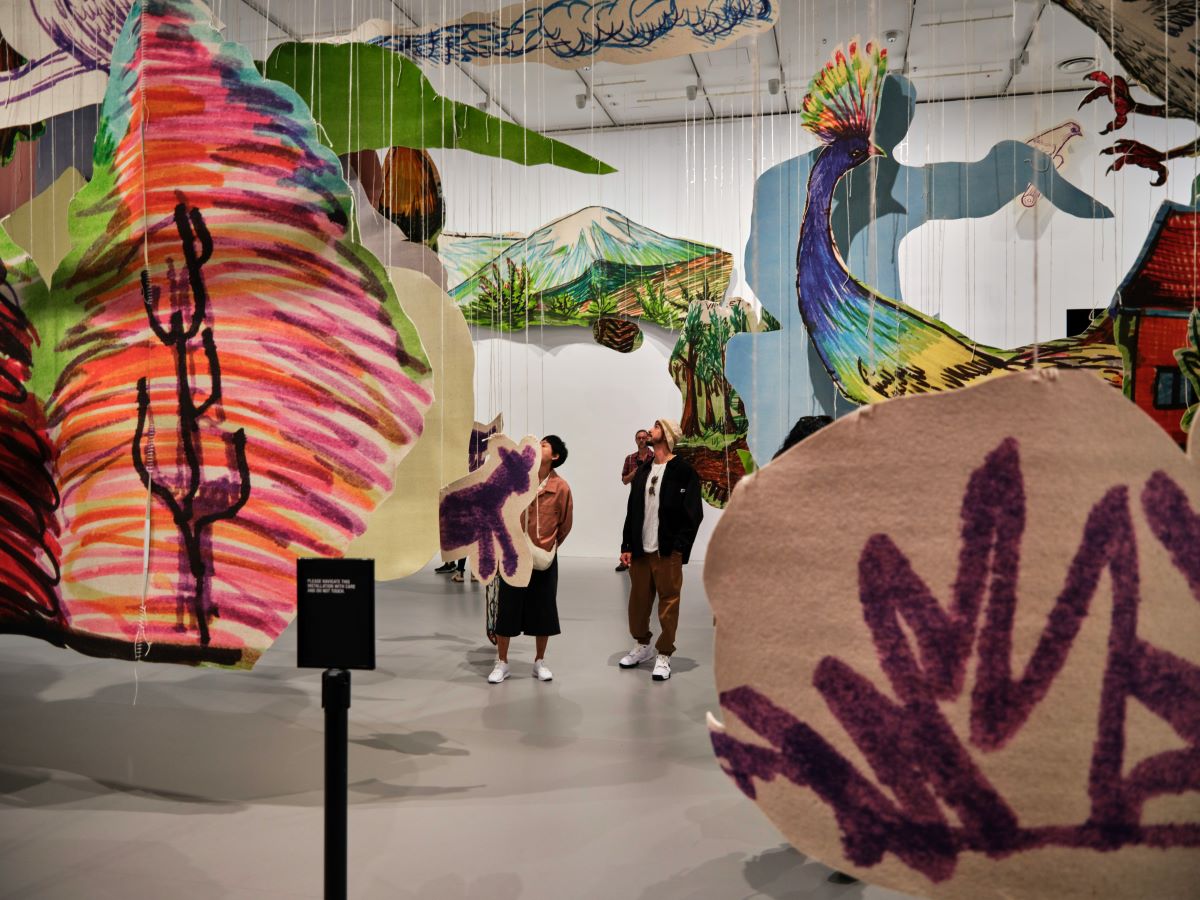
Alongside Charrière, Cecilia Vicuña’s exhibition will take place on the same dates. According to the Museum of Contemporary Art, the word quipu comes from the Quechua word for “knot.” Quipus were usually used for record-keeping and for sending messages by runners throughout the empire. Vicuña has reimagined the Andean pre-Columbian quipu system of non-writing with knots through ritual acts that weave together the natural world, rivers, oceans and people. Does this create a sense of unity or connection to nature? Rather than exploring the architecture, Vicuña explores humanity and its connection to the natural world.
Vicuña is the second recipient of the Eric and Wendy Schmidt Environment and Art Prize (the first being Julian Charrière).
Extinction: Renewal, Art of a Living Planet Exhibition
Cornwall, England
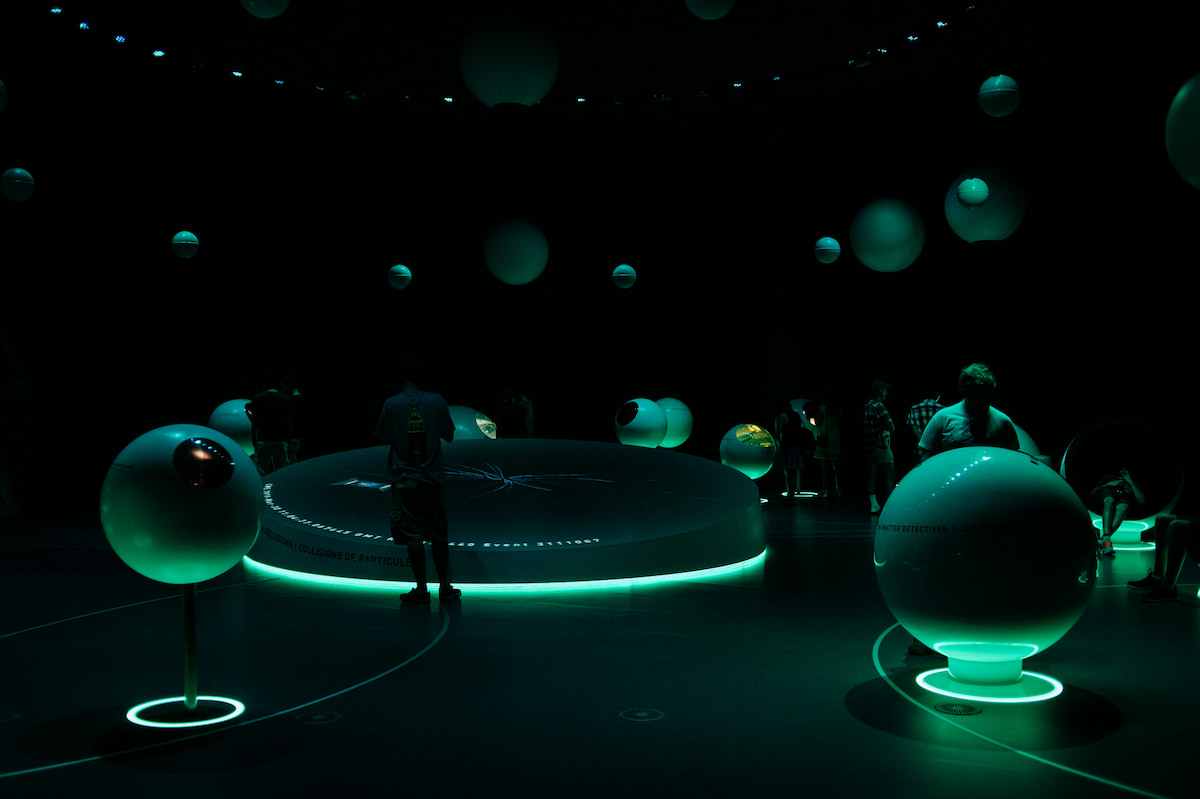
Through sculpture, photography, film and contemporary art, 36 artists invite viewers to explore humanity’s relationship with the constantly changing world. This art exhibition, hosted by The Eden Project, takes guests on a journey through four zones. Extinction allows the viewer to travel back in time to explore what the world has lost and what ancient landscapes can still teach us today. The climate zone shows the work of environmental artists and their understanding of nature, climate and humanity. The community zone depicts art and communities working on the front lines of the climate crisis. Lastly, the renewal zone depicts a sense of hope in the exhibition, through stories of recovering species and restoring forests. This exhibition offers a historic and optimistic outlook on the climate and humanity, as well as an understanding of humanity’s relationship with nature.
Ice Station Royal Geographical Society
London, England
Artist Michèle Noach invites viewers to the Ice Station art exhibition on 3 December 2026 to celebrate ice through art, geography, science, music and film. What can ice tell us about humanity, nature and our changing planet? How can art and science intersect not only for entertainment purposes, but also to create understanding of and appreciation for our changing planet? This exhibition at the Royal Geographical Society is open to all and a must-see for understanding the ways in which humans have imagined, studied, mapped, traversed, written and sung about ice.
Visions of Nature: A Mixed Reality Experience
London, England
The last exhibition takes place in London’s Natural History Museum. How can our decisions today affect nature one hundred years from now? Through virtual reality art, viewers can look at eight different ecosystems, including rainforests, highlands and oceans. As the viewers interact with the wildlife, guests will see how present-day human and scientific interventions have helped species and habitats recover. How can we reconnect with nature? This inspiring exhibition can motivate guests to make small changes in the present to ensure a safe climate for future species.
Highlight Image:
@ Neon Wang via Unsplash


