

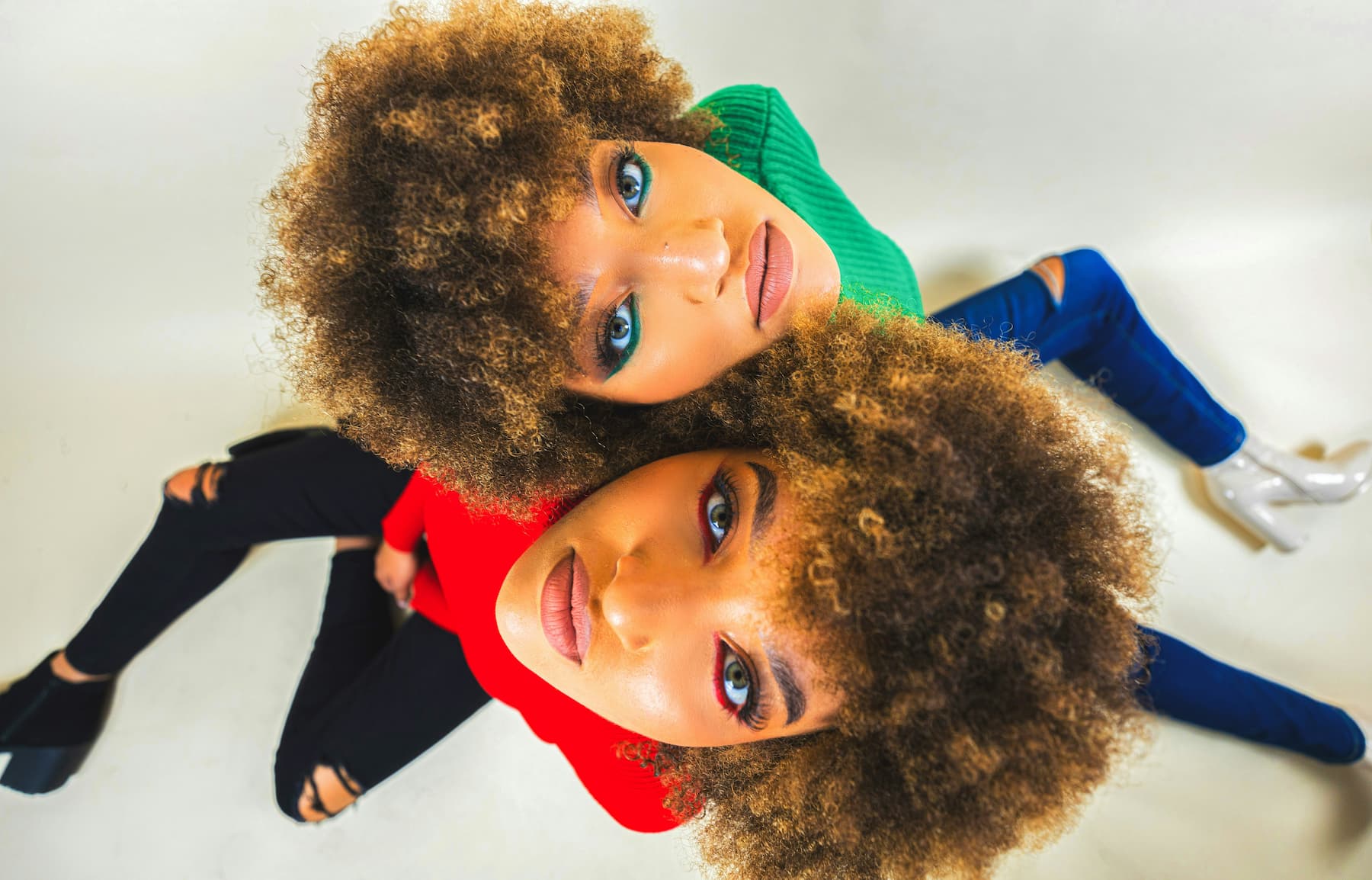
Digital Model Twins: Who Controls Their Rights, Consent and Representation?
Today, models can choose between traditional modelling and creating digital twins that can model on their behalf. While there are laws to protect models and their digital twins, there are growing concerns about rights, consent, model diversity and representation. Are models and their digital twins sufficiently protected? Do AI-generated models reinforce outdated beauty standards and a lack of diversity in fashion modelling?
Digital Twins and Model Protection Laws
A digital twin is an AI-generated representation of a real model, created with their consent for use in campaigns. These models can be used by companies for various campaigns and may result in fewer costs or less time spent on campaigns, in comparison to traditional modelling and photoshoots. Digital twins can be seen in various campaigns, such as H&M’s collection of digital twins.
With the rise of digital twins, new laws are being put in place to protect models. The New York Fashion Workers Act was brought into effect on June 19th, 2025. This act clearly states that model management groups cannot create a digital replica of the model without written consent. It must detail the scope, purpose and rate of pay for the model’s digital twin in the campaign.
While the EU does not have laws in place specifically to protect models and their digital twins, the EU does have an AI Act. This act will prohibit generating AI content with non-consensual sexual content, such as nudification apps, and will come into effect on December 2nd, 2026. Under GDPR, digital twins can constitute personal data and can’t be used or shared for situations that the model did not consent to.
Digital Twins: Rights and Consent
If a model consents to becoming a digital model, can they withdraw? H&M’s campaign with 30 AI models claim that the models have full ownership of their digital twin. Although GDPR states that personal data can’t be used or shared without the person’s consent, according to Franken Law, having ownership over ‘likeness’ isn’t something that most countries’ laws can automatically protect. Instead, it may fall under a broader concept of image or publicity rights, which can vary greatly from one country to the next. In the United States, for example, the right to control and profit from your likeness is protected under the publicity rights — however, this is not the same everywhere else in the world. Is the EU’s act too broad? Do models need more detailed rules about how to withdraw their digital twin?
According to DXC Models, a digital twin is usually used for a specific time frame or campaign that the model is told about, but it is unclear what happens after their use. What happens if the model wishes to withdraw? If AI can’t forget data, what is stopping AI from using the model’s features in later AI generation, even if the agency doesn’t continue to use the digital twin?
Digital Twins: Nonconsensual Clothing and Situations
Since the EU’s AI Act has not yet come into effect, have some models already been placed in situations they wouldn’t normally be in? In recent interviews with 21 models in the US, the models reported that their images were hypersexualised or turned nude through AI tools. They also found images of themselves that were sexualised in AI-generated image libraries. This created distress for the models, which they described as “image violence”. Have models in the EU shared similar experiences, and is the EU’s Act being brought into effect fast enough to protect these models? Similarly, does the entirety of the US need legislation similar to that of New York?
Diversity and Representation
Do digital twins reinforce outdated beauty standards? In the same interviews with models, some models pointed out the racial biases they noticed in AI-generated images. Models discussed the unhealthy beauty standards and lack of diversity in how AI models tend to look. One Asian model felt that all Asian AI models tend to look very similar, and that she can now predict what these models will look like. Are digital twins undermining progress towards model diversity and reinforcing outdated beauty standards?
With little research being conducted on models and digital twins, it is difficult to know what the future of modelling holds. Do models need more protection for their digital twins?
Highlight Image:
@ Donald Oliver via Unsplash


