
The Moon and the Menstrual Cycle: Can Lunar Phases Help Women Understand Their Natural Rhythms?
Today, many women turn to lunar wisdom to better understand their menstrual cycles and emotional well-being. Why and how?
For centuries, women have looked to the Moon as a symbol of intuition, transformation, and feminine power. Across cultures and mythologies, its ever-changing phases have been linked to the cycles of life, fertility, and womanhood. Today, this ancient connection is experiencing a renewed interest, as many women turn to lunar wisdom to better understand their menstrual cycles and emotional well-being. While science continues to explore the relationship between the Moon and human biology, the parallels between lunar phases and the menstrual cycle offer a meaningful framework for self-awareness, rest, growth, and reflection. By observing the Moon’s rhythms, women may discover a deeper connection to their bodies and the natural cycles that shape their lives.
We have always had the natural instinct of associating the moon with the feminine sphere. In many languages, such as Spanish, Portuguese, French, and Italian, this natural satellite has, in fact, a feminine gender: la luna, a lua, la lune, la luna. Moreover, pagan beliefs use it as a symbol of the Triple Goddess, represented by the waxing, full, and waning moons coming together as one, reflecting three feminine life phases represented by the Maiden, the Mother, and the Crone archetypes. Then, in tarot divination, the moon symbolizes the subconscious, the realm of dreams, and intuition. Across centuries and civilizations, countless stories surround this powerful cosmic object, endowing it with multiple identities. And perhaps our desire to get close to the moon and unveil its mysterious aura is why so many women today are beginning to use it as a framework to better understand their menstrual cycles.
“Before the Moon, I am what a woman is: a woman of power.”
– American author Ursula K. Le Guin
The Lunar Phases
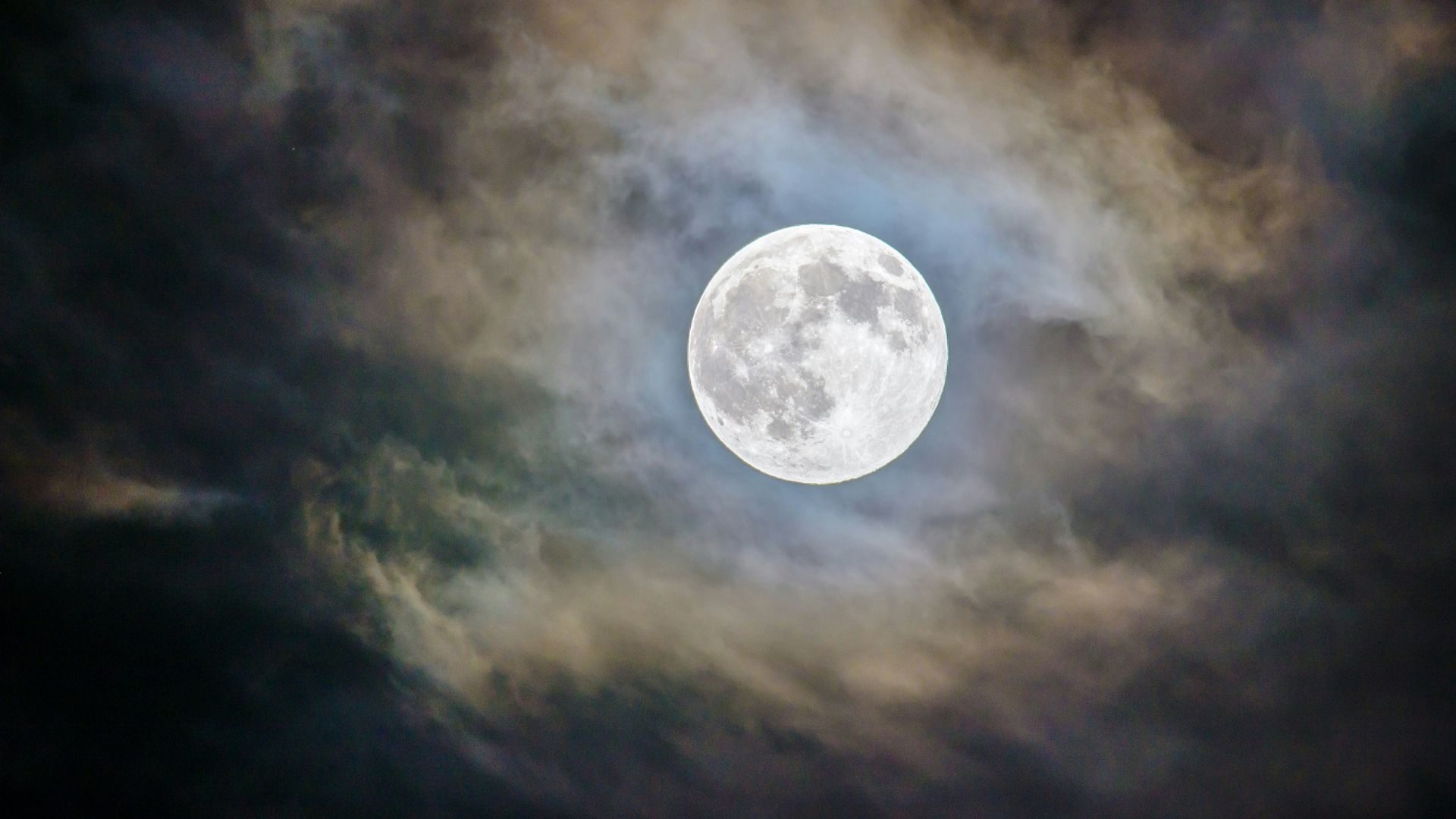
The Moon’s cycle repeats about once a month – more precisely, every 29.5 days – and is made of eight lunar phases:
- The New Moon is the invisible phase, with the illuminated side of the Moon facing the Sun and the night side facing Earth.
- The Waxing Crescent is a thin silver slice that grows a bit each night.
- During the First Quarter phase, the Moon has completed a quarter of its monthly orbit, and half of its sunlit surface is visible from Earth.
- The Waxing Gibbous phase occurs when most of the Moon’s sunlit side is visible.
- The Full Moon occurs when the Moon stands opposite the Sun in the sky, fully revealing its sunlit side to Earth.
- The Waning Gibbous phase is when the Moon begins to wane, and the visible lit portion shrinks each night.
- The Third Quarter (or Last Quarter) Moon appears half lit from Earth, but we see only half of its sunlit side.
- The Waning Crescent is the phase in which only a thin curve of the Moon remains visible before it returns to the New Moon phase.
- What these phases represent, in less scientific terms, is a constant game of hide-and-seek, during which our Moon grows and shrinks, beams and darkens, on a journey of constant metamorphosis.
Women’s Cycle Phases
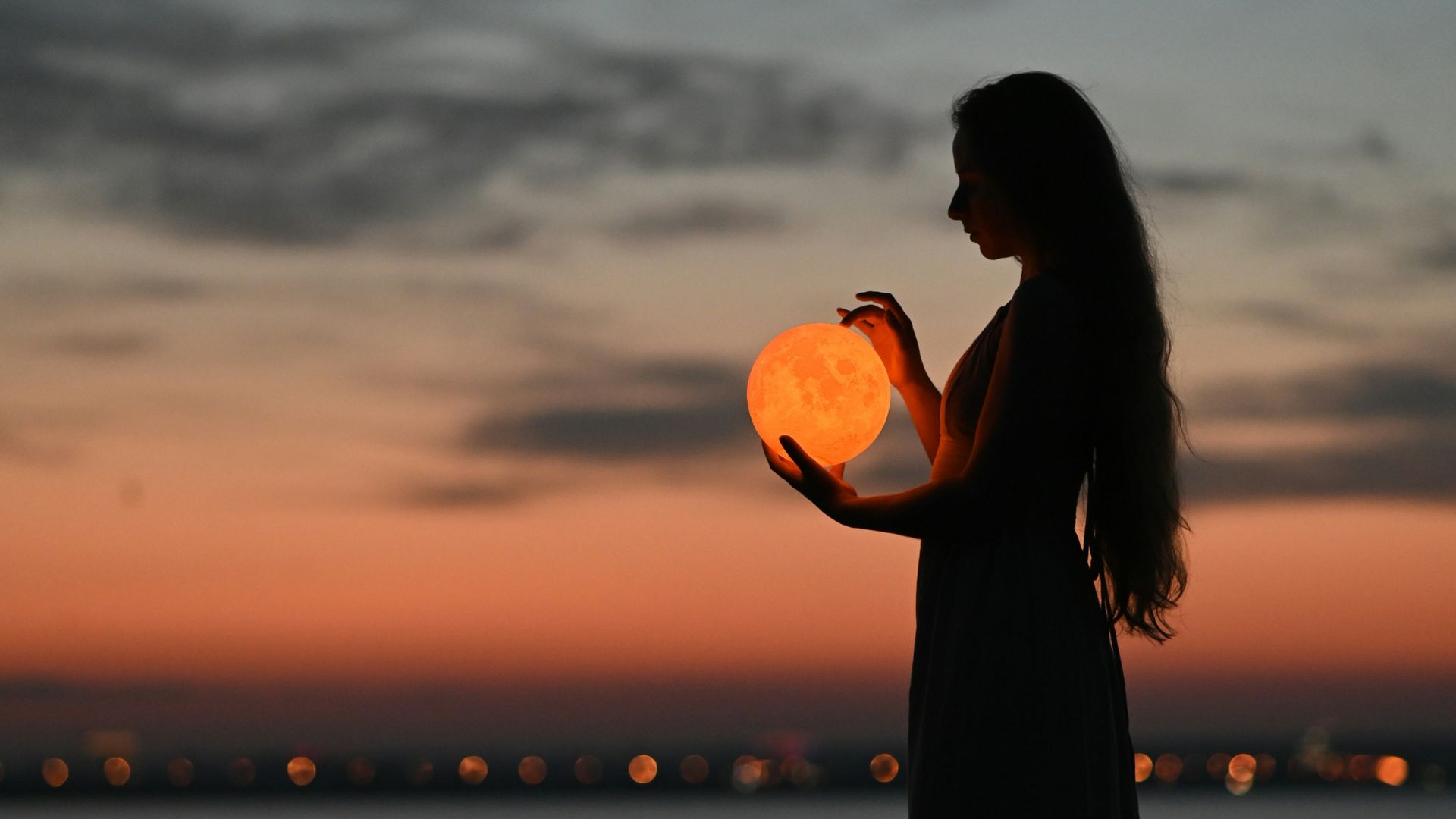
But just as the Moon constantly changes and reinvents herself, so do women. Beyond the mythological stories and ancient legends, we must recognize that we actually share a significant portion of our lives with the Moon: the monthly cycle. The female reproductive system, in fact, differs from the male by undergoing regular cycles, most notably the menstrual cycle. A process that prepares the body for ovulation and possible pregnancy each month. Whereas the Moon’s cycle has eight phases, the menstrual cycle consists of four: the follicular, ovulatory, luteal, and menses.
In a 2023 study, Belinda Pletzer and Isabel Noachtar explored whether fluctuations in emotion recognition throughout the menstrual cycle are influenced by mood changes. Their findings provided strong evidence that the ability to recognize basic emotions remains stable across the menstrual cycle. Nevertheless, mood itself does have the tendency to shift. These mood variations were linked to a decrease in positive feelings, rather than an increase in negative ones, and more prominent premenstrual symptoms were associated with lower estradiol levels.
The menstrual phase was reported as having the worst mood in the study. Women are more tired, have lower mood, fewer positive feelings, greater emotional vulnerability, feel “off,” and have less enthusiasm. During the follicular phase, women’s mood gradually improves, leading to greater optimism, more energy, better motivation, and a sense of emotional lightness.
The highest and most positive mood was noted during the ovulation period. Women had more confidence, were more sociable, happier, more energetic, and had the strongest sense of well-being. The luteal phase can involve increased sensitivity, irritability, emotional ups and downs, PMS symptoms, overthinking, and lower patience.
Beyond myth and legend lies a quieter truth: women and the Moon move to the same flowing rhythm.
Looking at the Moon to Understand Ourselves
Our bustling modern lives – shaped by technology and a fast-paced, consumeristic lifestyle – often lead us to experience emotional and physical burnout. In an attempt to escape this culture and align instead with nature’s rhythms, women are increasingly considering the phases of the Moon as a framework for experiencing their menstrual cycles.
As a matter of fact, a recent study found that the Moon’s light and gravitational cycles have a significant influence on humans, and that menstrual cycles often do align with the lunar month. Light and gravity help regulate these cycles, though gravity’s effect is likely indirect. Researchers also believe that, in the past, women’s menstrual cycles were more in sync with the moon, but modern exposure to artificial light has weakened this connection.
Raising and Resting With the Moon
The Moon might serve as a gentle guide for those seeking to reconnect with their biological rhythms. By observing its phases, we can find a tangible model for slowing down and aligning our lives more closely with the cycles of nature, helping us step away from the constant pace of modern life. Here are some examples:
The New Moon can be the paradigm through which we might approach our menses: as the moon is in retreat, we could also use this time to rest, turn inward, and conserve our energy for introspective reflection.
During the Waxing Crescent phase, the Moon is growing, expanding its energy and visibility. Similarly, during our follicular phase, we could foster new ideas, be more active, and develop our abilities and skills in certain areas of life, perhaps by perfecting a hobby.
The Full Moon is bright and powerful. Her presence is loud and unapologetic. We might apply this example to our ovulatory phase, when our moods are at their peak. It could be a time of openness, sociability, and confidence.
Finally, the Waning Moon could inspire us during our luteal phase. As the Moon wanes and releases her energy, we might also use this time to tend to our emotional sensitivity, deepen our connection to our intuition, and let go of what is no longer needed.
The relationship between the Moon and the menstrual cycle remains a fascinating blend of science, symbolism, and personal experience. Although research has yet to fully explain the extent of this connection, growing evidence suggests that lunar cycles may influence human biological rhythms more than previously believed. Whether viewed through a scientific lens or embraced as a tool for mindfulness and self-reflection, the Moon offers a powerful reminder that life unfolds in cycles. By honoring the different phases of both the lunar month and the menstrual cycle, women can cultivate greater self-understanding, balance, and compassion for the natural changes they experience each month.
Hightlight Image:
©Ganapathy Kumar via Unsplash


