


A Practical Guide to Aromatherapy and Essential Oils
Essential oils have become a staple of modern wellness, but knowing which ones to use – and why – can be overwhelming. From promoting better sleep to easing stress, pain, and nausea, this guide explores the most popular essential oils, their potential benefits, and how to choose the right aromatherapy approach for your individual needs.
What Is Aromatherapy?
For thousands of years, people around the world have turned to aromatic plants for healing, comfort, and even spiritual rituals. Ancient Egyptians used them to disinfect homes and honour the dead, while Romans blended herbs into soothing ointments. In the Middle Ages, these scents were prized for keeping bad smells and illnesses at bay.
According to the University of Pittsburgh’s Pain Innovation Institute, aromatherapy as we know it began in the 1920s, when a French chemist named René-Maurice Gattefossé famously treated a severe burn on his hand with lavender oil. Amazed by how well it worked, he dedicated his career to exploring the healing abilities of essential oils, even coining the term “aromatherapy.”
Today, scientists have identified about 40 common essential oils, and research into their effects continues to grow. This is why aromatherapy is now considered a cornerstone of holistic health.
Does Aromatherapy Actually Work?
Recent studies from several Chinese universities have shown that aromatherapy isn’t just about pleasant scents — it can have real, meaningful effects on our bodies and minds. Scientists have found that certain essential oils can ease pain, reduce inflammation, and even help lift your mood. This makes aromatherapy an exciting option alongside traditional medical treatments.
When it comes to pain management, aromatherapy is gaining attention for its ability to help people manage everything from post-surgery discomfort to chronic pain and even the pains of childbirth. What’s remarkable is how quickly and easily these effects can take hold, often lasting for hours, all without the need for pills or injections.
But the benefits of aromatherapy aren’t limited to pain relief. Research suggests that these natural fragrances can also support our mental and emotional health by helping balance neurotransmitter levels in the brain. Rosemary, for instance, has been shown to enhance cognition and improve memory. These fragrances may help regulate stress hormones, support heart health, and calm inflammation in the body by influencing the immune system. In other words, aromatherapy works on multiple levels to promote a sense of overall well-being.
What’s more, aromatherapy is flexible and accessible for many different people. Whether you’re an older adult looking to keep your mind sharp, a new mom hoping for a smoother labour, an athlete recovering from a tough workout, or simply someone hoping to sleep better or reduce daily stress, there’s likely an aromatherapy approach that can help. It’s a personalised, natural way to give your body and mind a little extra support.
Choosing the Best Essential Oil for Each Need
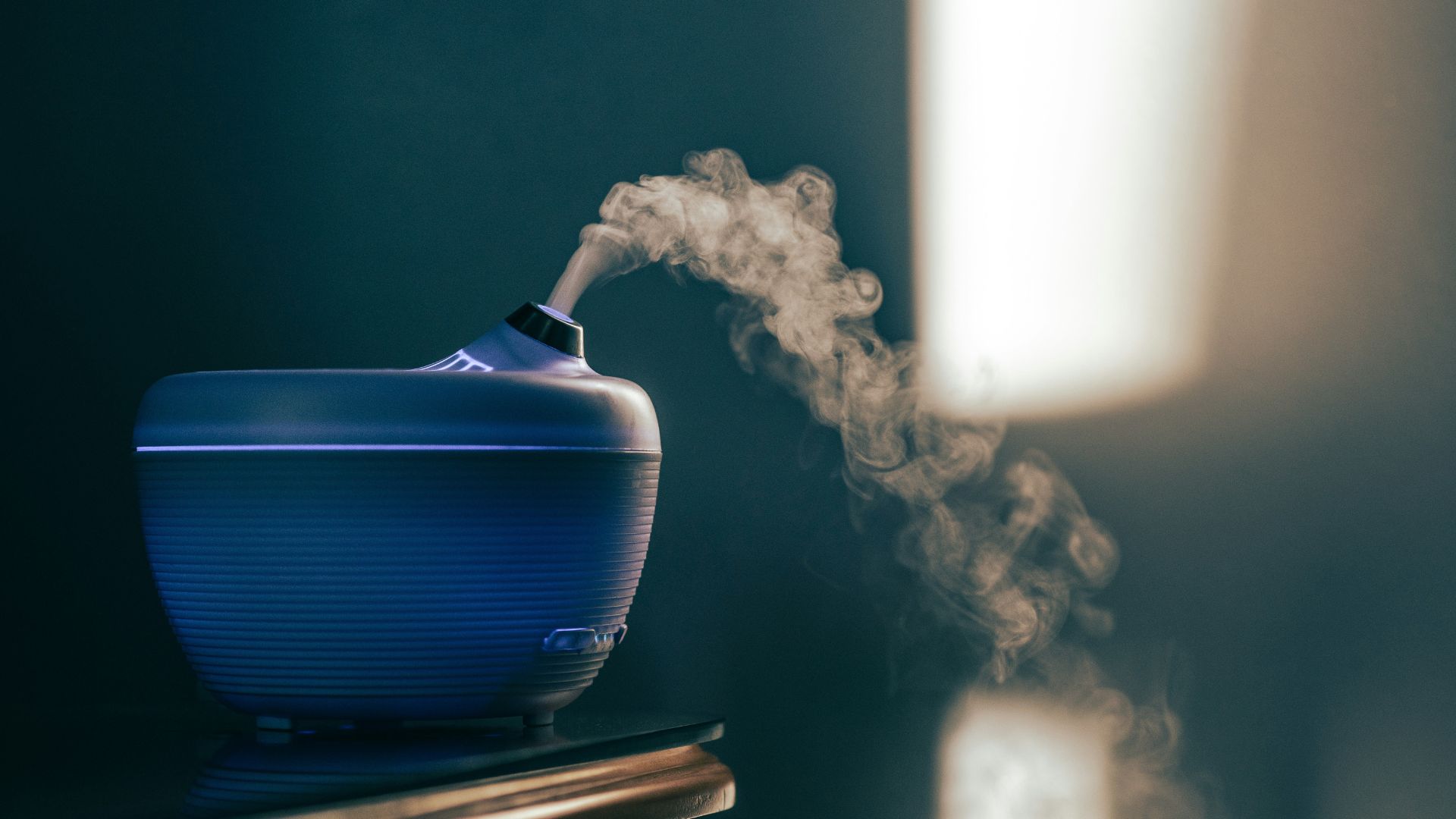
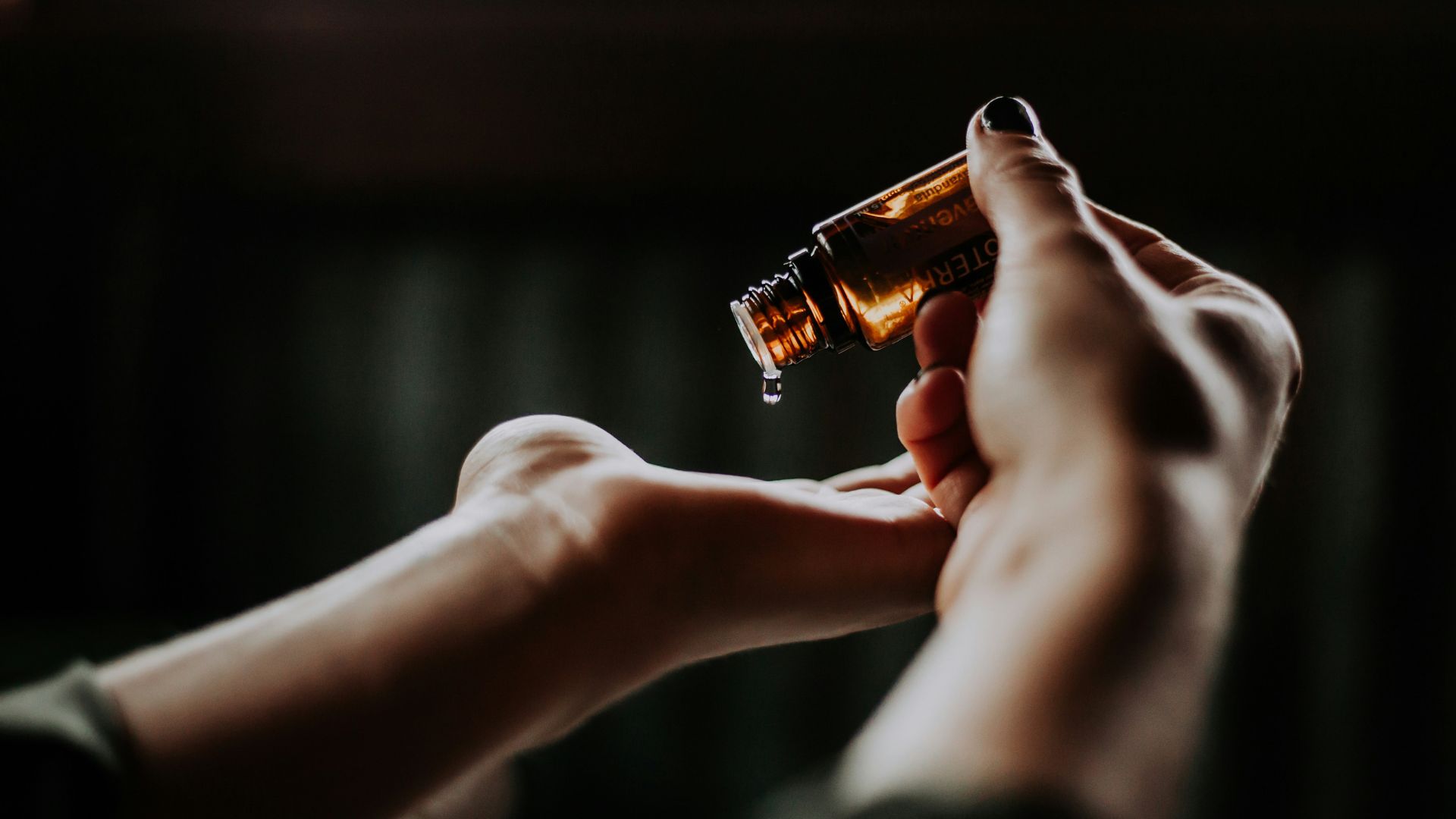
Essential oils can work in a few different ways. The most common is simply breathing them in — your nose sends signals straight to the brain, which can quickly affect mood and how you feel. Oils can also be absorbed through the skin, especially during massage, where they may help calm inflammation and fight germs. Some oils are even taken by mouth for specific health needs, although this isn’t common. However you use them, it’s important to be careful and choose safe, trusted products, and experts’ findings can help us consciously navigate the many options our modern market offers us and tailor them to our needs.
FOR ANXIETY
Lavender and chamomile oils are especially well-known for calming anxiety and easing pain, even helping burn patients and those recovering from surgery. Chamomile, in particular, is often used to support better sleep, lift mood, and soothe nerves before medical procedures or during childbirth.
Other essential oils have their own unique benefits. Clove oil, for example, is used by dentists to mask strong odours and even as an ingredient in dental materials, thanks to its comforting scent. Copaiba resin, a remedy from traditional medicine, is now backed by research showing it can calm stress and support skin healing. Even lesser-known plants like padhi (also called velvet leaf or Pereira root) have a long history in Ayurveda as gentle ways to ease anxiety, depression, and muscle tension.
FOR INSOMNIA
If sleep is hard to come by, certain essential oils might help. Scents like ylang-ylang, lavender, chamomile, and cinnamon are known for their relaxing effects and can help lift your mood. Lavender and chamomile are especially popular with older adults for easing anxiety and supporting restful sleep. Even peppermint, often used in cooking, can help the body unwind — its natural menthol content can calm nerves and dull pain signals, making it easier to relax.
FOR PAIN RELIEF
Migraines, with their intense headaches and sensitivity to light or sound, can be especially tough to manage. Many find relief through aromatherapy, using scents from herbs such as mint, black pepper, frankincense, myrrh, clove, and ginger to calm symptoms and soothe their senses.
Even during labour, certain natural fragrances offer support. Damask rose, for example, is cherished for its ability to calm the mind and body, lower stress hormones, and ease pain.
FOR NAUSEA RELIEF
Nausea and vomiting can disrupt daily life. Some turn to aromatherapy to find relief, since common anti-nausea medications can cause unpleasant side effects.
Scents like peppermint, ginger, chamomile, lemon, and cardamom have all been used to help settle the stomach and ease discomfort. For many, simply inhaling these natural fragrances can offer a gentle, soothing way to feel better.
FOR SKIN INFECTIONS
Essential oils and plant extracts have long been trusted in skincare routines. Not only can they help calm irritated skin and fight acne, but their soothing scents may also boost your mood. Popular choices like eucalyptus, peppermint, lavender, tea tree, and rose are loved for their ability to promote clearer skin while offering a gentle, natural touch.
FOR MENOPAUSE SYMPTOMS
Many women going through menopause turn to natural remedies for support. Essential oils like lavender are popular for their calming and sleep-boosting effects, while fennel may help with hot flashes and sleep troubles. Blends of lavender, fennel, rose, and geranium are often used to ease discomfort and boost well-being during this transition — providing gentle relief without affecting hormone levels.
Whether you’re new to aromatherapy or looking to expand your wellness routine, understanding the benefits of different essential oils can help you make more informed choices. Used safely and mindfully, aromatherapy is a simple way to support everyday well-being and create moments of calm in daily life.
Highlight Image:
@Kelly Sikkema via Unsplash


