
Are We In a Recession? The Truth Behind TikTok’s Recession Indicators and Doomspending
From jelly shoes to Lady Gaga’s pop revival, social media is buzzing with recession indicators, illustrated by the hashtag #recession. Users are linking everything from fashion trends to spending habits as signs of economic decline, yet experts don’t predict an imminent recession. This increase in recession indicators, from the lipstick index to doomspending, reveals our complex relationship with money and anxiety amidst ongoing uncertainty.
Are We In a Recession?
A recession doesn’t have one official definition, but it usually means the economy is shrinking for a while. Most experts say a recession happens when a country’s total production (GDP) drops for two quarters in a row.
According to the United Nations Department of Economic and Social Affairs, the Middle East crisis has shaken the global economy, leading to slower growth, higher prices, and greater uncertainty.
Global growth remains below pre-pandemic levels, and while some recovery is expected, the outlook remains weak. The biggest problems are in energy. Higher prices and supply issues are raising costs for everyone. This has caused inflation to rise again and made food more expensive. Central banks now have tough choices about raising interest rates, which could hurt growth or allow inflation to persist. Financial markets have remained steady so far, but developing countries are struggling with higher borrowing costs and debt burdens, making it harder for them to invest and grow.
Does this mean 2026 will be the year we enter an economic recession? Experts do not think so. Why are there recession indicators all over the internet, then?
Recession Indicators Online
The hashtag #recession has over 144K posts on TikTok, showcasing myriad videos from content creators outlining their strategic preparations for an upcoming recession and their financial cutbacks. For instance, one TikToker posted a video with the caption, “The biggest recession indicator I’ve noticed lately is that women are choosing to rock their natural nails and I’m here for it. We are so dependent on these slaving styles. It’s time and funds-consuming.”
Online recession indicators cannot be defined as a single entity, as they span a broad spectrum of topics and trends, most of which are adopted by Gen Z. Although preparing a plan and cutting down on trivial expenses seem like the most logical steps to take when faced with global financial uncertainty, this is not what the internet means by “recession indicators” exclusively.
“These are my recession indicators,” writes a TikToker on her video while filming a pair of jelly shoes. “I haven’t seen jelly shoes since 2008,” she adds. Another content creator presents a 2000s-inspired top as “her recession indicator,” commenting that “the early 2000s are calling and they want their layered camis back”. Even Lady Gaga’s comeback in the pop scene with her ‘Abracadabra’ song, reminiscent of her early popstar era, is cited as a crystal-clear sign of an impending recession.
Finally, Labubus. Originally born of Belgian-Chinese artist Kasin Lung’s mind as characters from his 2015 illustrated book series The Monsters, they monopolised the global market in 2025. Although they now seem to have left the scene, Labubus were inescapable until recently. They became bag charms, plushies, even fashion accessories. Then, in their final transformation, they evolved into indicators of recession: “When money gets tight, we don’t stop spending … we just trade big luxuries for small comforts. We’re all just coping. Next time someone judges your Labubu obsession, you can tell them it’s a current economics case study,” writes a TikToker under her video.
The Return of The Lipstick Index
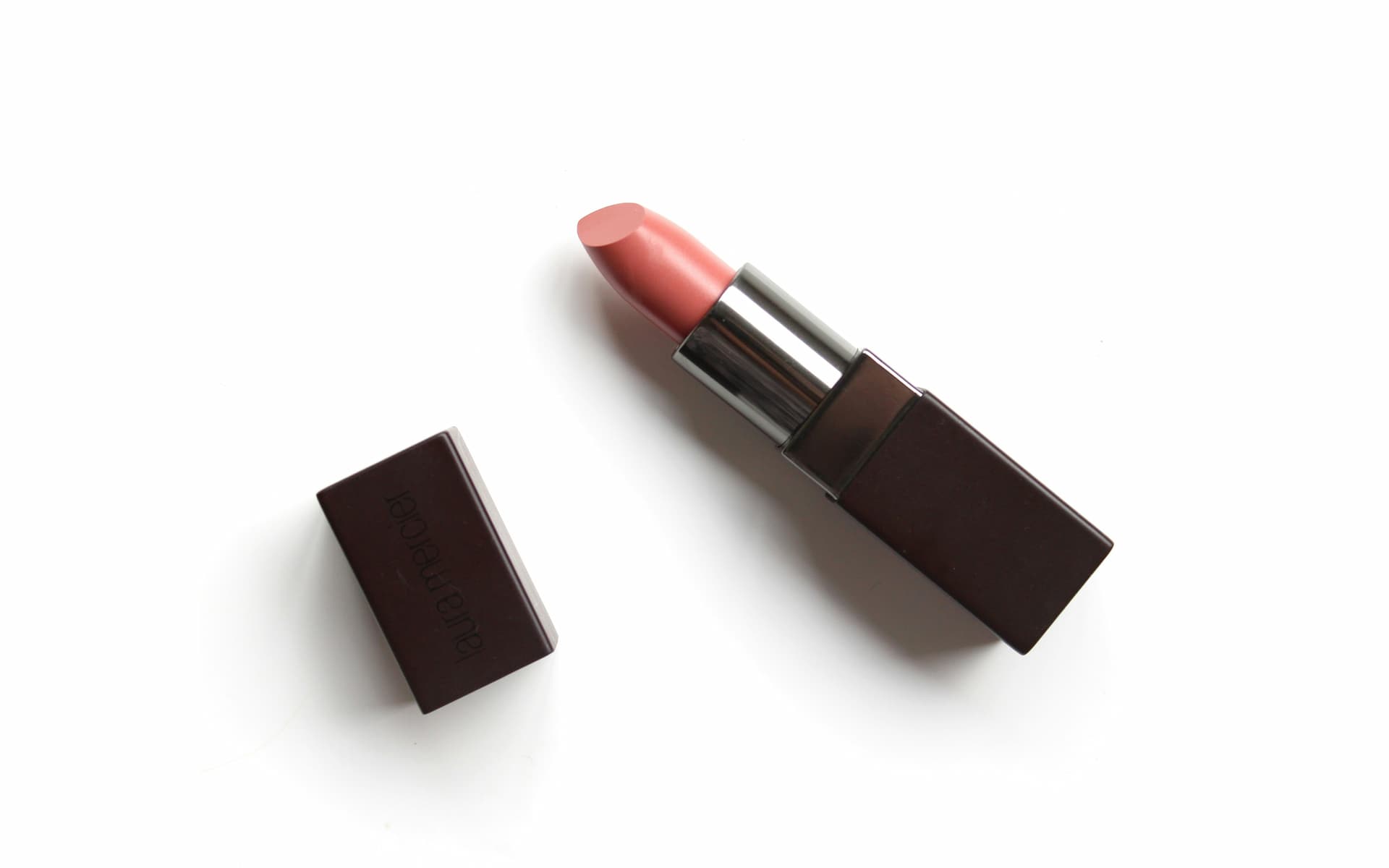
Back in 2001, Estée Lauder’s Chairman, Leonard Lauder, coined the term “lipstick index” during the recession. The idea was simple: when times get tough, people still want a little pick-me-up, so instead of splurging on expensive clothes, many women bought lipstick as an affordable treat. Fast-forward to the 2020 pandemic, and that trend flipped. With everyone wearing masks, lipstick sales took a nosedive, since no one was showing off their lips anymore.
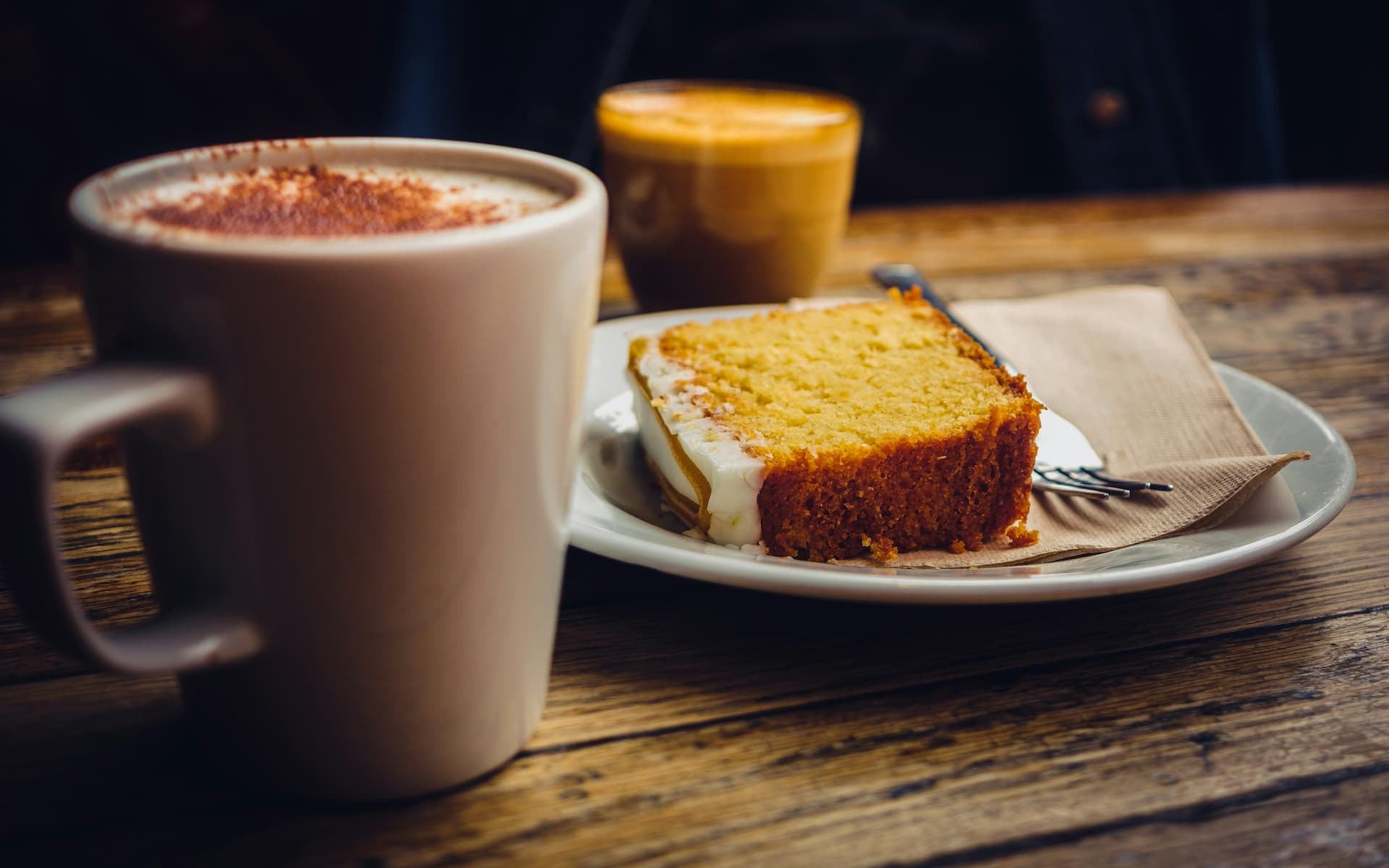
But in our post-pandemic world, also due to the recession indicators memes phenomenon, it has made a comeback. This time, although TikTokers are increasingly talking about it, the term has been replaced by “little treat culture”. This trend is, in fact, mostly about Gen Z posting videos of themselves enjoying their deserved “little treats,” whether these might be coffee and a pastry, candles, thrift-store trinkets, skincare products, and, at least until last year, Labubu merchandise.
Doomspending. Self-soothing. Self-destructive.
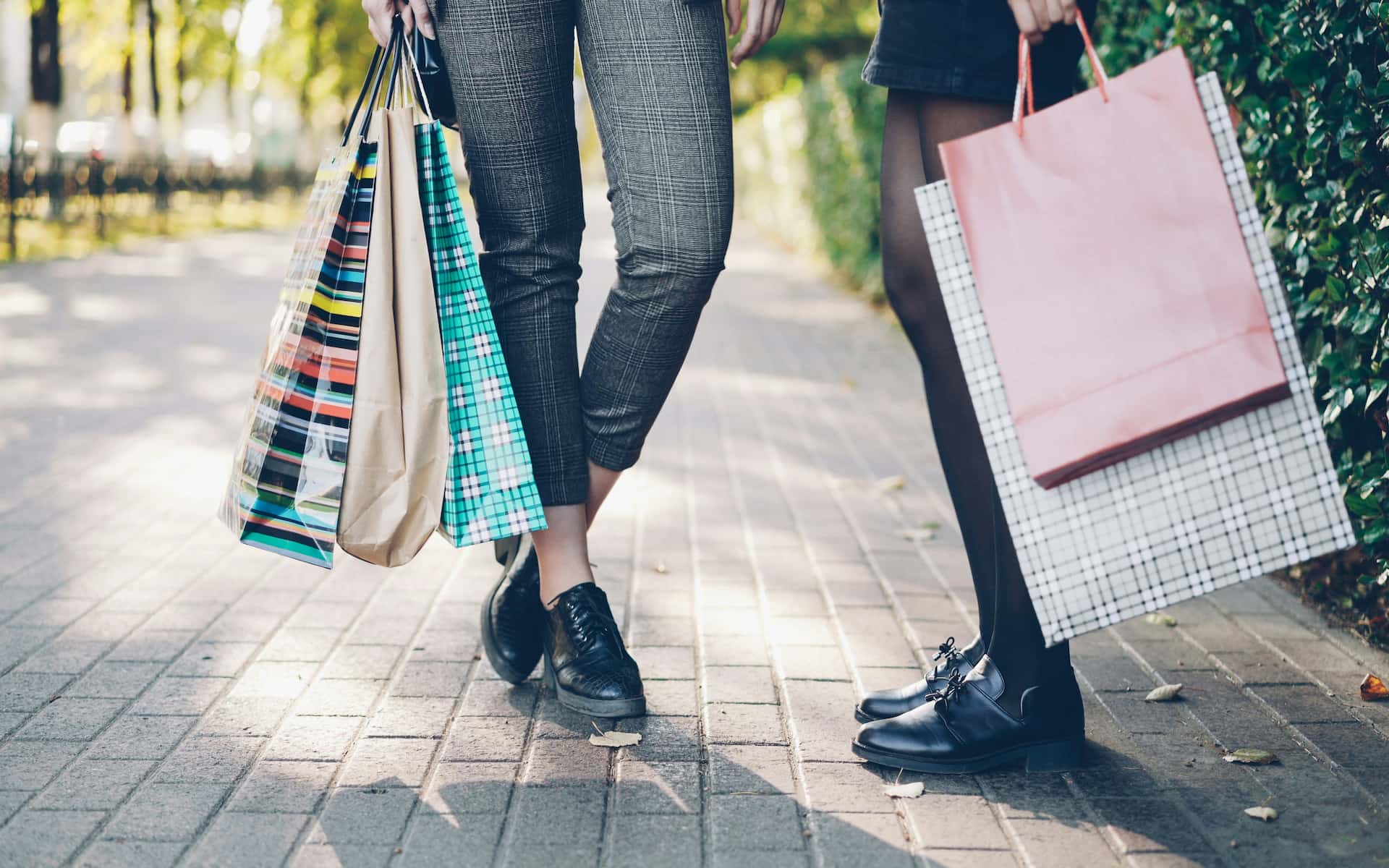
Doom spending is what happens when we shop to soothe our nerves. Stressed about the economy or anxious about the news? Suddenly, that spontaneous takeout order or those new shoes seem like just the thing to feel better, even if it is only for a little while. Sometimes, people even book a last-minute getaway just to escape the stress for a moment.
Experts call this financial anxiety. This is particularly true for individuals already dealing with mental health challenges, chronic illnesses, or substance use struggles. Too often, this kind of anxiety gets brushed aside or seen as less important than other issues. But when money worries pile up, it can take a real toll on someone’s mind and well-being.
Other times, this anxiety arises from the media itself. With countless self-named “experts” on TikTok fomenting the fear that a global economic recession is for sure going to happen soon, it is no wonder we get into a loop of catastrophic thinking, leading to self-affirmations like, “the world is going in a self-destructive direction, and there is nothing I can do about it; I might as well enjoy myself”. There is nothing wrong with listening to our appetites and rewarding ourselves with small purchases that might uplift our mood after a long stressful day. However, psychologists warn that we should not let this behaviour spiral out of control.
Doomspending is self-soothing, but it can also be detrimental to our wallets and, consequently, to our mental health. By spending more to soothe our financial anxiety, we might actually put ourselves in unstable financial conditions that will inevitably cause more stress. It is thus important to pay attention to our consumeristic behaviours so that we do not risk falling into a self-fulfilling prophecy.

Whether it is a pair of jelly shoes, a Labubu keychain, or an afternoon coffee that qualifies as a “little treat,” recession indicators on social media often say more about collective anxieties than they do about the actual state of the economy. While global growth remains fragile and financial uncertainty is very real, experts do not currently see a recession as inevitable. What these online trends highlight instead is how people respond emotionally to economic instability, sometimes by cutting back, sometimes by seeking comfort through small purchases. Understanding the difference between economic reality and viral speculation is essential, especially in an age where financial fears can spread as quickly as any TikTok trend.
Hightlight Image:
©Vitaly Gariev via Unsplash


