


Are We Losing Our Personal Taste? How Social Media is Shaping Our Aesthetic Identity
Does social media help users to explore new identities, or do platforms reinforce the same aesthetics? From interiors and outfits to architecture, why do so many things increasingly look alike? What are the effects on individuality and how does this affect what we perceive as beautiful? Can we develop our own personal taste outside of the influence of algorithms and social media?
How Does Social Media Influence Aesthetic Preferences?
Through the layout and features of various social media platforms, algorithms can turn aesthetics into everyday habits and shopping patterns. According to a 2023 review, Instagram reinforces aesthetics through sharing photos and stories that share a specific ‘theme’. Followers who like these images and stories will receive suggested profiles with similar themes, and can post to match this theme, i.e., change their habits to meet the desired social media theme and express this theme-identity.
Similarly, TikTok allows users to share short videos that depict specific styles or identities, i.e., dark academia, cottagecore, or clean girl. Liking and sharing content with similar themes reinforces specific aesthetics and might influence the user to behave or follow trends in ways that match these desired aesthetics. According to The Journal of Aesthetics and Art Criticism, Netflix and Spotify use machine learning tools to provide personalised content to users. Users are matched with music and shows that match their preferences, which don’t necessarily allow us to explore new options – they reinforce already established preferences. In this way, social media doesn’t allow users to explore their identity or aesthetic preferences, but reinforces previously established identities.
Why do So Many Interiors, Outfits, Cafés and Lifestyle Aesthetics Increasingly Look Similar?
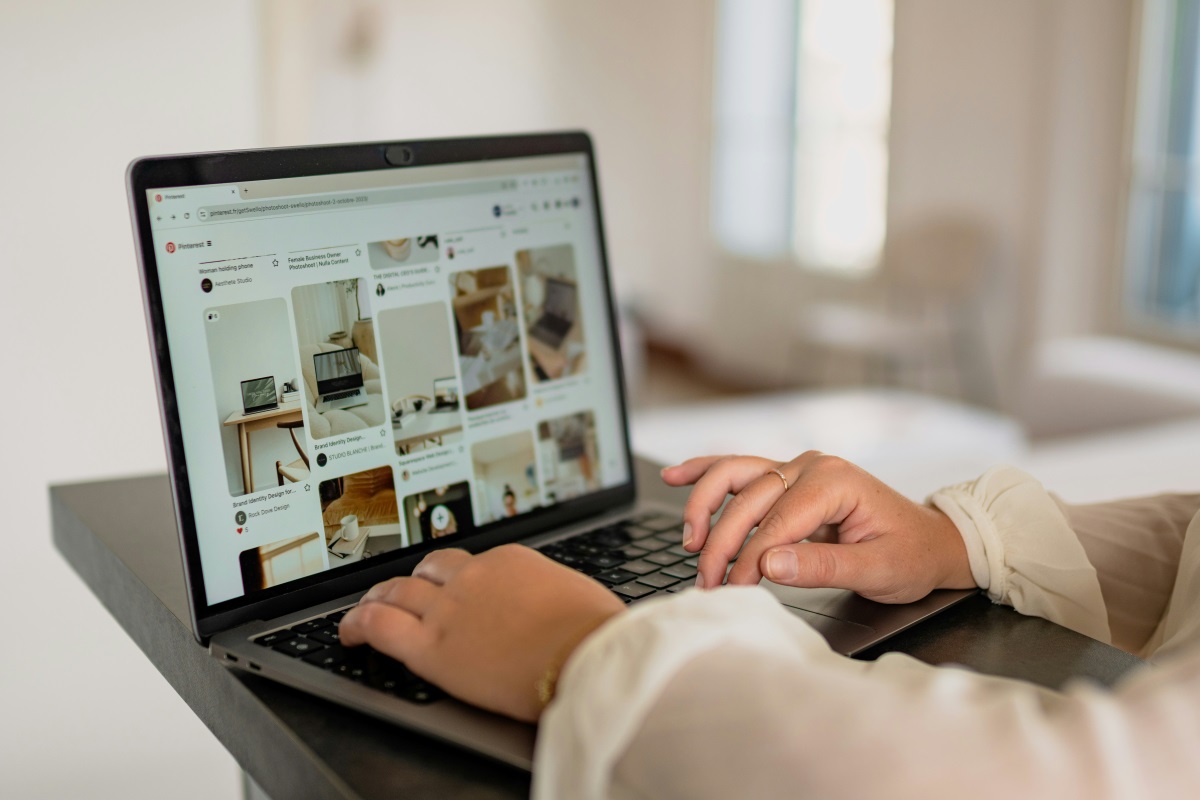
Why do so many building aesthetics increasingly look similar? Researcher Kyle Chayka calls this style ‘AirSpace’. AirSpace is marked by recognisable symbols like reclaimed wood and refurbished industrial lighting. These symbols provide a familiar, comfortable surrounding and give the impression of authenticity. This familiarity can maximise algorithmic visibility and increase the site’s number of visitors or consumers. Can the same be said for outfits and lifestyle aesthetics? Do users follow these aesthetics because they feel familiar or authentic?
What happens to individuality when inspiration becomes endless and instantly accessible?
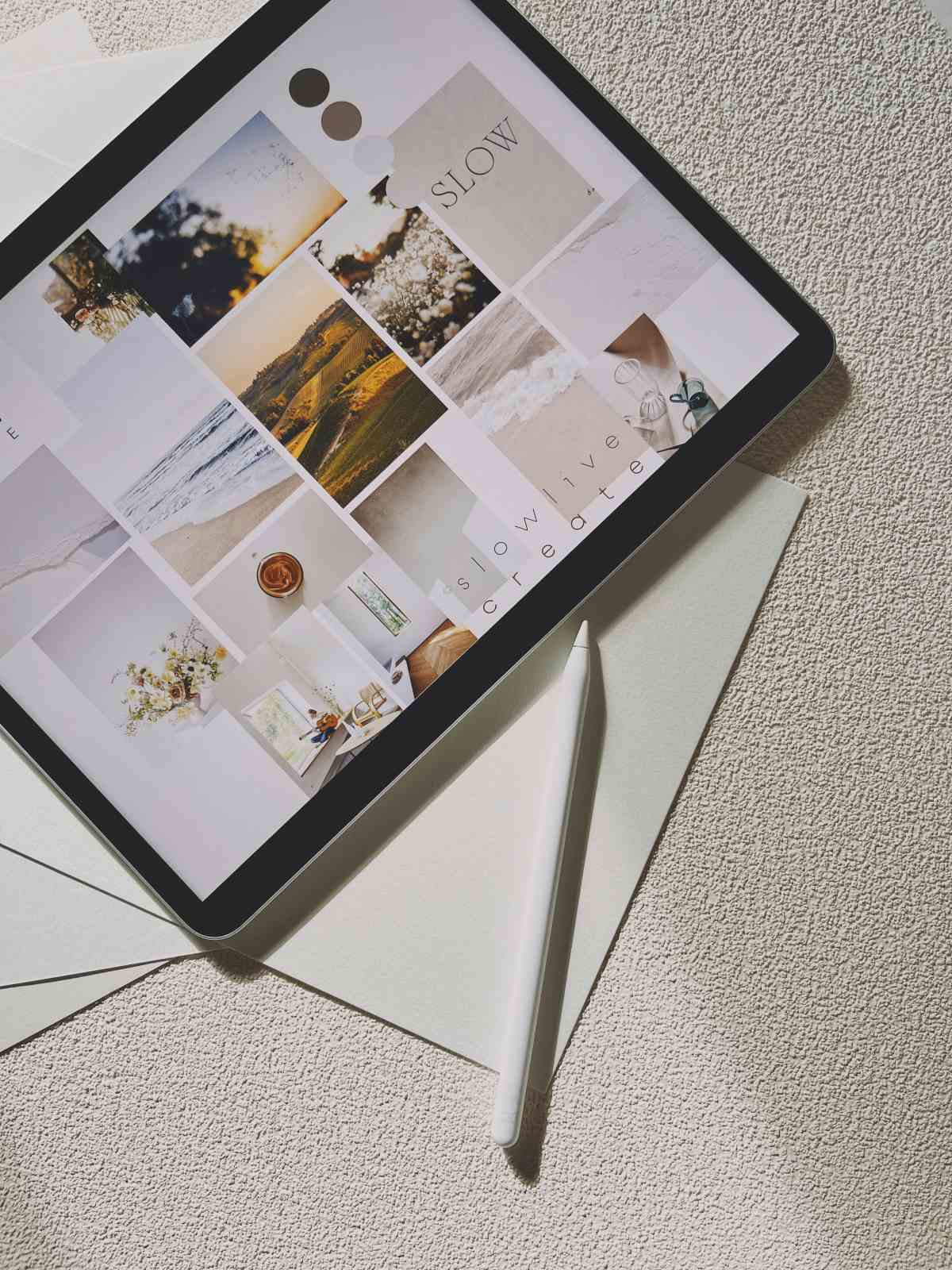
How does this occur? Why do users seek the same aesthetics and identity when inspiration is endless and instantly accessible on social media? As well as the layout of social media previously discussed, people experience cognitive fatigue when there are endless options. In a recent study on the homogenisation of online media content, users relied on ‘social proof’ such as the number of likes and views, and the different aesthetics, to see which identites or aesthetics received the most social approval. Does it really matter that social media has endless access to different identities, when many users want to identify with the most trendy or popular aesthetics at the time?
As well as cognitive fatigue, repeated exposure to certain content or images can reinforce what users perceive as beautiful or attractive. In psychology, this is known as the mere exposure effect. When people are exposed to similar media over and over, they favour it because it is familiar. Our minds learn to be careful around new things to avoid social exclusion or potential harm. Could this explain the infamous ‘Instagram face’, i.e., the homogenised beauty standard shaped by social media filters, Photoshop, influencer advertisements? Can this explain how AirSpace functions, and why many users want to achieve the ‘Instagram face’?
Can we consciously develop our own taste outside algorithmic recommendations?
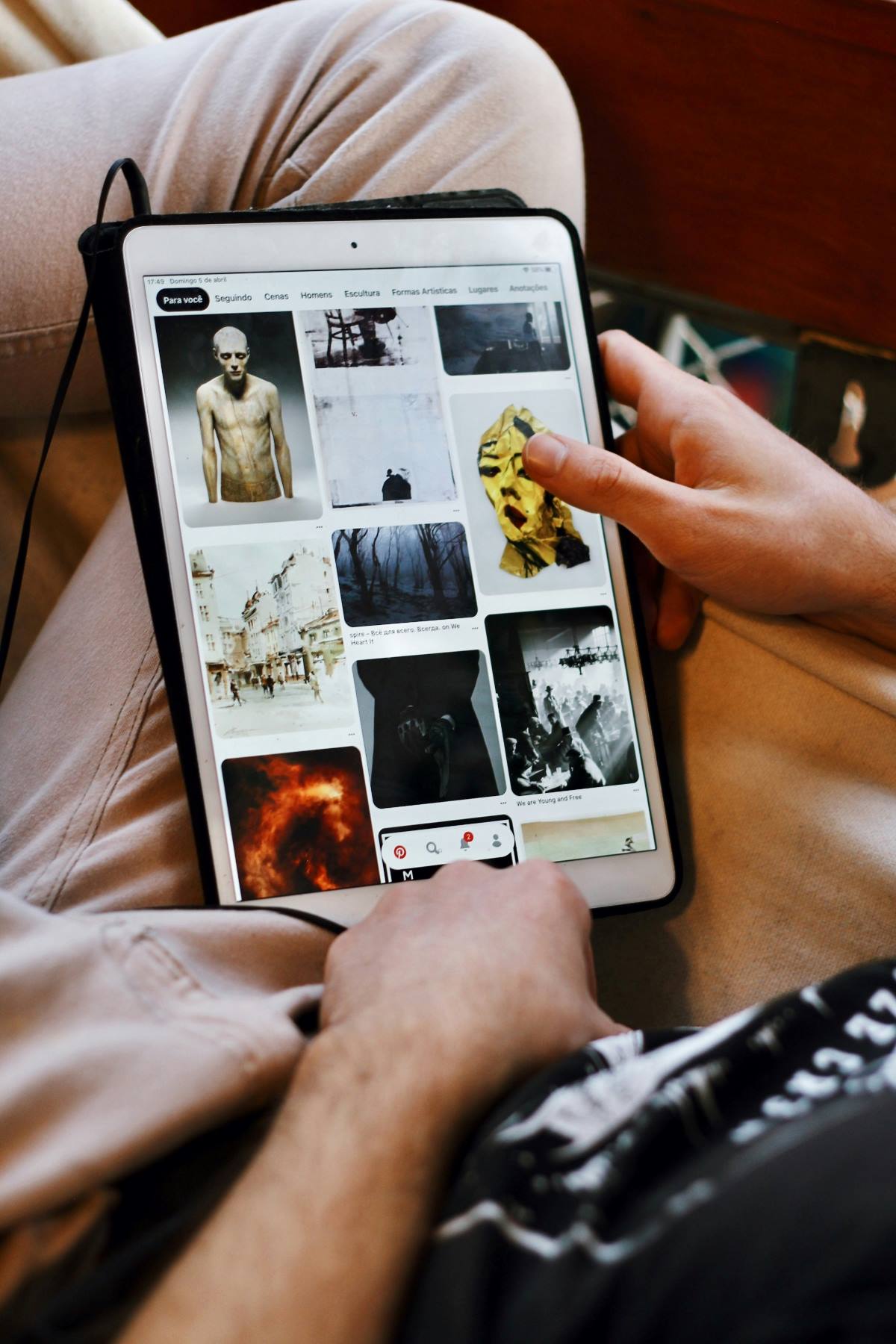
Does social media allow users to explore their own or a new identity, or does it reinforce the same aesthetics and identities? Based on the research, it seems that platforms merely reinforce the same identities. However, popular aesthetics and trends regularly change. Many users want to follow similar beauty standards to be liked, accepted and approved of on social media. Following themes that are popular also influences these levels of approval (i.e., likes, comments, views). Has exploring identities become merely about metrics? Is that why people feel the need to reinvent themselves regularly?
Highlight Image:
@ Microsoft Copilot via Unsplash


