


Casa Jacaré | Redefining Luxury Through Craftsmanship and Character
What if luxury were less about what we possess and more about what reveals who we are? Bringing together fashion, home fragrances and interior design, Casa Jacaré explores the relationship between individuality, craftsmanship and personal evolution. Its founder, Elijah Nar, invites us into a creative universe where elegance meets absurdity, beauty embraces contradiction and character transcends trends.
In a world increasingly obsessed with reinvention, perhaps the most radical expression of individuality is simply knowing who we are.
Born in Sofia, raised in England and later moving to Germany, Elijah Nar founded Casa Jacaré at the age of 24. Drawing inspiration from classical art, mythology, cinema and the unexpected encounters of everyday life, the young creative brings together fashion, home fragrances and interior objects within a distinctive aesthetic universe. His philosophy celebrates contrasts, the emotional value of objects and the freedom to develop a personal style beyond the dictates of trends.
At the heart of Casa Jacaré lies a belief that the things we choose to surround ourselves with should have the opportunity to become part of our personal histories. Materials and craftsmanship are fundamental to this vision, as is the respect for the people whose knowledge brings each creation to life.
In conversation with Luxiders Magazine, Elijah Nar reflects on the meaning of contemporary luxury, the difference between personal evolution and overconsumption, and the quiet power of creating something that someone will genuinely want to keep.
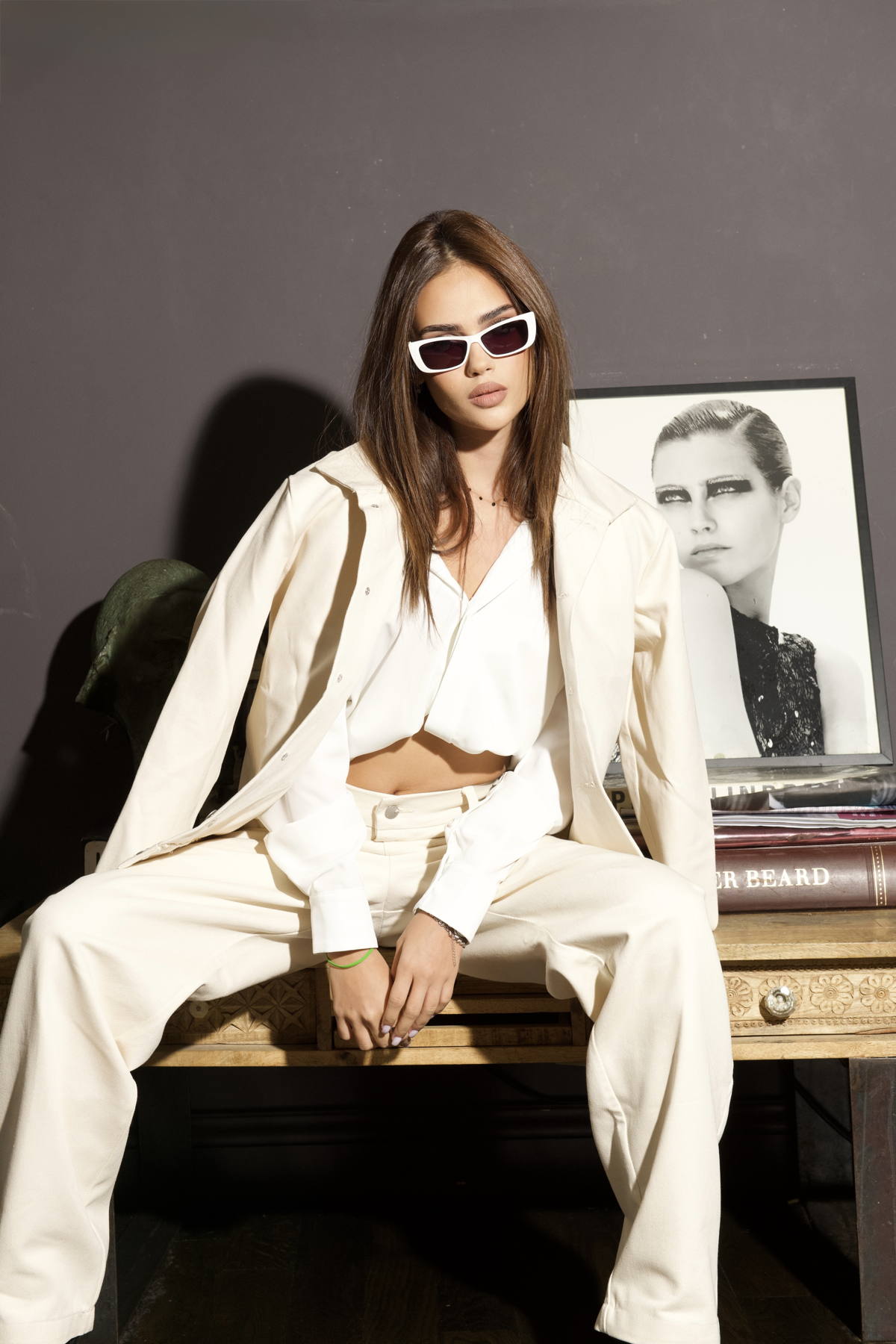
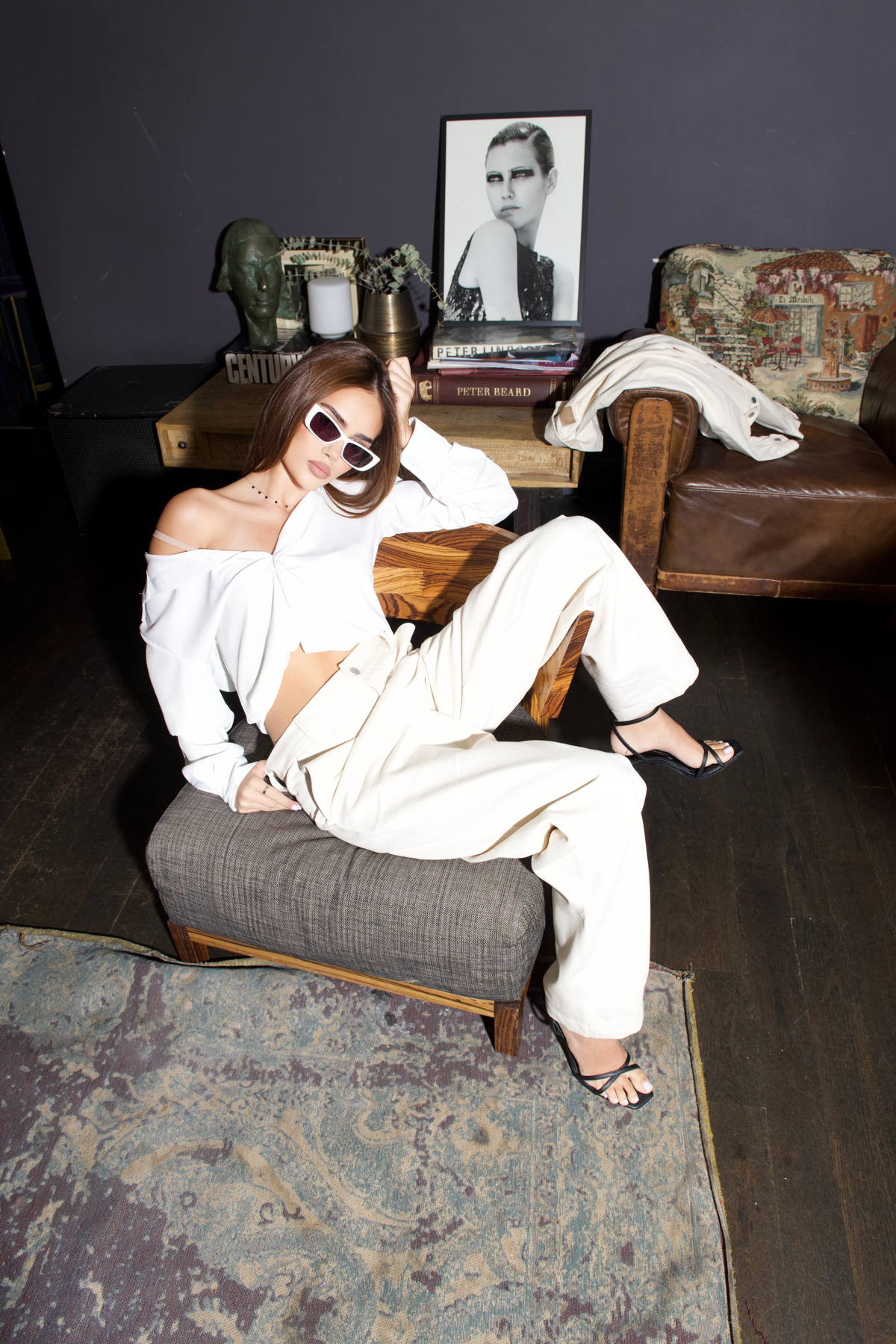
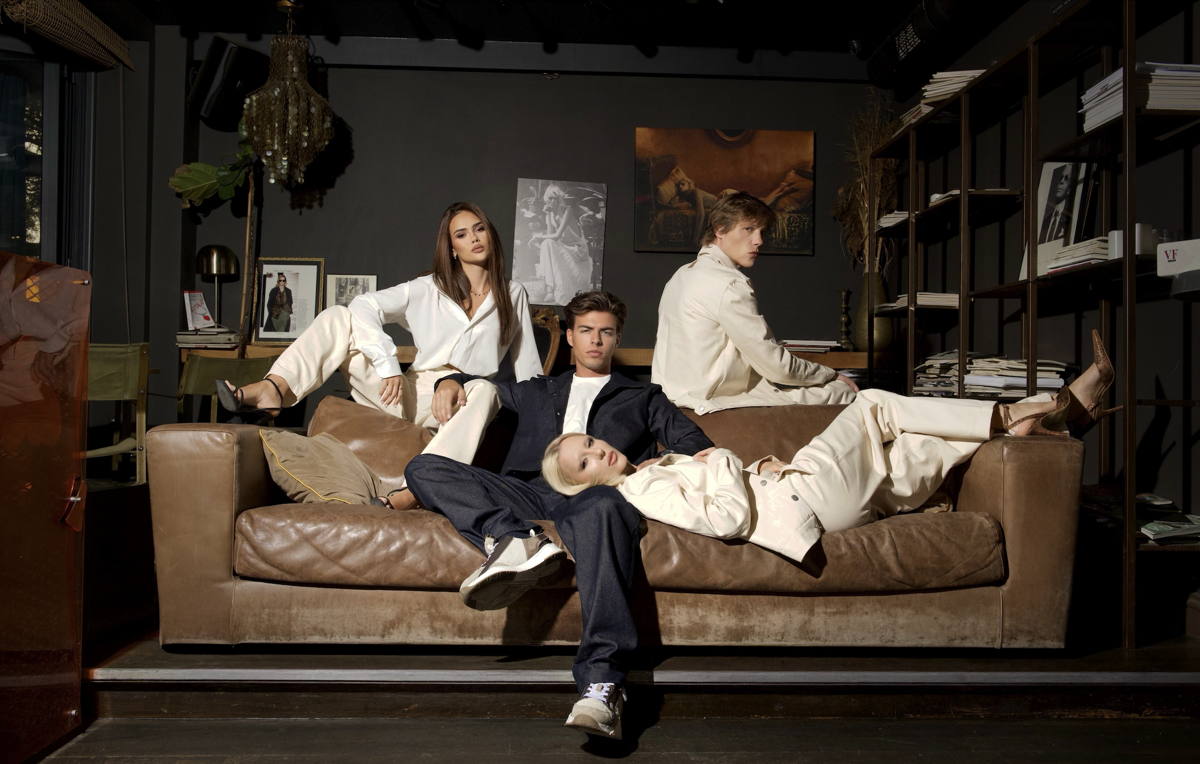
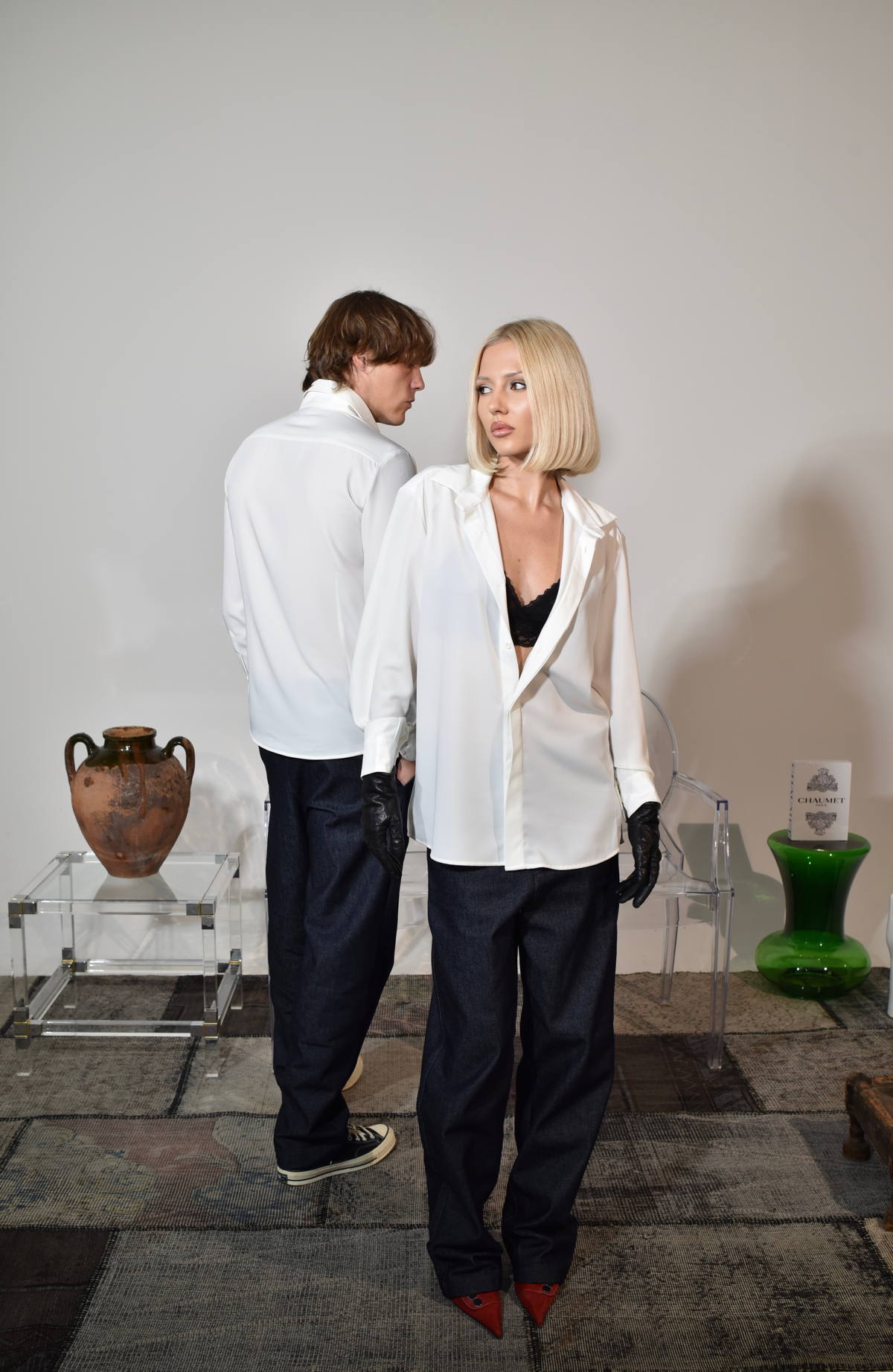
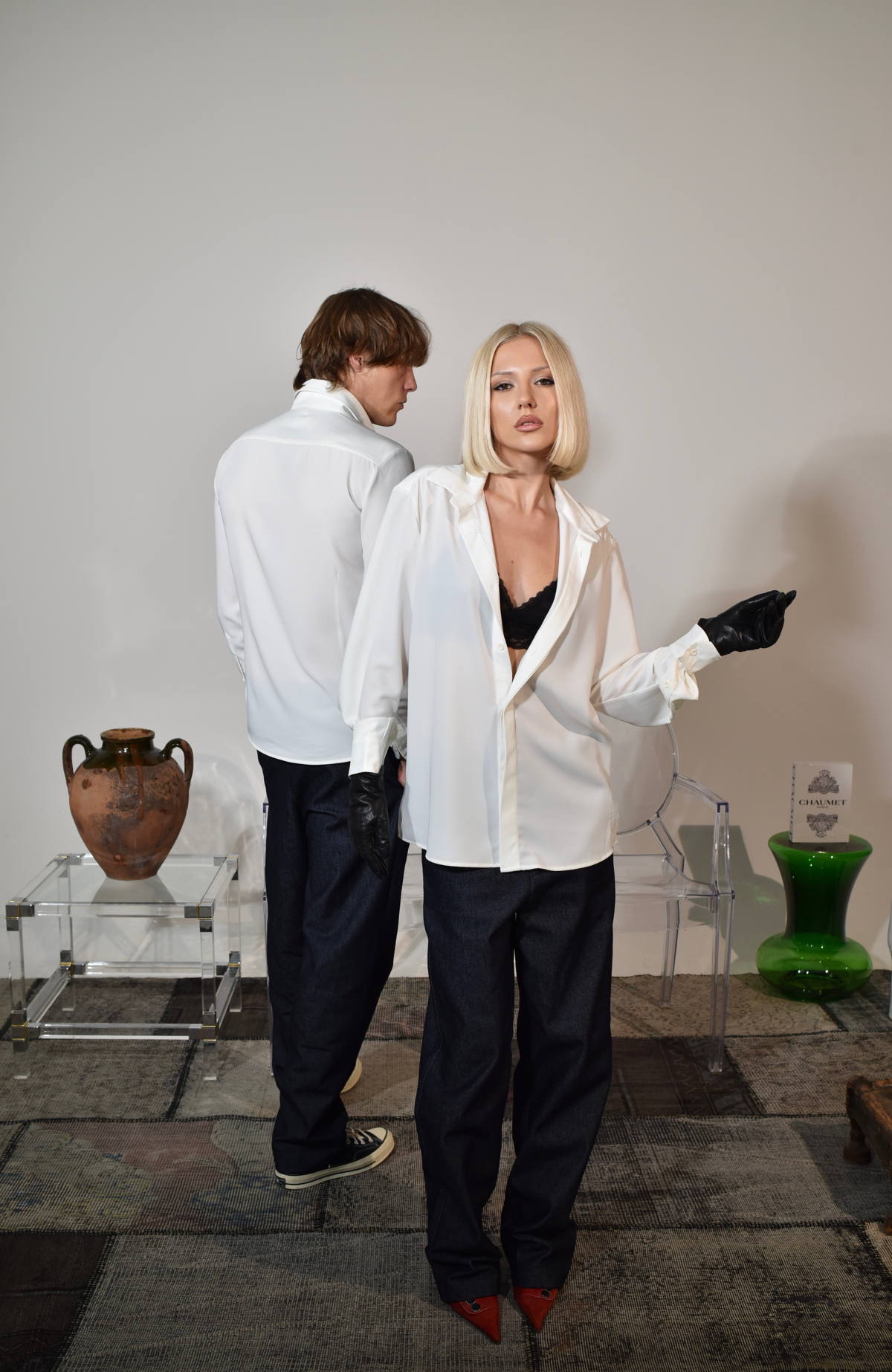
Interview with Elijah Nar, founder of Casa Jacaré
You were born in Sofia, grew up in England and later moved to Germany. At just 24, you have decided to create Casa Jacaré. Tell us a little about your background. What experiences shaped your creative vision, and what gave you the courage to launch your own brand at such a young age?
Looking back, I’m quite grateful that life has pushed me out of my comfort zone so many times. Growing up between different countries, experiencing change and having to adapt to new environments from a young age taught me to embrace the unfamiliar rather than fear it.
I’ve never particularly enjoyed feeling stagnant. I like movement, change and the excitement of not knowing exactly what’s coming next. At some point, I simply felt ready to take the risk, trust my instincts and give an idea I believed in a chance to become something real. I hope that enthusiasm is contagious, and that other people will eventually be able to see what I see in Casa Jacaré.
As for my creative vision, I think it comes down to being a perfectionist and, perhaps more importantly, a good curator. I tend to collect the things I admire most, whether that’s a detail in a painting, a particular atmosphere, a piece of clothing or something I’ve encountered in everyday life. I take the elements that resonate with me and try to bring them together in a way that creates something new.
I believe creativity isn’t always about inventing something entirely from scratch. Sometimes it’s about recognising what makes something special and knowing how to bring different influences together.
Of course, I’m also fortunate to work with a wonderful team of young creatives who bring their own perspectives and talents to the table. They help give my ideas shape and form, and I think that exchange is an essential part of the creative process.
Casa Jacaré brings together fashion, home fragrances and interior design in one creative universe. What inspired you to build a brand that moves between so many different disciplines?
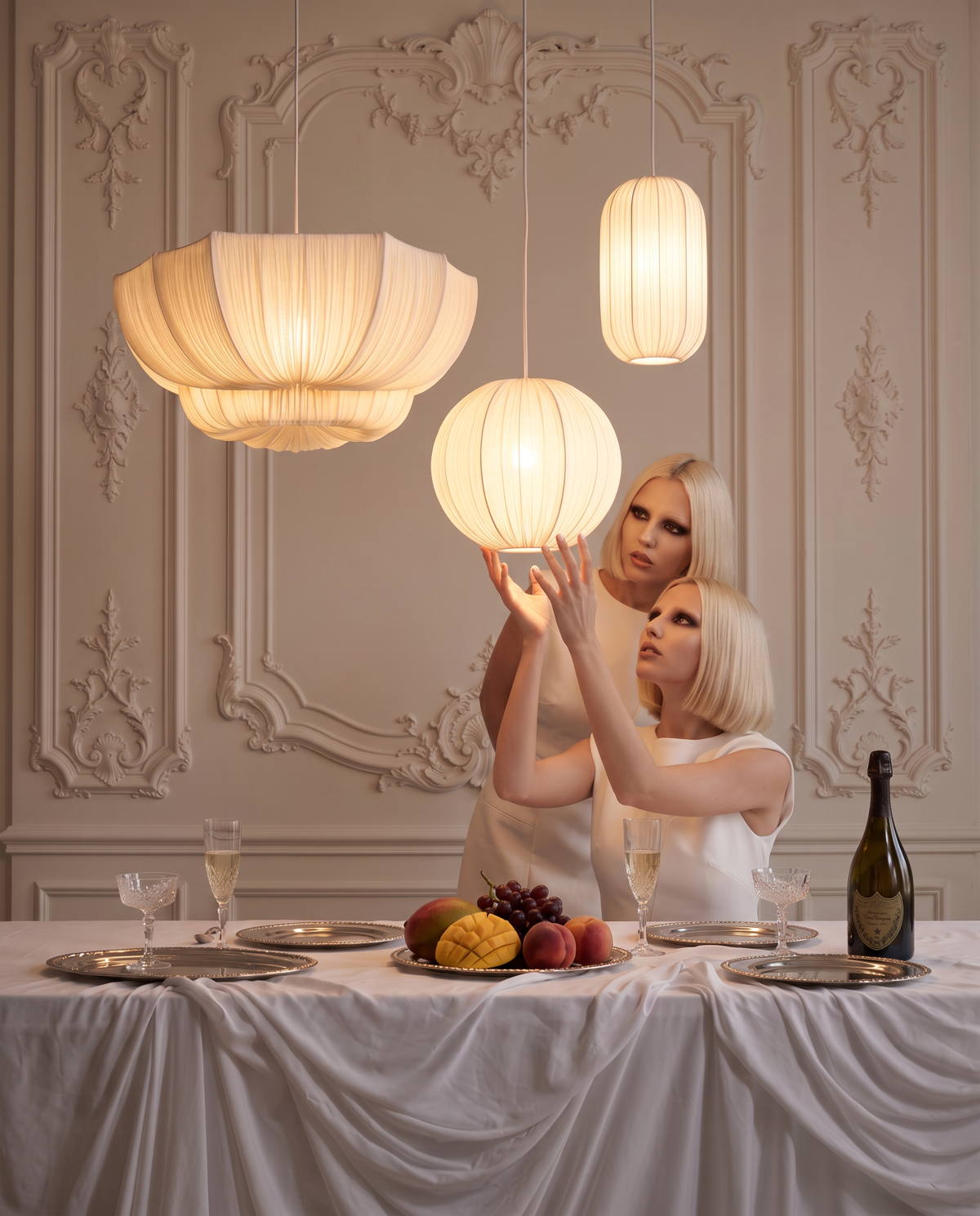
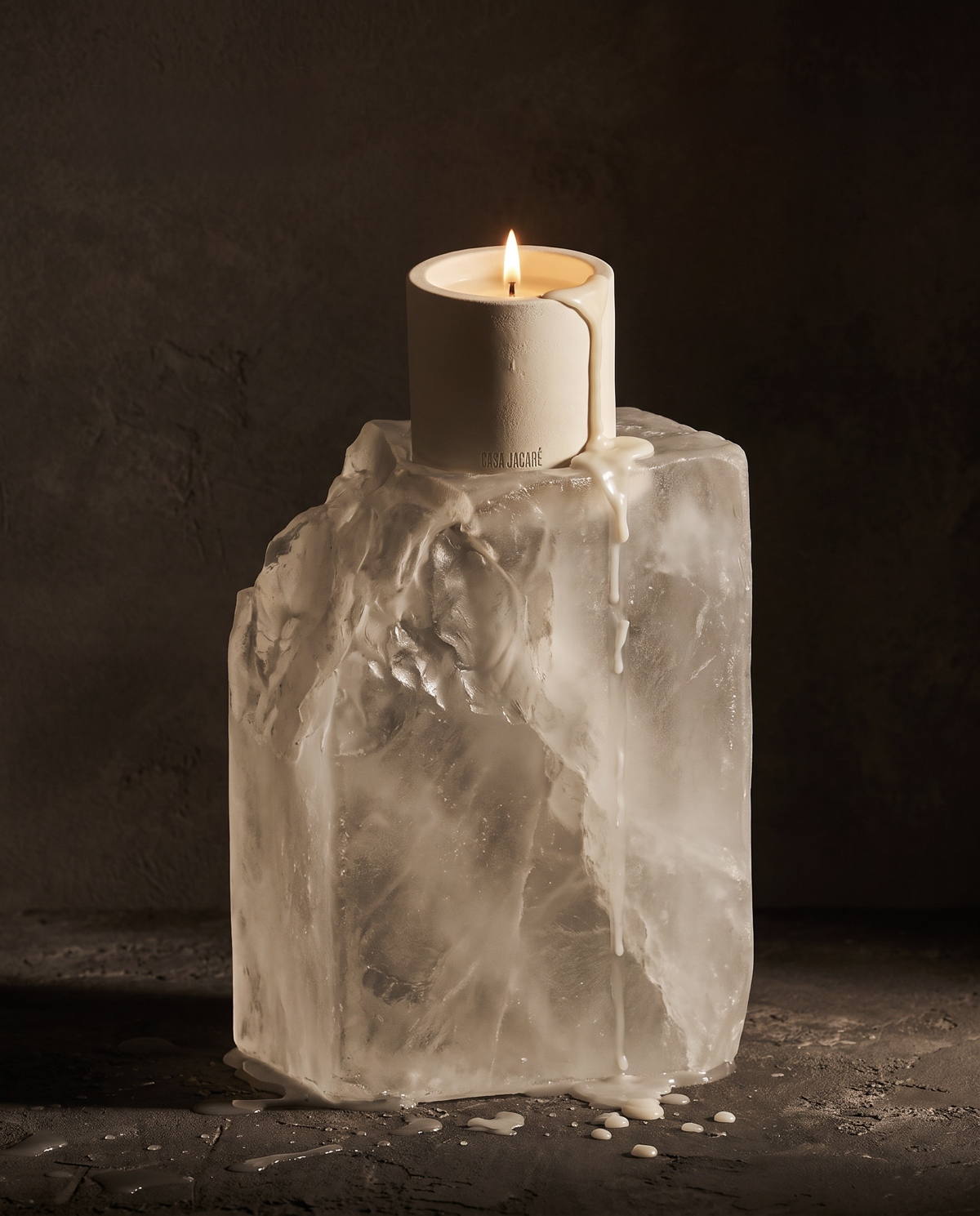
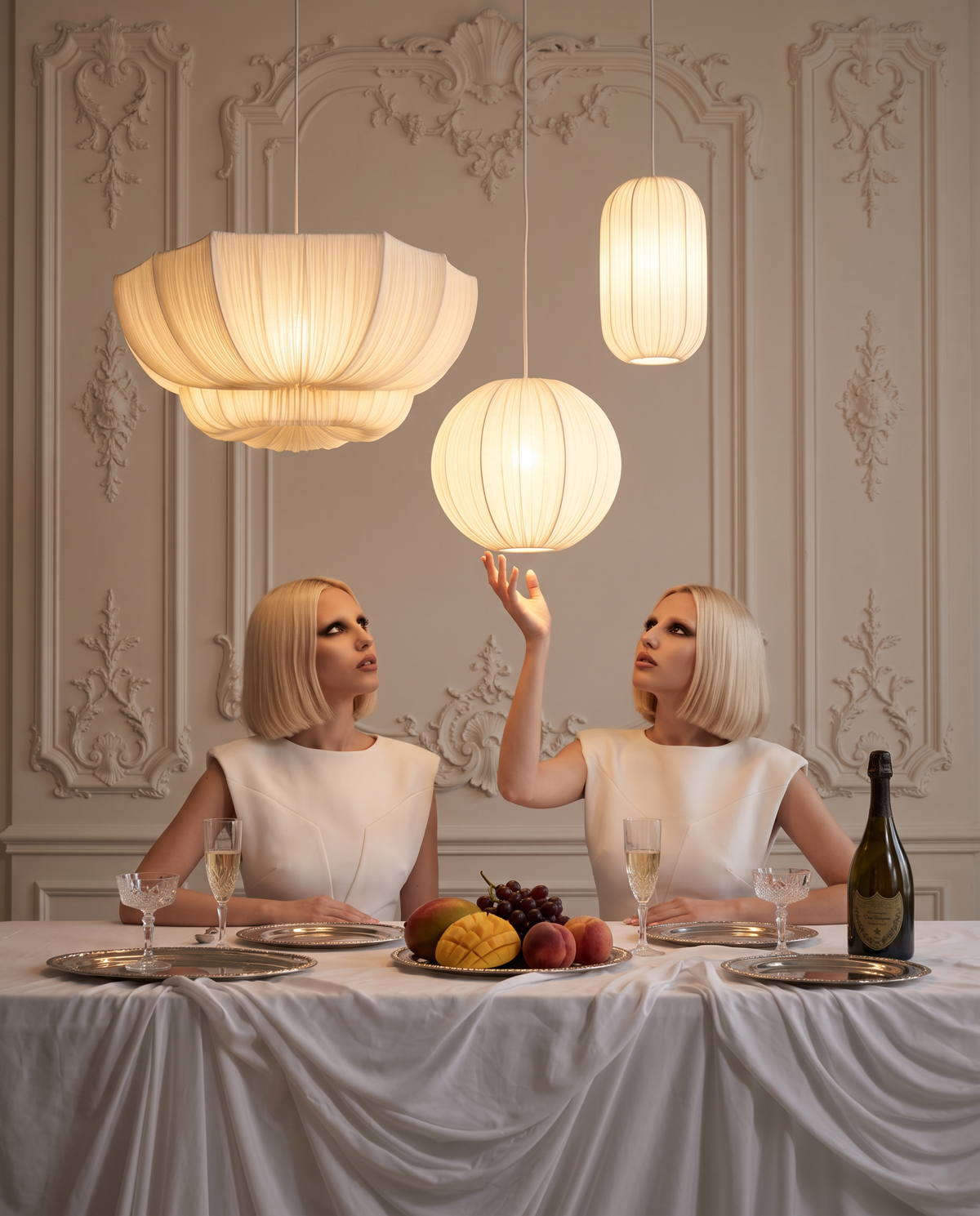
I’ve always felt that these things belong together. The way we dress, the spaces we inhabit and even the scents we associate with certain places are all part of how we experience life. By bringing these different disciplines together, I feel we’re able to create something that goes beyond an individual product. You can experience the brand through different senses and, quite literally, live with it.
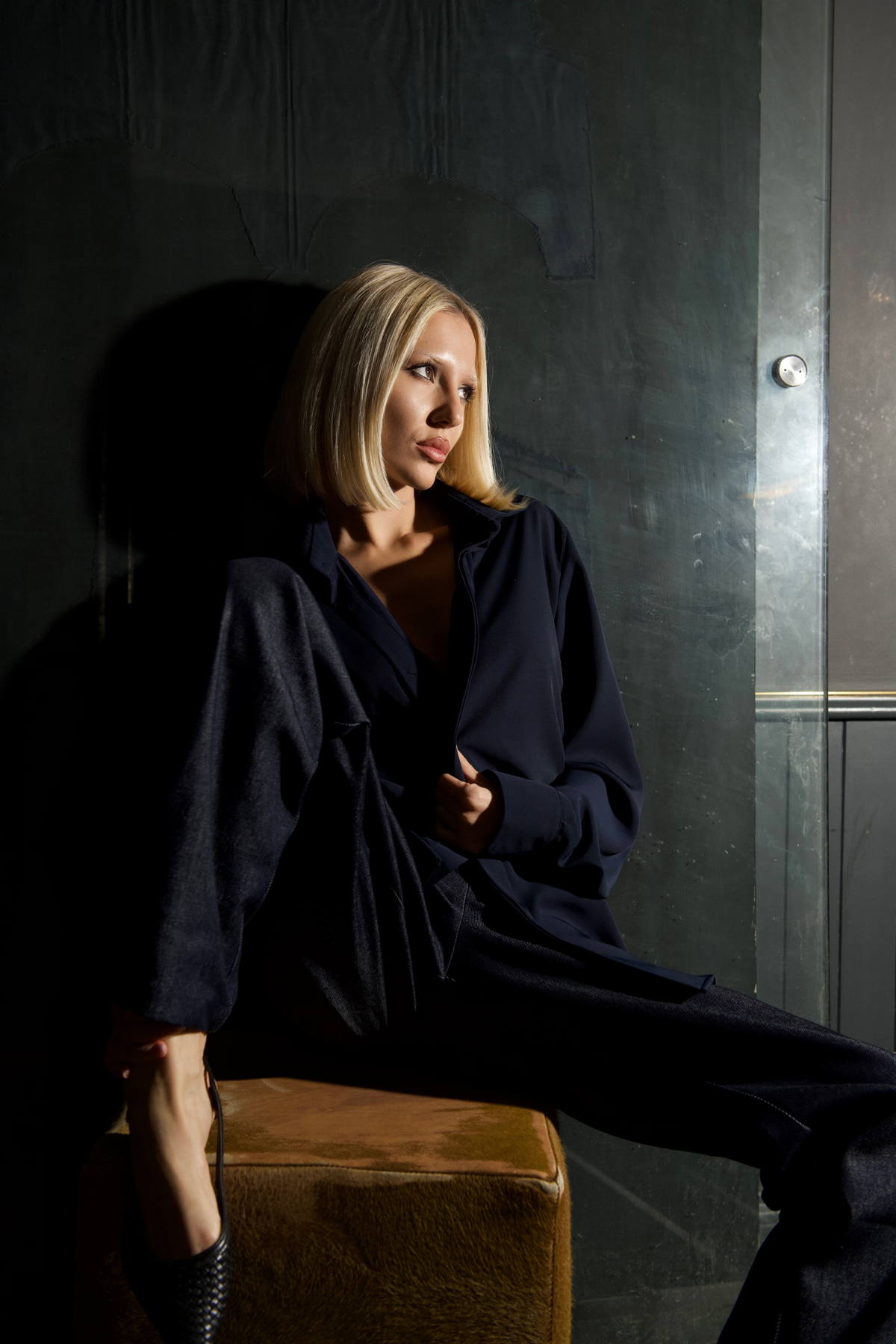
I certainly believe that the things we choose to surround ourselves with can reflect who we are, but I also think they can help us become who we want to be. Clothing is a particularly good example. Putting on a certain outfit can completely change the way you feel, how you carry yourself and sometimes even how you behave. The same applies to the atmosphere of a room. When we buy something, we’re rarely buying just the object itself. We’re also buying into an idea, an atmosphere or a feeling we associate with it. I find that relationship fascinating, and it’s something I want to explore through Casa Jacaré.
Your motto, “For Those of Character”, celebrates individuality in a world increasingly shaped by trends and social expectations. Do you believe we are becoming more afraid of being different? What does having character truly mean to you?
I think there are certainly people who are afraid of being different, just as there are people who actively try to stand out. Sometimes I even get the impression that being different has become a trend of its own, with people trying to be unconventional simply for the sake of it. But I don’t necessarily think there’s anything wrong with that either. To me, having character is about much more than standing out visually or being different from everyone else. It’s about having opinions, standing up for what you believe in, having a sense of humour, being curious, developing interests and having your own way of approaching life.
Character can reveal itself in so many different ways. It can be loud or quiet, eccentric or understated. Someone doesn’t need to be particularly extravagant to have a strong character. I deliberately like leaving the meaning of “For Those of Character” somewhat open. I don’t think it’s my place to define exactly what kind of person that should be. I’d much rather people recognise something of themselves in it and give it their own meaning.
“To me, having character is about much more than standing out visually or being different from everyone else. It’s about having opinions, standing up for what you believe in, having a sense of humour, being curious, developing interests and having your own way of approaching life.”
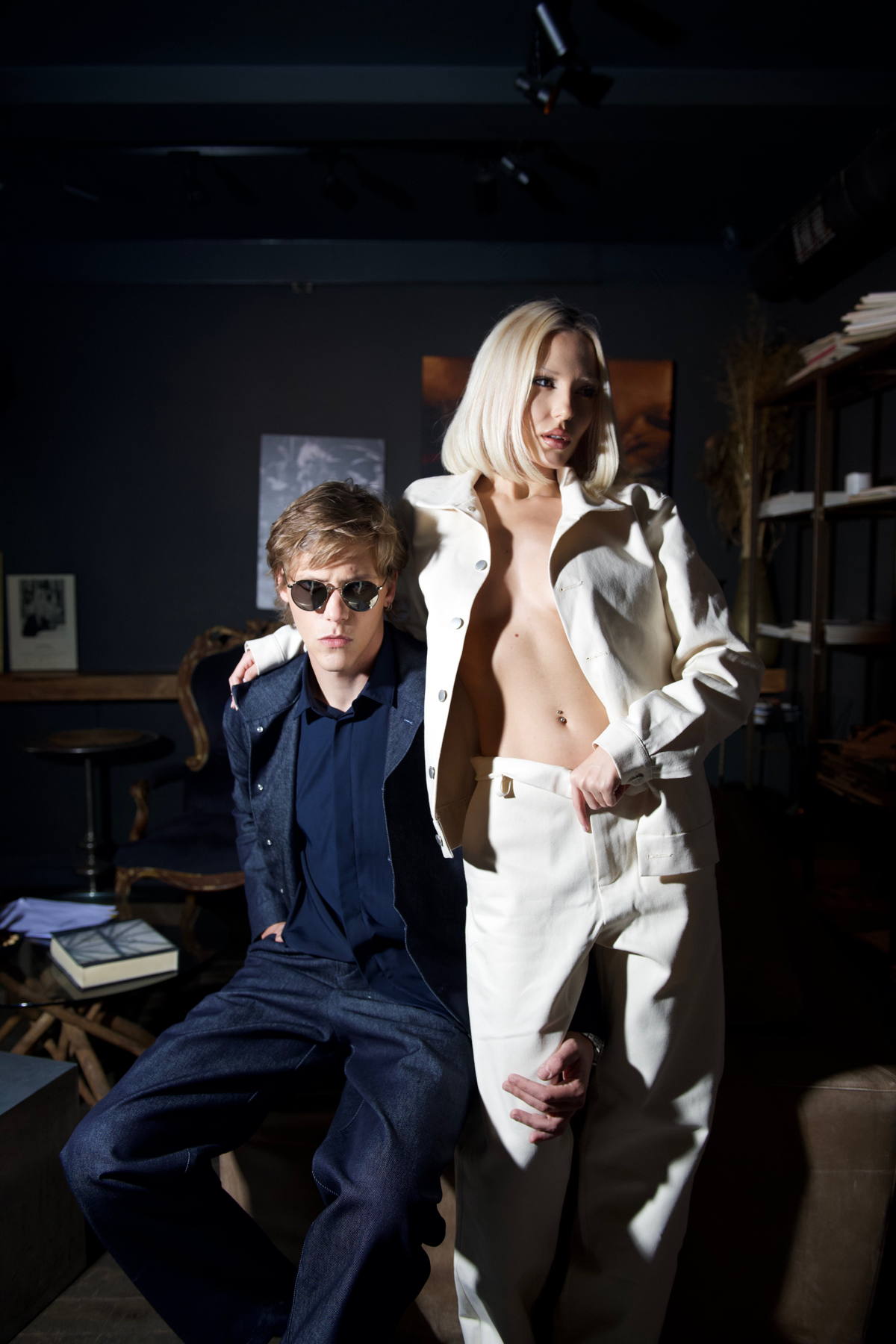
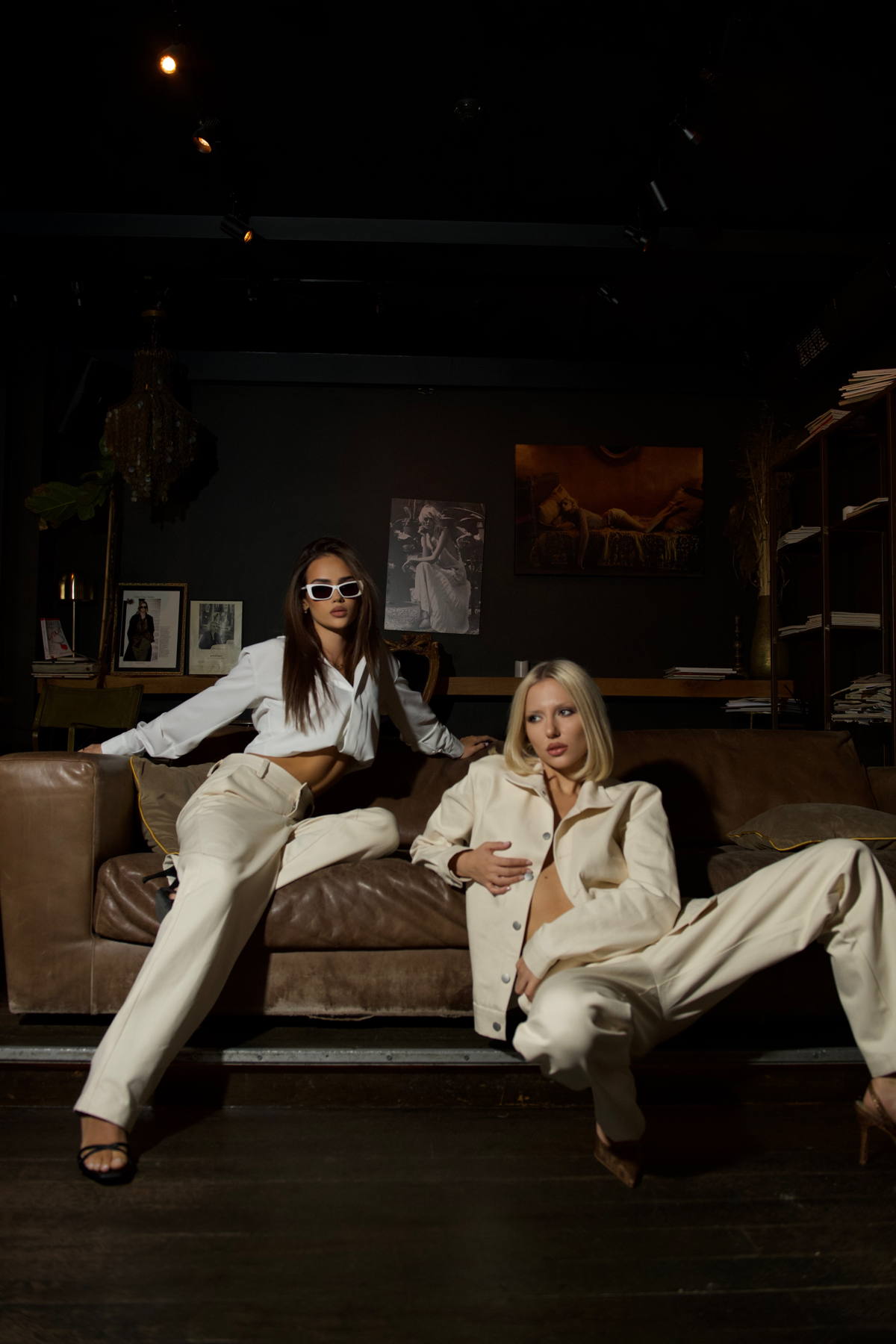


You draw inspiration from classical art, mythology, cinema and even the absurdity of nightlife. What is it about imperfection, contradiction and the unexpected that fascinates you more than conventional beauty? How do these influences find their way into your creations?
I’ve always been drawn to contrasts. I think when you place two very different things next to each other, their individual qualities become much more apparent. One can bring out something in the other that you might otherwise have overlooked. There’s also something interesting about the tension that contrasts create. They can make something feel more alive, more unexpected and sometimes even more beautiful.
I don’t necessarily think beauty and absurdity, or elegance and humour, need to be opposites. In fact, I often find things most interesting when they contain a little of both. That’s something I want to carry into Casa Jacaré.
I think contrasts help create a certain balance. They allow us to be sophisticated without becoming stiff, playful without becoming ridiculous, and expressive without having to fit into one particular aesthetic. The influences might not always be immediately recognisable in an individual product, but they’re very much present in the atmosphere and visual identity we’re building around the brand.
Fashion encourages us to reinvent ourselves every season, yet Casa Jacaré embraces the idea of personal evolution rather than constant change. Have we confused having a sense of style with the need to be constantly seen as someone new?
I don’t think there’s anything wrong with reinventing yourself. Quite the opposite, actually. I believe we can change internally, develop new interests, discover different sides of ourselves and naturally want our outward appearance to reflect that evolution.
We experience so much of the world through our eyes, and I think the way we see ourselves has a real influence on how we feel. Sometimes something as simple as wearing something new or changing your appearance can make you feel like a different person, and that can be a wonderful thing. But I think there’s an important distinction between genuine personal evolution and using the idea of reinvention to justify overconsumption.
Trying to reinvent yourself every season simply by following the latest trends doesn’t necessarily mean you’re growing as a person. In fact, I think it can have quite the opposite effect. You can become so occupied with keeping up with what’s new that you lose sight of what you actually like.
To me, developing a sense of style is about getting to know yourself better, not constantly replacing yourself with a new version dictated by someone else.
Your philosophy places great importance on craftsmanship, carefully selected materials and objects designed to last. In an industry where sustainability is often reduced to a marketing message, what does responsible creation mean to you? How do you translate these values into concrete decisions about materials, production and the life of your products?
I think an object or a piece of clothing becomes much more valuable once we begin to associate it with something personal. It might remind you of a place you’ve visited, an occasion you’ve attended, someone you’ve met or simply a particular period of your life. Over time, these associations give objects a value that goes far beyond what you originally paid for them.
Of course, I also think it’s perfectly fine to let go of things when you feel ready to move on from them. Not everything needs to stay with us forever. But for something to have the opportunity to become part of your life in that way, it first needs to be made to last.
That’s where materials and craftsmanship become so important to me. Good fabrics have a different weight, they fall differently, they feel different against the skin. The same applies to the materials we use for our home objects and fragrances.
The experience I want to offer through Casa Jacaré simply wouldn’t be possible if we compromised on those things. I also believe there’s a responsibility to support the people who possess the knowledge and skills to make these products. By working with skilled craftspeople and supporting the industries that rely on their expertise, we help ensure that these trades and techniques aren’t lost over time.
For me, responsible creation begins with respecting the product, the materials and the people behind it. I would rather create something that someone genuinely wants to keep than something that only feels relevant for a season.
“For me, responsible creation begins with respecting the product, the materials and the people behind it. I would rather create something that someone genuinely wants to keep than something that only feels relevant for a season.”
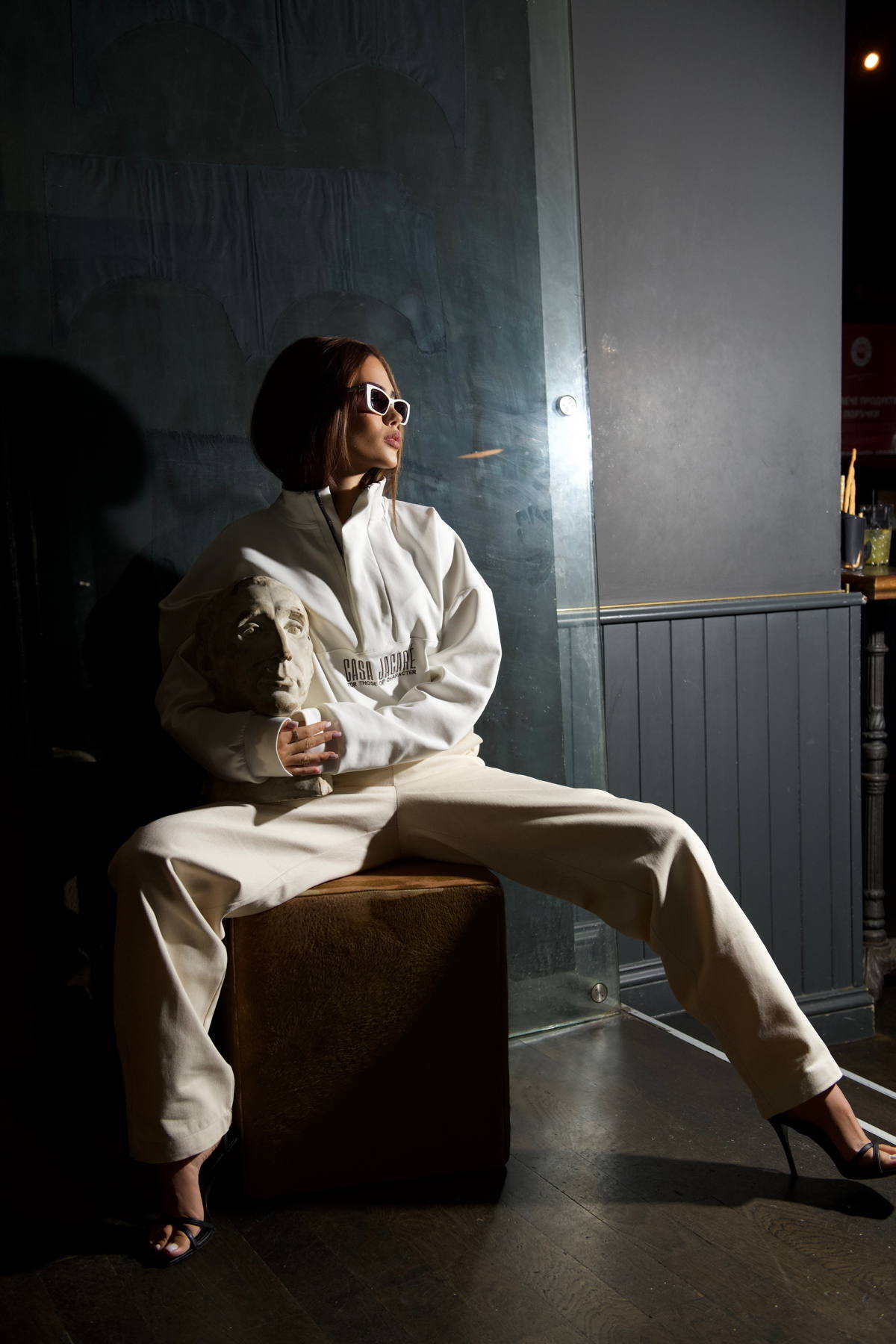
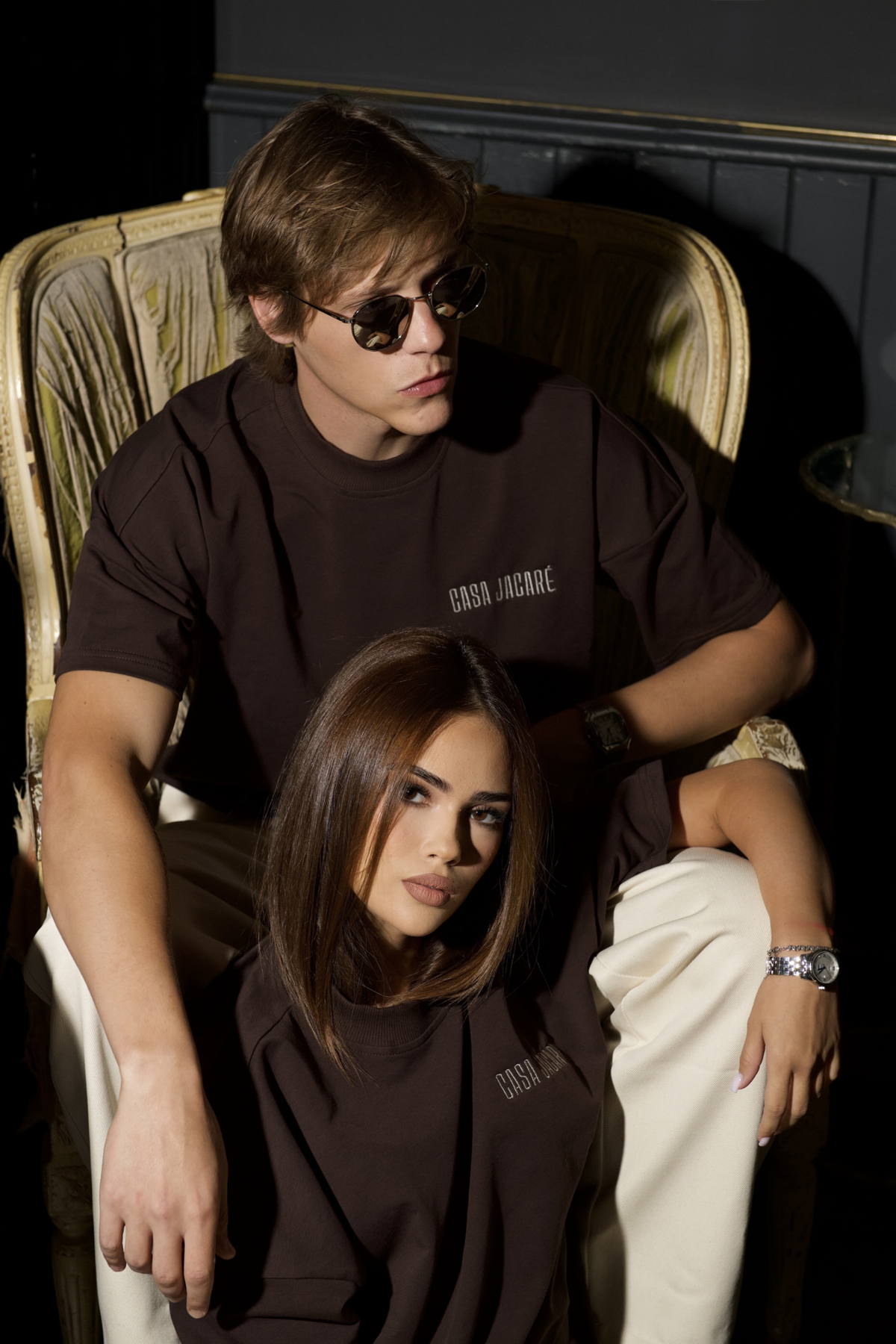
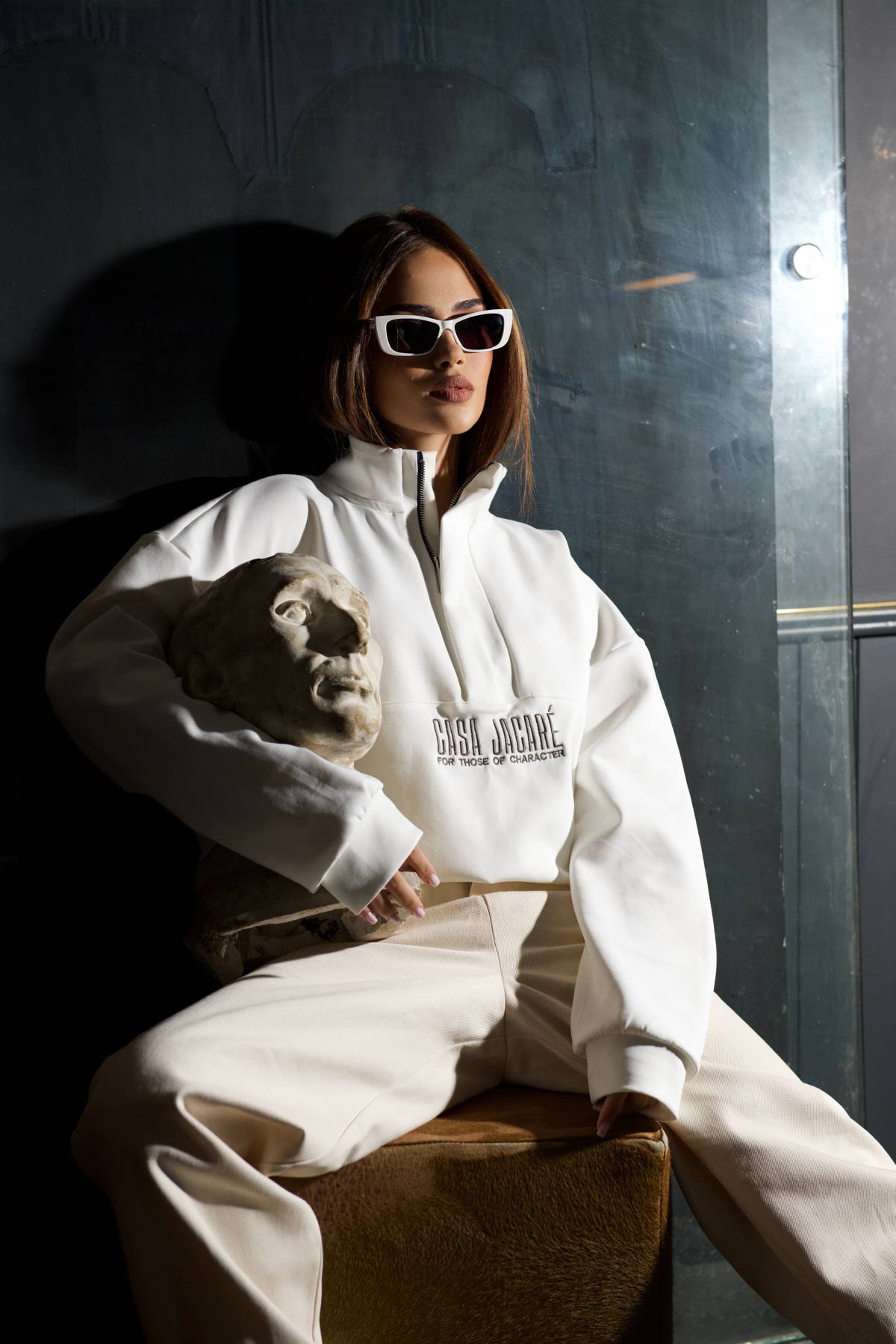
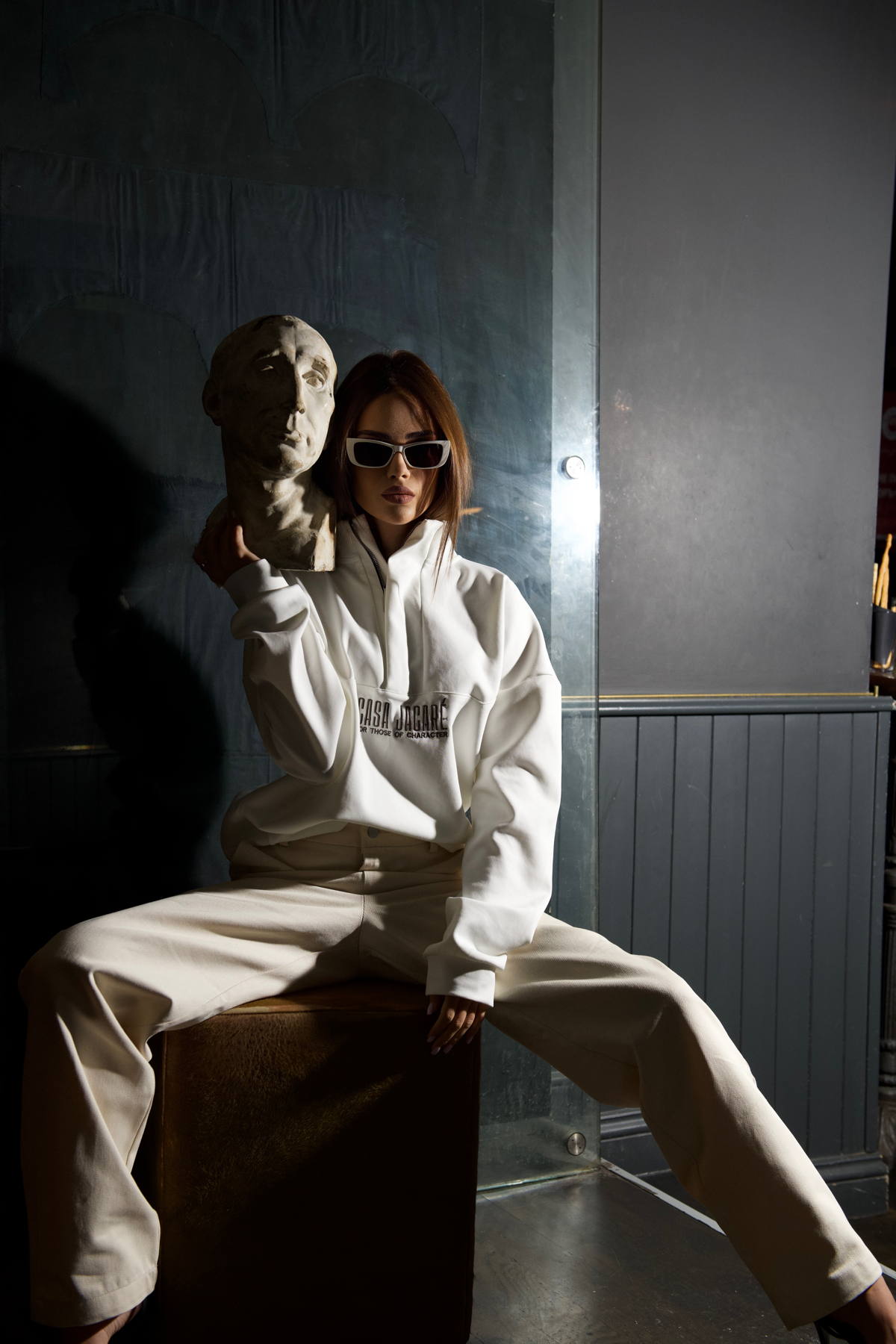
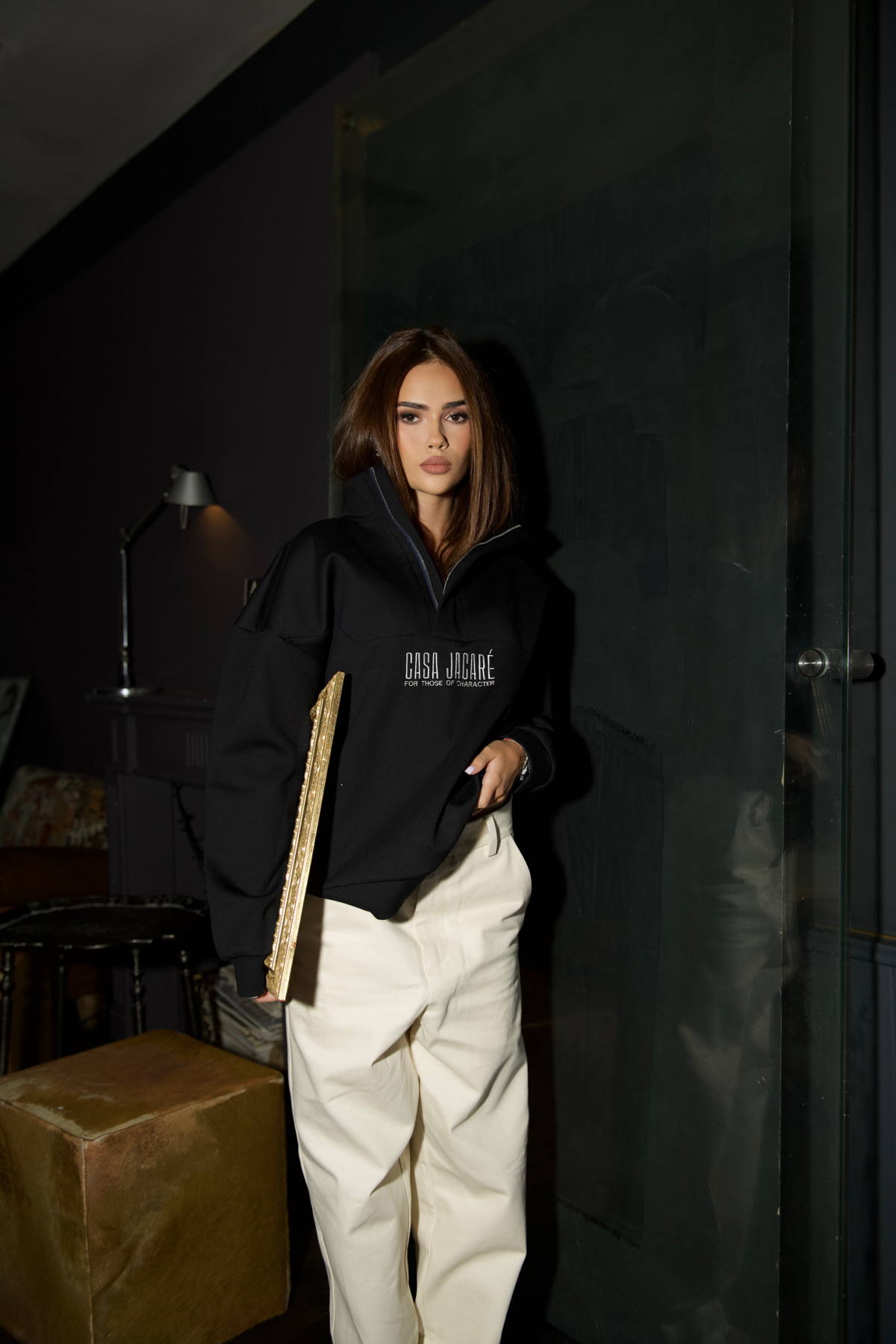

Luxury has traditionally been associated with exclusivity, wealth and status. Yet your philosophy places greater value on craftsmanship, comfort and personal freedom. If you could erase everything society has taught us about luxury, how would you redefine it?
I don’t necessarily think there’s anything wrong with luxury being associated with wealth or status. I think aspiration is a very natural part of being human. We want to grow, improve ourselves and work towards things that might currently feel out of reach. Throughout history, people have saved money, worked hard and made sacrifices to afford things they considered special. I don’t think there’s anything inherently wrong with wanting something beautiful, expensive or exclusive.
So I’m not sure I would want to erase our traditional understanding of luxury altogether. I would rather see us place greater importance on what actually makes something worth aspiring to. For me, there’s a certain mutual respect involved. On one side, you have someone who has made the conscious decision to spend their money on something they value. On the other, you have the responsibility of creating a product that respects that decision. That’s what I want to achieve with Casa Jacaré. I want people to feel that what they’re buying is worth what they’re paying for, not simply because of the name attached to it, but because of the thought, materials and craftsmanship behind it.
I think there’s something quite beautiful about that exchange. We make a conscious choice not to compromise on the things we believe matter, and someone else makes a conscious choice to appreciate and support that. To me, that mutual appreciation is a form of luxury in itself.
Your visual universe is dramatic, almost cinematic, while your designs are intended to become part of everyday life. How does a typical day in your creative process unfold? Where do your ideas begin, and how do you transform something as abstract as an emotion or an atmosphere into a tangible object?
I find it fascinating how we associate certain colours, shapes and even numbers with particular emotions, states of mind or moments in time. Sometimes these associations are very personal, while others are almost universally understood. I think that’s where my interest in symbolism really comes into play.
It gives me the possibility to translate certain qualities or feelings into a product without having to communicate them too literally. You don’t necessarily need to print a big word across the front of a T-shirt to make a statement. Sometimes the colour, proportions, texture or even a small detail can communicate something without the person wearing it being consciously aware of why.
Not that there’s anything wrong with more obvious statement pieces. I think they can be very interesting too. Perhaps it’s precisely their bluntness that makes them so effective. But personally, I enjoy exploring the more subtle ways in which design can communicate.
My creative process isn’t particularly linear. An idea might begin with a colour, an image, a character or even a feeling I associate with a particular place. From there, I start looking for ways to translate it into something tangible. I also like the idea that not everything needs to be immediately understood. Sometimes it’s enough for something to simply feel right, even if you can’t quite explain why.
“I want people to feel that what they’re buying is worth what they’re paying for, not simply because of the name attached to it, but because of the thought, materials and craftsmanship behind it.”
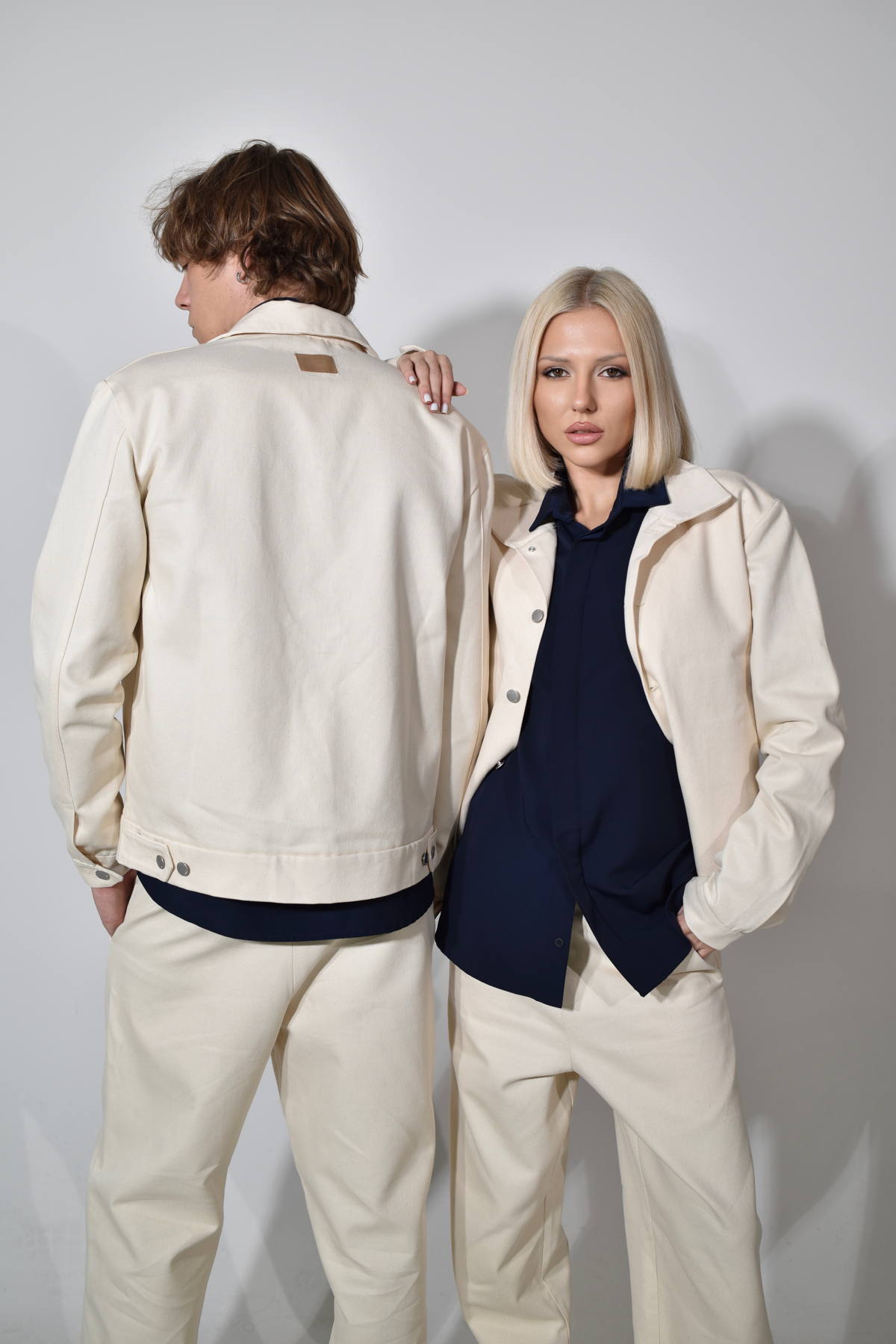
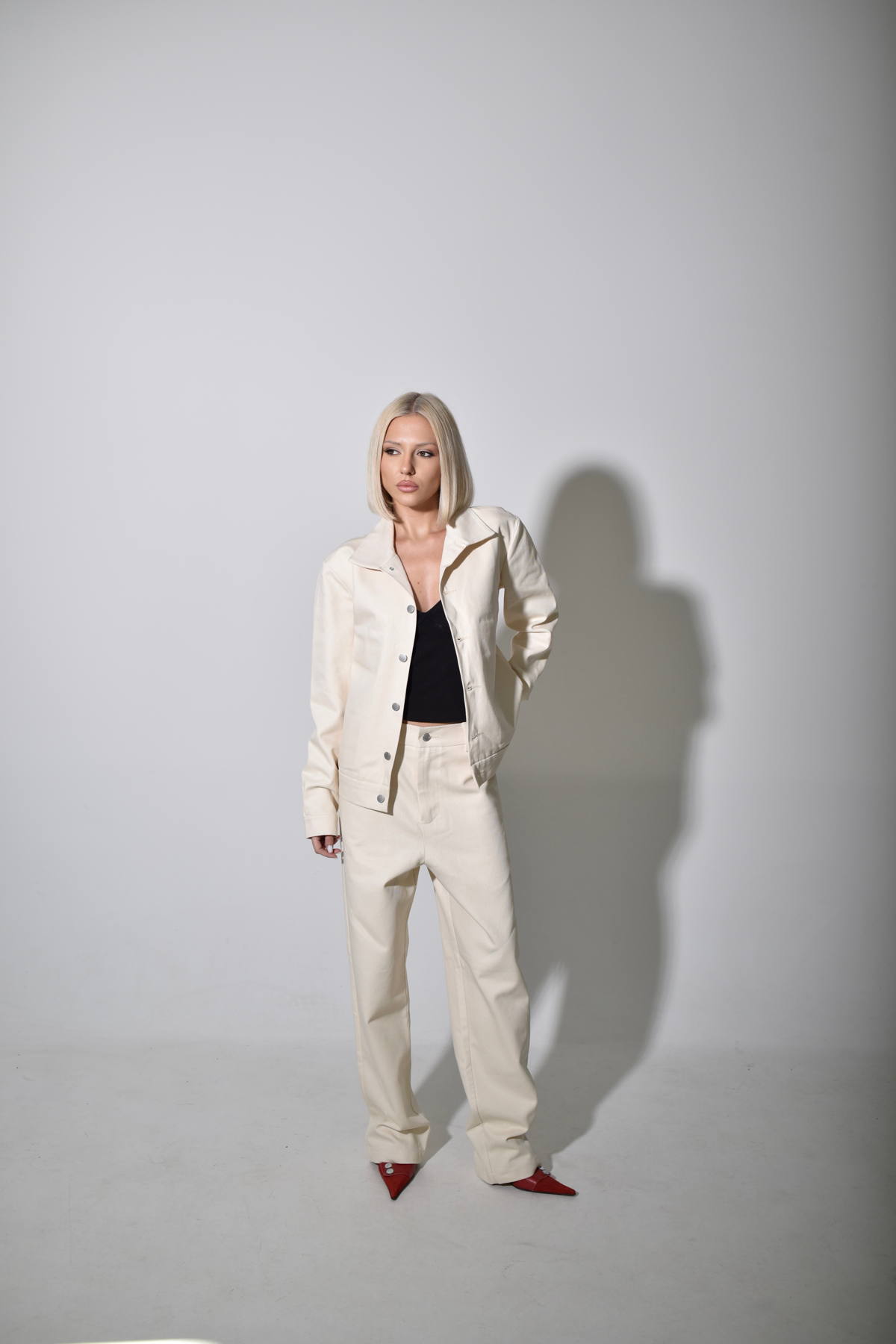
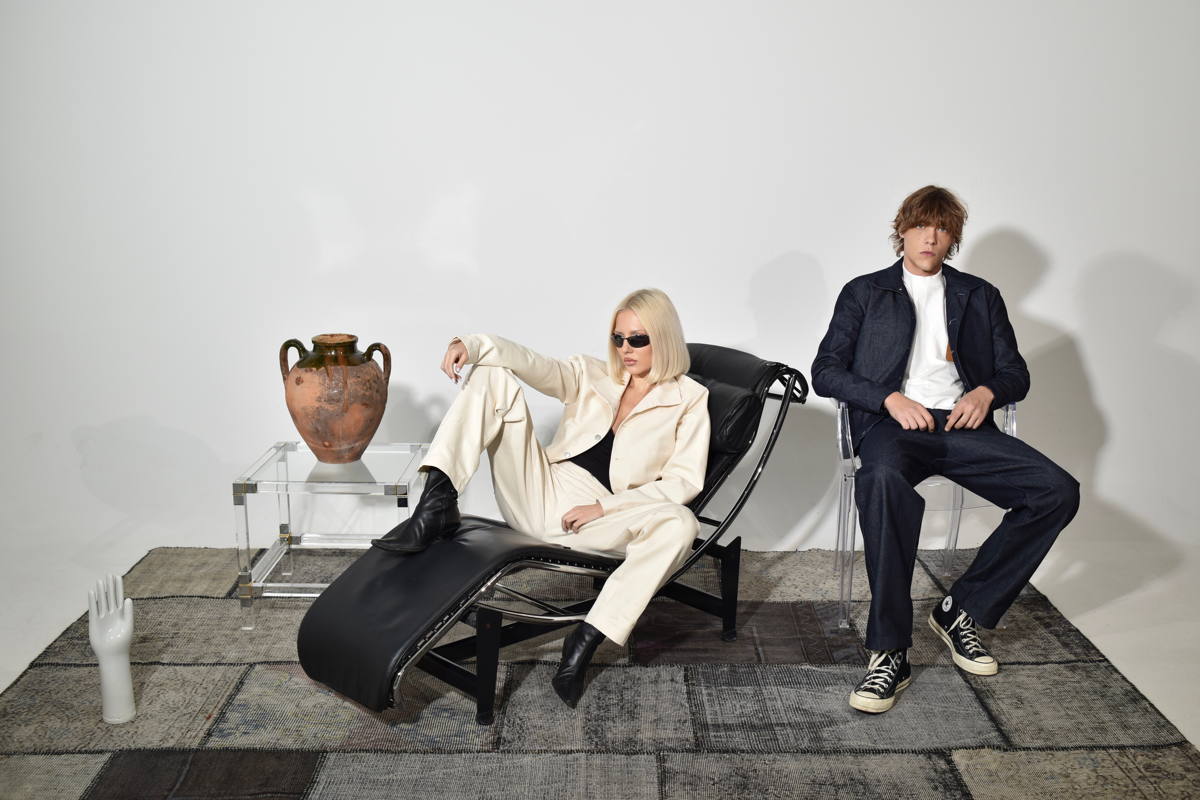
Building a brand from scratch requires not only creativity, but also resilience. What has been the most unexpected challenge so far, and what has this experience taught you about yourself? Has it changed your understanding of success?
I think one of the biggest challenges has been learning how to balance everything without becoming overly focused on one particular aspect of the business. I’m naturally quite detail-oriented, and when I care about something, I can become very invested in getting it exactly right. While I think that’s a valuable quality to have, I’ve also learned that it needs to be balanced with the ability to make decisions quickly and move forward.
Communication has been another important learning experience. When you’re working with different people, suppliers and creatives, having a clear vision is one thing, but being able to communicate that vision precisely is something else entirely. I’ve had to learn to be more decisive, to explain what I want more clearly and to recognise when something is good enough to move on to the next step.
I think being a good decision-maker is incredibly important, particularly when you’re responsible for bringing so many different elements together. At the same time, there’s something I find very respectable about people who dedicate themselves completely to something they believe in. People who live and breathe what they do, who are willing to invest their time, energy and attention into making something happen. I think building Casa Jacaré has given me a greater appreciation for that kind of commitment.
As for success, of course I want the brand to do well, but I’ve also come to appreciate how much there is to learn simply from the process of building something yourself. Even the things that don’t go according to plan can turn out to be valuable experiences.
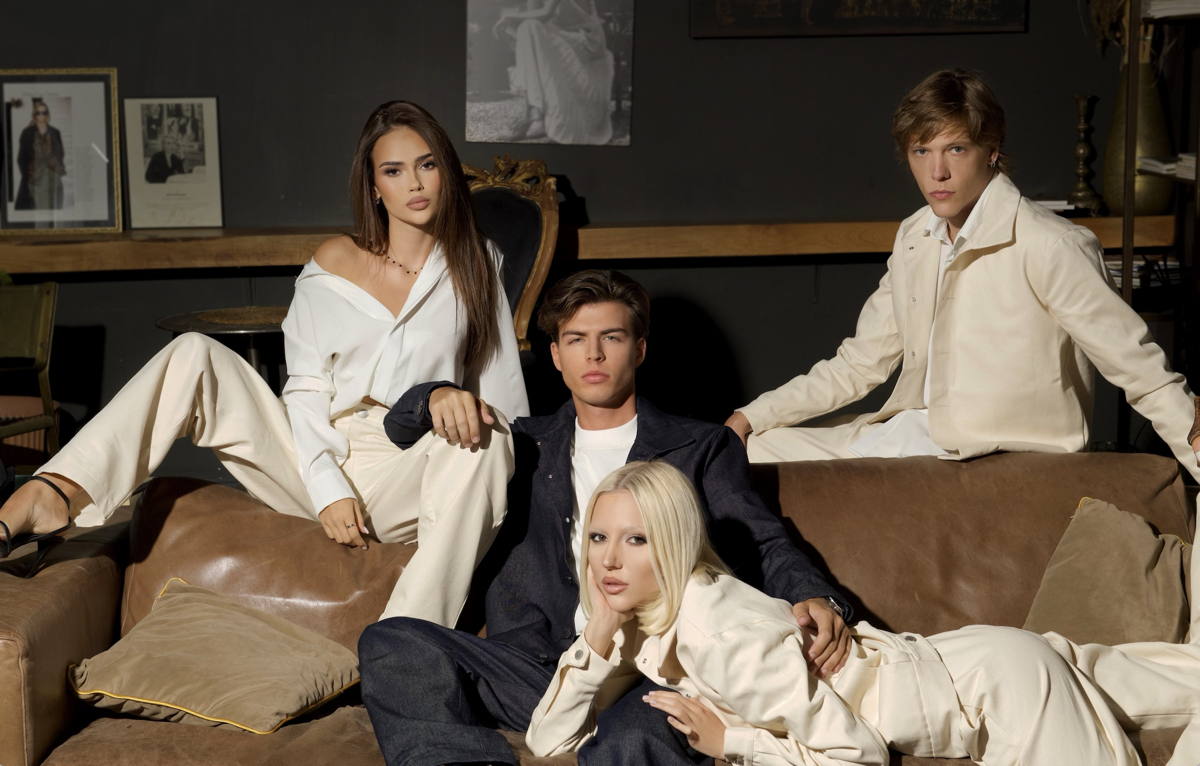
Casa Jacaré is just beginning its journey. Beyond expanding your collections, what do you hope the brand will become? Imagine someone discovering a Casa Jacaré object fifty years from now, without knowing anything about you. What would you hope it could tell them about the world you wanted to create?
Well, like anyone starting a business, I obviously hope it becomes successful! But beyond that, I would love for Casa Jacaré to become something that gives people a little food for thought. Something that sparks their curiosity or encourages them to look at things from a slightly different perspective.
And if that doesn’t happen, I’d be perfectly happy knowing that we’ve simply managed to give someone a positive feeling through something we’ve created. I like the thought of someone coming across one of our products fifty years from now, perhaps in a vintage shop or in somebody’s home, without knowing anything about the brand or the people behind it. I’d hope they would still feel drawn to it.
There’s a great deal of genuine love and attention that goes into what we’re creating, and I think it would be wonderful if someone could sense that without necessarily knowing why.
Last but not least, where can we buy your collections?
Our collections are available through our website, casajacare.com, and we regularly share updates, new releases and a look behind the scenes on our Instagram, @casa.jacare. We’re also currently exploring partnerships with selected boutiques across Europe, so hopefully you’ll soon be able to discover Casa Jacaré in person as well!


