



Would You Pay More to Repair Your Clothes Than to Replace Them?
Is repairing clothes making a comeback? With the rise of fast fashion, buying new clothes can seem easier than repairing them. However, this has resulted in overconsumption, environmental damage and a loss of jobs. Are designers and sewing trends making repair and reusing old clothes popular? Some brands are now offering repair services, raising questions about the sustainability of clothing repair.
Why has replacing clothes become easier than repairing them?
Although interest in repairing clothes might be growing, repair facilities have significantly declined over the years. According to Re-Action, the number of cobblers in France has fallen from 50,000 in 1950 to 3,000 today. This is especially worrying in a country that prides itself on craftsmanship. Why is this? With the rise of mass manufacturing and fast fashion in the 1990s, fast fashion caused a fundamental shift in what and how we buy. This has resulted in thousands of low-cost clothing products available at the click of a button, with new trends and products available on a regular basis. The clothing is low-cost, but is of poorer quality and is not designed for reuse or repair. Rather than repairing old clothes, it is easier to discard damaged clothes and buy new ones at lower prices, sometimes below the cost of repair.
What are the consequences? Apart from environmental issues, this resulted in the loss and devaluation of repair skills. Right now, 87% of textiles end up in landfills, and 90% are reusable and recyclable. The gap between the demand for repair and the availability of accessible repair services is significant and widening.
The New Aesthetic of Repair
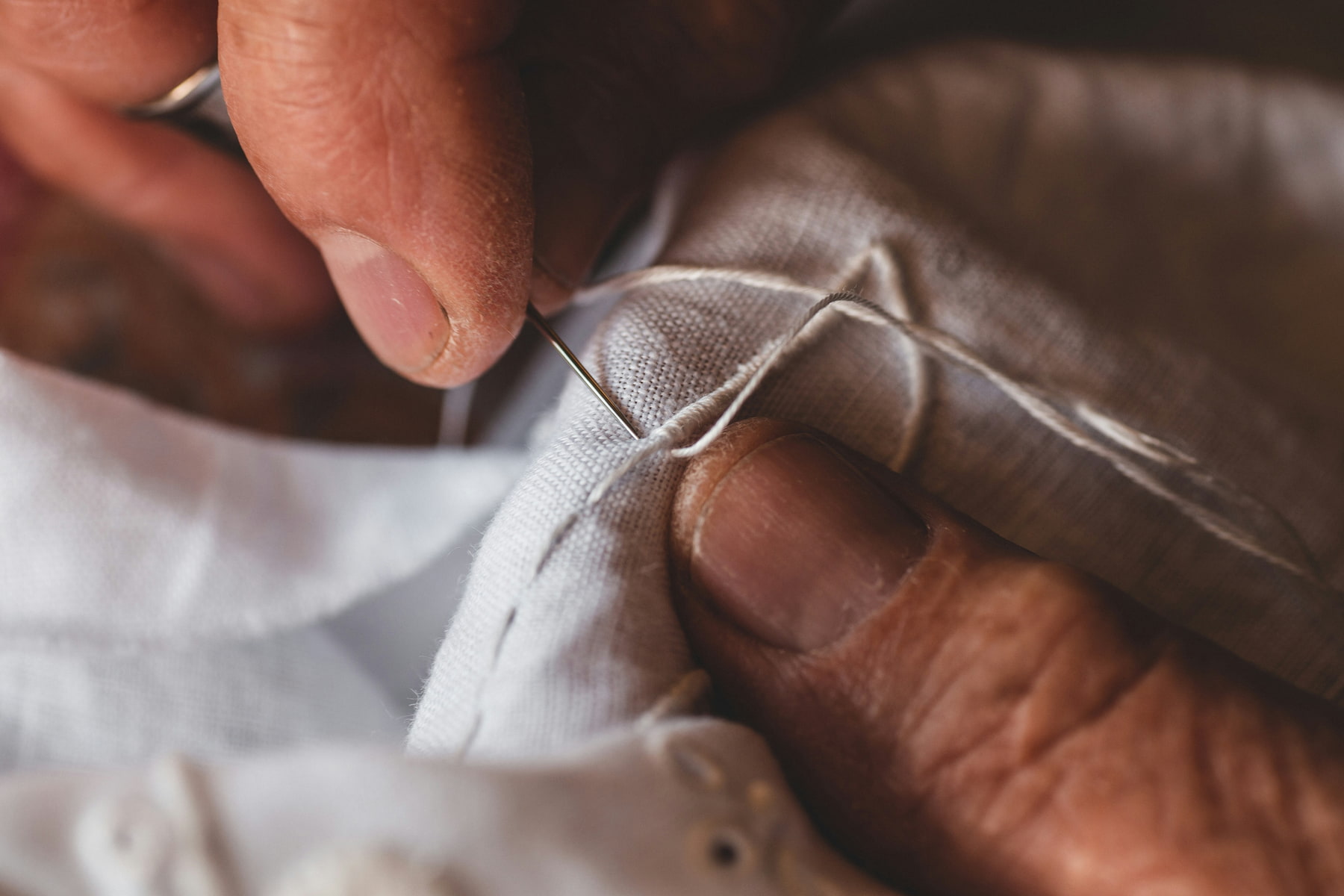
While fast fashion is not made for repair, many people are using creative innovations to repair or reuse their clothes. Visible mending is one approach. With visible mending, the owner repairs their clothes with materials such as thread, creating designs such as flowers, faces or other various designs. Not only does this extend the life cycle of clothes, but it also adds creativity and self-expressions to clothing design.
Sashiko visible mending is a Japanese technique in which the stitches create patterns on the clothing. Lastly, embroidery is a way to add a decorative design to cover up holes or rips. This method allows further creativity through stitching from the back of the fabric and creating patterns or shapes that naturally incorporate the damaged area.
As well as visible mending, there are many designers transforming damaged garments into unique pieces. In the Swedish brand Raori, all clothes are made from rescued textiles or fabric waste. Customers send their garment preferences and clothing measurements, and the garment is crafted to be worn time and time again. Similarly, the brand Emmy handmakes luxurious clothing and pieces from preloved curtains. All clothes are made from recycled fabrics and can be purchased in Gothenburg, Sweden. Lastly, Stina Loving is a Swedish designer who makes clothes from reclaimed materials, fabrics, and textile waste. Located in Stockholm, Stina offers clothing rental, clothing for purchase, or sewing patterns to create your own upcycled clothing. These designers are helping to change how clothes are reused and repaired by creating designs from old patterns.

Brands That Are Making Repair Desirable Again
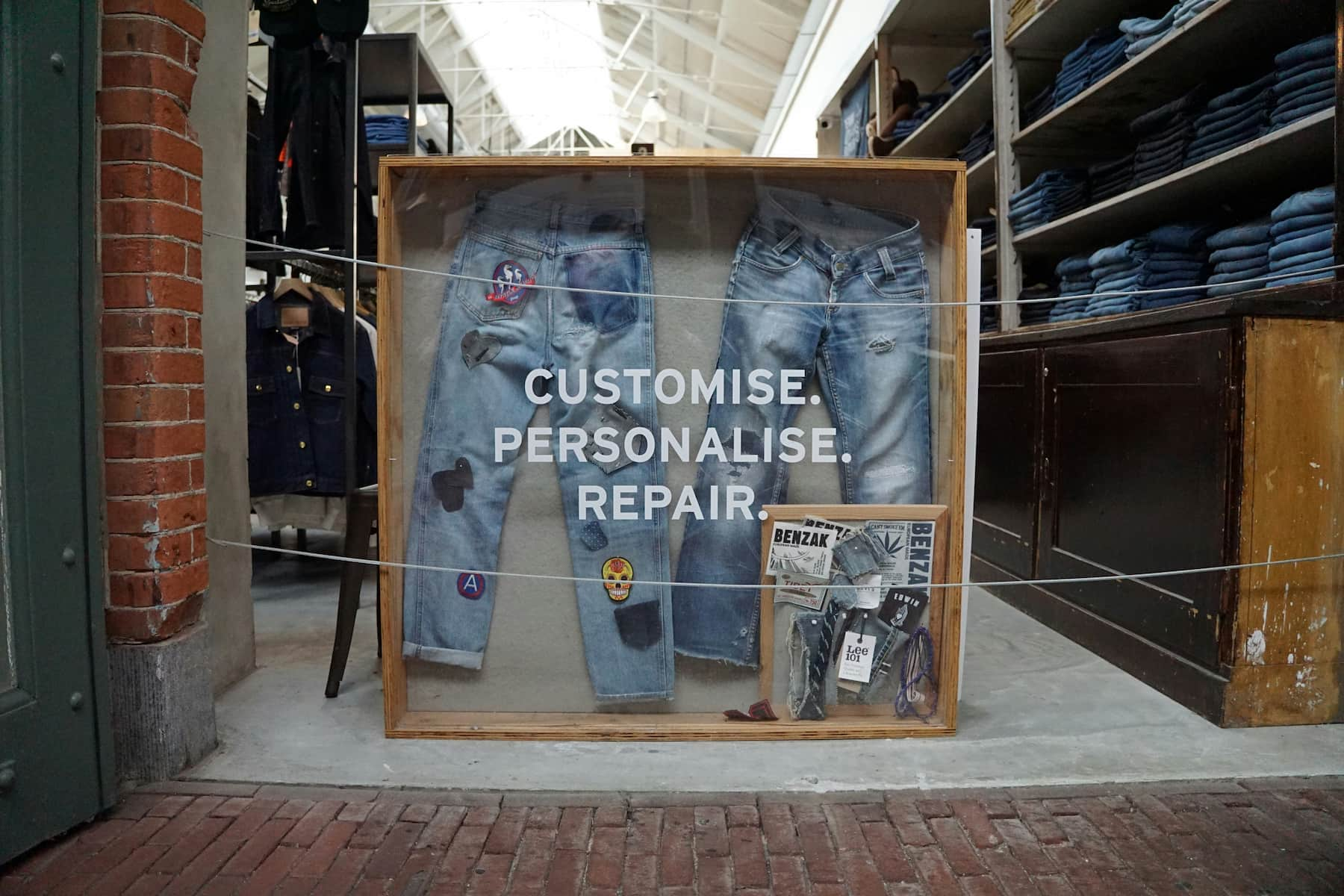
Not only are there brands making clothes from upcycled materials, but many brands also offer repair services to increase the lifecycle of their products. In turn, this can decrease the consumers’ likelihood of purchasing new clothes. Nudie Jeans offers a free repair service in their repair shops or partner outlets. Here, consumers can get their jeans repaired for free. The brand hopes to open 50 more stores by 2030, with repair services available in more locations globally.
The second brand, E.L.V. Denim, uses discarded denim to create jean jackets, pants, and accessories. The brand offers free repair and alterations services to its customers, including minor waist adjustments, hemming and mending small rips and tears.
Mashu is a vegan brand that ethically produces accessories and handbags in Greece. To get your bag fixed, the brand requires customers to fill out a form on the website. Customers send their bags to the brand for repair, and the repaired bags are then shipped back to them.
Is Repairing Always The More Sustainable Choice?
Are there environmental and financial trade-offs with repairing clothes? When clothes are shipped, does this cause more environmental damage than buying new clothes? Does it cost more than purchasing something new?
According to We Are Repairs, the answer is no. If you pay a local tailor to mend clothing, you’re paying the real price of skilled labour —the money stays in the community and supports dignified work. There is no extraction of new raw materials. Repairing our clothes has been shown to reduce the need for buying new items by 82% in a WRAP report from 2025. By keeping your clothes in use for longer, you buy fewer clothes and therefore spend less in the long run, and use fewer environmental resources than if you regularly purchased new clothes. When we say yes to repair, we reduce environmental harm, ensure workers are paid appropriately and say no to fast fashion.
Highlight Image:
@ Kelly Sikkema via Unsplash


