
Victoria’s Secret Rebrand: Genuine Transformation or Change of Public Image?
Two years after its return, Victoria’s Secret is still facing questions about the meaning of its rebrand. The brand has sought to reposition itself around female empowerment, but how much has genuinely changed? From model diversity on the runway to workplace practices and animal welfare, the evidence suggests progress in some areas, while others remain open to question. Is Victoria’s Secret undergoing a meaningful transformation, or mainly changing its public image?
Victoria’s Secret Hiatus
After multiple controversies, Victoria’s Secret took a hiatus from 2019 to 2024. According to Statista, the brand experienced a significant decrease in sales in 2020. This was due not only to competing brands, but also to CEO Les Wexner’s friendship with and trip to Epstein Island, PR representatives stating that Victoria’s Secret isn’t a place for transgender and plus-sized models because they “do not market the whole world”, and multiple harassment allegations from models. In 2024, the brand returned with a new CEO, a supposed ‘rebrand’, and changes in workplace policies and values. Are these changes real?
Body Inclusivity and Diversity
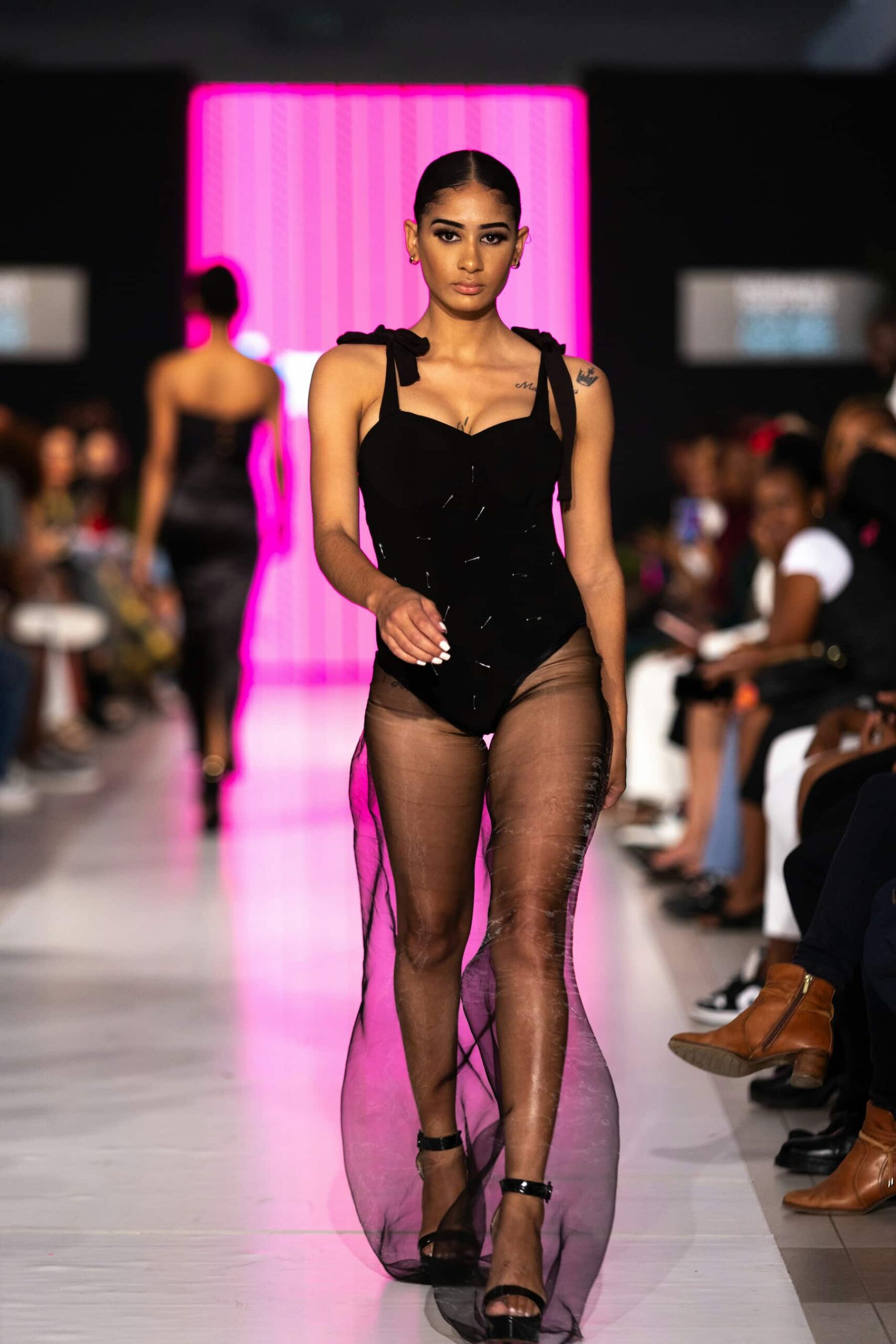
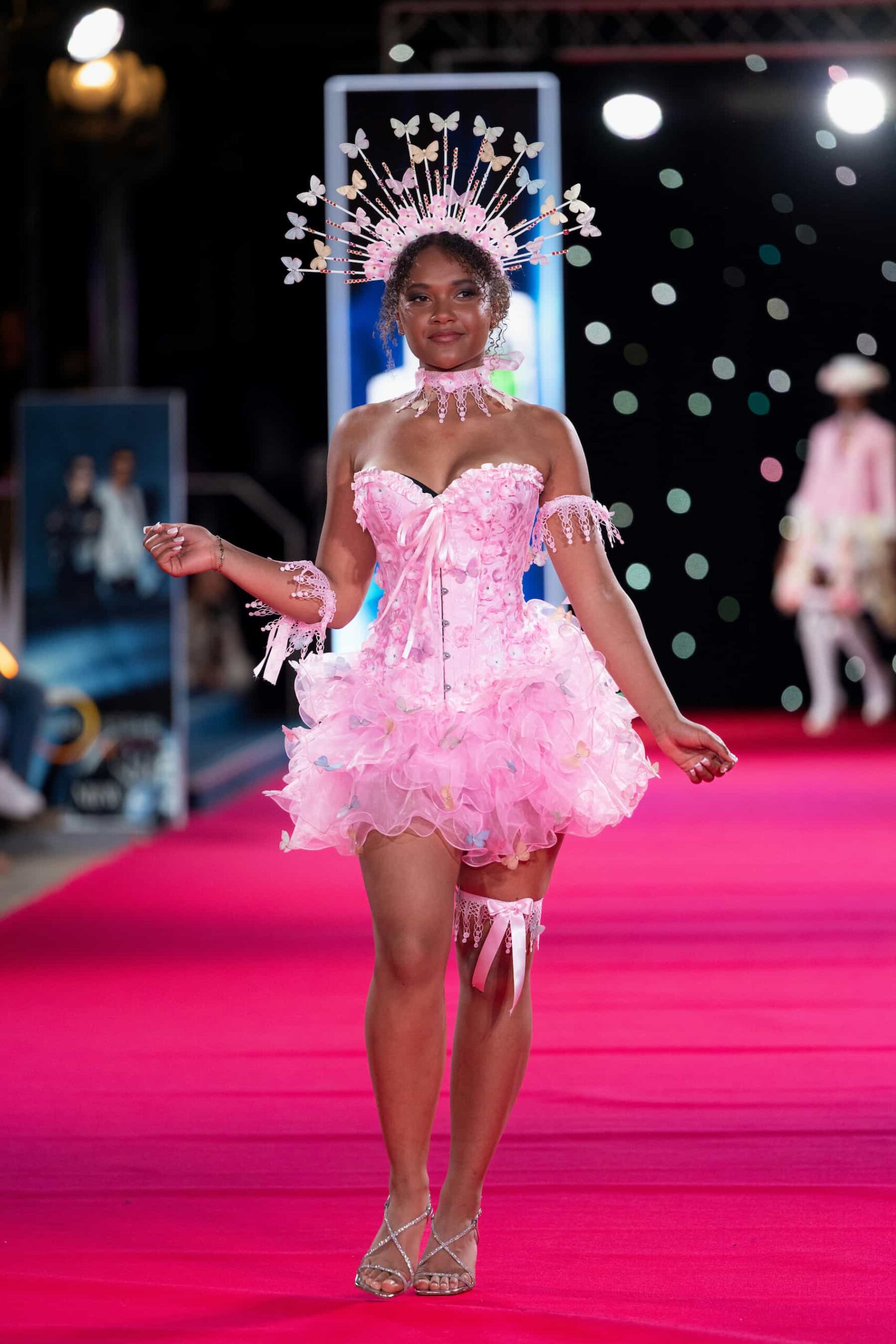
On 18 October 2026, approximately 80 models walked the Victoria’s Secret runway in Los Angeles. According to Victoria’s Secret & Co’s Inclusion and Belonging Statement, the company prioritises “inclusion and belonging internally”. It claims to attract the best talent by actively seeking “a wide range of backgrounds, experiences, and perspectives to help us meet customer needs” and “Hire the most qualified individuals from a broad talent pool, ensuring a true meritocracy.” In contrast, of the models who walked the recent runway, about 5 models were ‘curvy’ or plus-sized. With each model making up 1.25% of the show, less than 7.5% of the models were plus-sized. There was only one transgender model. These numbers do not seem to be in line with their diversity statement. Similarly, many celebrities whose careers aren’t focused on modelling walked the runway, such as reality star Kylie Jenner, content creator Quenlin Blackwell, and singer Tate McCrae. If the requirement is to “hire the most qualified individuals”, it is strange that celebrities with little to no experience can be hired as models. Were these women hired as a marketing strategy to popularise the rebrand, rather than hiring models with relevant experience? It seems that Victoria’s Secret has already broken its own inclusion and belonging statement.
From a diversity perspective, Victoria’s Secret is lacking in gender and racial equality. In the same inclusion statement, the brand claims to “Ensure fairness and opportunity for all” and “Drive innovation and results by incorporating diverse perspectives in decision-making.” In its Equal Employment Opportunity Report, women account for approximately 88% of employees. However, women make up approximately 76.5% of first/mid-level management, but only 41.7% of executive/senior management. If Victoria’s Secret wants to ‘empower’ women, why is women’s representation considerably lower at senior levels? Similarly, White employees represent 34.5% of the overall workforce. However, they represent 70.9% of management. This is a significant overrepresentation in management. Hispanic or Latino employees represent 32.3% of the workforce but only 12.4% of management, while Black employees represent 25% but only 7.9% of management. Is Victoria’s Secret as dedicated to change as it claimed to be?
Workplace Harassment: Models and Supply Chain Workers
In Victoria’s Secret’s Code of Conduct, it specifically states zero tolerance for discrimination or harassment. In 2020, The New York Times carried out an investigation that found widespread sexual harassment towards models working for Victoria’s Secret and allegations of workplace misconduct. Has the company changed its ways? A recent death in their supply chain says otherwise.
In the brands Inclusive and Resilient Supplier Network Statement, it states “Our commitment to expanding our supplier network is rooted in our vision for a more sustainable, resilient, and innovative business.” In the supplier code of conduct, harassment or abuse is prohibited against workers. Although there is modern-slavery awareness training, there is no evidence that the workers in their supply chain are paid living wages. According to the statement, all workers “must be treated with respect and dignity.” However, the case of Paramasivam Pushpalatha would show otherwise. According to Global Labor Justice, Ms Pushpalatha was denied leave by management on 10 October 2025, when she reported feeling ill at Brandix factory, a factory that manufactures products for Victoria’s Secret. She was required to finish her shift and died several hours later. Weeks later, when a union organiser distributed leaflets about Pushpalatha’s death outside of the factory, she was surrounded by men wearing clothing with Brandix logos who threatened her with rape and murder. Although these actions completely go against Victoria’s Secret’s supply chain code of conduct, the brand has refused to engage with the supply chain workers or their representatives who are concerned about Victoria’s Secret’s meaningful change towards the protection and respect for workers in its supplier networks. This suggests that Victoria’s Secret has not undergone a genuine transformation or rebrand, but is merely trying to change the brand’s public image.
Animal Welfare
Compared to previous runways, Victoria’s Secret appears to have made meaningful changes in terms of animal welfare. However, there is still significant progress to be made. Victoria’s Secret is openly against animal testing and prohibits the use of exotic skins, real fur, and materials from animals raised solely for their hides or pelts, which is in line with the Five Freedoms of animal welfare. In discussions with PETA in 2024, the brand confirmed a ban on cashmere among its source materials. This isn’t the first time Victoria’s Secret responded to PETA’s input – in 2013, the brand removed angora rabbit fur from its catalogue and removed alpaca fleece in 2021. Although Victoria’s Secret is not vegan, is not certified cruelty-free, and has not made PETA’s list of cruelty-free brands, the brand has made progress over the years and suggests it is open to making more changes in terms of animal welfare.
Victoria’s Secret: Real Change?
While it would be great to see the rebrand make meaningful progress, recent events suggest that Victoria’s Secret does not abide by its diversity and inclusion statements or supply chain worker statements. Although there appears to be some meaningful change towards animal welfare, Victoria’s Secret is yet to be considered cruelty free or vegan. From an employee’s perspective, it is unclear how Victoria’s Secret’s rebrand has meaningfully changed the working conditions for employees.
Highlight Image:
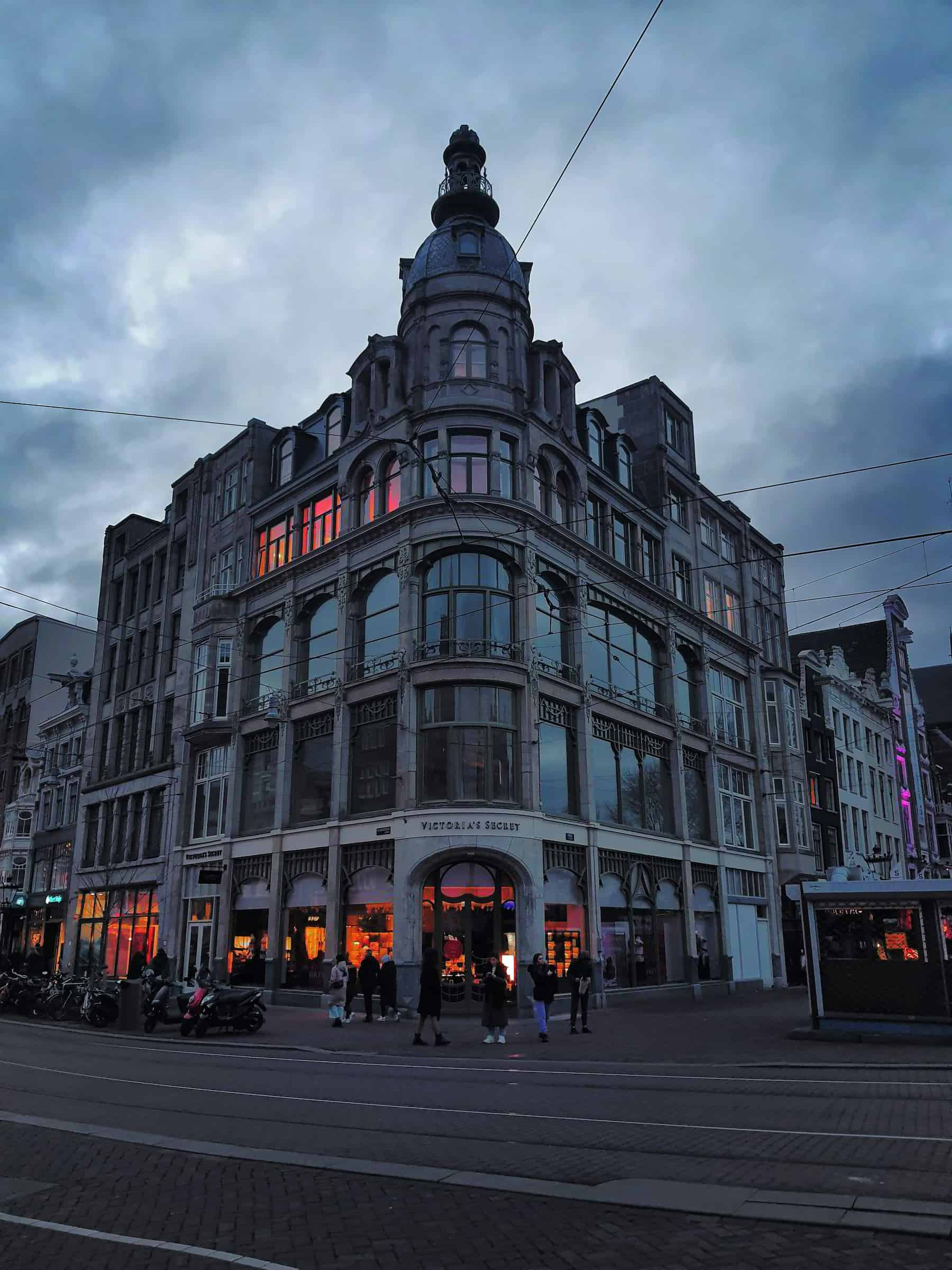
@ flickch via Unsplash


