

Fashion Sells Feminism, But Who Makes The Clothes?
Major fast fashion brands like Pretty Little Thing and ASOS have policies on gender equality and claim to be “big on sisterhood”. However, these commitments don’t seem to extend to the women garment workers who make their clothes. How does the fashion industry profit off of sexism, racism and discrimination against migrant workers? What are the real experiences of women garment workers’, and which brands are holding themselves accountable?
Feminism versus Reality: Fashion Campaigns and Policies
On ASOS’s website, the brand claims that their “commitment to supporting and developing female leaders is at the centre of everything we do.” It claims that there are “measures we take to ensure pay equity for all and so much more, we’re passionate about promoting equality at ASOS and empowering women to be whoever they want to be – both in the workplace and beyond.” ASOS’s Fashion With Integrity strategy is the brand’s strategy for sustainability. In this strategy, ASOS recognises its responsibility for “protecting the people in our supply chain.” In its principles for people, ASOS recognises its “responsibility to respect and protect the human rights of all workers in our supply chain. This means two things: first, avoiding causing or contributing to adverse human rights impacts, both in our supply chain and in the communities supporting it. Second, we must address and remediate those impacts if they occur.” However, a recent ASOS gender distribution report and a report from Climate Rights International would say otherwise.
In ASOS’s 2025 Gender and Ethnicity Pay Gap Report, it claims that the workforce is almost evenly split, with 50.13% female workers. However, this report combined various work sectors (sewing factories with heavy industrial fabric mills and dye houses). Both of these sectors are heavily gendered, with women usually making up the sewing factory workforce and men the latter. This report only counts ‘active’ factories; it does not account for seasonal workers, or factories that may have been dropped after failing labour audits. Is ASOS truly as feminist as its policies?
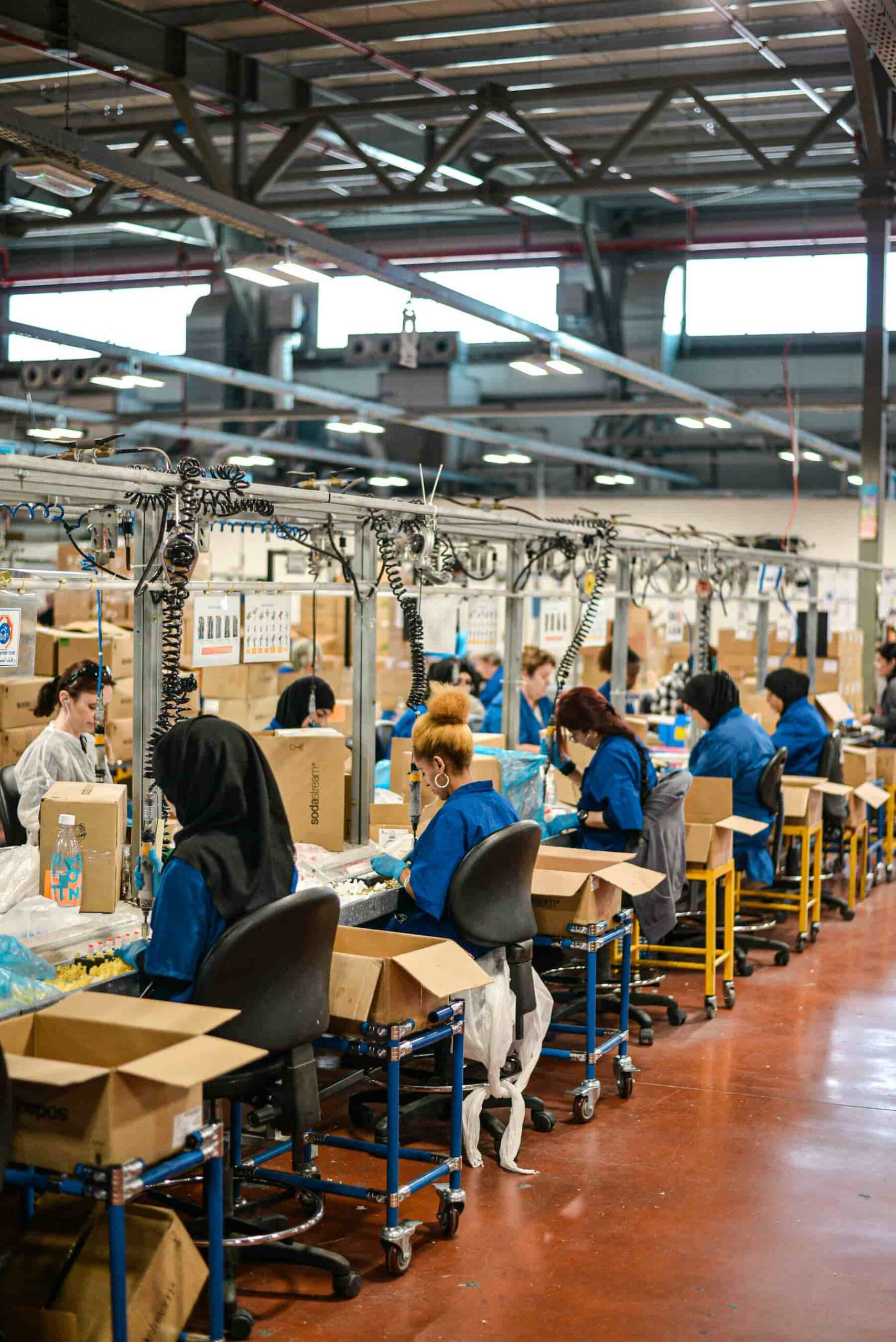
Similarly, a 2025 report from Climate Rights International showed the poor conditions that garment workers face in Karachi. These workers make the clothes for many fast fashion brands, including ASOS. Temperatures reached up to 52 degrees Celsius and workers were still not allowed to take more breaks, slow down or get paid sick leave after working in extreme heat. Women reported having less time to recover due to the high rates of unpaid domestic labour many women have to undertake. There was no mention of paid sick leave for pregnant women. These considerations are not in line with ASOS’ feminist claims, and raise the question: why don’t its workforce policies apply to garment workers?
Similarly, the fast fashion brand Pretty Little Thing claims to “inspire confidence in our customers when it comes to how they dress and present themselves to the world. We regularly team up with some of the most badass babes around the world, with campaigns made up of aspirational and powerful females that aim to inspire and influence through their effortlessly cool attitude and positivity.” The brand states that “We’re committed to promoting a diverse workforce, giving people the equal opportunities, support and respect you’d expect from a modern and fast-paced brand, regardless of ethnic origin, gender, sexual orientation, marital status, religion, age or disability status.” It also claims to be “committed to establishing, promoting and supporting a culture of inclusivity, regardless of race or social background.” Unsurprisingly, these values don’t seem to apply to the garment workers.
In a 2020 investigation by The Guardian, garment workers in The Boohoo Group (now called the Debenhams Group, which owns Pretty Little Thing) were earning as little as 29 pence an hour. Staff sometimes worked 24-hour shifts. In a 2025 report from Climate Rights International, garment workers in Pakistan reported forced overtime, not being able to take leave in emergencies, and being harassed if they took leave. This is especially difficult for women, as they are usually the primary caregivers for their children. Why is Pretty Little Thing accepting this treatment of its workers? Why doesn’t it care about the workers who make the clothes?

Gender and Racial Inequality in Garment Production
Why is garment work a gender and racial issue? According to Survivor’s Network UK, 93% of the people making our clothes don’t earn enough to cover life’s necessities, and 80% of textile workers are women of colour. When we talk about protecting the rights of garment workers, we must also specifically consider women’s rights. According to Amnesty, most garment workers in Bangladesh, India, Pakistan and Sri Lanka are internal migrants, predominantly young women. Many of these women moved from rural areas to the city to find employment. Garment work is an opportunity for many women to enter the workforce. However, women are often exploited and paid lower wages than their male colleagues. 60% of female workers in Bangladesh reported being intimidated or threatened with violence, and 75% of workers in India and Bangladesh reported regular verbal abuse.
Garment Workers: Real Women’s Experiences
Anjana is a garment worker from Bangladesh who has worked in the industry for two decades. On speaking to ActionAid, she reported that she frequently works long, hard hours to meet unrealistic targets – “I wake up early every day, take a shower and go to the factory at 8 am. My official work hour is until 5 pm in the evening…It is more difficult when we are given more work targets…which cannot be completed on time and if not completed, we are not allowed to leave the factory…it’s just too stressful and harmful to our health.” There were times when Anjana had to work until midnight, and people could be asked to quit if they didn’t finish their daily target in one day.
Women workers in Indonesia reported to the Clean Clothes Campaign that “girls in the factory are harassed by male managers. They come on to the girls, call them into their offices, whisper into their ears, touch them, bribe them with money and threaten them with firing if they don’t have sex with them.” Another factory worker from Bangladesh told the Survivor’s Network that “Women can be made to dance like puppets, but men cannot be abused in the same way. The owners do not care if we ask for something, but demands raised by the men must be given some consideration. So they do not employ male workers.” In no way, shape or form are these garment workers’ experiences in line with the feminist policies that fast fashion brands claim to abide by.
What are Brands Doing To Protect Female Garment Workers?
The majority of fast fashion brands don’t seem to be making real progress in protecting their female garment workers. On 10 November 2026, The Decarbonization of Textile, Apparel, and Footwear Suppliers (D-TAFS) fund was launched. This is a fund designed to finance cleaner production and environmental upgrades for tier 1, 2, and 3 suppliers in the fashion and textile industry. Although Inditex (owner of fast fashion brands Zara, Bershka, Pull&Bear, and more) has invested $50 million, this is still not nearly enough money to improve the working conditions for the majority of garment workers. As Inditex is worth $210 billion, the money it invested is not even 0.025% of its net worth. Although Inditex told the Fashion Checker that it was publicly committed to paying its workers a living wage, this still has not happened, or disclosed a living wage action plan.
Do most fashion brands merely sell the idea of feminism? When it comes to actually helping women and providing minimum working conditions, brands will not comply with their own gender policies.
Highlight Image:
@ Remy Gieling via Unsplash


