
Fallen Flowers | Beauty, Femininity, and the Poetry of Nature
Photographer Claire Harrison and Art Director and Stylist Adelaide Turnbull present the book “Fallen Flowers”.
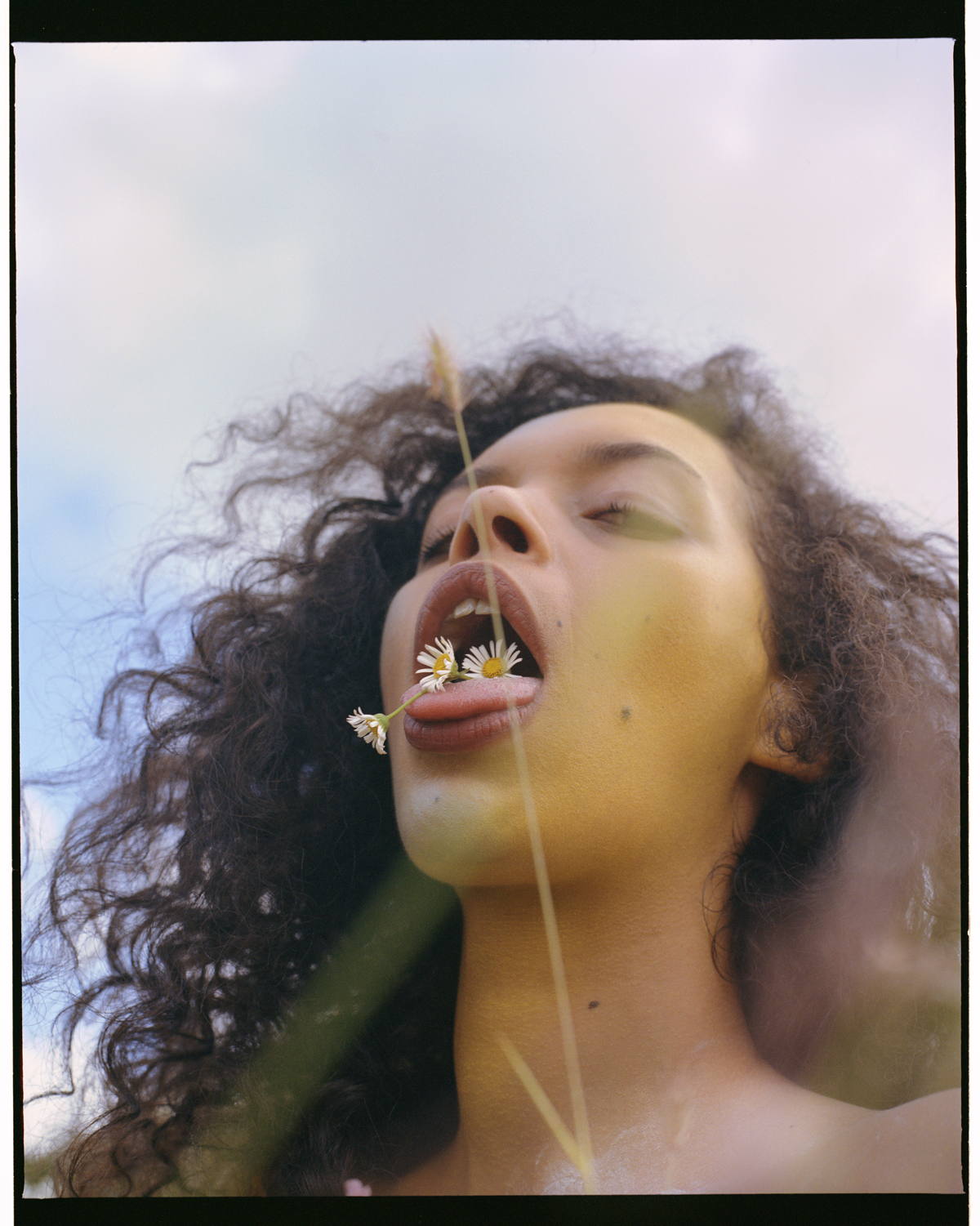
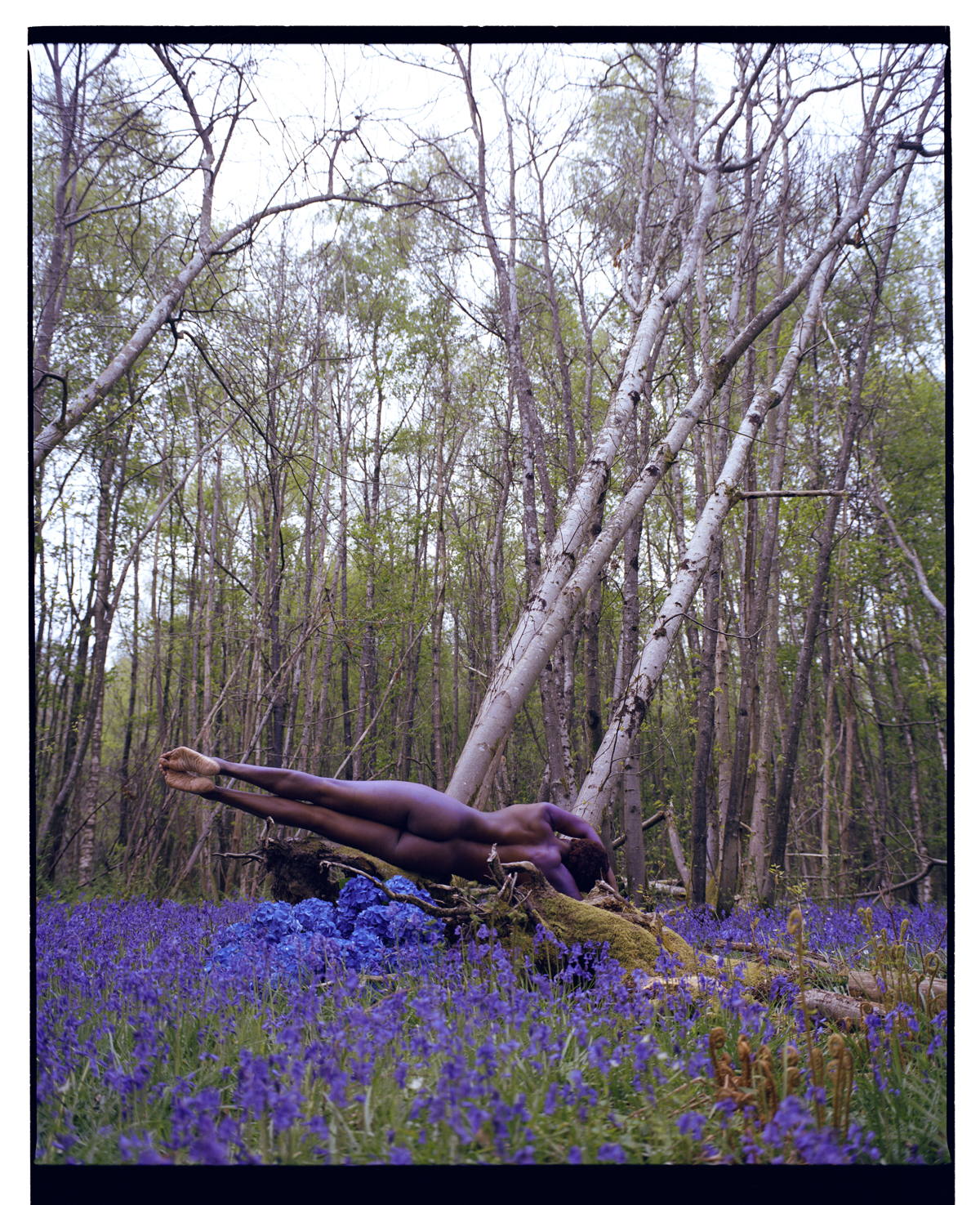
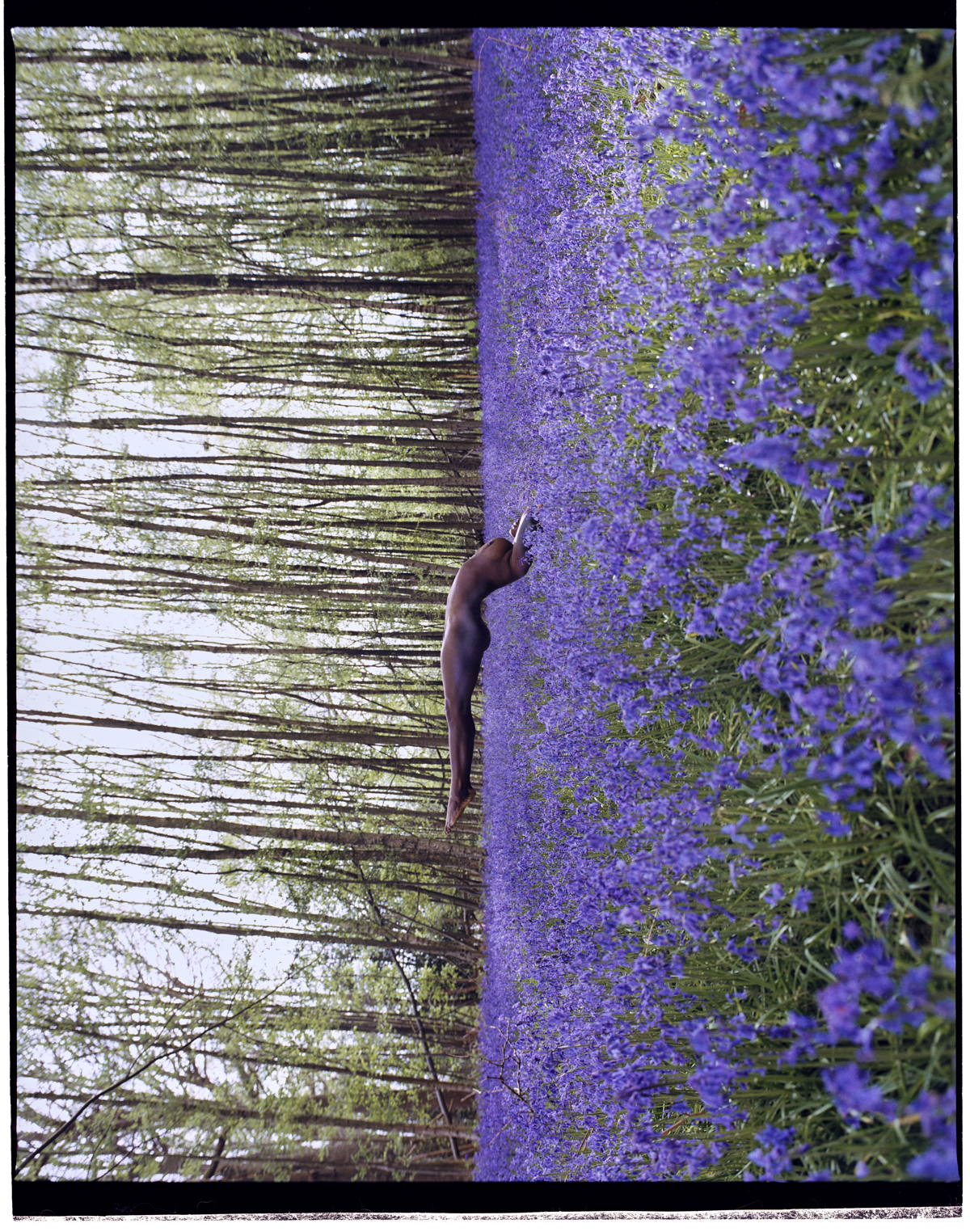
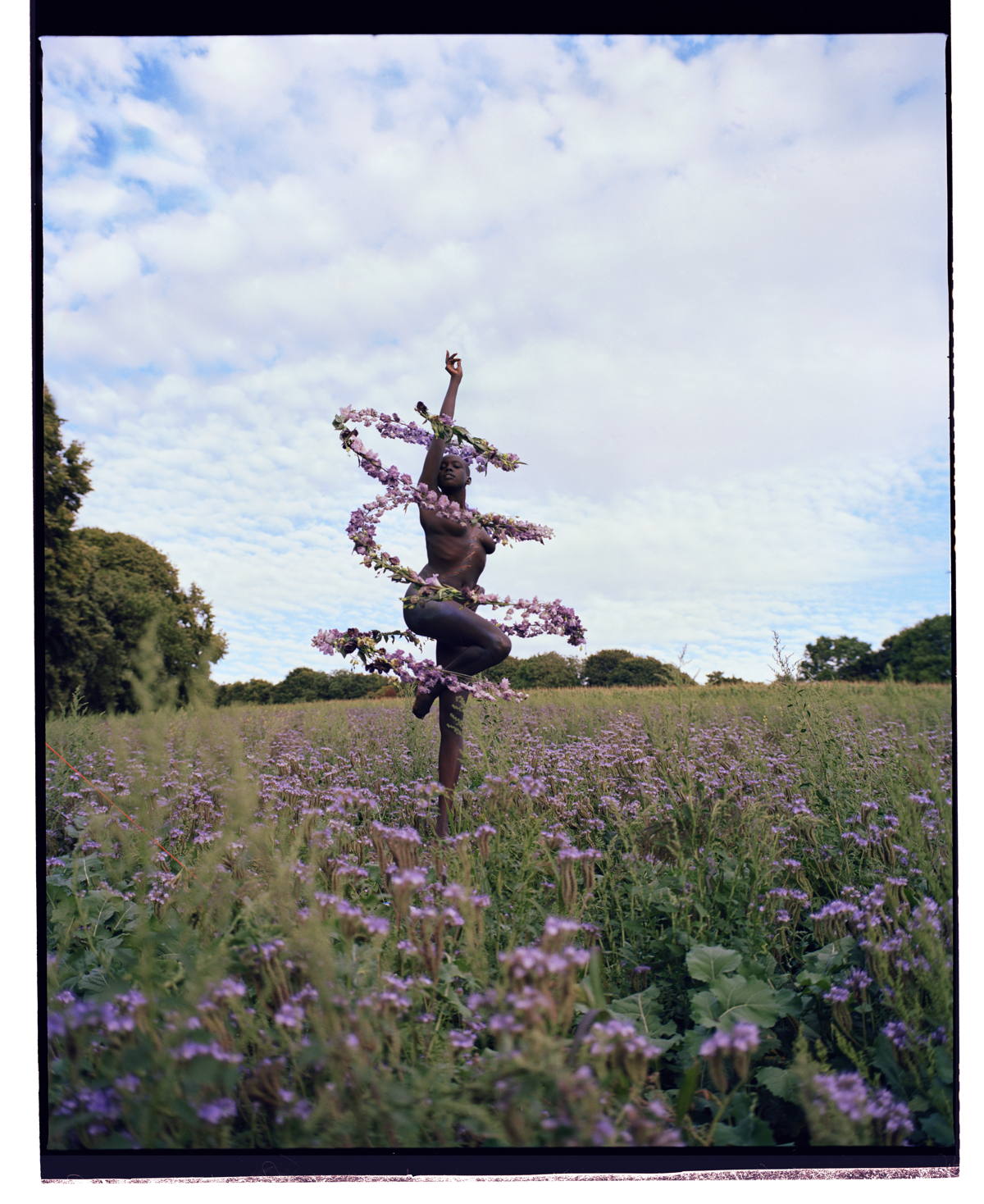
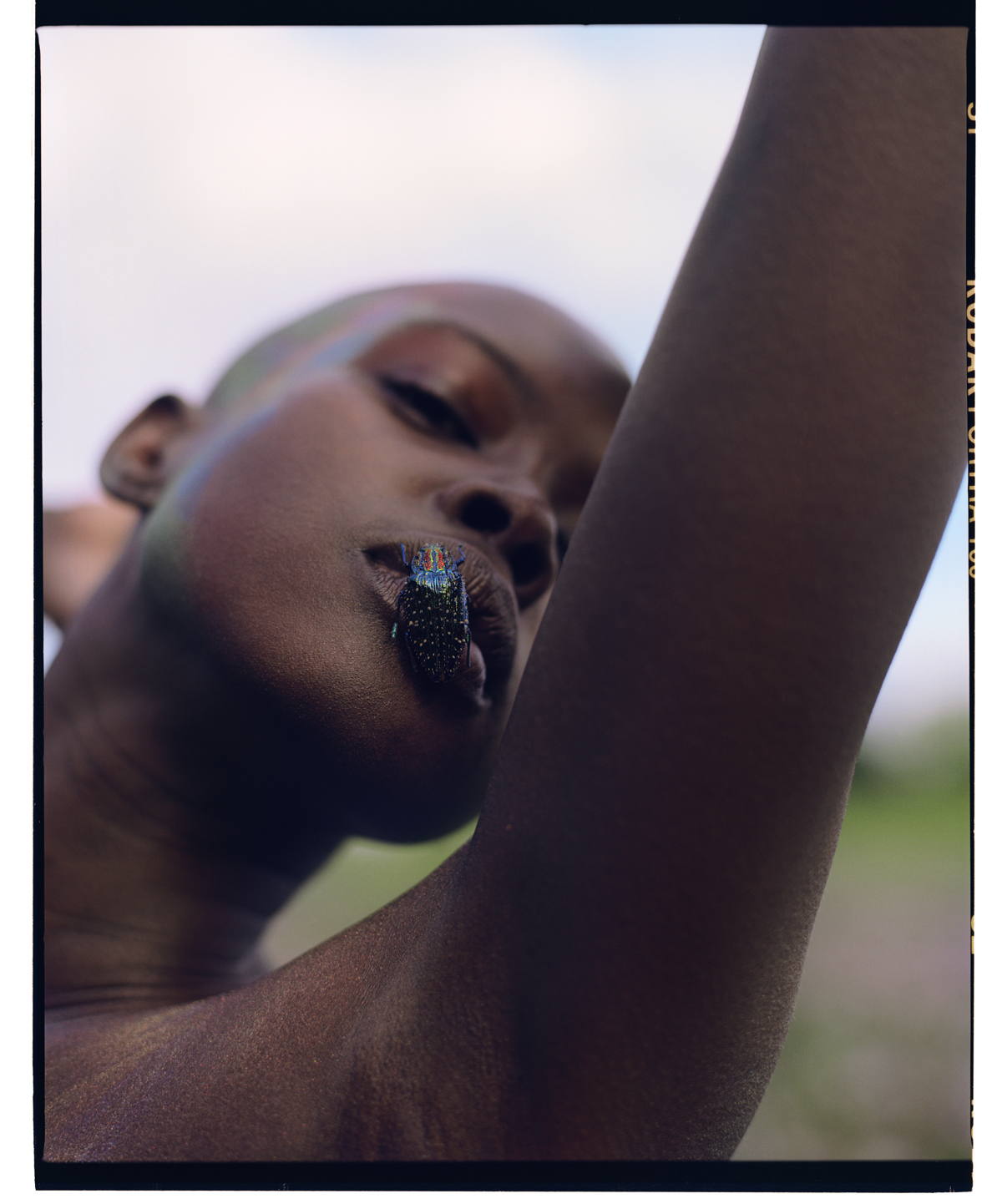
“Fallen Flowers” is a photographic tribute to women, nature, and the British landscape, exploring beauty, transformation, femininity, and identity through flower-inspired portraits.
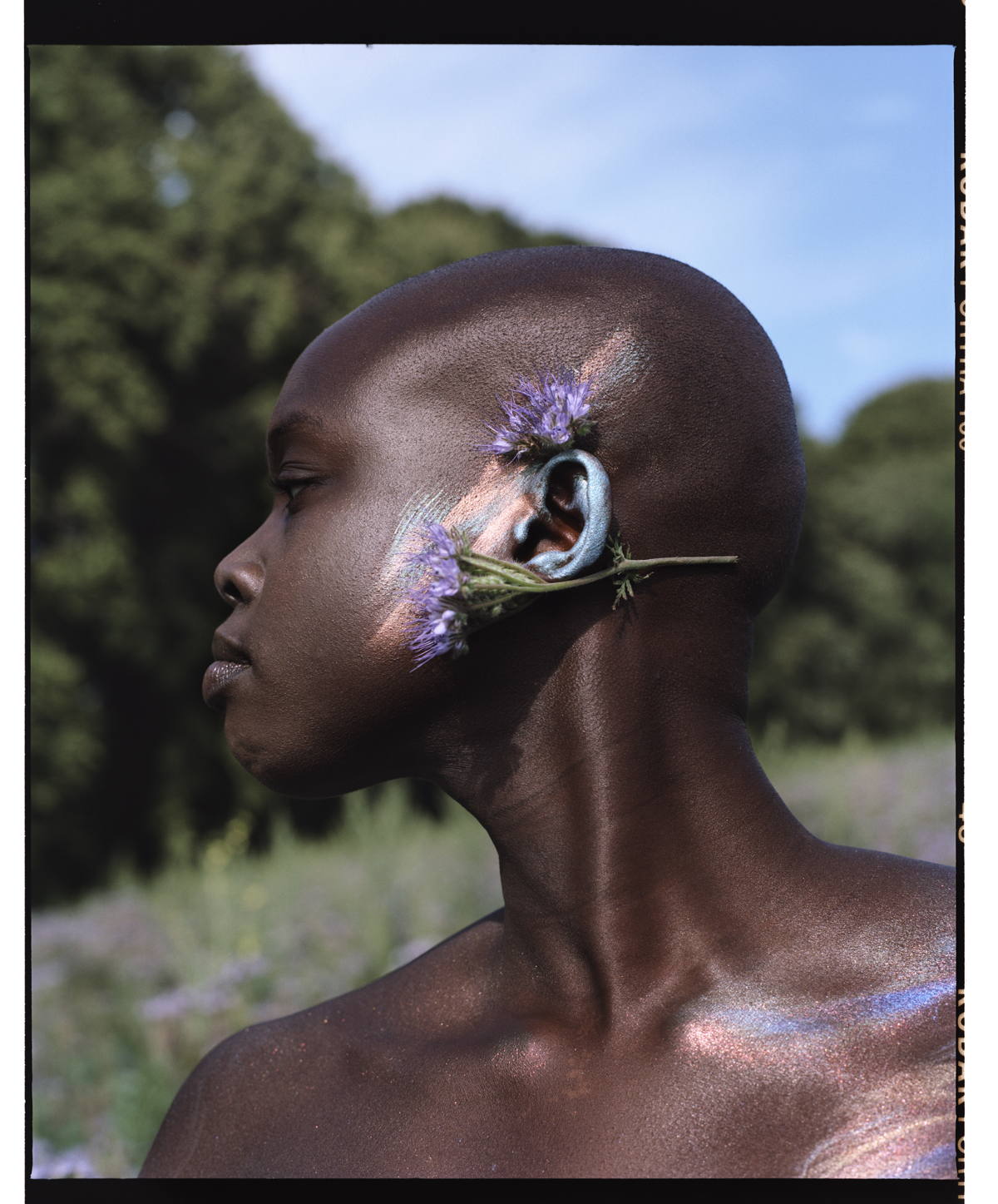
Created alongside a committed team of models, makeup artists, hair stylists, and creatives, the project combines body paint, floral set design, natural landscapes, and cinematic imagery throughout, alongside beautifully written pieces about the flower fields, their history, and origins.
Interview with Claire Harrison
Fallen Flowers transforms flowers from decorative objects into something almost spiritual and cinematic. What truth about femininity were you trying to reveal through these portraits?
I have always been drawn to both the delicacy of flowers and the strength of women, and for me the two have always shared a quiet power. I wanted Fallen Flowers to move beyond the idea of flowers simply being decorative and instead reveal them as living, emotional, almost spiritual elements of nature.
Through the portraits, I wanted to show femininity as something powerful, instinctive, vulnerable, sensual, and deeply connected to the natural world. The women in the images are not placed into the landscape as passive objects, they become part of it. Sometimes disappearing into it, sometimes exploding out from it. There is softness, but also resilience and presence.
Nature itself can be gentle one moment and brutal the next, and I think femininity holds those same contradictions beautifully.
In a culture obsessed with perfection and speed, your work feels slow, fragile, and deeply human. Do you see Fallen Flowers as a form of resistance against contemporary image culture?
In many ways, yes. Everything about the process pushed against speed and instant gratification. We were working with weather, seasons, natural light, flowers that bloom only briefly, and film that could not be instantly reviewed or endlessly corrected. There was risk in every part of the process.
That slowness forced us to be present. Every frame mattered. Every decision carried weight. There is something incredibly freeing about not chasing perfection and instead embracing imperfection, chance, and emotion.
I think contemporary image culture can sometimes remove humanity from image-making because everything becomes immediate and endlessly disposable. Fallen Flowers was the opposite of that. It was about patience, collaboration, trust, and allowing moments to unfold naturally rather than controlling every detail.
“Nature itself can be gentle one moment and brutal the next, and I think femininity holds those same contradictions beautifully.”

PHOTOGRAPHER/CREATIVE DIRECTOR Claire Harrison @claireharrisonphotos
ART DIRECTOR / WRITER / FLORAL STYLIST Adelaide Turnbull @adelaideturnbullstylis
MODEL Jessica Yupele @sayhellojess_ info @sayhellojess.com
MAKE UP ARTIST & HAIR STYLIST Lauren Phelan @laurenphelanmakeup
CAMERA ASSISTANT Ollie Wilkinson-Avis @ollie_wilkinsonavis
FLORISTRY ASSISTANT Farzana Lais @flowersformyb
THANKS TO Bineham Park Farm

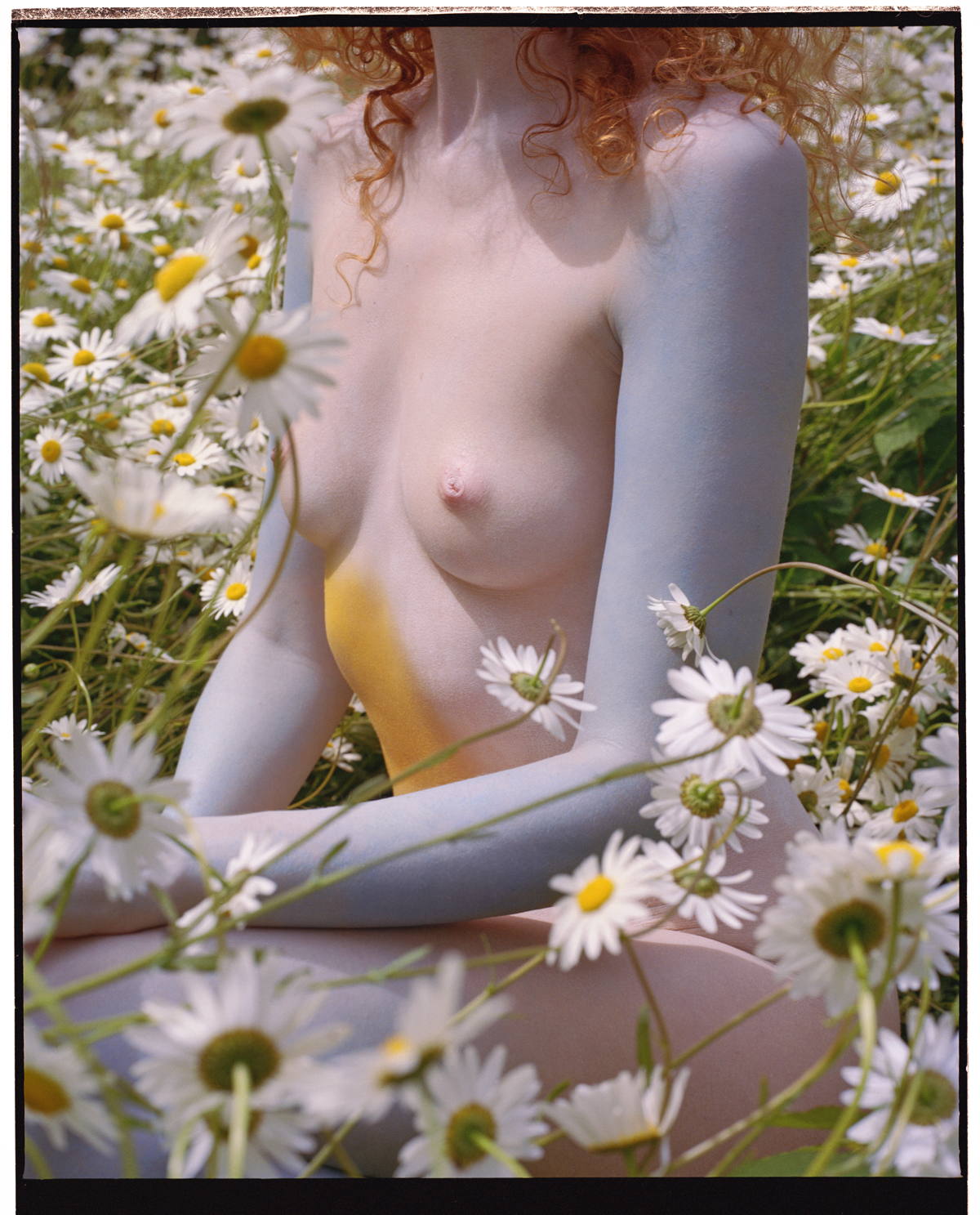
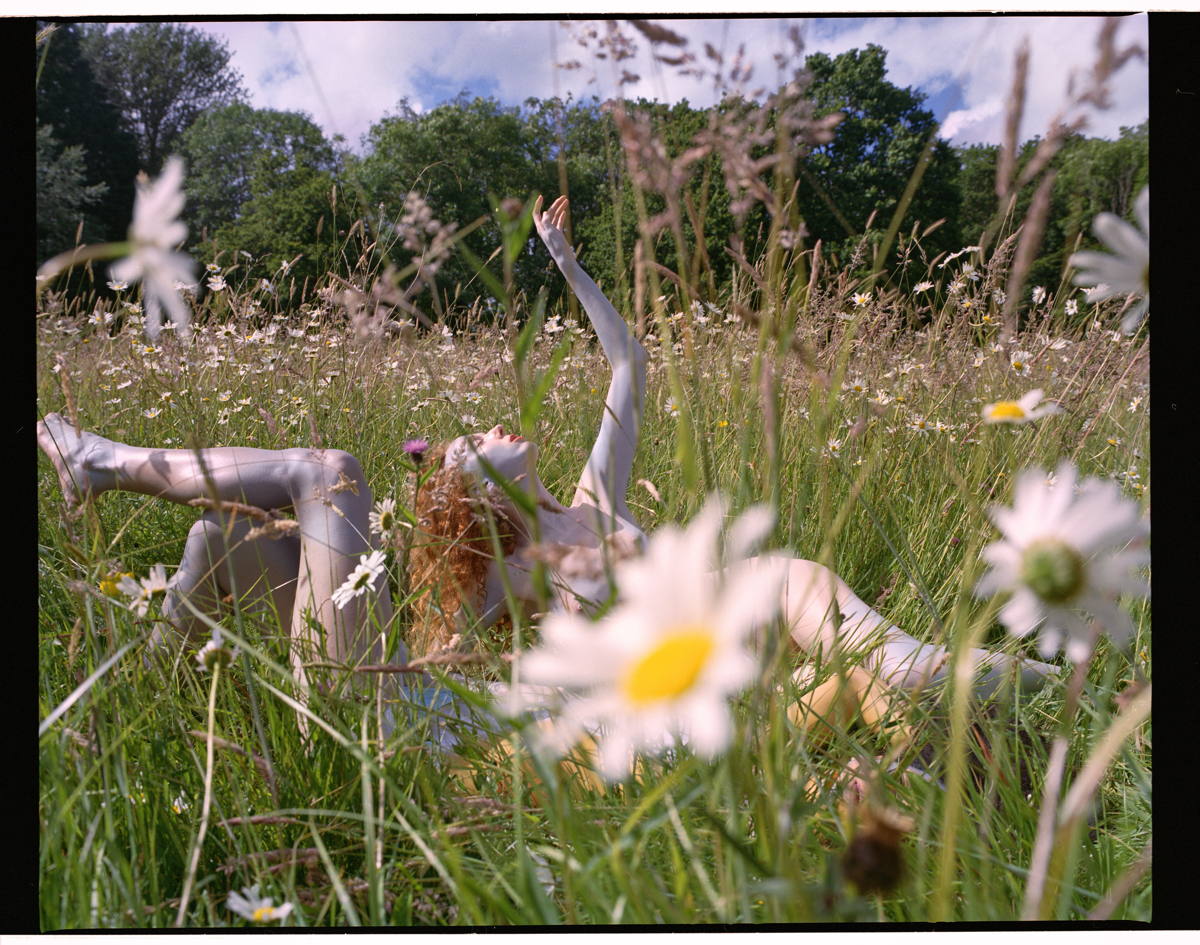
PHOTOGRAPHER/CREATIVE DIRECTOR Claire Harrison @claireharrisonphotos
ART DIRECTOR / WRITER / FLORAL STYLIST Adelaide Turnbull @adelaideturnbullstylis
MODELS Alexandra B @aacurls @nevsmodels and Gemma Howell @gemmahowellbeauty
MAKE UP ARTIST Megumi Matsuno @agencyofsubstance
HAIR STYLIST Inca Edgehill @inca_makeupartist
MAKE UP ASSISTANT Sayaka Gushi @gggw_27
CAMERA ASSISTANT Lauren Hillsdon @laurenhillsdon
THANKS TO Housedean Farm @housedeanfarmcampsite & The Plough Inn, Plumpton Green
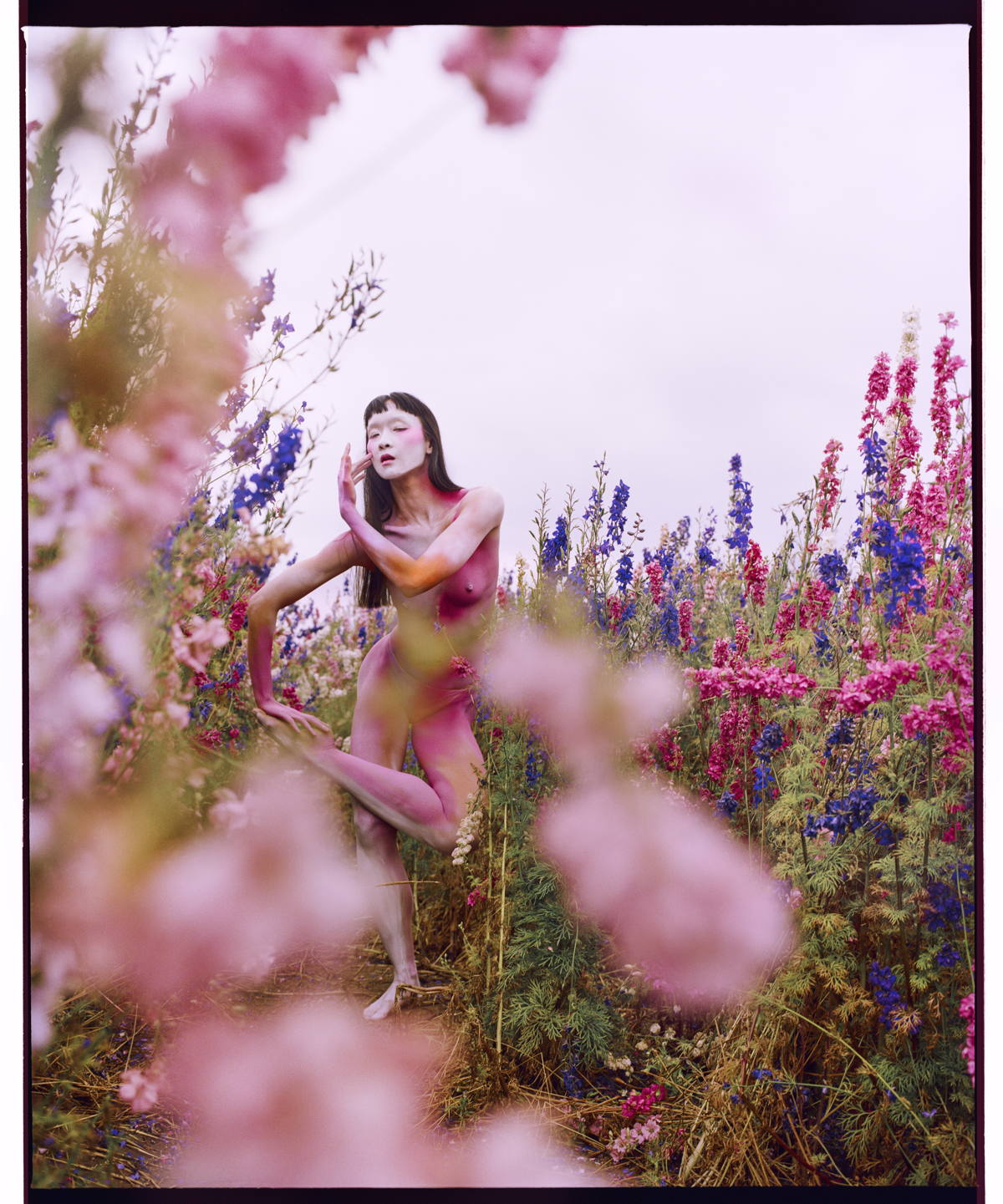
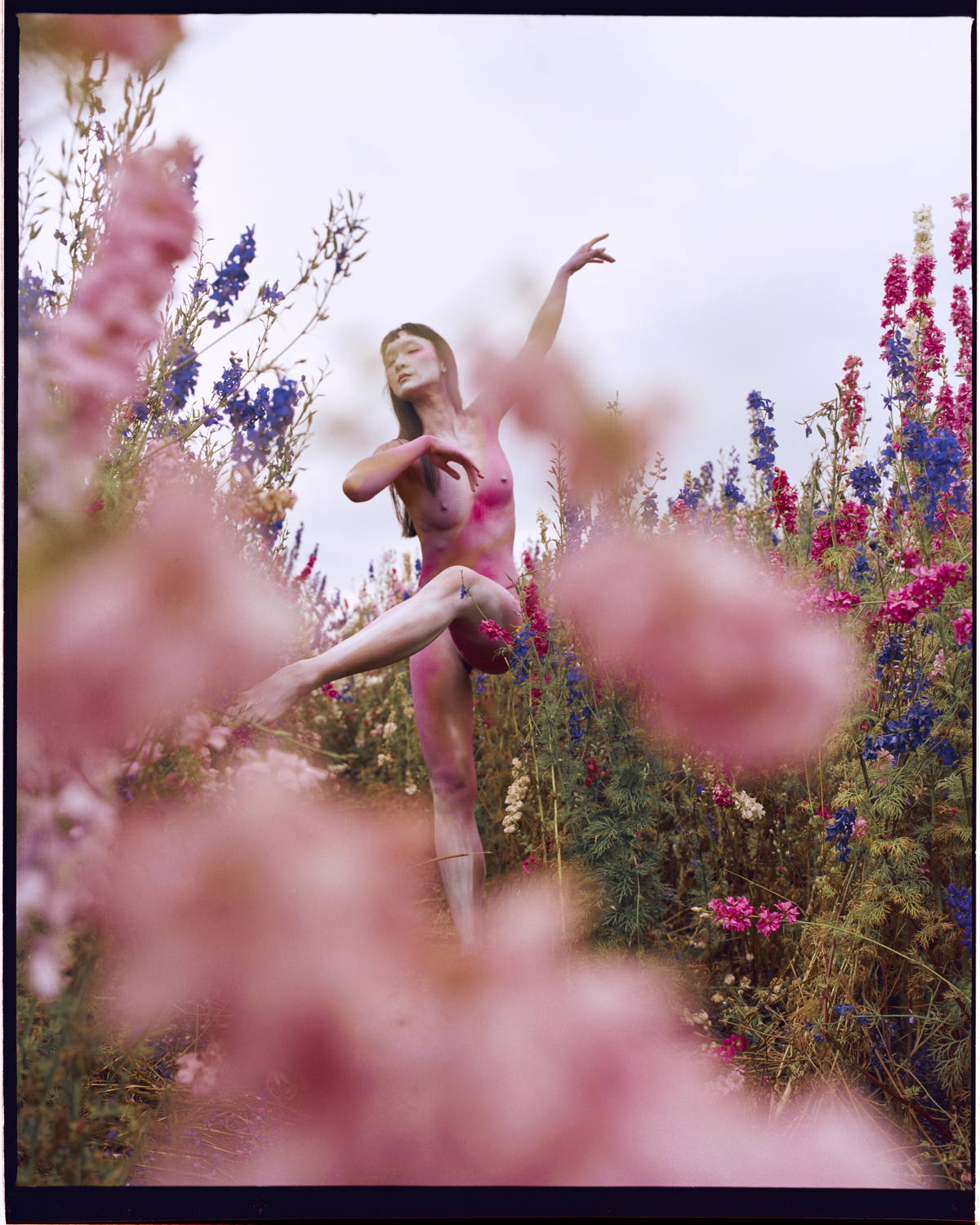
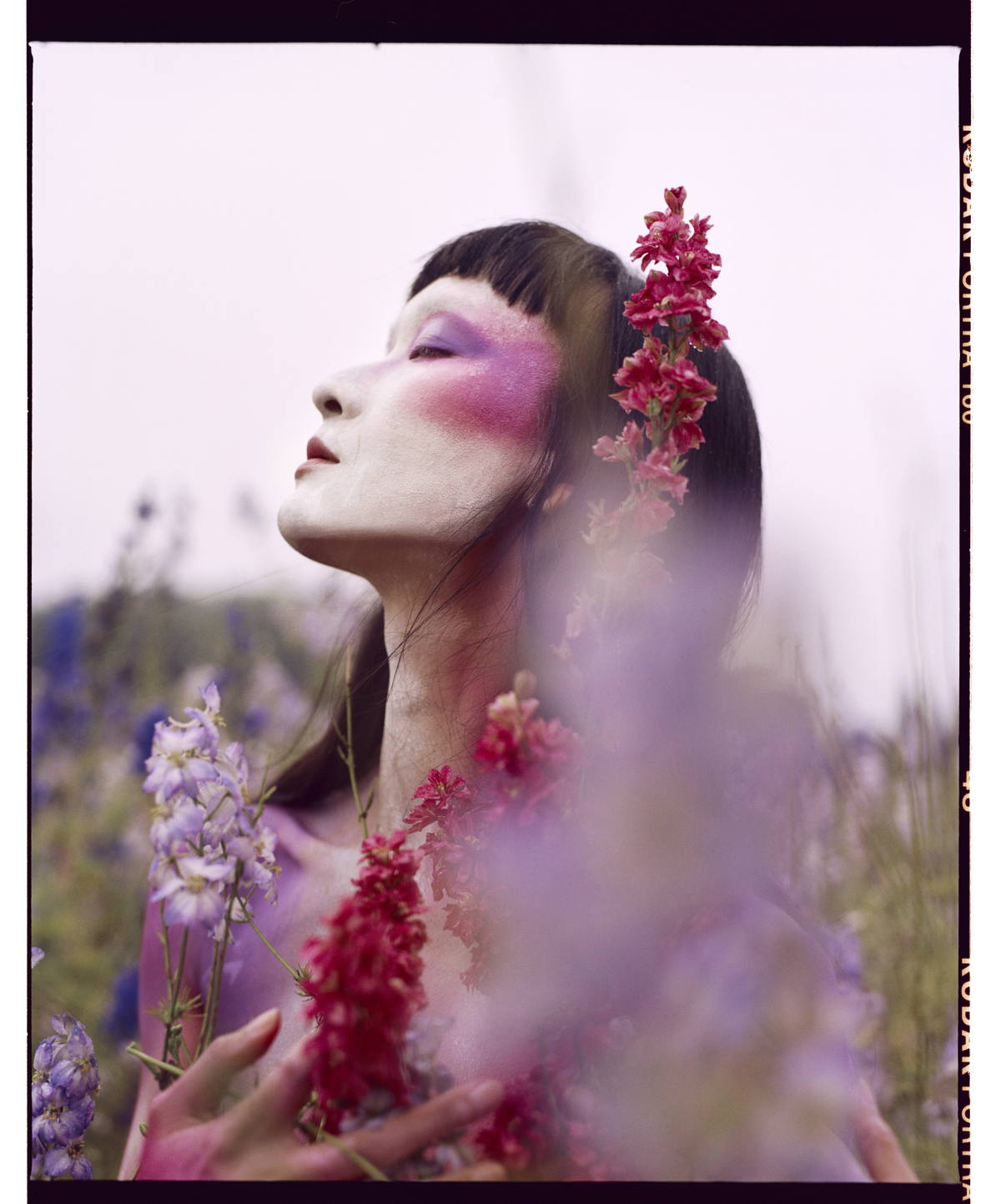
PHOTOGRAPHER/CREATIVE DIRECTOR Claire Harrison @claireharrisonphotos
ART DIRECTOR / WRITER / FLORAL STYLIST Adelaide Turnbull @adelaideturnbullstylis
MODEL Wing Yue Leung @wingyofficial
MAKE UP ARTIST & HAIR STYLIST Lauren Kay @laurenkay.co.uk
CAMERA ASSISTANT Lauren Hillsdon @laurenhillsdon
THANKS TO The Real Flower Petal Confetti Company
The entire book was shot on film. Why was analogue photography essential for telling this story emotionally and visually?
Film felt emotionally connected to the themes of the project from the beginning. Flowers themselves are fleeting, seasonal, impossible to hold onto forever, and film carries that same fragility. There is always the possibility of loss, imperfection, light leaks, grain, or moments you cannot fully predict or repeat.
As the shoots progressed, I realised the film images consistently held more depth, softness, and emotion than the digital ones. The colours felt alive in a way that mirrored the landscapes themselves. Skin became softer, the flowers richer, and the atmosphere more dreamlike and painterly.
Shooting film also changed the energy on set. Because each frame mattered, everyone slowed down and became more intentional. It created a kind of quiet concentration and anticipation that became part of the emotional heartbeat of the work. Getting the scans back felt magical every single time.
Many of the images blur the line between woman and landscape, body and nature. Were you exploring a forgotten connection between femininity and the natural world?
Absolutely. I wanted the women to feel held by the landscape rather than simply photographed within it. Growing up surrounded by the flower fields of the British countryside, I always felt there was something deeply emotional and almost spiritual about those spaces. They are constantly changing, living, blooming, disappearing, regenerating.
There is a rhythm to nature that mirrors emotional and physical experiences many women move through, transformation, vulnerability, strength, softness, change. I think modern life can disconnect us from those natural rhythms, so perhaps the work is partly about remembering that connection again.
The body paint, flowers, and styling all became ways of dissolving the boundary between the women and the landscape so they could exist as part of the same living world.
Beauty in Fallen Flowers often feels temporary, melancholic, and almost disappearing. Why are you drawn to impermanence rather than permanence?
I think impermanence is what gives beauty its emotional weight. Flowers bloom briefly and then disappear. Light changes within minutes. Seasons shift before you fully notice. Film captures a moment that can never be recreated exactly the same way again.
There is something incredibly moving to me about that fragility. Beauty feels more precious when you understand it cannot last forever.
I never wanted the images to feel frozen or overly perfect. I wanted them to feel alive, like moments caught halfway through appearing or disappearing. There is melancholy in that, but also hope, because nature is constantly renewing itself too.
Flowers have historically been used to symbolise women in both romantic and restrictive ways. Were you interested in reclaiming or challenging that symbolism?
Yes, definitely. Historically flowers have often been used to reduce women into symbols of beauty, fragility, or decoration. I was much more interested in showing flowers and women as forces of nature, complex, powerful, emotional, sensual, resilient, and sometimes wild.
The women in Fallen Flowers are not passive muses. They take up space within the landscape. Their presence feels collaborative with nature rather than ornamental within it.
I think reclaiming softness can also be powerful. There is strength in vulnerability, sensitivity, beauty, and emotional openness, and I wanted the work to hold space for all of those things without apology.
“I think reclaiming softness can also be powerful. There is strength in vulnerability, sensitivity, beauty, and emotional openness, and I wanted the work to hold space for all of those things without apology.”
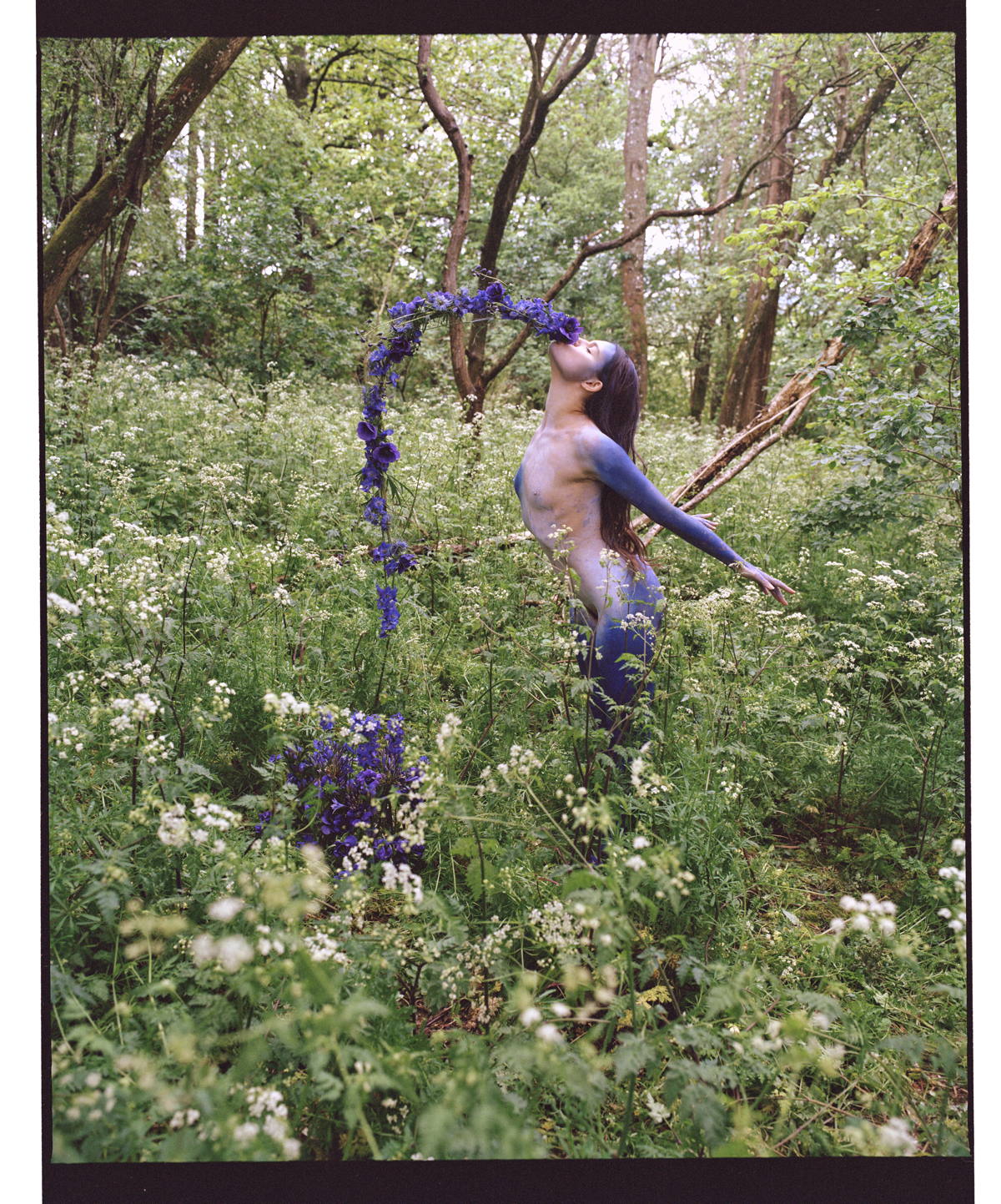

PHOTOGRAPHER/CREATIVE DIRECTOR Claire Harrison @claireharrisonphotos
ART DIRECTOR / WRITER / FLORAL STYLIST Adelaide Turnbull @adelaideturnbullstylis
MODEL Aim @aim.model layalstage19@gmail.com
MAKE UP ARTIST Megumi Matsuno @agencyofsubstance
HAIR STYLIST Inca Edgehill @inca_makeupartist
CAMERA ASSISTANT Lauren Hillsdon @laurenhillsdon
THANKS TO Housedean Farm @housedeanfarmcampsite
Behind the visual beauty, the project also speaks about transformation, identity, and vulnerability. What emotional conversations did you hope the book would open?
I hoped the work would encourage people to think more deeply about our emotional relationship with nature, beauty, femininity, and with ourselves.
There is vulnerability in the images because everyone involved embraced uncertainty, the weather, the cold, the unpredictability of film, and the emotional openness needed to create something honest together. That vulnerability became part of the beauty.
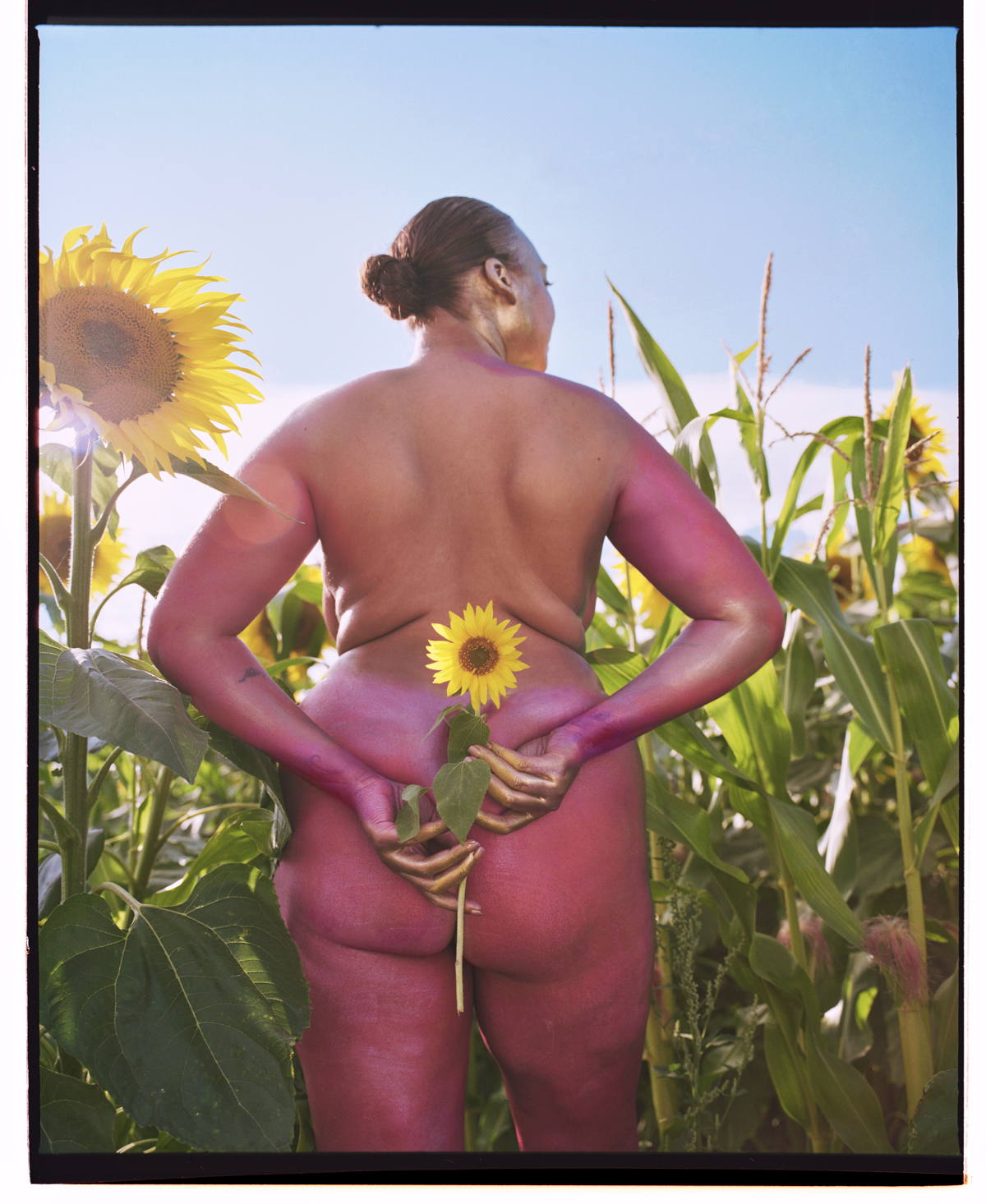
A lot of the women we worked with had never posed nude before, so the trust they gave us truly meant the world, especially as women creating together. From the very beginning, we wanted everyone on set to feel safe, free creatively, and fully able to strip everything back emotionally and artistically in order to make art and, in many ways, become the art themselves. I think that openness and honesty became deeply present within the images.
I also wanted the work to create conversations around freedom, body image, individuality, and the idea that beauty does not need to look polished or perfect to be meaningful. Hopefully people see parts of themselves reflected in the images emotionally rather than just visually.
The project involved models, makeup artists, stylists, farmers, and creatives across different disciplines. How important was collaboration in shaping the emotional depth of the work?
Collaboration was completely essential. Fallen Flowers could never have existed through one person alone. Every person brought emotion, instinct, creativity, and care into the process.
Adelaide was an incredibly important collaborator because of her deep understanding of British flowers and landscapes. She found all of the locations for the project, researching and scouting farmers’ land and using her local knowledge of the Sussex countryside to understand when different flowers would bloom and where to find them. These fields change every year depending on weather and growing conditions, so it took real local knowledge, research, and dedication to discover the right locations at exactly the right moment in the season.
As art director, Adelaide also helped shape the emotional and visual direction of every shoot. Together we worked through colour palettes, mood boards, and location images to plan the routes and order of shooting, deciding which landscapes would remain untouched in their natural beauty and which would be enhanced with additional floral installations. Planning was absolutely key, especially with the unpredictability of weather, light, and bloom timing, and working with Adelaide throughout that process was incredibly inspiring.
She also wrote the narrative text that sits alongside each flower section within the book, bringing another layer of depth and meaning to the work by sharing the history, symbolism, power, and beauty of each landscape we photographed. Her writing helped connect the imagery back to the flowers themselves and the living environments they come from.
The makeup artists interpreted the body paint in their own way, the models brought their personalities and emotional energy, and even the farmers and growers became part of the story because these landscapes only exist through their care and devotion to the land.
There was a real sense of trust and unity on set, and I think people can feel that human connection within the images themselves.
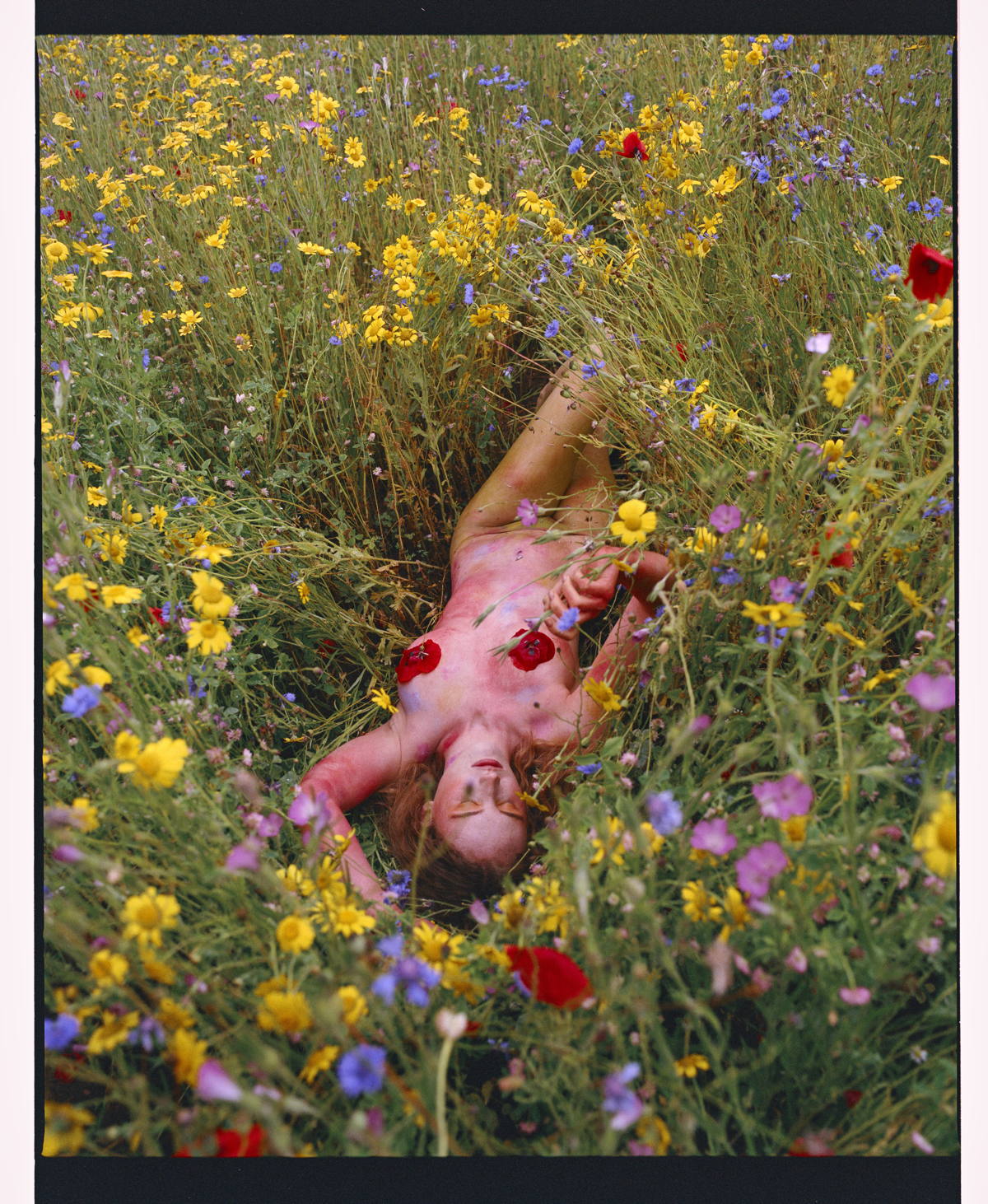
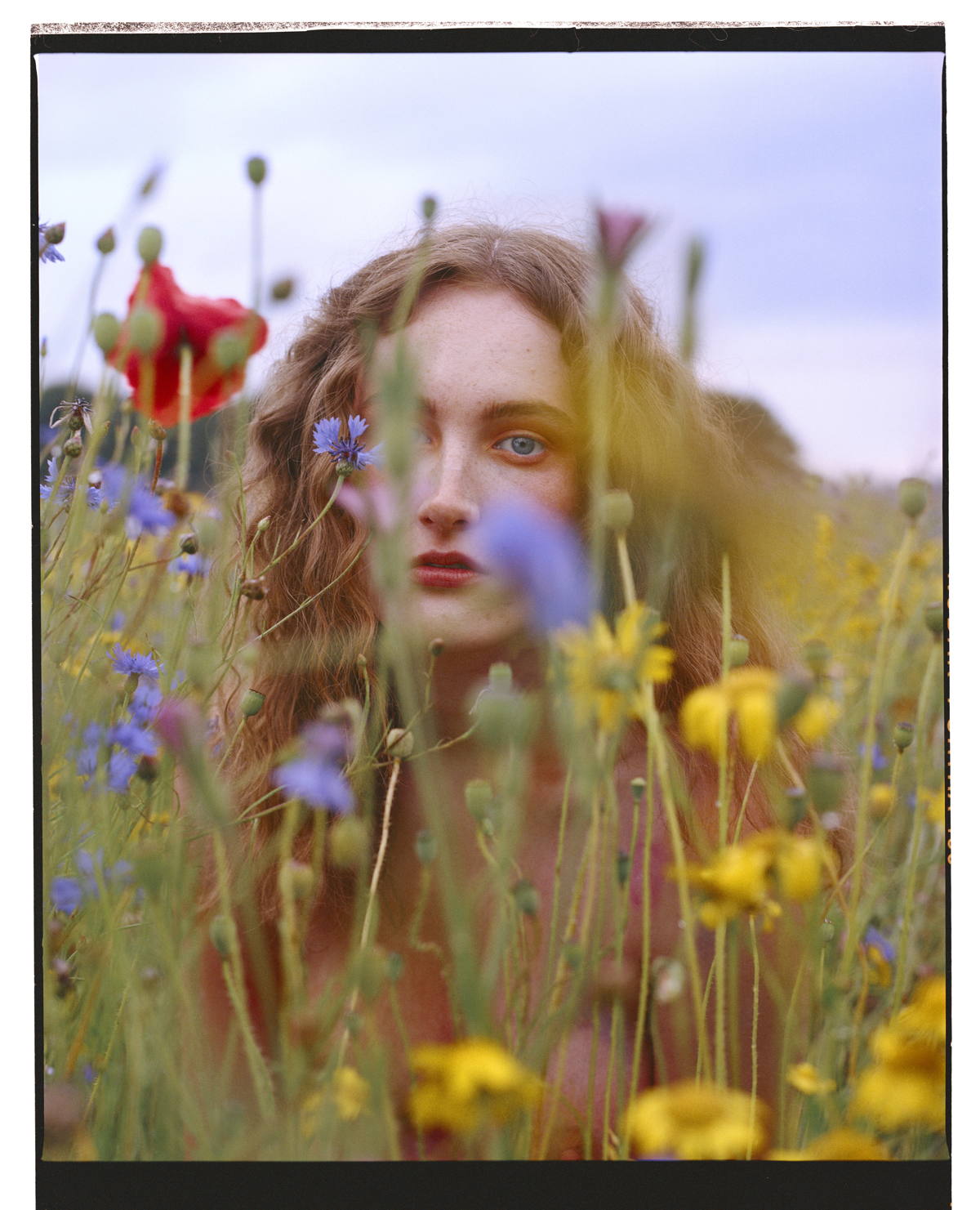
PHOTOGRAPHER/CREATIVE DIRECTOR Claire Harrison @claireharrisonphotos
ART DIRECTOR / WRITER / FLORAL STYLIST Adelaide Turnbull @adelaideturnbullstylis
MODEL Grace Chandler @g.s.chandler
MAKE UP ARTIST & HAIR STYLIST Lauren Kay @laurenkay.co.uk
CAMERA ASSISTANT Lauren Hillsdon @laurenhillsdon
THANKS TO The Real Flower Petal Confetti Company @realflowerpetalconfetti
PHOTOGRAPHER/CREATIVE DIRECTOR Claire Harrison @claireharrisonphotos
ART DIRECTOR / WRITER / FLORAL STYLIST Adelaide Turnbull @adelaideturnbullstylis
MODEL Akuac Thiep @akuacthiep
MAKE UP ARTIST & HAIR STYLIST Victoria Gugenheim @victoriagugenheim
CAMERA ASSISTANT Lauren Hillsdon @laurenhillsdon
FLORISTRY ASSISTANT Farzana Lais @flowersformyb
THANKS TO Punchbowl Farm @punchbowlfarm
At a time when AI-generated imagery is rapidly reshaping photography, what does handcrafted, film-based image-making still offer that technology cannot replicate?
For me, handcrafted image-making still offers presence, intention, and emotional truth. Film carries the marks of time, light, weather, mistakes, unpredictability, and human touch. Those imperfections are not flaws, they are evidence that a real moment existed.
AI can imitate aesthetics, but it cannot truly recreate shared human experience, collaboration, atmosphere, physical connection to a place, or the emotional energy that exists between people creating something together in real time.
Fallen Flowers was built through real weather, real flowers, real landscapes, real conversations, and genuine emotional experiences shared by everyone involved. I think viewers can feel the difference between something generated and something genuinely lived.
After spending years immersed in flowers, landscapes, and female portraiture, how has Fallen Flowers changed your own understanding of beauty?
It has made me see beauty as something far more emotional, collaborative, and connected to nature than I did before.
Before the project, I think I was often searching for beauty visually. Through Fallen Flowers, I began to understand beauty more through feeling, through freedom, trust, vulnerability, spontaneity, weather, movement, and connection.
I think the project also made me realise that beauty does not exist alone. Nothing in nature is created alone. Flowers need sun, water, soil, weather, insects, and time to bloom. Humans also need connection, support, creativity, and each other in order to truly thrive. In many ways, Fallen Flowers changed my understanding of beauty into something deeply collaborative.
That is also one of the reasons why human-made image-making feels more important to me now than ever before. AI can imitate aesthetics, and the person guiding it can shape beautiful visuals, but truly collaborative images carry emotional and creative weight in a way that technology alone cannot replicate. Every person involved in making Fallen Flowers added something irreplaceable to the final image: emotion, instinct, energy, vulnerability, spontaneity, and lived experience.
I think it would be a very sad world if beauty only existed through the eye of one beholder, or through images created by something that has never truly lived, felt weather, stood in a field, or experienced human connection. To me, beauty comes from shared experience and from people creating together.
The experience also deepened my respect for the natural world and the people who care for it. Spending years moving through these landscapes made me realise how fragile and precious they are.
Creating Fallen Flowers has genuinely been one of the greatest experiences of my life. I hope when people move through the book they feel something of what we felt in those fields: freedom, strength, playfulness, awe, and a deeper connection to both nature and themselves.
“Beauty does not exist alone. Nothing in nature is created alone. Flowers need sun, water, soil, weather, insects, and time to bloom. Humans also need connection, support, creativity, and each other in order to truly thrive. In many ways, Fallen Flowers changed my understanding of beauty into something deeply collaborative.”
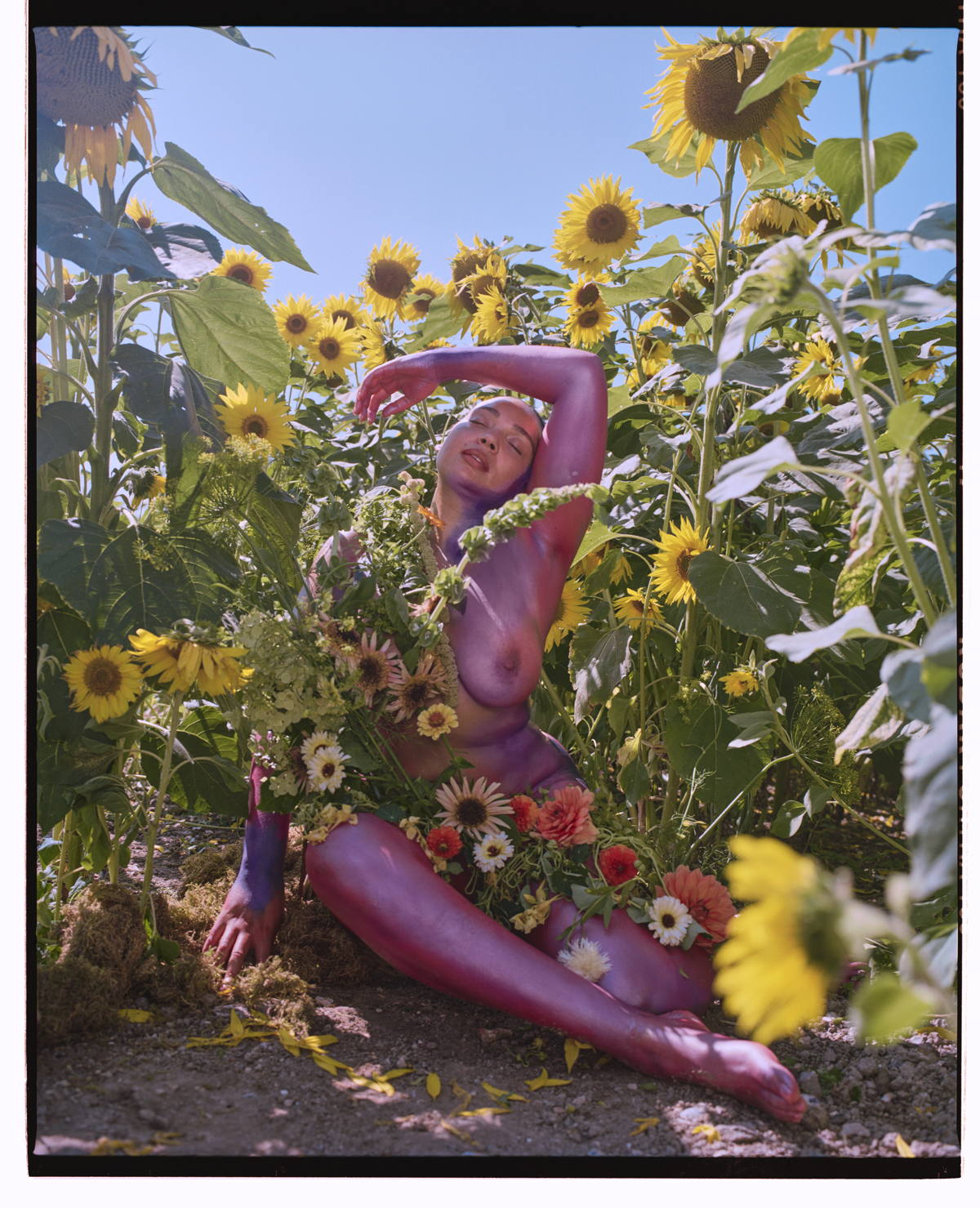
PHOTOGRAPHER/CREATIVE DIRECTOR Claire Harrison @claireharrisonphotos
ART DIRECTOR / WRITER / FLORAL STYLIST Adelaide Turnbull @adelaideturnbullstylis
MODEL Lauren May Punter-Spencer @aboutlaurenmay
MAKE UP ARTIST & HAIR STYLIST Victoria Gugenheim @victoriagugenheim
CAMERA ASSISTANT Lauren Hillsdon @laurenhillsdon
FLORISTRY ASSISTANT Farzana Lais @flowersformyb
SET BUILD Russell Philip Peek @stylistrussell
THANKS TO Punchbowl Farm @punchbowlfarm and the Sunflower Lady @the_sunflowerlady