

Micro Gardening: How Small Urban Spaces Are Transforming Sustainable Living
From balconies and rooftops to tiny patios, micro gardening is transforming underused urban spaces into productive green havens. Beyond growing fresh food, these small-scale gardens support biodiversity, improve food security, reduce waste, and offer a simple yet effective way to make cities more sustainable.
What is Micro Gardening?
The Food and Agriculture Organisation describes micro gardening as a practice that involves growing an impressive variety of vegetables, root crops, tubers, and herbs within limited urban spaces — including balconies, patios, and rooftops.
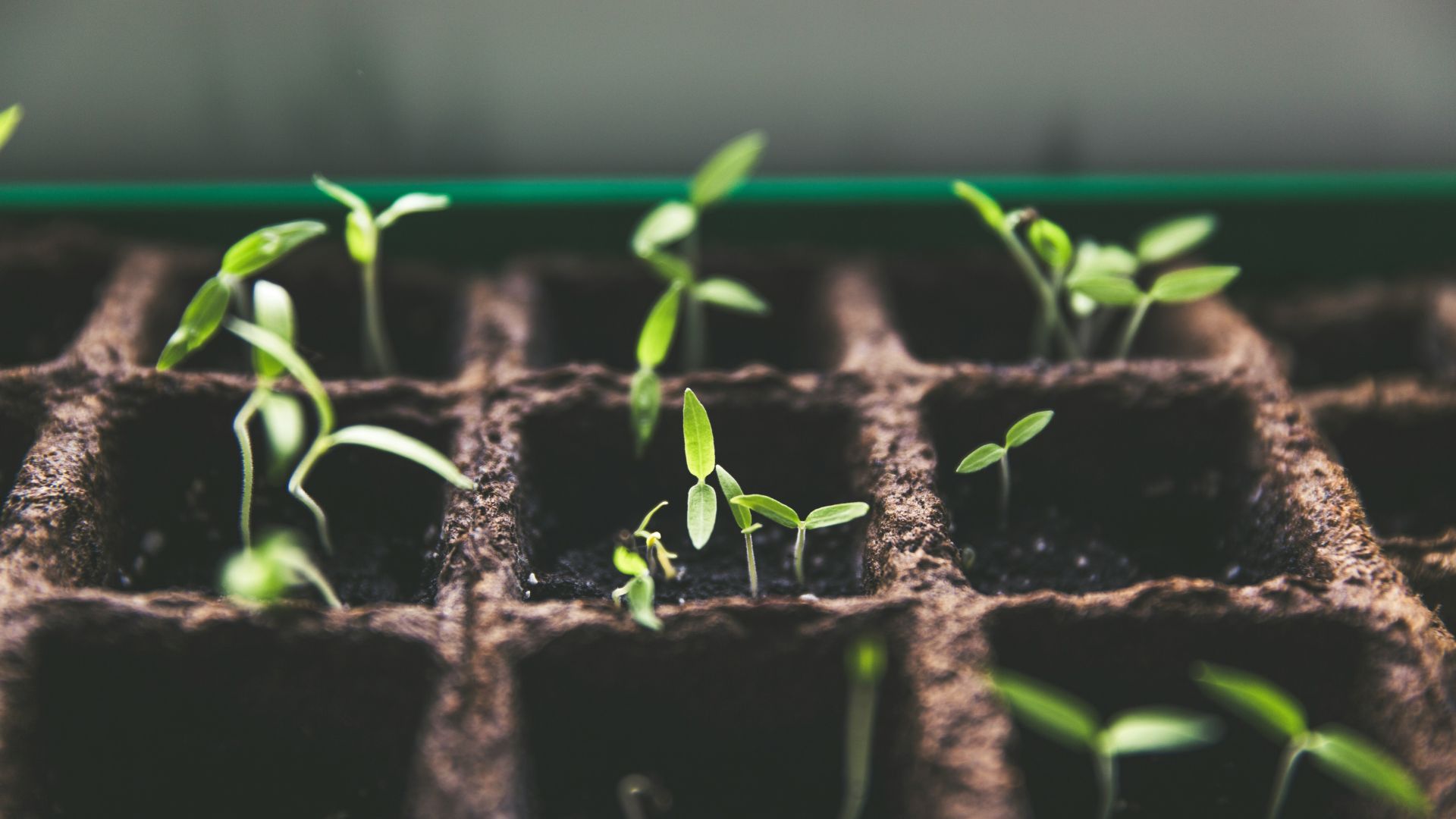
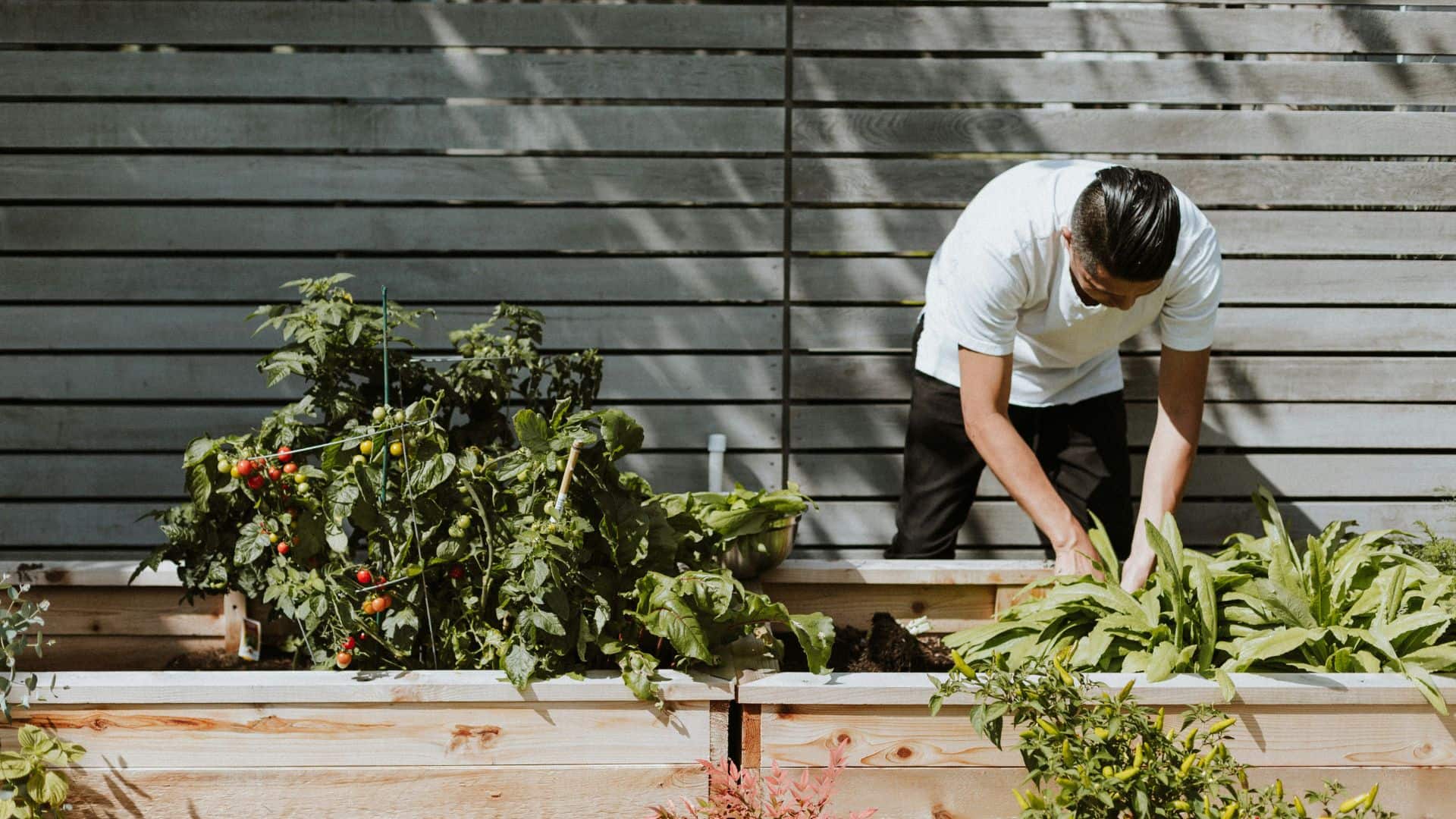
Although people living in cities have traditionally cultivated plants in small backyard gardens, contemporary micro gardening employs innovative containers such as wooden crates lined with plastic, purpose-built planting tables, and even repurposed items like old car tyres. This approach combines advanced horticultural methods with sustainable practices that are especially relevant to cities, including rainwater collection and the reuse of household waste to reduce environmental impact.
The FAO reports micro gardens as remarkably productive and accessible to people of all ages and abilities. Even without available land, it is possible to cultivate vegetables in containers filled with garden soil or a growing medium made from locally sourced materials such as peanut shells, coconut fibre, rice husks, coarse sand, or laterite. When these alternative growing media are not available, vegetables can also be cultivated using water enriched with a soluble fertiliser.
Micro Gardening for a Healthier Planet
Micro gardens can flourish in spaces as small as one square meter, and the amount of water required is relatively low, which is especially significant in developing urban areas, where access to clean and affordable water can be limited. The FAO explains that over the course of a year, a micro garden occupying just one square meter typically requires approximately 1,000 litres of water, averaging less than 3 litres per day. Alternatively to normal irrigation procedures, rainwater can be collected by installing gutters and pipes that direct water into storage containers. Once the necessary equipment for rainwater harvesting is set up, this resource becomes a cost-effective and environmentally friendly solution for watering plants.
Furthermore, living in a city often means breathing air that is far from clean. A 2025 study published in the journal “Farming System” explains that the constant movement of vehicles and the steady hum of factories fill the air with pollution, making it hard for city dwellers to enjoy fresh air. While planting trees has long been seen as a solution to these problems, many cities simply do not have the space for large green areas.
Rooftop gardens and green roofs are creative ways to help clean the air, but they are expensive and require strong, safe buildings. Wealthier cities are starting to plan for more green spaces, but this is much harder for cities with fewer financial resources. Instead of relying solely on costly rooftop gardens, experts believe that city leaders in less wealthy areas should include urban farming in their plans from the outset.

Additionally, research shows that micro gardening is effective at improving wastemanagement. Urban agriculture gives cities a way to turn everyday waste into something valuable. Instead of sending kitchen scraps and yard trimmings to the landfill, many communities use them to make compost for growing food.
In places like Germany and New York City, local gardens and city programs encourage people to participate, making it easy for neighbourhoods to get involved. Across the world, from Brazil to South Africa to Ghana, city leaders and residents are finding creative ways to recycle waste, improve sanitation, and grow fresh produce right where people live. These efforts not only help clean up the city but also bring people together, showing how urban farms can connect communities while caring for the environment. Even though pollution-related challenges remain, urban agriculture is proving that small steps can make a big difference.
Urban Farming: Sustainable Cities
As more and more people move to cities, the world around us is changing quickly. Researchers show that by the middle of this century, most of the world’s population will live in bustling urban centres. This rapid growth means cities are constantly expanding, with new buildings and roads replacing green spaces. These changes can make city life feel overwhelming and even unhealthy at times. With so many people living close together, the need for fresh, healthy food becomes even more urgent. It is clear that cities must find new ways to feed their residents while keeping communities vibrant and livable.
One viable solution to meet this demand without expanding farmland is urban smart vertical farming. Each crop has specific growth requirements, including optimal temperature, humidity, and soil moisture. By leveraging innovative technologies, vertical farming can create ideal conditions for diverse crops, thereby enhancing food security in urban areas and contributing to sustainable urban living. This approach not only addresses the immediate food needs of city dwellers but also promotes a more resilient food system in the face of urbanisation challenges.
Urban Farming in the EU
The European Urban Initiative highlights examples of EU cities that are increasingly adopting urban farming.
Milan (Italy)
OpenAgri transformed a large area on the edge of Milan into a centre where new ideas in urban farming can grow. Managed by the city to make sure it lasts, this hub brings together people from all backgrounds to try out creative projects. These range from social and tech innovations to fun initiatives, like helping locals brew a unique beer using crops grown right in the city.
Pozzuoli (Italy)
Pozzuoli breathed new life into forgotten public land by transforming empty fields into thriving permaculture farms. This effort did more than just grow food; it encouraged people to start their own agricultural businesses, created new jobs and training opportunities, and turned unused buildings into useful community spaces.
Heraklion (Greece)
In Heraklion, a creative project brought together restaurants, hotels, local residents, and even visitors to tackle food waste in new ways. Their teamwork led to practical solutions that help the whole city reduce waste and make better use of leftovers.
Lille (France)
In Lille, a once neglected part of the city was brought back to life through the TAST’inFIVES project. Local government, organisations, and researchers teamed up to invite residents to shape and run a shared kitchen space. This new hub gives people a place to cook together, share recipes, and build a sense of community, making everyone feel more at home in their neighbourhood.
Urban Agriculture and Food Security
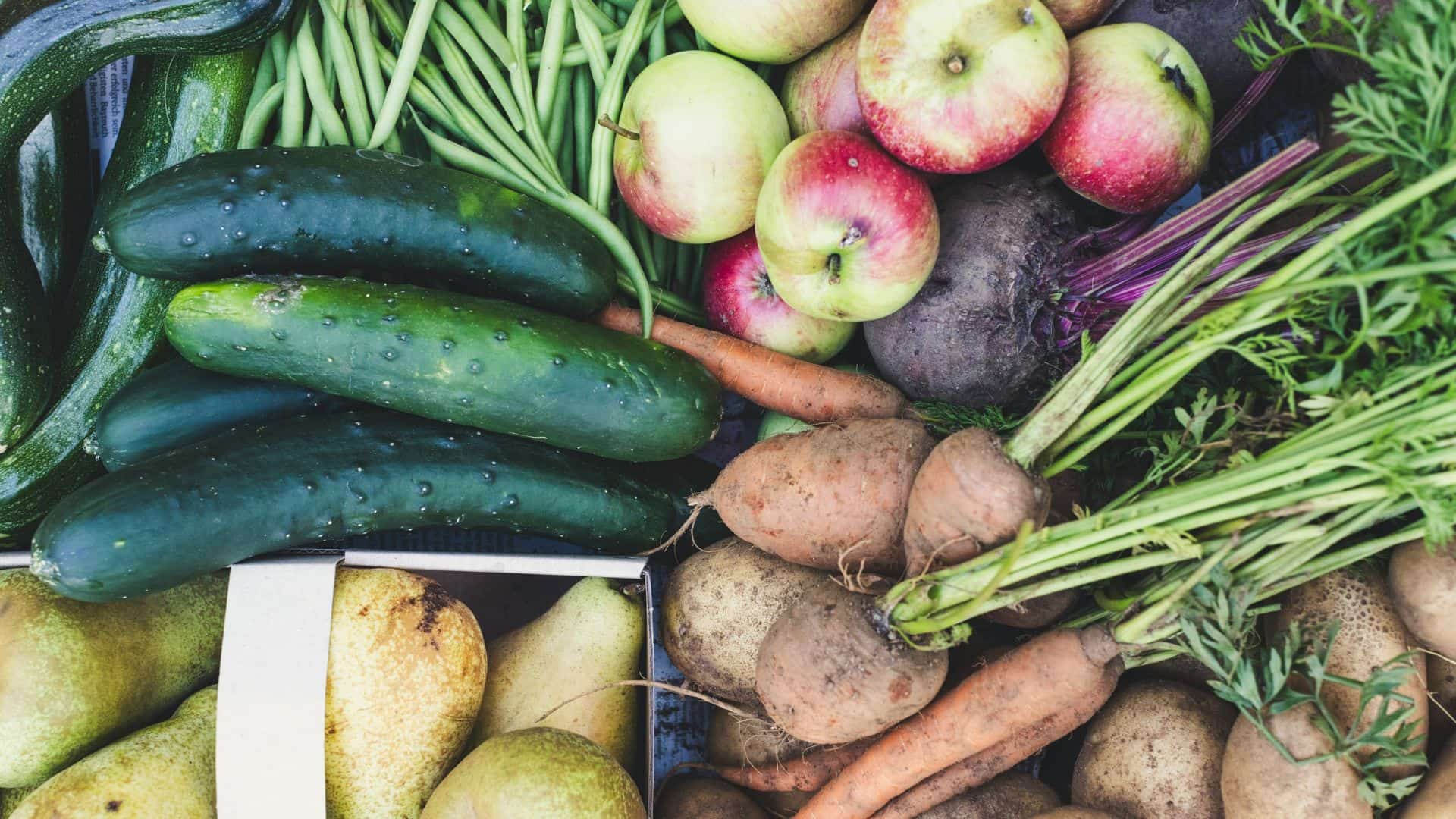
Thanks to support from the Food and Agriculture Organisation, many city governments have helped families start their own micro gardens. In Caracas, for example, these small gardens have made a real difference for about 10,000 families living in poorer neighbourhoods, giving them the chance to grow their own leafy vegetables, pumpkins, tomatoes, and eggplants close to home.
Micro gardening has been catching on in several African countries, including Gabon, Namibia, Niger, Senegal, and Rwanda. What is remarkable is how quickly families — especially those with limited incomes — can learn these simple gardening techniques and start seeing results. Women often lead these efforts, using the extra money from selling surplus vegetables to meet important needs and improve their families’ lives. In places like Senegal, studies show that about one third of the vegetables grown in micro gardens are eaten at home, while the rest are sold at local markets. For many families, these gardens are not just about food — they can also provide a helpful boost to their monthly income.
Micro Gardens: Community and Mental Health
Overall, the benefits of urban farming and micro gardening are not just practical, but also psychological. A study led by researchers at Kabale University in Uganda suggests that gardening is an excellent boost for our mental health.
Gardening does much more than beautify our surroundings — it gets people physically active, which has been shown to ease stress and improve overall well-being. Many studies have found that spending time in the garden, digging, planting, and caring for plants, can lower feelings of anxiety and depression. For some, gardening even helps process difficult emotions and reduces symptoms linked to trauma. Because of these benefits, more health experts are recommending gardening as a natural and accessible way to elevate mental health, offering comfort and peace to people from all walks of life.
As cities continue to grow, micro gardening demonstrates that sustainability often begins on the smallest scale. Whether improving food security, supporting biodiversity, or creating healthier communities, these compact gardens prove that even a single square metre can contribute to a more resilient urban future.
Hightlight Image:
©Markus Spiske via Unsplash


