

Red Light Therapy Masks: Between Skin Regeneration and Beauty Panic
Discover why the new obsession with LED beauty devices reveals both the future of conscious skincare and the dangers of science-washing.
Red light therapy masks have quietly entered bathrooms, bedrooms, and wellness rituals across the world. Once reserved for dermatology clinics and elite spas, these futuristic-looking devices now promise smoother skin, collagen stimulation, reduced inflammation, and even emotional wellbeing from home. But beneath the glowing red light, a deeper question emerges: Is red light therapy truly a sustainable and skin-friendly evolution in beauty, or simply another high-tech beauty obsession wrapped in wellness aesthetics?
As explored in Luxiders’ article on “Skinimalism | The Sustainable Beauty Trend Redefining Skincare Simplicity”, consumers are increasingly moving away from aggressive routines and excessive consumption. Instead, they seek fewer products, healthier skin barriers, and rituals rooted in long-term wellbeing rather than instant perfection. Red light therapy enters this cultural shift at a fascinating intersection between technology, sustainability, and the desire for natural skin regeneration.
Technology alone will never replace sleep, nourishment, emotional wellbeing, or acceptance. And maybe that is the real lesson hidden beneath the red glow.
Why Red Light Therapy Became So Popular
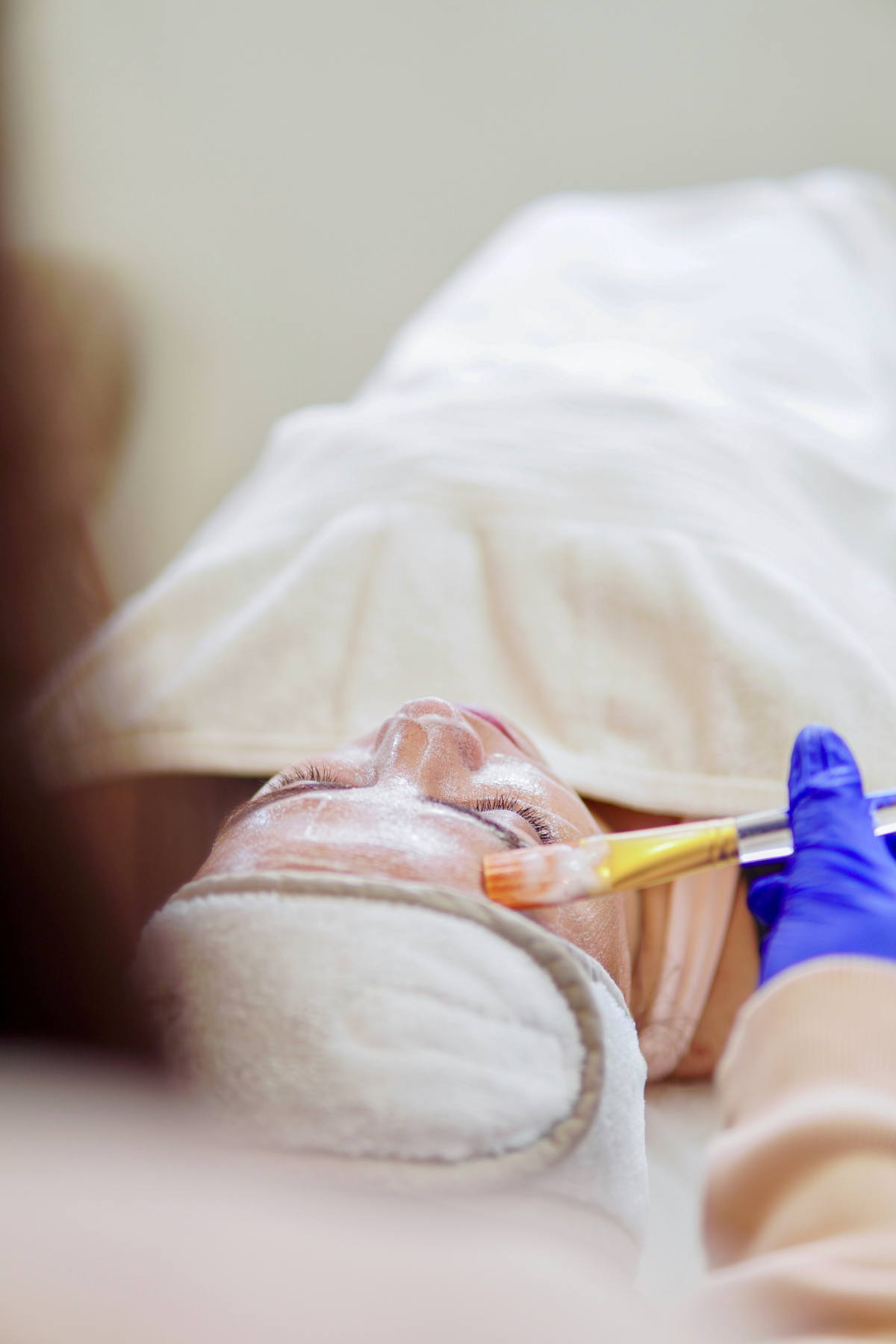
Unlike invasive aesthetic treatments, red light therapy uses low wavelengths of visible red and near-infrared light to stimulate cellular activity in the skin. Dermatologists associate the technology with: collagen stimulation, reduced inflammation, skin healing, improved texture and calmer acne-prone skin.
Studies referenced by dermatologists and publications such as Vogue suggest that photobiomodulation may support skin regeneration without damaging the skin barrier when devices are properly tested and correctly used. The appeal is understandable. In an era exhausted by filters, fillers, and overcorrection, red light therapy promises something softer: not transformation, but restoration.
For many users, the success stories are real. People with sensitive skin, redness, or inflammation often report calmer skin and improved texture after months of consistent use. Others describe the ritual itself as therapeutic: a moment of stillness in overstimulated lives. This emotional dimension matters.
Beauty is no longer only visual. It has become sensory, psychological, and deeply connected to wellbeing.
When Beauty Technology Becomes Panic
At first glance, an electronic mask may not appear sustainable. Yet the conversation is more nuanced.
A high-quality LED device can potentially reduce excessive product consumption, disposable sheet masks, repeated clinic visits, and short-term “miracle” skincare purchases.
This reflects a wider transformation already explored in “Gen Z and the Rise of Sustainable Skincare”, where younger consumers increasingly prioritise intentional rituals, minimalist routines, and long-term skin health over trend-driven overconsumption. The philosophy aligns closely with skinimalism: less aggression, less waste, less noise.
When combined with gentle skincare, sleep, hydration, and barrier-supporting ingredients, red light therapy can become part of a more regenerative vision of beauty, one that works with the skin instead of constantly fighting against it.
Yet the rapid success of LED masks has also created another phenomenon: beauty anxiety disguised as optimisation.
Social media now floods users with exaggerated claims: “reverse ageing”, “erase wrinkles”, “10 minutes to perfect skin”, “NASA technology”, etc. The result is a dangerous acceleration of science-washing within the beauty industry. As Luxiders previously explored in articles questioning sustainability and transparency in beauty communication, consumers are increasingly confronted with marketing that sounds scientific but lacks depth, context, or responsibility.
Not all LED masks are created equally. Experts warn that: incorrect wavelengths, poor-quality manufacturing, overheating, unregulated devices, or excessive use
may cause irritation, pigmentation issues, or eye discomfort, particularly concerning is the rise of ultra-cheap LED masks flooding online marketplaces without proper safety verification.
In the race toward “preventive ageing,” many consumers –especially younger audiences– risk entering a cycle of constant self-monitoring, where skin becomes a project that is never good enough. The psychological impact cannot be ignored.
Healthy skin is not skin without texture, age, or humanity.
The Future of Beauty May Be Slower
The true promise of red light therapy may not lie in perfection at all. Perhaps its most meaningful contribution is the return to slower beauty rituals. Ten minutes of stillness. Reduced inflammation. Less aggressive skincare. A more respectful dialogue with the body.
Technology alone will never replace sleep, nourishment, emotional wellbeing, or acceptance. And maybe that is the real lesson hidden beneath the red glow: healthy skin is not skin without texture, age, or humanity. It is skin that is supported rather than attacked.
In a beauty culture often driven by panic, that may be the most radical innovation of all.
Highlight Image:
© Unsplash


