
Sofiane Pamart | The Movie Within
With his new album Movie, Sofiane Pamart enters a more cinematic chapter. Moving beyond his solo piano trilogy of Planet, Letter, and Noche, the French pianist expands his universe through orchestra, choir, and voice, while returning to the image of his childhood self. In conversation with Luxiders Magazine, Pamart reflects on performance as a visual language, fashion as armour, and the artist’s responsibility to help people move through their emotions. Between classical music, rap culture, luxury houses, and iconic venues, he reveals a world where complexity becomes the path, and simplicity the destination.
With Movie, Sofiane Pamart turns life into an invisible film, one each listener completes with their own images. Speaking with Luxiders Magazine, he reflects on fashion as armour, performance as visual language, and music as a passage through emotion.
“Complexity is beautiful as the path, but the destination must always be simple.”
You are a highly performance-driven artist. At what point did you realise that a concert is not only something to be heard, but also something to be read visually?
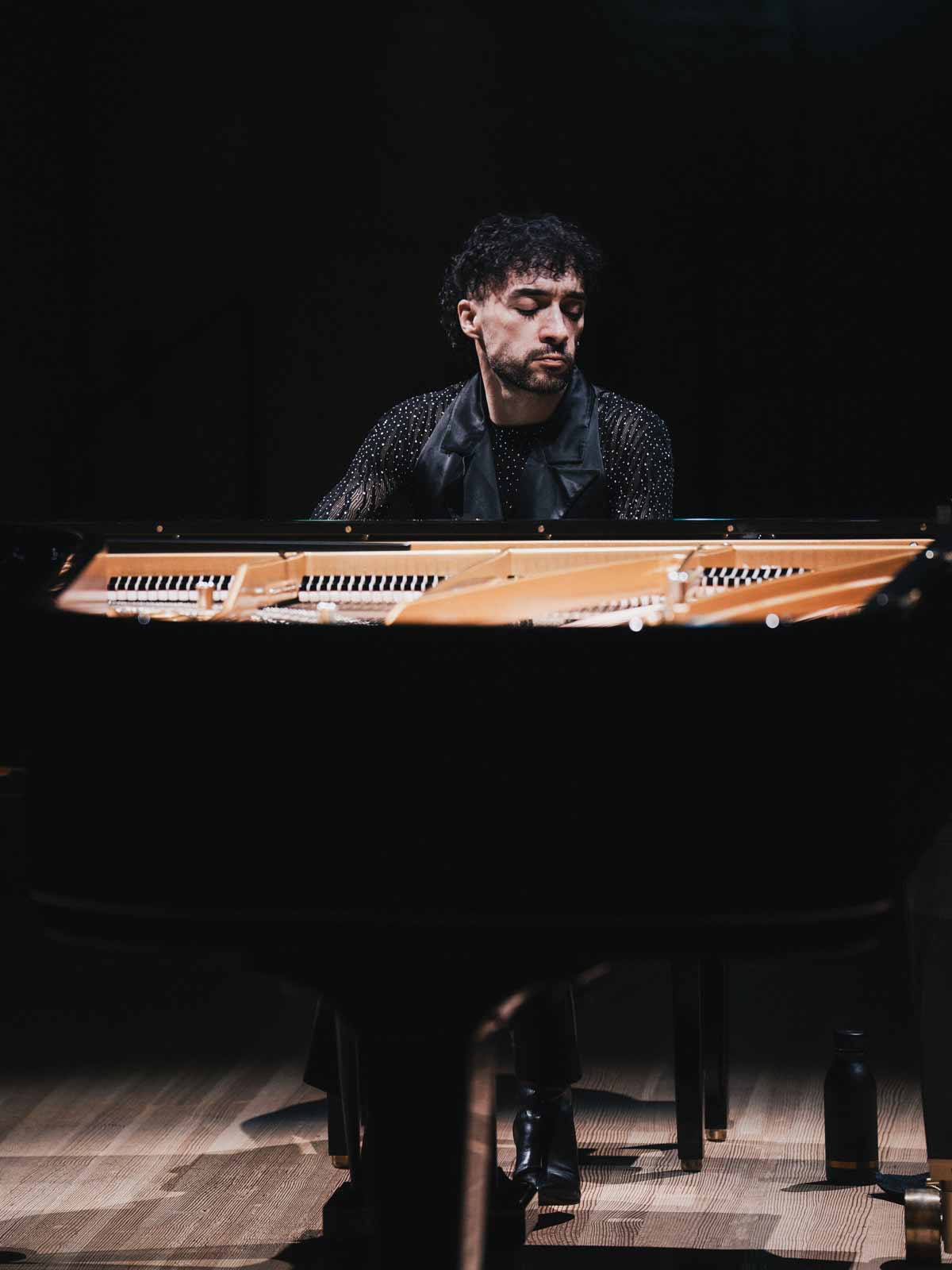
As soon as you see the performer. If you go to a concert that takes place in complete darkness, then it is different. It is only about the ears, about the senses that are not related to sight. But as soon as you can see the artist, the way they look and behave becomes important. Not as important as the music, of course, but still very important. Whether we want it or not, it influences the perception of the music itself.
When you build a concert look, what do you want to compose visually? Is it emotion, authority, protection?
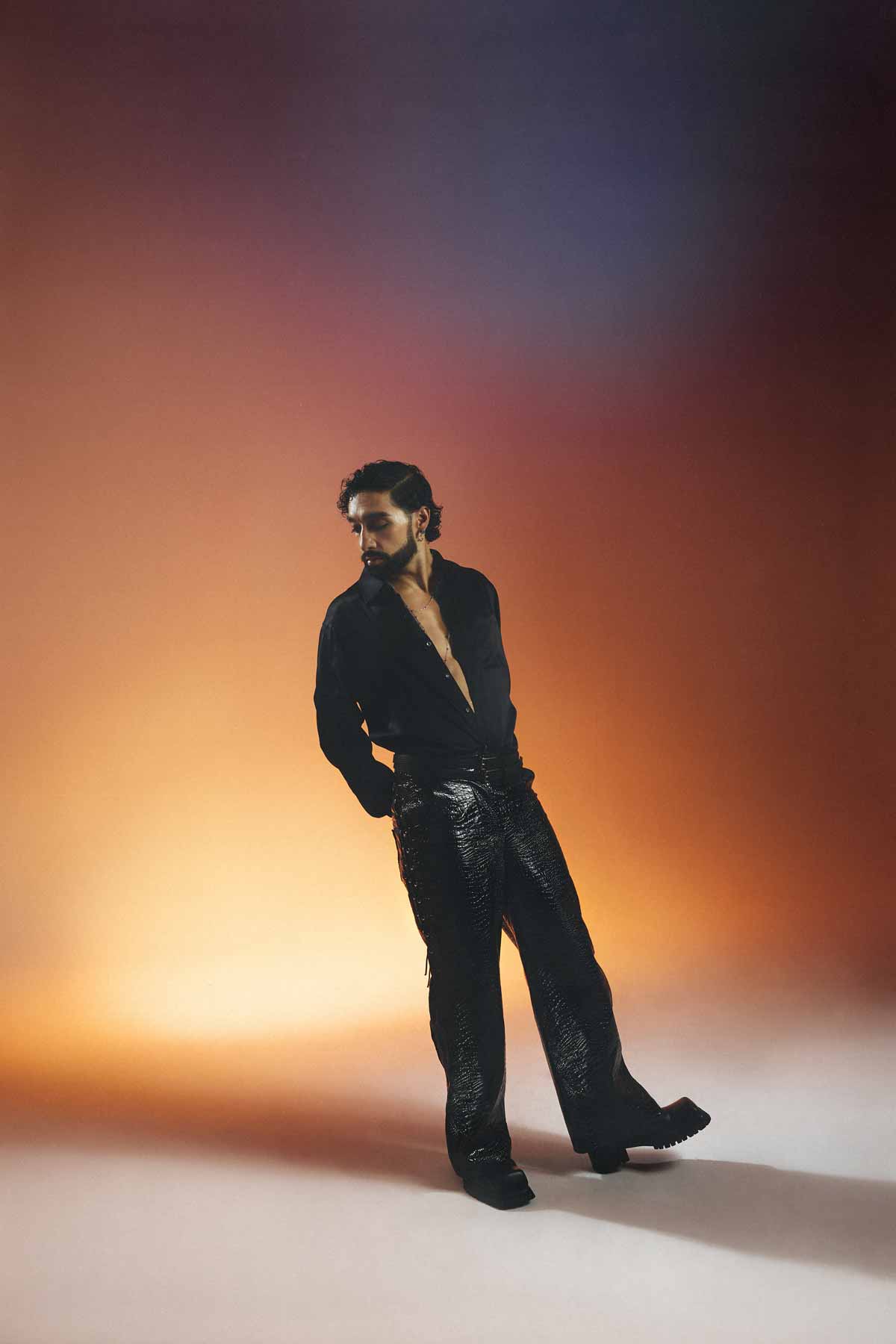
It is a mix of all those things. An outfit can be your armour. It can be the thing that protects you from the outside world. It can also define who you are on that day, as a character.
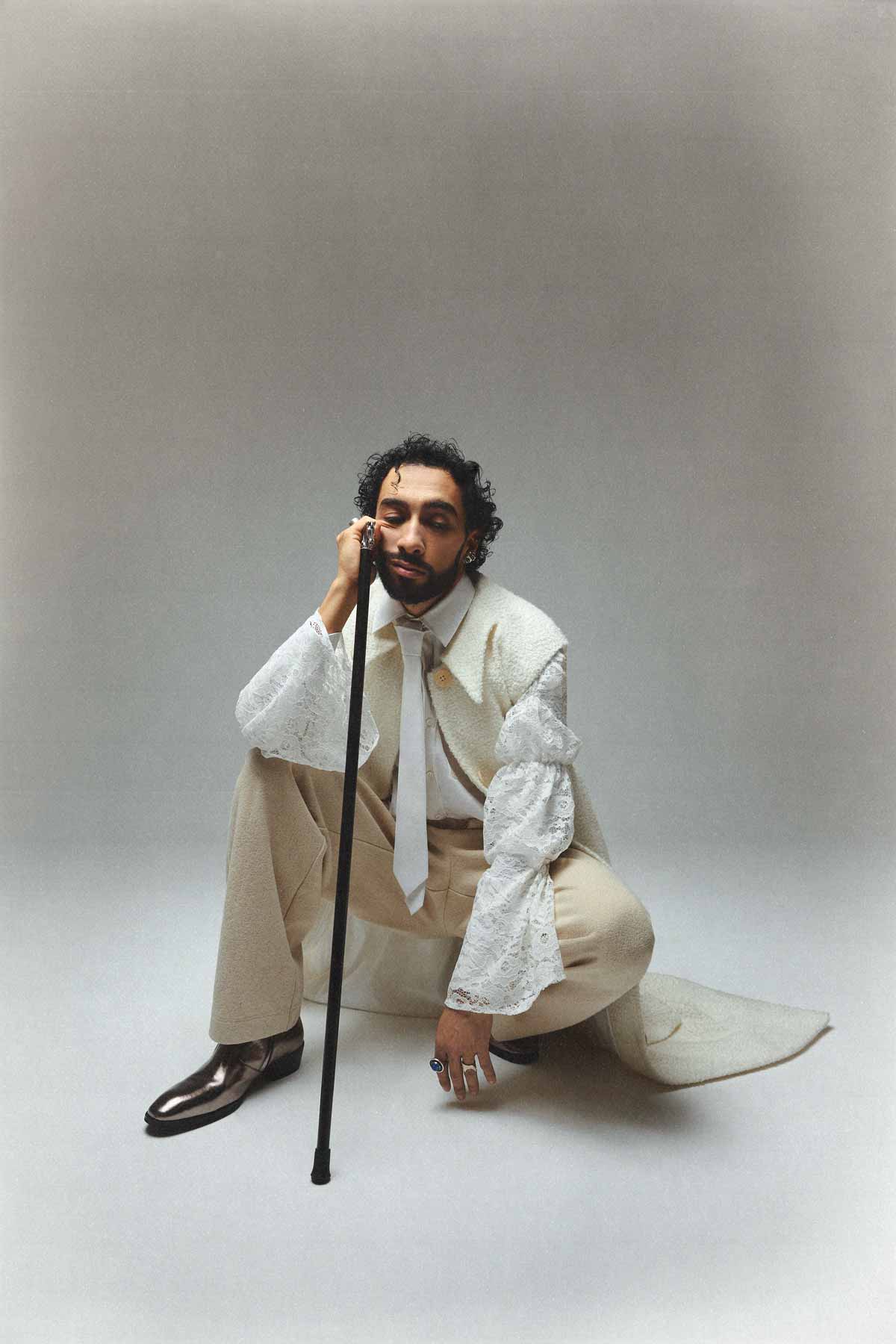
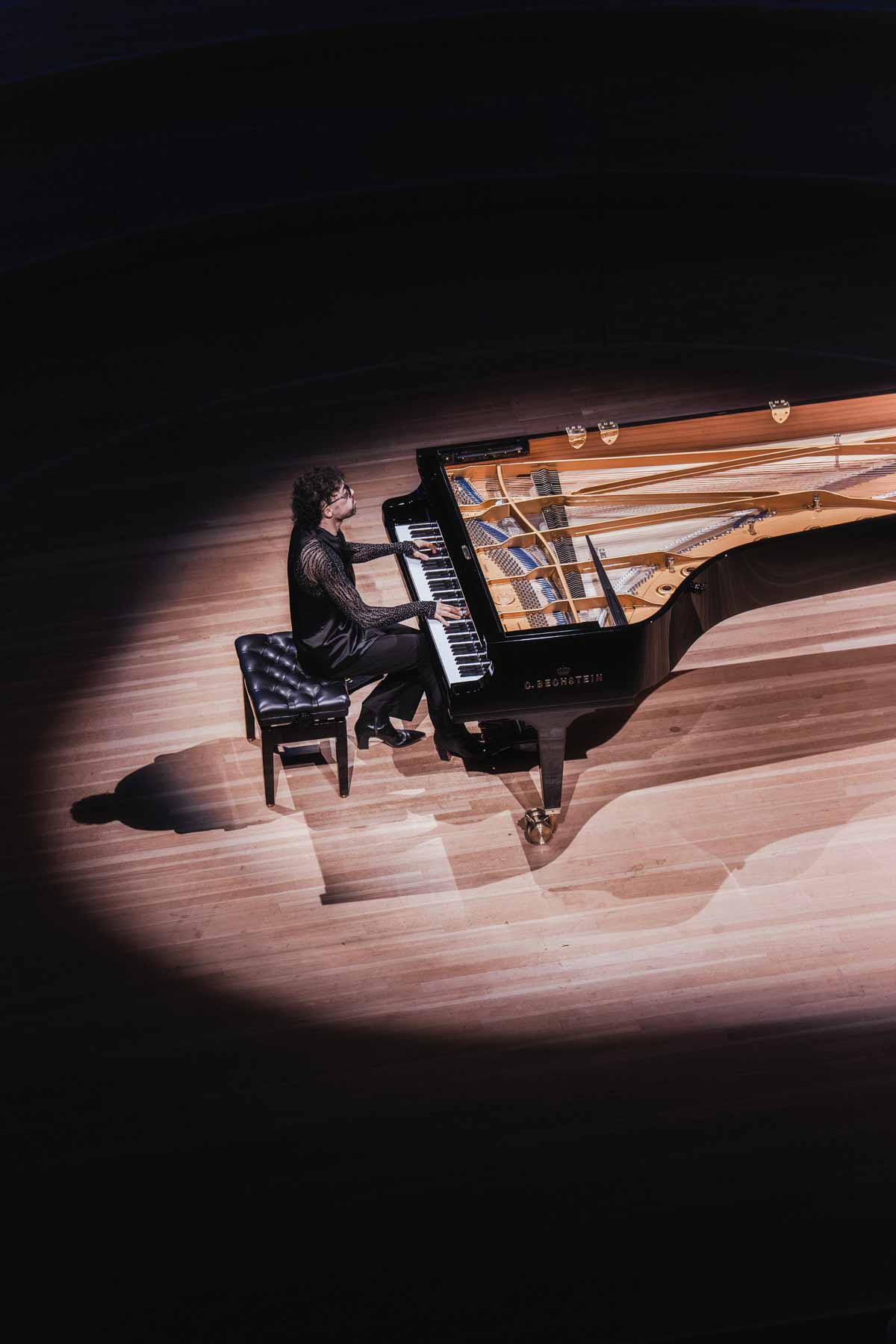
I love playing a character when I am on stage because it feels like being part of a film. The costume helps you become what you want to be. I am not going to play in the same way if I am wearing something different. I like to wear gloves, for example, and they influence the way I press the keys. If I have a long cape behind me, it flies, it carries air, it breathes. Most of the time I wear glasses, and because of them I can enter my inner world more easily, with less interaction with what is happening outside my own bubble.
So yes, outfits are a very big part of each performance. I never wear exactly the same outfit twice.
Can fashion bring you closer to your truest self?
I do not think anyone can be reduced to one fashion style or one outfit. Life is made of cycles. Depending on the cycle I am going through, I will wear different kinds of clothes.
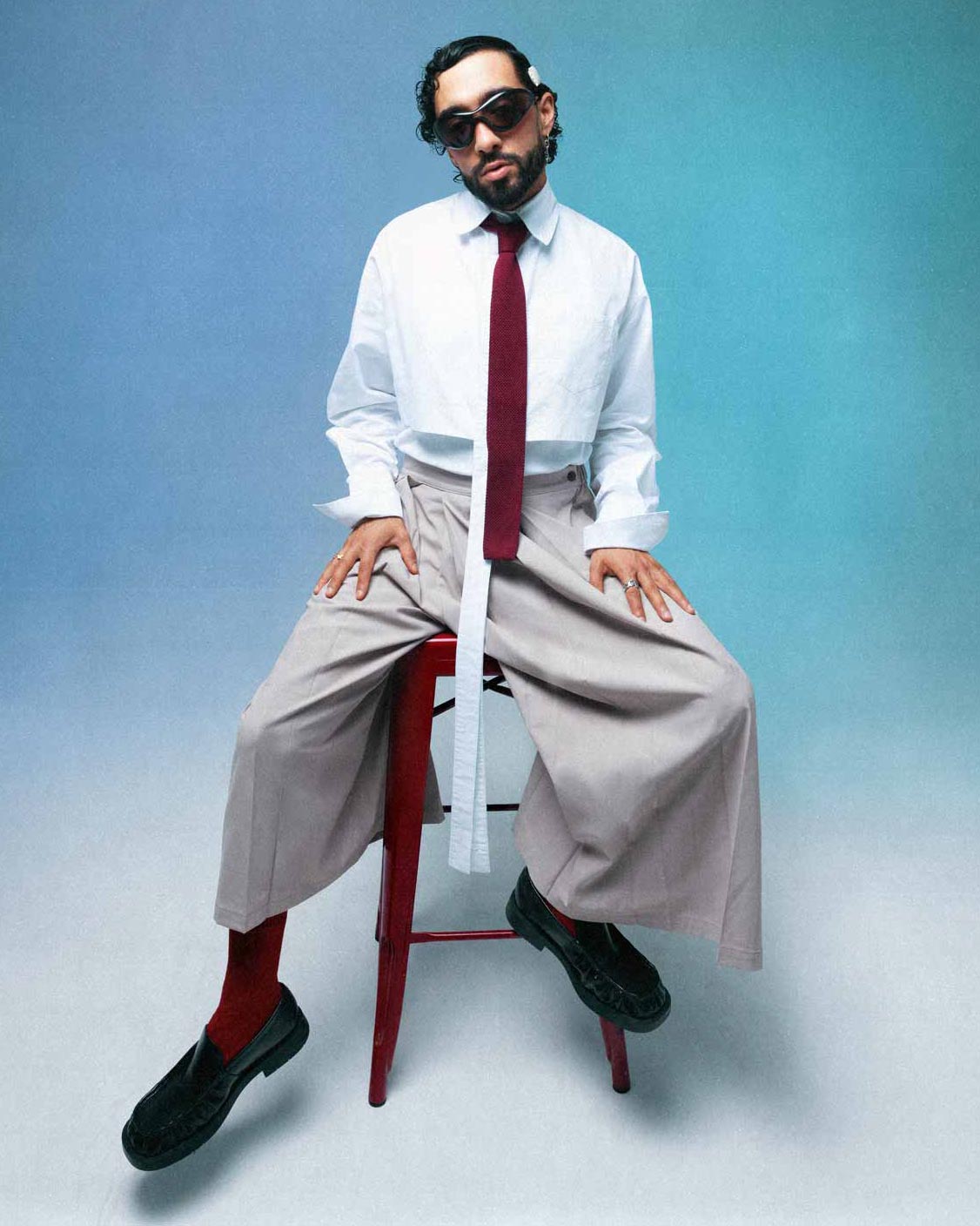
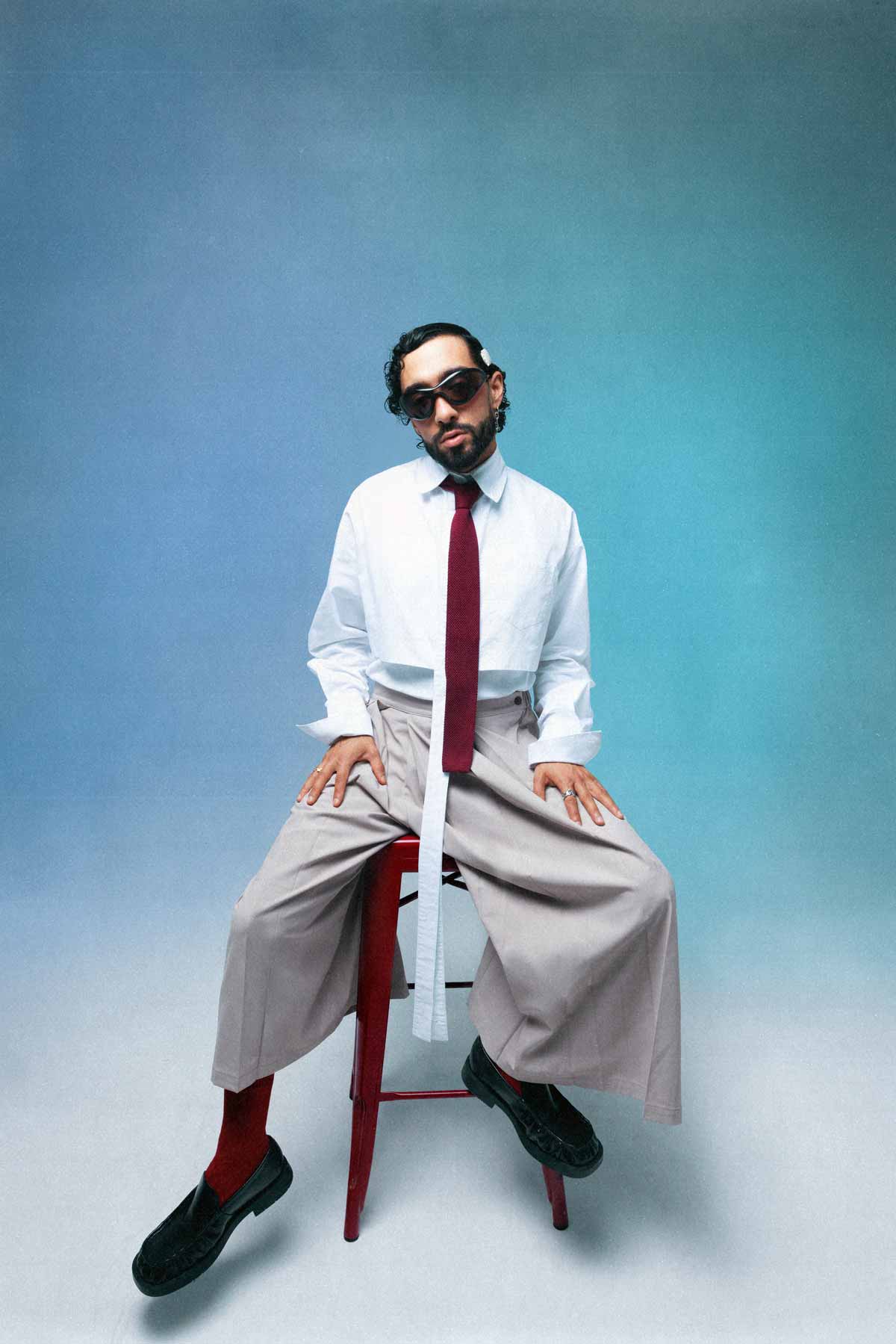
Right now I am in an era where I love very classical clothes. I love suits, I wear a lot of ties, but I like to twist them in a modern way. I am still very young and I love to twist the codes.
So now I would say my fashion language is suits and ties, but always with a twist.
“You have dreams as a child, and you can make them happen as an adult.”
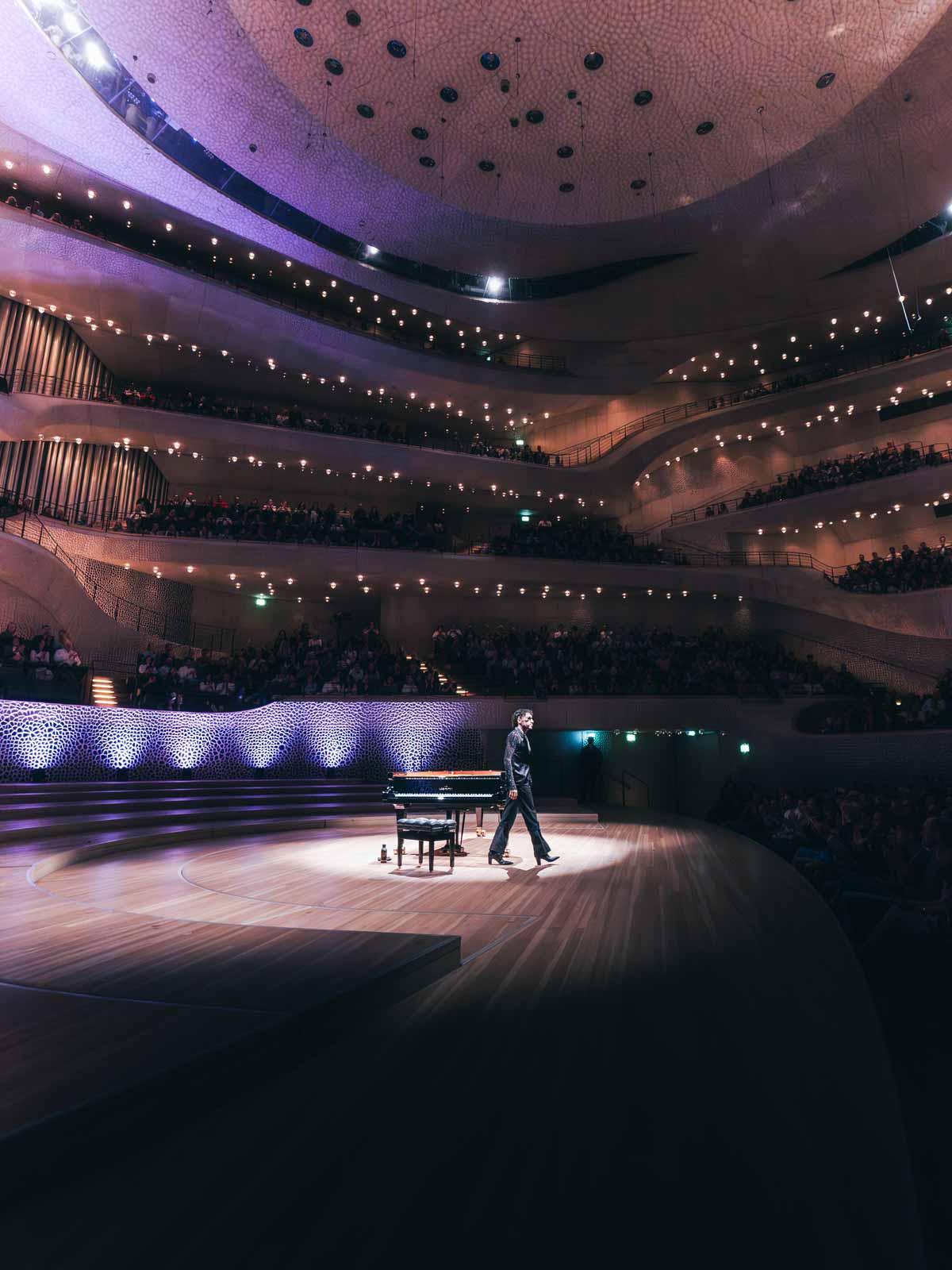

You move between many cultural codes: conservatory training, rap culture, luxury houses, and iconic venues. Do you feel you are translating between worlds?
Yes, because we are all the same. The way we behave may be different. The words we use, the cultures we belong to, the music we listen to, and the clothes we wear may change. But at the end, we are all human beings experiencing life through strong emotions, struggles, love, disappointment, and betrayal.
I think one of my missions is to show that only the mediums are different. At the end of the day, there is something very common between us.
I love that my shows bring together people who do not look the same at all, but who feel the same emotions. There are very young people, older people, people from wealthy families, people from the hood. You cannot put my audience in a box.
And I love that, because it questions what it means to be put in a box. What does it mean to be described as a community? Of course, community can help us find identity, but it is not enough. There is something deeper about what it means to be human.
What gives real value to your work today, as an artist and as a human being?
I have been thinking a lot about the act of testimony. As individuals, we are insignificant because there are so many of us in the world. Our lifetime is nothing compared to the lifetime of the planet. It is important never to forget that we are very important and insignificant at the same time.
What we can still do is testify.
In my own story, my grandfather worked in a coal mine. He came from Morocco to France and sacrificed himself to give his family a better chance. He died because of an accident. My mother carried that fire from him and worked a lot at school, so that she could move from poverty to a modest social environment by becoming a French teacher.
Then came my turn. I became an artist, bringing music into homes, even when those homes were not connected to classical music before.
This act of testimony, telling the story of my grandfather through my mother and through myself, feels important to me as a human being.
What do you feel is your responsibility through your work?
To help people understand their emotions and go through the emotions of life.
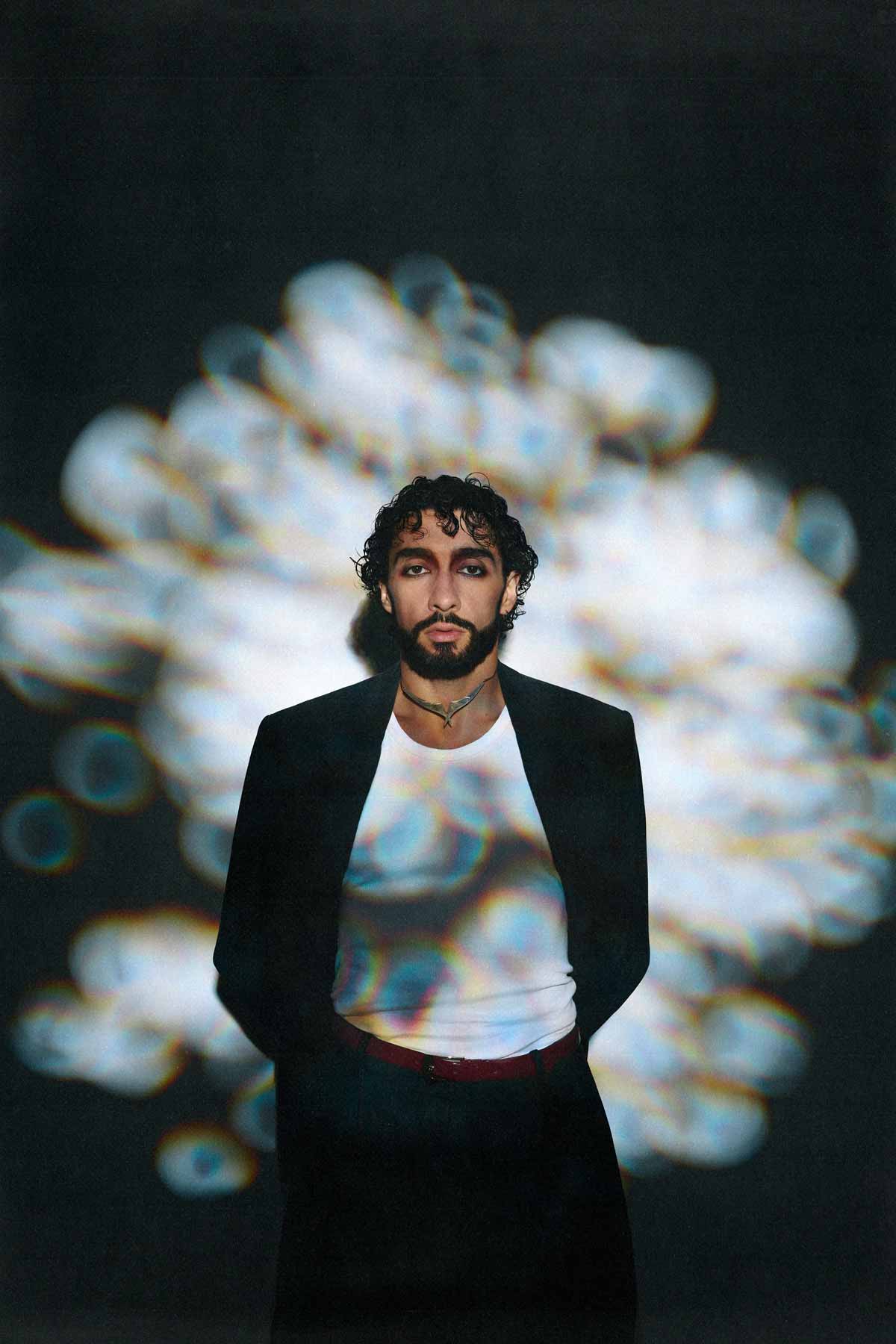

Tell us about your new album, Movie. What opens in this new chapter?
I started my career with a trilogy of three solo piano albums: Planet, Letter, and Noche. At the end of that journey, I had around sixty piano pieces that told what was happening in my life at that time.
Planet was about my journey until I found my own identity as an artist, travelling all over the world. Letter was a love letter to my audience, to thank them for entering my world and making me feel less alone. Noche focused on what it means to compose at night, and on the mystery of the night, the stars, and the moon.
When I finished that trilogy, I felt I needed a change. I needed to enter a new era.
This new era begins with Movie, and it begins with new ingredients. I started composing for orchestra. I worked with the Prague Philharmonic Orchestra, the Prague Philharmonic Choir, and many singers who joined the project.
With this album, I am telling something new. I am telling the story of the little child you can see on the artwork of Movie. It is a picture of myself when I was eight years old. I wanted to explore how that little child became this pianist, this person travelling through life in such a specific way.
This life is an example of what it means to live a movie life. So I built a movie inspired by my life, but it still opens doors for other people. There are no images. It is a movie where listeners can place their own images.
Is Movie also about motivation, and about reminding people that they can change something in their own lives?
Exactly. It is about believing in your inner child. That is why there is a child on the artwork.
You have dreams as a child, and you can make them happen as an adult.
Is there anything else you would like to share about Movie?
I am very excited to reveal Movie. I have been teasing it for months and months. I have been writing letters to my audience twice a week to tell them that something big is coming.
I have never worked on such an ambitious project. It is the first time in my life that I felt I could do anything I wanted. I could open doors that were not allowed to be opened before.
I am very excited about sharing Movie, and I hope the audience will love it as much as I love this album.
Interview:
Jens Wittwer
Images:
© Courtesy by Sofiane Pamart
Elbphilharmonie @lieselfrth


