

Slow Living Online: Mindfulness, Privilege, and the Aestheticization of Rest
Millions of people are searching for a slower life, yet many feel more exhausted than ever. What does it really mean to live slowly in a world that rewards constant productivity? Across social media, “slow living” has become both a wellness philosophy and a highly curated online aesthetic, associated with mindfulness, intentionality, and a return to simpler routines. But beneath the calming imagery and wellness advice lies a more complicated reality: the ability to slow down is not equally accessible to everyone. As digital culture romanticizes rest, nature, and holistic wellbeing, the line between genuine self-care and aspirational performance becomes increasingly blurred.
What Is Slow Living?
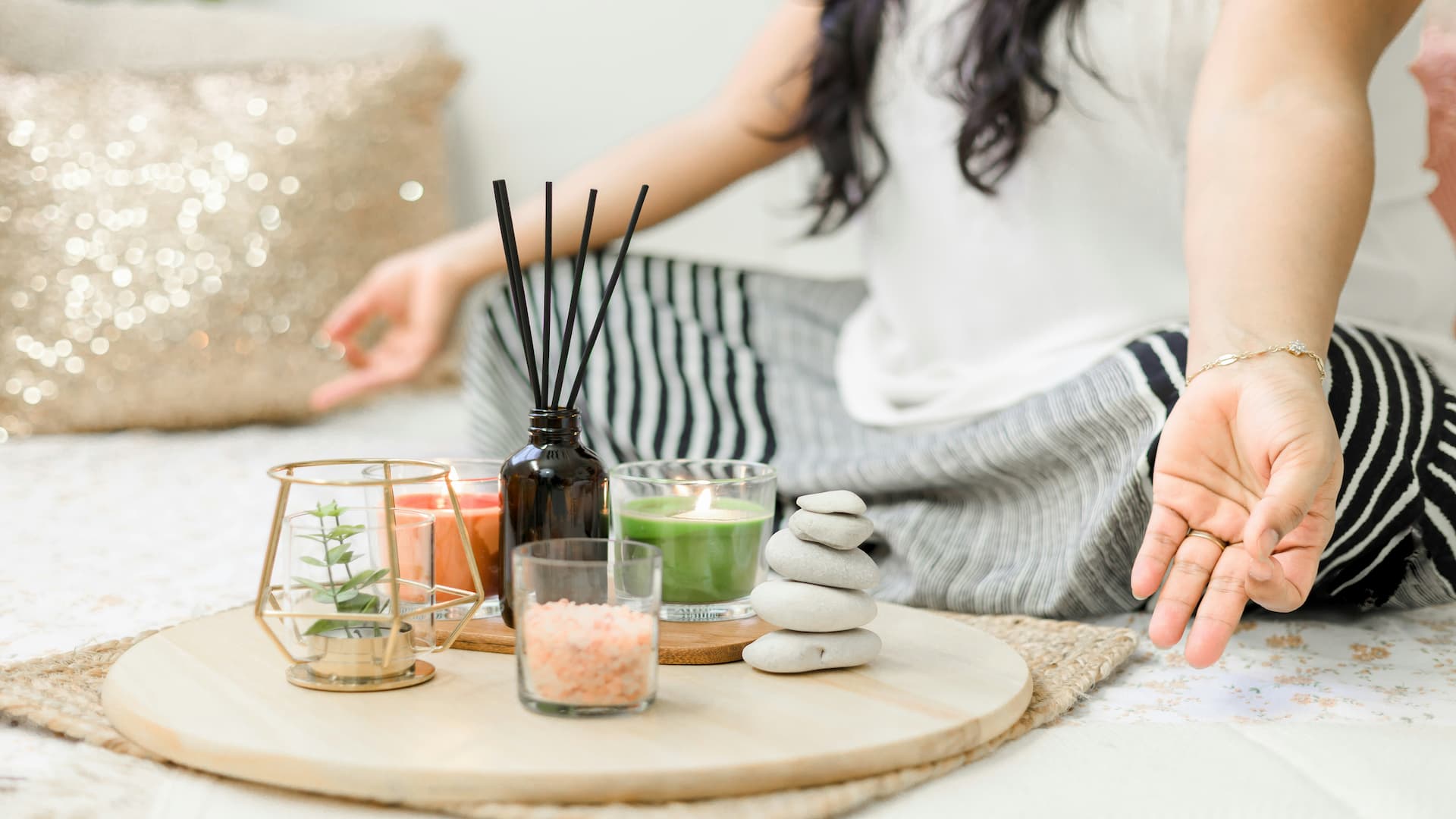
Slow living is presented online as a trend embodying mindfulness, living in accordance with nature’s rhythms, and a return to simplicity in every aspect of our daily routines, from the way we consume our meals to our digital footprint and our work-life balance. “Mindfulness” is often used as a substitute keyword to highlight the same concept; the UK’s National Health Service describes it as a practice that involves paying attention to both our internal worlds and our external surroundings. Approaching life with mindfulness means slowing down to experience it through our five senses, so as to be in tune both with ourselves and the world around us.
“The great benefit of slowing down is reclaiming the time and tranquility to make meaningful connections – with people, with culture, with work, with nature, with our own bodies and minds.”
– Carl Honoré, writer of the best-selling book “In Praise of Slow”.
Slow Living Online
The American poet and philosopher Thoreau already emphasized the importance of proceeding unhurriedly in life. But we do not need to time-travel back to the 19th century to feel inspired. Our social media nowadays is overflowing with tips and information on how and why to practice slow living and take mindful steps towards our daily activities. The hashtag #slowliving currently counts nine million posts on Instagram. Creators encourage approaching life “with purpose”, and in a “heartfelt” and “connected” manner. What these subcategories point to is most often a ramification of Slow Living, that is, Holistic Living.
With over 2 million posts, #holisticliving captures the essence of this trend. Holistic choices oppose the commonly employed habits dictated by our frenetic consumerist lifestyles: modifying our food intake to ensure we get all the essential nutrients and vitamins, reducing our carbon footprint by favoring walking and cycling, and opting for meditation techniques that improve our sleep rather than sleep medications. There are countless ways to be more holistic, but the underlying matter remains the same: a slow, holistic lifestyle is about decelerating and paying attention. Being more observant of our bodily and psychological needs is the message behind this online insurgency. Sounds quite straightforward, but is it really that simple?
“I was rich, if not in money, in sunny hours and summer days, and spent them lavishly; nor do I regret that I did not waste more of them in the workshop or the teacher’s desk.”
– Henry David Thoreau, American naturalist.
A Mindful Life. Too Good to Be True?
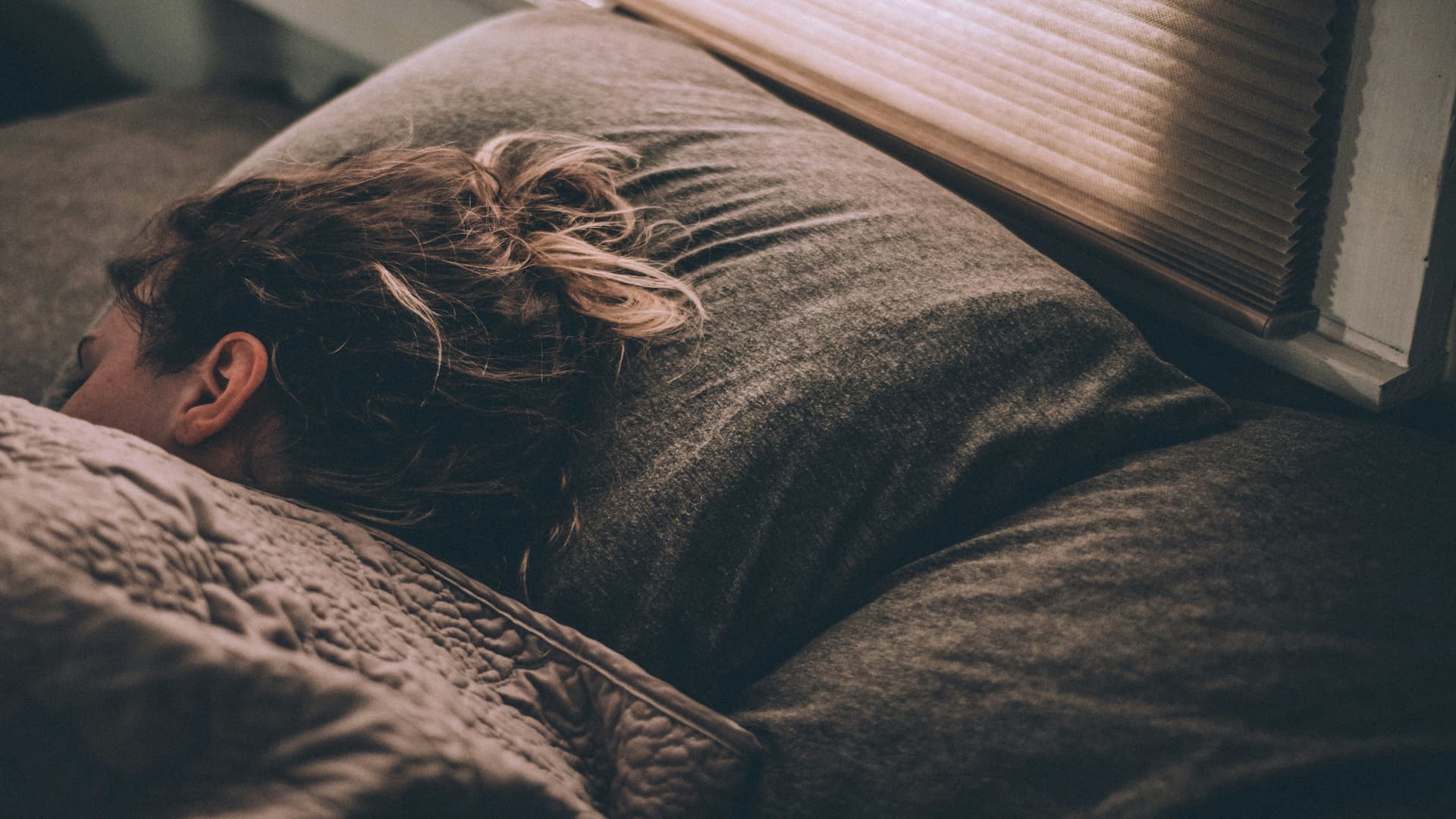
“My Year of Rest and Relaxation” is American author Ottessa Moshfegh’s most celebrated novel, with over 2 million copies sold worldwide. The story centers on a young, well-off woman who, with the help of a psychiatrist of doubtful competence, daily ingests a mix of prescription drugs in an attempt to sleep for an entire year so as to numb her existential dread and experience an emotional rebirth. Although it is true that sleep is often the number-one component of a healthy lifestyle, we might use this story to examine slow living as a gatekept practice.
The idea of sleeping off a year of your life so as to recalibrate your emotional wellbeing turned Moshfegh’s fictional work into a New York Times bestseller. But in the real world, a significantly small minority could ever have access to this type of privilege. If in the natural world hibernation is systemic and free, in our human world, it requires a certain level of monetary availability.
“Sleep felt productive. Something was getting sorted out. I knew in my heart – this was, perhaps, the only thing my heart knew back then – that when I’d slept enough, I’d be okay. I’d be renewed, reborn. I would be a whole new person, every one of my cells regenerated enough times that the old cells were just distant, foggy memories. My past life would be but a dream, and I could start over without regrets, bolstered by the bliss and serenity that I would have accumulated in my year of rest and relaxation.”
– American author Ottessa Moshfegh.
Is Slow Living For Everyone?
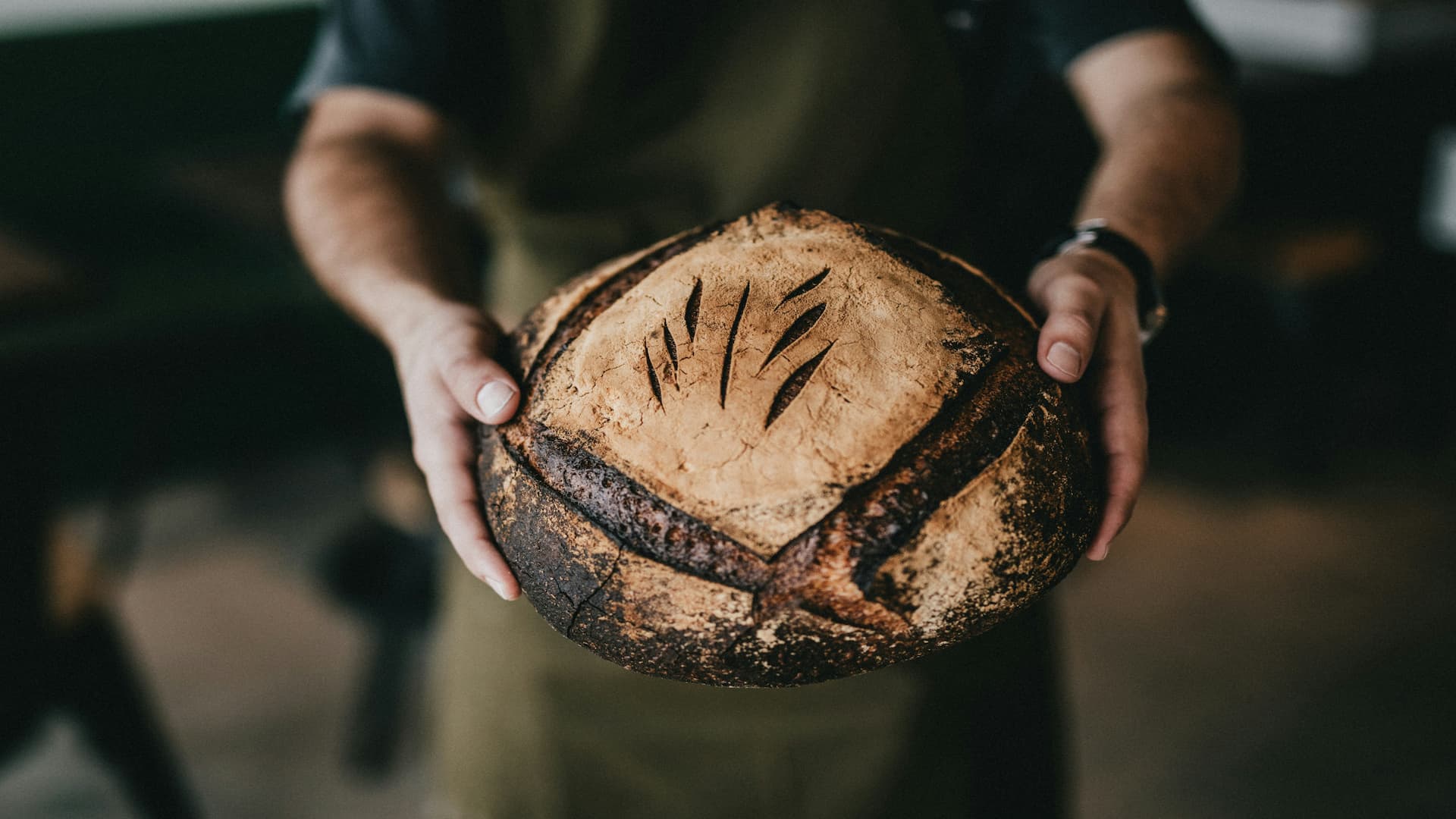
In a world that is chronically online, Slow Living, too, has been slowly commodified into a cyber sensation. It started on the premise of making sure we get at least 8 hours of sleep each night, take in all the necessary nutrients from our meals, and spend some time meditating in nature. But then it quickly escalated into a content prompt, and the pandemic set it all in motion. The post-pandemic period has seen a huge rise in slow living content online that mirrors what our lives looked like during lockdown. Among millions of influencers, there is a particular propensity for the kitchen. The hashtag #sourdough currently has 8.9 million posts on Instagram and has been an online craze for years. It showcases content creators filming themselves as they grow sourdough starters and then bake whole loaves. This is just a small example, but it reflects a larger culture that is not as innocent as it is rooted in privilege. While during lockdown the privilege of slow cooking was extended to all of us, nowadays it is attainable by only a small percentage.
Is Slow Living a Privilege?
The controversy surrounding living mindfully lies in its aestheticization, which might lead normal people – with normal jobs and normal incomes – to stray from it, or even develop bitterness toward it. Perhaps the best way out of this is to tailor this trend to our own specific needs, and ask ourselves: what does slow living look like for me? It could be as simple as reducing screen time before bed and favoring a good, relaxing book. Or maybe journaling while having breakfast instead of doomscrolling. It could also involve monotasking, focusing on one task at a time instead of driving ourselves crazy by juggling different priorities. Even briefly reconnecting with nature by spending our lunch break outdoors, whether it is on a balcony or in a park. When we stop looking over our shoulder and begin searching within ourselves, we may realize that living mindfully does not have to look so far-out or expensive if we do not want it to.
Perhaps the contradiction of Slow Living is that the more visibly it is performed online, the further it drifts from the quiet intentionality it originally stood for. Yet this does not mean the practice itself is meaningless. Mindfulness does not have to exist through expensive routines, countryside escapes, or aesthetically curated habits in order to be valid. In many ways, the most genuine forms of slowing down are also the least visible: choosing presence over overstimulation, silence over constant consumption, and attentiveness over performance. Maybe living slowly is not about constructing a different life altogether, but about learning how to inhabit the life we already have a little more consciously.
Hightlight Image:
©Shashi Chaturvedula via Unsplash


