
Paper Artists to Watch Now: Paper Positions 2026
Discover the must-know artists of paper positions berlin 2026. Voices transforming paper into memory, resistance, beauty, and contemporary thought in the creative heart of Berlin.
Berlin contemporary art returns to the spotlight as paper positions berlin 2026 celebrates its tenth anniversary inside the iconic Tempelhof Airport. Running alongside Gallery Weekend Berlin, this leading Berlin art fair brings together international galleries, emerging artists, modern art, drawing, photography, and experimental works on paper.
For collectors, design lovers, and those searching for the best art exhibitions in Berlin 2026, this edition offers a powerful encounter with artists redefining visual culture through identity, memory, material innovation, and emotional depth. Before the crowds arrive, these are the names to have on your radar.
Changing the Perspective of Paper Art
Carmen Schaich
Some artists draw lines. Carmen Schaich draws fractures. Her language emerges from impact, shattered glass, and the moment something breaks open to reveal unexpected beauty. Between technical precision and restrained violence, her work transforms destruction into visual poetry.
Carmen Schaich (born 1987 in Stuttgart) works at the intersection of precision and destruction. Emerging from a process that appears both controlled and radical, her work lies somewhere between technical perfection and an exploration of blind violence. Glass becomes the medium, impacts become lines, and thus fractures and collateral damage become drawings. For this unique form of expression, the artist has developed her own intaglio technique — glass etching.
She will be featured at paper positions berlin 2026 by Petra Rinck Gallery from Düsseldorf.
Kubra Khademi
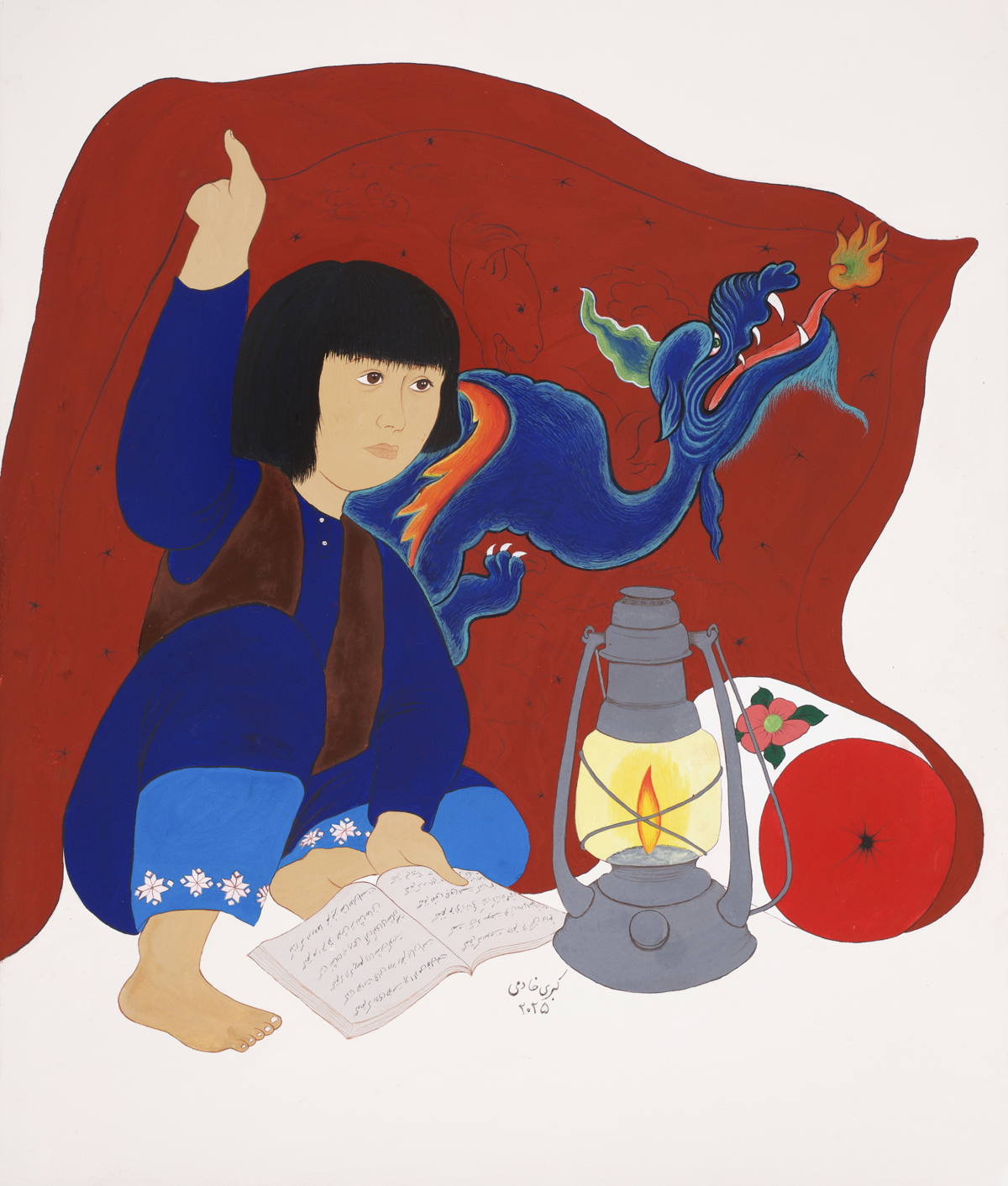
Kubra Khademi (born in Afghanistan in 1989) works in a realm where the body becomes a political weapon and an act of rebellion and resistance. Her art is a response to the systematic invisibility of women and the brutal reality of exile. Using the archaic power of mythological narratives and the provocation of performance, she creates works that radically redefine the boundaries of shame, power and freedom. Adopting a defiantly naïve aesthetic, she transforms the personal into the political, and oppression into a platform for an unstoppable strength that transcends Afghanistan to resonate across the globe.
In the hands of Kubra Khademi, the body ceases to be a border and becomes a manifesto. Her work speaks of exile, silenced women, and reclaimed dignity. With symbolic force and luminous courage, she transforms vulnerability into visible power.
The artist will be featured at paper positions berlin 2026 by Galerie Éric Mouchet from Paris.
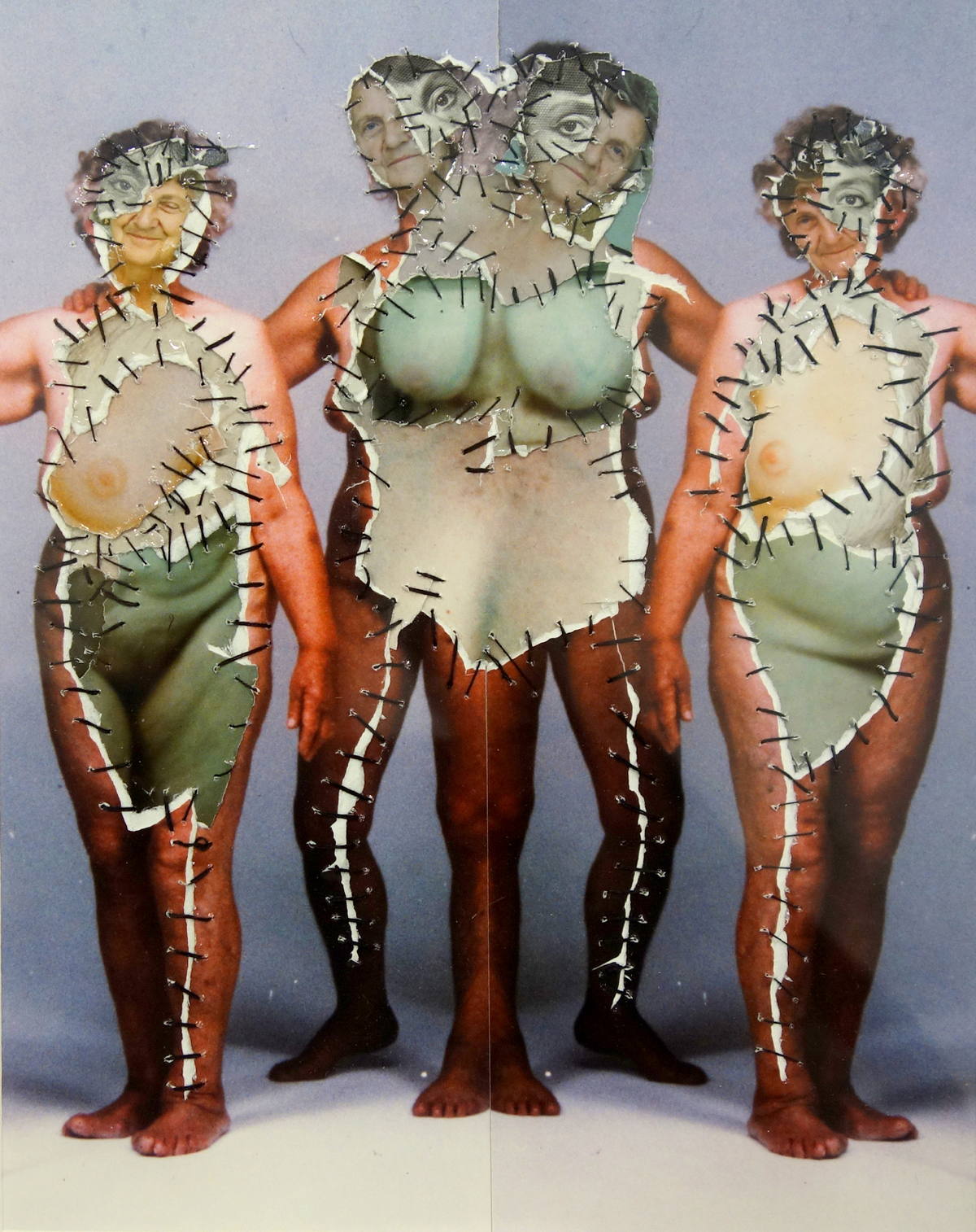
Annegret Soltau’s photography becomes a tool for making pain and suffering visible. Her work resembles a radical dissection of the self, in which her own face and body are depicted, stitched together with black thread, bound and reassembled.
Annegret Soltau
Annegret Soltau stitches memory onto the skin of the image. Faces pierced by black thread, identities reassembled, wounds turned into language. Her work confronts and moves because it reminds us that profound beauty often knows the shape of scars.
In the work of Annegret Soltau (*1946 in Lüneburg), photography becomes a tool for making pain and suffering visible. Her work resembles a radical dissection of the self, in which her own face and body are depicted, stitched together with black thread, bound and reassembled. The aggressive punctures of the needle and obsessive structure of the sewing thread give rise to works that brutally reveal concepts of identity, motherhood and female fragmentation. This is an uncompromising approach that makes traumas visible and transforms injuries into stylistic devices and graphic traces.
The artist will be featured at paper positions berlin 2026 by Galerie Bachlechner from Graz.
A.R. Penck
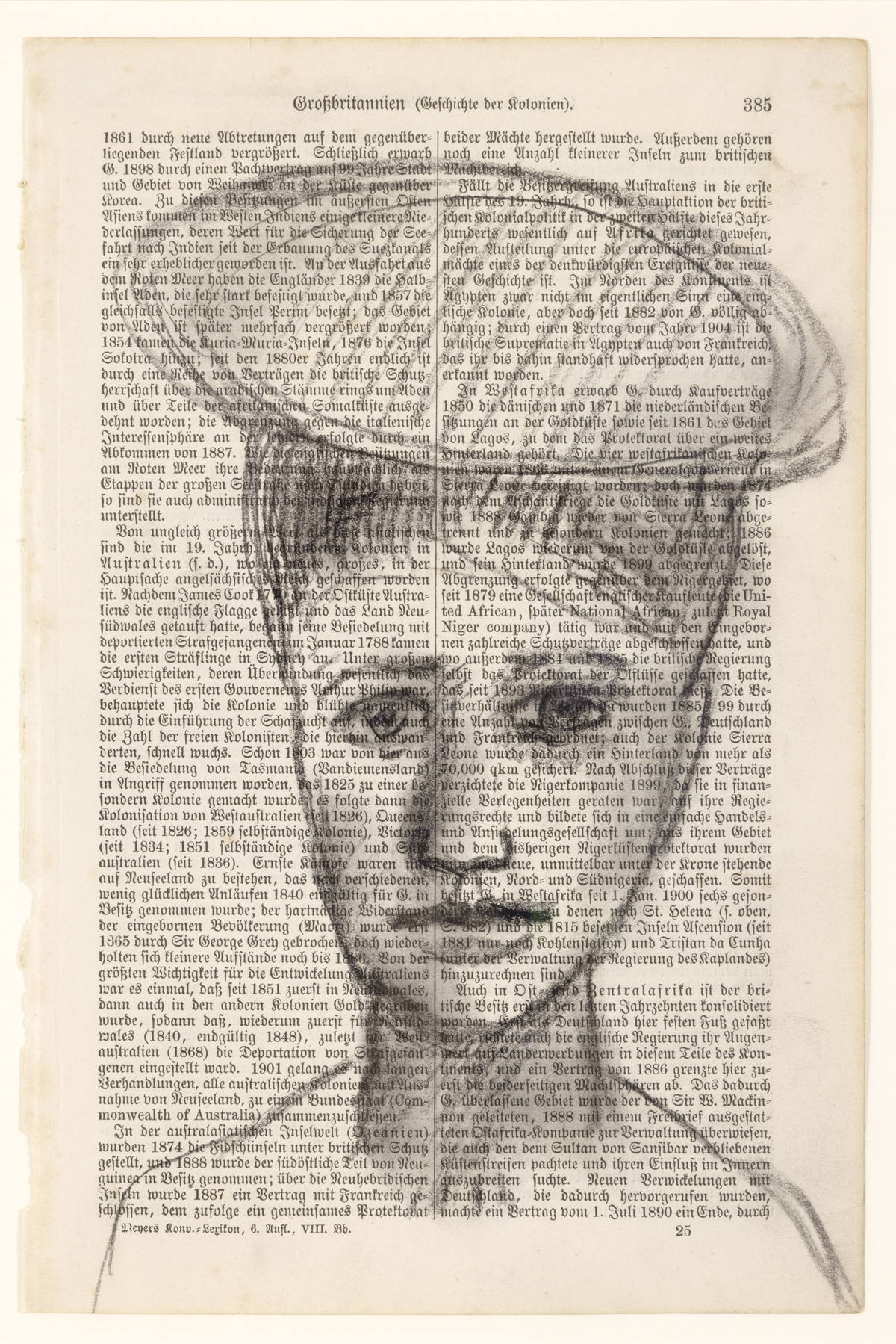
The unique works on display by A.R. Penck (born 1939 in Dresden; died 2017 in Zurich) provide an unfiltered insight into his early career. Long before he became world-famous for his ‘system paintings’, he created portrait sketches of a nervous immediacy, in which every stroke was still placed exactly where it should be, even back then. The Hamburg-based Holthoff Gallery presents this rare discovery of intense significance: charcoal drawings from the late 1950s which Penck created by making quick, searching marks directly over the printed pages of old books. The medium of his artistic self-assertion is the paper, which is found, used, and repurposed for magnificent drawings. In these, the human physiognomy of the subjects prevails over the rigidity of the printed typography. These early works capture the moment when a sketch becomes an existential piece of art.
The artist will be represented at paper positions berlin 2026 by Galerie Holthoff from Hamburg.
Before global recognition, there was pure instinct. The early drawings by A.R. Penck reveal the artist in his essential state. Rapid marks, urgent faces, direct thought across found pages. The instant when a search becomes destiny.
Stefanie Moshammer
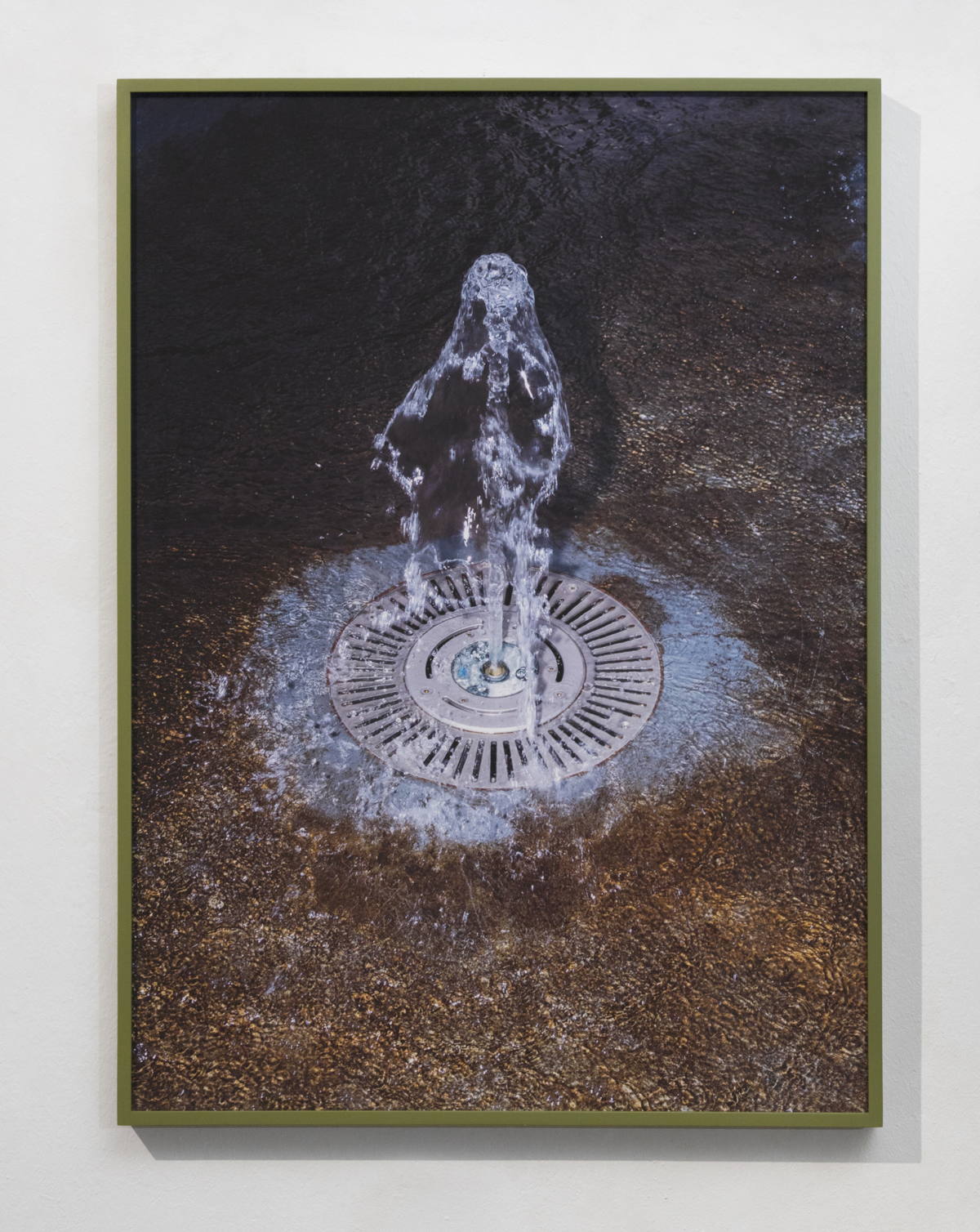
Between the intimate and the social, Stefanie Moshammer creates images that seduce and unsettle. Colour, texture, contemporary tension. Her photographs do not simply document reality. They strip it bare, illuminate it, and question it.
Stefanie Moshammer (born in Vienna in 1988) navigates between deeply personal storytelling and feverishly documenting our present in her work. In her visual worlds, the boundaries between concrete experience and aesthetic staging merge to create a unique and intensely rich reality. Rather than merely capturing fleeting moments, the Austrian artist uses photography as a research tool, employing the deliberate use of light, extreme colour saturation and textures to transform the paper on which she prints into a repository for themes such as identity, longing and global digital transformation. Using her camera, Moshammer dissects the hidden layers of our everyday lives, making the tensions between private intimacy and societal fractures accessible to the viewer.
The artist will be represented at paper positions berlin 2026 by Galerie Roberta Keil from Vienna.
Gottfried Honegger
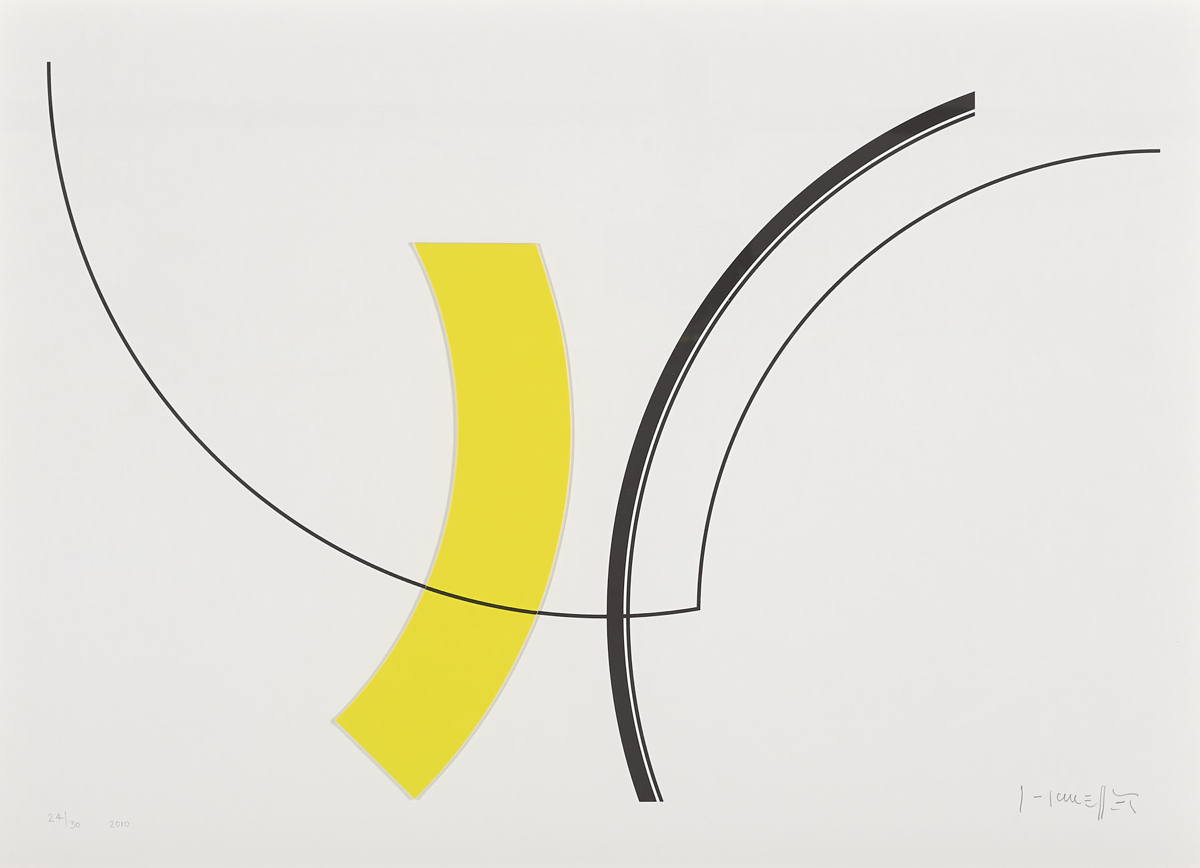
In times of noise, Gottfried Honegger offers clarity. Geometry, rhythm, balance. His work proves that order can also move us and that simplicity, when born from thought, possesses an eternal elegance.
Born 1917 in Zurich and died 2016 in Zurich, Gottfried Honegger worked at the intersection of mathematical logic and artistic freedom. In a body of work that intertwines strict geometry with chance, he created pieces of almost meditative clarity that are absolutely timeless. As a co-founder of the Zurich Concrete Art movement, he did not view grids as a prison, but as a form of liberation. Through precise manipulation of volume, structure and colour, paper becomes a visual discipline that resists arbitrariness. In his quest for absolute form, Honegger radicalised the process of ‘pliage’ (folding) and the computer-based random calculations of his era, making the order of the world tangible for us.
The artist will be represented at paper positions berlin 2026 by the Brita Prinz Arte Gallery from Madrid.
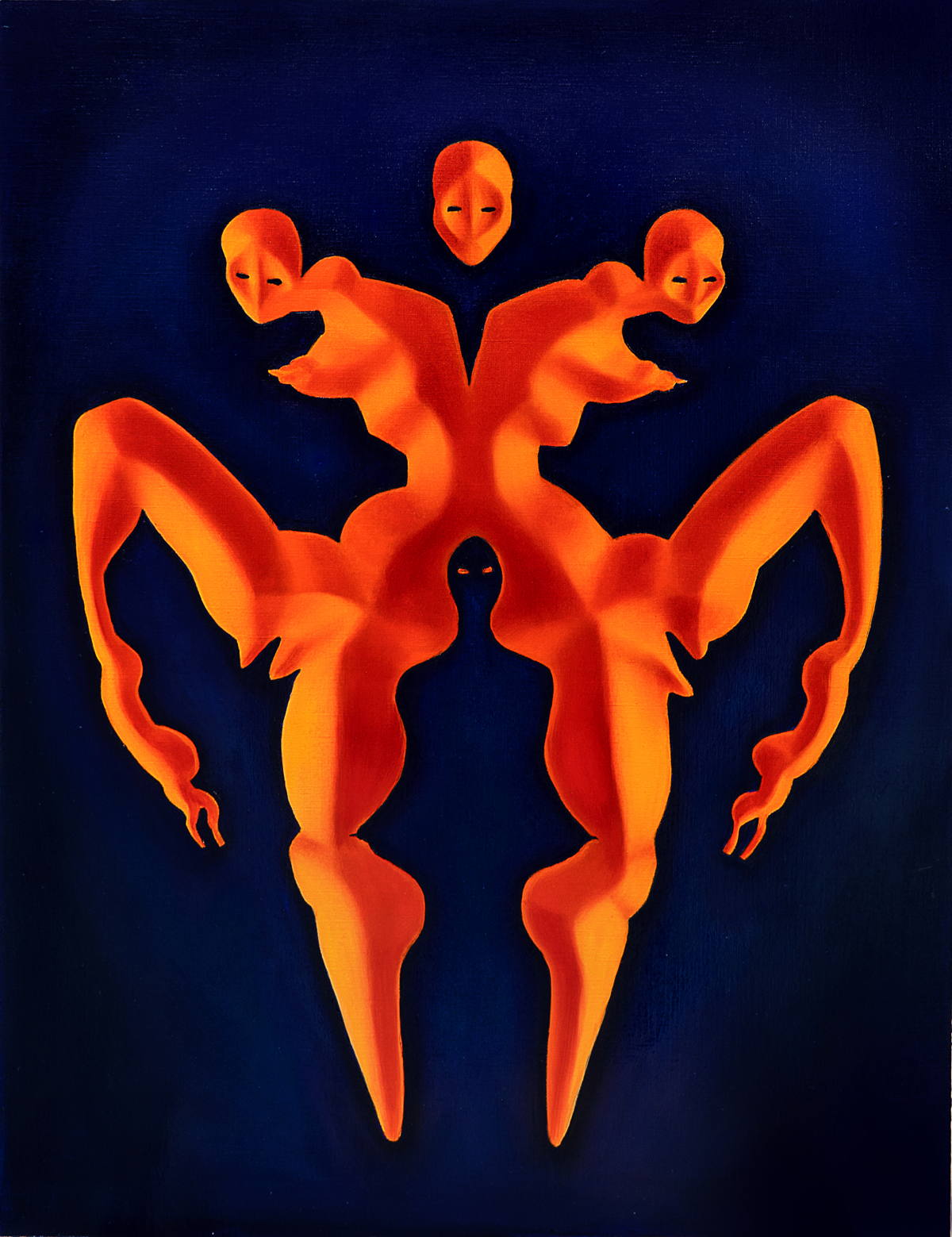
Paper Positions 2026
From 30 April to 3 May 2026, Tempelhof Airport will become a contemporary sanctuary where paper speaks in many languages. Running parallel to Gallery Weekend Berlin, international galleries present works that expand the boundaries of drawing, photography, collage, and material experimentation.
More than an art fair, this edition feels like a quiet statement. In an era ruled by fast screens, paper reminds us once more of the value of gesture, texture, pause, and the human trace.
Some exhibitions are visited. Others, such as like Fashion Positions Berlin, remain with you long after you leave.
Hightlight Image:
©Annegret Soltau


