

Green Product Award 2026: Meet The Finalists Redefining Design’s Future
From biodegradable materials to circular production systems, emerging designers are redefining how everyday objects are made and used. The 2026 finalists of the Green Product Award reflect this shift, presenting projects that blend functionality, environmental awareness, and forward-thinking design into practical solutions for the future: transforming organic waste into fashion accessories, rethinking menstrual care with compostable materials, and reinventing the coffee experience through waste-free innovation.
Organised for the eleventh time, the International Green Product Award is a celebration of eco-conscious innovations. “Viewing the submissions is like unwrapping presents at Christmas, but unfortunately you don’t get to keep all the parcels,” says Nils Bader, Director of the Awards. The finalised nominees are now available for viewing on the award website. Online voting, accessible without registration, encourages us to choose our favourites, with one vote allowed per category.
With 50,000 votes cast in six weeks last year, it is evident that the public’s immense interest remains strong. The esteemed international jury, consisting of experienced experts, evaluates submissions based on approach, elaboration, impact, design, sustainability, and innovation. Luxiders Magazine proudly participates as part of the 2024 jury. The results will provide insight into global preferences, contributing to the promotion of a greener and more sustainable future.
The Green Product Award thus highlights forward-thinking innovations that address environmental, social, and functional challenges through visionary design concepts not yet available on the market. A diverse array of designers participates every year, including students, startup professionals, and even university groups. Previous editions have already spotlighted how sustainable innovation is reshaping industries within a wide array of categories. The works of the 2026 finalists are indeed included within thirteen classes: architecture, building design, consumer goods, fashion, initiatives, interior & lifestyle, kids, kitchen, mobility, new materials, packaging, personal care, and workspace. Here are some of this year’s finalists and their sustainable innovations.
ARCHITECTURE
Salt Water Clay
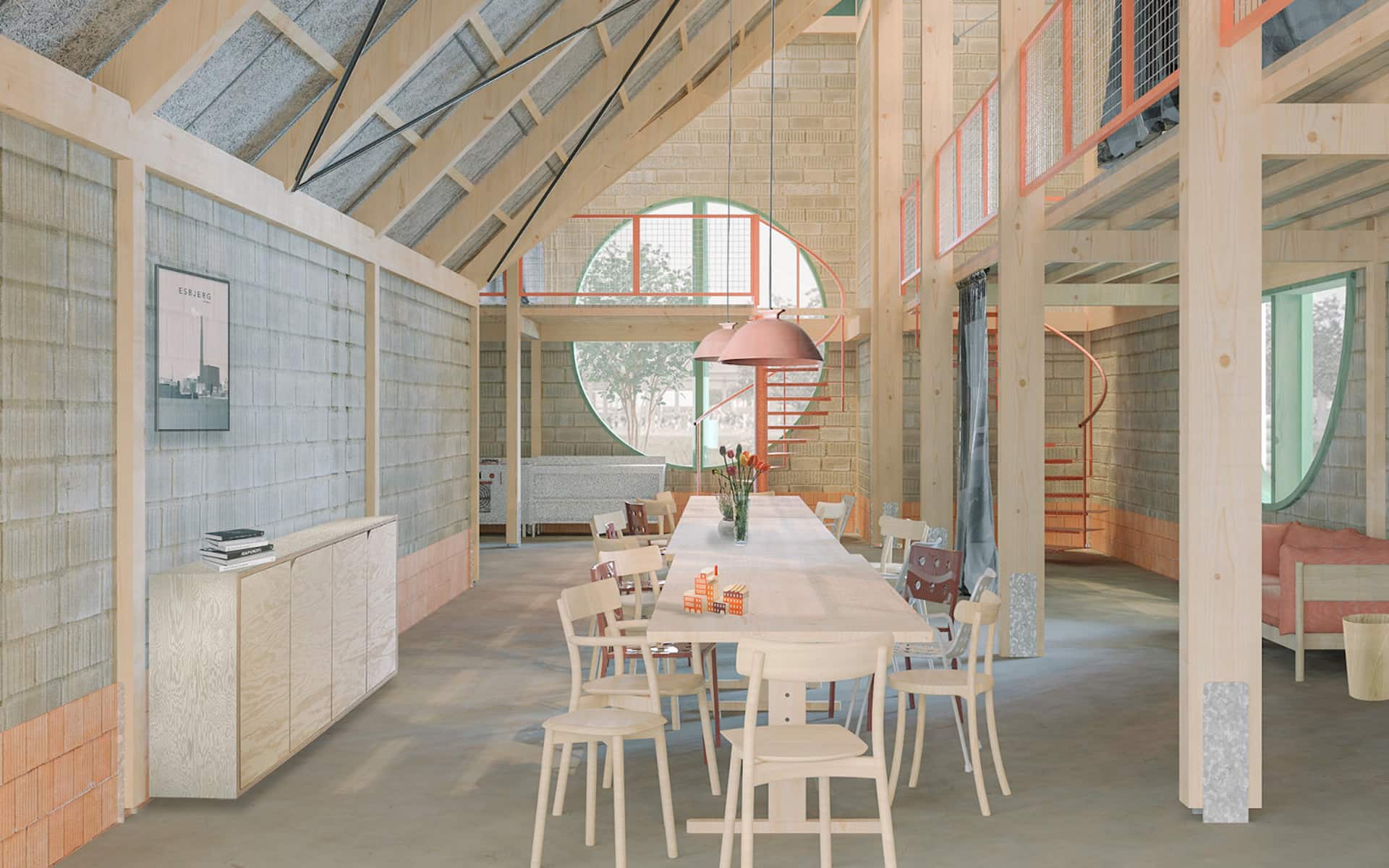
What if we could use locally sourced clay to build our buildings? Designers Tobias Trübenbacher & Tillmann Gebauer turned this into a reality. Their research highlighted how excavated material from a rainwater retention basin can be processed in a circular-field factory to produce clay bricks. The result is the construction of a neighborhood community center with sustainability at its core.
D.F.S. Dragonfly Sanctuary
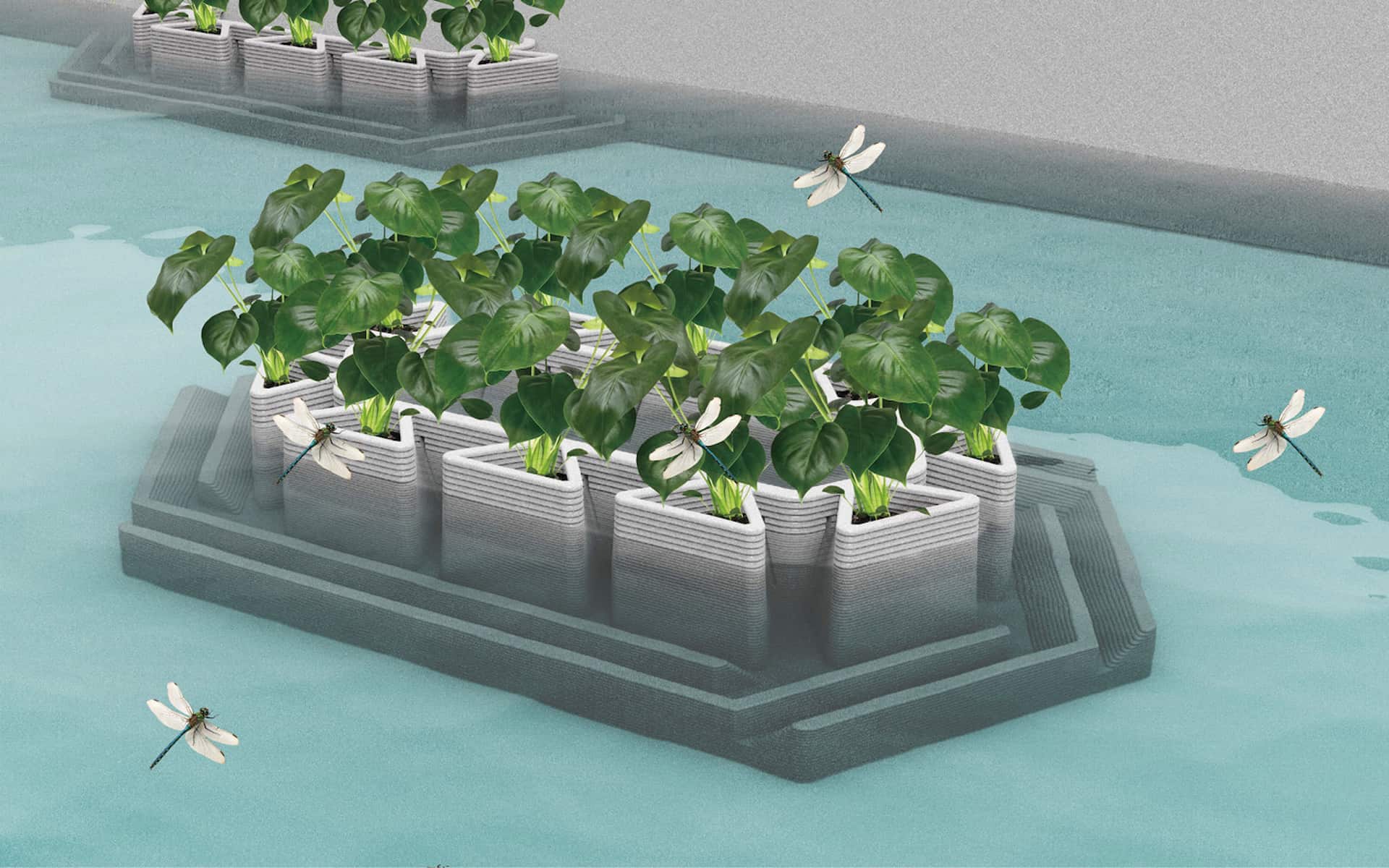
Designers Chen Yen-Chun and Liu Chia-Yi, in consultation with Prof. Li Kai-Chu of National Taipei University of Education, developed a sanctuary to host dragonflies that had lost their habitats, boosting survival rates to up to 50%. Dragonflies are extremely useful for our environment as they act as natural pest control. In this way, this project offers a sustainable alternative to chemical use, reducing carbon emissions while benefiting local fauna.
Green Facades
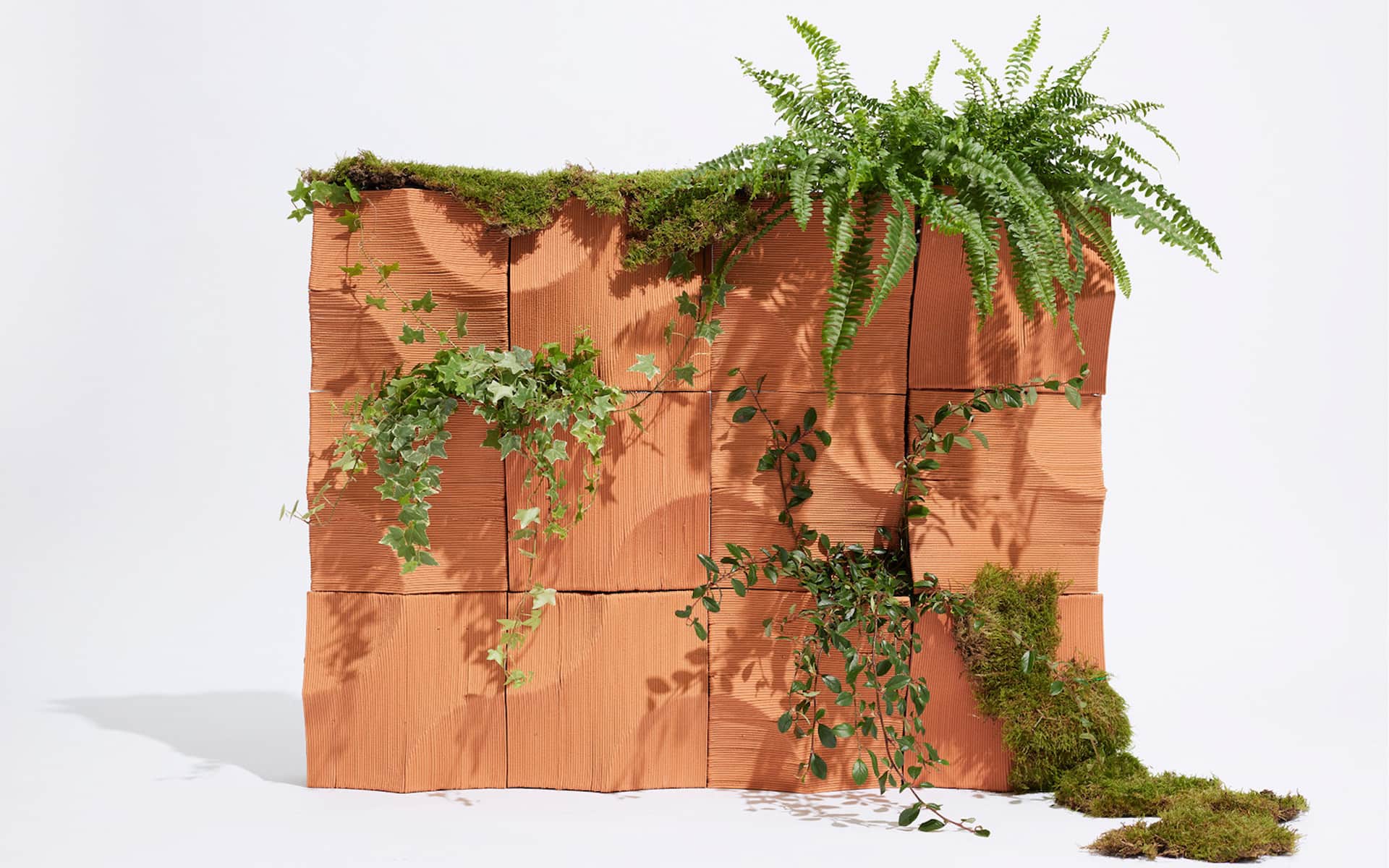
Green Facades is a flexible, easy-to-care-for system designed to add greenery to our city buildings. Designed by Jan Cichon from Folkwang Universität der Künste, it is made of 3D printing ceramics containing a third recycled brick dust, supporting eco-friendly urban growth. Its porous design promotes microclimate and the flourishing of biodiversity. The system is modular and fully recyclable, resulting not only in a pleasing aesthetic but also in reduced use of raw materials in construction.
BUILDING DESIGN
Locally Densified Timber
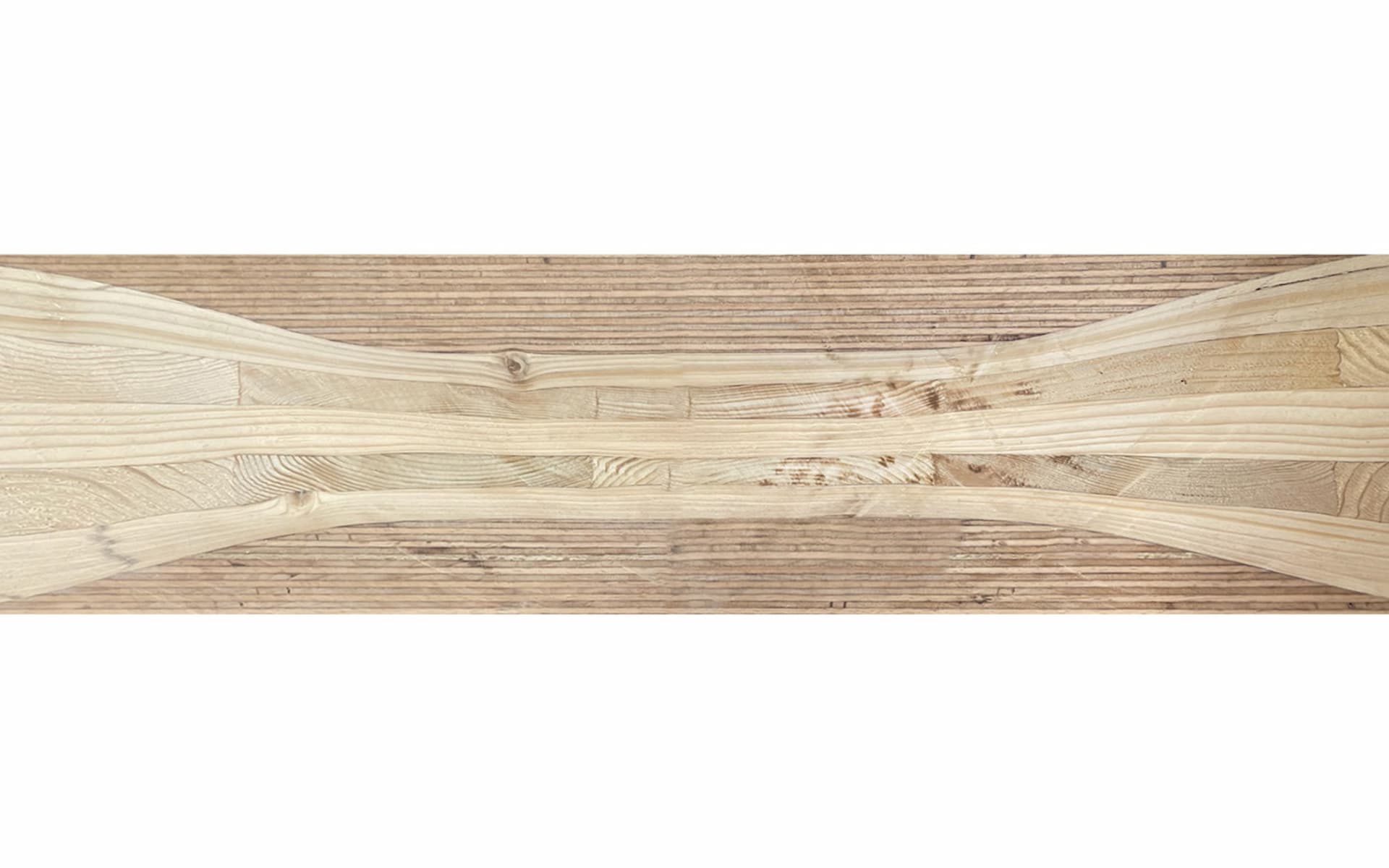
Locally Densified Timber is a project developed by Chris Donghwi Kang & Otto Lindstam from the University of Stuttgart. It is a new way to make CLT panels by densifying wood and adding hardwood plugs. This method uses only wood to reinforce the joints without the need for steel connectors. It results in a more efficient and eco-friendly option for building with timber and other naturally sourced materials.
Thor(No) Tech
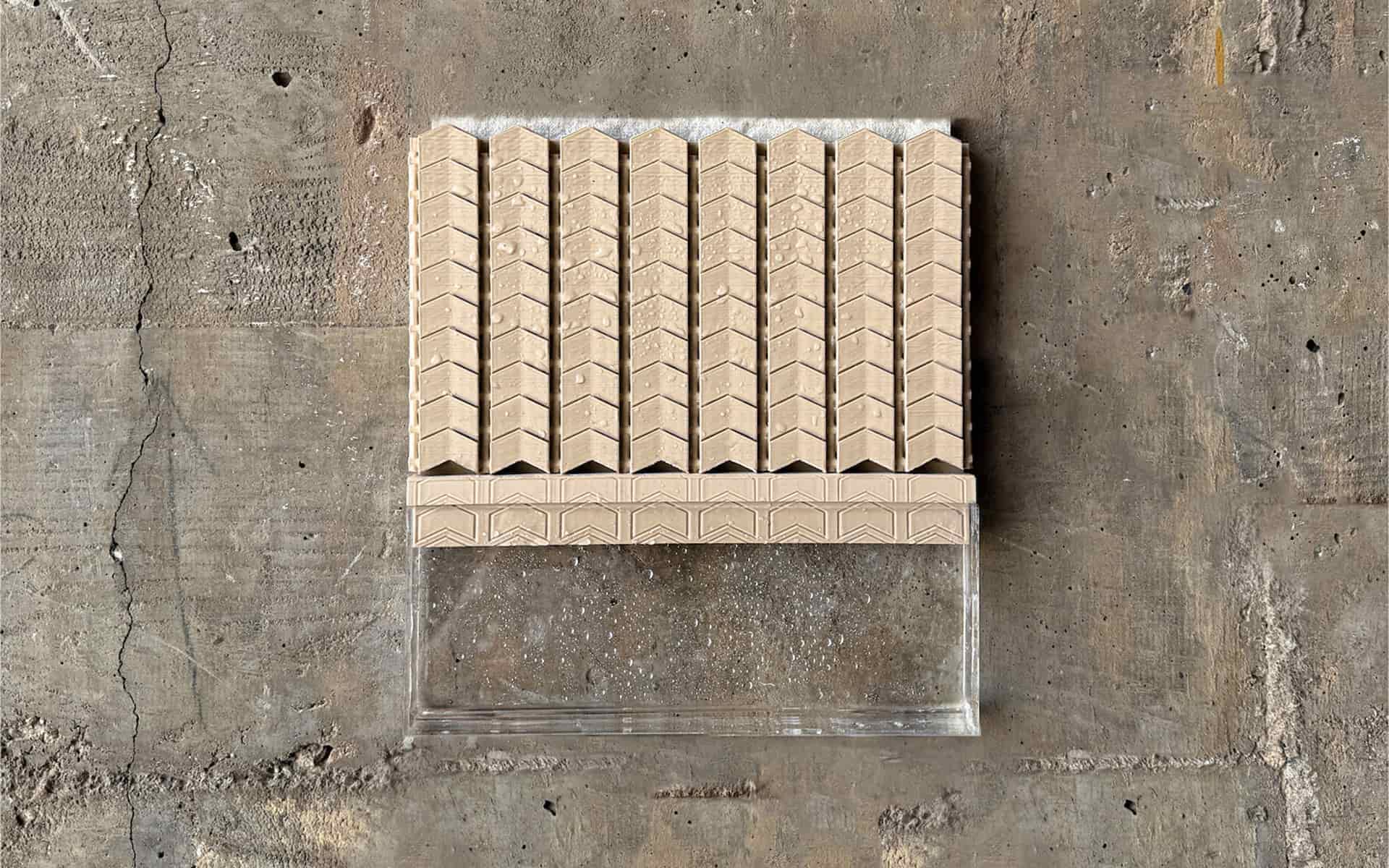
Designer Giulia De Franco from Elisava University in Spain developed a biomimetic system inspired by the thorny devil lizards’ habit of collecting and storing humidity from the air. It uses 3D-printed biodegradable PHA and hygroscopic bio-composites such as sodium alginate and natural fibers, and it reduces energy consumption by operating without electricity or chemicals.
Automist
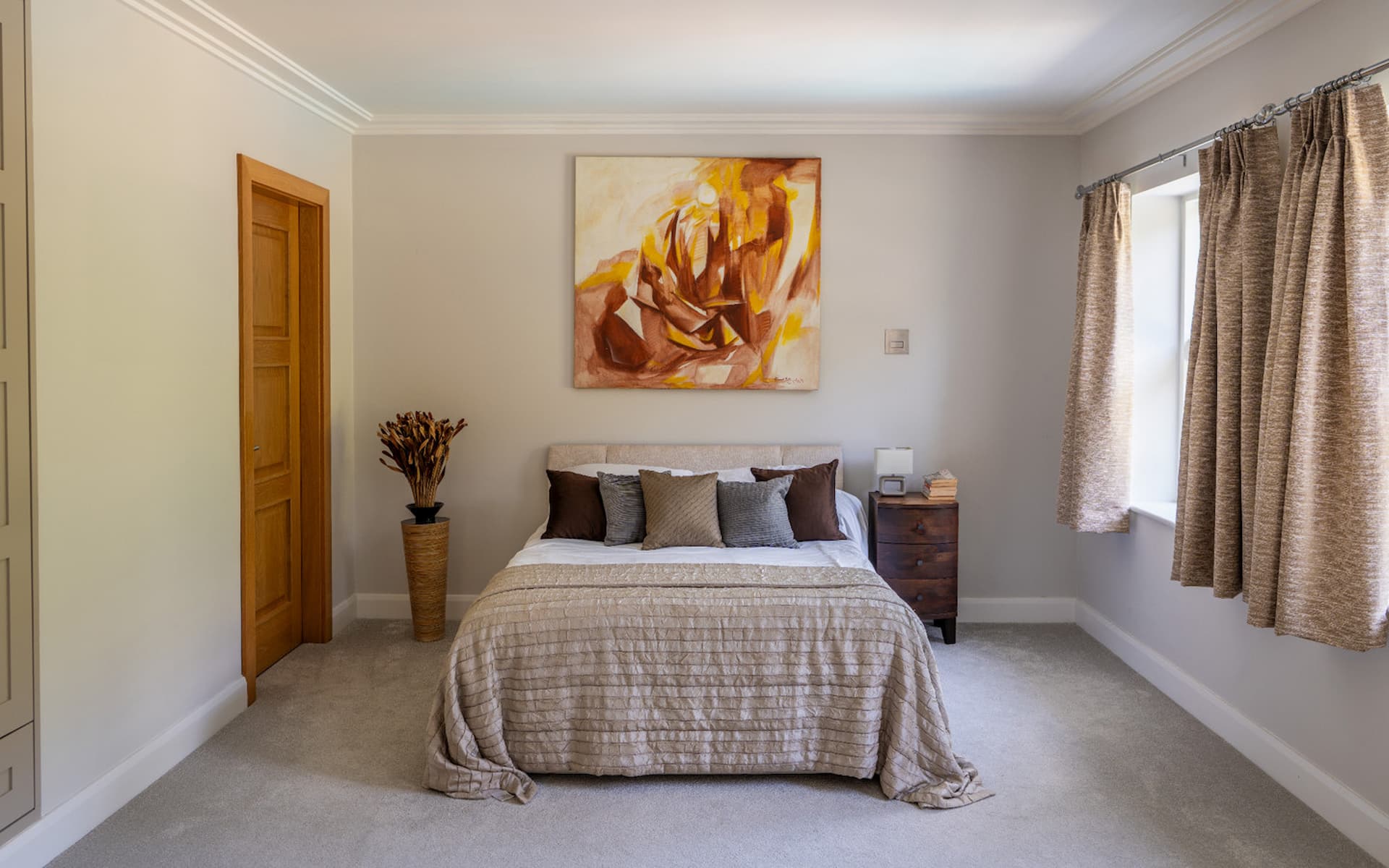
The design team at Plumis Inc. has developed Automist, a water-mist fire suppression system that keeps our homes safe from fires. Its sustainability lies in reduced water use; Automist, in fact, uses 85-90% less water than standard sprinklers, avoiding water waste and promoting home safety in an eco-friendly way.

CONSUMER GOODS
Shoot
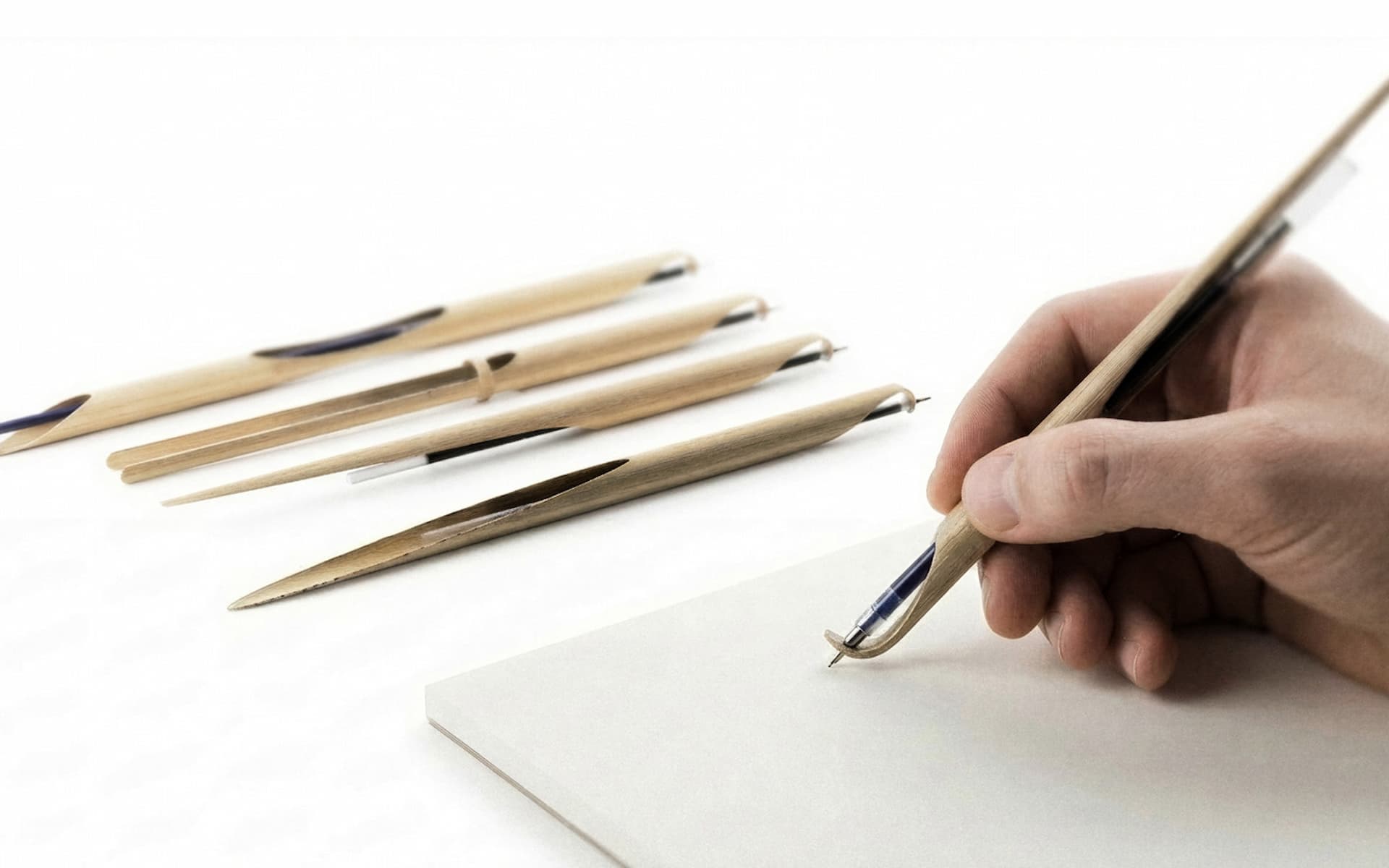
Shoot is a handmade, reusable pen made from fast-growing bamboo. Developed by SARTHAK PRAJAPATI from the National Institute of Design, Assam, it uses bamboo for strength and grip, and it is created with simple and low-energy methods. It offers alternative options to common disposable pens by being refillable and repairable.
Enso
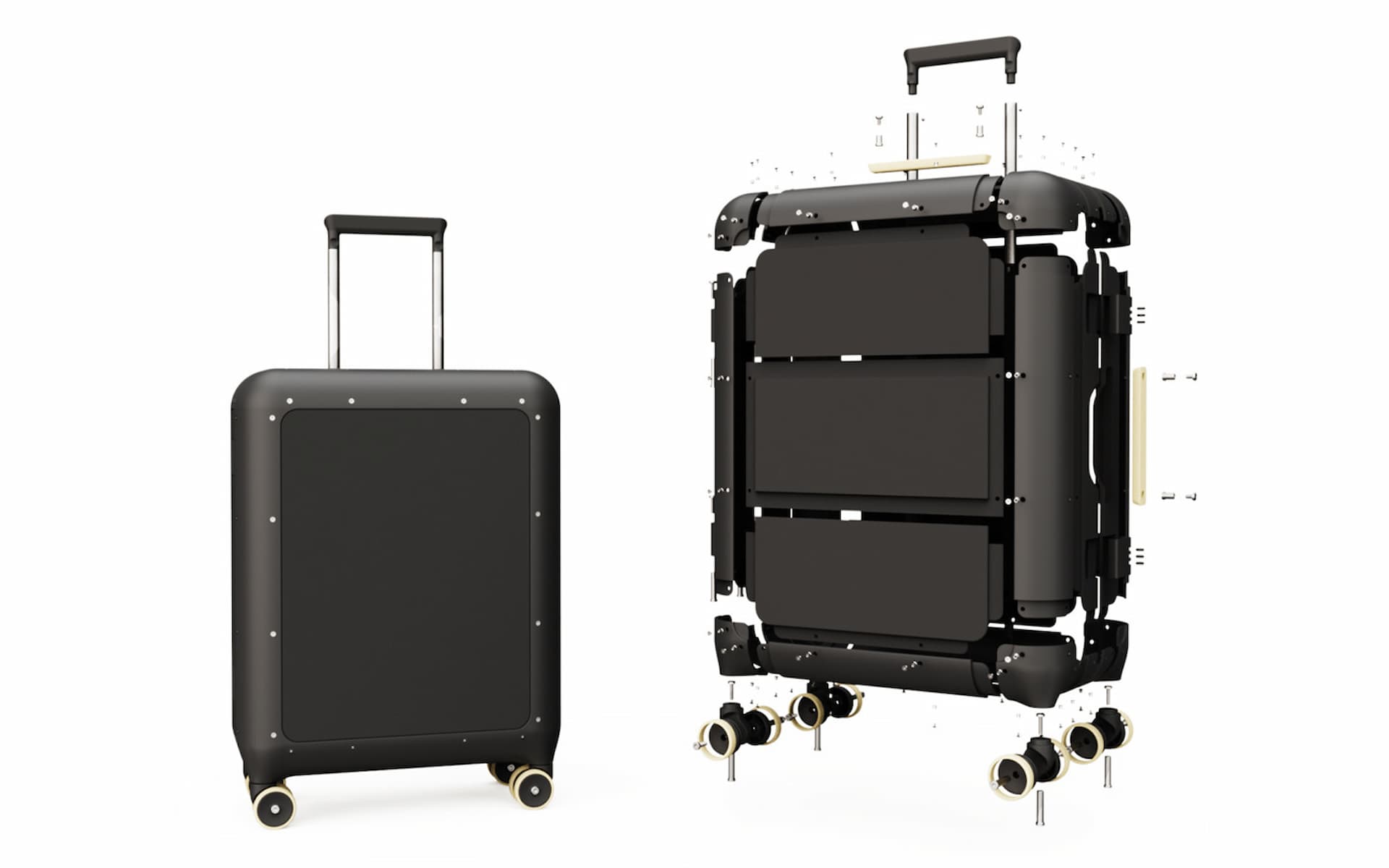
Enso is a suitcase made by Leo Angelo Schick from Hochschule Pforzheim University. It promotes an unprecedented, innovative way of crafting suitcases by making them modular and repairable, thereby promoting circular recycling and sustainable travel.
From Waste to Taste
What if our discarded fruit scraps could turn into home decor? Syuan-Ai Huang and Pei-Syuan Chu from Tunghai University developed a project that turns discarded or aesthetically imperfect fruit into a 3D-printable biobased paste that transforms into beautiful, sustainable plating and decorations.

FASHION
Buganbag
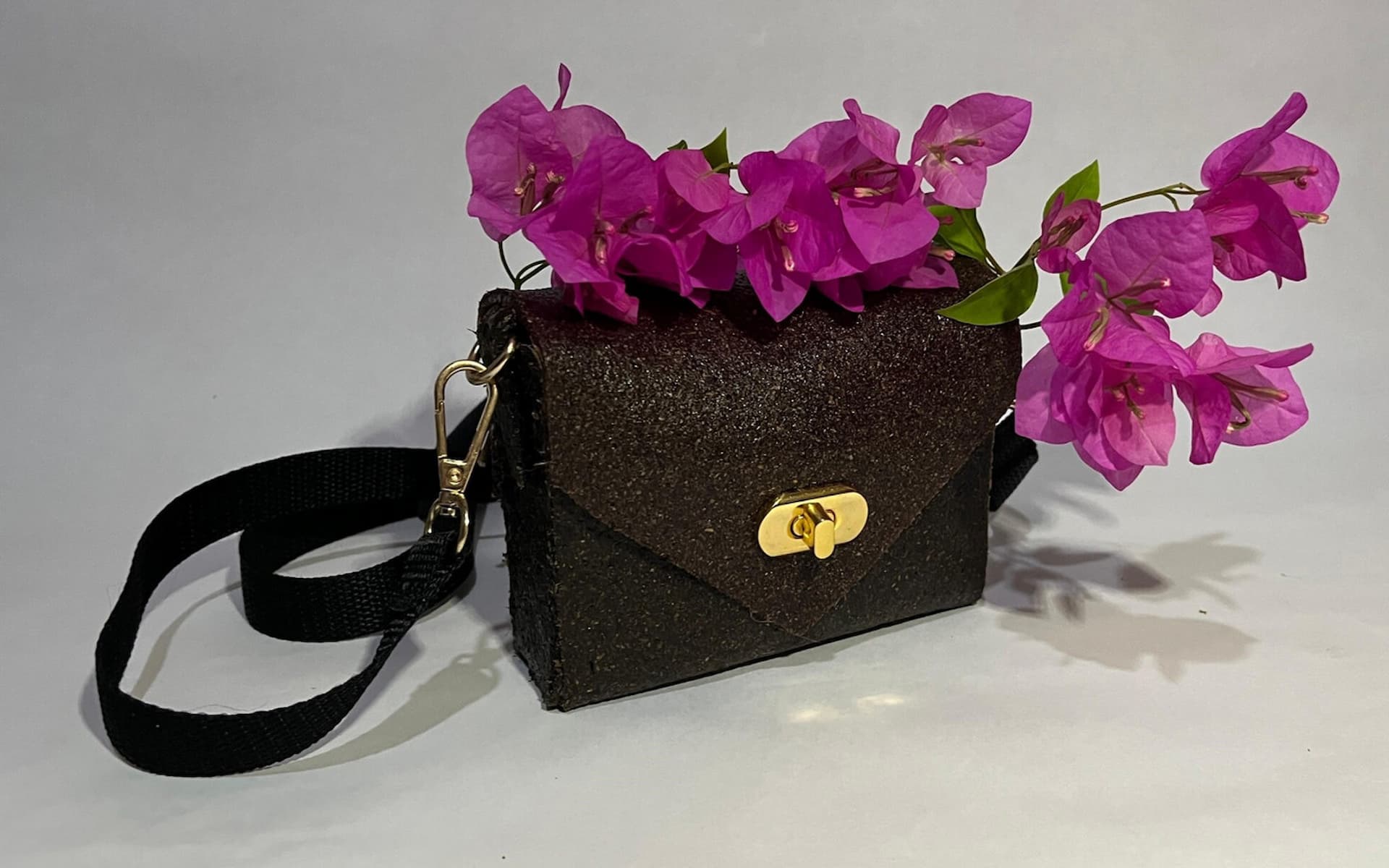
The Buganbag is an innovative wallet designed by Daniel Enrique Terán Quintero and Cristian Enrique Julio Rojas. Crafted from floral bio-leather, it ingeniously repurposes organic waste into a product that is not only durable and flexible but also visually refined. Unlike traditional leather goods, the Buganbag demonstrates a strong commitment to environmental responsibility by using natural, biodegradable materials.
Organica
Organica is a fashion collection made entirely of linen. The designer, Maria Grzegorzewicz from Akademia Sztuk Pięknych im. Eugeniusza Gepperta developed an innovative, fully sustainable method for crafting garments. Every single part of each garment is made of linen, thereby supporting complete biodegradability and recycling. These clothes are modular, favoring adaptability to the body and reducing overconsumption.
Biological Footprint
It may sound fairytale-ish, but it is all real. Designed by Evelina Lavergren from Konstfack University of Arts, Crafts and Design in Sweden, this project – targeted to postal workers – allows for the wearer to spread seeds while walking. It is a biodegradable show made from excessive Gotlandic seaweed and hemp, and it promotes soil fertilization while being entirely compostable, hence waste-free, after use.
INITIATIVES
Oden
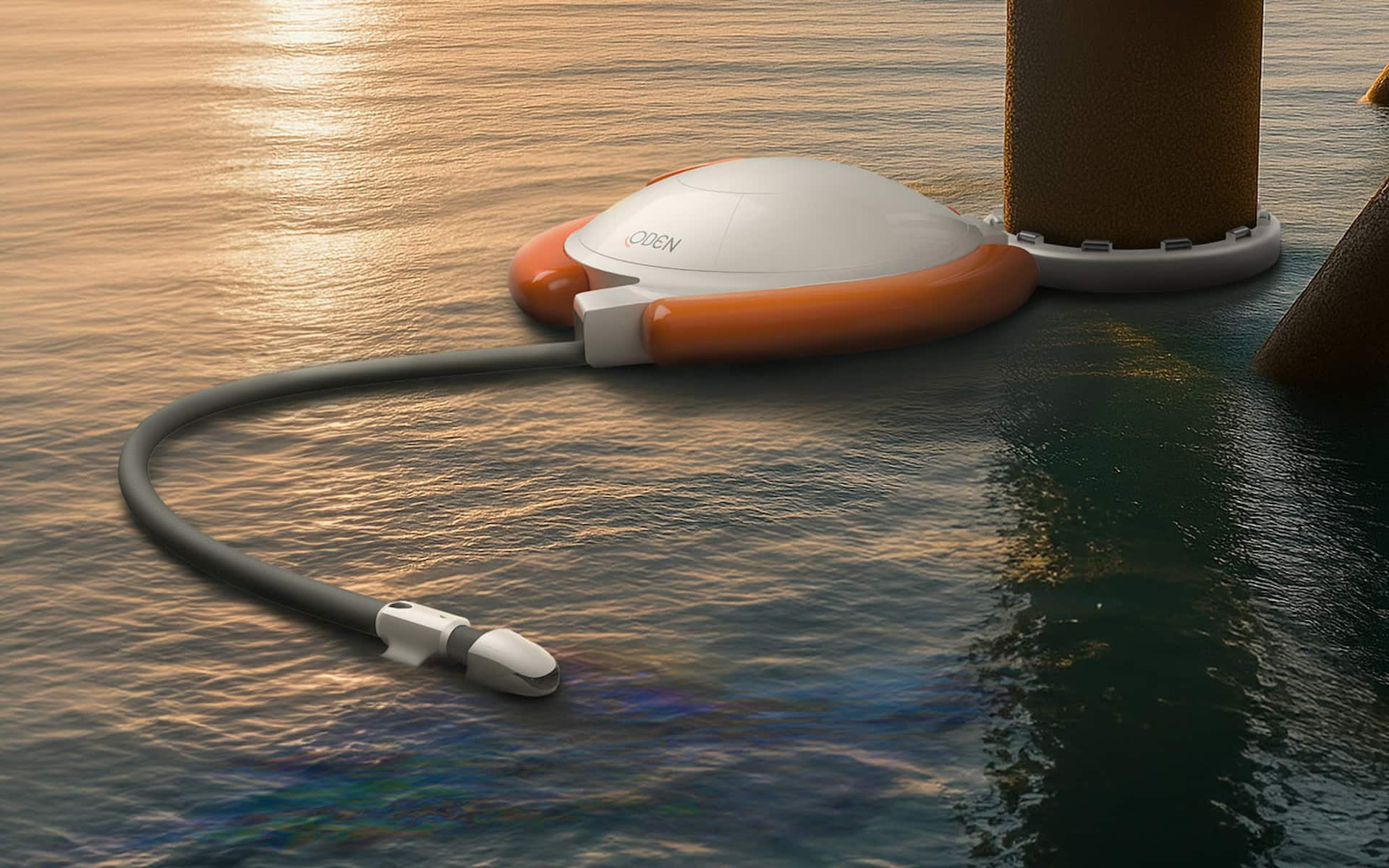
Designed by Alexey Nevenchannyy, Milan Hudhomme-Rousselot, and Tanisha Banerjee from Ecole de Design Nantes Atlantique, Oden is a self-operating offshore station that cleans up small oil spills and thin oil sheens directly at sea. To do so, it uses natural bacteria that break down oil without producing additional waste, providing a greener option for cleaning our seas.
Bark Code
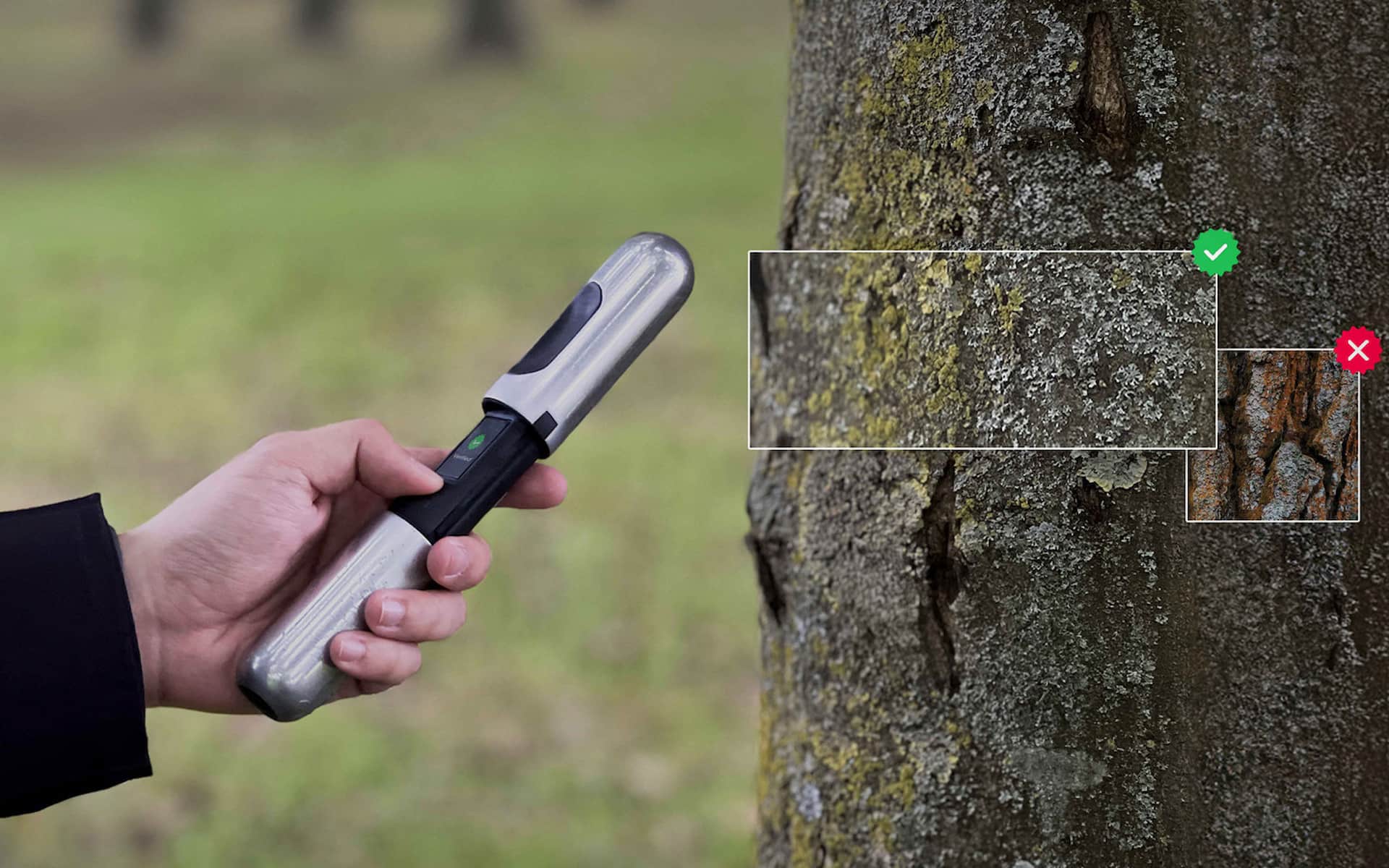
Hanju Seo from Imperial College, London, developed Bark Code, a scanner that uses trees’ unique bark texture as its biometric footprint. It thus offers a sustainable alternative to tagging, helping the ecosystem by reducing CO2 emissions and respecting the flora’s integrity.
Waha
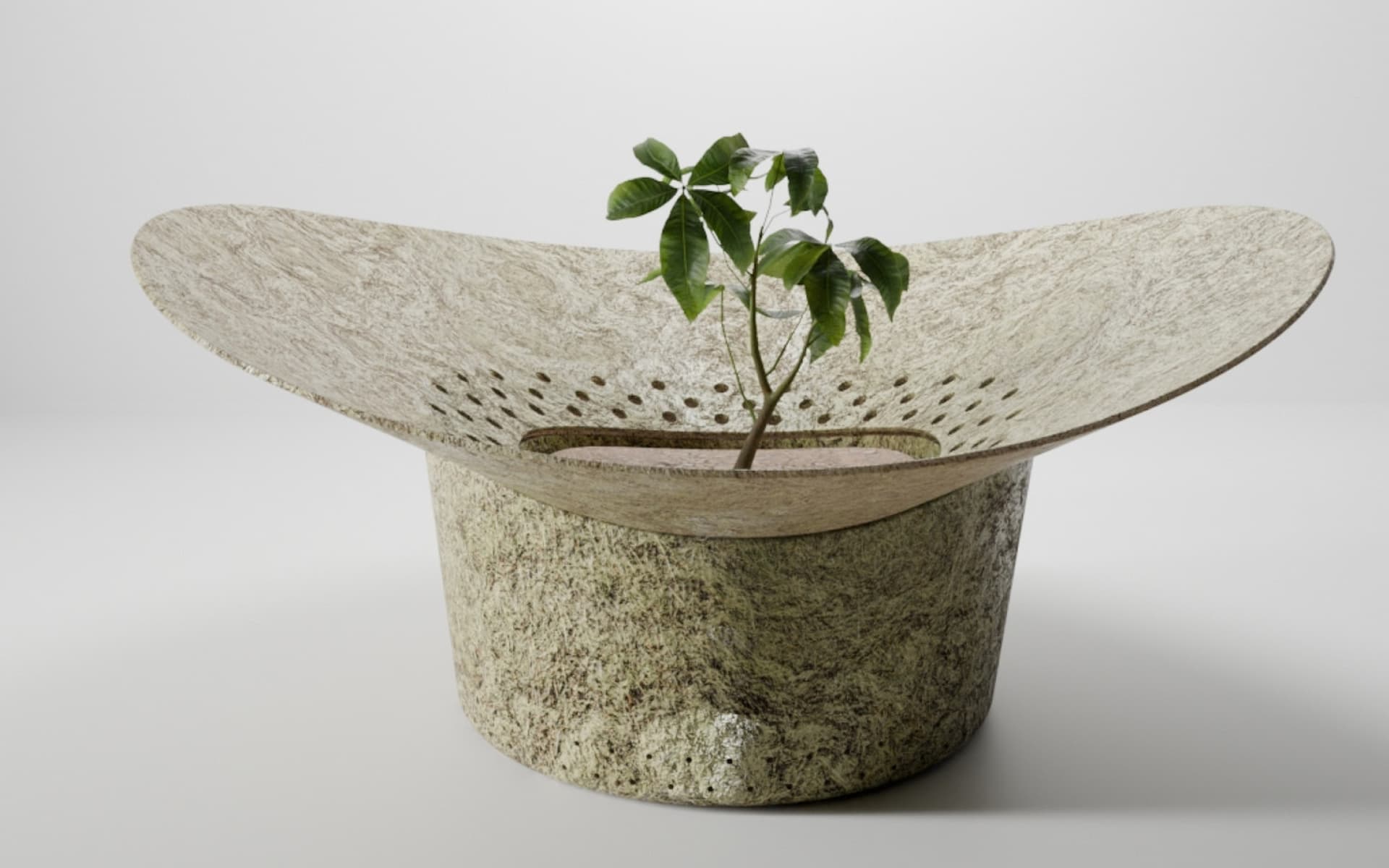
Waha, designed by Ekim Güney Öztürkis from Politencinco di Milano, is a funnel-shaped biodegradable module made from straw and algae that captures and directs rainwater to plant roots, reducing evaporation and the need for irrigation. It decomposes naturally over two years, supporting biodiversity without waste.
INTERIOR & LIFESTYLE
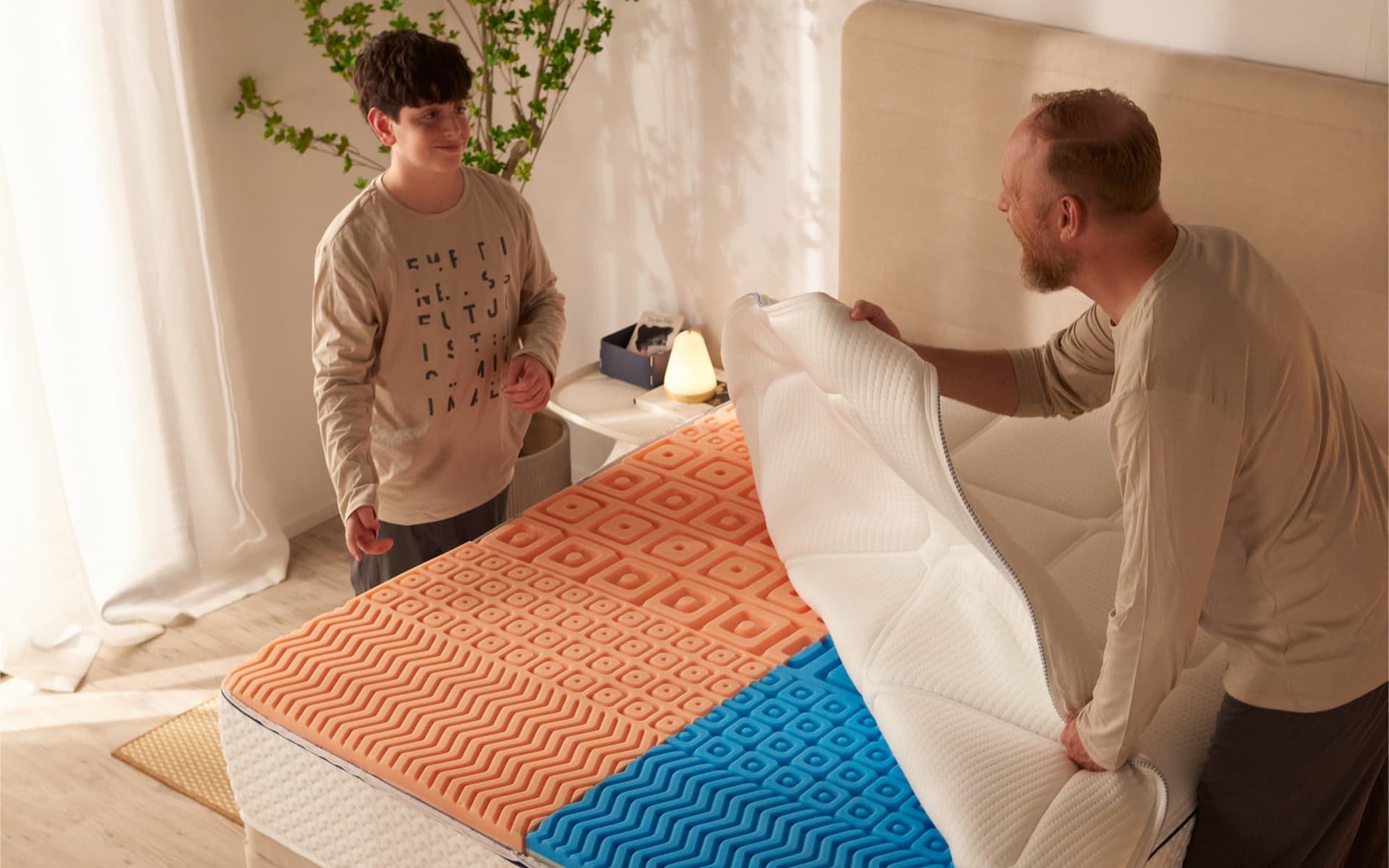
Khama
What if our mattresses were modular? The Ecussleep team has invented an entirely modular and interchangeable mattress that adapts to its user’s necessities. Its key components can be swapped at one’s will, reducing waste by extending mattresses’ lifespan.
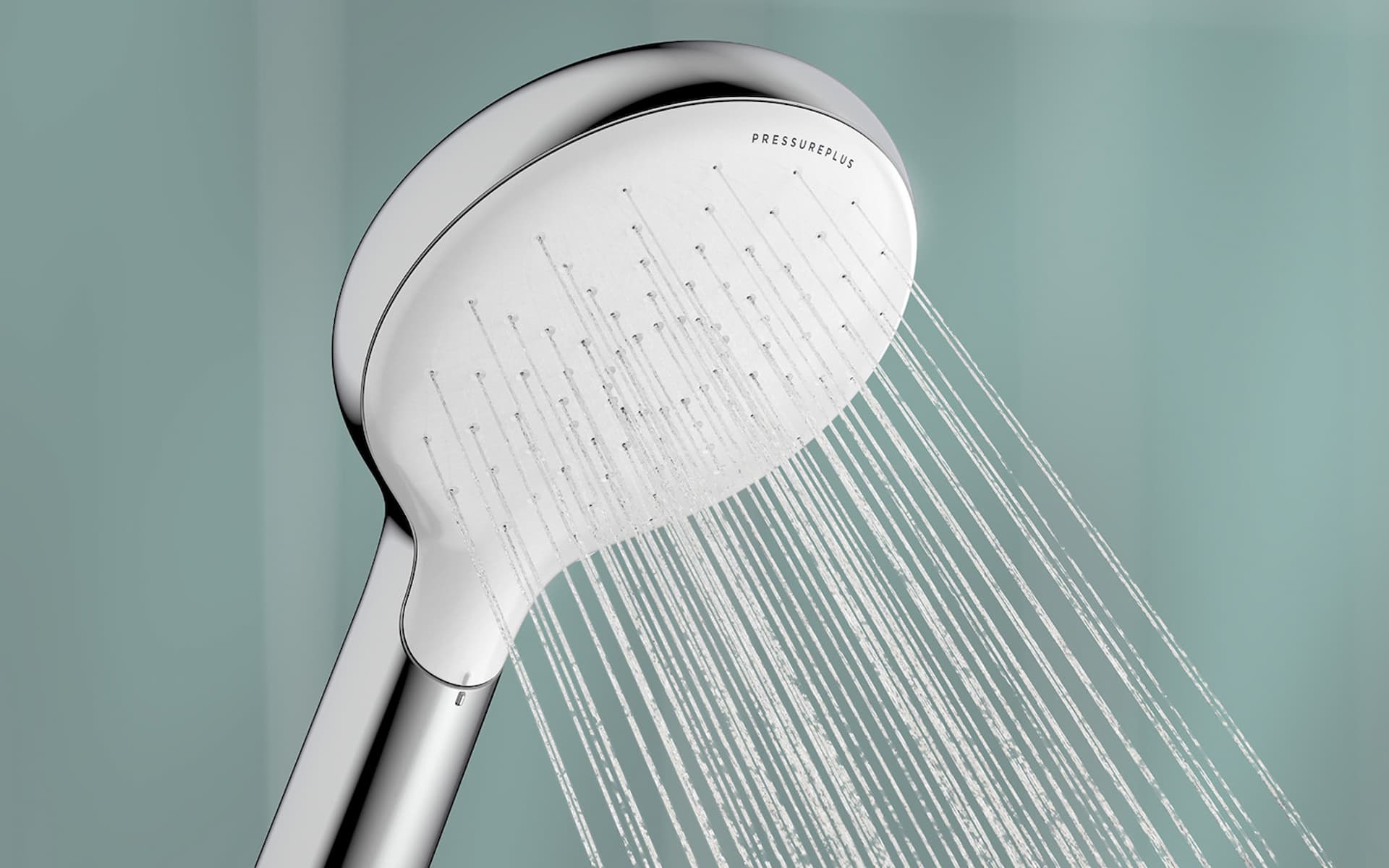
WizFLO Hand Shower Range
Designed by the LIXIL Global Design Team at LIXIL International Pte Ltd, this project employs patented PressurePlus™ technology to deliver powerful water pressure in our showers, reducing water waste by up to 40%. The product is easy to maintain and clean, offering an extensive lifespan which contributes to more sustainable options in our bathrooms.
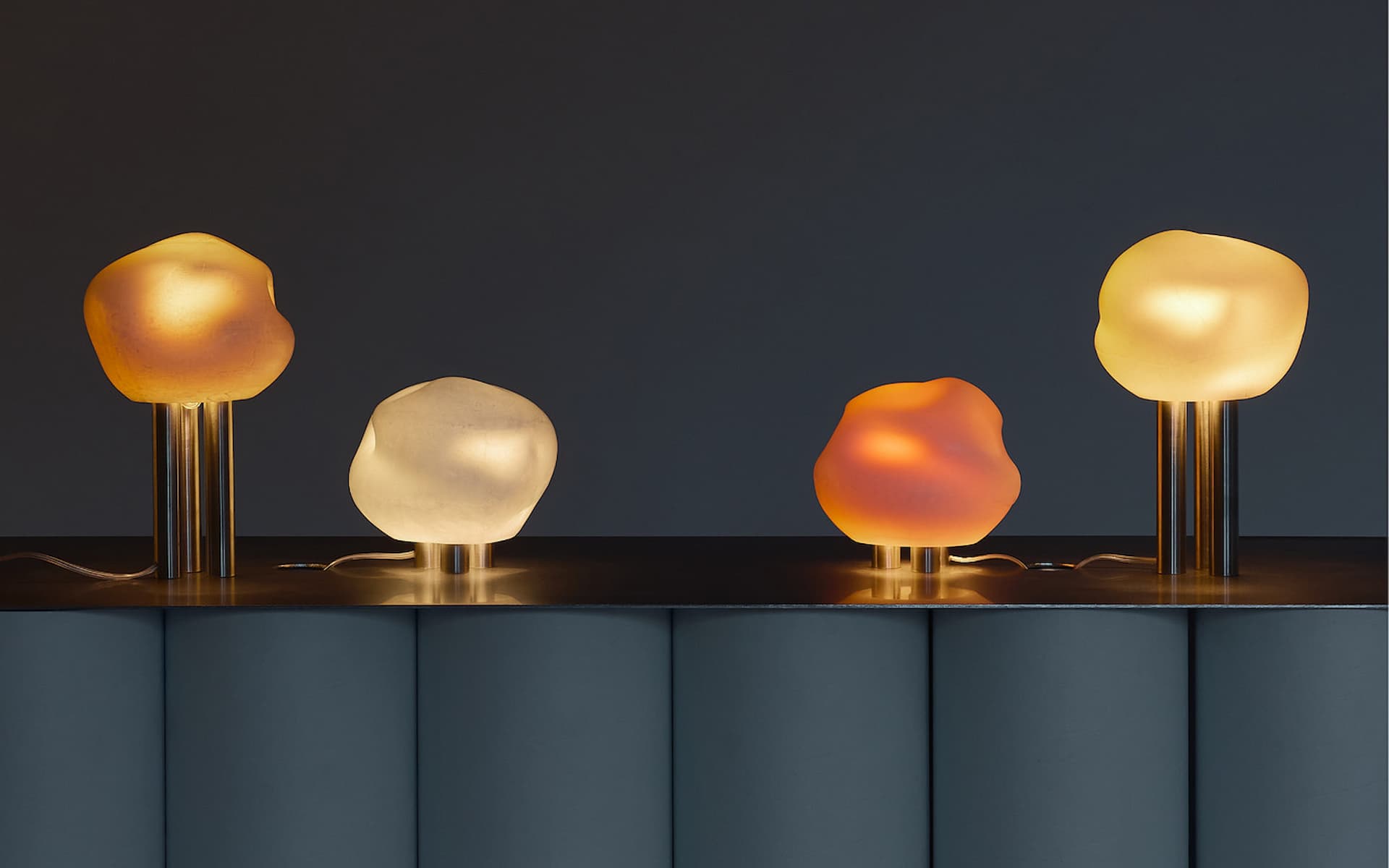
Soft Solids: Wax Lighting
This project turns wax into a durable, heat-resistant material that offers a sustainable alternative to common household lighting. It is designed by Ruta Palionyte and Ieva Baranauskaite by Daydreaming Objects creative studio, and it is made entirely from natural wax combined with low-heat LED technology.
KIDS
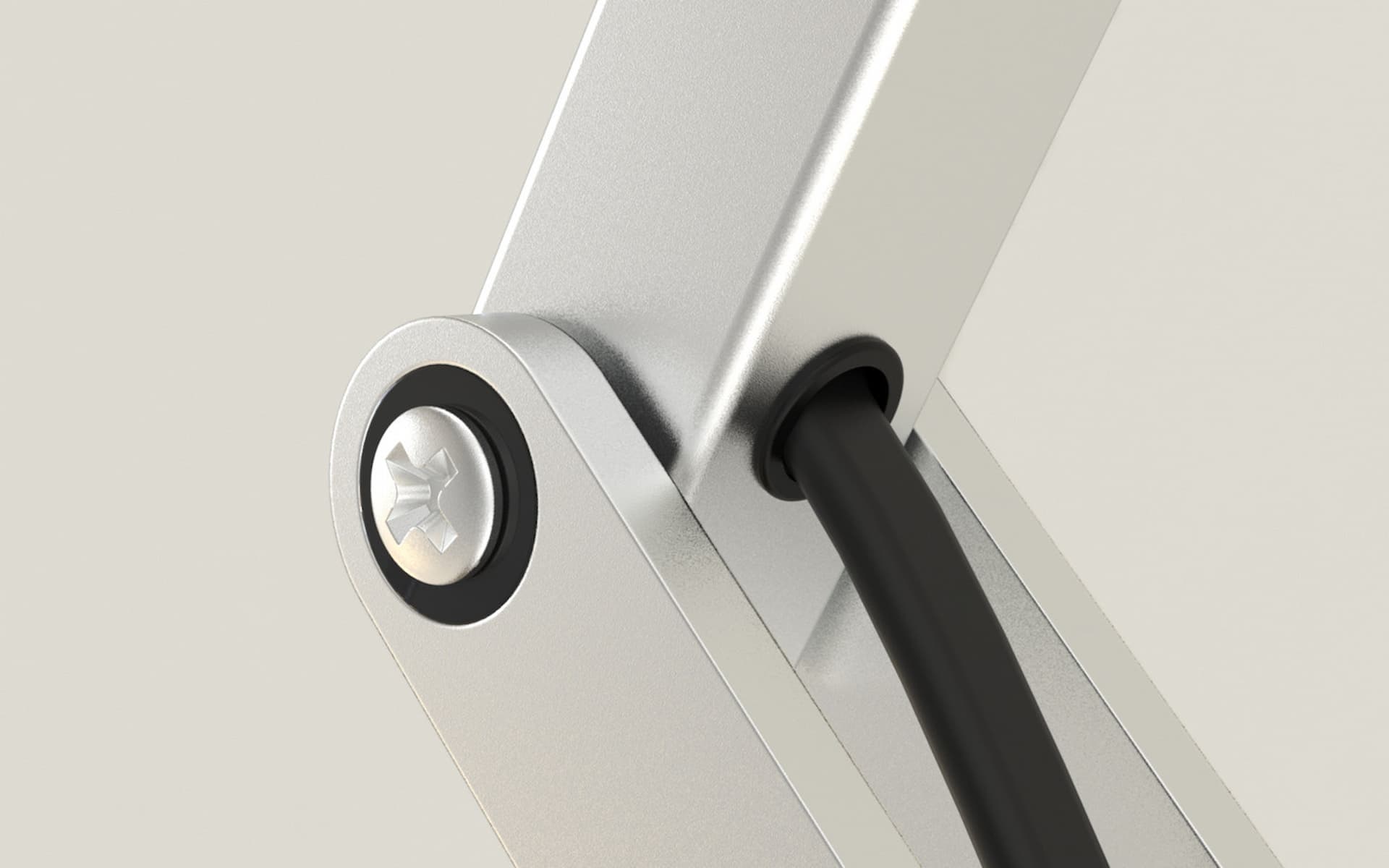
WUX
Wux is a lamp that follows the child’s growth. Its innovative design allows it to evolve and adapt over the years, extending its lifespan from childhood to adulthood. It was designed by Alina Schlegel at the Hochschule Hannover Institute, and it reduces waste by prioritizing maintenance and replacement over disposal.
Pod
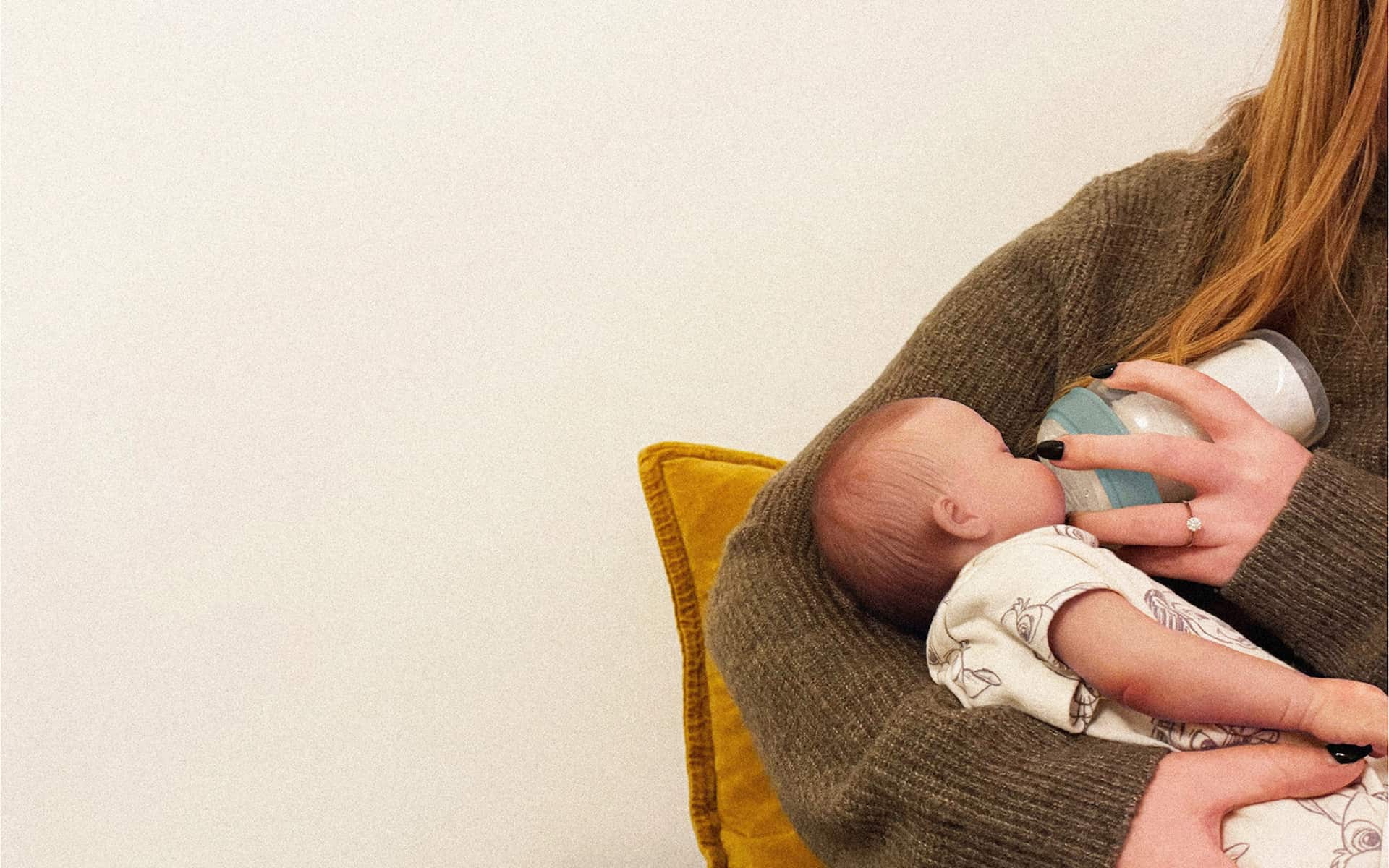
Pod protects infants 0-12 months old by preventing microplastics from entering their bodies when they feed from a plastic bottle. It was designed by Jamie Scott at Northumbria University and suggests a greener alternative to disposable plastic bottles, protecting babies’ health while reducing pollution.
ReWalker
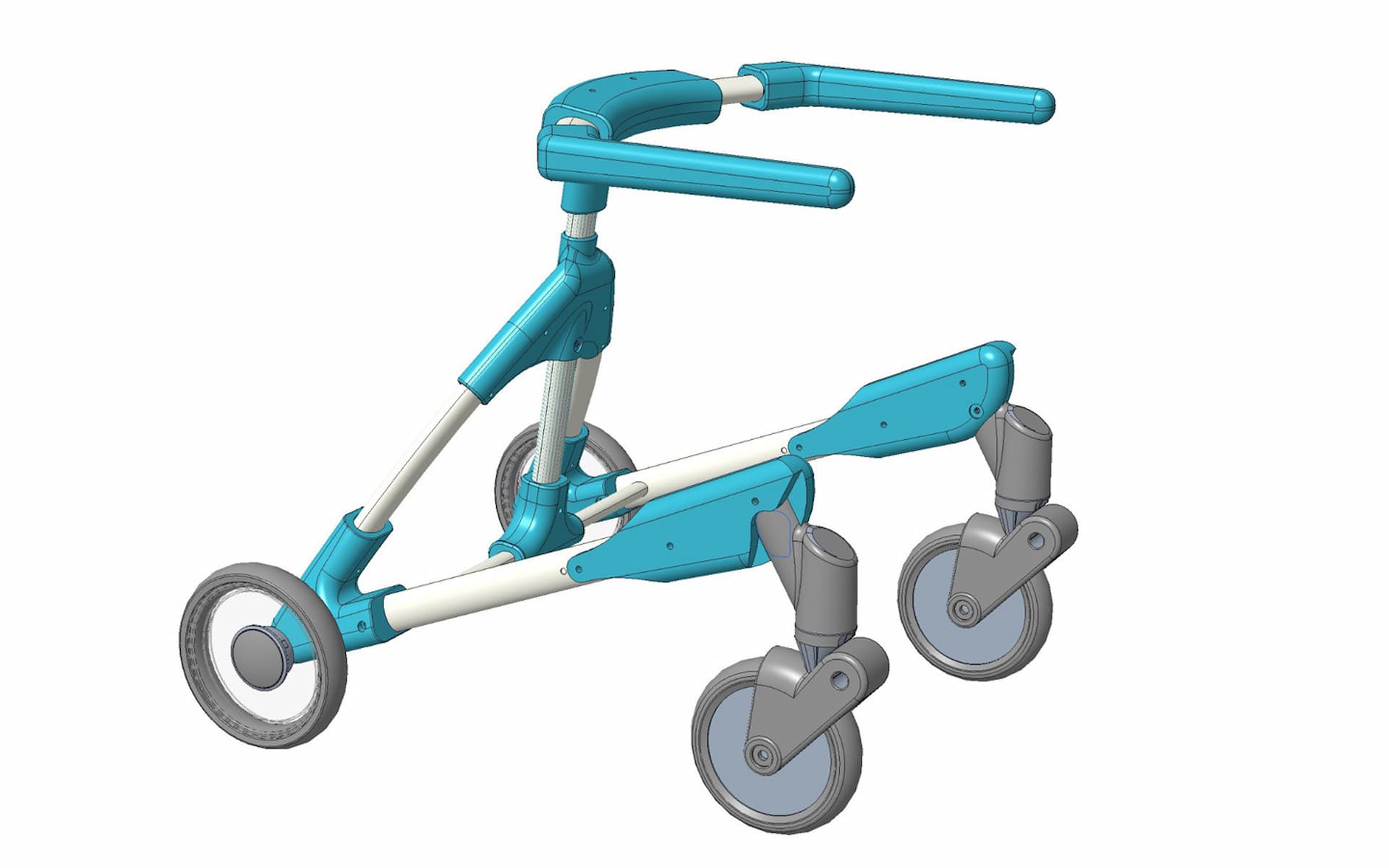
Rewalker, designed by Davide Benvenuti at Università degli Studi di Perugia, is a project that helps children, mainly in low-income areas worldwide. It proposes circular recycling of materials by reusing components from unused strollers, combined with 3D-printed joints, to provide an affordable and sustainable medical aid.
KITCHEN
Tablì
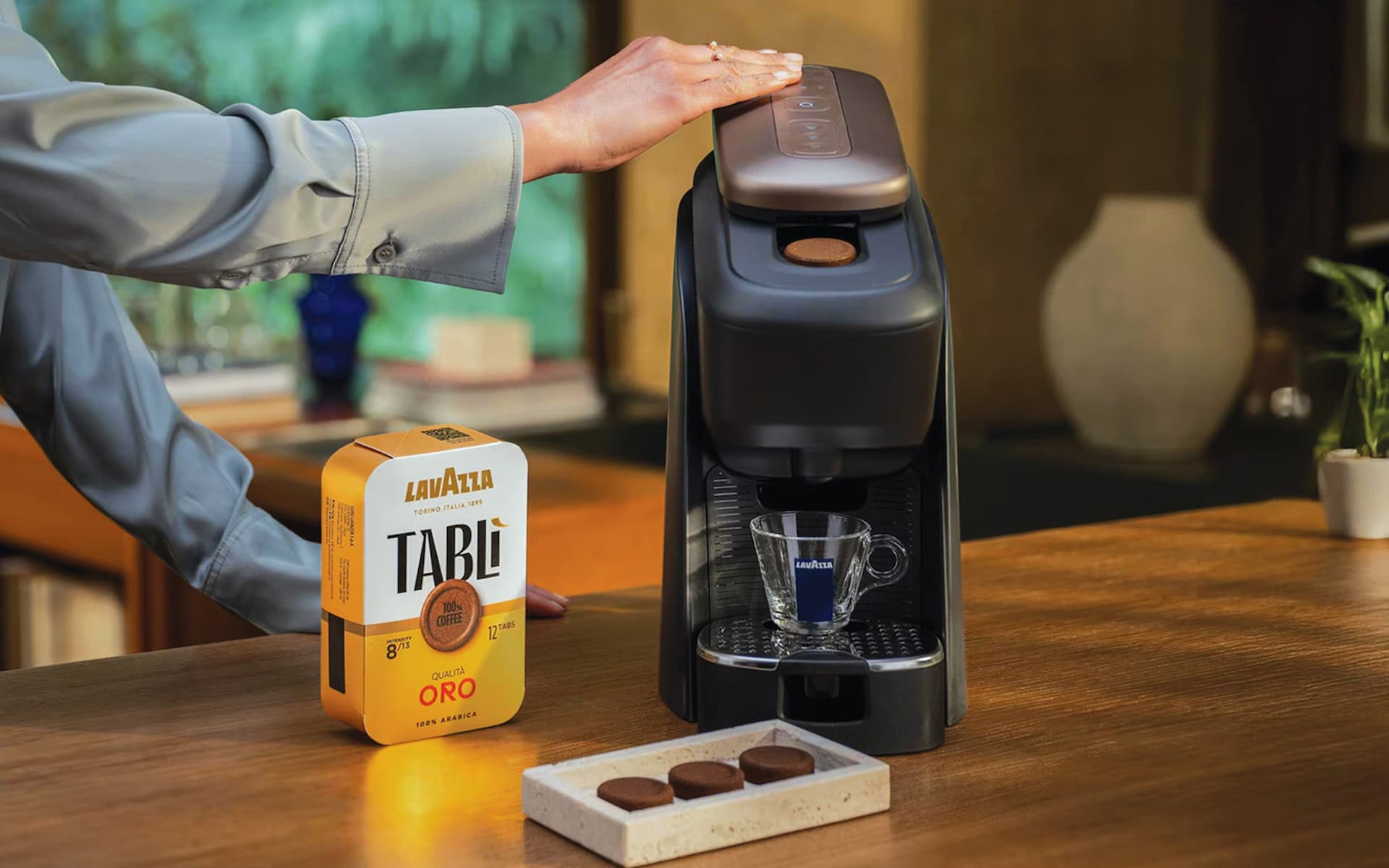
Florian Seidl, Angelica Rella, and Marco Rotundo are part of Lavazza’s in-house design team, and together they created Tablì, a project envisioning coffee’s more sustainable future. Tablì reimagines at-home espresso by replacing conventional coffee pods with pure ground coffee compressed into convenient tabs and packaged in recyclable cardboard. This innovative system eliminates the need for plastic and aluminum, drastically reducing waste and making each cup more sustainable. After brewing, used coffee tabs are fully compostable, offering consumers a guilt-free, environmentally friendly coffee experience.
Cubio
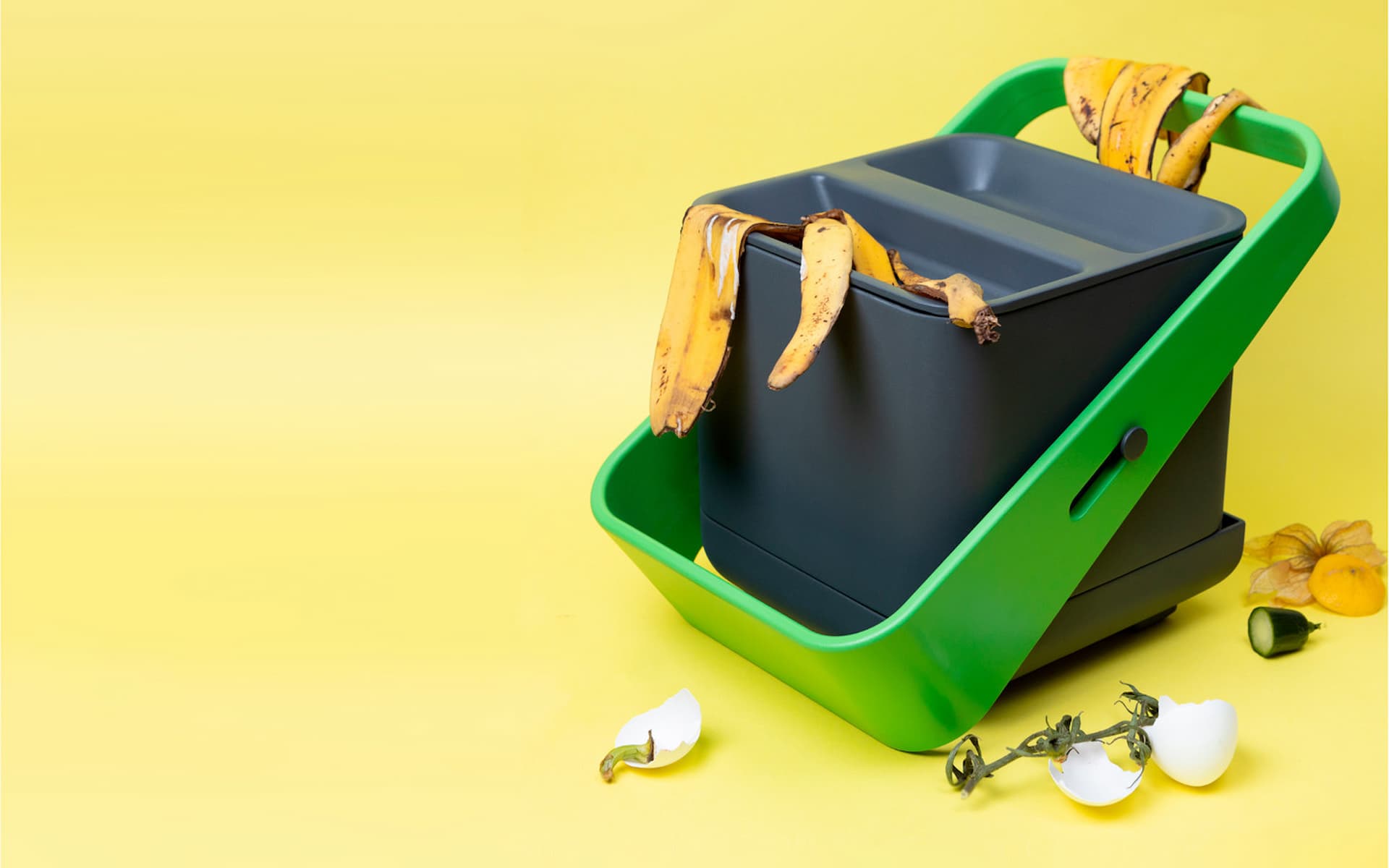
Cubio is an original container for biowaste designed by Felix Kummich and Luca Schreiber from Bauhaus Universität Weimar. It is modular and facilitates better waste separation, keeping the litter dry and well-ventilated to reduce unpleasant odors and common leakage incidents. In this way, Cubio eliminates the need for plastic bags, supporting natural and sustainable energy cycles.
Fido Cuisine
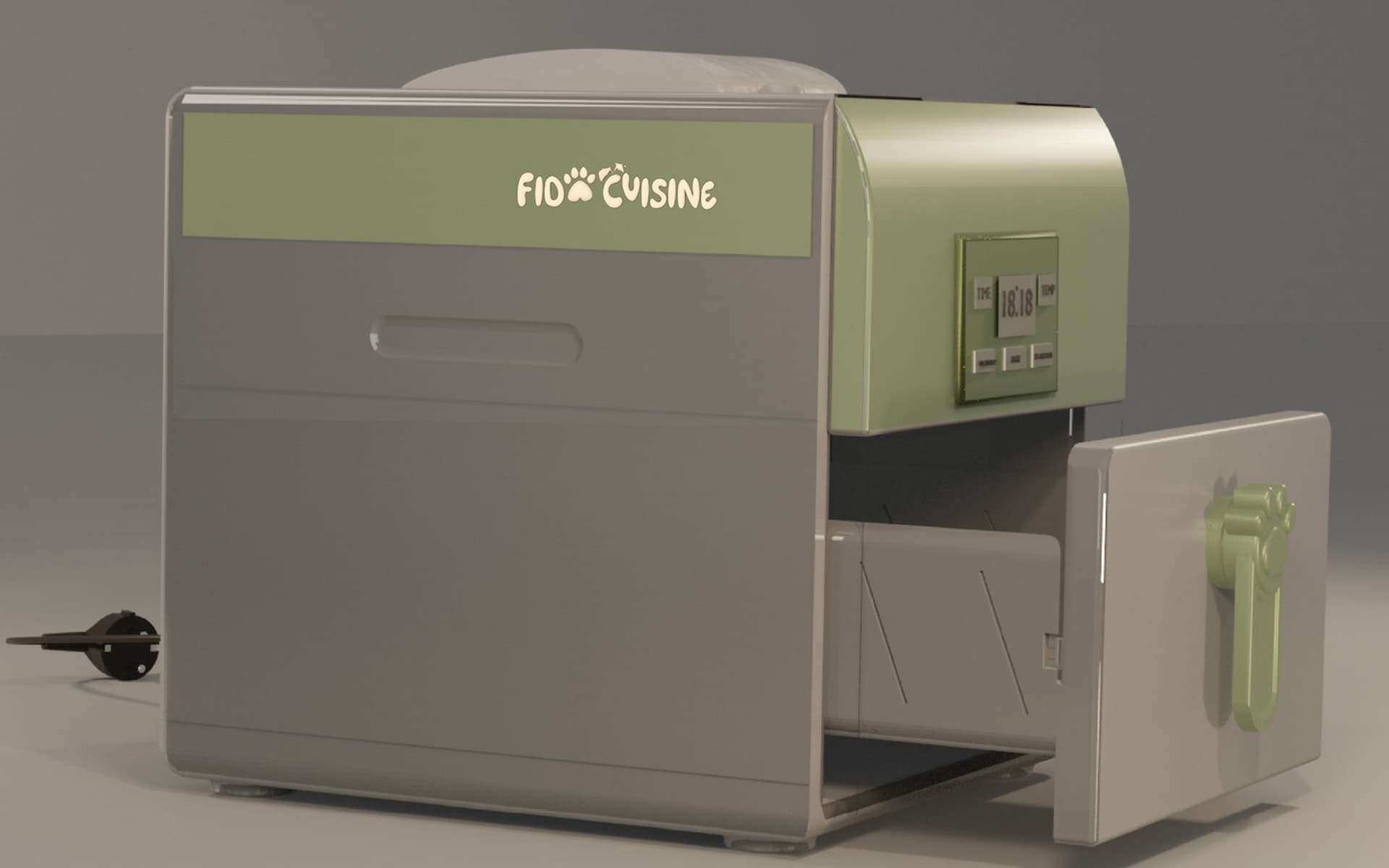
Have you ever feared for your dog’s nutritional health? Designer Amber O’Hagan, from the Atlantic Technological University of Sligo, Ireland, developed a natural, entirely sustainable food alternative for our pets that supports their well-being while respecting the planet. Fido Cuisine is a device that lets dog owners make kibble from scratch by baking, shaping, and dehydrating customized ingredients. This innovation promotes the circular recycling of food scraps, reducing household waste and plastic overuse.
MOBILITY
Volftang 2
The future of battery storage is greener than ever, thanks to this innovation by Felix Nolte and Sabrina Alef at Volftang. It offers an alternative to common battery storage systems that promotes cost reduction and a low CO2 footprint. Made from regional materials, it results in 75% efficiency compared to its competitors.
ResQ Capsule
ResQ Capsule, designed by Bangzishu Huang at Staten Island Technical High School, is a modular emergency escape system that fits easily into our cars and offers both safety and comfort, with an in-built and rechargeable air freshener. Its promising long lifespan makes it the perfect tool for reducing waste and driving sustainably.
Airwheel SE3SL+
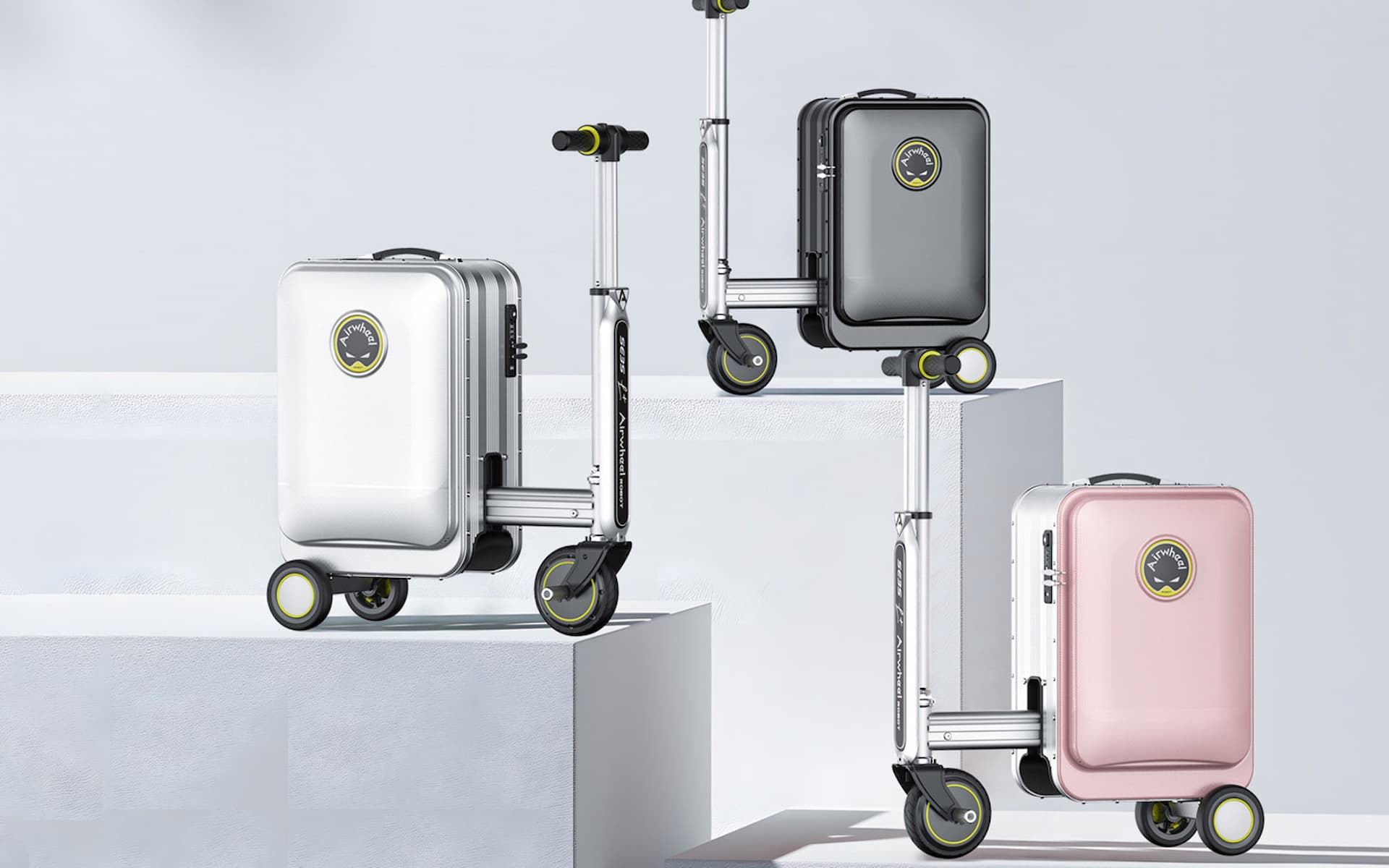
Designer Guogang Zuo from Changzhou Airwheel Technology Co., Ltd, developed the Airwheel SE3SL+, the sustainable riding suitcases of the future. It is made of biodegradable PC+ABS composite material paired with recycled aluminum foil, resulting in a sturdy yet eco-friendly product.
NEW MATERIALS
Time Trace Impermanence
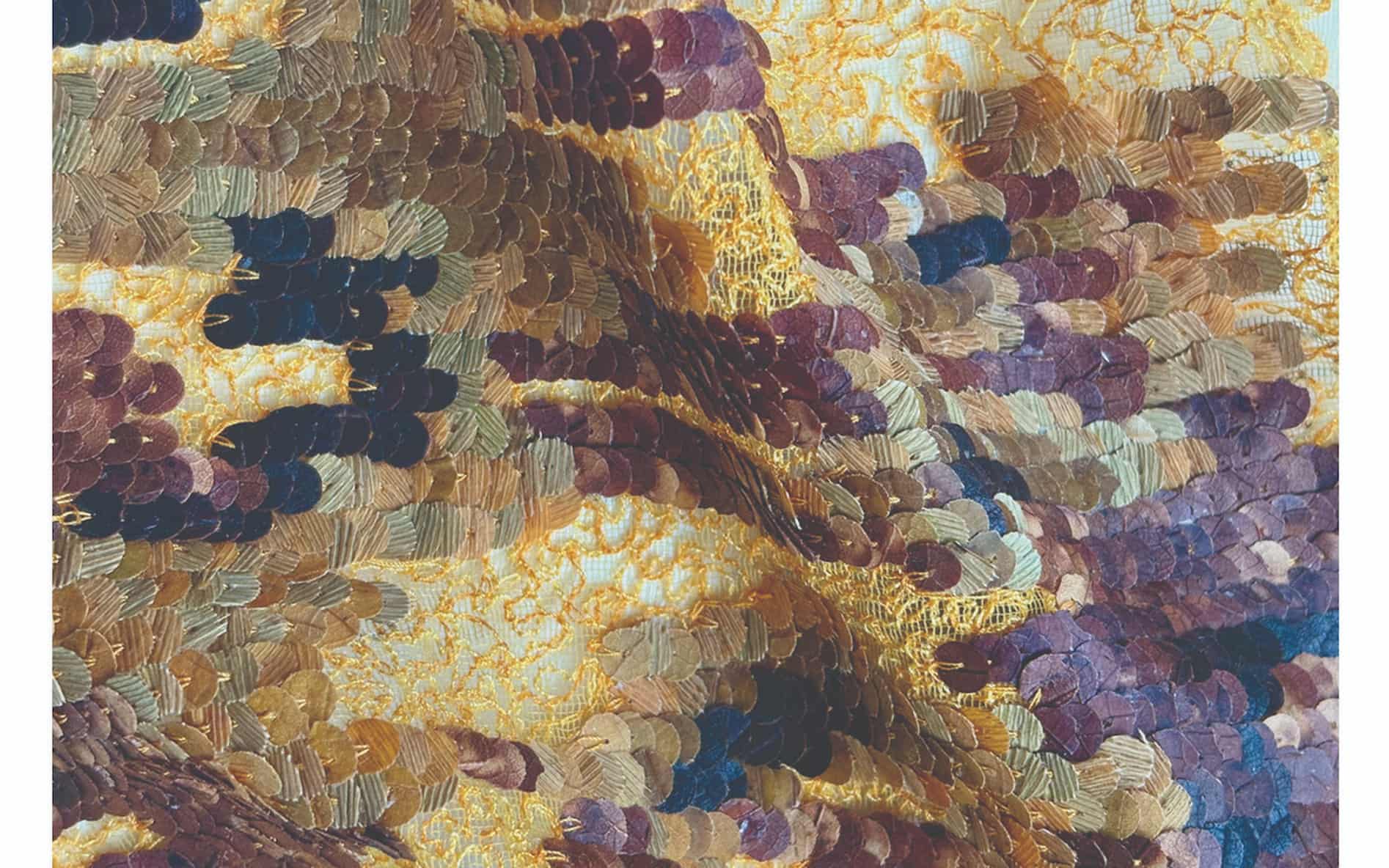
What if organic waste turned into embellishments? Ishitaa Khemani from Chelsea College of Arts, University of the Arts London, designed a system that transforms leaves into sewable and biodegradable sequins using eco-friendly preservation methods. Thanks to Time Trace Impermance, both plastic waste and carbon footprint are significantly reduced.
Lucid Life
Have you ever heard of bioluminescent microalgae that beam when touched? Designer Christopher Bellamy at the University of the Arts London used them to create Lucid Life, a textile that encourages reconnection with nature. By offering an alternative to synthetic materials, it combines beauty with the health of nature.
ReSilt Vitro
ReSilt Vistro is an innovative glass made from urban sewage sludge. Created in China by the Sustainable Practice Center of Shanghai Design Week, it proposes a greener alternative to common glass by transforming polluted waste into eye-catching modular glass designs.

PACKAGING
Bagasté
Bagasse is an agricultural waste product, and the main material used by designer Nandini Verma from Arya PG College to create the Bagasté. This bag can be disassembled after use and planted, turning regular waste into a biodegradable system.
POT+
Tired of traditional plant repotting? Sophie Greif, Paul Sommerfeld, and Paula Storm from the Münster School of Design have developed POT+. This is a biodegradable cardboard pot that replaces regular plastic ones, reducing waste and offering an innovative 100% eco-fridnly disposable product.
ReBento
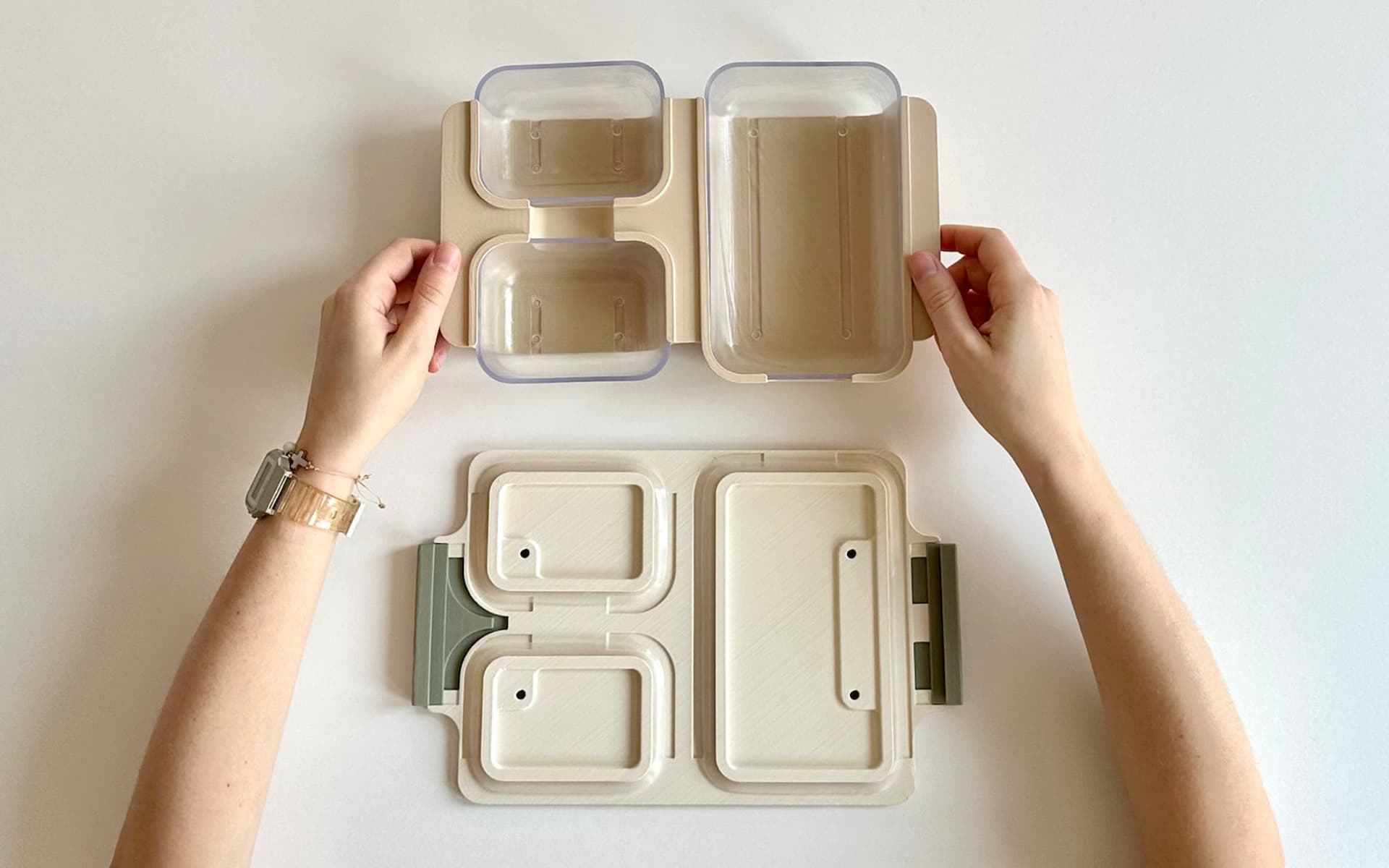
Food delivery is quite handy, but what if it were also sustainable? ReBento is a reusable food container that combats single-use plastic waste. The containers are sturdy and can be collected by a local courier to discourage waste. It was designed by Kaja Brunke, a student of the Academy of Fine Arts in Poland.
PERSONAL CARE
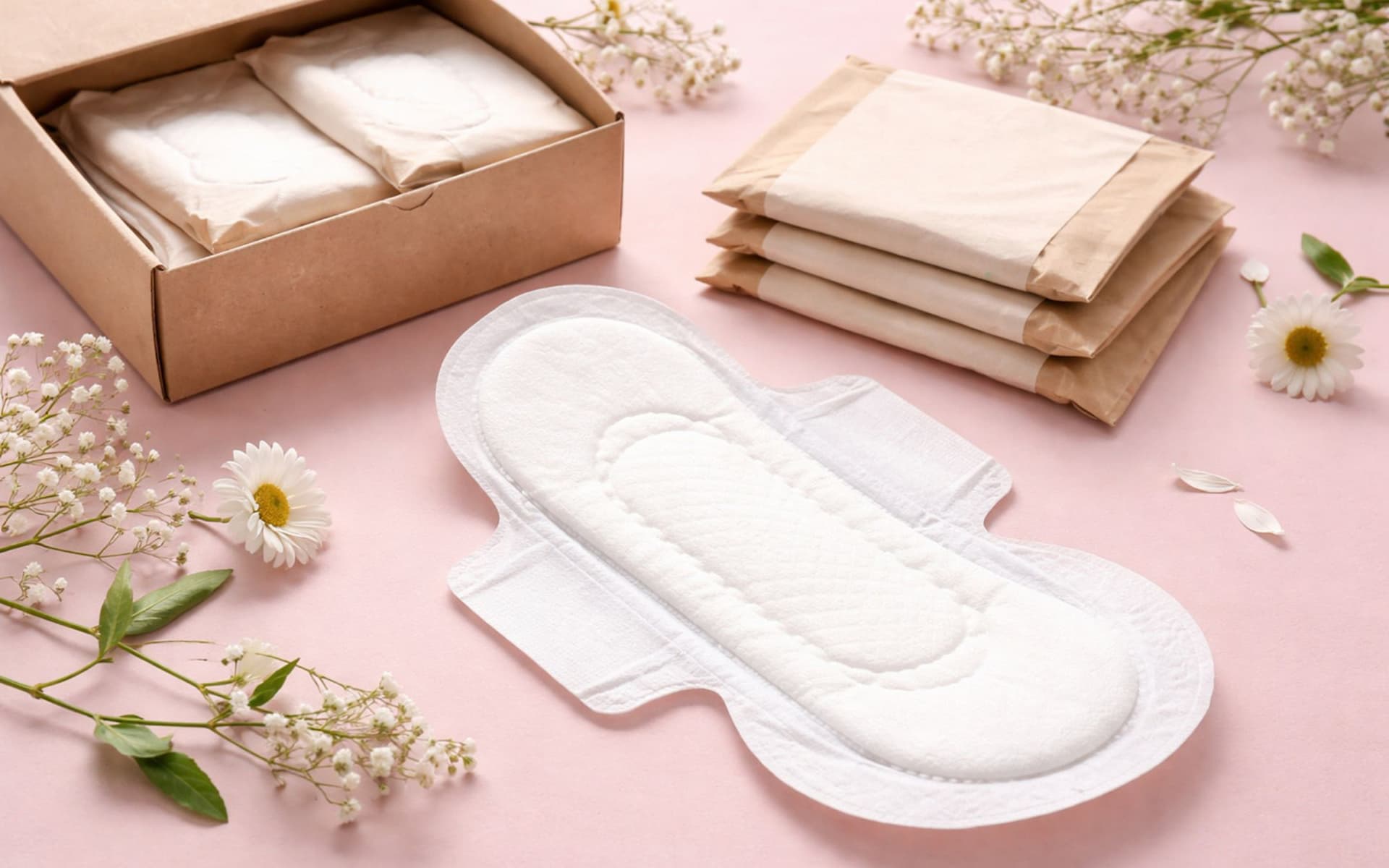
Sakhi Pad
Navaneetha K developed the Sakhi Pad as part of her undergraduate chemistry project. This initiative introduces a compostable menstrual pad made from fibers derived from banana plant stems, combined with cotton and enhanced with chitosan, a material known for its natural antimicrobial properties. Designed for those seeking a reliable yet gentle, environmentally conscious menstrual care alternative, the pad is entirely free of plastic and can decompose safely and quickly after use. Its unique formulation not only promotes one’s health but also offers an affordable and planet-friendly product.
Navair
Straight from the National Institute of Design, Madhya Pradesh, designers Deepesh Kumar Bhandari, Vedant Shivaramakrishnan, and Ujjwal Rathore created the Navair. This is a helmet purifier for two-wheeler riders that works without electricity. Its biometric design provides comfortable and automatic air filtration. As it is reusable, it replaces disposable masks that contribute to landfill waste. Its filters are made from recycled materials like mussel and crustacean shells, reducing significant CO2 emissions.
Bebot Simple Soap
Ruth Avegail Capapas of Aveg Botanicals LLC designed a 100% natural soap that neutralizes body odor, reducing consumers’ need to rely on aggressive deodorants containing heavy metal salts. The best part? It is safe for everybody to use, from children to pregnant women and the elderly. Its packaging is entirely plastic-free, thereby reducing both environmental harm and skin irritation.
WORKSPACE
SilentHEMP
SilentHEMP, designed by Clemens Haas (Synthesa) from SilentFiber, is a CO2-positive acoustic building that boosts mental well-being and focus level by reducing background noise. It is made of natural plant fibers and has a modular system that stores CO2 absorbed by drawing plant growth in a permanent way, offering healthy silence and healthy ecosystems.
Wash.ME
This project, designed by France’s KIS team from ME Group Austria, promotes a 24-hour laundromat available to those who lack access to washing machines in their homes. It promotes a more sustainable way of doing laundry, not only by using EU Ecolabel-certified detergent but also by using a compact modular station.
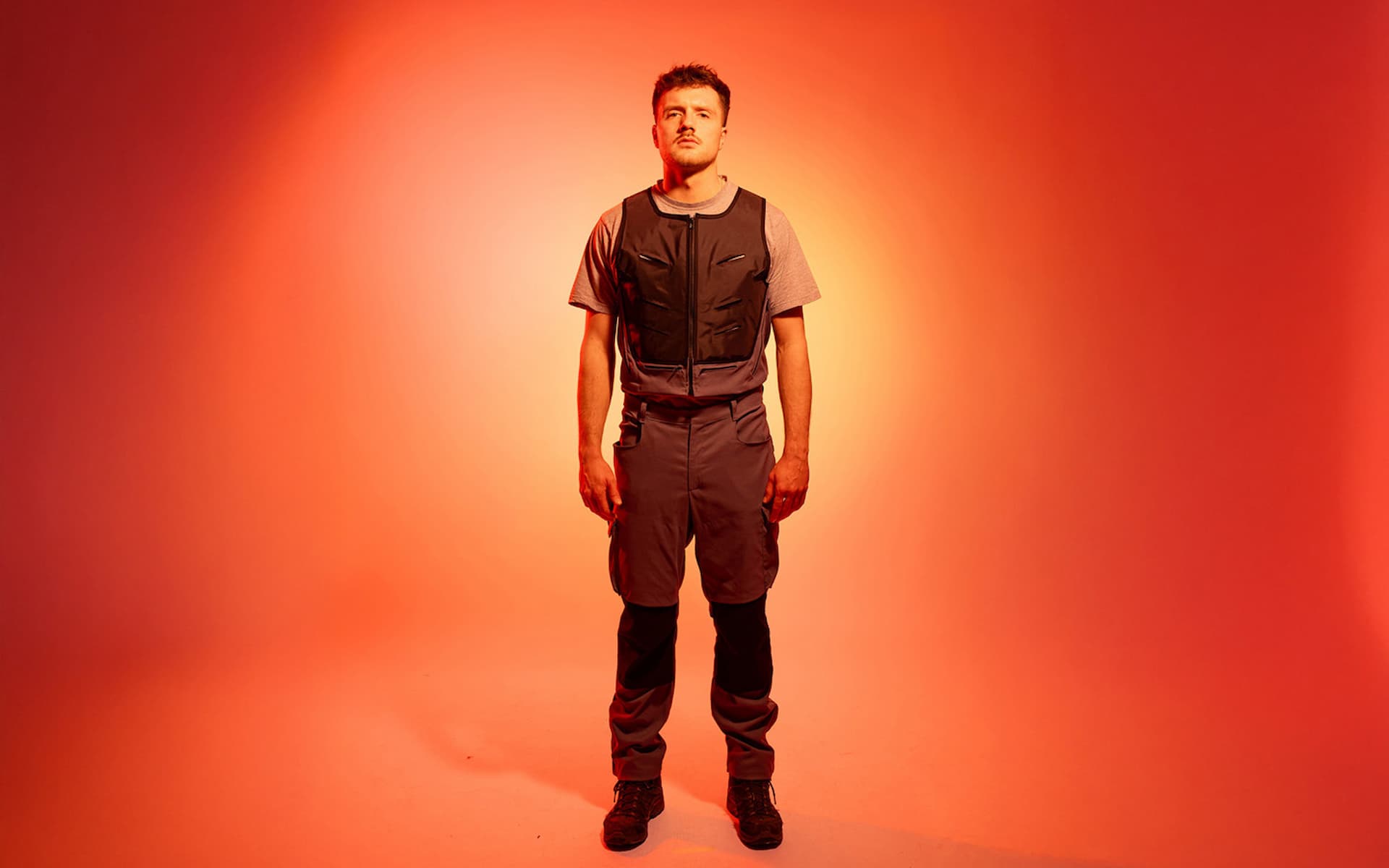
Teron° – Cooling Workwear
Jorin Frenzel from Hochschule Hannover has developed cooling workwear that helps combat heat stress naturally. Teron° – Cooling Workwear features breathable fabric, hidden ventilation layers, and cooling zones that keep workers dry and cool. It thus promotes a more comfortable work life while respecting the environment.
The Green Product Award shows how innovation and sustainability can coexist through thoughtful, future-oriented design, and the 2026 finalists highlight the growing potential of circular economy practices across various industries. Like past winners’ groundbreaking projects, these entries not only address pressing environmental concerns but also challenge conventional production methods, proving that functionality, aesthetics, and sustainability can go hand in hand.
As consumers increasingly seek eco-conscious options, initiatives like the Green Product Award help shape a future where responsible design becomes the norm rather than the exception.
All images:
© Courtesy by Green Product Award


