
Green Product Awards Winners 2026: Redefining Design, Fashion, Architecture, And Technology
Discover the Green Product Awards 2026 winners. From circular fashion and sustainable design to architecture, mobility, materials, and climate innovation, the award-winning projects from 54 countries showcase the future of sustainability, circular economy, regenerative design, and responsible innovation.
What do the Green Product Awards 2026 reveal about the future of sustainability?
The answer was unveiled at Berlin’s historic Colosseum, where the Green Product Awards 2026 celebrated the projects, products, and pioneers shaping a more responsible future. From carbon-negative medical uniforms and compostable sneakers to AI-powered circular construction platforms and modular environmental sensors, this year’s winners demonstrated that sustainability is no longer an alternative path. It has become one of the most powerful drivers of innovation across design, fashion, architecture, technology, and product development worldwide.
Selected from 1,200 submissions across 54 countries and supported by more than 50,000 public votes, the Green Product Awards 2026 offered a compelling glimpse into the solutions that are already transforming how we create, consume, build, and live.
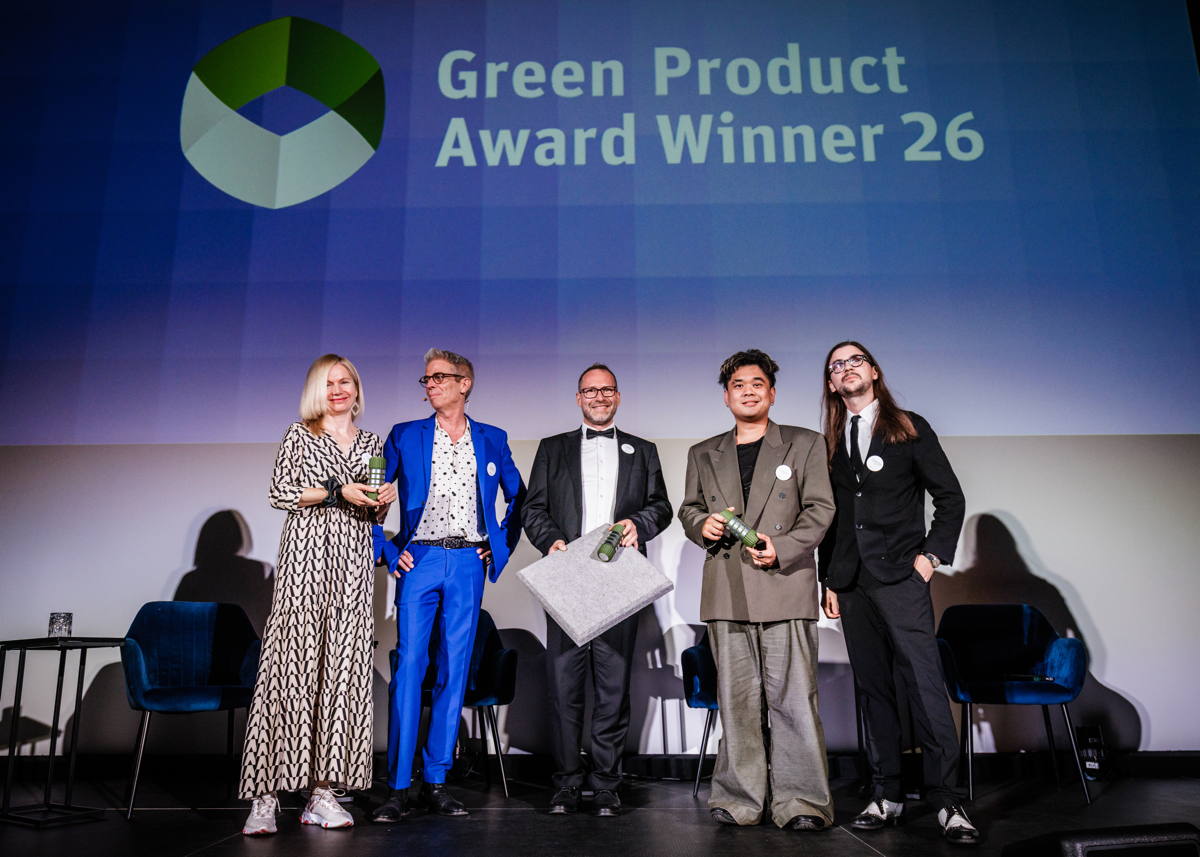
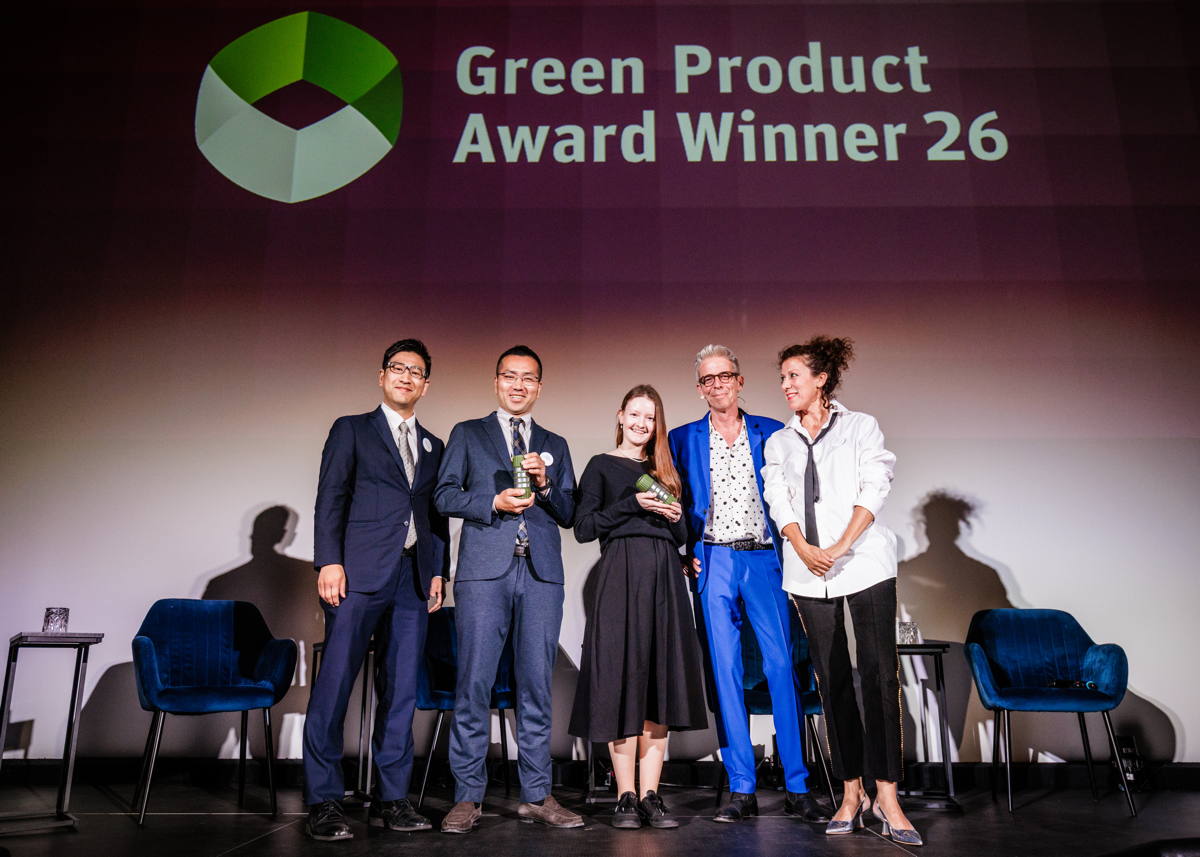
The Green Product Awards Winners
Architecture Winners
AYMI Modular Habitat (Chile) reimagines temporary and permanent architecture through a foldable and modular construction system designed for rapid deployment. Created to minimise environmental impact while maximising adaptability, the project allows classrooms, shelters, and community spaces to be assembled, dismantled, and reconfigured without permanent joints. By prioritising reuse, compact transport, and reduced construction waste, AYMI demonstrates how modular architecture can provide resilient solutions for a rapidly changing world.
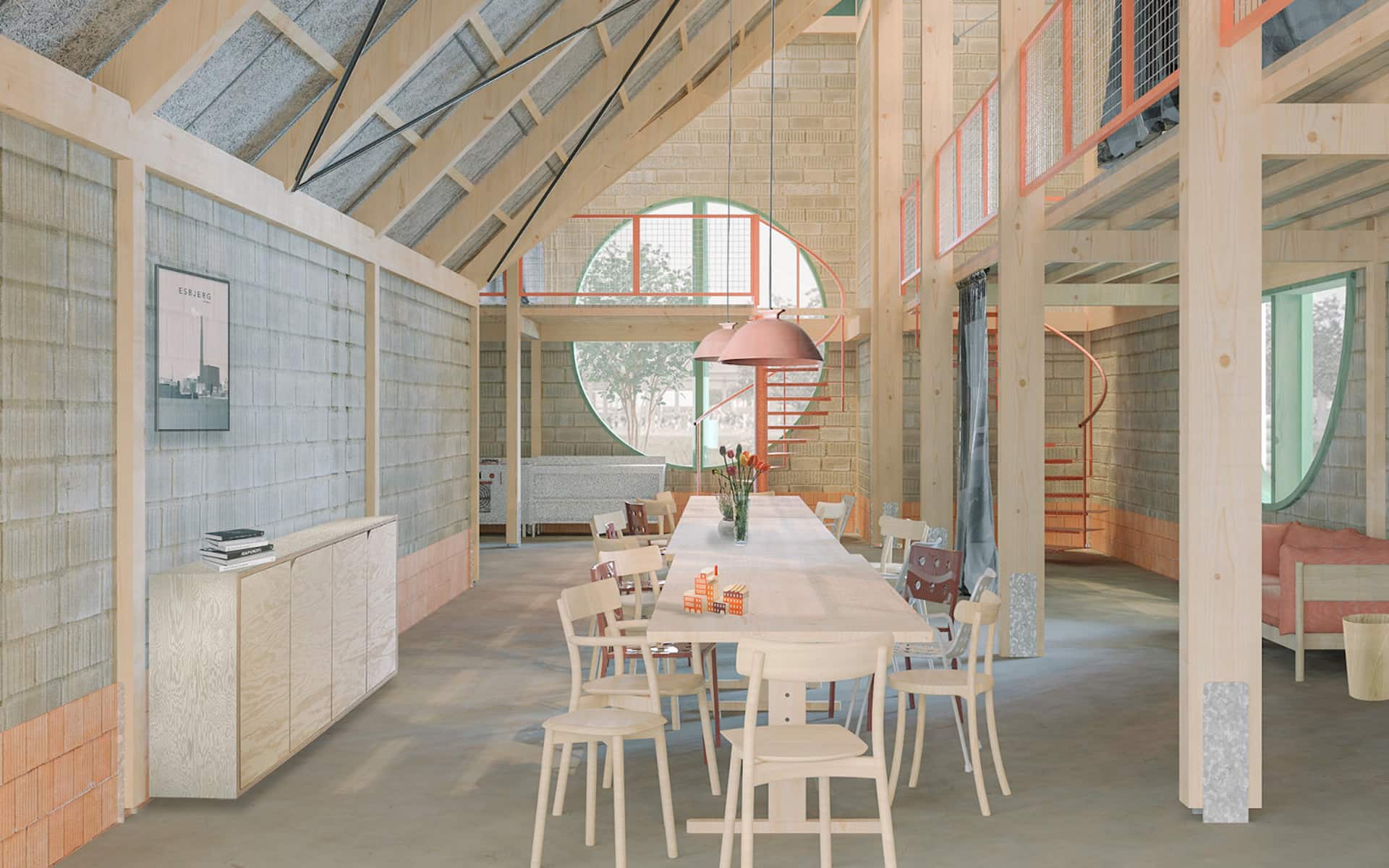
Salt Water Clay (Germany) explora cómo los suelos arcillosos locales pueden convertirse en materiales de construcción circulares. A partir de la excavación de una balsa de retención de agua de lluvia, el material se transforma en ladrillos de arcilla y posteriormente en un centro comunitario, integrando además segmentos reutilizados de turbinas eólicas.

Building Design Winners
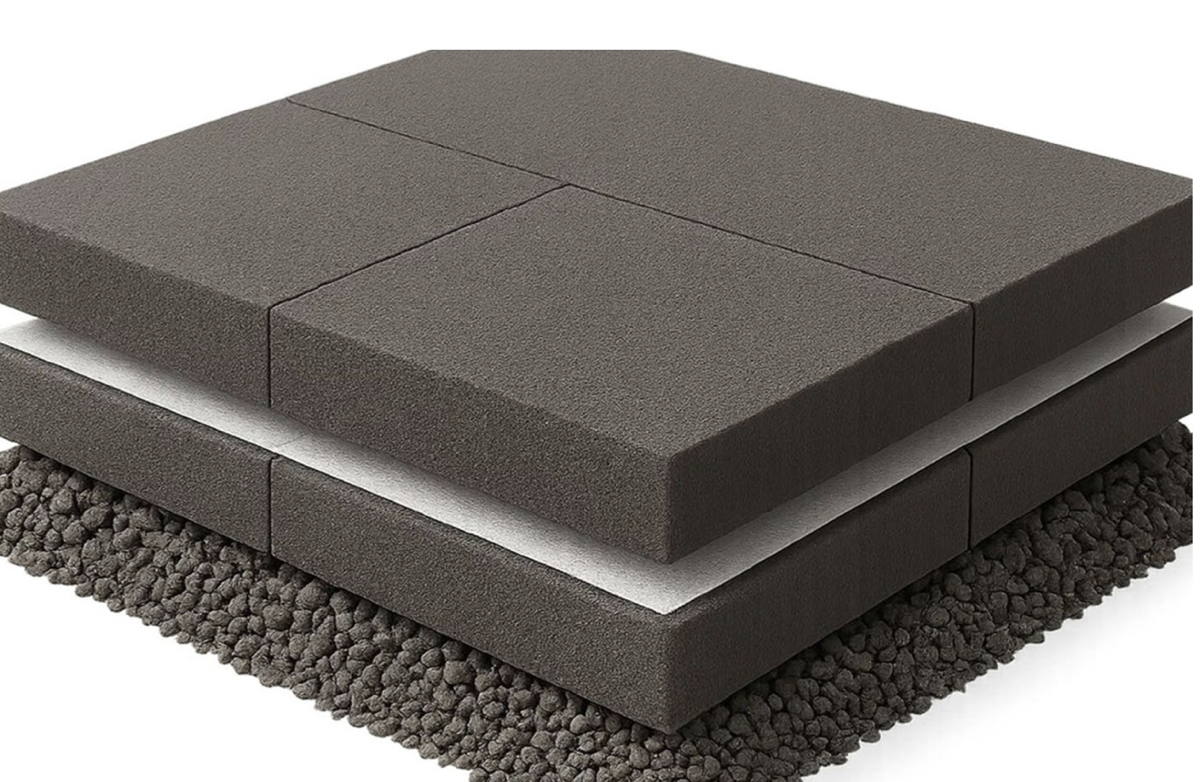
GLAPOR UMB1 (Germany) introduces the world’s first foam glass floor slab without concrete, offering a circular alternative to conventional foundations and insulation systems. Made entirely from recycled glass, the system reduces CO₂ emissions by up to 95% compared with traditional concrete and XPS solutions. Fully dismantlable and endlessly reusable, it showcases how circular construction can significantly reduce the environmental footprint of the built environment.
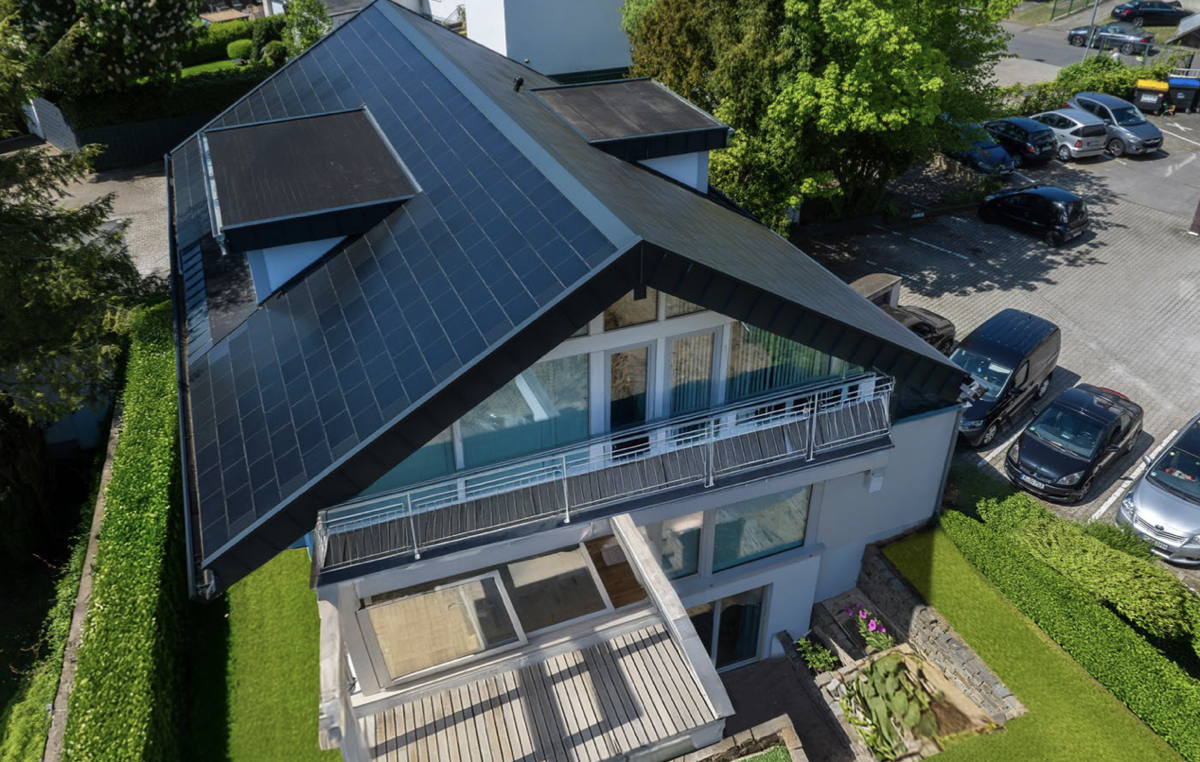
The paXos Multi-Energy Roof (Germany) is a fully integrated, patented glass-metal roof system that generates both electricity and usable heat, replacing conventional roofing. Its key innovation is a tool-less, lightweight (4.5kg per tile), circular design, enhancing safety, repairability, and fire protection (A1-Unterdach). It boosts efficiency by reducing heat pump energy demand by up to 20%. According to IEC 61215 –IEC 61730, it is certified.
REM is the digital infrastructure for the circular economy in construction. They tackle the 7M tons of annual waste by turning liability into assets. The SaaS platform features a proprietary AI Agent that allows on-site workers to classify and quantify surplus materials with a single photo (Computer Vision). The Smart Matching algorithm then instantly connects this supply with local demand, preventing landfill disposal. They provide B2B traceability for ESG and EPR compliance, transforming waste into verifiable revenue and carbon savings.
Curve-Fit Timber (Germany) is a building system for architects and builders who want to efficiently use free-form wooden structures. It uses flat-packed timber plates that are curved-folded into lightweight, load-bearing modules, avoiding the resource-intensive and costly systems usually associated with complex architectural geometry. Besides using timber, a renewable material with a low carbon footprint, it is sustainable by minimizing material waste during manufacture. This enables efficient transportation through its flat-packed modules and incorporates reversible connections that support both disassembly and reuse.

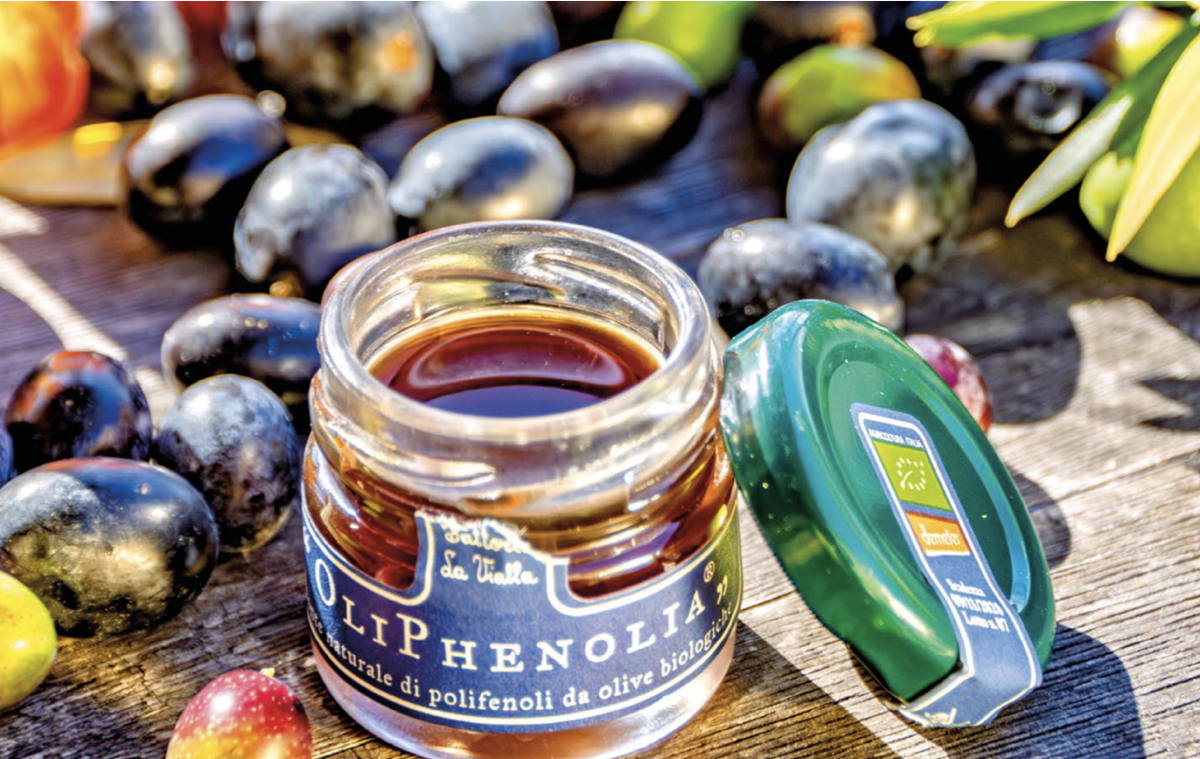
OliPhenolia® Food Supplement (Italy) is a liquid food supplement derived from organically and biodynamically grown olives and olive leaves. Rich in bioavailable polyphenols, including hydroxytyrosol, the product highlights the connection between regenerative agriculture and human wellbeing. By transforming natural agricultural resources into a highly concentrated nutritional solution, OliPhenolia® demonstrates how sustainability and health can work hand in hand.
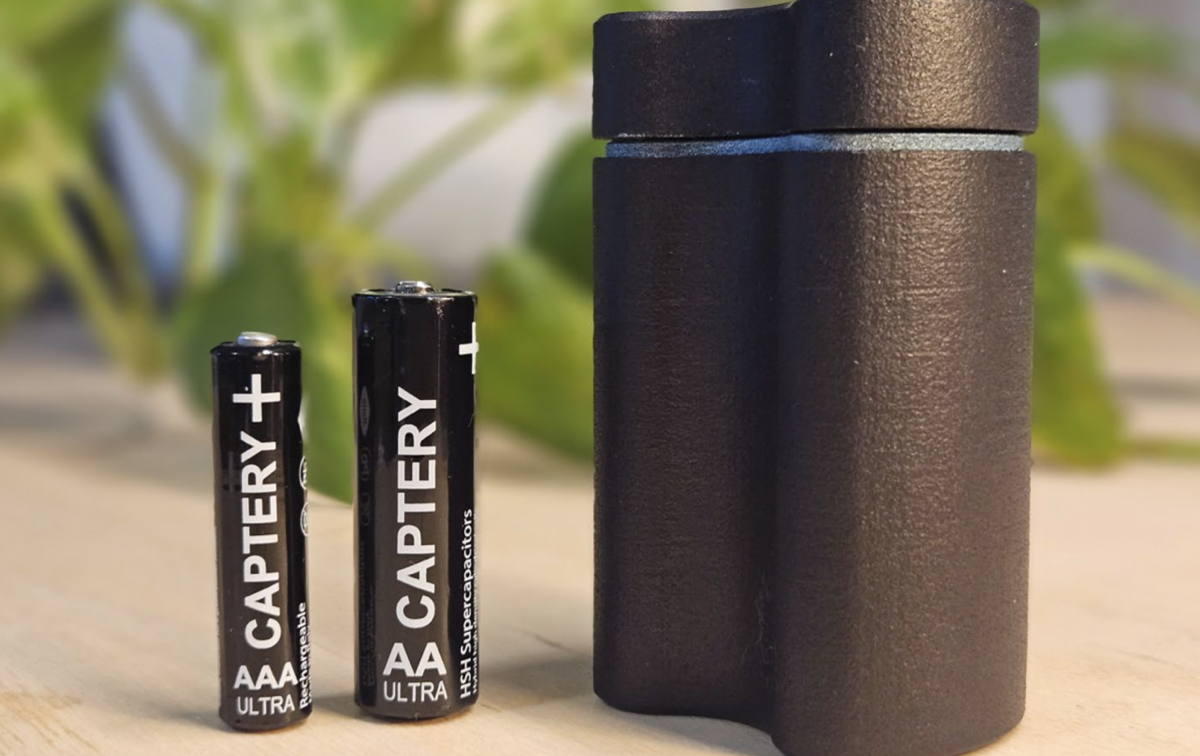
Captery Technology (Italy) has developed the world’s first hybrid supercapacitor batteries in AA and AAA formats. Designed to reduce battery waste, the technology offers up to 250,000 charge cycles while using 90% fewer rare earth materials than conventional batteries. Combined with rapid charging and extended lifespan, Captery represents a major step forward in sustainable energy storage for everyday devices.
ENSO (Germany) is a modular suitcase system designed around circular economy principles. Its components can be easily separated for repair, resizing, or material recovery, while a digital material passport provides full transparency throughout the product lifecycle. By extending durability and simplifying end-of-life recycling, ENSO offers a practical vision for the future of sustainable travel.
Fashion Winners
sukui (Japan) is redefining medical workwear through carbon-negative garments crafted from hemp and produced using a chemical-free spinning process. Designed for healthcare professionals, the collection combines functionality, comfort, repairability, and compostability. Each garment is linked to a blockchain-based Digital Product Passport, providing complete transparency around traceability and carbon impact.
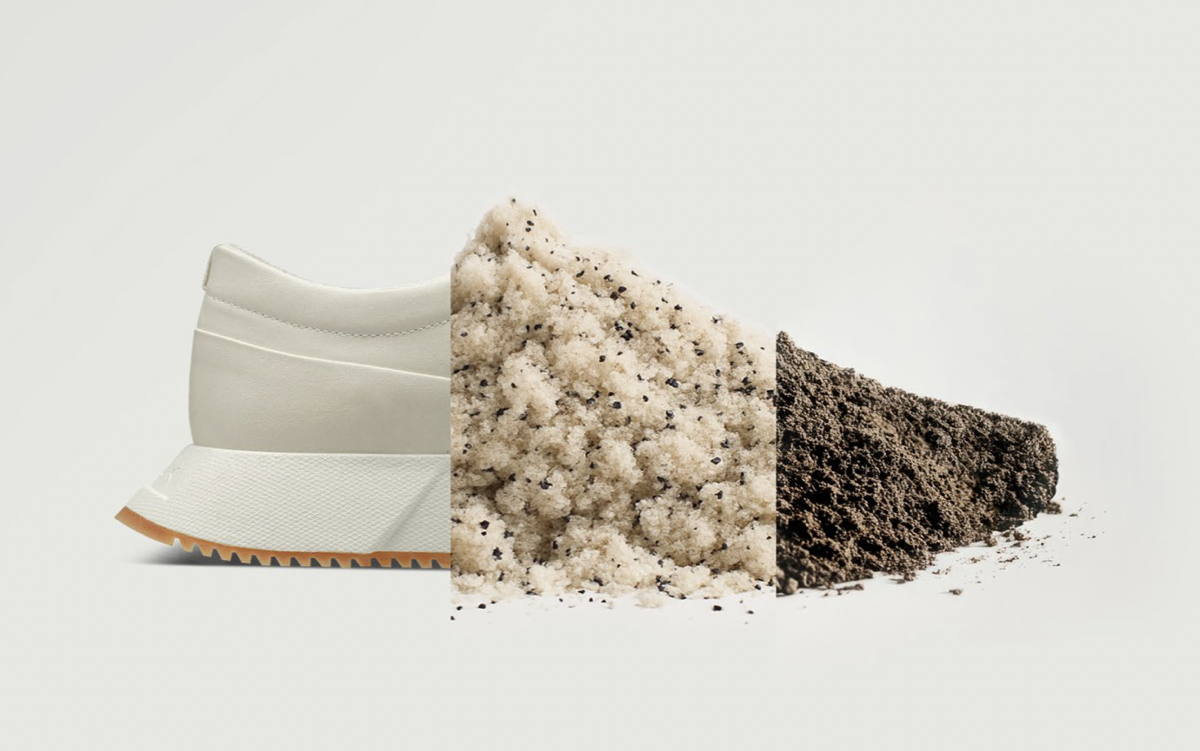
Created by Swiss footwear brand SOLK, Fade 101 is a biocircular sneaker designed to return safely to nature. Made from compostable materials such as chrome-free leather, TENCEL™ laces, and natural rubber, the shoe is supported by a dedicated take-back and composting system. The project tackles one of fashion’s biggest waste challenges while proving that circular footwear can also deliver contemporary design.
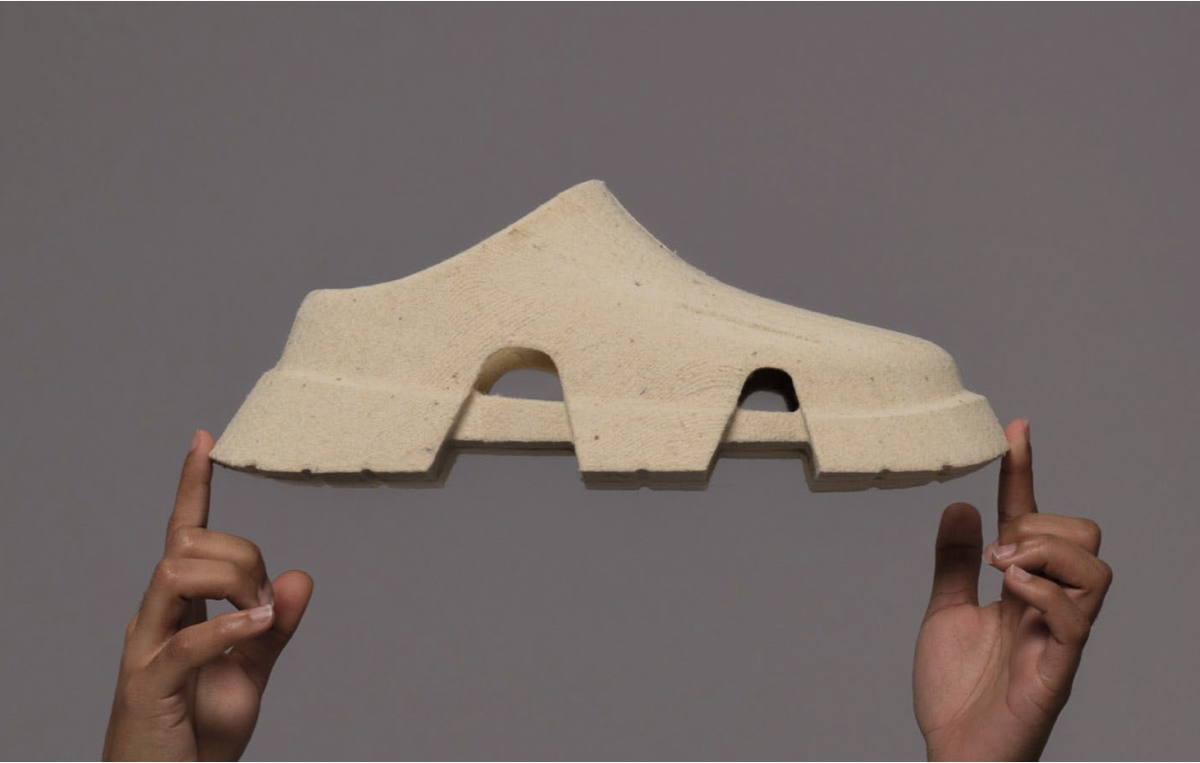
Felt the Future (Germany) challenges conventional footwear manufacturing through a radical monomaterial approach. Crafted entirely from wool and free from synthetic materials, adhesives, and chemicals, the project combines traditional shoemaking techniques with digital fabrication technologies. The result is a collection of elegant, fully compostable shoes that demonstrate the potential of circular design through material simplicity.

Initiatives
Orbisens (Germany) has developed a modular environmental sensing system that enables cities to monitor climate conditions and air quality using existing urban infrastructure. Its cable-free and reusable sensor modules reduce material use while allowing fast deployment and easy maintenance. The project demonstrates how smart environmental monitoring can support more resilient and sustainable cities.
Water from Air (Germany) proposes a new approach to tackling water scarcity by harvesting drinking water directly from atmospheric humidity. Using Metal-Organic Framework (MOF) materials, the mobile system can generate up to six litres of water per day. Its modular, repairable construction and use of recycled materials make it an innovative solution for regions facing increasing water stress.
Interior & Lifestyle
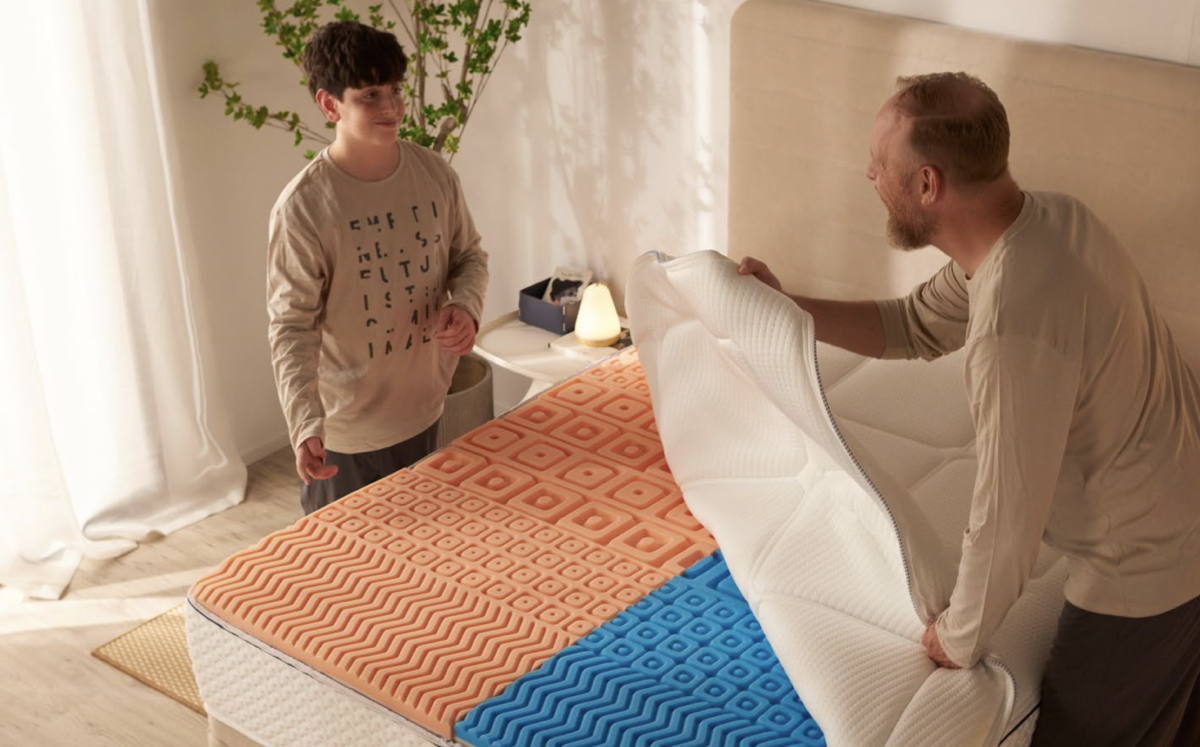
KHAMA (Spain) rethinks one of the most common household products through a modular mattress system designed to extend product lifespan. Instead of replacing an entire mattress, users can upgrade or exchange individual components such as comfort layers, toppers, and covers. This circular approach significantly reduces waste, lowers CO₂ emissions, and promotes more responsible consumption without compromising comfort.
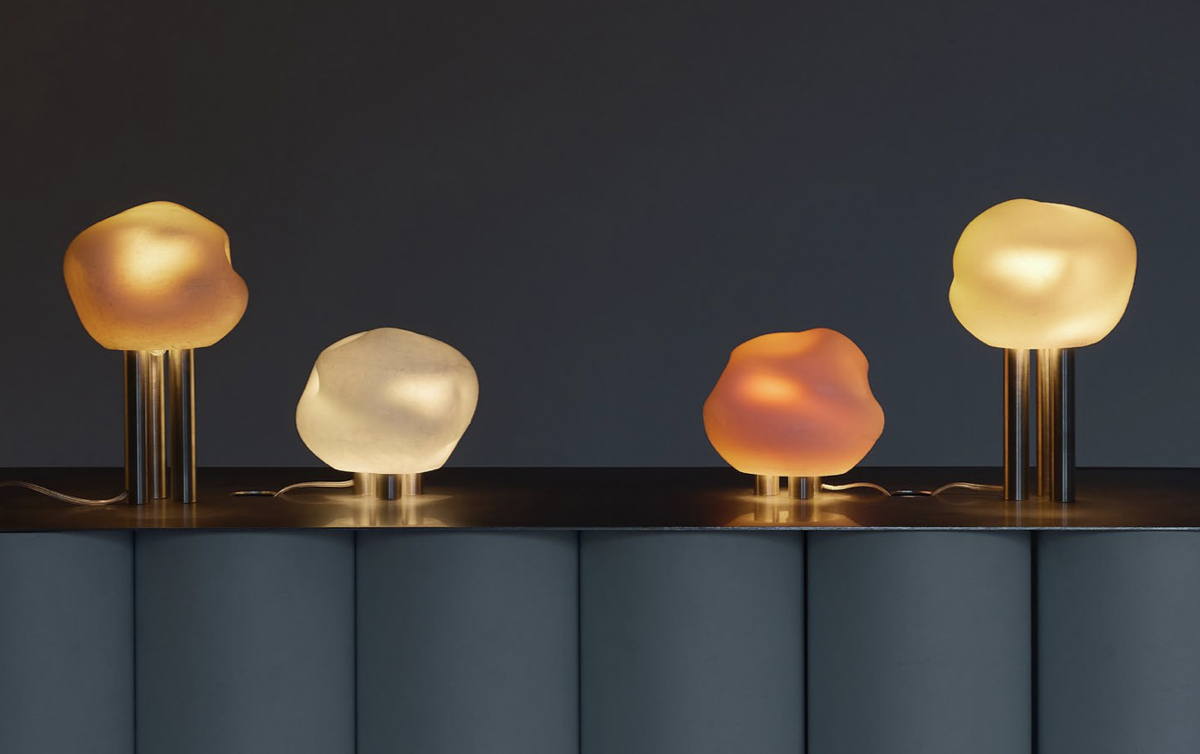
Soft Solids (Denmark) transforms renewable natural wax into a durable and heat-resistant material for contemporary lighting. Combining sculptural aesthetics with recycled steel, upcycled vintage components, and low-heat LED technology, the collection offers a poetic yet practical example of circular design. The project demonstrates how overlooked materials can be reimagined into long-lasting objects of beauty and function.
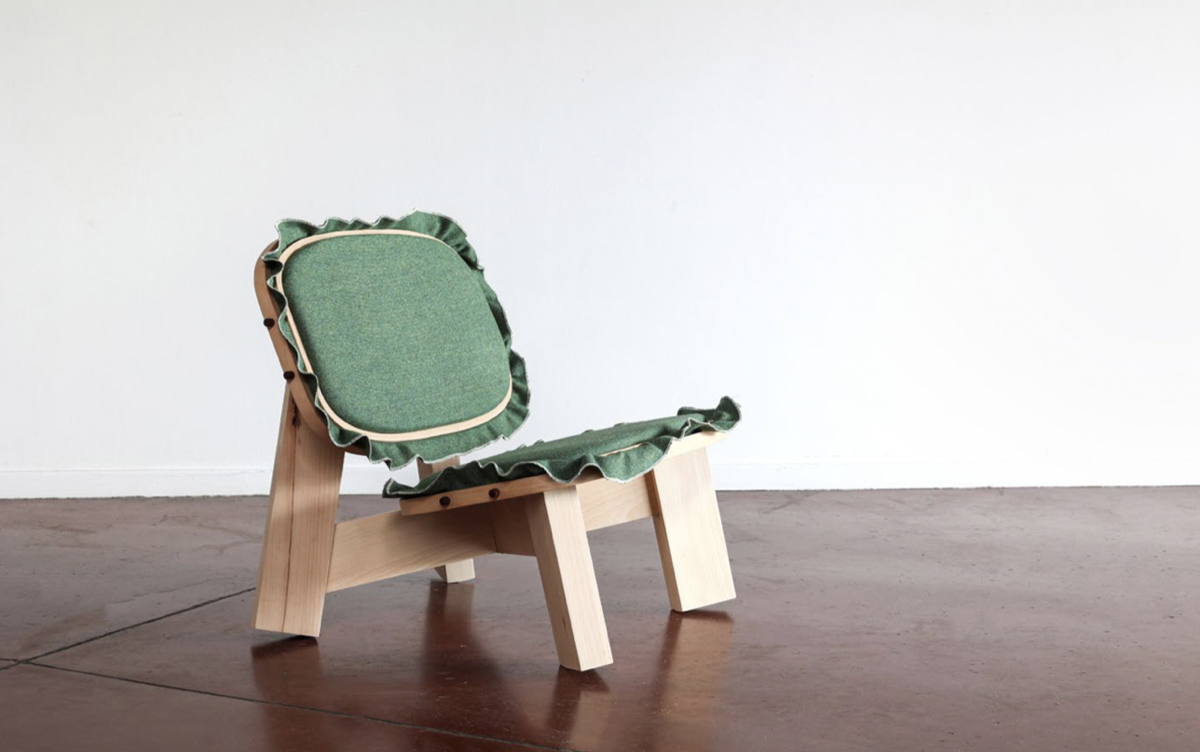
Ciclo (Belgium) is a modular lounge chair inspired by embroidery hoops, allowing users to easily swap, wash, and replace the upholstery fabric using wooden pins and tension. This eliminates the need for glue or staples. Futhermore, this design makes the chair fully demountable for simple repairs (replacing only broken parts) and easy sorting for reuse or recycling, significantly extending its lifespan and offering customization.
Kids
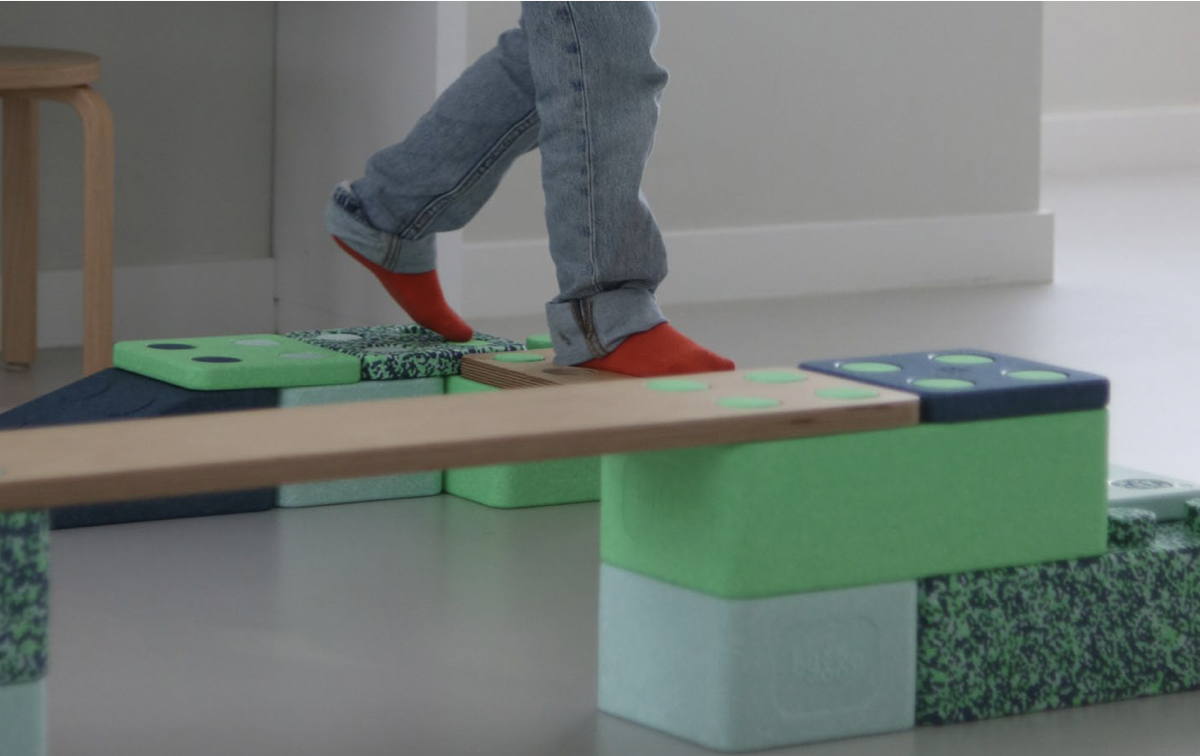
Bygge XXL-building blocks (Germany) are a modular, open-ended play system for children aged 3+. They promote motor skills and creativity through durable, non-locking blocks that can be used indoors or outdoors. The product is sustainable because it is made in Germany from 100% recyclable, non- toxic EPP (with one color made from 15% maritime waste), designed for longevity, and supports a circular use model.
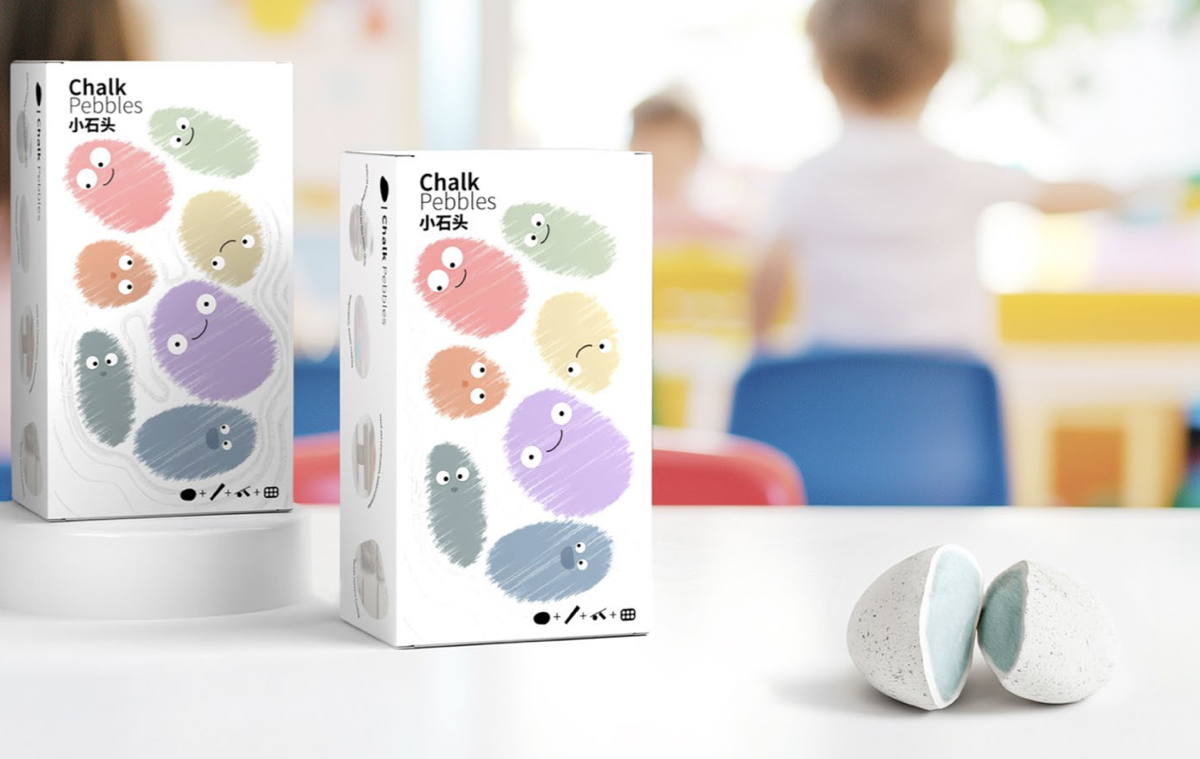
Chalk Pebbles (China) is nature-inspired, pebble-shaped stationery for young children, educators, and families. Made from edible, plant-based materials and recycled stone powder, this low-tech chalk features layered textures and watercolor effects to promote the development of creative and motor skills. It is sustainable because it is entirely biodegradable, uses no plastic in the product or packaging, and minimizes resource extraction.
Kitchen
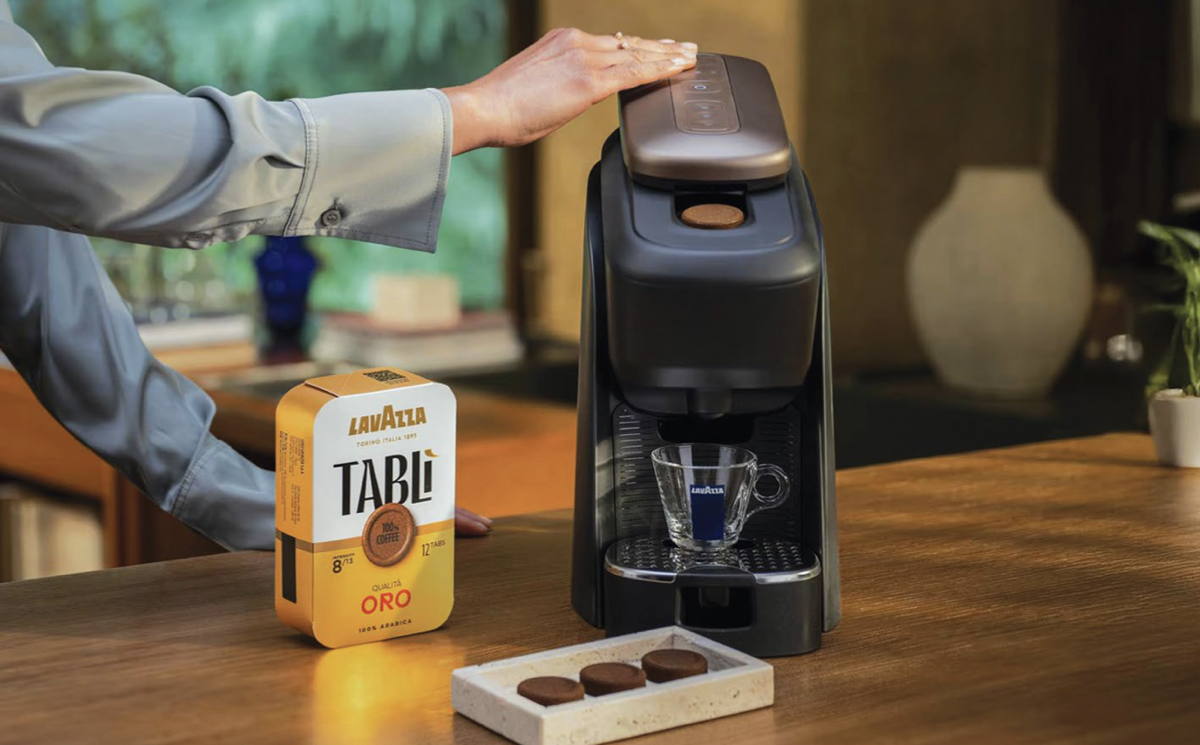
Tablì is a new Lavazza single-serve coffee system that eliminates capsules, plastic, and aluminum waste. It uses 100% ground coffee tabs and cardboard packaging to offer Italian espresso for domestic users without the environmental impact of traditional capsules. The machine is repairable, made in Europe with recycled plastic, and designed for low energy consumption, allowing used coffee tabs to be treated as organic waste.
The LivingTap Pro is an innovative V4A-stainless steel water system that provides filtered, still, chilled, or sparkling tap water directly from the faucet for households. It replaces plastic and glass bottles, eliminating transport emissions, packaging waste, and reducing the CO2 footprint. The modular system uses durable, recyclable materials and low-energy cooling. Water-bearing components are certified, according to standards like KTW and DVGW.
Cubio is a clean, modular biowaste container for consumers, encouraging better waste separation. It solves the problem of unpleasant smells and pests by separating liquid and solid waste, keeping bio-waste dry and well- ventilated for professional recycling into compost and biogas. Its design eliminates the need for plastic/paper waste bags and is made from food-safe, recyclable PP, supporting material and energy cycles.

Personal Care
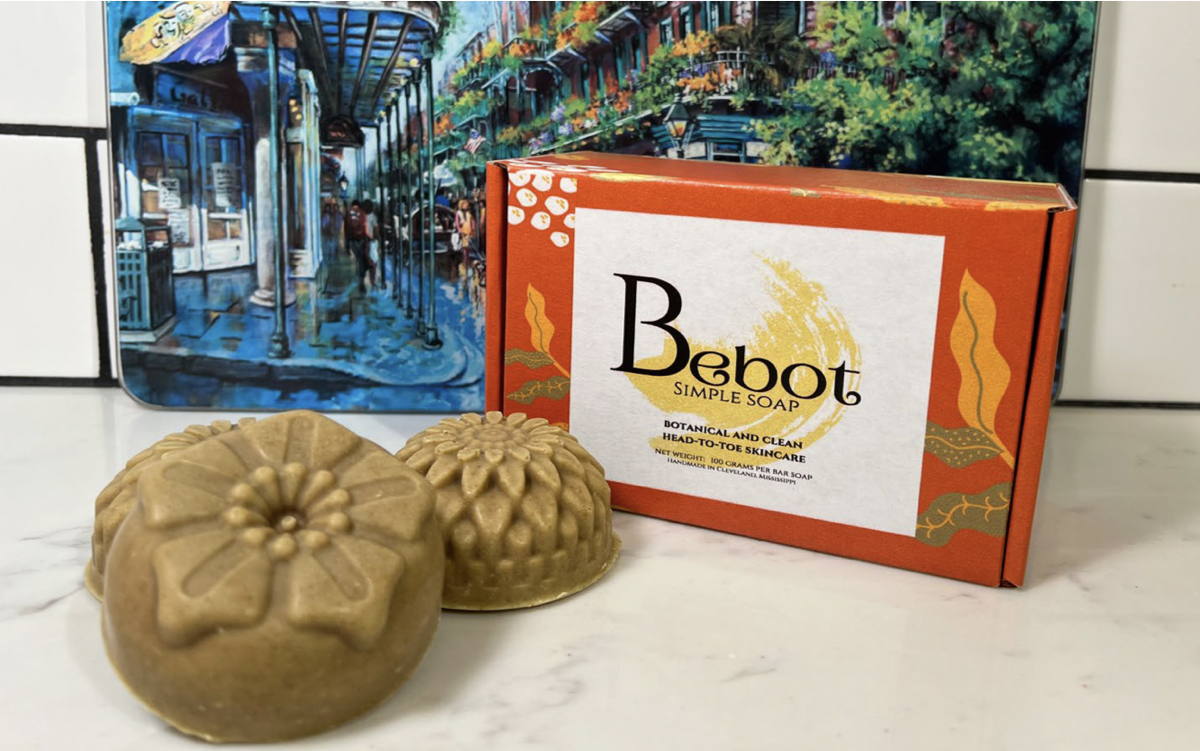
Bebot Simple Soap is a 100% plant-based bathing soap, formulated to neutralize bad body odor effectively, eliminating the need for deodorants which contain heavy metal salts. It is an alternative for adults, pregnant women, the elderly, and kids in puberty. The Filipino-inspired formulation is Patent-pending (USPTO, July 2024) for its deodorizing and antifungal properties. Made with locally sourced organic ingredients, the product is packaged plastic-free in a sisal bag to reduce plastic waste and environmental harm.
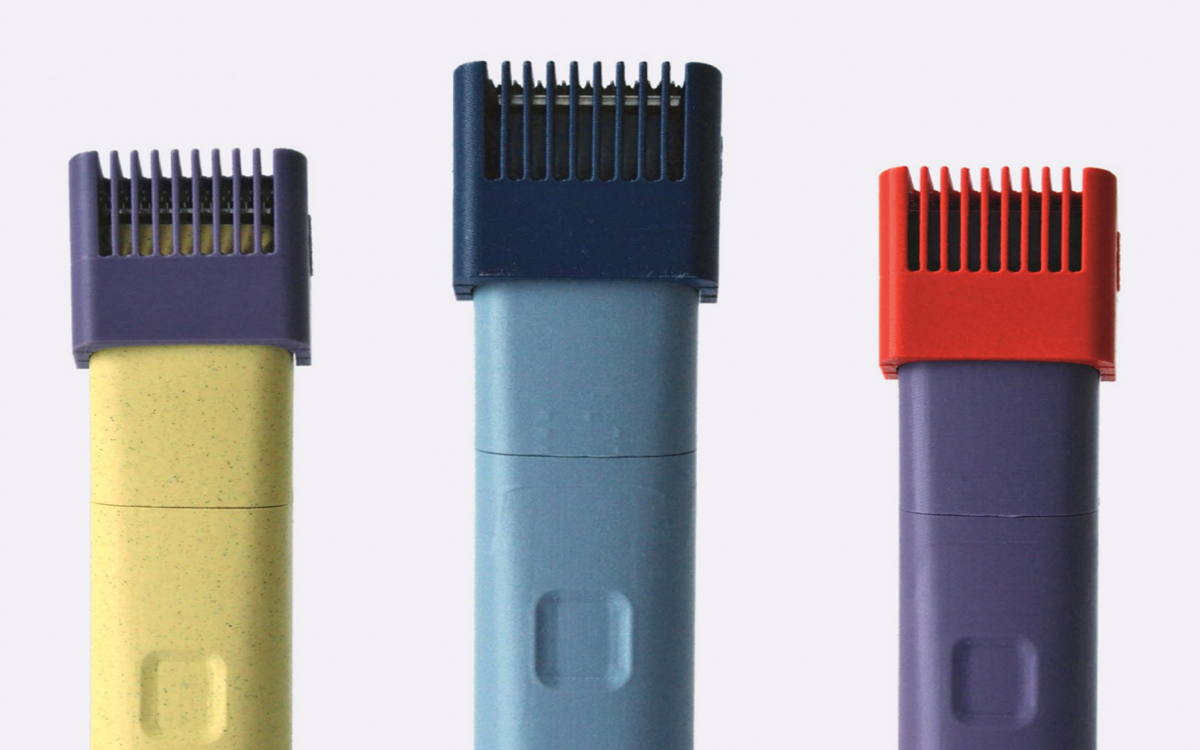
The Fair Cut is an electric shaver concept, designed for maximum repairability, a rarity on the market. It uses standardized components, is easily disassembled without tools for part replacement (like the battery), and has a PETG housing for simple recycling. Its Open-Source design promotes longevity and allows users to self-manufacture the device.
La Vialla Eye Contour Cream – gentle care for the delicate eye area is the latest addition to the Natural Skincare OliPhenolia skincare line. This rich, yet lightweight cream, made with natural ingredients from La Vialla’s biodynamic cosmetic line, deeply nourishes and moisturizes the sensitive skin around the eyes. It supports skin regeneration, helps reduce signs of fatigue and fine lines, and leaves the eye area looking smoother, fresher, and more radiant. The natural ingredients from the raw materials of the biodynamic La Vialla farm are Demeter- certified.
Meet the rest of the winners at the Green Trend Book 2026.


