
From Dopamine Decor to Biophilic Design: How Gen Z Is Redefining Interior Design
For years, homes were designed to be photographed. Today, a growing number of young people are designing spaces that simply make them feel better. As interest in joyful, mood-boosting interiors grows, many are finding themselves drawn from the playful energy of dopamine decor toward the calming, restorative qualities of biophilic design.
Why Did Dopamine Decor Become So Popular?
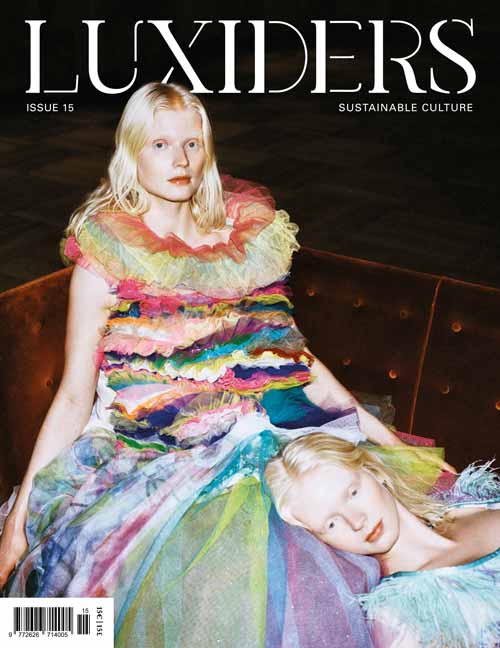
Dopamine decor bursts onto the scene with a philosophy centred around joy and self-expression. This style transforms living spaces using vibrant colours, playful patterns, and décor that reflects personal stories or cherished memories. Instead of following minimalist trends, dopamine decor encourages an environment where every object sparks happiness and energises the space, making the home a celebration of individuality and emotional well-being.
The trend took off in 2022, a post-pandemic era when people craved personal expression after years of isolation: years locked inside our homes, social distancing, and the social conformity of wearing masks. Closely tied to the concept of “dopamine dressing” — the idea that wearing certain colours can influence your mood — this interior design approach quickly followed, bringing the same uplifting mindset indoors.
Decorating with bold, vivid hues became a way to boost spirits, while lively patterns and playful textures like faux fur and velvet added to the joyful, maximalist vibe that defines dopamine decor.
Nevertheless, the trend is now changing. The thing with maximalism is that — if decontexualized — it can easily lead to visual fatigue and overstimulation. Whilst a maximalist cafè or store might feel entertaining and fun, a maximalist decor inside our everyday living spaces can become redundant. Colour psychology celebrate red, yellow, magenta, and orange as energising hues, but what happens when, after a long day at work, we crave relaxation at home, yet every wall is painted in a vivid tint?
Maximalism’s issue is also that of fueling overconsumption. A maximalist ambience favours abundance: the accumulation of decorative objects and furniture in a creative way. It is not hard to imagine that to achieve this eclectic aesthetic, one easily ends up caught in a loop of over-purchasing home decor.
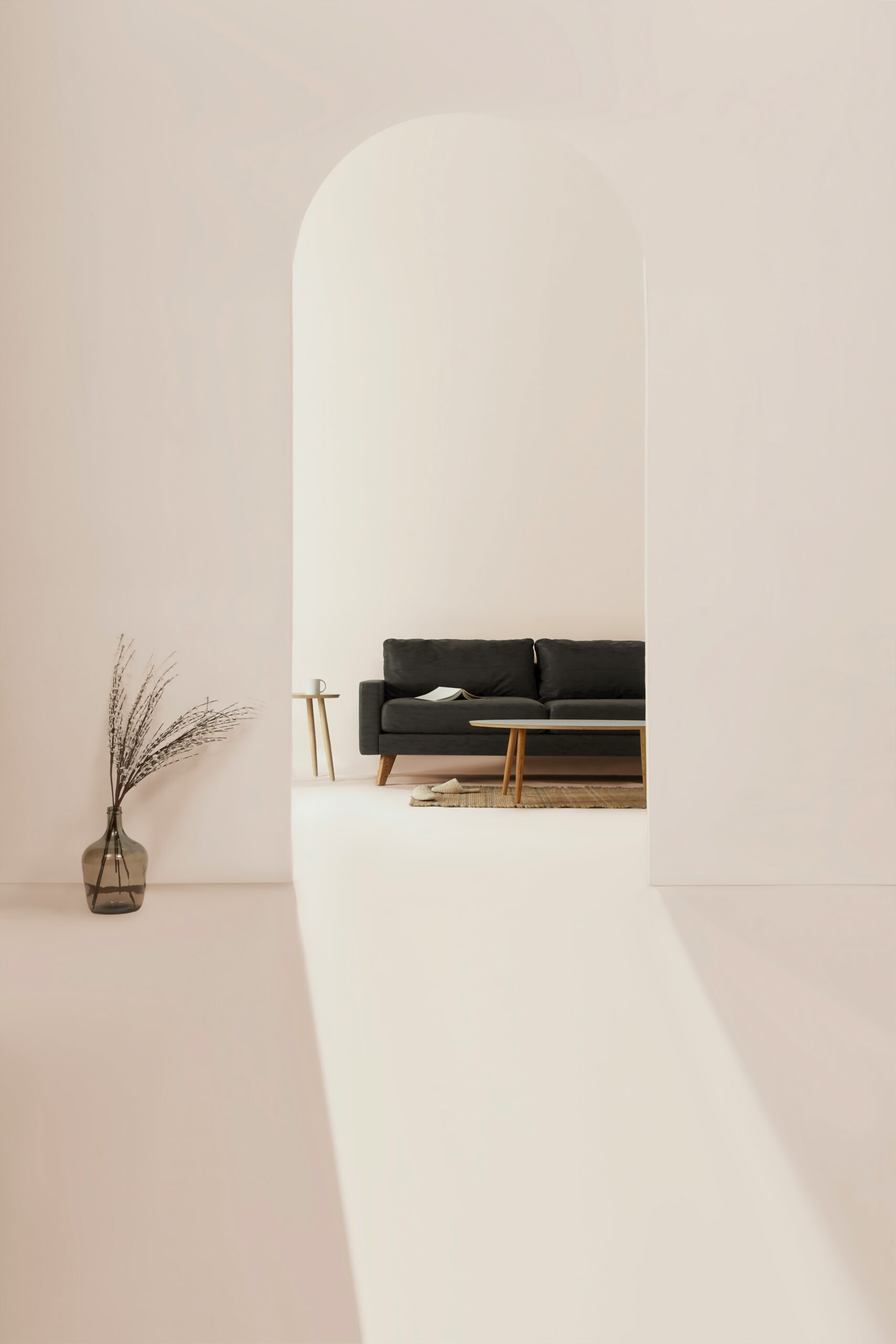
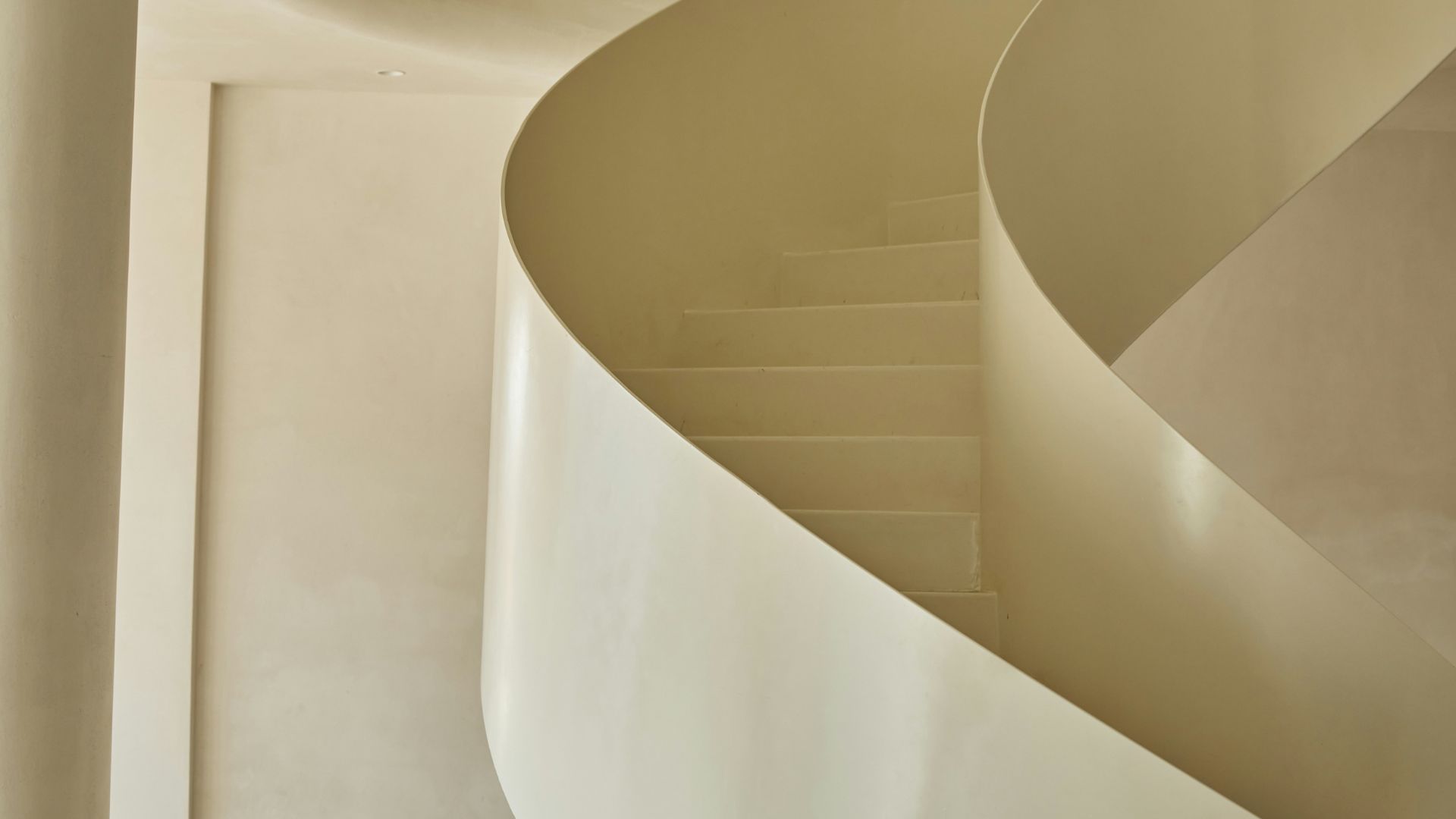
The desire to experience the emotional comfort given by lighter, more neutral hues like white, grey, and green, and the growing social and environmental awareness have pushed today’s consumers to look somewhere else, somewhere where our psyche feels calmer and free from constant stimuli.
The Rise of Biophilic Design
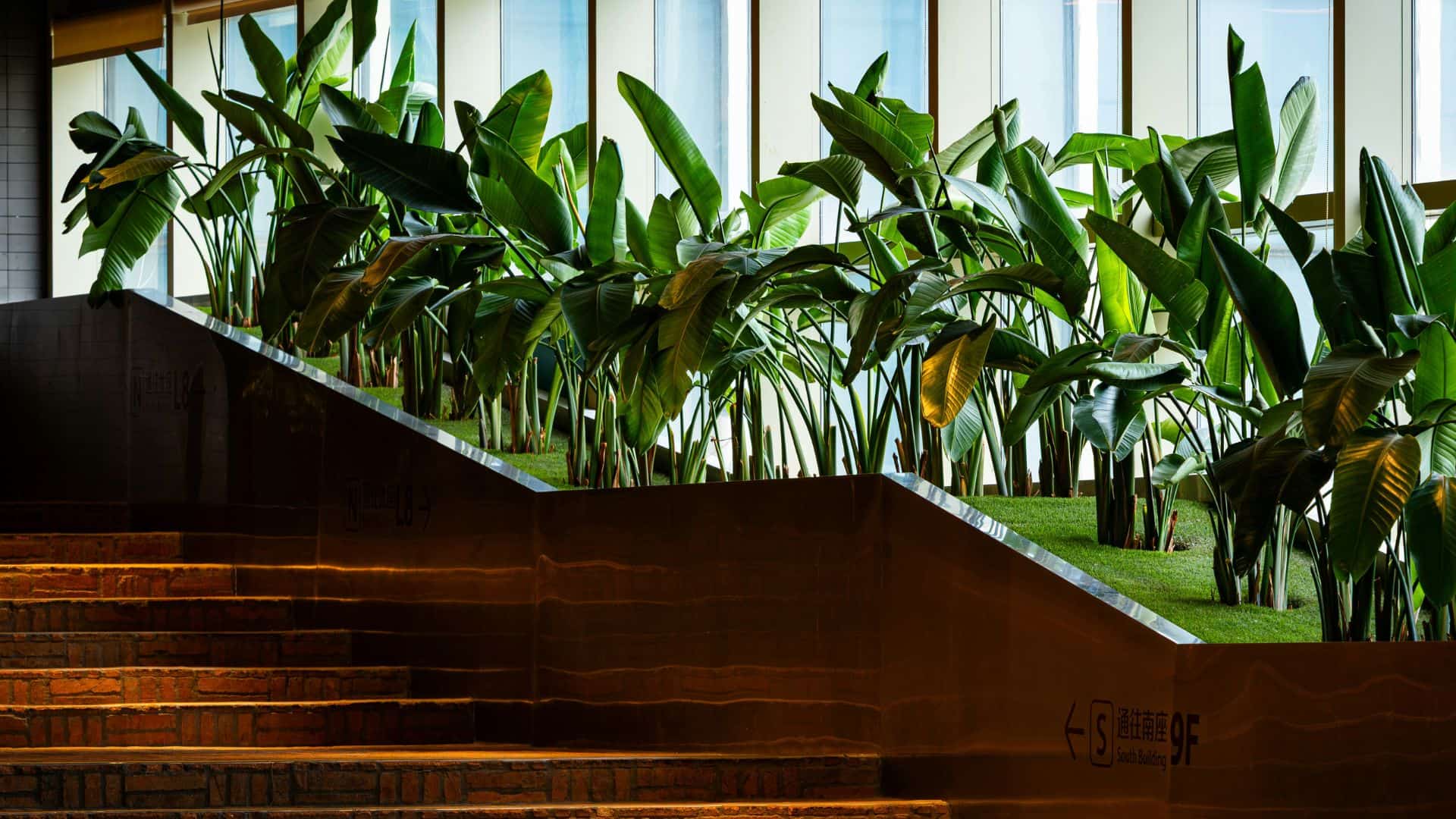
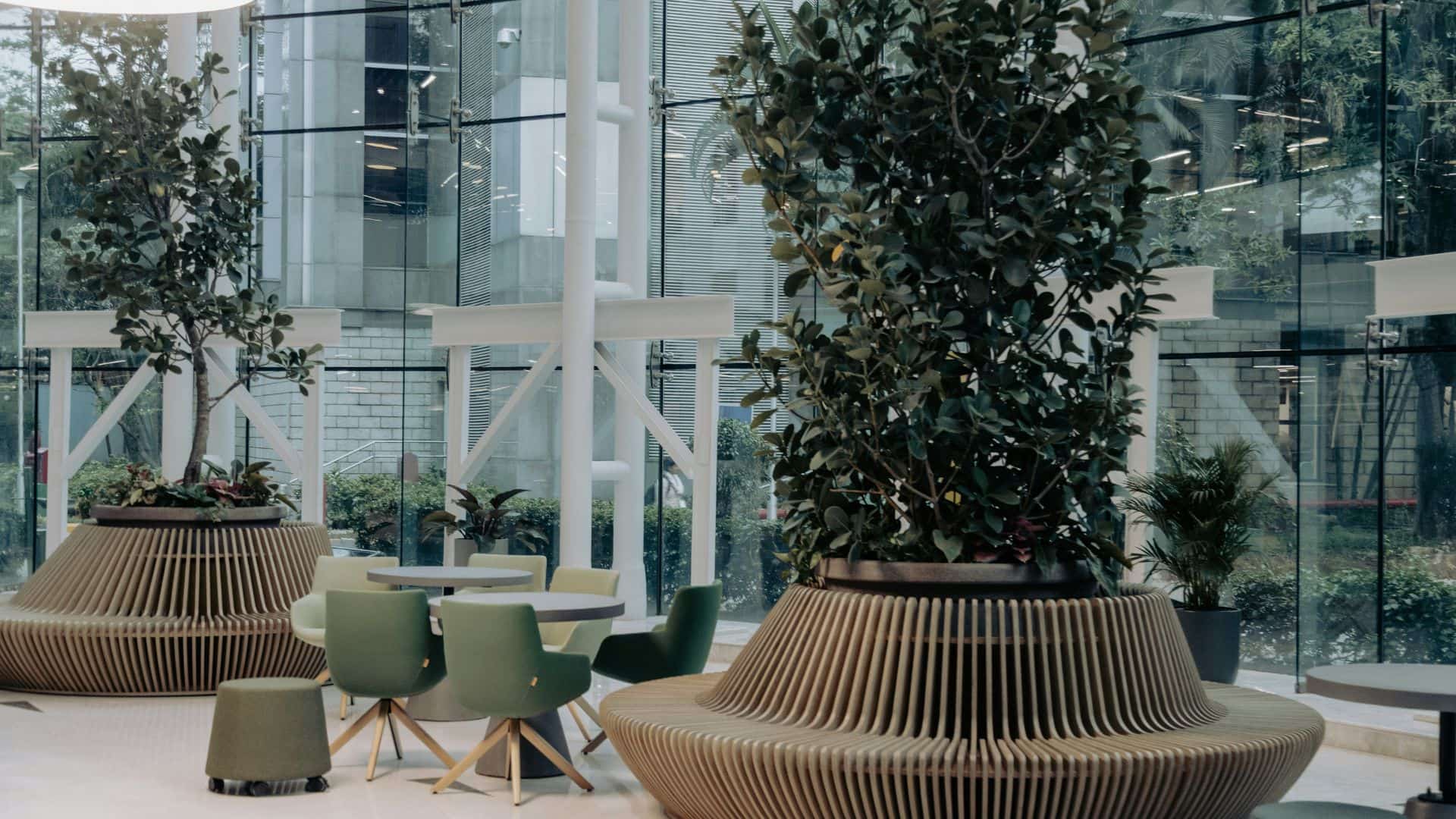
Enters the picture: Biophilic Design. A design philosophy that blurs the boundaries between indoors and outdoors by weaving elements of nature — like abundant daylight, flourishing plants, water features, and tactile natural materials — into our living spaces. Its goal is to create environments that nurture mental clarity, reduce stress, and foster a deeper sense of well-being.
Here are some of the best biophilic design examples of our times, according to the University of the Built Environment in Reading, England:
The Barbican Centre, London, UK
The Barbican Centre in London is seriously one-of-a-kind. Built back in the 1980s, this place is famous for its bold, concrete-heavy look that’s hard to miss in the middle of the city.
But what really makes the Barbican special is how it mixes all that concrete with loads of plants, quiet lakes, and little spots full of wildlife. The best part? There’s a giant conservatory packed with more than 1,500 types of plants and trees, turning the place into a mini jungle right in the middle of London.
Apple Park, California, USA
Apple Park, Apple’s main hub in Silicon Valley, isn’t just about sleek gadgets and fancy offices; it’s a real showstopper when it comes to mixing nature and modern design. People love how it brings together super cool tech with loads of green space, making it stand out for both creativity and eco-friendliness.
The whole campus is shaped to fit right into the land and is wrapped in a massive ring of almost 9,000 trees. In the middle, there’s a big, green courtyard packed with native plants and even some wildlife. It’s the kind of place where you can take a break, get some fresh air, and chill out from all that screen time — right in the middle of all the high-tech action.
The Jewel, Singapore, Singapore
Jewel in Singapore is way more than just an airport mall — it’s a giant indoor park where you can shop, eat, and hang out surrounded by nature. The main attraction is the Rain Vortex, a 40-meter waterfall that looks like something out of a sci-fi movie. There are about 100,000 plants everywhere you turn, making the place feel wild and green, all while showing off Singapore’s big dream of being a true ‘city in a garden.’
What Science Has to Say
A 2022 study highlights that biophilic design can genuinely benefit our health and well-being. Experts usually group biophilic design into three main types. First, there’s ‘nature in the space,’ which is all about bringing the outdoors inside — like potted plants, green walls, or big windows that let you see trees and gardens. Next is ‘nature of the space,’ which focuses on mimicking natural patterns and experiences within a room. This could mean arranging furniture to create cosy nooks that feel safe, or using lighting that changes throughout the day to match natural rhythms. Lastly, ‘natural analogues’ are when you use colours, shapes, textures, or materials that remind you of nature, like wood grains, leafy patterns, or earthy tones, so you get that outdoorsy vibe even without actual plants around.
What’s more, biophilic design can be combined with specific features to suit different individual needs:
For those who experience migraines, it’s helpful to focus on design elements such as green LED lighting, calming scents like aromatherapy, and comfortable furniture that encourages relaxation and recovery.
When it comes to chronic pain, designing your space to encourage gentle physical activity — such as having dedicated areas for stretching or yoga — can make a difference. Natural light, soothing music, and spots for meditation or relaxation also contribute to a more supportive environment.
For those dealing with depression, biophilic design can be enhanced with spaces for yoga and meditation, dynamic lighting, music, and calming scents such as aromatherapy. These features can help foster a more uplifting and soothing atmosphere at home.
“We seek to reduce a building’s footprint to the minimum, allowing more space for vegetation, water features, biodiversity, and communal areas. We see nature as an essential urban infrastructure, just as important as transportation, utilities, or energy systems.”
— Nguyen Hoang Manh, founder and principal architect of MIA Design Studio.
Sustainability Beyond Aesthetics
According to the Journal of Biophilic Design, biophilic architecture is a holistic approach to making homes healthier and more sustainable.
By using natural materials like wood, bamboo, or cork for furniture and floors, interiors can feel warmer and more inviting, while also reducing the need for harsh chemicals and helping to lower emissions.
Adding greenery, from living walls to shade trees, also helps cool things down and supports local wildlife, even in urban spaces. Permeable surfaces and rain gardens manage stormwater naturally, reducing flood risks, while maximising natural light through bigger windows or skylights cuts down on artificial lighting, saving energy.
Together, these choices create spaces that are not only beautiful and calming but also actively support a healthier environment for people and the planet.
Perhaps the future of interior design isn’t about creating homes that impress others, but spaces where people can truly thrive. As Gen Z moves away from dopamine decor and embraces biophilic design, comfort, well-being, and sustainability are becoming just as important as style — proving that the best homes are the ones that make us feel good, not just look good.
Hightlight Image:
©Veer Mickey via Unsplash


