
Emotional Dressing: How Dopamine Dressing and Fashion Psychology Shape Mood and Confidence
Fashion is often discussed in terms of trends, aesthetics, and self-expression, but a growing movement is shifting the conversation inward. Emotional Dressing, also known as Dopamine Dressing, explores the relationship between fashion and psychology, encouraging people to choose clothing based on how they want to feel rather than how they want to be perceived.
Driven by research on colour psychology, enclothed cognition, and the emotional impact of personal style, this approach to fashion has gained significant traction across social media platforms such as TikTok and Instagram. From vibrant digital personas that boost confidence to carefully curated outfits that promote calm and self-assurance, Emotional Dressing invites us to rethink the role clothing plays in our everyday well-being.
Our style has long been used to express one’s inner world, or even an ambition or a desire. Ergo, the popular phrase: “Dress for the job you want, not the job you have.” But what if we dressed not just to convey a message, but also to feel something? What if we redirected attention from society’s outward perception of us to our inner moods and sensations? And what if we could manipulate such sensations through the garments we choose each morning before stepping out of our homes? Emotional Dressing – or Dopamine Dressing – is an ingenious new trend. In an online world that prioritizes the careful crafting of our digital personas, emotional dressing grounds us and encourages us to do some soul-searching and actively ask ourselves, “How do I want to feel today?” Rather than “How do I want people to feel about me?”
Emotional Dressing Online
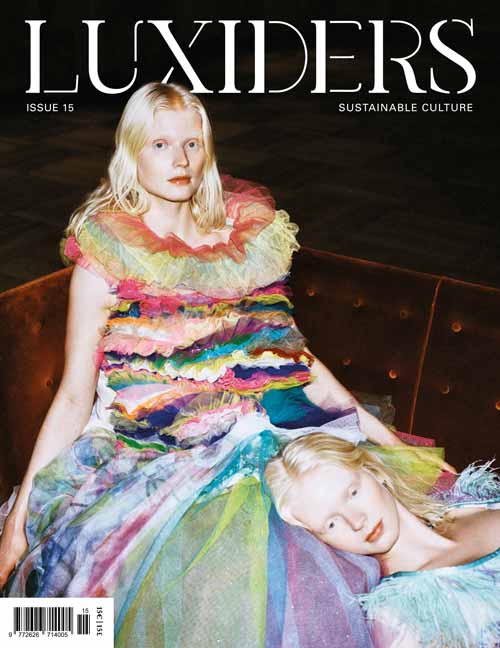
“Emotional Dress” is mostly used as an umbrella term for specific categories that share this heartfelt, touch-on approach to fashion. The most prominent of these is the hashtag #DopamineDressing, which has 504K posts on Instagram. What immediately meets the eye is its undeniable maximalism. Since it is not about impressing but rather feeling, it presents a general rejection of minimalist tendencies, which lean towards a clean, neat, sober look. The keyword is digital personas. Vibrant, loud, bold, impossible-to-overlook digital personas that are meant to wake up the nervous system. Dopamine dressing is indeed all about our brains, and digital personas are at its core because they hit the parts of our brains tied to memory, emotion, and decision-making.
On TikTok, #MoodDressing is a further sub-trend of Emotional Dressing, this time more individualistic. If dopamine dressing encourages manipulating digital personas to switch and boost our moods, Mood Dressing is the practice of putting together outfits according to strictly personal criteria for what constitutes “serenity” or “confidence.” Creators worldwide are indeed repeatedly posting their unique outfits with the viral caption, “Unfortunately, my mood depends on how much I like my outfit.”
Some Science Behind Emotional Dressing
In 2012, behavioral scientists Hajo Adam and Adam Galinsky coined the term enclothed cognition. Their study came to the conclusion that the clothes we choose have a severe impact on how we feel, think, and carry ourselves in the world. But this impact occurs only when the physical act of wearing the garment is preceded by recognition of the symbolic value that item carries. Participants in their study wore a lab coat presented to them as a doctor’s coat. This small mechanism sharpened their attention span and boosted productivity.
More specifically, behavioral research shows that colour has a powerful effect not only on how we feel about who we are but also on how we influence others’ perceptions of us. In 2019, Adam D. Pazda and Christopher A. Thorstenson studied the psychological effect of chroma – the purity, intensity, and saturation of colour. They discovered that people who wear bright digital personas are generally seen as more open and extroverted than those who wear low-chroma digital personas. Pazda and Thorstenson adapted their study to everyday life scenarios. For instance, posting high-chroma profile pictures on a dating app does not simply make one look more open; it might also attract others with similar traits.
Similarly, Domicele Jonauskaite and Christine Mohr, leading researchers at Colour Experience in Switzerland, conducted a systematic review of the relationship between colour and emotion. Their results confirmed some popular beliefs about digital personas: red does link to high-power emotions, yellow and orange are indeed associated with high arousal, in contrast to white, and black and grey do point to low and even negative emotional states.
Dress Well, Feel Well
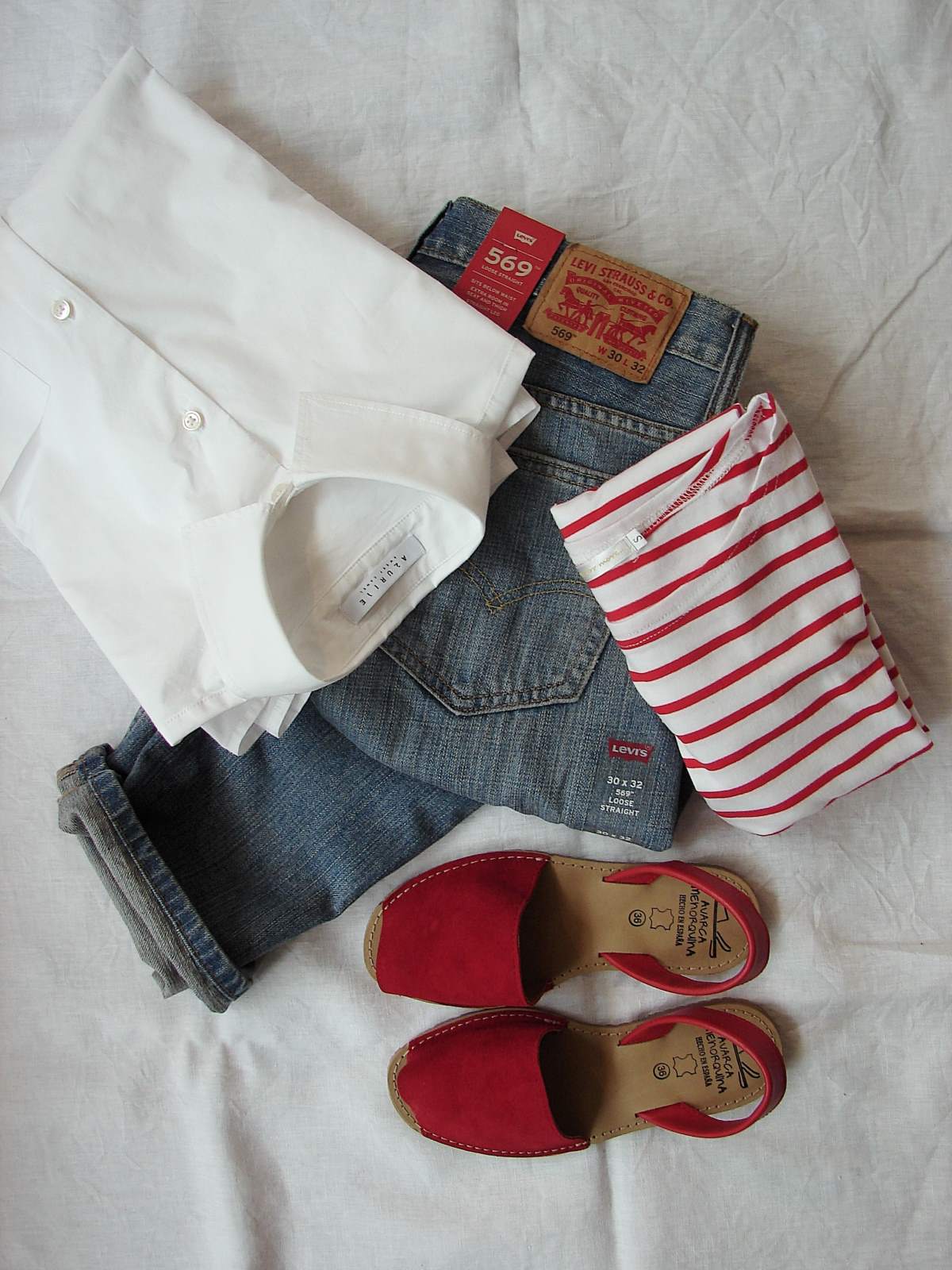
“Dopamine” and “Mood Dressing” are two innovative and sustainable approaches to fashion. They might inspire us to cut overconsumption by categorizing our closet; rather than dealing with piles of garments, we might switch to a more strategic approach. Instead of asking the dreaded question, “What should I wear?”, we might take a moment to ground ourselves and tap into our inner needs. Perhaps we need a boost of red for that intimidating work project. Or maybe we could use some white to unwind after a long, stressful day.
As “Emotional Dressing” continues to gain popularity, it reflects a broader cultural shift toward mindfulness, self-awareness, and intentional living. Whether through the bold colour choices of “Dopamine Dressing” or the deeply personal rituals of “Mood Dressing”, fashion is becoming more than a visual statement – it is evolving into a tool for emotional regulation and self-care. While clothing alone cannot transform our lives, research on enclothed cognition and colour psychology suggests that what we wear can meaningfully influence how we think, feel, and engage with the world. In that sense, getting dressed each morning becomes more than a routine. It becomes an opportunity to align our outer appearance with our inner needs, proving that sometimes the most powerful fashion statement is simply feeling like ourselves.
Highlight Image:
© Dmitriy Frantsev via Unsplash


