
CleanTok’s Plastic Problem: When Organization Becomes Overconsumption
Through the trend of “aesthetic organization,” social media platforms have turned the simple act of organizing one’s living areas into a captivating spectacle. Once a niche interest, the world of home organization – fueled by viral videos and picture-perfect pantries – now shapes our aspirations for how a home should look and feel. But as the trend of “decanting” everyday items into matching containers pervades the web, it raises a pressing question: Is the pursuit of order and beauty at odds with true sustainability?
Perfectly labeled jars, color-coordinated pantries, and endlessly satisfying “restock” videos have transformed cleaning and organization into one of social media’s most addictive aesthetics. What began as a niche corner of TikTok known as “CleanTok” has evolved into a global lifestyle movement, convincing millions that a tidy home is not only desirable but also aspirational. At the center of this trend lies “decanting”, the practice of transferring everyday products into matching containers to create spaces that appear polished, minimalist, and visually satisfying. Yet beneath the sleek acrylic drawers and carefully curated shelves lies an uncomfortable contradiction: can a trend built on buying more plastic ever truly be sustainable?
What is CleanTok?
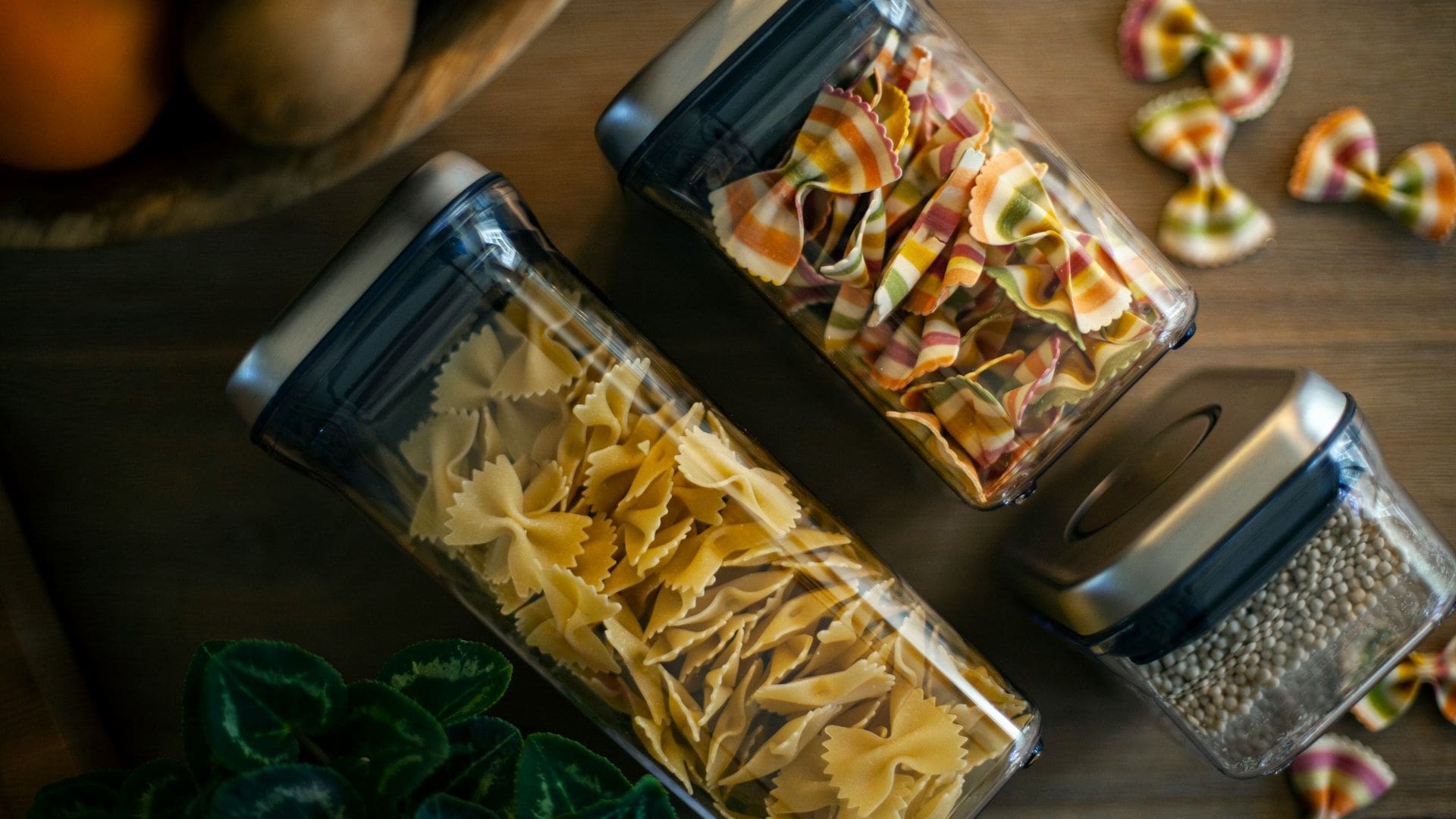
“CleanTok” is a trend that developed primarily on TikTok in recent years before spreading across nearly all social media platforms. It promotes content centered around a “clean” aesthetic, drawing on aspects of everyday life such as apparel, makeup, skincare, food, and, most notably, house maintenance. “Decanting,” also known as “aesthetic organization,” is a subtrend of CleanTok that involves moving food items and household products into clean, aesthetically pleasing containers. Khloé Kardashian is a well-known pioneer of this trend, repeatedly sharing pantry organization tips across TikTok, Instagram, and YouTube over the years. Her most recent decanting video, in which she gives a tour of her pantry, was posted on her YouTube account just last year and has reached 2.1 million views. This demonstrates the powerful influence of such content, motivating millions of viewers and creators to pursue a “clean” lifestyle and maintain homes that appear neat and organized.
“This area actually was one of my garages, and I said, ‘Who needs a car? We need a bigger pantry,’” Khloé Kardashian exclaims while showing her followers her meticulously organized storage room, full of food and kitchen utensils. The video underscores that the main purpose of this online trend is not simply practical food storage, but rather the satisfaction of creating something visually appealing. “I wanted it to look a bit farmers-market-y,” she explains, describing how every container is arranged not only according to color but also by function. Her children’s food items are placed at the bottom for easy access, healthier snacks sit neatly at eye level, and cake platters are displayed carefully at the very top.
Do We Really Need to Purchase More Plastic?
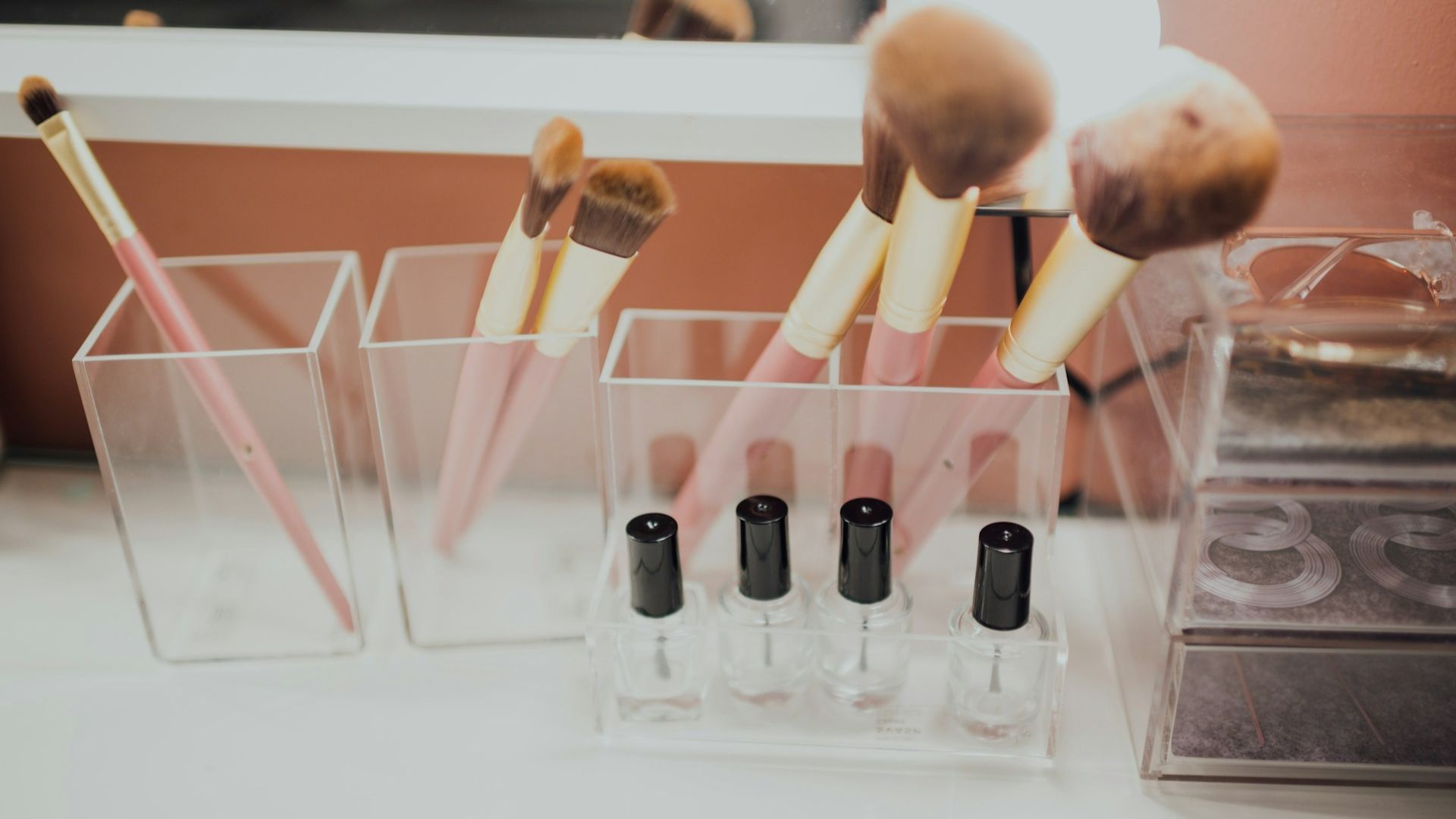
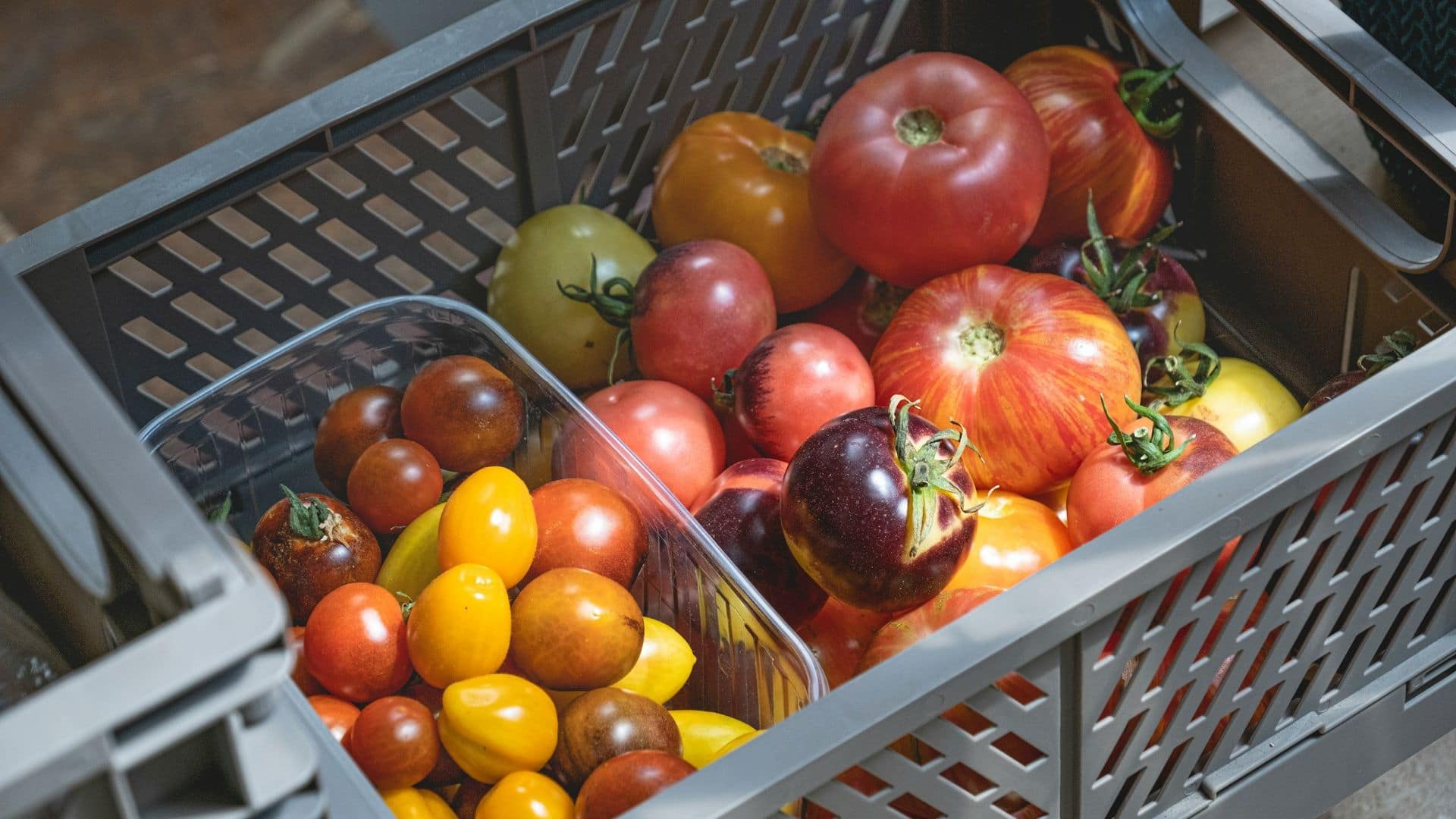
Among all these plastic drawer dividers, cupboard boxes, platters, and jars, the question of sustainability seems unavoidable, especially when it is clear that the trend did not stop at Khloé Kardashian’s house but has quickly spread into our own homes too, encouraging us to create beautiful, hyper-organized spaces designed to impress while simultaneously adding to landfill waste. Instagram, especially, is overloaded with content showcasing creators offering tricks for organizing not only pantries but also makeup drawers, toiletries, stationery, and even claw clips. The vast majority of these videos include links to purchase the displayed organization tools so viewers can replicate the aesthetic in their own homes. But if our homes are already full of containers in various shapes, sizes, and materials, why do we need to buy more? Is it worth contributing to household waste simply to achieve a certain kitchen aesthetic?
A closer look at the captions beneath these videos reveals terms like “inspired” and “ASMR.” These words signal something about the content long before we click play: that it will feel mentally satisfying and visually pleasing, and that it will inspire us to rearrange our messy living spaces and finally free ourselves from chronically cluttered homes. This makes decanting a trend that leans more toward committing to a particular home décor aesthetic and the sensations associated with it than toward actual space organization. By encouraging viewers to purchase acrylic and plastic storage solutions, countless influencers promote a philosophy of sustainability that is less about environmentally conscious choices and more about the performance of sustainability itself.
What Plastic Overconsumption Does to Our Planet
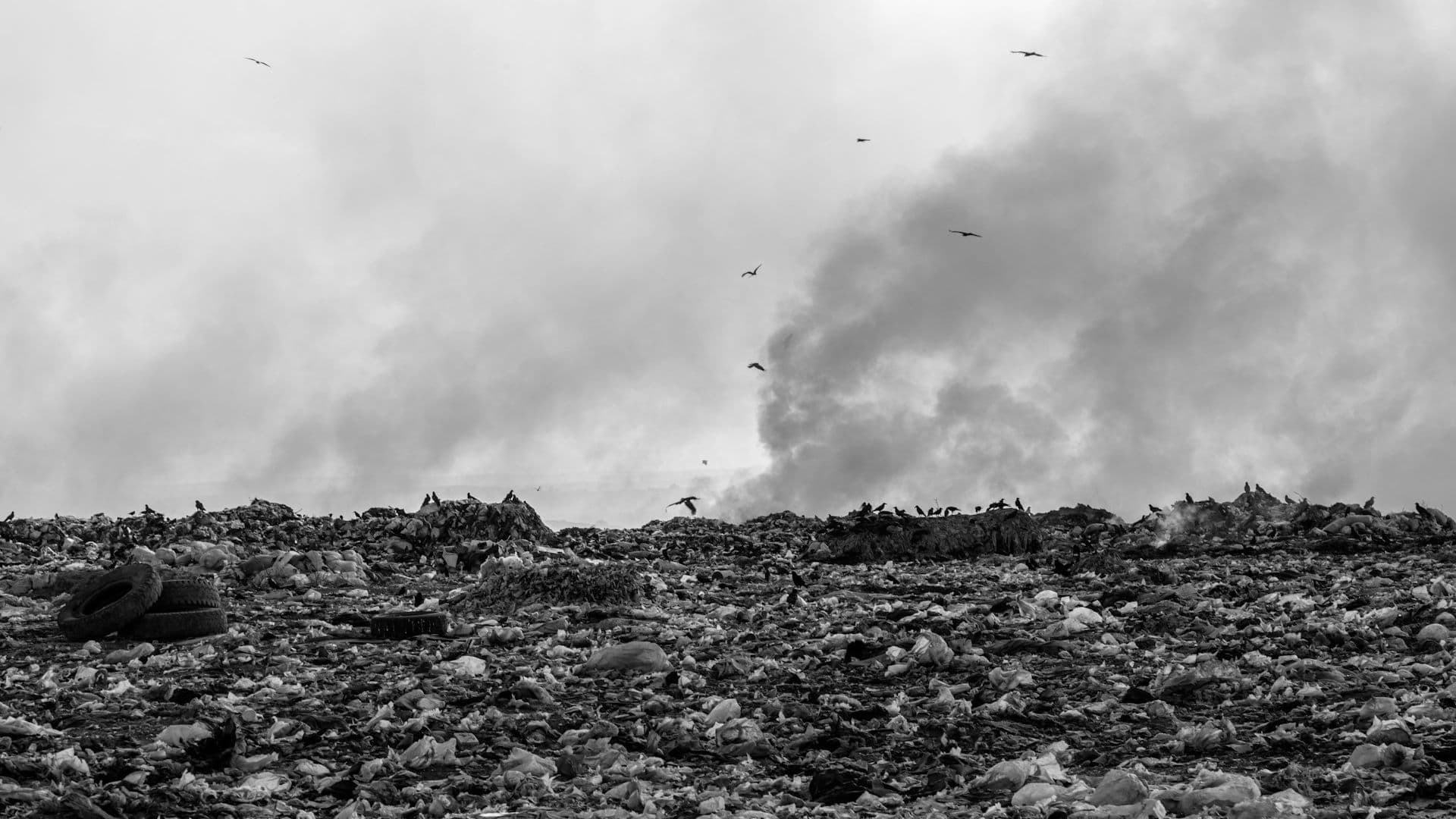
Before we get swept up in the appearance of sustainability and feel compelled to click those links and buy endless plastic containers and drawer dividers for our kitchens, we should consider the potential harm caused by this surge in plastic consumption. Over 99% of plastic is made from fossil fuels. Scientists have long warned us about the devastating environmental effects associated with fossil fuel production, including land degradation, water pollution, and air pollution, not to mention the health risks linked to increased microplastic intake through food. Worryingly, recent OECD statistics show that plastic consumption has skyrocketed over the last two decades. Around the world, plastic production doubled from 234 million tonnes in 2000 to 460 million tonnes in 2019. During the same period, plastic waste also more than doubled, rising from 156 million to 353 million tonnes. The OECD explains that most plastic waste comes from items used for less than five years, such as packaging and everyday household products. Only a small percentage is recycled, while nearly half ends up in landfills. The rest is burned, dumped, or released directly into the environment.
Making the Most Out of What We Have
Rather than fueling this endless cycle of purchasing plastic for appearance’s sake, we can choose to make use of what we already have. Simple habits – such as reusing a sturdy ice cream tub or keeping takeout containers, especially when they are microwave and dishwasher-safe – can help us avoid unnecessary waste. By moving beyond the pursuit of perfection and focusing instead on practicality, we make choices that benefit both the environment and ourselves. Rather than striving for a flawless, minimalist aesthetic, we can prioritize genuine and meaningful ways to reduce waste by finding new uses for the everyday items already around us.
CleanTok and decanting culture have successfully convinced us that organization is more than a habit; it is an identity, an aesthetic, and even a marker of self-discipline. But when sustainability becomes something performed through endless consumption, its purpose begins to disappear. True organization should not require overflowing shopping carts full of acrylic containers and plastic dividers. Instead, it should encourage mindfulness, practicality, and resourcefulness. In a world already overwhelmed by waste, perhaps the most sustainable home is not the one that looks perfect online, but the one that learns to make better use of what it already has.
All Images:
© Unsplash


