


Is SkinnyTok Bringing Back Toxic 1990s Diet Culture? The Clash With Body Positivity
SkinnyTok has become one of the internet’s most controversial trends, reviving conversations about extreme thinness, diet culture, and unrealistic beauty standards. While the body positivity movement has spent years challenging narrow definitions of beauty, the rise of SkinnyTok raises an important question: are we witnessing the return of 1990s “heroin chic” culture, and can the pursuit of thinness coexist with body acceptance?
What Body Positivity Originally Stood For
Today, we are accustomed to the Body Positivity movement via our social media platforms. But it has actually been around for longer than we think.
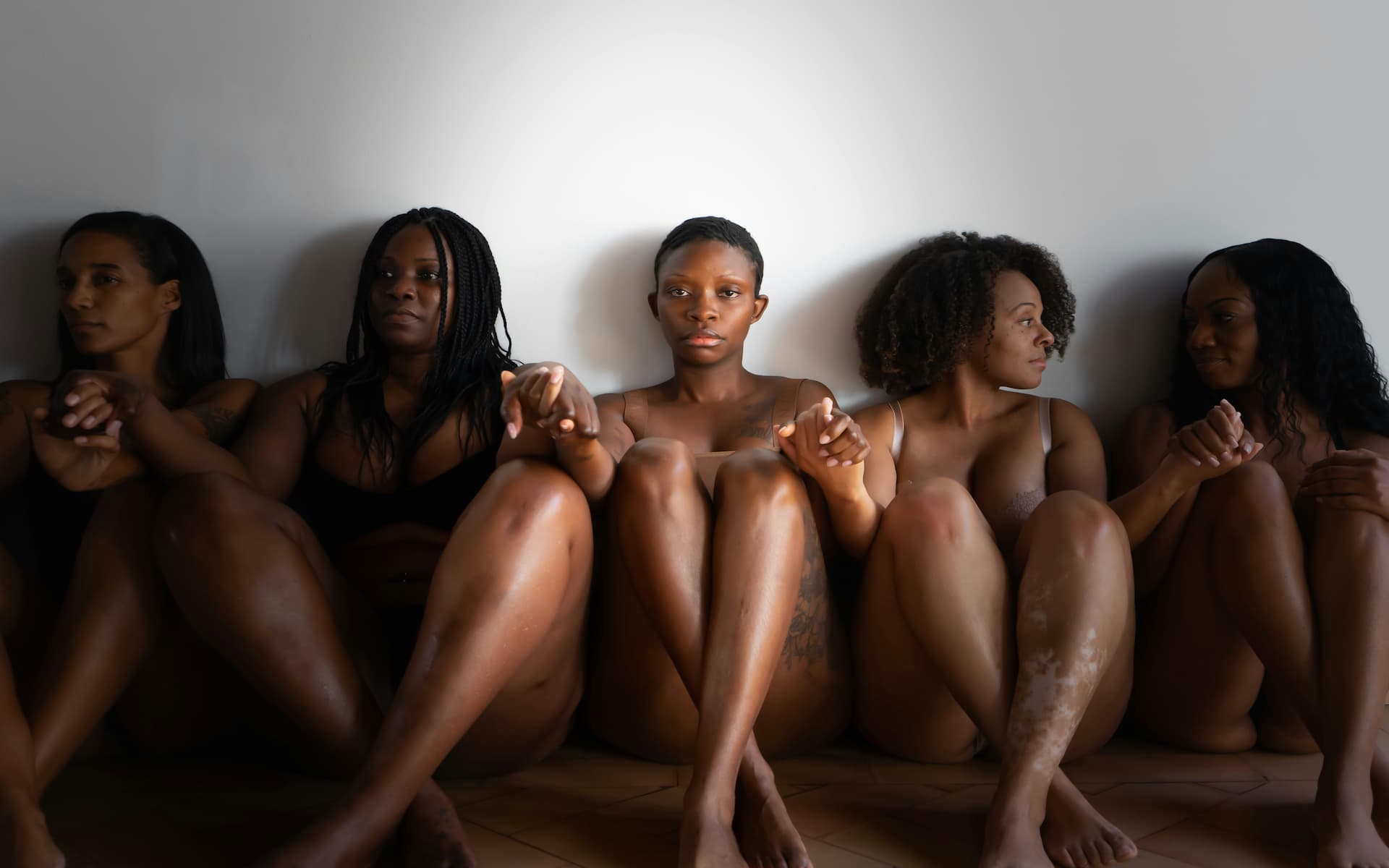
An investigation led by researchers of the Canadian Department of Health, Ageing & Society, McMaster University, and the Canadian Department of Recreation and Leisure Studies, University of Waterloo argues that Body positivity began with Black activists who pushed back against the rising tide of anti-fat attitudes in North America. Their activism rejected the mainstream, white-centered beauty standards that still marginalise Black bodies today.
The harmful misrepresentation of Black bodies has an extended history. One stark example is the story of Saartjie Baartman, known as the “Hottentot Venus.” Baartman was an enslaved Black woman with a larger body who, in the early 1800s, was put on public display in Europe, where white audiences stared at and even touched her for entertainment
Much later, during the 1980s and 1990s, the fat rights movement gained momentum, even though the term “body positivity” had not yet entered the conversation. People were speaking out against fatphobic ads and the harmful messages pushed by the diet industry. Their goal was simple: to encourage everyone to embrace and love their bodies, no matter their size.
How Body Positivity Fights the ‘Ideal Body’ Image
There is strong evidence that the body positivity movement disrupts the mainstream ideal of the so-called female ‘perfect’ body, which is what still today dominates ads, magazine covers, and the web: young, white, able-bodied, cisgender, and slim. This is also called the Western model.
The idea of the “ideal body” is usually shaped by the bodies we see celebrated in our culture, often those of celebrities or influencers. A study by Foley Sypeck, Gray, and Ahrens (2004) found that, during the 1980s and 1990s, fashion magazines started featuring even thinner models on their covers. They also began using more full-body photos rather than just headshots, which made readers pay even closer attention to body size and shape.
Nevertheless, the same investigation found that adding body-positive captions to real Instagram fitness images helped people feel better about their bodies. Another group of researchers wanted to see just how much of a difference body positivity could make. They showed young women Instagram posts featuring either thin or average-sized women, sometimes with body-positive captions and sometimes without. The results were clear: seeing average-sized women, especially with positive messages, helped participants feel less dissatisfied with their bodies and increased their self-appreciation, compared with those who saw only thin images.
#BodyPositivity vs #SkinnyTok
On TikTok, the hashtag #bodypositivity shows over 4 million posts. It is a full-on representation of a myriad body types. In a world where plastic surgeries are on an ongoing increase, this trend exalts unique beauty and normalises things that have been demonised for a long time in the beauty industry.
However, the latest social media phenomenon is #SkinnyTok. As of now, if you look up the term on TikTok, you will be redirected to a mental health support page. TikTok is, in fact, preventing users from searching for “skinnytok” as this hashtag was being used to glorify extreme thinness and toxic and unhealthy weight-loss tips. The exact same thing happens on Instagram, where the hashtag has been banned, and if you attempt to look it up, you get this suggestion: “Your well-being is important. If you find yourself thinking a lot about weight or eating habits, these resources may help.”
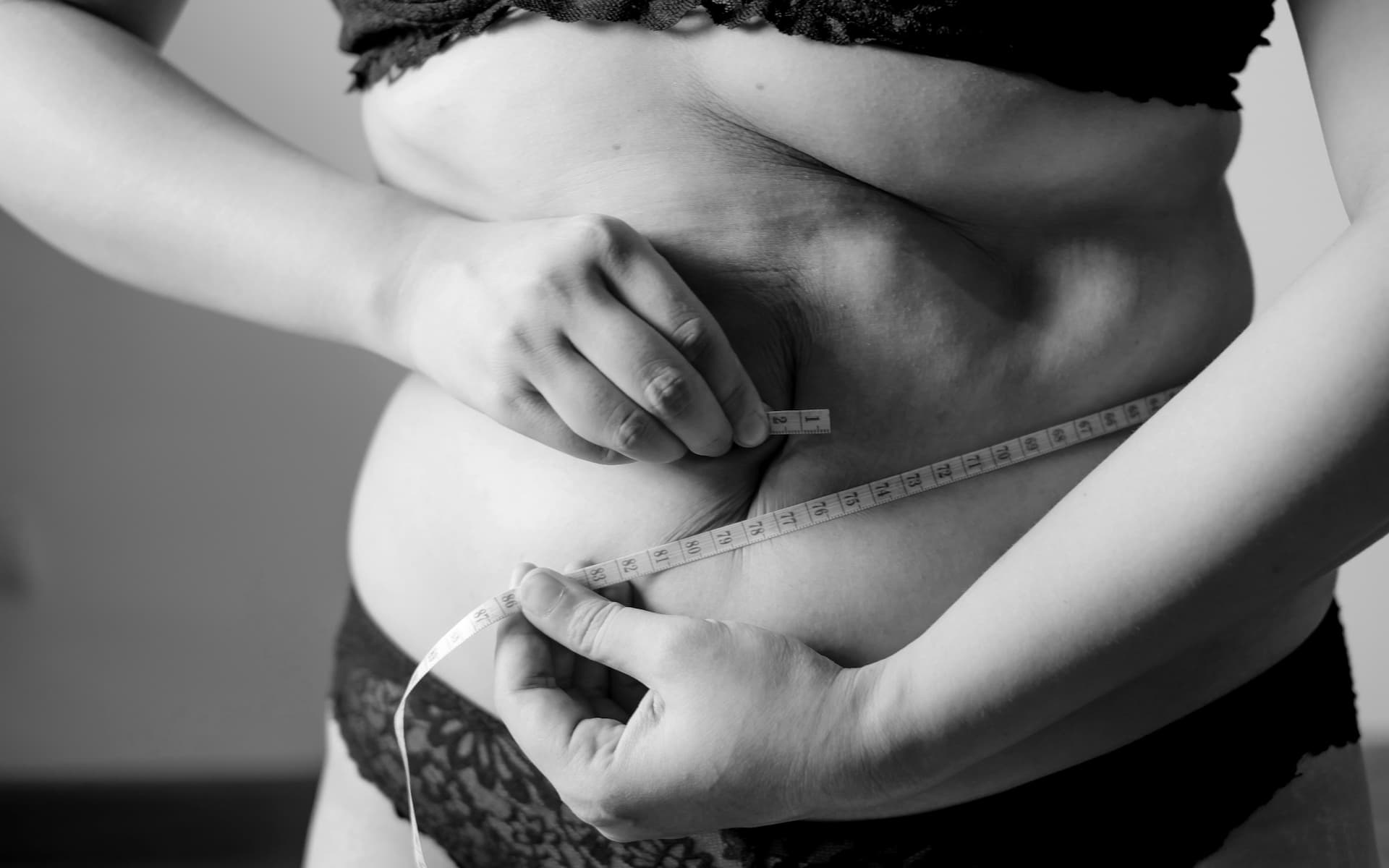
SkinnyTok was never about well-being. We may simply look at the hashtags that recurrently accompany it: #heroinchic (a controversial trend born in the 90s, romanticising an exceedingly thin, pale, and sickly aesthetic tied to substance abuse) and #thinspo (thin inspiration). In the end, proposing “what I eat in a day” and “body checks” videos triggered anxieties about people’s bodies – but this time, the public’s reaction was loud. On Instagram, the hashtags that pop up first are #skinnytokistoxic and #skinnytokexposed, highlighting people’s discontent with seeing this type of content online. Hundreds of users are now fighting back against the return of the extreme-thinness movement, with captions presenting it as propaganda being forced on us rather than something to aspire to.
“Your well-being is important.
If you find yourself thinking a lot about weight or eating habits, these resources may help.”
Skinny Is Back (Straight From the ‘90s)
“Nothing tastes as good as skinny feels”, said once former supermodel Kate Moss. Her controversial statement was blurted out by the former supermodel during a 2009 interview. Today, she came clean, openly declaring that she no longer stands by it and clarifying to the public that this motto was never hers to begin with. Yet, the fact that we are still talking about this infamous quote today says something about our evergreen relationship with toxic beauty standards, especially those offered online as visual inspirations. After all, Kate Moss was not just the ‘90s It Girl, but also the mere face of the heroin chic aesthetic.
The revival of the extreme skinny movement online through hashtags like #skinnytok should make us wonder: Did we ever truly believe in the body acceptance we were advocating for? Are we living in a post-body-positivity era?
It seems so. If the ‘90s had the heroin chic-looking celebrities and the idolization of thinness, smoking and substance intake, the biggest stars of our times are representatives of plastic surgery procedures like buccal fat removal – which makes the cheeks look permanently slimmer by surgically removing the natural fat pads from deep in the lower part of the face; not so far from the heroin chic model, aesthetically speaking – and of the Ozempic boom. Originally developed as a diabetes medication, Ozempic has also gained popularity as a weight-loss drug. Ozempic’s sales have skyrocketed since its launch in 2018. Back then, it made about $280 million. By 2024, that number shot up to nearly $18 billion. Today, Ozempic has become much more popular than some other drugs, like Januvia, whose sales dropped from $3.7 billion in 2017 to just $1.3 billion last year.
“Nothing tastes as good as skinny feels”
– Former supermodel Kate Moss
Can the Skinny and the Body Positivity Movements Coexist?
We should start with the fundamental difference between the two trends: whereas the skinny movement positions thin bodies above the rest – presenting them as the ideal body type – the body positivity movement seeks to disrupt this hierarchical system.
A study by Sarah-Jane Stewart and Jane Ogden from the University of Surrey, UK, shows that seeing more diverse body types in the media helps reduce weight bias. When people are regularly exposed to images of larger bodies, they tend to become more accepting and less judgmental of larger bodies. This suggests that the media should show a wider range of bodies to help reduce stigma. Sociocultural theory explains that constant exposure to thin ideals can make people believe that being thin means being happy or successful. By showing more body diversity, we can challenge these ideas and help people develop healthier attitudes about weight.
The rise of SkinnyTok suggests that society’s relationship with body image remains deeply conflicted. Although the body positivity movement helped challenge the dominance of a single beauty ideal, the resurgence of content that glorifies thinness reveals how persistent these standards remain. Ultimately, thin bodies and body positivity are not inherently incompatible. The tension emerges when thinness is presented as the ideal body type that everyone should strive for. As social media continues to shape beauty norms, the debate surrounding SkinnyTok serves as a reminder that representation matters – and that true body acceptance requires making space for a diversity of bodies rather than elevating any one above the rest.
Hightlight Image:
©Jade Destiny via Unsplash


