

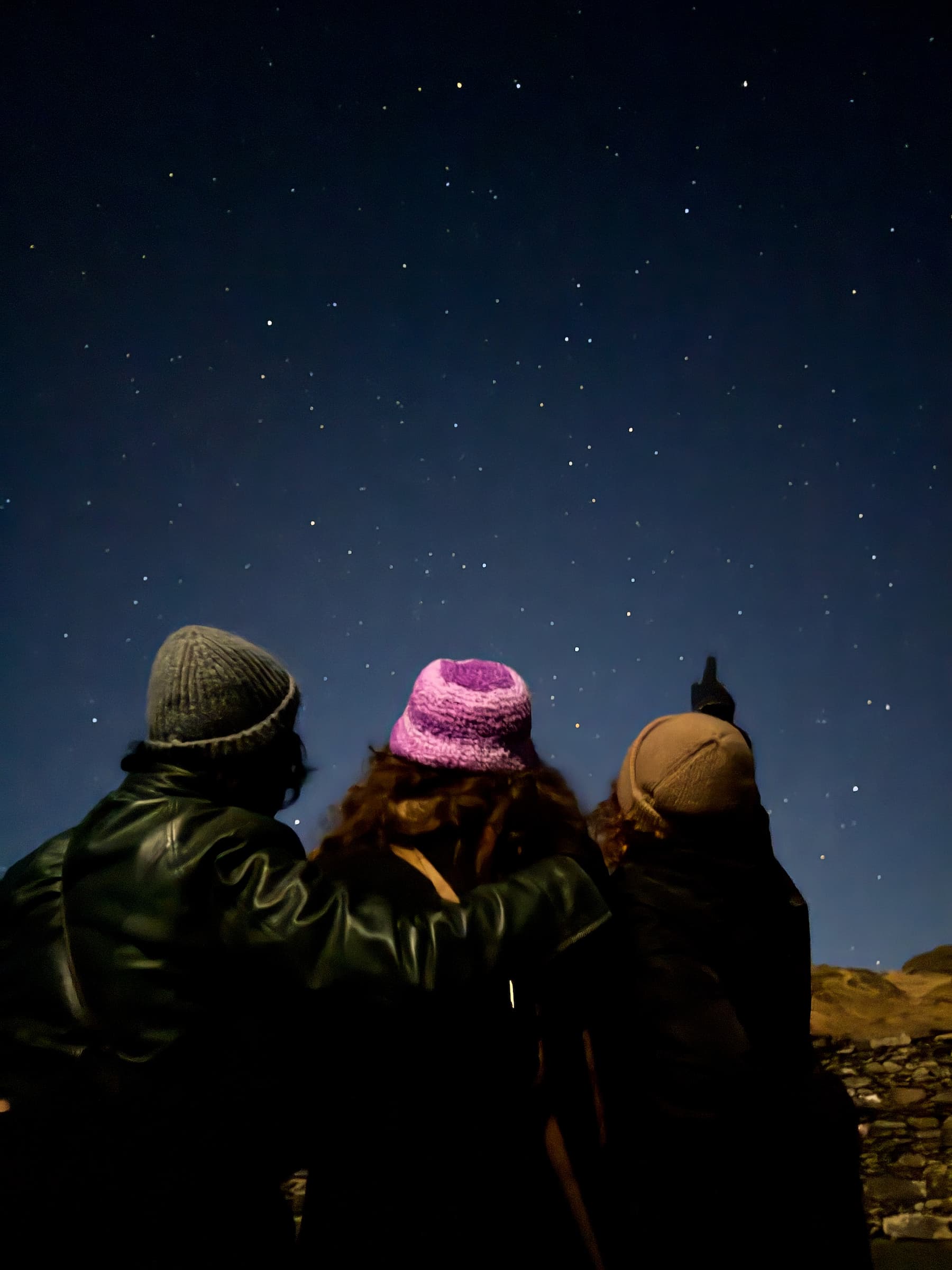
The Luxury of Darkness: Why Travellers Are Seeking Places Without Artificial Light
Why are travellers seeking darker skies? Light pollution has various effects on humans, animals and biodiversity. However, there are dark sky reserves, in which people and locals have put great effort into ensuring that light pollution is minimal, resulting in clearer night skies. Is dark sky tourism viable? Is it more sustainable than other types of tourism?
Why are We Losing The Night?
Urbanisation across the globe has resulted in large populations inhabiting urban areas and cities. Because of this, many people experience light pollution, and may not even realise it. Light pollution is caused by an increase in the use of artificial light, which degrades the natural sky. Artificial light causes the sky to ‘glow’, meaning we can see fewer stars. According to The American Association for the Advancement of Science, 80% of the global population is affected by light pollution, and over one third of the world can no longer see the Milky Way at night. A recent study showed that the night sky got brighter by 9.6% between 2011 and 2022.
As well as seeing stars, there are other consequences of light pollution for wildlife and ecosystems. In a recent review, the authors discussed how animals that are accustomed to navigating in the dark become disoriented by artificial light. For example, hatchling sea turtles move away from dark silhouettes, which allows them to crawl quickly into the ocean. However, with artificial lighting near the ocean, the dark movement cues are no longer perceived and the turtles become disoriented. Similarly, animals can be blinded by artificial light (for example, deer) which can lead to road kills. Some species use the rods in their eyes to see. The sudden changes in artificial light saturate their retinas, which can the animal temporarily blind. Once they enter a dark area, it can take up to 40 minutes for their rod cells to recover. This prevents animals from moving across landscapes out of fear, or spending more time hiding in darkness. In turn, this affects the predator-prey relationships, which will affect ecosystems and biodiversity.
Artificial Light and Cardiac Rhythms
Is personal light exposure at night associated with cardiovascular disease incidence? In a cohort study of 88 905 adults, exposure to brighter light at night was associated with higher risks of coronary artery disease, myocardial infarction, heart failure, atrial fibrillation, and stroke, independent of established cardiovascular risk factors. Similarly, many species of plants and animals rely on the length of darkness at night for budding and flowering, or mating. As a result, mating seasons and reproductive cycles are disrupted by artificial light and can also interfere with species natural detection systems. Not only can light pollution affect our health, but it can also affect how animals and plants reproduce and can result in a decrease in plants and species.
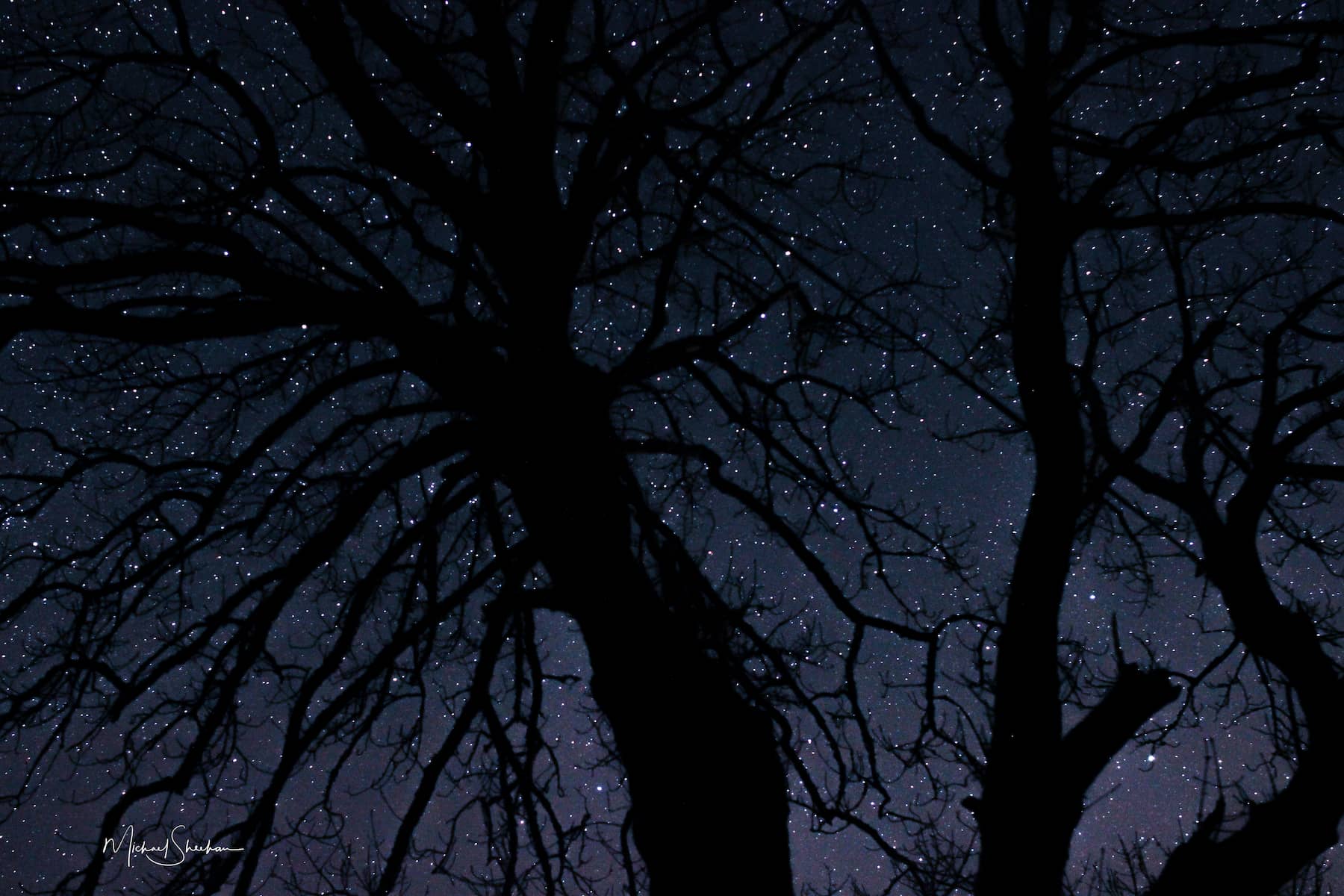
Where Can Travellers Experience True Darkness?
The International Dark Sky Places program certifies communities and parks that preserve dark sites through sustainable lighting policies. They set standards and expectations for what is acceptable for outdoor lighting. Secondly, they implement community-friendly lighting, which must demonstrate a reduction in wasteful lighting. Thirdly, they must engage in outreach and insightful education about light pollution. Lastly, to be certified, they must continually monitor whether light pollution is changing in the area.
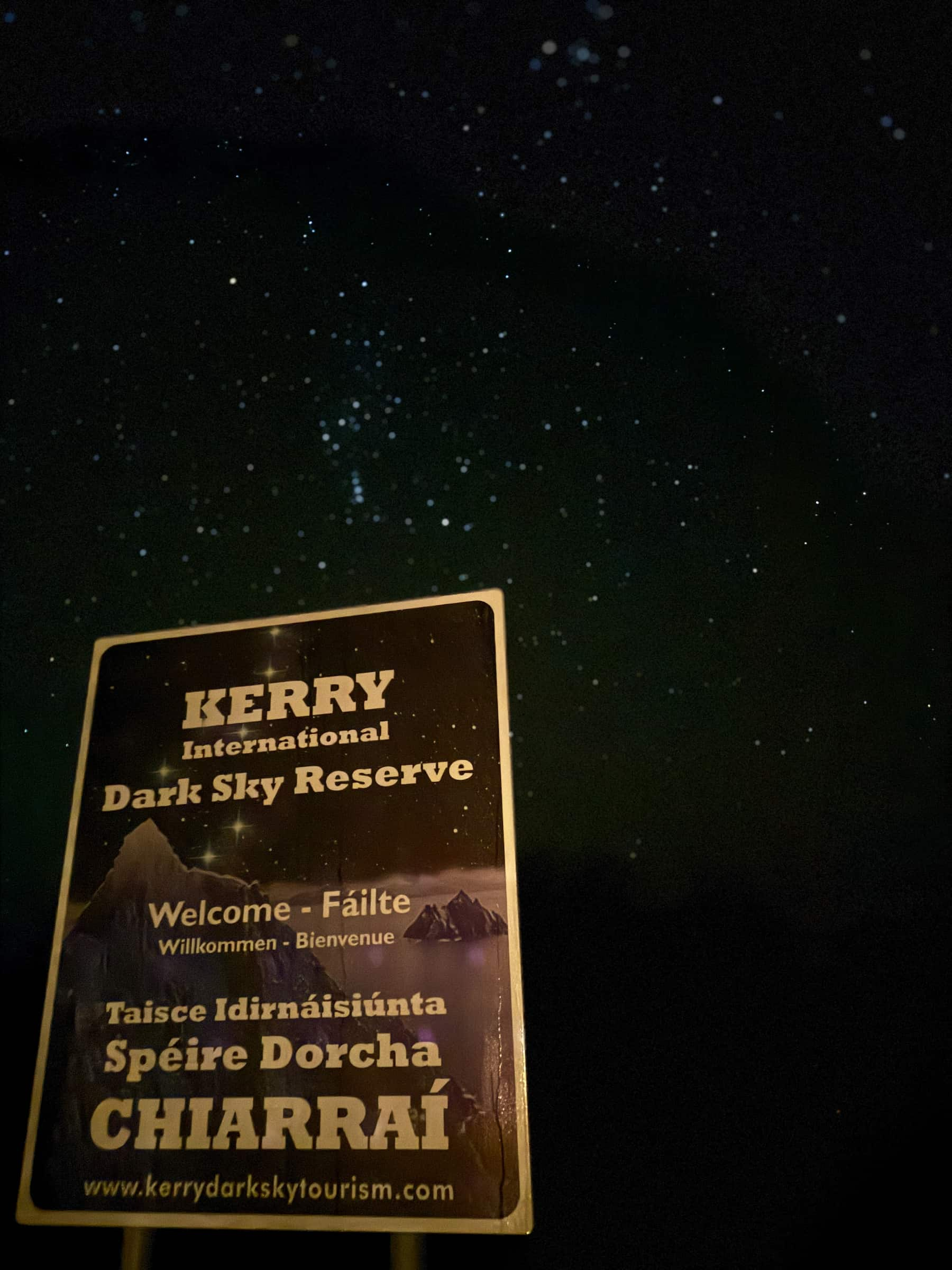
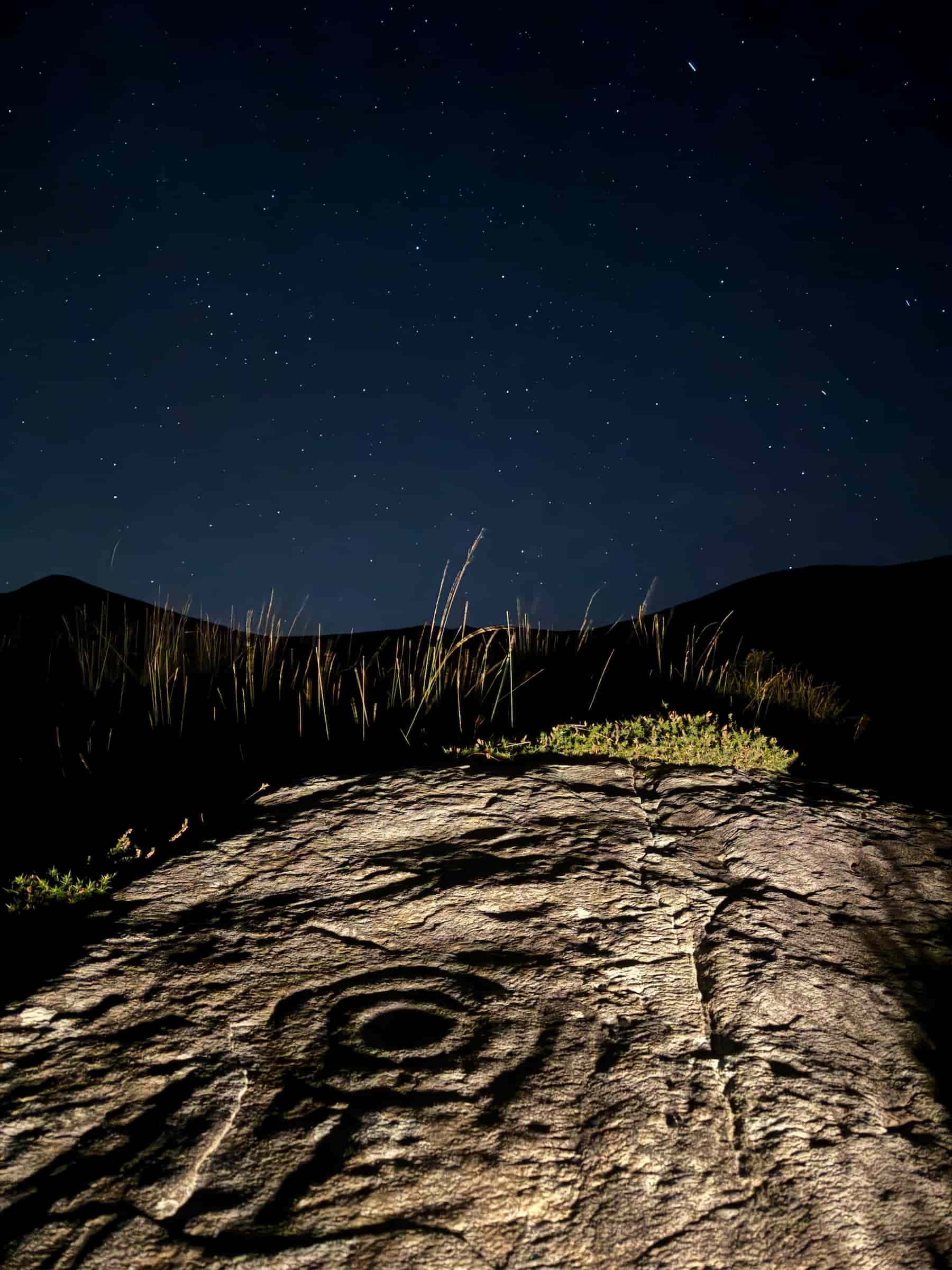
The Kerry Dark Sky Reserve stretches across the Iveragh Peninsula in the South of Ireland. The area is home to almost 4,000 residents and, unlike other reserves, is located between mountains and the Atlantic Ocean, which naturally shield the area from some light pollution. The reserve holds a gold-tier standard, meaning it has one of the darkest night skies certified by the Dark Sky Places Program. This night sky reserve contains archaeological sites from 6,000 years ago, with stone monuments tracking the sun and star cycles. These monuments contain Ogham-language inscriptions and, according to archaeological experts, these may depict stories or descriptions about the sky, moon or stars from 6,000 years ago.
Similar to Kerry, the Mayo Dark Sky Park in the West of Ireland has a gold-tier standard of dark night skies. The Atlantic coastline and Nephin mountain range also limit the amount of light pollution in the Mayo Dark Sky Park. The park in Ballycroy is home to Owenduff Bog, one of the last remaining bog systems in Ireland and Western Europe. Three viewing points are open 24/7, which, in turn, can spread out tourism distribution and prevent a large increase in light pollution for the area’s residents.
Putscheid is a rural municipality in Luxembourg, and is the country’s first certified dark sky community. Unlike other reserves, Putscheid reduced light pollution through light switch-off and adaptive lighting schemes. The municipality introduced a ‘night-time switch-off’ between 1 am and 4:30 am, where all public lighting must be completely switched off. Putscheid’s ‘light on demand’ strategy saved energy use by 70-90%. This reduced unnecessary illumination while maintaining the public’s safety.
Can Dark Sky Tourism Be Genuinely Sustainable?
According to CarbonBrief, tourism is responsible for 8% of global greenhouse gas emissions. Travelling to remote destinations can be more harmful than popular holiday destinations because they require more travel, such as taking two flights. According to National Geographic, transport-related carbon emissions are expected to grow 25% between 2016 and 2030. However, unlike other remote destinations, dark sky tourist areas are famous for reducing pollution. To maintain income from tourism, most of these areas require locals to abide by the lighting policies and keep light pollution to a minimum.
Although travelling to remote areas can increase the length of time tourists are travelling, reaching the selected sky reserves does not require more than one flight. To address the environmental issues associated with astrotourism, The Dark Sky Reserve released guidelines for tourists. This includes using light responsibly, adhering to local regulations, and supporting local businesses (i.e., supermarkets, restaurants). In turn, this should help to keep light pollution minimum in these areas whilst supporting and respecting local communities.
Highlight Image:
© Aoibheann Lambe Courtesy of Kerry Dark Sky Reserve


