

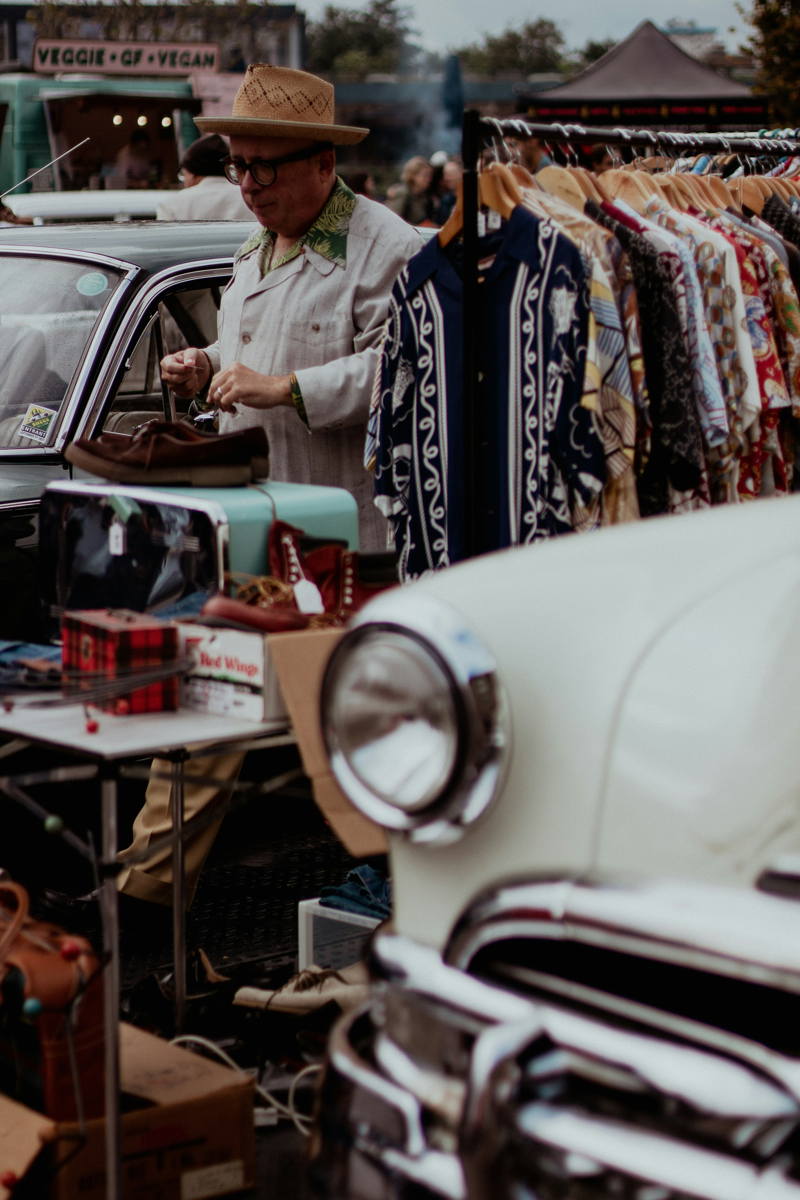
What Really Happens to Clothes After You Donate Them?
New report reveals the hidden reality behind the global secondhand clothing system.
Every year, millions of people donate clothes believing they are giving garments a second life. The image feels comforting: a circular fashion system where unwanted clothing finds a new owner instead of ending up in landfill. Yet the new report “Sorting for Circularity: Project Rewear” paints a far more complex and uncomfortable reality.
After analysing 8,280 garments across four European countries, researchers discovered that 37% of discarded clothes showed no damage at all. The issue is not that clothing is worn out. The issue is overconsumption. People are discarding garments simply because they have moved on emotionally, aesthetically, or socially.
The report also exposes how the global secondhand market increasingly shifts environmental and economic burdens onto countries in the Global South. At Ghana’s Kantamanto Market, one of the world’s largest secondhand clothing hubs, more than 86% of imported garments arrived damaged despite being sold as reusable clothing. Traders purchasing these bales often have no idea what is inside until they open them, absorbing the financial losses themselves.
At the same time, the report offers cautious optimism. New AI-powered sorting technologies and repair systems could radically improve the economics of circular fashion if the industry invests seriously in infrastructure, transparency, and quality control.
Researchers discovered that 37% of discarded clothes showed no damage at all. The issue is not that clothing is worn out. The issue is overconsumption.
Most Donated Clothes Are Still Perfectly Wearable
One of the most striking findings from the report is how many garments remain in excellent condition when discarded. More than one-third of all analysed clothing pieces had no visible damage at all.
This finding challenges the dominant narrative around textile waste. Consumers are not primarily disposing of unusable clothing. Instead, fashion’s accelerated trend cycles and constant newness culture encourage people to abandon garments long before the end of their functional life.
The consequences stretch far beyond overflowing wardrobes. Overproduction creates enormous pressure downstream across sorting facilities, resale markets, exporters, and waste management systems.
Ghana’s Kantamanto Market Reveals the Human Cost of Fashion Waste
The report dedicates significant attention to Kantamanto Market in Ghana, where millions of secondhand garments arrive every week from Europe and North America.
Although many exported bales are labelled as reusable clothing, researchers found that over 86% of garments sampled at the market arrived damaged. Local traders, many working with extremely small margins, carry the financial risk of these low-quality imports.
The findings highlight a growing imbalance within the global secondhand economy. While Western consumers often see donation as an ethical act, the reality downstream can involve environmental pressure, financial instability, and unmanageable textile waste for importing countries.
Kantamanto has become one of the clearest symbols of the limits of today’s fast fashion system and the urgent need for greater accountability from brands, retailers, and exporting countries.
One of the biggest barriers to circular fashion has always been economics. Manual sorting is expensive, inconsistent, and time consuming. AI systems could help facilities process garments faster while identifying higher-value resale, repair, or recycling opportunities.
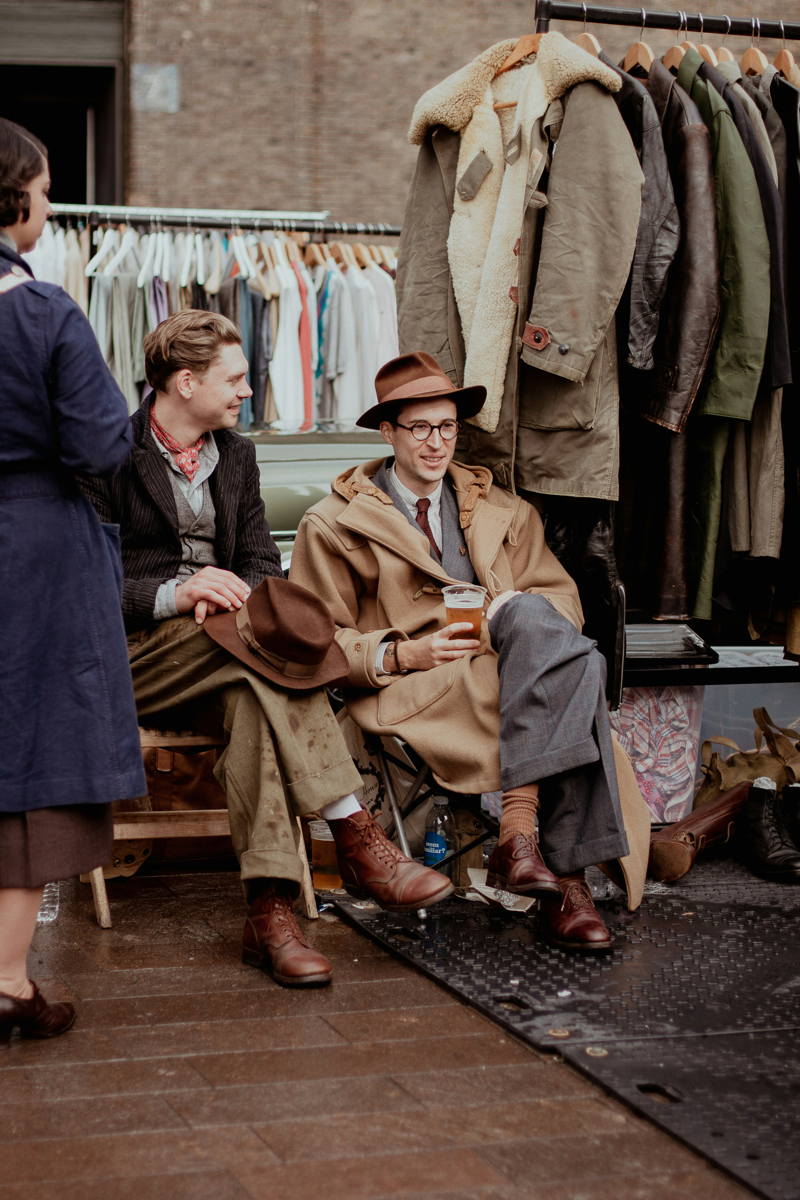
AI Sorting Technology Could Transform Circular Fashion
Despite the challenges, the report also identifies emerging solutions capable of improving textile circularity at scale.
One pilot project tested AI-powered sorting technology designed to identify garment composition, quality, and resale potential more accurately. According to the report, the system modelled a profit increase from zero to €6.5 million annually for a mid-sized sorting facility.
The implications are significant. One of the biggest barriers to circular fashion has always been economics. Manual sorting is expensive, inconsistent, and time consuming. AI systems could help facilities process garments faster while identifying higher-value resale, repair, or recycling opportunities.
If adopted responsibly, technology could become a crucial infrastructure layer for the future of secondhand fashion.
Repair Culture Works Better Than Fast Fashion
Another key insight from the report is the economic potential of repair.
In one pilot project, a repaired jacket resold for €125, proving that repair can generate strong financial returns when applied to high-quality garments. By contrast, low-cost fast fashion basics rarely justified repair costs at all.
This difference reveals a deeper structural issue within the fashion industry. Many garments are simply not designed to survive long enough to enter meaningful circular systems. Poor material quality and ultra-low pricing often make repair economically impossible.
The findings reinforce a growing industry conversation around durability, emotional attachment, and long-term garment value as essential pillars of sustainable fashion.
Can the Global Secondhand System Be Fixed?
The Sorting for Circularity: Project Rewear report ultimately argues that circular fashion is possible, but only if the industry moves beyond symbolic sustainability narratives.
Donation alone does not solve textile waste. Real progress requires investment in advanced sorting systems, better garment design, repair infrastructure, transparent resale systems, and stronger regulation around textile exports.
For consumers, the report raises uncomfortable but necessary questions. The most sustainable garment may not be the one we donate. It may be the one we continue wearing.
Images:
© Unsplash


