
What Is Happening to Sustainable Fashion Stores? Mirjam Van Dijk of Het Faire Oosten Responds
As sustainable fashion faces slowing growth, independent retailers like Het Faire Oosten reveal the realities behind conscious consumption. .
While much of the industry continues to debate a general slowdown, the reality within sustainable fashion retail reveals a more layered shift. What once felt like unstoppable momentum is now confronting a market defined by caution, selectivity, and changing values.
As explored in The State of Sustainable Fashion 2025, conscious consumption has not disappeared, but it has matured. Consumers are asking different questions. Fewer impulse purchases, more scrutiny, and a growing expectation that sustainability must coexist with design, quality, and price.
This shift is also reflected in broader industry data. According to McKinsey & Company and Business of Fashion in The State of Fashion, growth across the sector has stabilised following the post-pandemic rebound, while consumer confidence remains fragile. At the same time, the latest ThredUp Resale Report highlights a decisive behavioural shift: sustainability still matters, but affordability and accessibility increasingly drive purchasing decisions.
For independent stores built on values rather than volume, this creates a delicate balance. The intention to buy better meets the reality of tighter budgets and a saturated marketplace.
Luxiders has previously examined this tension in The Future of Fashion Retail, where the question was not whether sustainability will remain relevant, but how it must evolve to stay meaningful. Against this backdrop, insights from within the industry become essential.
In this interview, Mirjam Van Dijk, founder of Het Faire Oosten, shares a grounded perspective on the current state of sustainable fashion retail, reflecting on the challenges, contradictions, and opportunities shaping the future of conscious stores today.
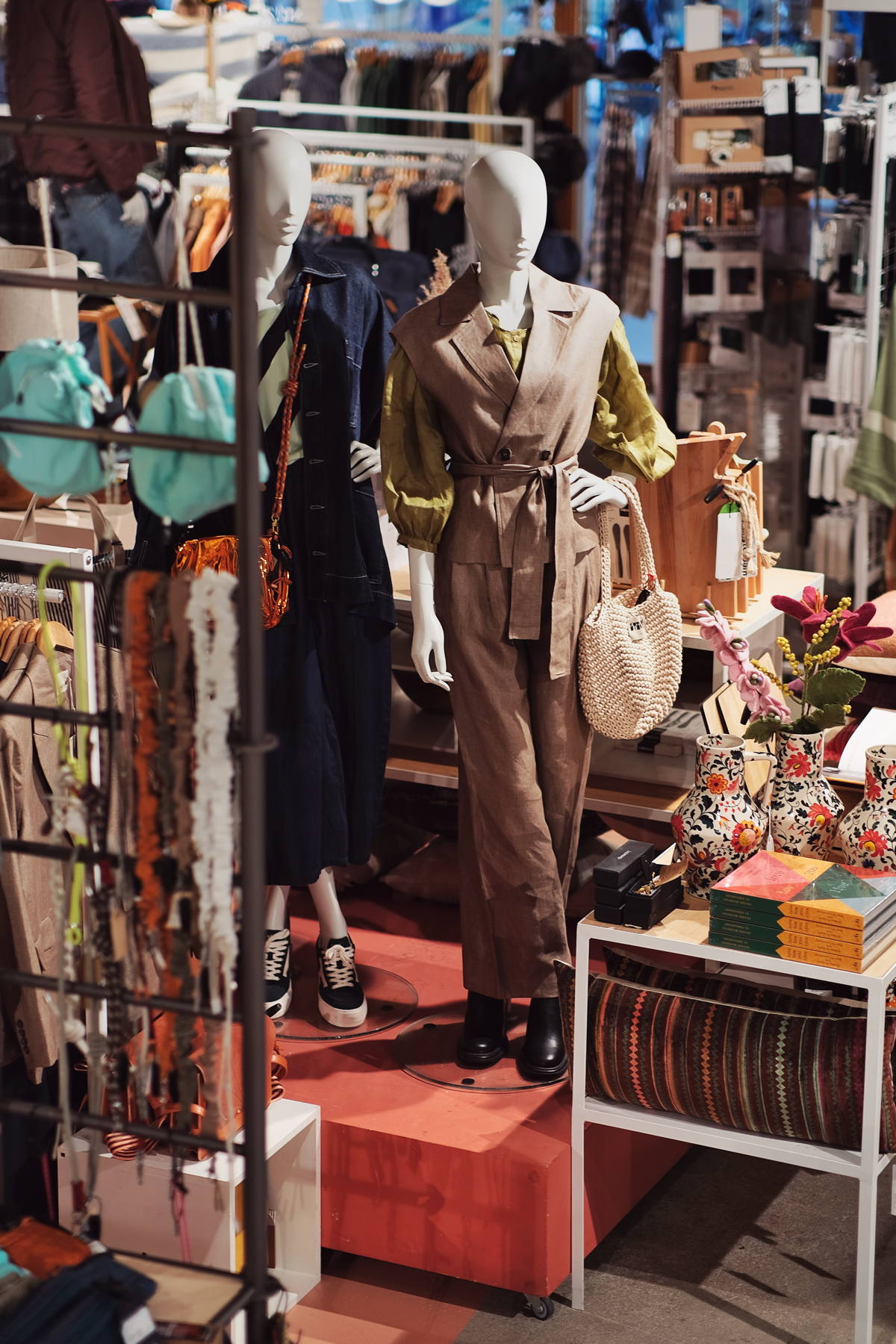
“You’ll notice our collections are crisp, bright and full of colour; contemporary without being trend-driven”.
Over the last five years, how has the sustainable retail landscape in your city evolved?
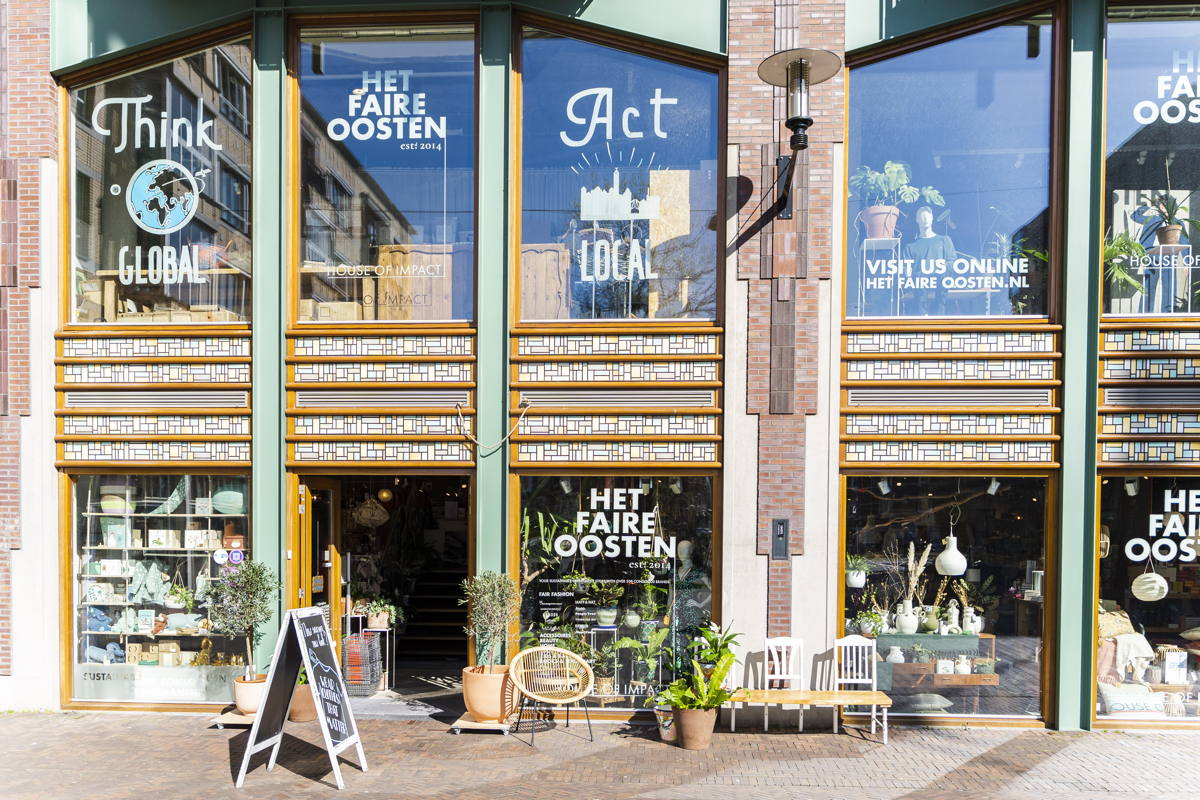
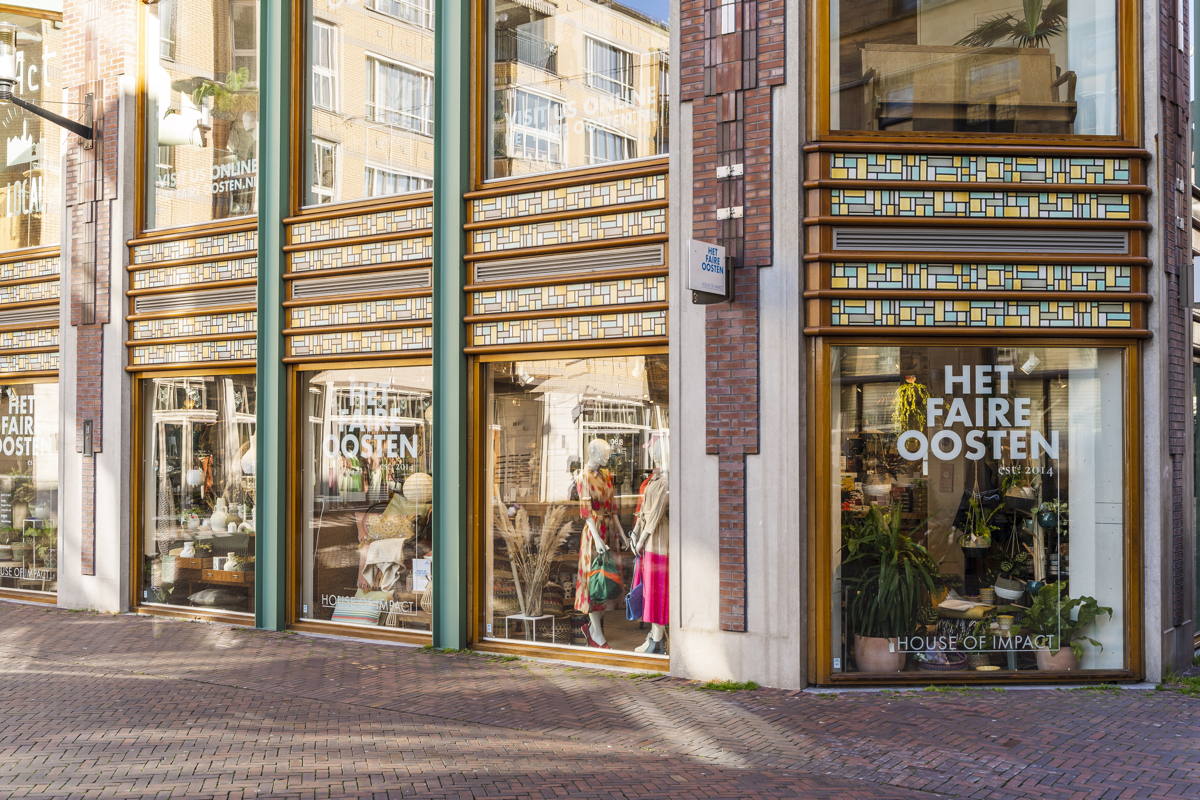
In Amsterdam, sustainability has clearly moved from niche to mainstream conversation. There is more awareness, more sustainable brands, and a growing ecosystem around circular fashion and innovation. However, what has become harder is competing with the marketing power of large brands adopting “sustainable” collections while maintaining much lower price points. Independent retailers also face rising costs such as rent and operations, which puts additional pressure on small businesses.
Do you notice differences in how different generations or demographics approach sustainable purchases? And what surprises you most about their priorities?
Yes, there are noticeable differences. Younger customers are often very values-driven and interested in circular fashion, vintage, and vegan materials, but they also tend to be more price sensitive. Older customers often focus more on quality, longevity, and craftsmanship. What surprises us most is that across all generations there is still a gap between intention and behavior: people care about sustainability, but price and style remain decisive factors.
Has the rise of “sustainable” collections from large brands helped or hurt your store’s ability to attract and convert customers?
It’s a double-edged word. On one hand, it has helped increase general awareness of sustainability in fashion. On the other hand, it can create confusion, because large brands often communicate sustainability without fundamentally changing their business model. For independent retailers who carefully curate responsible brands, this can make the conversation with customers more complex.
What supply chain or operational challenges have grown more acute over the past few years, and how have they affected your curation?
Lead times and production reliability have become more challenging for many small sustainable brands. Many operate on smaller production runs and depend on specialised suppliers, which makes them vulnerable to disruptions. At the same time, retailers have to manage tighter inventory levels to avoid overproduction and unsold stock.
“What has become harder is competing with the marketing power of large brands adopting “sustainable” collections while maintaining much lower price points. Independent retailers also face rising costs such as rent and operations, which puts additional pressure on small businesses.”
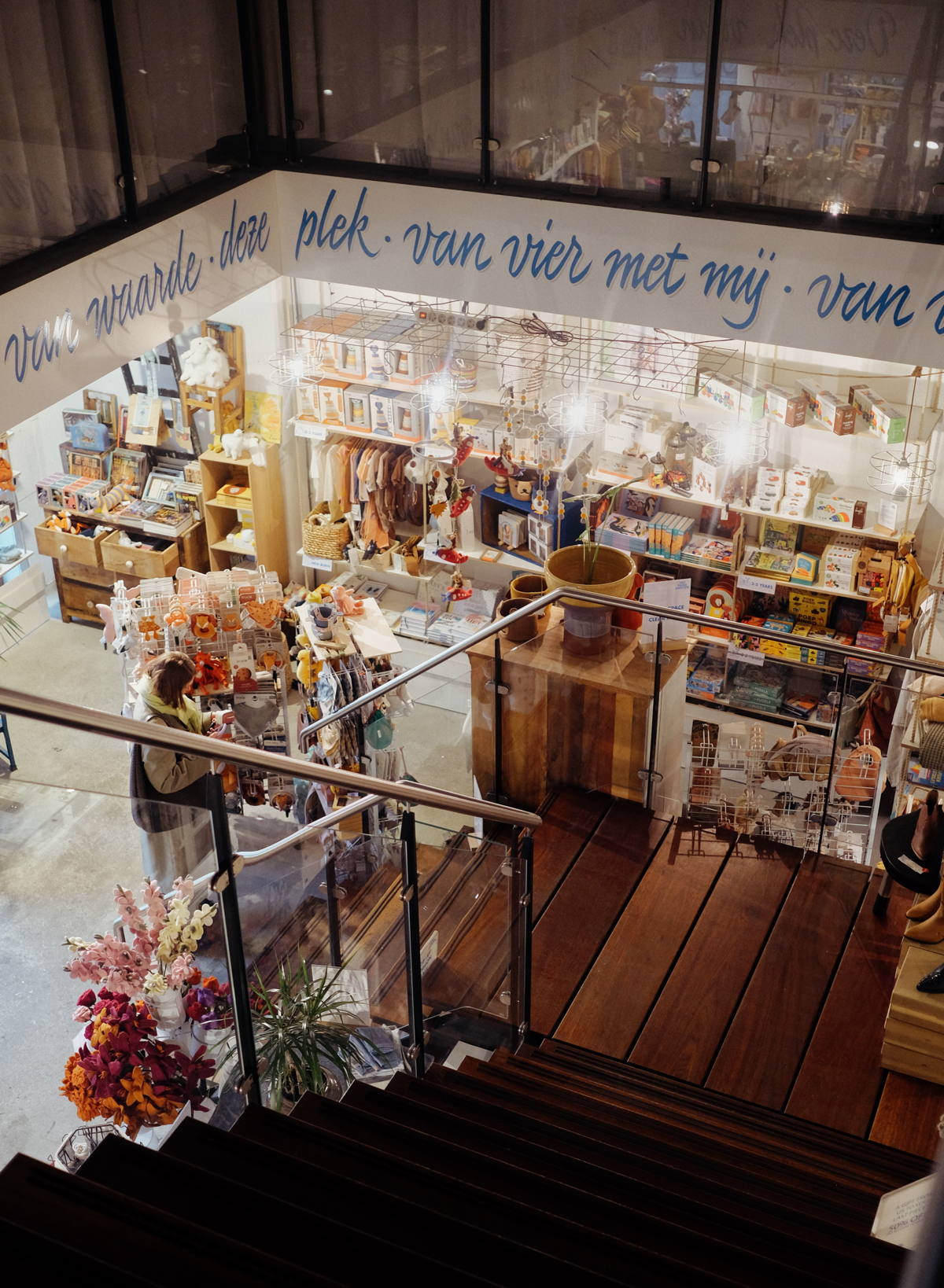

What are your key survival strategies for the next 12–24 months? Changes in curation, pricing, communication, or partnerships?
Independent retailers have to stay critical, if brands slow down their progress, we simply make space for the ones pushing fashion forward.
Our strategy starts with continuing to ask critical questions and being very intentional about curation. If brands begin making compromises purely to protect profit rather than progress, we reconsider the collaboration, while continuing to give a platform to new, forward-thinking brands, however small, across all product categories in the store.
Looking five years ahead, what is your honest vision for your store and the broader sustainable retail movement?
I believe sustainable retail will increasingly shift toward circular models where resale, repair, and longevity become normal parts of the business.
Physical stores will remain important as spaces for education, discovery, and community. The challenge will be maintaining independent, values-driven retail in cities where costs continue to rise, while keeping sustainability accessible for a wider audience.
“Independent retailers have to stay critical, if brands slow down their progress, we simply make space for the ones pushing fashion forward.”
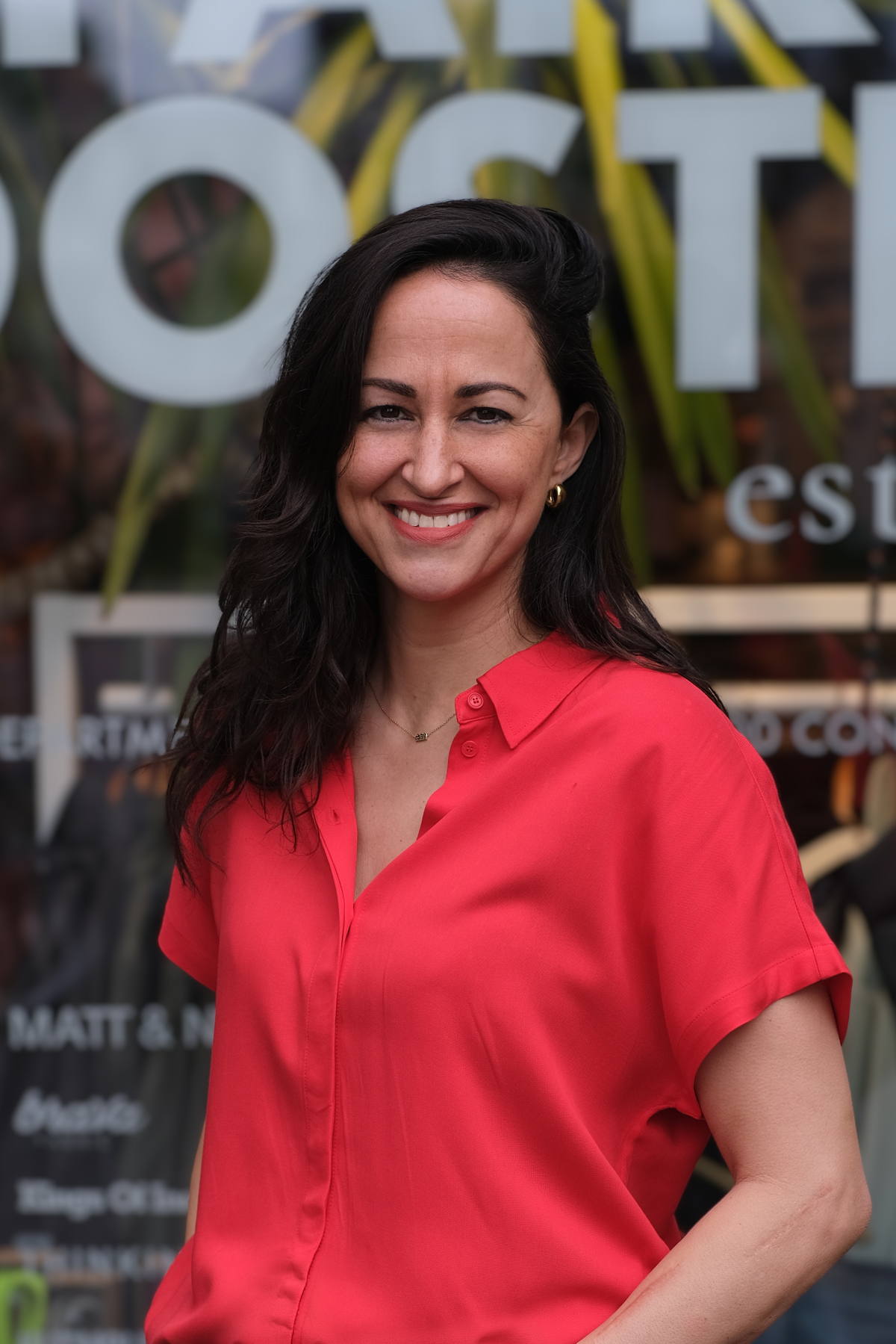
Interview:
Lena Pietrzak
Images:
© Courtesy by Het Faire Oosten


