
The Rise Of Quiet Luxury: Style, Status, And The Fast-Fashion Contradiction
Neutral tones, tailored silhouettes, cashmere sweaters, and logo-free elegance have once again taken over social media feeds under the label of “quiet luxury.” Once a symbol of refinement reserved for the connoisseur of fashion craftsmanship, it is now one of the internet’s most aspirational aesthetics, promising sophistication through simplicity. Yet behind the polished images and minimalist wardrobes lies a glaring contradiction: can a trend rooted in quality, longevity, and restraint truly survive within the fast-paced culture of social media and fast fashion?
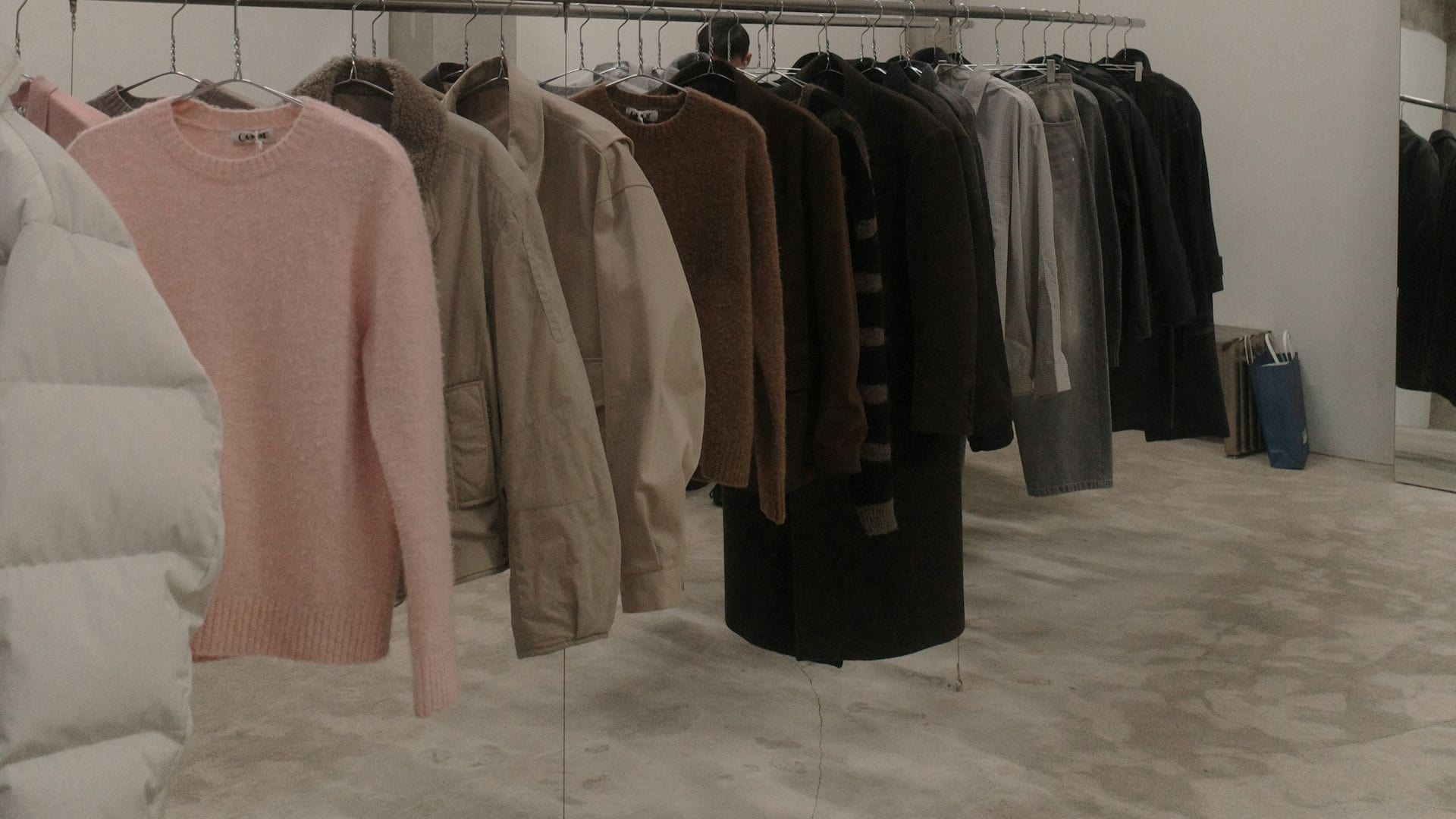
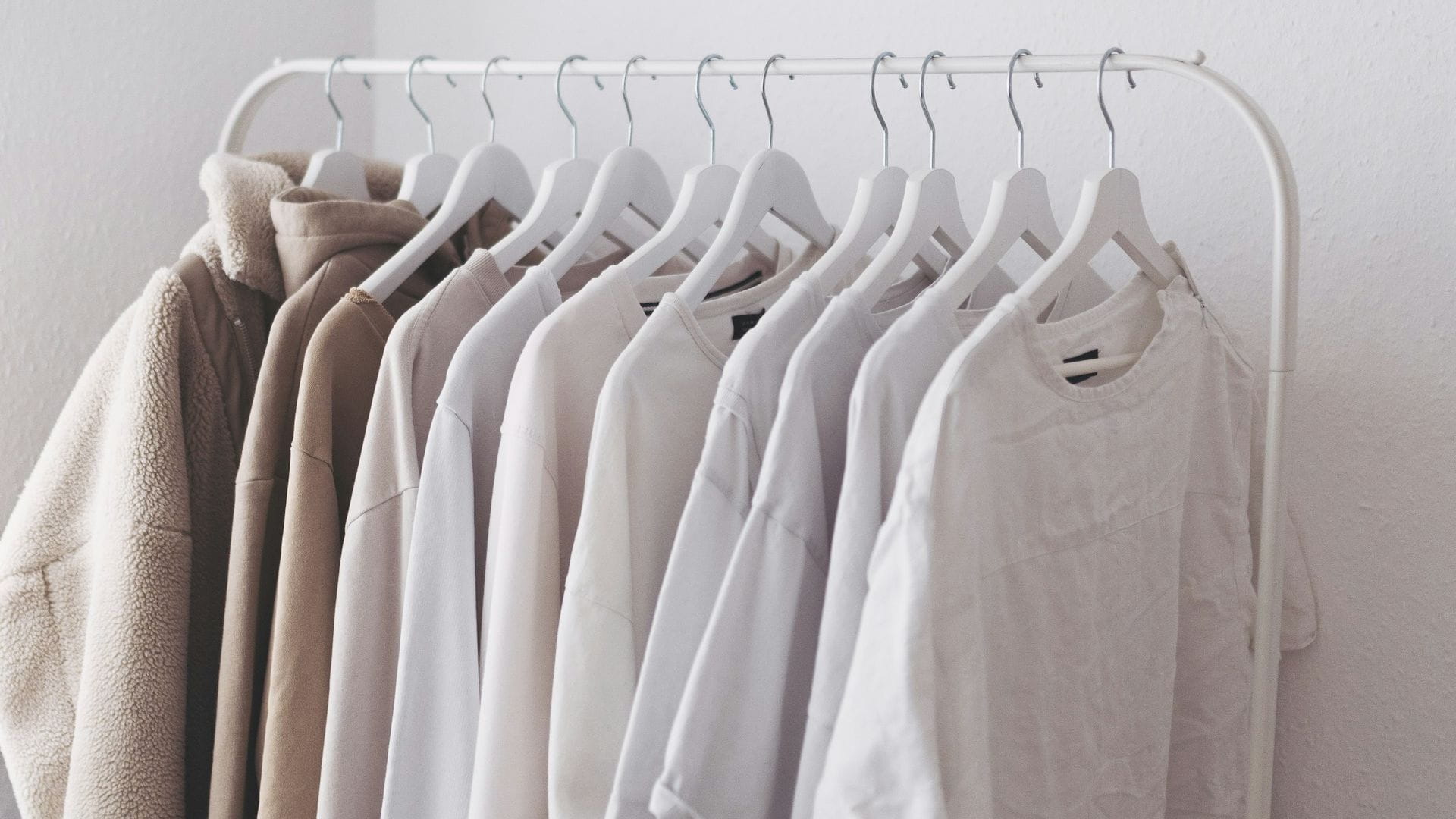
Quiet luxury is making a comeback as a fashion trend this year, and it should not come as a surprise, given the resurgence of minimalism across social media content. Quiet luxury first planted its roots in the fashion market during the 1990s, an era that rejected the excess and loud prints of the 1980s and instead embraced sobriety, emphasizing craftsmanship and high-quality materials designed to endure without the flashiness of logos. The preferred fabrics were natural and often organic: cashmere, Merino wool, cotton, and silk. The color palette was neutral and understated – black, white, and grey tones – occasionally elevated by nothing more than a bold red lip. Also known as “stealth wealth,” quiet luxury has always been intended for connoisseurs of high-end fashion, people able to recognize and appreciate excellence expressed in its most subtle and understated form.
What does quiet luxury really mean?
Carolyn Bessette-Kennedy was a pioneer of this fashion trend and is now being rediscovered online by younger generations as a timeless style icon. The most captivating thing about her is that she inspired – and continues to inspire – despite the simplicity of her outfits. Creators and influencers around the world attempted to recreate her effortlessly sophisticated style, which largely consisted of wardrobe basics: white shirts paired with blue jeans, slip dresses, silk midi skirts, and a neutral color palette. On Instagram, the hashtag #carolynbessettekennedy currently features over 37.4K posts, including wardrobe capsules, starter packs, moodboards, hauls, and personal reflections celebrating her minimalist taste and aesthetic vision. Influencers film themselves wearing Carolyn-inspired ensembles while also advising followers on what to avoid when curating an authentic 90s look in her spirit, warning against excessive jewelry, conspicuous branding, and overly elaborate designs.
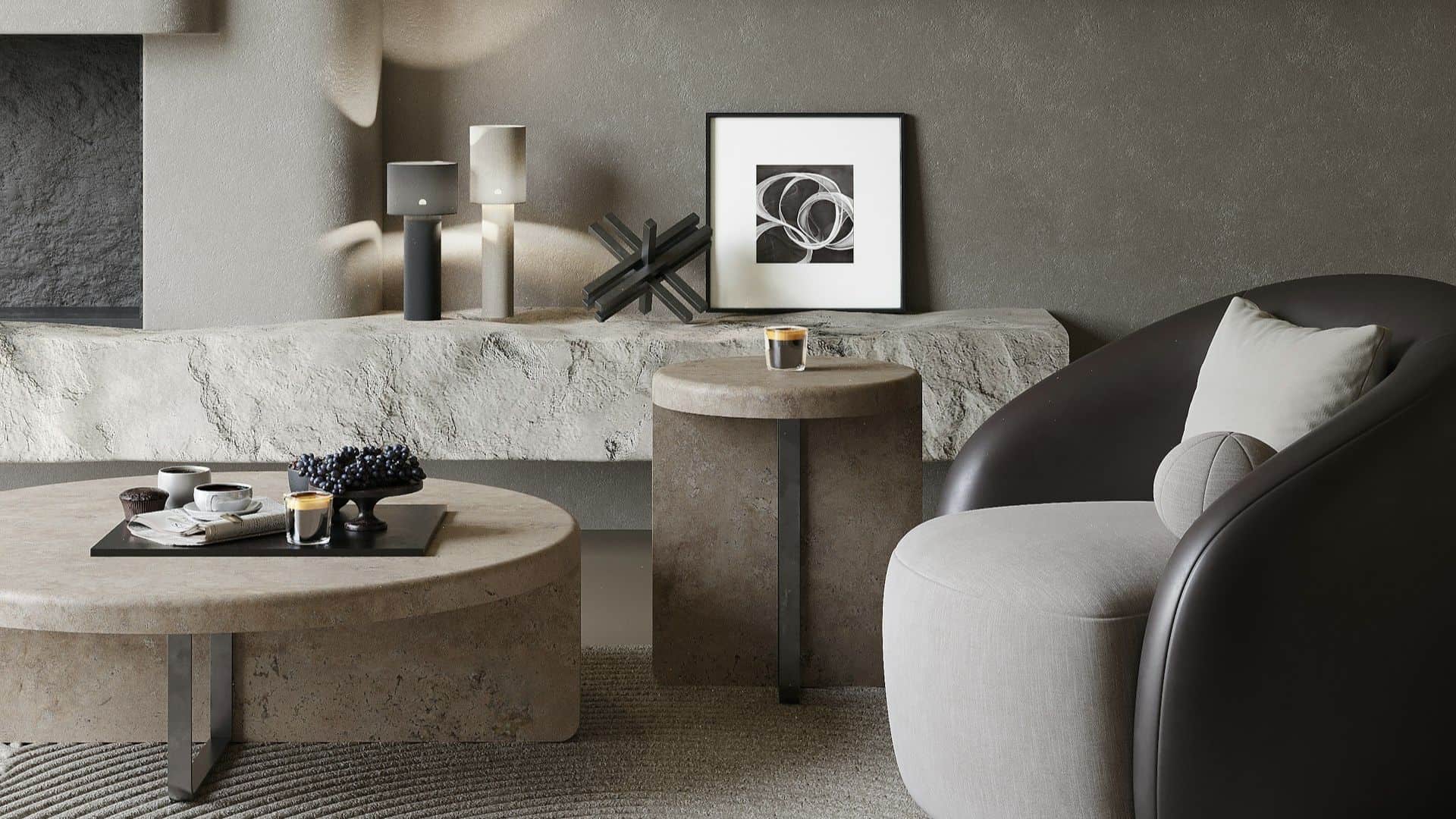
This hashtag is frequently paired with #quietluxury, a tag with over one million Instagram posts that has become synonymous with neutral color palettes, uncluttered aesthetics, and an aspirational minimalist lifestyle. The movement extends beyond clothing, celebrating simplicity and quality in all aspects of daily life, from fashion choices to home décor, culinary habits, and travel. On TikTok, the same hashtag has gone viral, amassing millions of views. Its relevance starts in the simple search bar, where the term “quiet luxury” is followed by “outfits,” “aesthetic,” “bag,” “interior,” “brands,” and “colors.” Influencers with thousands of likes teach how to be more “poised” and “chic,” expose rich people’s secret, subtle habits, emphasize the importance of having a “quiet” home, and even offer tips on how to achieve a subdued but luxurious wedding.
Are we truly recreating quiet luxury?
Yet what appears to be a harmless resurgence of 90s minimalism conceals a contradiction: are we truly recreating quiet luxury, or are we living in its echo? A large portion of these Instagram posts not only encourages viewers to build minimalist, luxury-inspired outfits but also includes links to purchase the featured items. “Dupe” and “affordable” are two particularly popular terms, repeatedly used by influencers and content creators to redirect audiences toward fast-fashion websites offering the appearance of quiet luxury while lacking the craftsmanship, durability, and quality that originally defined it. What remains is merely the illusion of exclusivity sold at a fraction of the price.
The problem with this type of content is that it drifts away from the original philosophy of minimalism while simultaneously fueling the fast-fashion industry, which stands in stark contrast to the principles of genuine, slow luxury. Fast fashion thrives on the relentless overproduction of clothing and beauty products, sustained by the constant pressure to move rapidly from one fleeting trend to another. In doing so, it prioritizes surface-level aesthetics over thoughtful design, durability, and sustainability.
Countless Instagram posts teach audiences how to simply “look” expensive while “remaining on a budget,” shifting the focus away from the practical promise of quiet luxury once represented in the 1990s – high-quality garments made to last – and toward the projected identity of the person wearing them. If you dress according to quiet luxury, you are expected to exude quiet confidence, elevated social status, and refined taste. It therefore seems ironic that this trend is so frequently contrasted with “loud luxury,” which glorifies logomania and maximalism, when in reality, both aesthetics function as statements of personality and self-expression. Amid all this identity-building, however, we seem to have forgotten the value of premium, durable garments. Has our attention shifted too far toward cultivating a carefully curated image rather than building a wardrobe designed to endure?
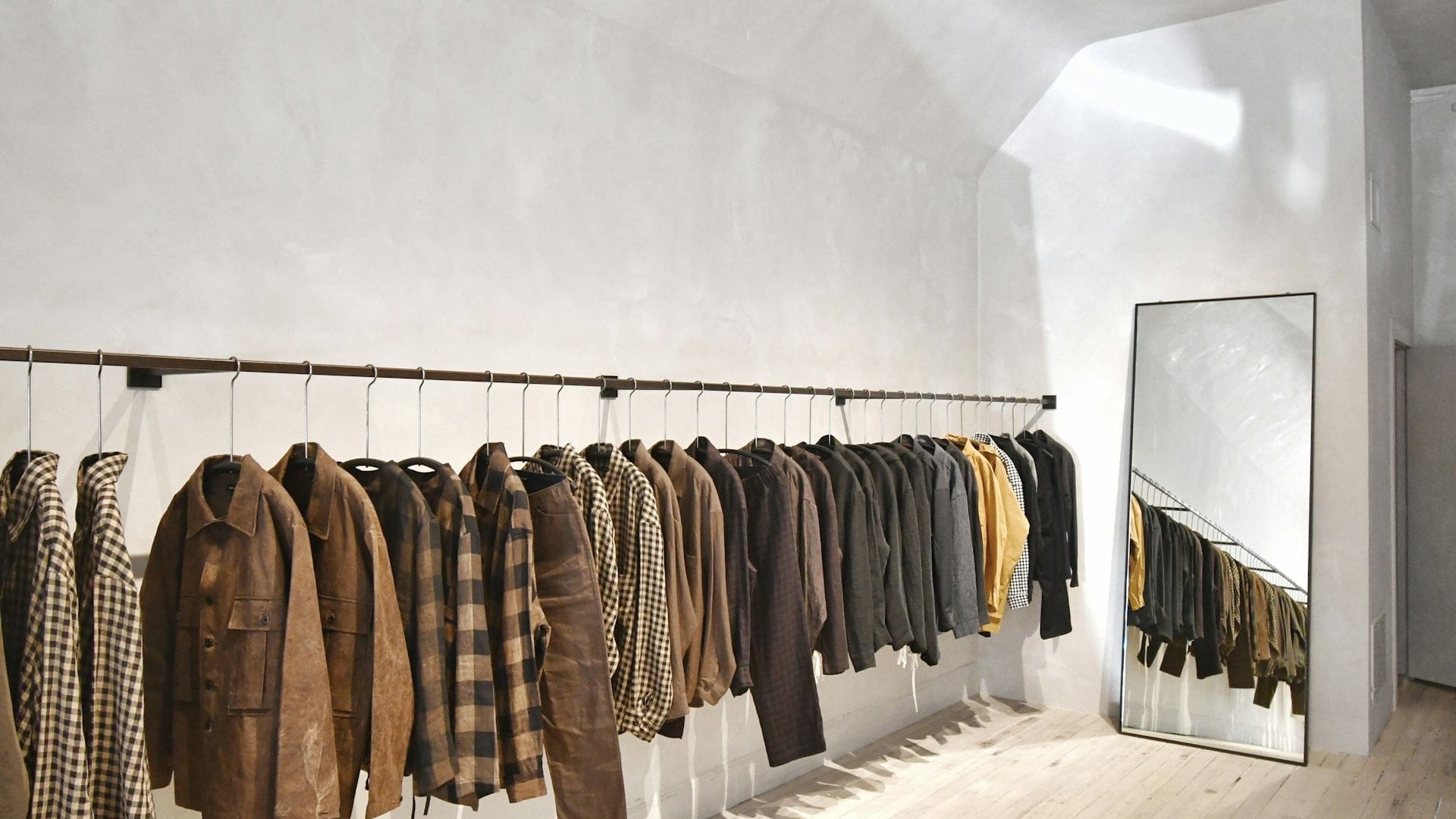
Embracing 90s minimalism
What this online resurgence often fails to acknowledge is that embracing 90s minimalism does not require draining our bank accounts. Nor do we need to rely on fast-fashion alternatives to appear polished and sophisticated. Building a wardrobe inspired by quiet luxury does not demand a choice between financial stability and personal style, because true minimalism celebrates thoughtful, intentional purchases that prioritize quality over quantity. One valuable alternative often overlooked online is shopping second-hand.
Vintage stores and online resale platforms offer a vast selection of garments aligned with the quiet luxury aesthetic. Brands that defined the 1990s minimalist scene – Calvin Klein, Prada, Levi’s, and Hermès – and that frequently appeared in Carolyn Bessette-Kennedy’s wardrobe can often be found in vintage stores at significantly lower prices than their original retail value. Although these pieces may not be as inexpensive as fast-fashion alternatives, their superior craftsmanship and longevity can help break the cycle of constant repurchasing, ultimately offering greater value while easing long-term financial pressure.
Quiet luxury was never meant to be about appearing wealthy at the lowest possible cost. At its core, it represented restraint, intentionality, and investment in garments designed to endure beyond fleeting trends. Yet social media has transformed it into another rapidly consumable aesthetic, one often detached from the craftsmanship and longevity that originally gave it meaning.
In trying so hard to “look” timeless, we risk participating in the same cycle of overconsumption that minimalism once sought to reject. Perhaps true quiet luxury today is not found in curated moodboards, expensive-looking outfits, or viral “dupes,” but in owning fewer, better-made pieces and learning to value longevity over constant reinvention.
All Images:
© Unsplash


