
Modular Fashion: The Sustainable Alternative to Fast Fashion and Microtrends
Modular fashion is redefining how we build a sustainable wardrobe by allowing a single garment to be worn in multiple ways. It stands for an innovative approach to dressing that allows garments to be transformed and adapted, offering greater versatility from fewer pieces. As concerns about fast fashion, overconsumption, and textile waste continue to grow, modular fashion is gaining attention as a practical solution within the broader movement toward sustainable fashion and circular fashion. By prioritizing versatile clothing that evolves with changing needs and personal style, it encourages conscious consumption while supporting wardrobe longevity.
From detachable sleeves and adjustable silhouettes to transformable skirts and multi-functional dresses, modular designs challenge the idea that a constantly expanding wardrobe is necessary for creativity and self-expression. Instead, they offer a fresh perspective on the capsule wardrobe, proving that fashion can remain dynamic, expressive, and exciting while reducing waste and making better use of the clothes we already own.
What Is Modular Fashion?
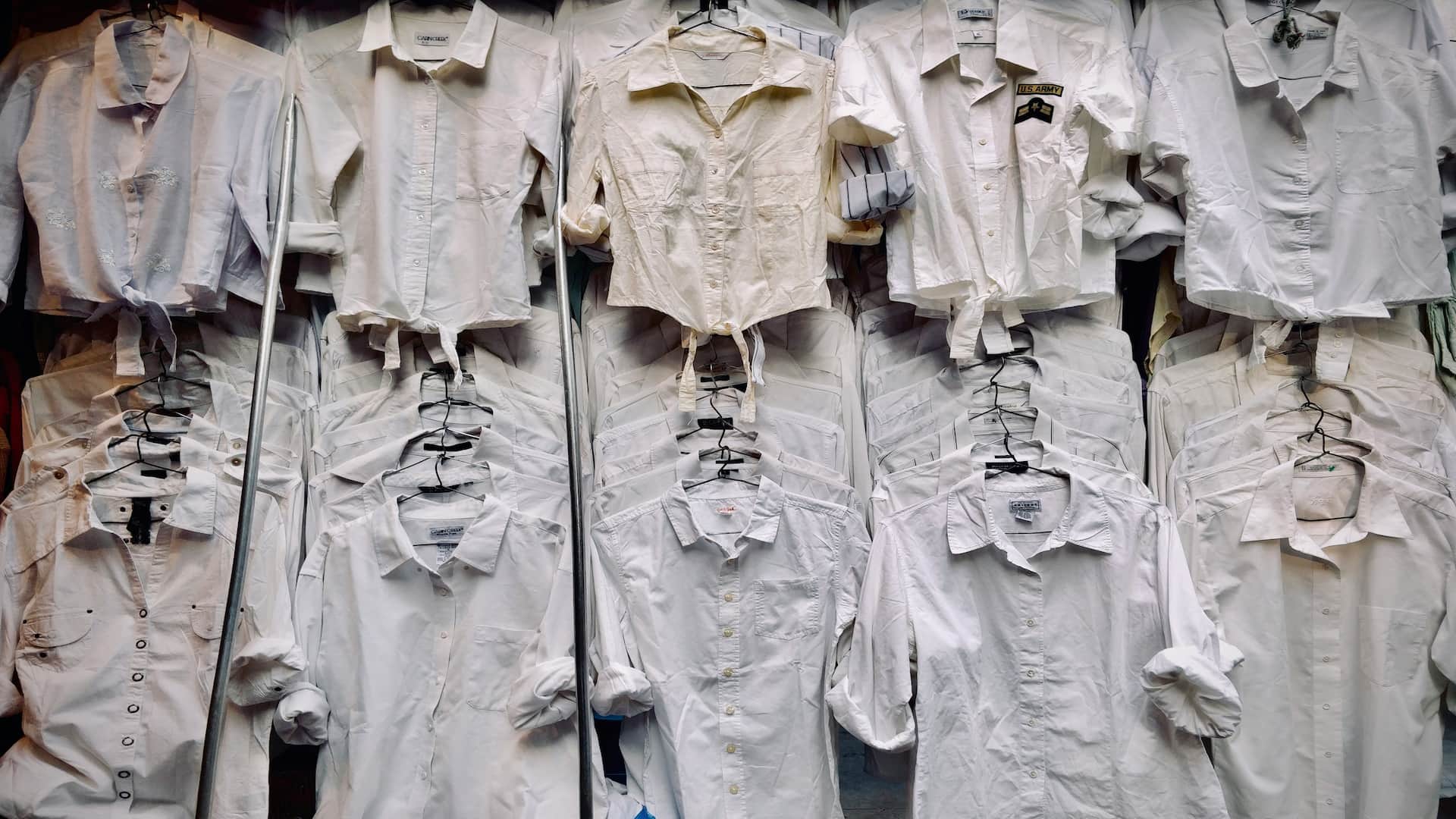
It happened again. You are getting ready and do not know what to put on. Your whole wardrobe is on the floor, and you can no longer even tell one item from another. Every t-shirt, skirt, and dress mingle together in a confusing ball that is slowly turning into a black hole before your eyes. And who is getting sucked in is your time, your money, and you. And while you keep asking yourself, “How did I get to this point? When did I buy all this stuff?”, you spot that easy-to-wear white cotton shirt you always go for on these occasions; it is the safe choice, but it is also repetitive. It takes off a burden from your shoulders, but it also bores you. Nowadays, in a fashion world shaped by speed and novelty, we are encouraged to purchase more items that carry a different energy each time. There is nothing wrong with that. Fashion has always been a tool for personal statement. But today more than ever, we need to bear in mind that satisfying our need to keep up with the times by reaching for the next new shimmering thing can have detrimental effects on our planet’s health. But what if that white cotton shirt could be styled in four different ways? What if, instead of safe yet boring, it turned versatile and fun?
Modular fashion refers to garments designed with interchangeable or adaptable elements, allowing a single piece to be worn in multiple ways.
Enter the Picture: Modular Fashion
A digitized version of one of The New York Times’ articles published in 1988 demonstrates that Modular Fashion has a long-standing reputation as a fashion innovation superstar. Already four decades ago, when garments were characterized by loud prints, bold colors, and original shapes, people were embracing the hassle-free and cost-effective advantages that modular clothing items effortlessly offer. The perks of modular fashion back in the day resided in its low cost and practicality. This is why it was mainly targeted to the working class and especially to mothers who benefited from the many combinations and the fact that sizes were virtually eliminated.
“A kind of wardrobe system with interlocking pieces, worn every which way and loose, the clothes can be styled to look sexy, casual or sophisticated.”
– The New York Times.
Modular Clothing Today
Today, modular fashion is as trendy as it was in the 80s. Its perks remain the same: it saves us time, money, and the mental stress of putting together fresh, interesting outfits every day. But as the machine of fast fashion advances, becoming bigger and more powerful than ever, modular fashion gains a further advantage: sustainability.
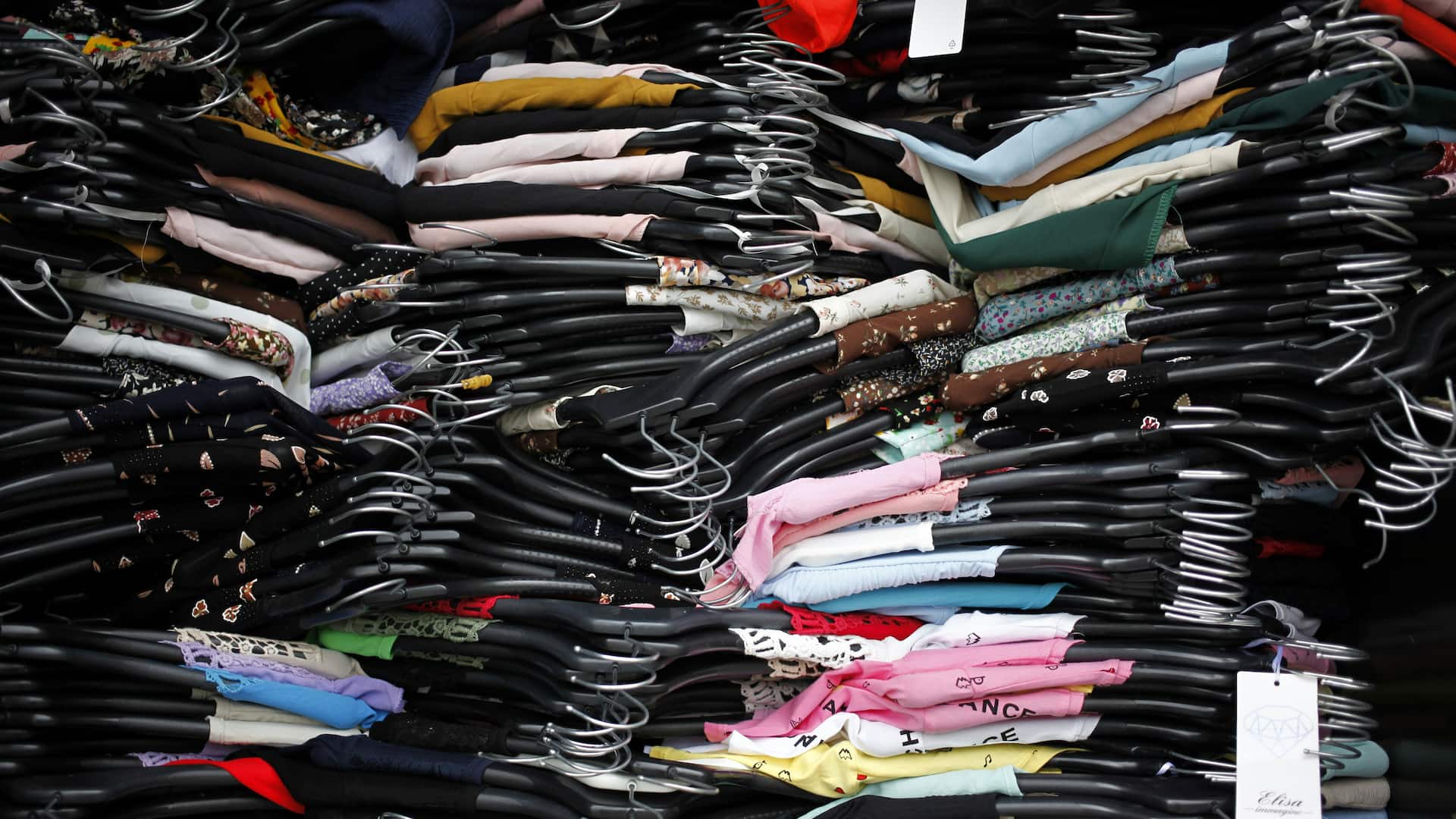
The influence of social platforms such as TikTok and Instagram has compressed the fashion cycle from years to mere weeks. The commodification of garments into armors that we can easily slip into to switch from one persona to another has resulted in trends evolving at an unprecedented pace. Overproduction generates overconsumption, accelerating the shelf-life of our garments – already short to begin with due to fast-fashion’s cheap materials. Thus, those captivating aesthetics we are so hypnotized by travel at the speed of light from the web into warehouses, into our closets, only to burn in a landfill. This vicious cycle leaves us constantly unsatisfied and distracts us from the lethal damage micro-trends are causing to our environment: water and soil pollution, deforestation, and the release of toxic chemicals into the air. To name a few.
“Customers tend to look slightly bewildered at first. But the practical virtues of these generic garments soon become apparent, even as the urge to try bizarre combinations takes hold.”
– The New York Times.
What Are the Benefits of Modular Fashion?
There are various perks to modular clothing; it is not merely a cost-efficient way to spark one’s creativity. But by introducing a versatile wardrobe to the market, modular fashion reduces clothing consumption and instead favors a circular fashion economy. It is indeed reported that clothing accounts for more than 60% of total textiles used, and in the last 15 years, clothing production has approximately doubled, driven by a growing middle-class population across the globe and increased per capita sales in mature economies. At the same time, clothing use has declined by almost 40%. Both developments are mainly due to the ‘fast fashion’ phenomenon, with quicker turnarounds for new styles, more collections offered per year, and, often, lower prices.
On the contrary, our current, widespread, fast-fashion linear system results in many low-income countries having relatively high rates of clothing utilization; elsewhere, rates are much lower. For instance, in the US, clothing is worn for only about a quarter of the global average lifespan. Worldwide, consumers forfeit approximately USD 460 billion in value each year by discarding garments that could still be worn, with some items reportedly thrown away after as few as 7 to 10 uses. This practice harms both consumers financially and the environment.
Playing With Fashion to Protect Our Planet
Modular Fashion is being repopularized today as a fun alternative to the fast-paced reality of online micro-trends. Purchasing one item that can be altered without the need for needle and thread, often via buttons and discreet loops. Pinterest, for instance, offers countless inspirations: a pair of pants made from detachable textiles that can be rearranged and transformed into a skirt. A jacket made entirely of detachable components – sleeves, hood, and even shoulder pads – so that it can adapt to the different seasons. Trousers that shorten into a pair of Bermuda shorts. Skirts with adjustable lengths, and even dresses that can be wrapped around depending on the occasion: longer for a night out, shorter for a day in the park.
Fast fashion lulls us into the illusion that microtrends are the key to self-expression. It leads us to believe that we can find our “vibe” and “aesthetic” by mass-purchasing low-quality garments that will inevitably deteriorate in the back of our overcrowded closets. But Modular Clothing shows that sustainability need not come at the expense of personal style. By asking ourselves: “How can I modify this item to make a statement today?” We might realize that a slower, more thoughtful approach to fashion could actually help us showcase our expressivity.
Modular Fashion reminds us that a single thoughtfully designed garment can offer endless possibilities, allowing us to experiment with style while reducing waste and environmental harm. Instead of flooding our closets with disposable trends, modular garments invite us to slow down, play with what we already own, and rediscover fashion as a form of lasting self-expression rather than temporary excess.
Highlight Image: © Logan Weaver via Unsplash


