
Pridon Niguriani: “Fashion Is the Best Language to Express Feelings and Impressions”
In an industry often driven by speed, visibility, and commercial pressure, Georgian designer Pridon Niguriani continues to follow a different path. Through his label LEM, fashion becomes a medium for memory, empathy, artistic expression, and social reflection. We interview him.
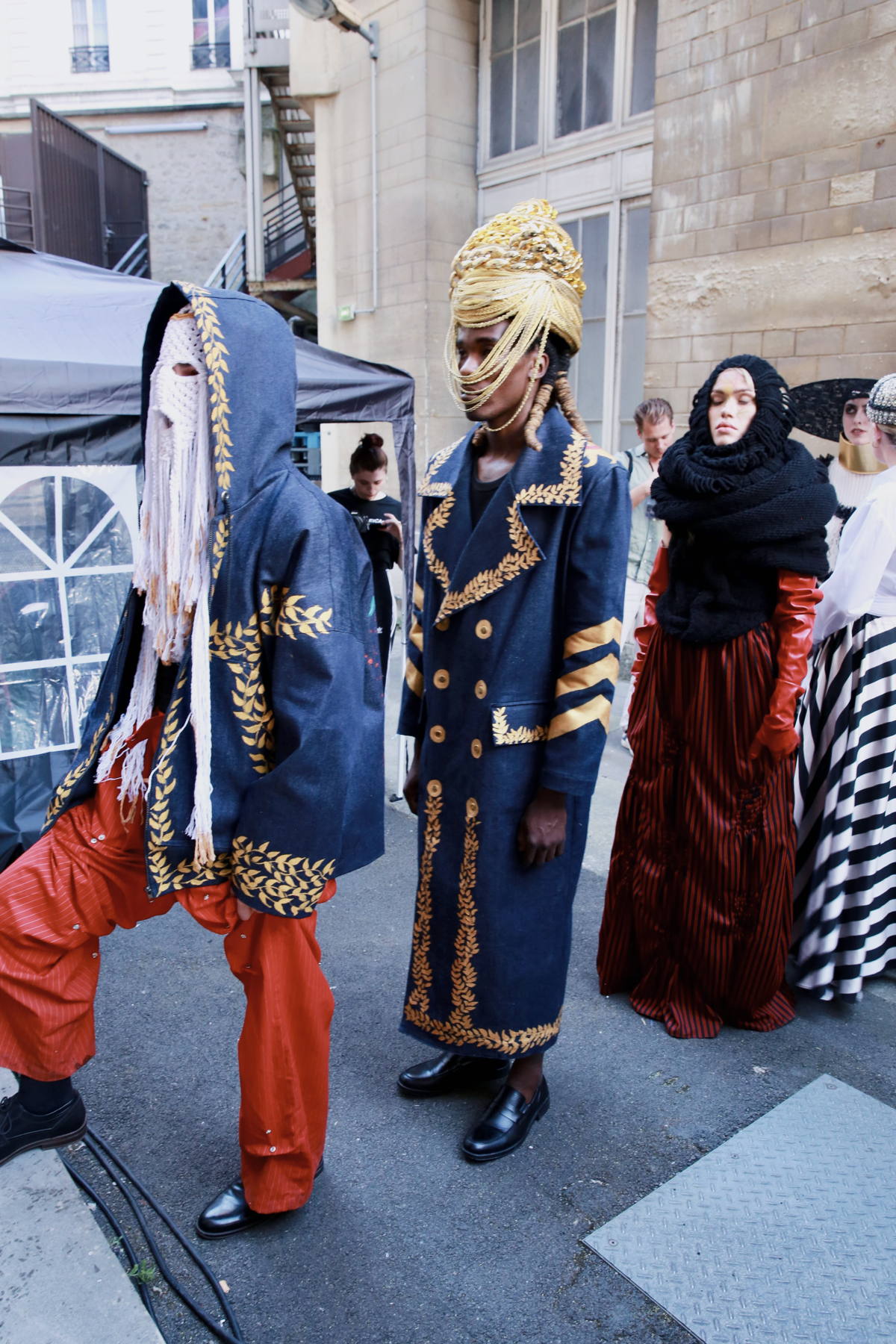
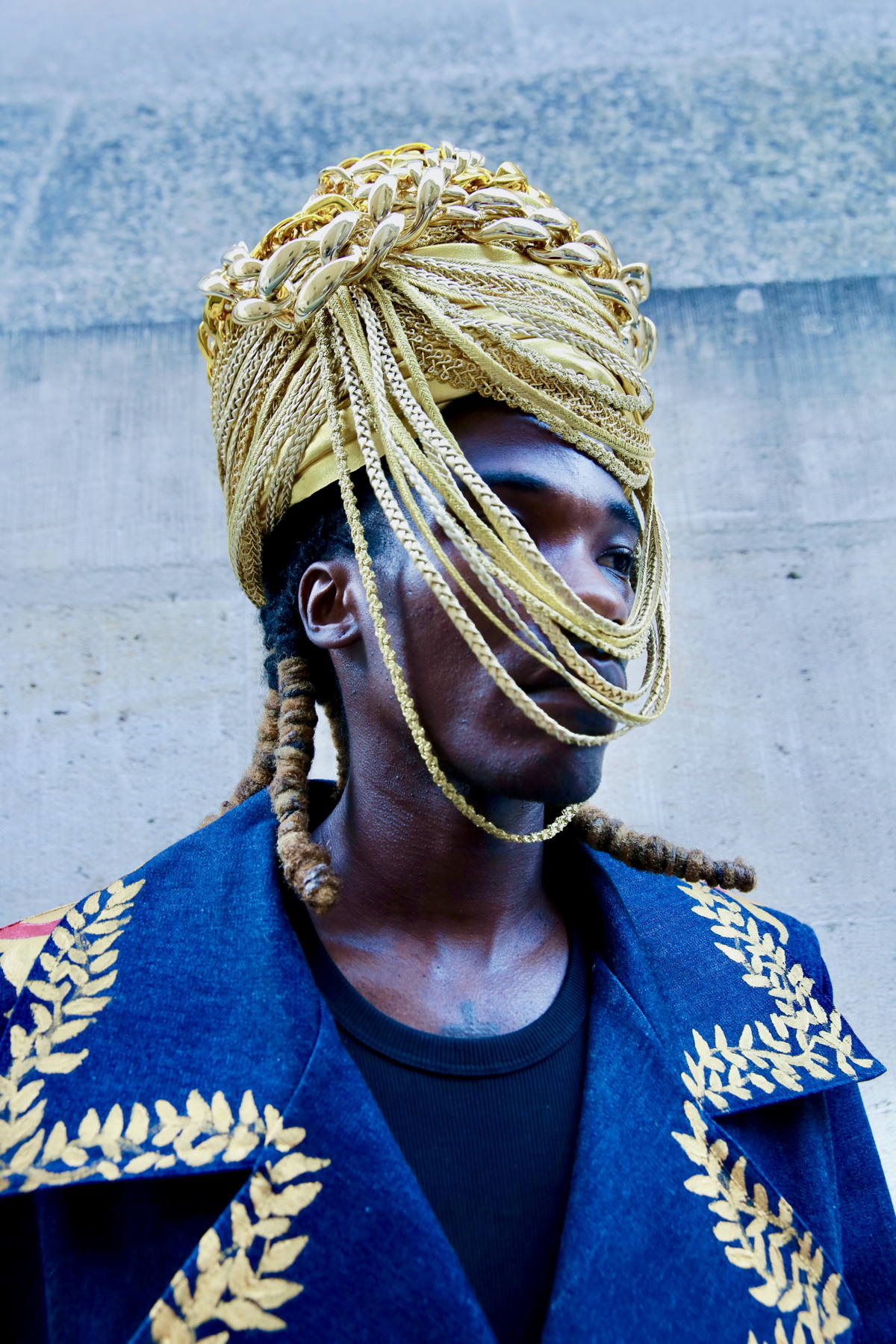
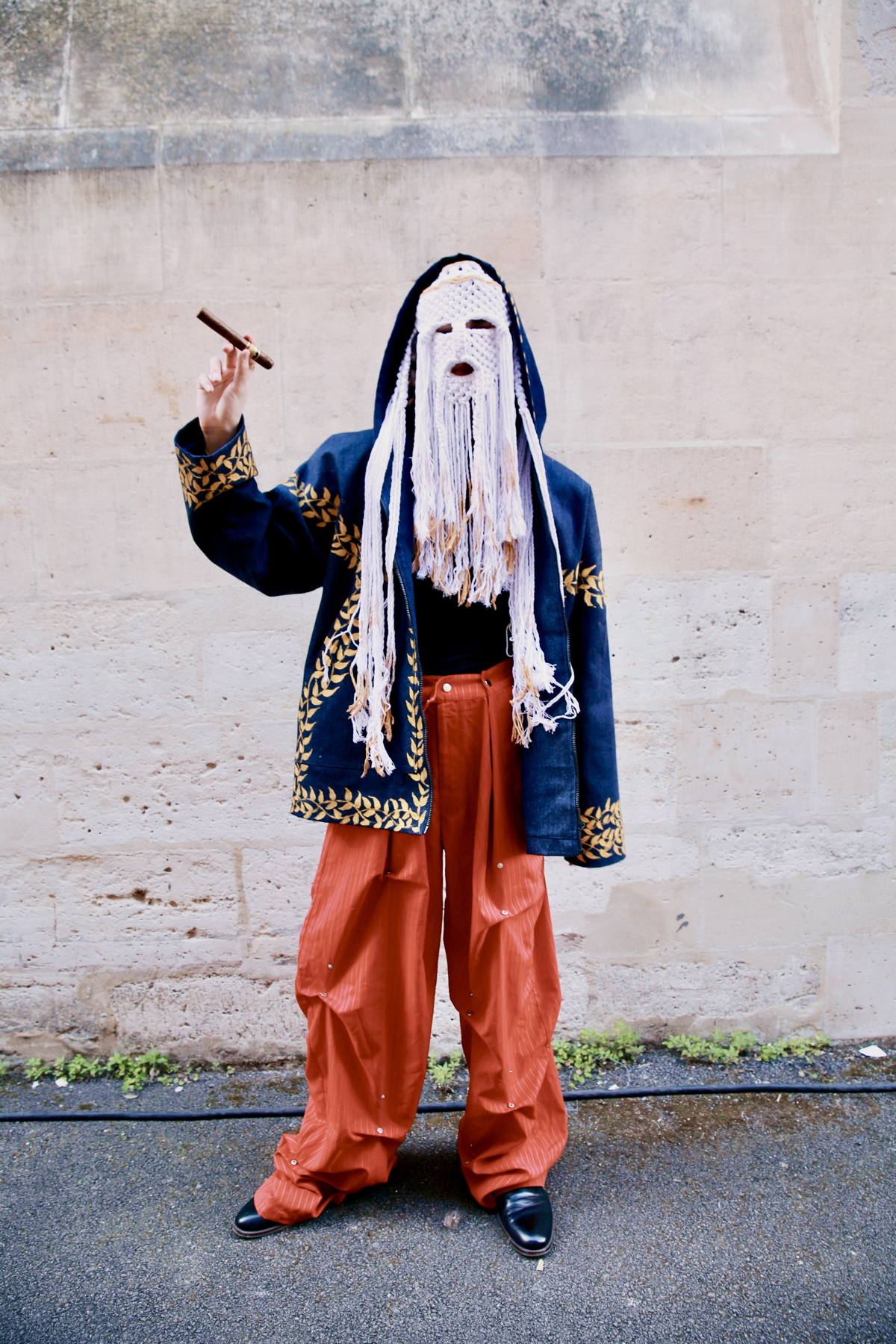
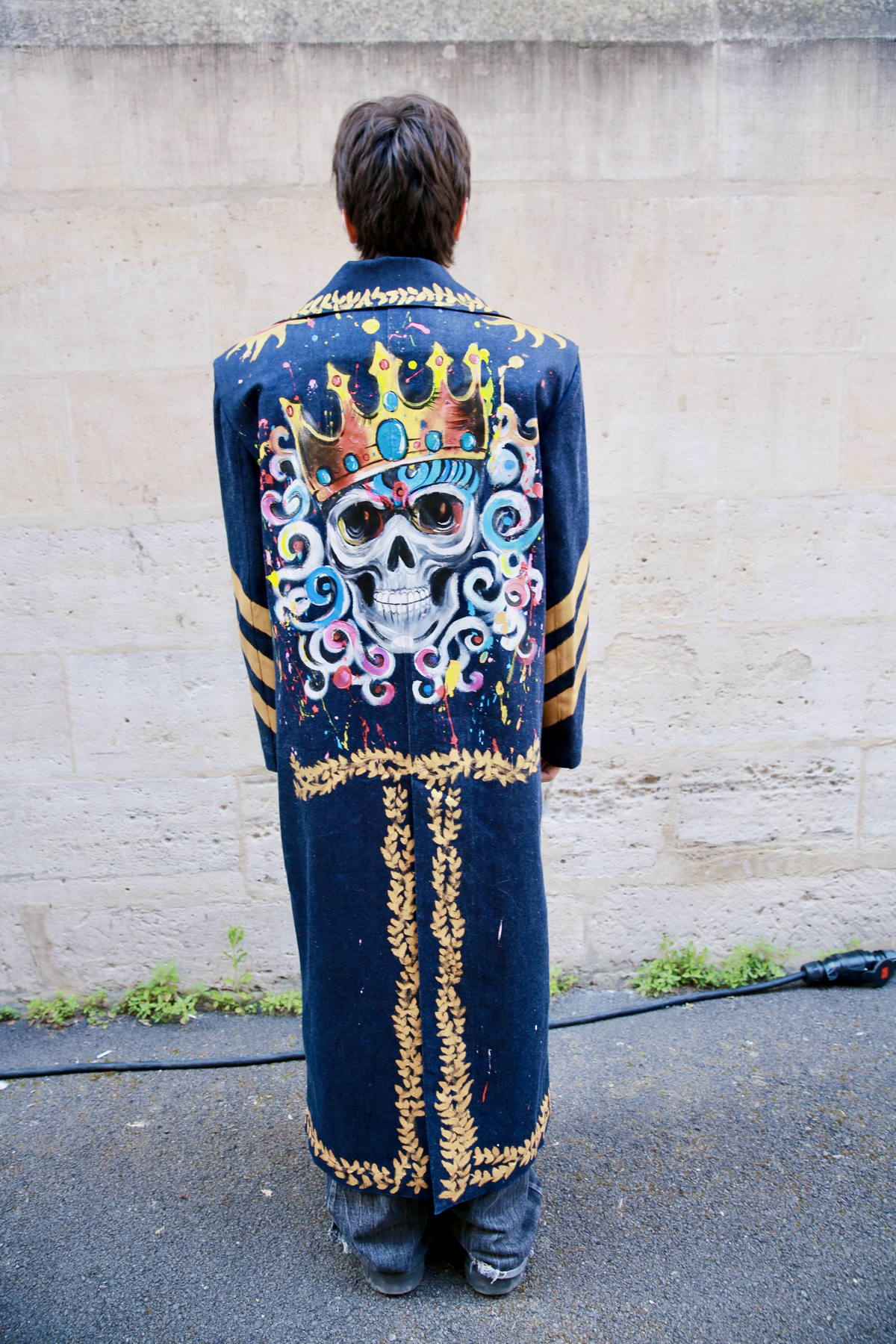
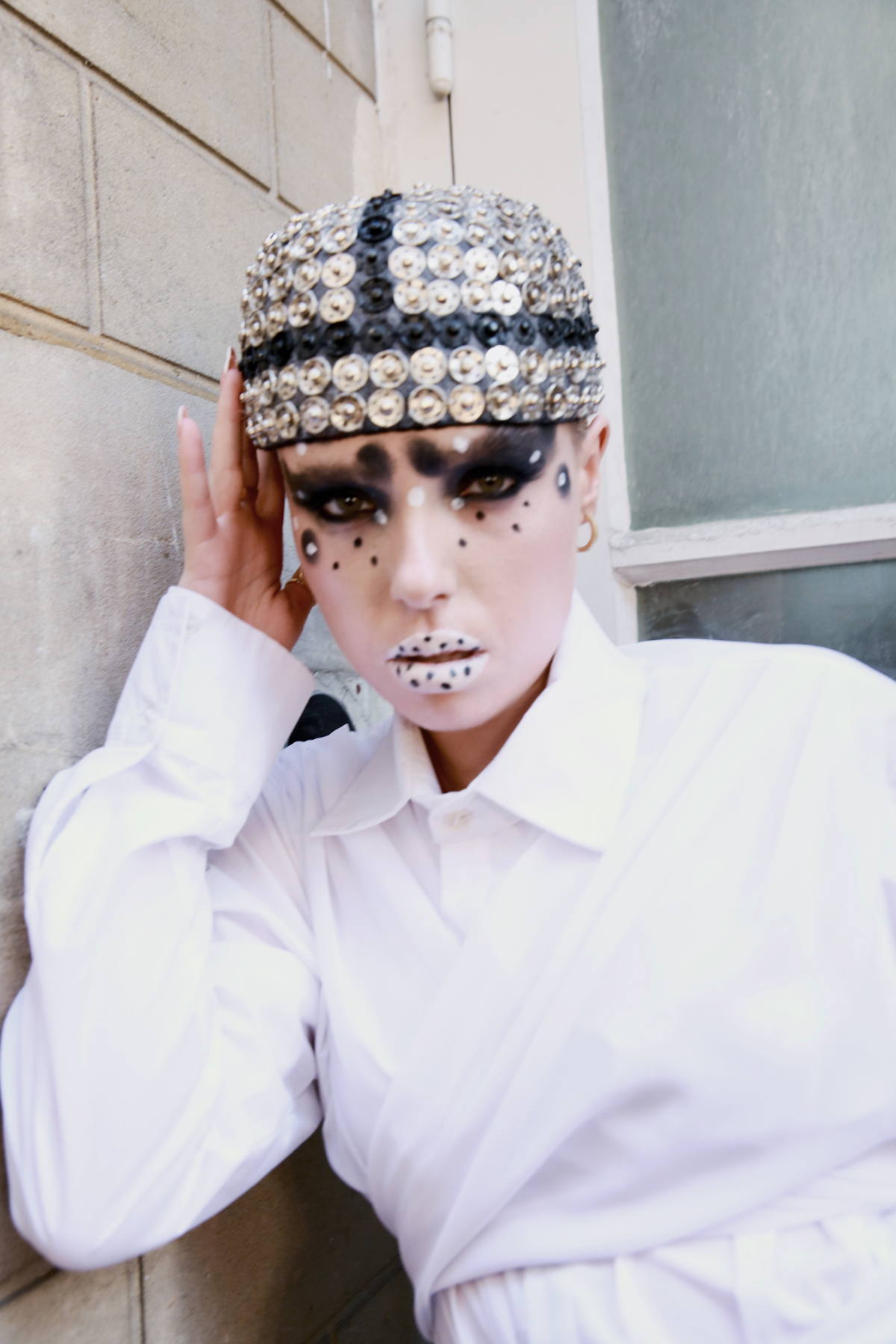
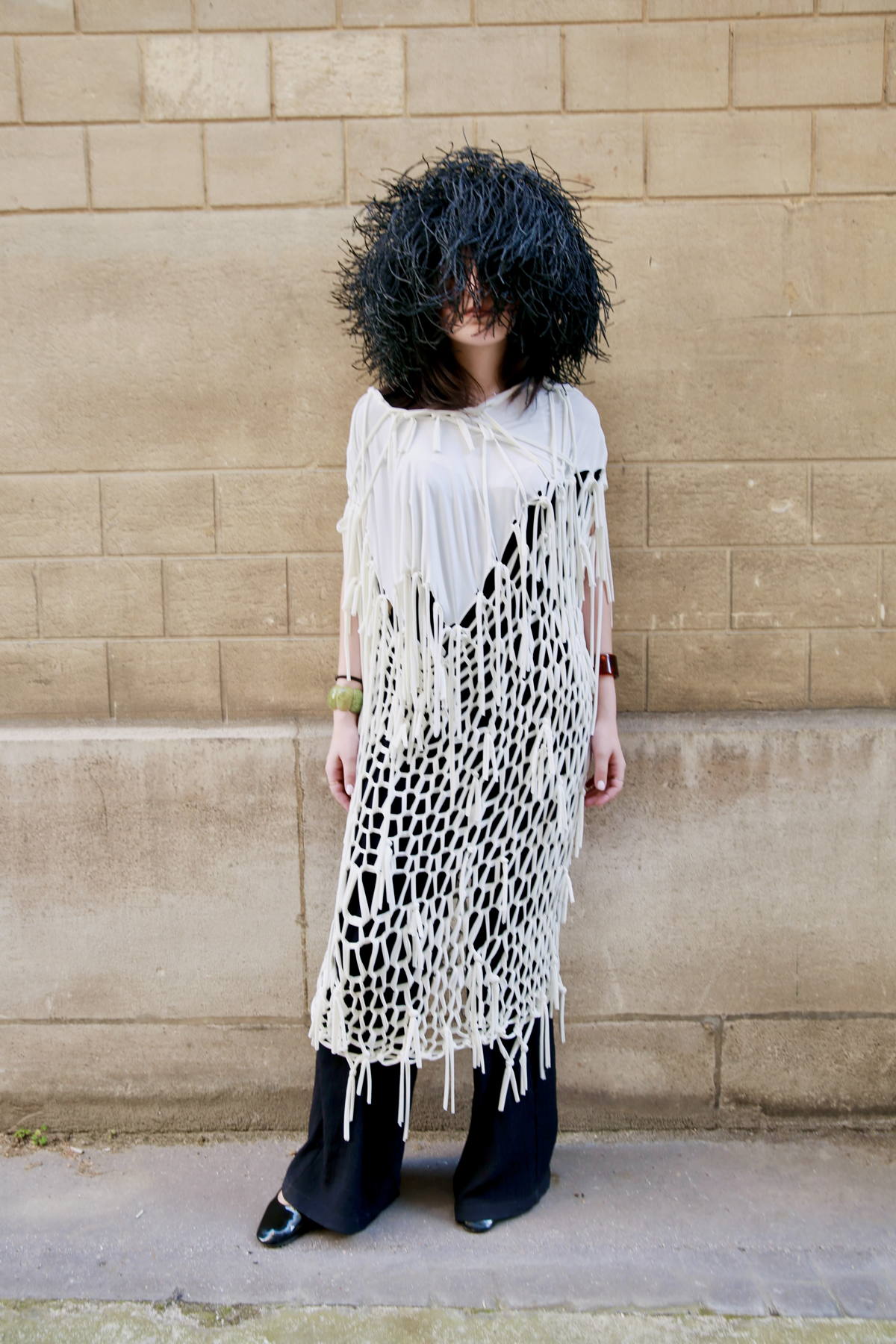
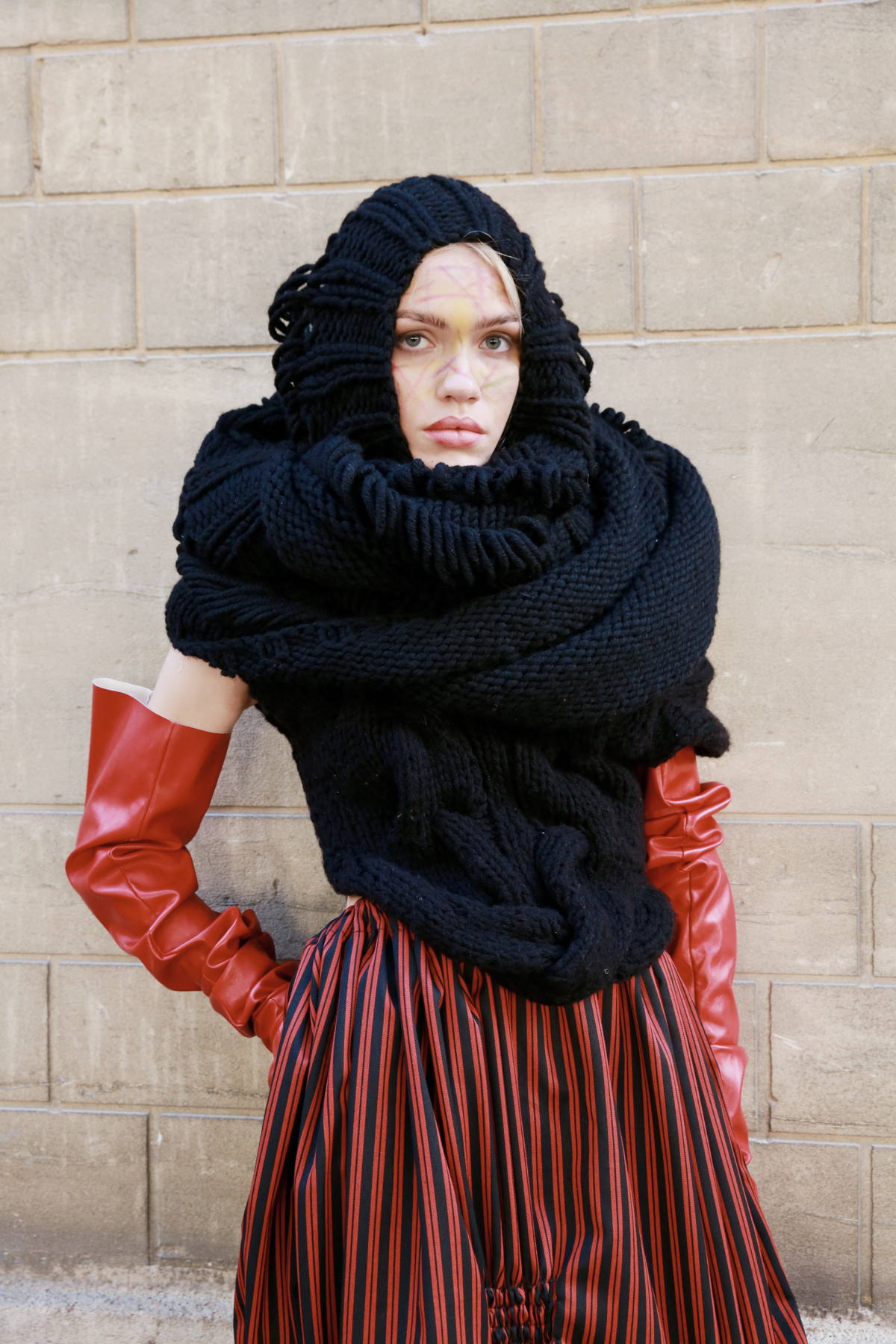
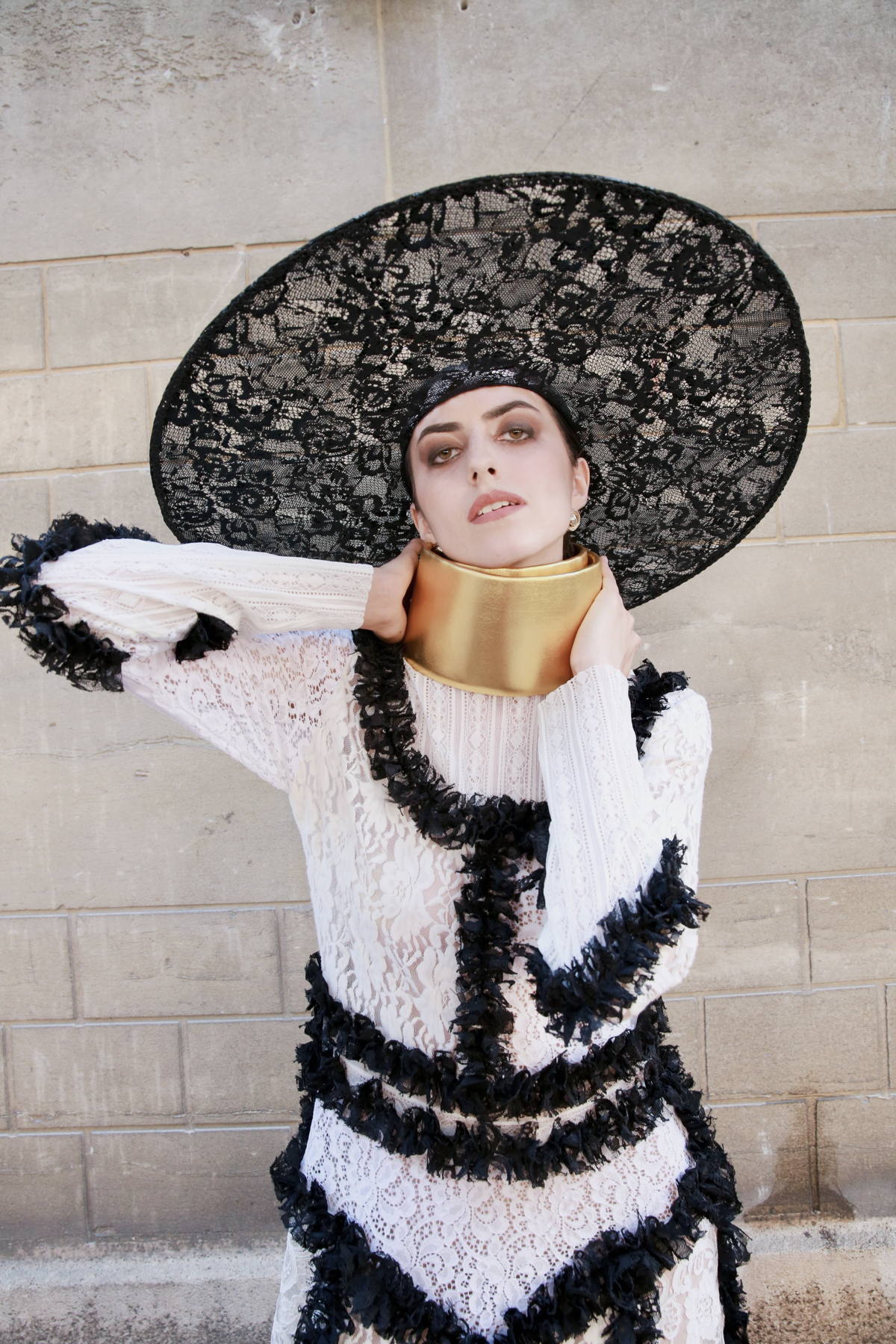
Presented during UNIQUE Fashion Show Paris 2026, the Fall/Winter 2026/27 collection Fashion is Art transforms garments into wearable artworks through hand-painted techniques, sculptural silhouettes, and upcycled accessories. Yet beyond aesthetics lies a deeper message. For Niguriani, fashion is not merely about clothing but about storytelling, vulnerability, and human connection.
In this conversation with Luxiders Magazine, the designer reflects on the hostile realities of the fashion industry, the importance of protecting artistic integrity, the role of craftsmanship in an era of mass production, and why the next generation may be searching for meaning rather than logos.
“Once I stepped into fashion, I realised I was in a hostile world, and I started understanding, step by step, how brutal commercialism and monopolism were ruling.” – Pridon Niguriani.


Interview with Pridon Niguriani
What did you need to say through Fashion is Art that could not be said through words alone?
I can create garments and looks as portraits and paintings, and they evoke artistic feelings without saying anything. Visual expression is so important to me. A collection should trigger feelings and memories, which are an integral part of art.
Where does LEM begin: in memory, in pain, in beauty, or in rebellion?
We began in love and beauty. When I saw the true face of the fashion industry, I started in pain and rebellion. We try to bring memories, global problems, anti-war and anti-violence topics, and the protection of vulnerability. The first step we ever take for LEM is empathy.
Your garments are hand-painted and sculptural. Do you see them as clothes to be worn, or as emotional objects that temporarily live on the body?
We have many hand-painted garments as movable paintings to be worn. They are unique and long-lasting clothes, and they can be worn by generations. In real life, we see beautiful paintings only in museums and exhibitions. In my life, you can see them, touch them, and wear them. They become more accessible for everyone.
What has been the most difficult truth you have had to face as a designer?
Once I stepped into fashion, I realised I was in a hostile world, and I started understanding, step by step, how brutal commercialism and monopolism were ruling. I started speaking up as much as I could and encouraging others to raise their voices against the injustice of the fashion industry.
“We began in love and beauty. When I saw the true face of the fashion industry, I started to work in pain and rebellion. We try to bring memories, global problems, anti-war and anti-violence topics, and the protection of vulnerability. The first step we ever take for LEM is empathy.” – Pridon Niguriani.
In your work, does upcycling represent sustainability, survival, or transformation?
Yes, indeed. Upcycling is transforming something into wearable fashion: waste, fabric leftovers, deadstock materials, and objects from previous collections. Thus, it minimises waste from production.
Can fashion still be a place for vulnerability, or has the industry become too obsessed with performance and visibility?
The fashion industry is very toxic and brutal, with money, monopolism, and nepotism ruling. Emerging talents are so vulnerable and disrespected. Unfortunately, the fashion industry does not want to change. Overproduction, quantities, and money generation are the main credits for being recognised.
How do you protect your artistic language in a system that constantly asks designers to sell, simplify, and repeat themselves?
Following one’s own path and DNA is the best protection of artistic language. Storytelling and communication through a collection speak louder than anything else. I believe fashion is the best means of communication to express feelings and impressions.
Do you think the new generation is looking for fashion, or for meaning? What kind of meaning?
The new generation has shifted from traditional shopping habits. They care less about logos and more about identity. I hope that generation grows and replaces the ones who prefer quantity and fast fashion. Ultimately, we should think about the planet as a home. It is unbelievable how much harm fashion brings to it.
“The new generation has shifted from traditional shopping habits. They care less about logos and more about identity.” – Pridon Niguriani.
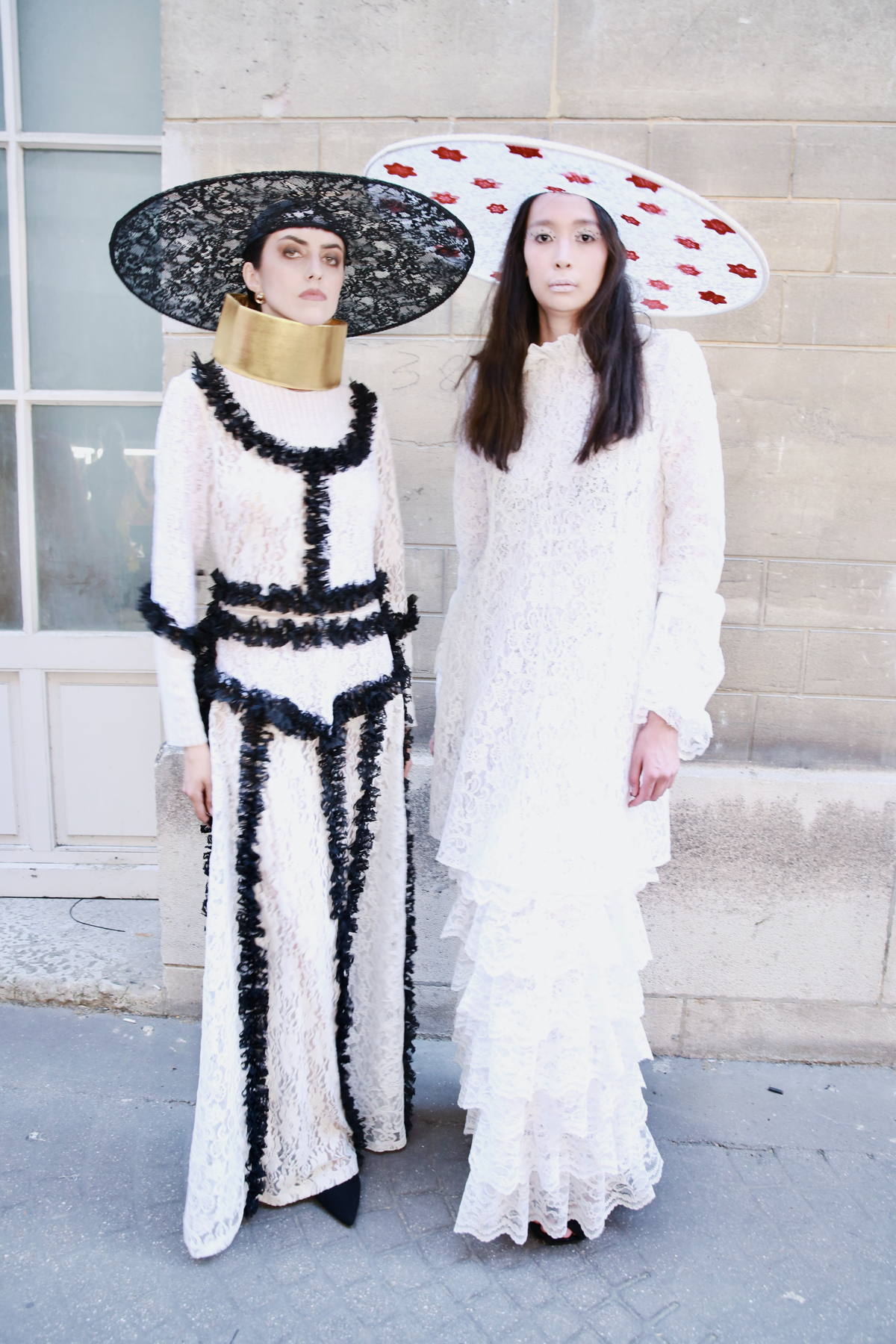
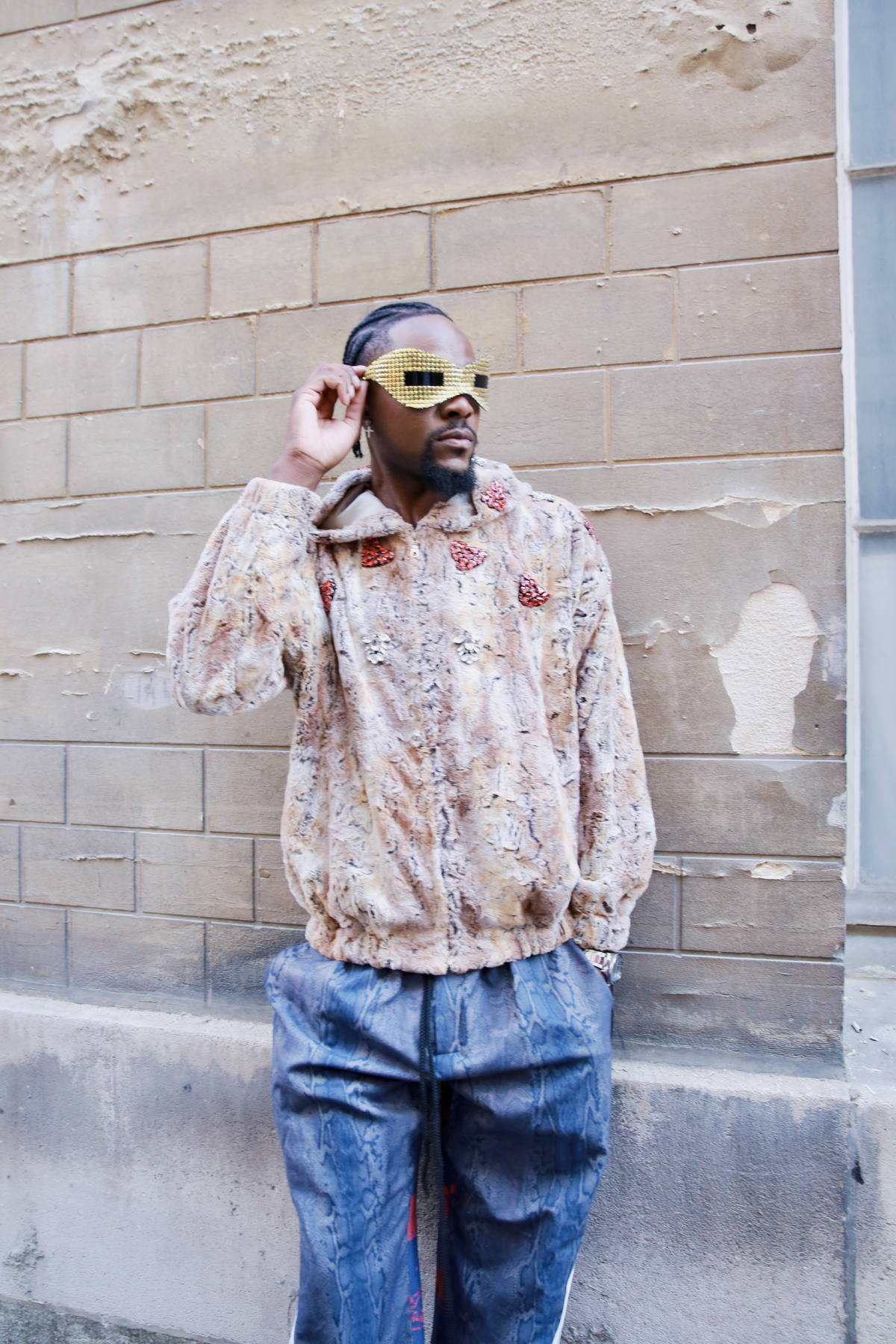
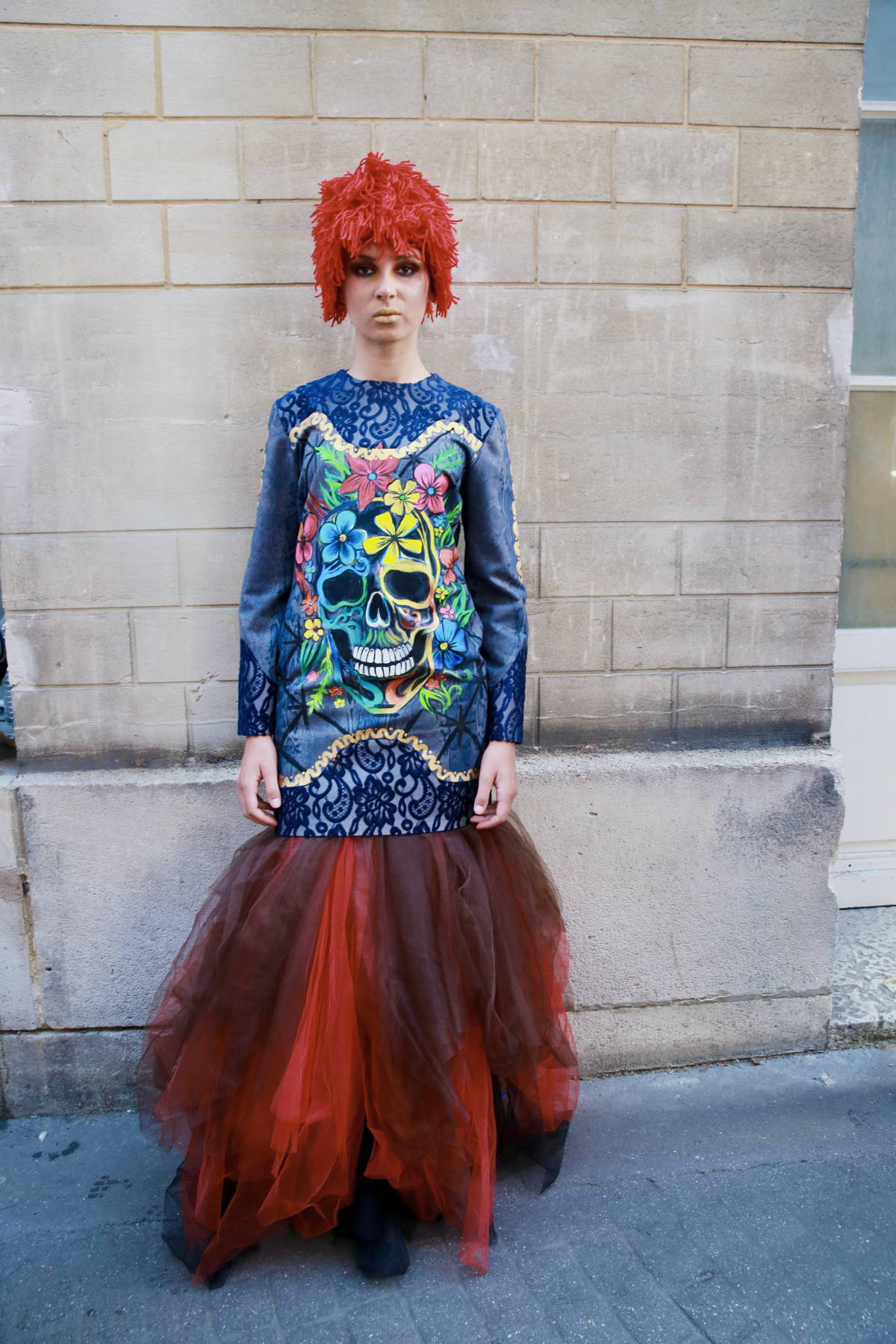
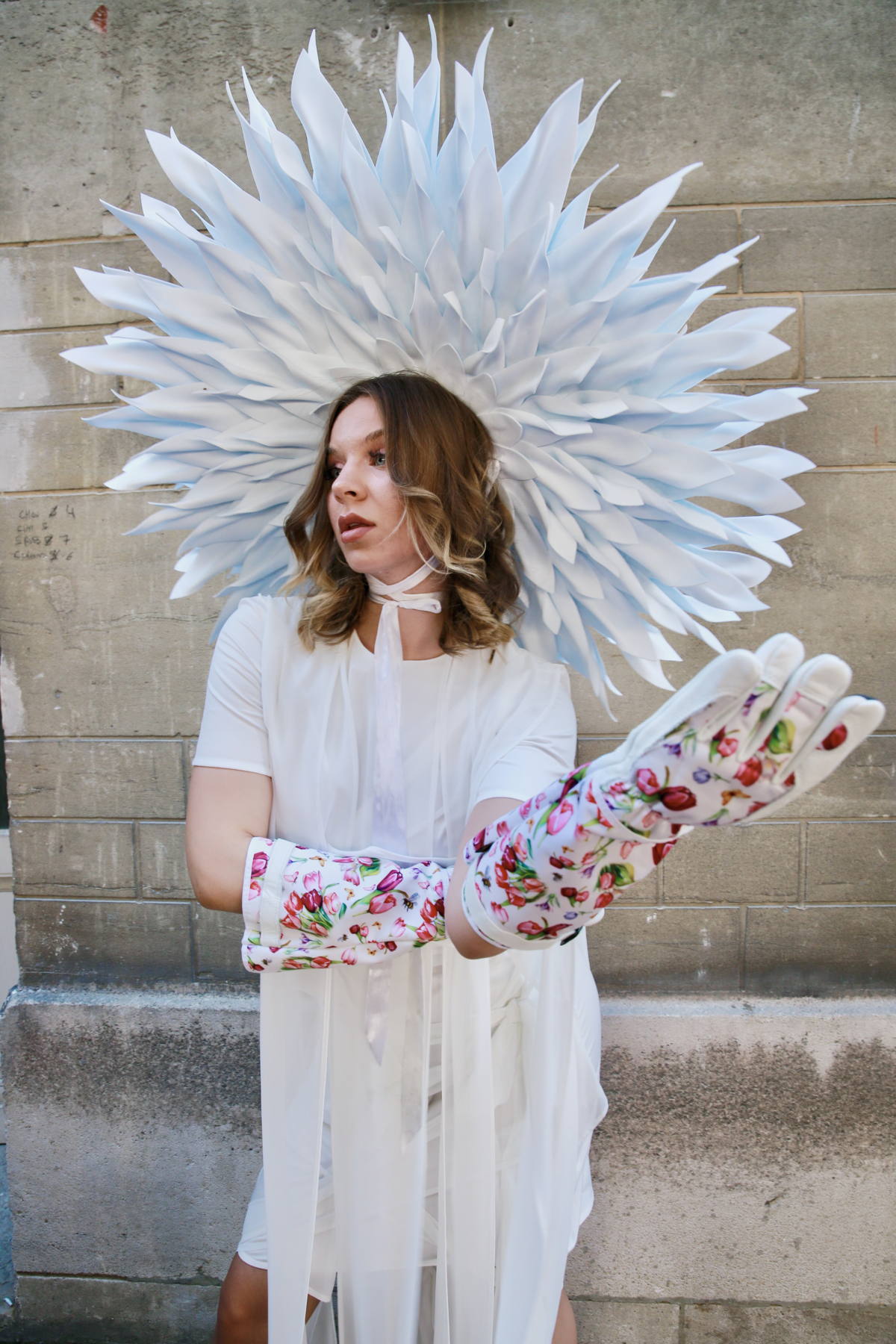
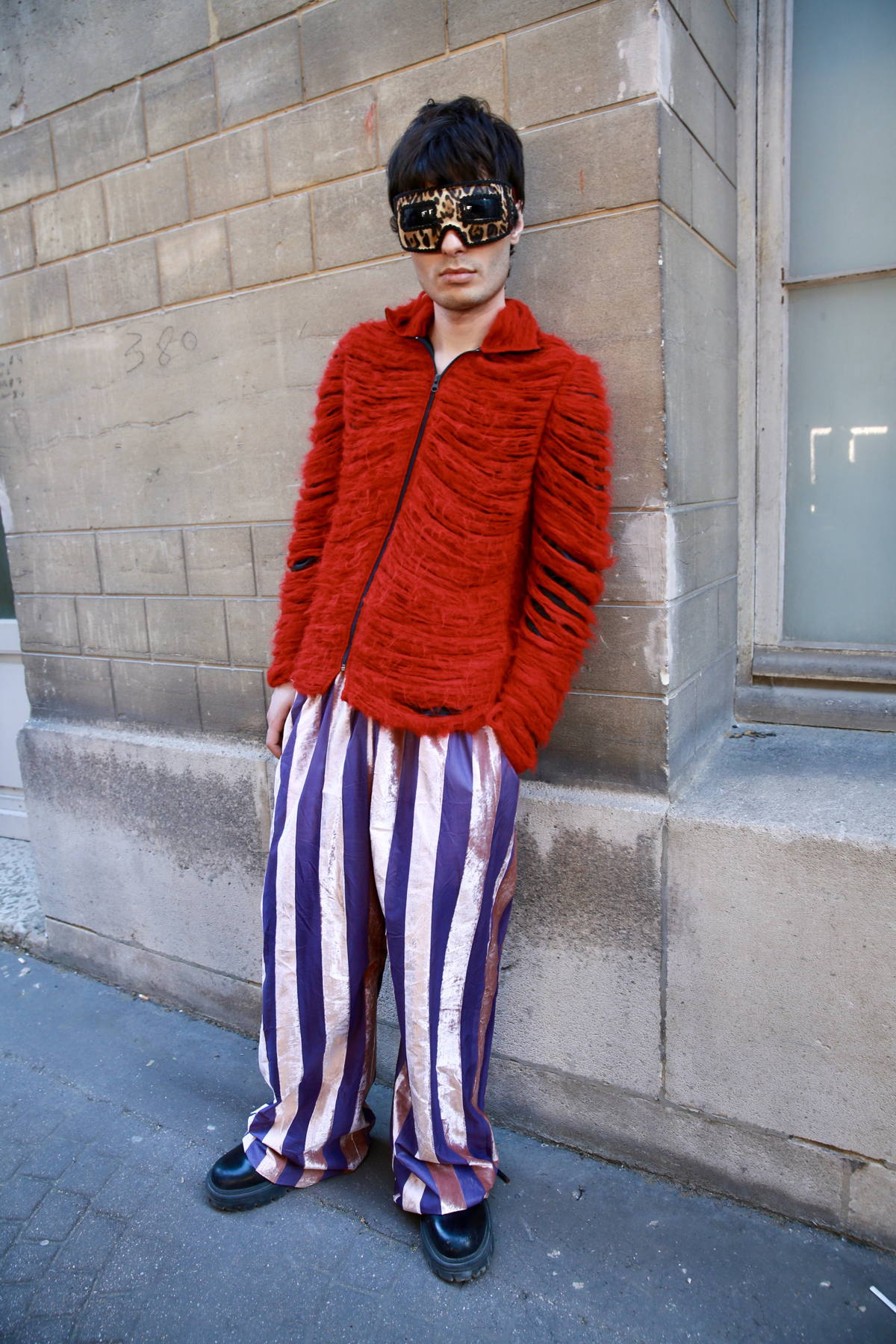
Throughout this collection, Niguriani advocates for a slower and more conscious approach to fashion. Upcycled materials, sculptural accessories, and artistic interventions become tools for transformation rather than decoration. Each look carries a narrative, inviting viewers to engage not only with the garment itself but also with the emotions, memories, and social questions embedded within it.
At the heart of LEM lies a commitment to empathy. Whether addressing vulnerability, identity, environmental responsibility, or broader global issues, Niguriani sees fashion as a powerful form of communication capable of expressing what words alone cannot. In a world saturated with products, he believes the future belongs to meaningful stories, authentic craftsmanship, and designers courageous enough to remain true to their own creative language.
All Images:
© Zuzu Valla


