

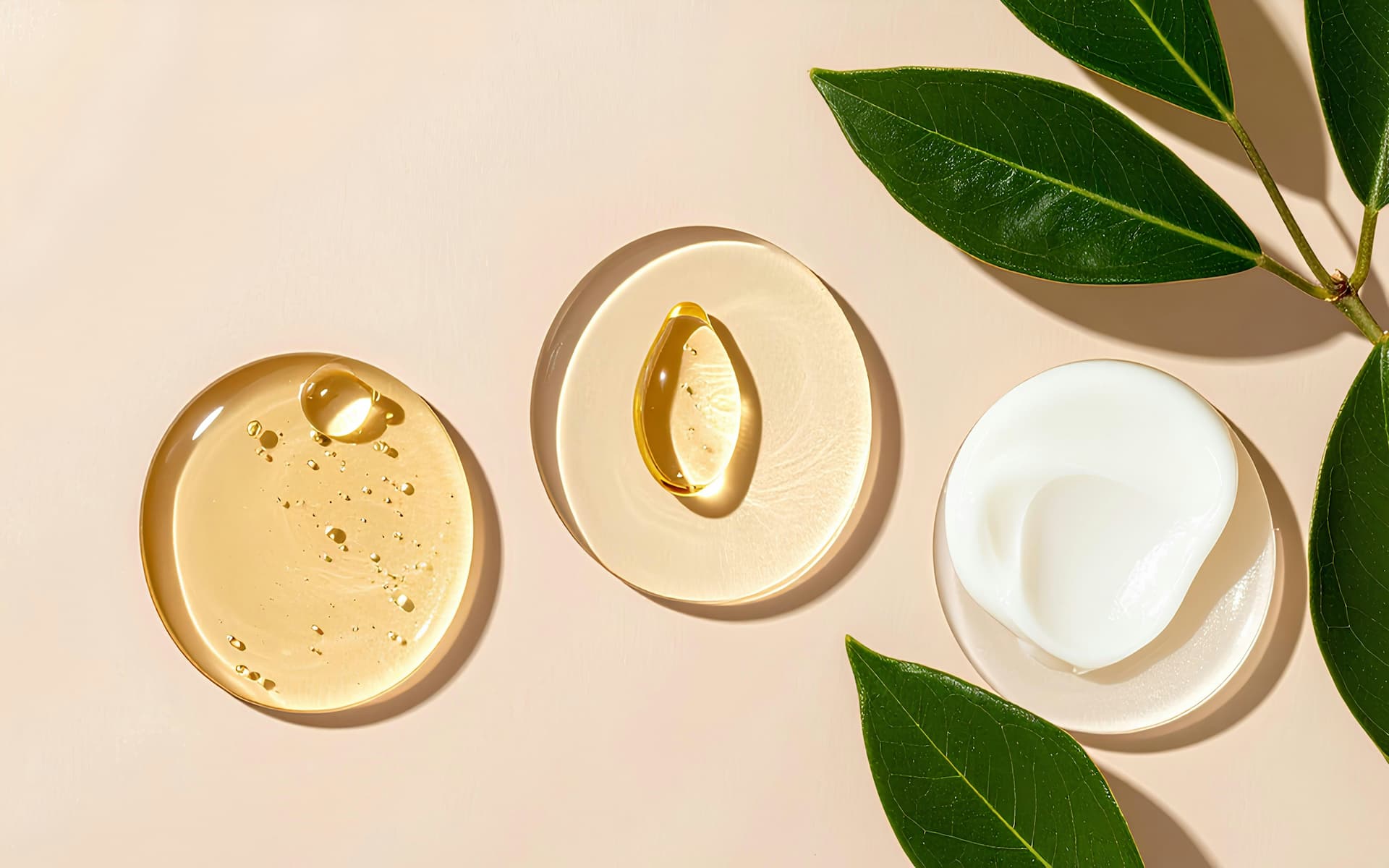
How to Boost Collagen Naturally | Best Foods, Skincare Ingredients, and Lifestyle Habits
Collagen is the protein responsible for keeping our skin firm, joints strong, and connective tissues healthy. As collagen production naturally declines with age, adopting the right diet, skincare routine, and lifestyle habits can help support your body’s collagen levels. Discover the best foods, ingredients, and everyday practices that naturally promote healthy collagen production.
What Is Collagen?
A study published on the National Library of Medicine describes Collagen as a natural protein that serves as the main structural component of connective tissues in animals, including our skin, bones, tendons, cartilage, and ligaments. Its unique triple-helix structure gives these tissues strength and flexibility. Collagen helps keep joints healthy, supports wound healing, and is crucial for maintaining firm, elastic skin. In the body, collagen molecules naturally organise themselves into strong fibres that form networks, providing structural support wherever they are found.
Registered dietician and award winning food expert Lauren Manaker explains that collagen can be promoted, first and foremost, through the foods we eat daily. In this article, we report some of her dietary advice.
Eat Your Collagen
- Meat
Especially beef — particularly the bones and tissues – is generally highly recommended for collagen remodelling. Nonetheless, it is important to remember that a diet heavily based on red meat is neither optimal for our health nor for the environment. It is best to adopt a varied eating plan that allows us to intake all the necessary vitamins and nutrients to support our physical wellbeing while reducing our environmental footprint.
- Bone Broth
This is the most well-known food for boosting our collagen levels. Animals’ bones are naturally rich in collagen, which is released during slow-simmering cooking.
- Chicken
Especially when eaten with the skin, it is packed with type II collagen, which helps keep our joints healthy and can even help with arthritis pain.
- Pork rinds
They are made from pig skin, which is naturally loaded with collagen. When we eat them, our bodies break down collagen into amino acids that help repair and rebuild our own collagen stores.
- Egg Yolk
This does not naturally contain collagen, but it does contain proline, an amino acid necessary for collagen production.
- Dairy Products
They are rich in calcium and contain the amino acids proline and glycine. Both help maintain skin elasticity.
For Pescatarians or Those Who Prefer Fish
Marine collagen, or fish collagen, has high bioavailability, and it consists mostly of type I collagen. Oysters, for instance, are loaded with zinc – just a serving can meet our daily needs. Zinc plays a major role in the synthesis and repair of collagen, which keeps our skin healthy. On top of that, oysters are rich in amino acids like glycine and proline, which our bodies use to make collagen.
For Those on Plant-Based Diets
If you do not consume animal products, you can still “eat” your collagen by choosing plant-based foods rich in vitamin C, zinc, and copper.
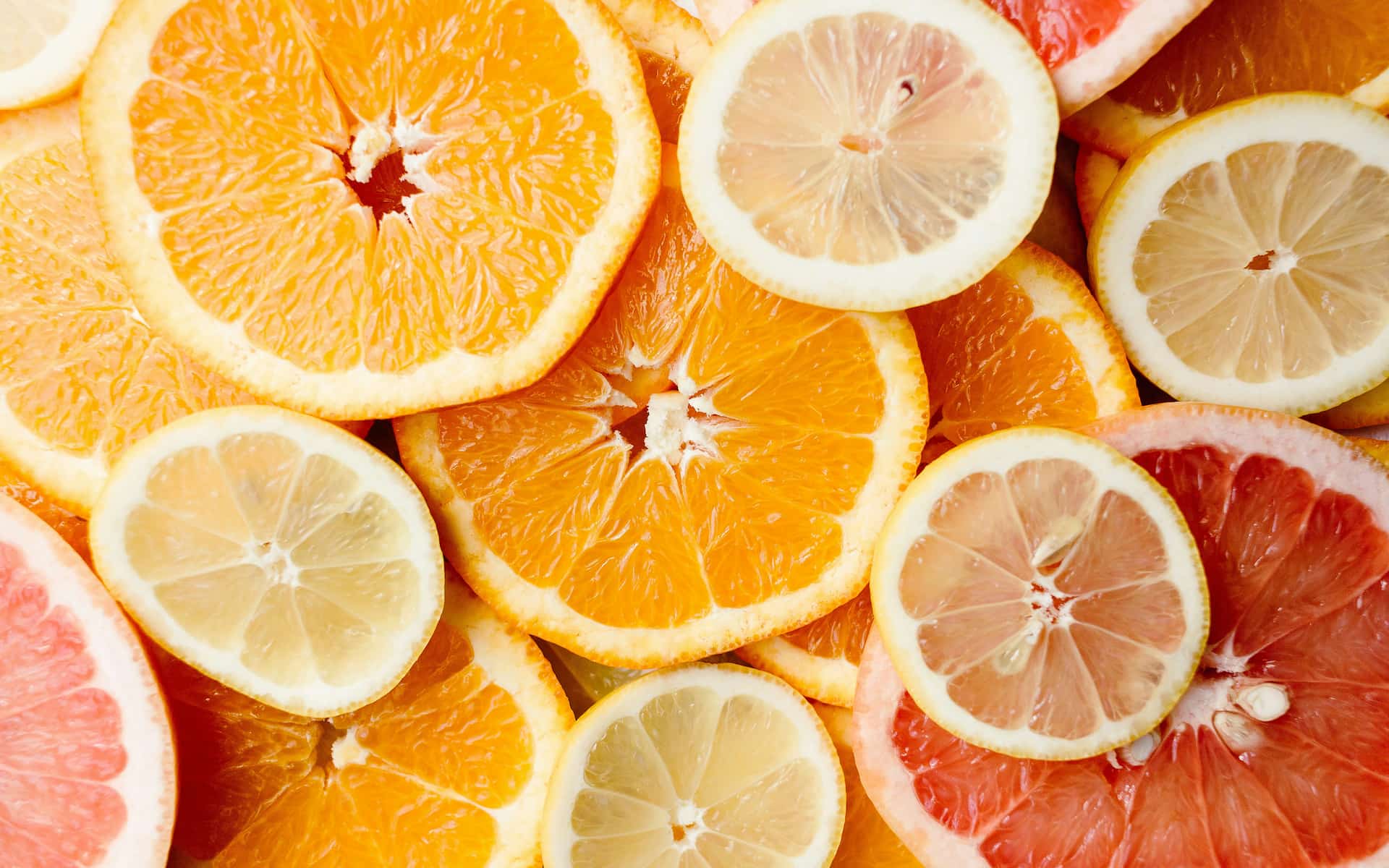
These include citrus fruits, berries, beans, garlic, red and green peppers, tomatoes, broccoli, whole grains like rice, corn, and wheat, and, finally, nuts – especially cashews.
Promoting Collagen With Skincare
As we age, our skin changes, and collagen production decreases. This leads our skin to lose elasticity and be more prone to wrinkles. To encourage collagen production in the later phases of our lives, we may adapt our skincare routines to include ingredients that support collagen production.
- Hyaluronic Acid
It can help maintain skin hydration, promoting elasticity and firmness. It is naturally produced by our bodies and plays an active role in wound formation and healing. Hyaluronic acid levels decrease as the skin ages, which is why it is important to incorporate it into our daily skincare.
- Retinoil
Carotenoids, like retinol and beta-carotene, are powerful antioxidants found in vitamin A. They can do wonders for your skin, helping it stay healthy and glowing. When used in skincare, retinoids can even help shield your skin from the sun’s harmful UV rays, which break down collagen over time.
- Aloe Vera
Aloe vera gel is rich in essential amino acids and beneficial sugars that help your skin produce more collagen. It does this by encouraging special cells called fibroblasts, which are like tiny builders living in your connective tissue. These cells are responsible for giving your skin – and your whole body – structure and support.
- Snail Mucin
Though it may seem like an odd skincare ingredient, studies show that snail mucin can help boost collagen production and improve wound healing.
- Viper Venom
Viper venom might sound scary, but it is made up mostly of proteins and peptides, the same building blocks found in our own bodies. In medicine, these specialised proteins have been used to develop drugs for conditions such as high blood pressure and blood clots. When it comes to skincare, tiny amounts of viper venom peptides are added to creams to help relax facial muscles, temporarily smoothing wrinkles and making skin look younger. These peptides can also help skin hold onto moisture, boosting hydration for a plumper, more refreshed look.

Our Lifestyle Choices and Collagen
Our lifestyle choices cannot be neglected when it comes to maintaining and stimulating collagen production in our skin.
Starting off with exercise, resistance training has recently been proven to be an excellent ally in increasing collagen. Studies report that a 16-week exercise program showed that both cardio and resistance training can make skin more elastic and improve its structure. RT, in particular, helps thicken the skin. While scientists are still figuring out the exact reasons why, it is clear that staying active can help your skin look and feel younger.
Then, protecting our skin from the sun is a great and necessary step, as prolonged, unprotected sun exposure often leads to age spots and premature wrinkles. Not to mention the more serious problems associated with aggressive UVB exposure, such as skin cancer.
Experts also warn against smoking and the overintake of caffeine. They report that when we smoke, certain immune cells in our body (neutrophils) are triggered to break down collagen. This process creates fragments that keep those immune cells active, triggering a harmful cycle that can lead to inflammation and serious lung problems. Additionally, drinking too much caffeine can dehydrate our bodies and skin, making them look less plump and healthy.
Maintaining healthy collagen levels involves more than just skincare products. A balanced diet rich in collagen-supporting nutrients, targeted skincare ingredients such as hyaluronic acid and retinoids, and healthy lifestyle choices can all contribute to stronger, more resilient skin and joints. By taking a holistic approach, you can help support your body’s natural collagen production and promote long-term wellbeing.
Hightlight Image:
©Ibnu Ihza via Unsplash


