


Hustle Culture Online: The Rise of Hyper-Productivity and Hobby-Maxxing
In recent years, hustle culture — the lifestyle and mindset that glorifies overworking and constant productivity — has become increasingly embedded in our everyday lives. Online, videos and reels celebrate productivity, self-improvement and even hobby-maxxing: trying every hobby with maximum effort.
When is enough hustling enough? What is it that people are working towards? Users are praised for their productivity and shamed when they are not. In a recent study, researchers uncovered three main reasons why society has moved towards hustle culture, hyper-productivity and hobby-maxxing. What are the main factors contributing, and are there effects of hustle culture on our mental health?
Although being productive can be very beneficial, there is a dark side to self-improvement and hustle culture. Why is there a constant need to improve? When is enough improvement achieved? In a recent meta-analysis, it was found that self-rated perfectionism is rapidly increasing in Western countries. Similarly, there has been a rise of content, trends and aesthetics online that focus on hyper-productivity.
Phone apps, trends and workplace culture greatly contribute to our ‘rise and grind’ mindset. In a recent ethnography and discourse analysis from 2025, the researchers found three main reasons why hyper-productivity has grown in recent years. These included the glorification of non-stop work, neoliberal self-optimization and digital performativity.
The Glorification of Non-Stop Work: A New Moral Standard
The first reason was that non-stop work has become glorified as a new moral standard. With the rise of social media, news outlets and the tech industry, there is now a ‘moral economy’, where non-stop work signals virtue and resting signals laziness.
This was influenced by social media through “work-all-day” content, productivity vlogs and the “rise and grind” trend. #riseandgrind has over 4.9 million posts on Instagram, filled with productivity videos and motivational quotes. This work-all-day content normalized overwork as the ideal lifestyle. Even when news outlets such as the BBC or The Guardian were critiquing hustle culture, they still produced content where overworking was framed as good, even though they acknowledged that extreme productivity standards do exist.
“Work-all-day” content can also be seen in online trends and aesthetics. For example, the ‘clean girl aesthetic’ depicts a woman who is constantly busy. She is ‘That Girl’. She goes to the gym, she eats very well, and is always working on her goals. In contrast, the ‘messy girl aesthetic’ is demonized – what makes her messy? She is a woman who likes to drink, go clubbing, and isn’t constantly productive. Why is taking time to relax punished as ‘messy’?
In the same study, workforces set non-stop work as a moral standard. This is done through metrics. Many workplaces track employee activity through databases like electronic performance monitoring. These convert employee productivity into numbers, rather than just observing their work. Metrics create constant new targets and can increase feelings of competition. In a study from 2022, many employees felt that these trackers should only be used sometimes, but not in all areas of work. If competition and productivity follow us in the workplace and throughout the media, when can we take a break?
“When a measure becomes a target, it ceases to be a good measure”
– Goodhart’s Law, Charles Goodhart, economist.
When people consume lots of productivity content and enter workforces with constant new targets to reach, people can feel guilty or ashamed for taking breaks. Non-stop work has become an ‘unwritten rule’ that leaves people feeling guilty when they rest, call in sick, or slow down. Constant productivity has become the new moral standard.
Neoliberal Self-Optimization
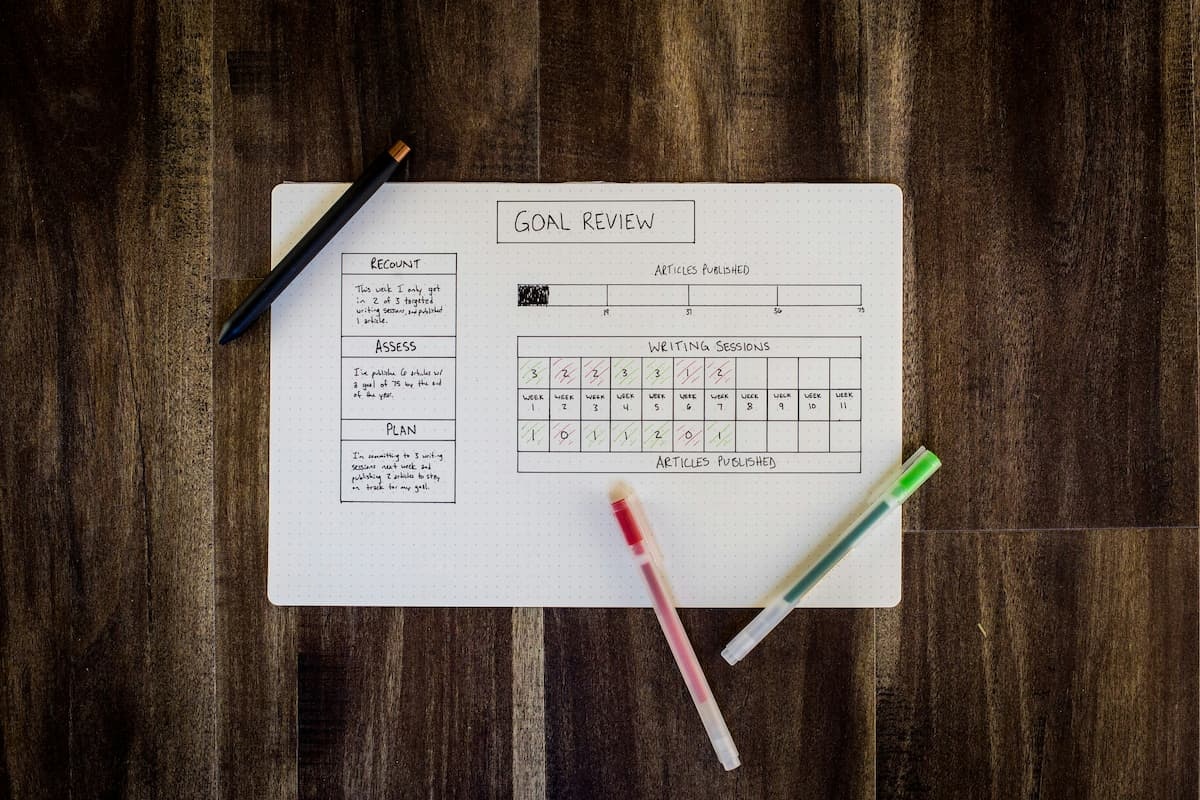
The second reason was that under the neoliberal logic, people feel the need to ‘measure’ themselves and assess themselves as a project. This finding was about how people internalised the pressures of hustle culture. Hustle culture increased feelings of competition, and people felt an obligation to always be growing.
These feelings can be seen in social media challenges and metric apps, which allow people to constantly ‘develop’ their lifestyle. For example, social media challenges like the “30 Day Productivity Challenge” were found to encourage self-competition, as well as The 90 Day Challenge app that had over 2.4 million downloads.
Performance-based apps like Strava, Letterboxd and LinkedIn are used to self-track and monitor productivity. These apps allow the users to constantly evaluate themselves. Strava allows people to track and analyse their workouts, whilst Letterboxd allows people to record and rate movies they have watched. LinkedIn allows workers to look for jobs, while sharing their latest achievements and productivity. People can no longer enjoy a workout or watch a movie for fun; it is purely to ‘hobbymaxx’ and feed into hustle culture. Apps and social media encourage people to think of themselves as a constant improvement project, rather than a person who needs rest.

Identity and Digital Performativity
The third reason was online identity and digital performance. This was about how people tried to ‘prove their productivity’ to others. Digital performance is shown on social media and various metrics. For example, people might wait until a certain point in the day to post their BeReal, or their ‘summer photo dump’ on Instagram. According to BeReal, only 55% of users post within the two-minute window. By waiting to post until the point in the day that you are busy, this ‘proves’ to the world that you are a productive person. In turn, people relied on metrics (i.e., likes, reactions, comments) in the study to validate themselves.
Similarly, a worker’s self-worth becomes reliant on work metrics. In a questionnaire handed out by the University of Madrid, a correlation was found between increased productivity and increased self-esteem. When the workers reached the specified metric, this increased their self-esteem. As a result, workers identified with hustle culture. However, it was also found that workers’ identities became unstable through constant productivity. There is pressure to ‘prove’ productivity through maintaining this ‘productive profile’, managing ratings and digital track records, both on social media and in the workforce.

The Influence of Hyper-Productivity on our Health
What are the long-term effects of hyper-productivity? Excessive workloads can lead to mental illnesses like anxiety, depression or obsessive-compulsive disorder (OCD). It can also cause burnout. Even hobby-maxxing can cause fatigue if you are not relaxing.
Relaxing should be a standard practice – not just lunch breaks at work. Resting and taking time to enjoy our hobbies should not be seen as lazy or unproductive.
Highlight Image:
@ Fernando Hernandez via Unsplash


