
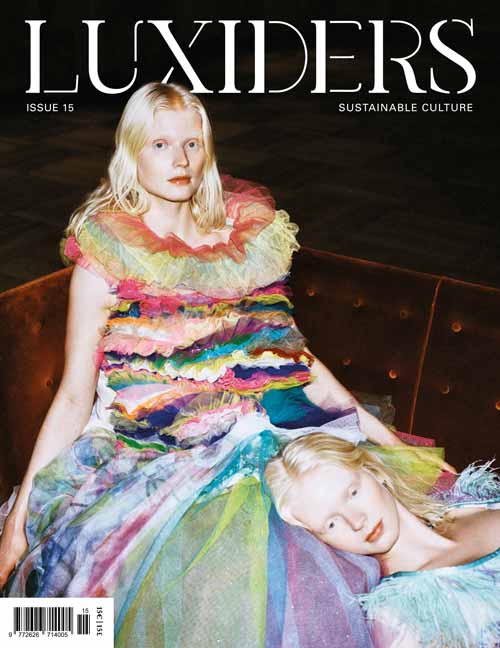

Learning How to Live Again | Trends Autumn Winter 2026–2027
Every season begins with a story. At Texworld Paris, Autumn Winter 2026–2027 unfolded like a quiet revelation: a meditation on how humanity, after decades of noise and acceleration, is learning once more to listen. The concept, titled Nova Fabula, imagines fashion not as a spectacle of trends but as a language of wisdom: a new myth written with old hands. It is the story of a civilisation standing between the exhaustion of knowledge and the innocence of rediscovery, Autumn Winter 2026–2027 season asks us to rebuild, not consume; to remember, not reinvent for the sake of it.
In this narrative, the old and the young stand side by side, the memory of craftsmanship beside the impulse of innovation. It is an intergenerational dialogue woven in wool, in mineral tones, in tactile honesty. Texworld’s trend forum this year invites us to rethink progress itself: to give slowness the dignity of an idea, and to clothe imagination with purpose.
The collection of ideas under Nova Fabula gathers into four movements: Natura, Spiritus, Philosophia, and Scientia. Each proposes a different way of being in the world, and of dressing it.
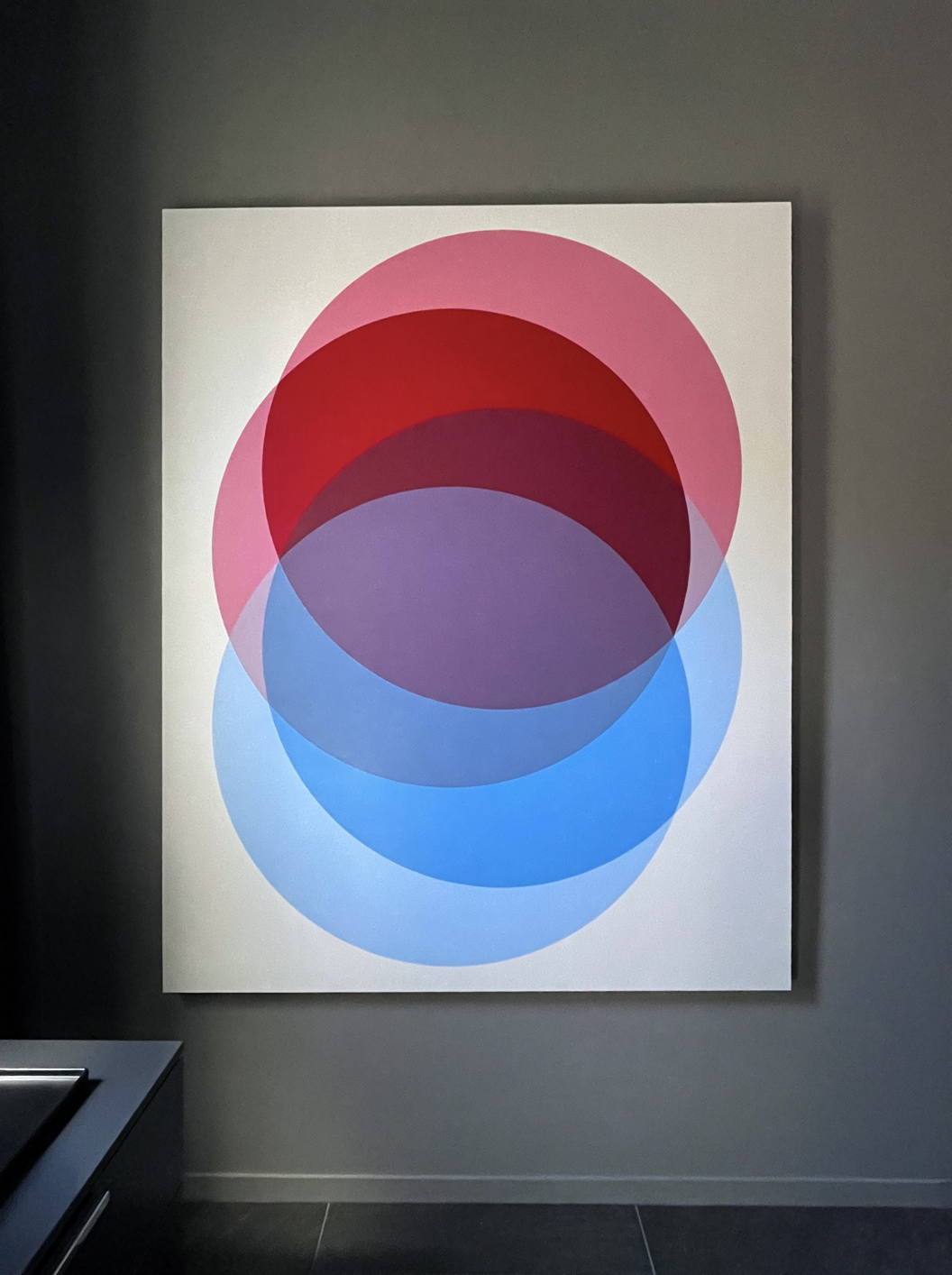
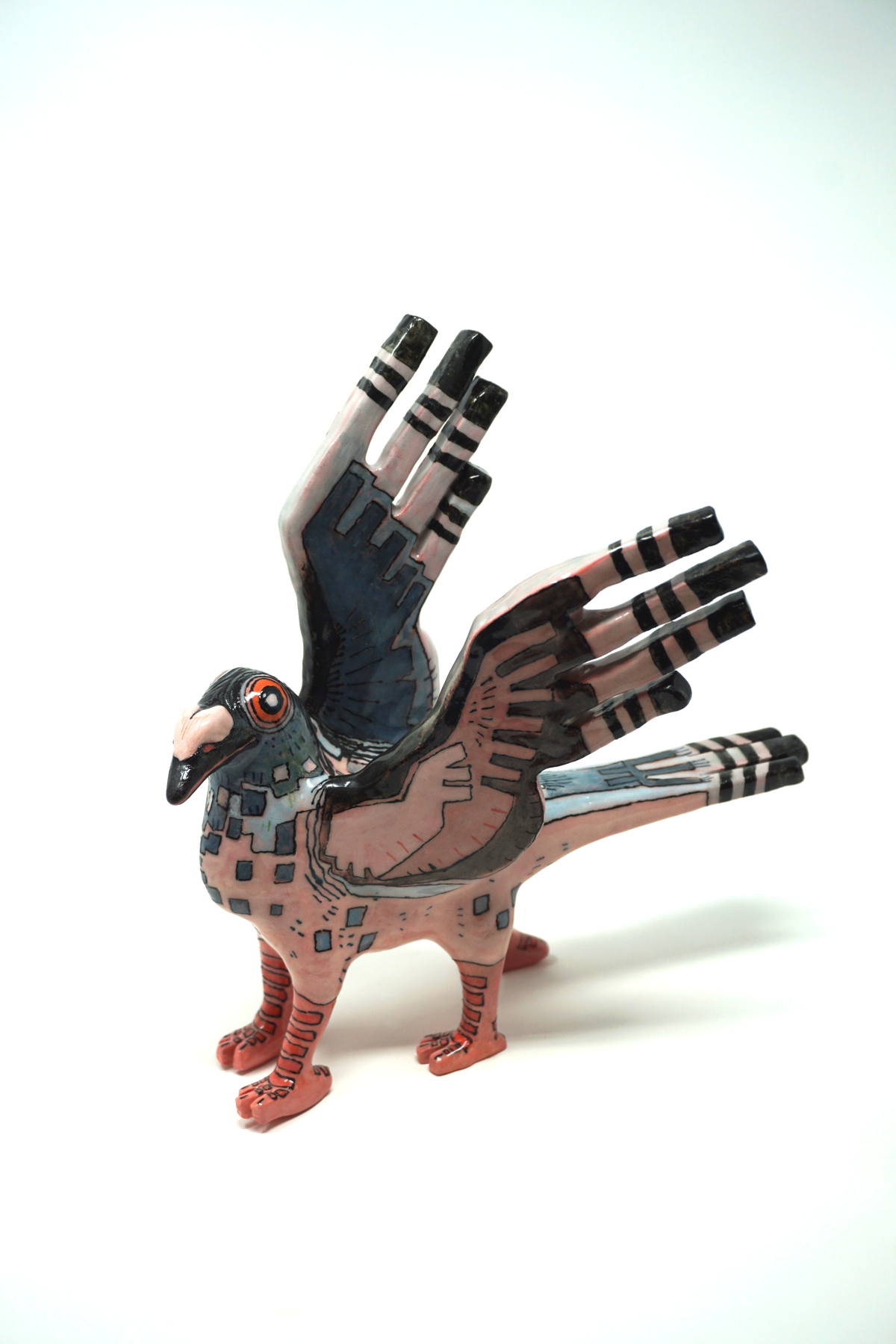
THE 4 THEMES IN “Nova Fabula”
Natura
The first step of this new fable is a return to the soil. Natura speaks of disruption and rebirth: of beauty thrown off balance yet still capable of flowering. Textiles recall the tactile intimacy of bark, sand, and moss. The palette breathes with muted greens, ashen browns, and off-whites that feel alive, imperfect, handmade. The fabrics are resilient yet sensitive, wools brushed to cloud softness, knits open like air, organic cottons and recycled fibres entwined in quiet dialogue.
Here, fashion becomes a gesture of care. Designers are invited to plant rather than extract, to imagine garments as ecosystems rather than objects. Natura celebrates the courage to let life flourish again, even after collapse. It reminds us that regeneration is not a trend but a practice of faith.
Spiritus
If Natura roots us, Spiritus breathes. This second theme speaks to the human thirst for meaning, the need to seek without knowing the answer. In material terms, this is expressed through transparency, lightness, and layering. Sheer organza meets weightless wool; iridescent coatings mimic dawn light. Movement is essential, silhouettes flow, suggesting the passage from darkness to clarity.
Here, spirituality is not nostalgia but curiosity. The search for wisdom becomes a tactile experience, a shimmering reminder that progress without soul is only machinery. As André Malraux once wrote, “The 21st century will be spiritual or it will not be.” At Texworld, this spirituality manifests not in ritual but in restraint: the purity of form, the quiet devotion to craft.
Philosophia
From spirit rises thought. Philosophia is the theme of questioning, a celebration of doubt as creative force. It is intellectual, but not cold. The mood board recalls the atelier as a place of reflection: paper, ink, and graphite tones; garments that look written rather than sewn. Structured tailoring is softened, logic meets emotion.
This is the time of adolescence, of learning to think against oneself, to unlearn the old certainties of “sustainable” as a label, and instead reimagine it as a moral practice. The materials feel disciplined: recycled wool suiting, pressed cottons, regenerated cellulosics. Yet the cuts rebel, asymmetries, folds, and philosophical draping evoke thought in motion.
Texworld’s curators remind us that to philosophise in fashion is to think before imposing one’s idea on the planet. Creation becomes an act of dialogue, not dominance.
Scientia
Finally comes Scientia, the reconciliation of all previous quests. Knowledge, here, is no longer domination but understanding. Fabrics fuse technology and wisdom: bioengineered fibres, biodegradable synthetics, circular dyes. Textures gleam with intelligent restraint, signalling a maturity beyond novelty. The aesthetic is calm, harmonious, almost orchestral, garments that speak of precision, not perfection.
Science, in this story, listens. It studies nature without dissecting her, builds without exhausting her. Scientia imagines a civilisation where progress and humility coexist, where we speak to the atom without turning it into a weapon. It is fashion’s most hopeful science, a wisdom of hands as much as of code.
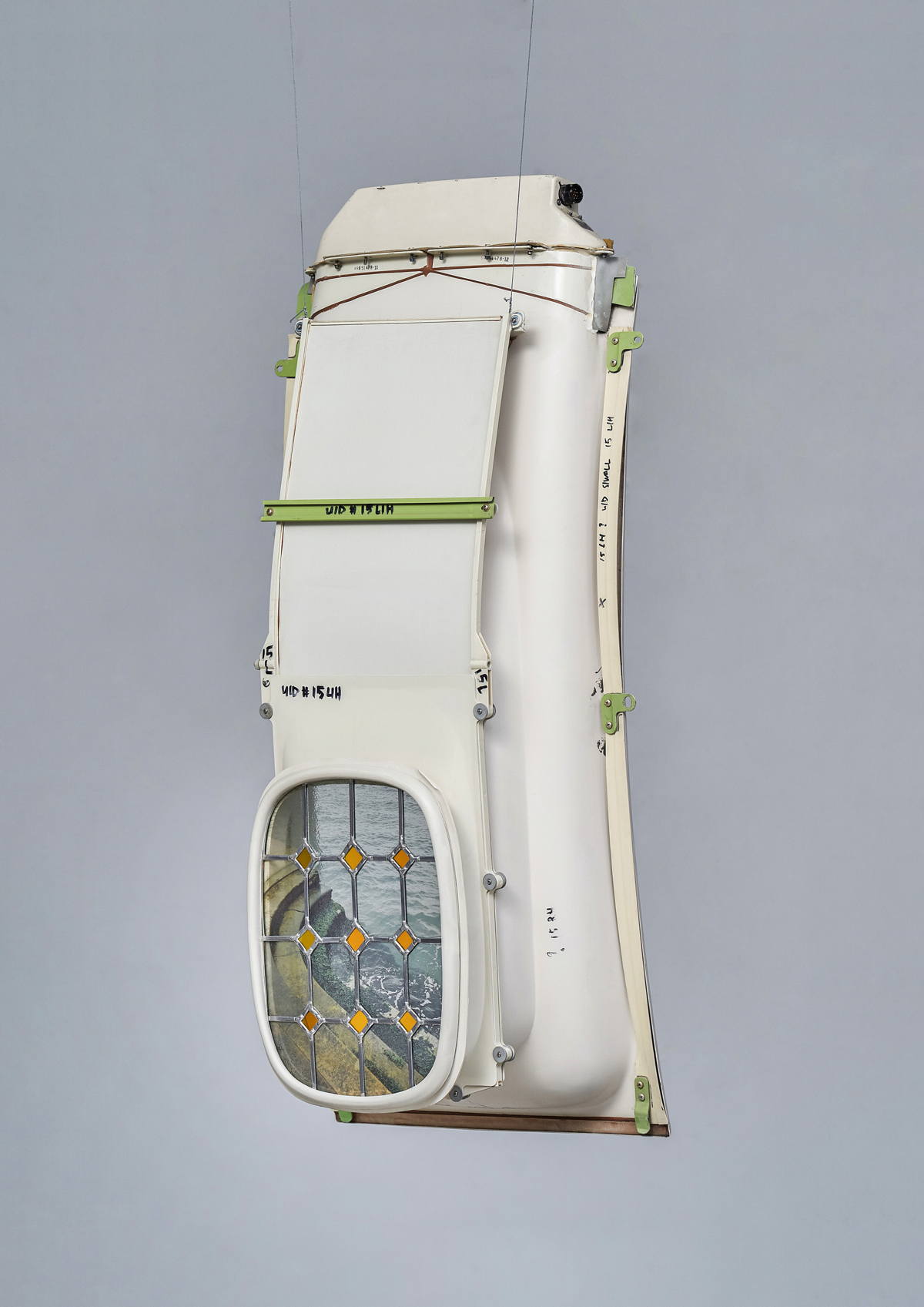
The New Script
Texworld’s Nova Fabula is not merely a trend forecast; it is a moral proposition. It asks: what if fashion were our new literature, our way of telling humanity’s next chapter? To design would then mean to narrate, to reimagine our myths with ethics and empathy. The fair suggests that after the collapse of excess, the industry’s next movement must be one of reconciliation: between body and mind, nature and machine, the individual and the collective dream.
As Seneca reminded us, “It takes a lifetime to learn how to live.”
Highlight Image:
Joyce Lin | joyce-lin.com | @jolime


