

Sustainable Beekeeping: Why Protecting Bees and Choosing Ethical Honey Matters
Bees are essential pollinators that support biodiversity, food security, and global agriculture, but honey production also has an environmental footprint. Discover why sustainable beekeeping matters, how honey production affects greenhouse gas emissions, and how consumers can choose ethical, eco-friendly honey.
Why Bees’ Safeguard Matters
According to the United Nations Environment Programme, Bees are a vital thread in the fabric of life on Earth, quietly underpinning the systems that support us all. Beyond their role as producers of honey, royal jelly, pollen, beeswax, propolis, and venom, they also advocate for biodiversity and food security.
Beekeeping is far more than a rural livelihood; it is an essential enterprise that sustains millions. The western honey bee, the world’s most widespread managed pollinator, is at the heart of this system. With over 80 million hives producing 1.6 million tonnes of honey every year, the ripple effects of their work are felt worldwide.
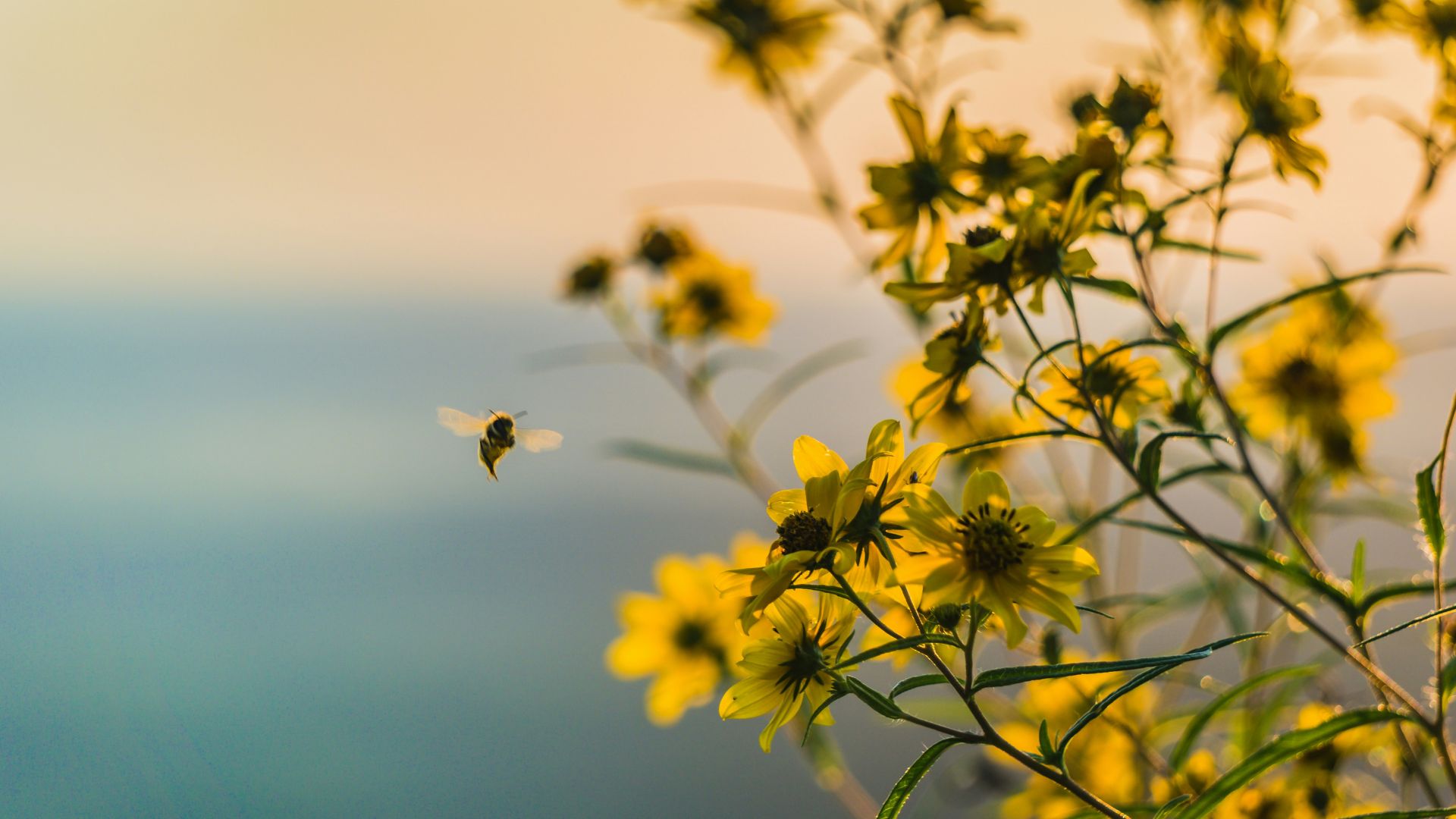
Perhaps most crucially, bees are nature’s master pollinators. According to experts at the Food and Agriculture Organisation (FAO), a third of global food production depends directly on bees and other pollinators. When bees and other animals such as birds, rodents, monkeys, and even humans transfer pollen between flowers, they enable plants, including many of our essential food crops, to reproduce.
Yet, among all pollinators, bees stand out for their efficiency and sheer impact. Their tireless work in fields, orchards, and gardens ensures that fruits, vegetables, and nuts continue to reach our tables, sustaining both ecosystems and humanity. In short, protecting bees is safeguarding our future.
Environmental Cons of Honey Production
However, honey production also contributes to GHG emissions. Greenhouse gas (GHG) emissions are the release of gases such as carbon dioxide (CO₂), methane (CH₄), and nitrous oxide (N₂O) that trap heat in Earth’s atmosphere. While the greenhouse effect is necessary to sustain life by keeping the planet warm, rising emissions from human activities are intensifying global warming and accelerating climate change.
Recent research from Italian universities found that producing 1 kg of honey in 2020 resulted in about 1.13 kg of CO2-equivalent emissions, rising to 1.93 kg in 2021, with an average of 1.44 kg CO2e/kg honey. These numbers align with similar studies in Europe and South America, though results can vary significantly depending on how the analysis is conducted and the beekeeping practices in use.
For example, honey produced in Spain showed an average impact of 1.66 kg CO2e/kg, though a few producers had much higher emissions due to unique circumstances. In Argentina, a different approach to honey processing — centralising extraction and relying heavily on electricity — led to an even higher footprint, reaching up to 2.5 kg CO2e/kg.
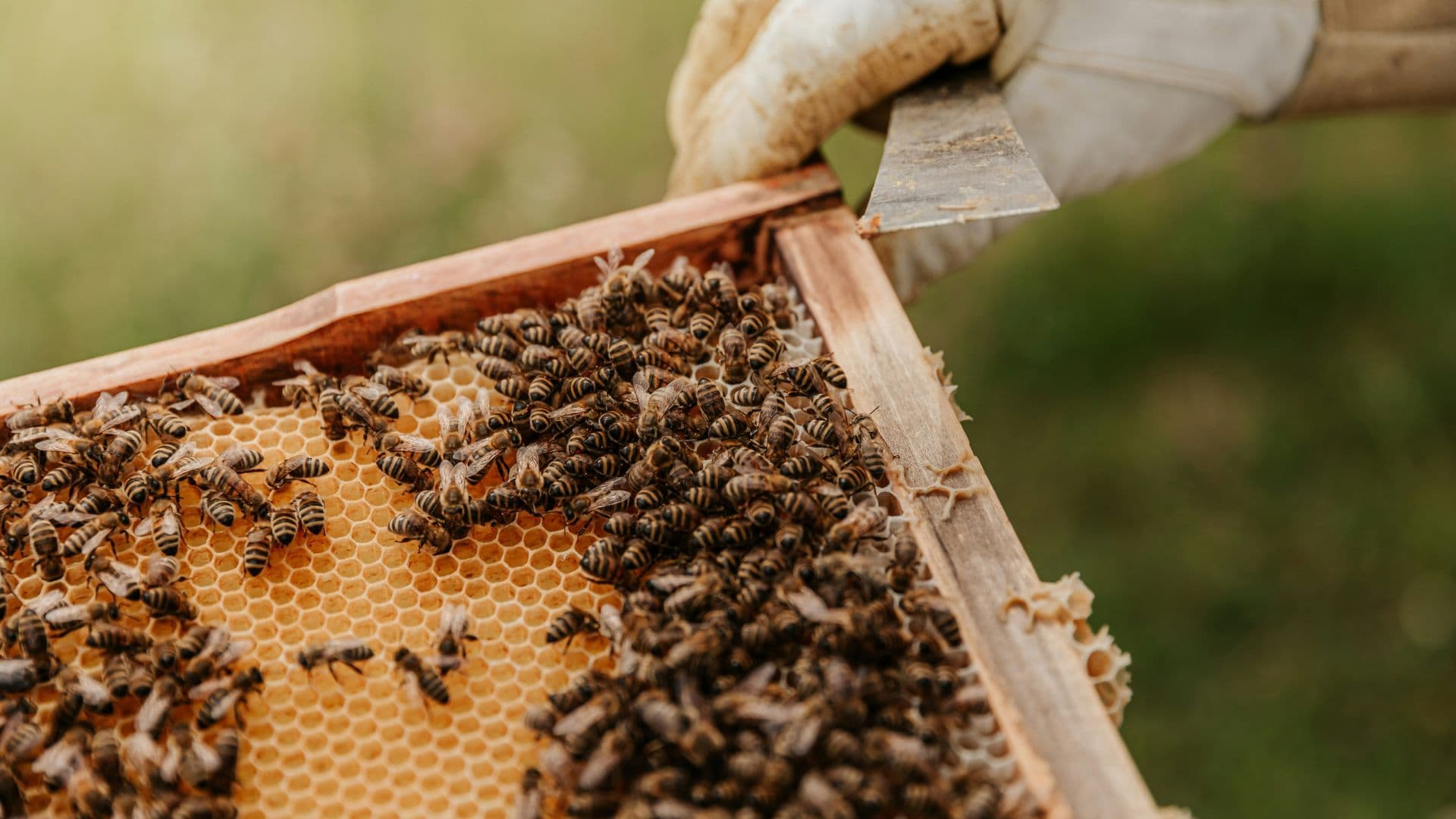
So, what drives these differences? Much comes down to how beekeepers operate. Migratory beekeeping, where hives are transported to follow flower blooms, has a noticeably higher environmental cost — 2.50 kg CO2e/kg honey — compared to 0.58 kg for nonmigratory systems. The main reason: transport. Every trip to move hives increases emissions, whereas stationary beekeepers avoid this entirely. Honey yield also matters; migratory hives typically produce only half as much honey as stationary ones, making each kilogram more carbon-intensive.
Feeding practices are another factor. In years when bees require more supplemental feeding — due to weather or poor floral resources — the environmental impact rises, as seen in 2021 when increased feeding raised emissions by 24% for both migratory and stationary operations. In some countries, like Chile, feeding is the main contributor to honey’s carbon footprint, while in others, transport or electricity use during extraction takes the top spot.
Ultimately, the most carbon-intensive parts of honey production vary by system. For migratory beekeepers, it’s the hive control trips, especially during peak summer. For stationary beekeepers, it’s the electricity used for honey extraction, though this usually accounts for less than 40% of their total emissions.
These insights remind us that every jar of honey has a story, one shaped by choices about where and how bees are kept, what they’re fed, and how the honey is processed. By understanding these stories, both beekeepers and consumers can make more informed, sustainable choices.
Towards Sustainable Beekeeping Practices
Sustainable beekeeping is a holistic approach that considers the health of bees, the environment, and the broader ecosystem. The SMACHS Foundation — a youth-led non-profit organisation committed to tackling pressing global challenges — outlines a few steps to move towards more environmentally friendly beekeeping practices.
One of the most effective ways beekeepers can support pollinators is by cultivating a diverse landscape filled with native plants and wildflowers. These not only provide essential food sources for bees but also bolster their health and vitality. By avoiding synthetic pesticides and encouraging native vegetation, beekeepers create environments that benefit both bees and other wildlife.
Another critical component of eco-friendly beekeeping is the use of sustainable materials in hive construction. Choosing reclaimed or recycled wood, natural fibres, and non-toxic adhesives reduces dependence on non-renewable resources and supports a circular economy. Such mindful material selection helps minimise the environmental impact of beekeeping operations.
Responsible honey harvesting practices further contribute to sustainability. By leaving adequate honey stores for the bees and using minimally invasive extraction methods, beekeepers ensure the long-term survival and well-being of their colonies. This approach maintains ecological balance and respects the natural behaviour of bees.
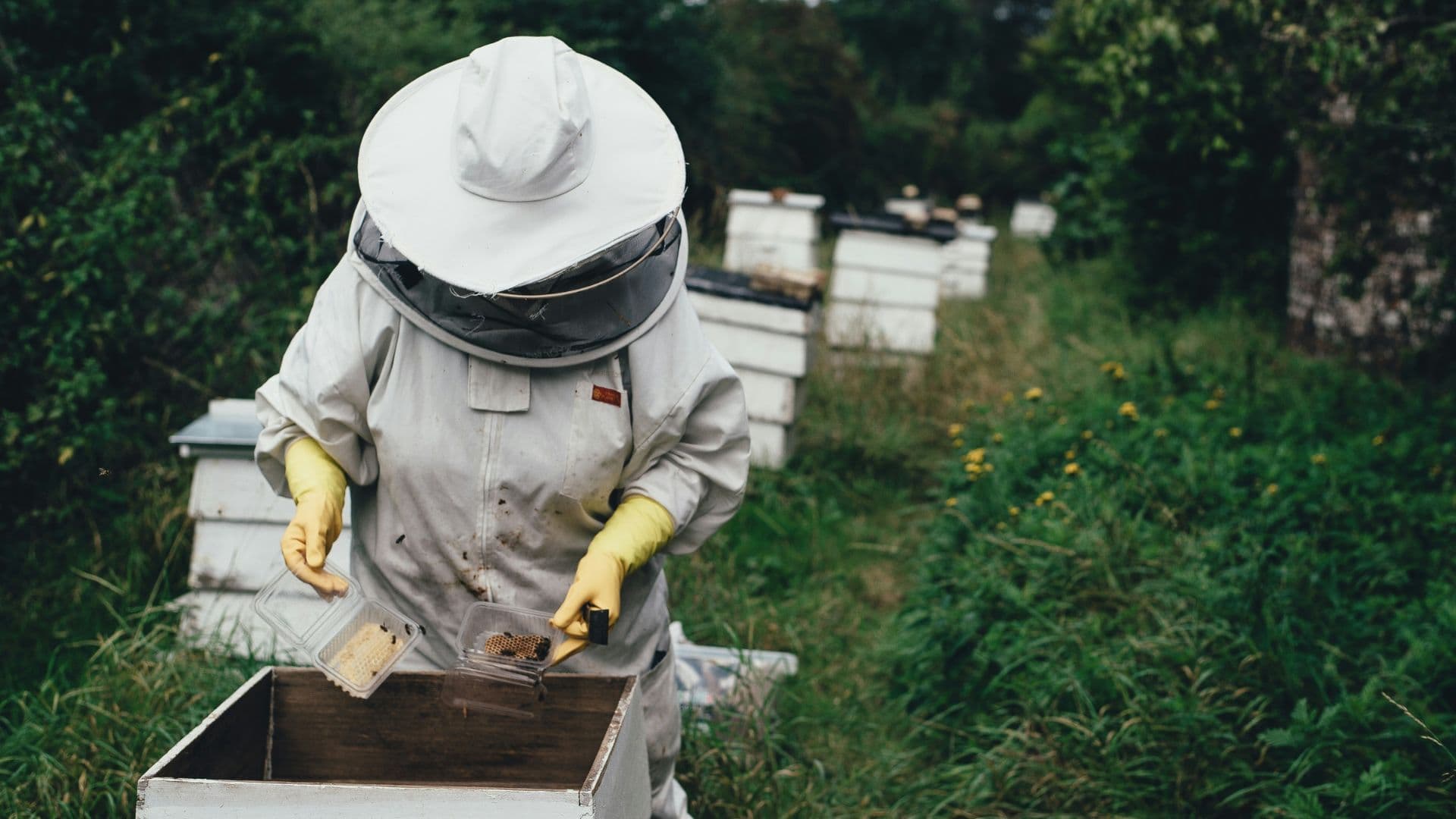
Reducing chemical use is also fundamental to sustainable beekeeping. Limiting synthetic pesticides, antibiotics, and miticides prevents contamination of bee products and the environment. Instead, beekeepers can adopt alternatives such as essential oil treatments for varroa mite control or breed for disease-resistant bees, thereby fostering a healthier ecosystem overall.
Finally, promoting plant biodiversity is vital. Planting a wide variety of flowering species — such as sunflowers, canola, lavender, and assorted grasses — ensures bees have access to diverse pollen and nectar sources year-round. This diversity strengthens bee immune systems and supports their long-term survival, making biodiversity a cornerstone of truly sustainable beekeeping.
How Can Consumers Choose the ‘Right’ Honey?
Consumers seeking honey that aligns with ethical and environmental values should opt for ‘certified’ honey. This is honey that carries certifications such as Organic and Fairtrade.
The government of the Netherlands, for instance, explains that organic certification requires beehives to be situated in areas within a radius of at least 3 kilometres free from significant chemical contamination, such as pesticides from intensive agriculture. Hive materials must be natural, and the management of diseases and pests relies on natural, non-chemical solutions rather than antibiotics.
Meanwhile, Fairtrade certification assures buyers that honey is produced under conditions that support social equity and transparency. One of the key requirements for Fairtrade honey is a robust traceability system that ensures the product’s journey from hive to jar is fully documented. Fairtrade producers also benefit from a guaranteed minimum price and may receive additional premiums, providing more stable incomes for beekeepers and supporting sustainable community development. By choosing honey with Organic or Fairtrade labels, consumers can support practices that are better for bees, people, and the planet.
Protecting bees is essential for preserving biodiversity, securing food production, and maintaining healthy ecosystems. By supporting sustainable beekeeping practices and choosing certified organic or Fairtrade honey, consumers can help reduce environmental impacts while ensuring a healthier future for bees, beekeepers, and the planet.
Hightlight Image:
©Brad Huchteman via Unsplash


