

Ten Natural Serotonin-Boosting Foods to Get You Through Winter
With winter close by, the temptation to hibernate, put off tasks and doomscroll becomes more and more appealing. When it gets darker, we can feel less motivated to make efforts in everyday tasks. This is partly because being in the sun produces serotonin, which we can’t do as much in the winter. Is there anything we can do to increase our motivation or maintain a positive mood? Science points towards serotonin production in the brain through other methods, such as food. How can we trigger serotonin production through food?
With winter just around the corner, seasonal depression kicks in for many people. It’s important to keep healthy habits, a healthy diet and eat food that nourishes the body. When the days get shorter, people can feel demotivated to cook at home, complete daily tasks, or keep up activities they enjoy. This is why it’s important to eat foods that can trigger serotonin release in the brain, i.e., ‘the happy hormone’.
The happy hormone comes from tryptophan, an essential amino acid that serotonin is made from. Tryptophan consumption is important for serotonin synthesis, a good mood, good behaviour and healthy cognitive processing.. While food will not stop or cure depression, consuming tryptophan is especially important during the winter to maintain a healthy diet and influence mood and lifestyle.
How does tryptophan turn into serotonin? The amino acid is consumed through various fruits, vegetables and carbohydrates. However, some fruit and vegetables aren’t as readily available or in season in the winter months. Once inside the brain, tryptophan turns to serotonin. Once it reaches the synaptic cleft, serotonin is released through binding to new neurons.
What is the benefit of serotonin? The happy hormone is responsible for regulating your mood, cognition, sex drive and digestive system. In turn, these can help you to relax and sleep better, which are especially important in the darkest months of the year. Antidepressants, such as selective serotonin reuptake inhibitors, work by keeping more serotonin available in the brain, which, in turn, can decrease feelings of sadness or anxiety. However, antidepressants are not necessary unless prescribed by a doctor. Serotonin can mainly be released through exercise and healthy eating habits.
Many articles published on serotonin-inducing foods focus on animal-based products. A recent article in the BBC focused on the level of tryptophan in chicken, turkey and other animal products. However, there are many plant-based products that are high in tryptophan. Below are ten plant-based foods that are high in tryptophan, available in the winter that can be cooked into hot, healthy, and delicious meals.
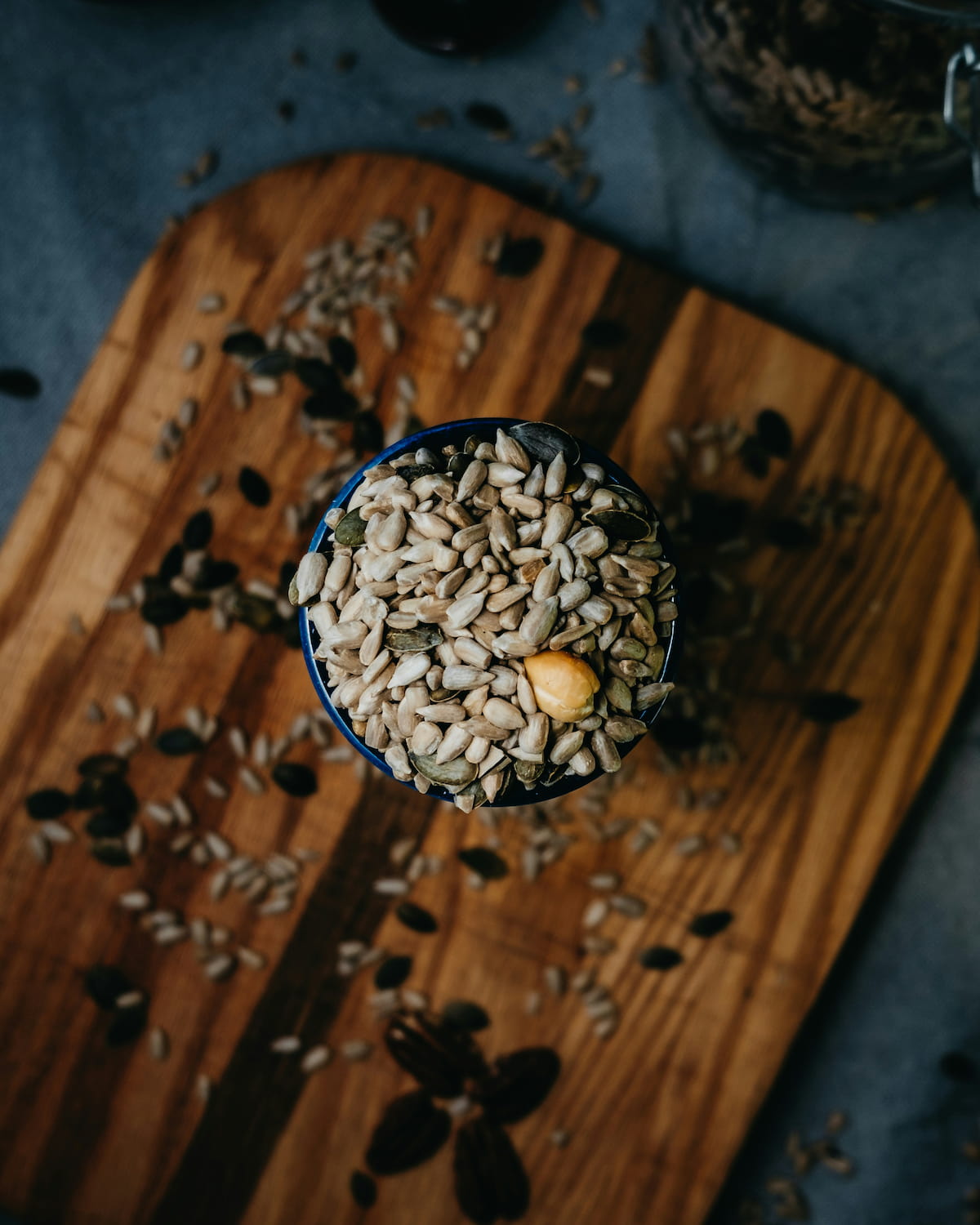
Pumpkin Seeds
Originating in Mexico, pumpkins are not just associated with Halloween – pumpkin seeds have many health benefits. Pumpkin seeds contain 576 milligrams of tryptophan per 100 grams, making up 206% of a person’s recommended daily intake.
While these seeds are available all year round, pumpkins are more readily available through October and November. Fresh pumpkin seeds should be washed in water to remove any pulp, then patted dry. Afterwards, pumpkin seeds can be baked in the oven. If using pre-bought pumpkin seeds, store the container in a dry area. Pumpkin seeds can be incorporated into many meals and snacks, including pumpkin pie, pumpkin pasta or cinnamon-roasted pumpkin seeds.
Tempeh
Tempeh is an Indonesian meat alternative made from soy. The soybeans are fermented, giving tempeh its nut-like taste and stronger texture than tofu. Not only is it high in protein, but tempeh also contains 322 milligrams of tryptophan per 100 grams, 115% of the recommended daily intake. It is usually fried, baked, or added to soups. For storage, place the tempeh in a refrigerator.

Soybeans
Soybeans are thought to have originated in China, however, recent data showed that they could have also been produced in Japan and Korea. As soybeans mature, they turn yellow in color. Once their leaves begin to brown and fall off, they are ready to be harvested. Afterwards, they are processed and packaged into cans. An excellent source of protein, fat and fibre, soybeans make up 86% of tryptophan recommended daily intake with 242 milligrams per 100 grams. Soybeans are the main ingredient in tofu and soy milk, which can be used in a wide range of winter meal recipes.
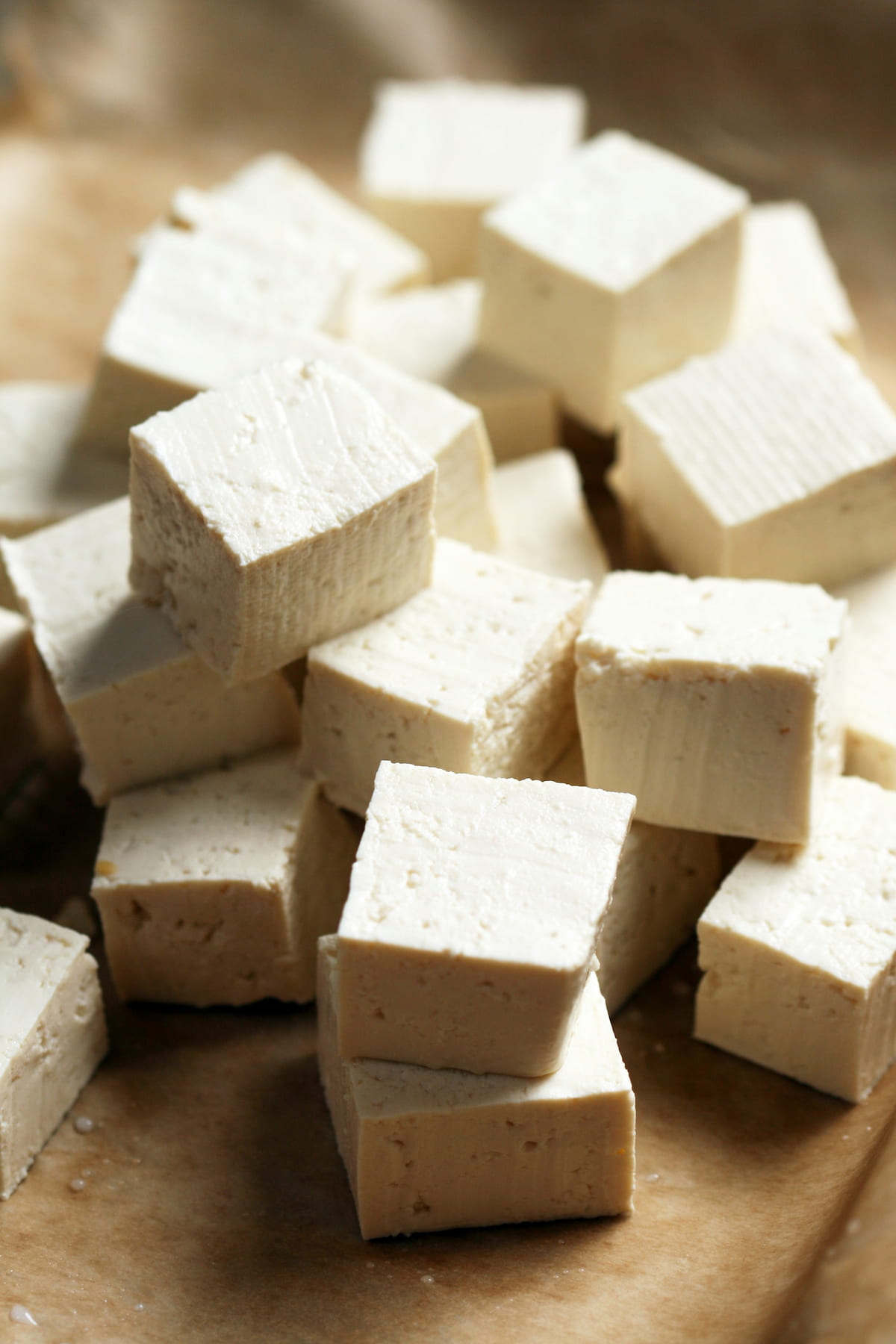
Firm Tofu
Tofu is made from soy milk and also originated in China. Soy curds are drained, pressed and packaged. Firm tofu is a high-protein meat substitute that easily takes the flavour of spices or sauces that are added to it. Because of this, tofu is cooked with a wide variety of foods – pasta, stir-fries or even as a substitute for meat-based – i.e., ‘tofu chicken wings’, or ‘tofu burgers’. Tofu contains 235 milligrams of tryptophan per 100 grams, making up 84% of the recommended daily intake. Usually, firm tofu is packaged in vacuum-tight plastic and best stored in packaging with water.
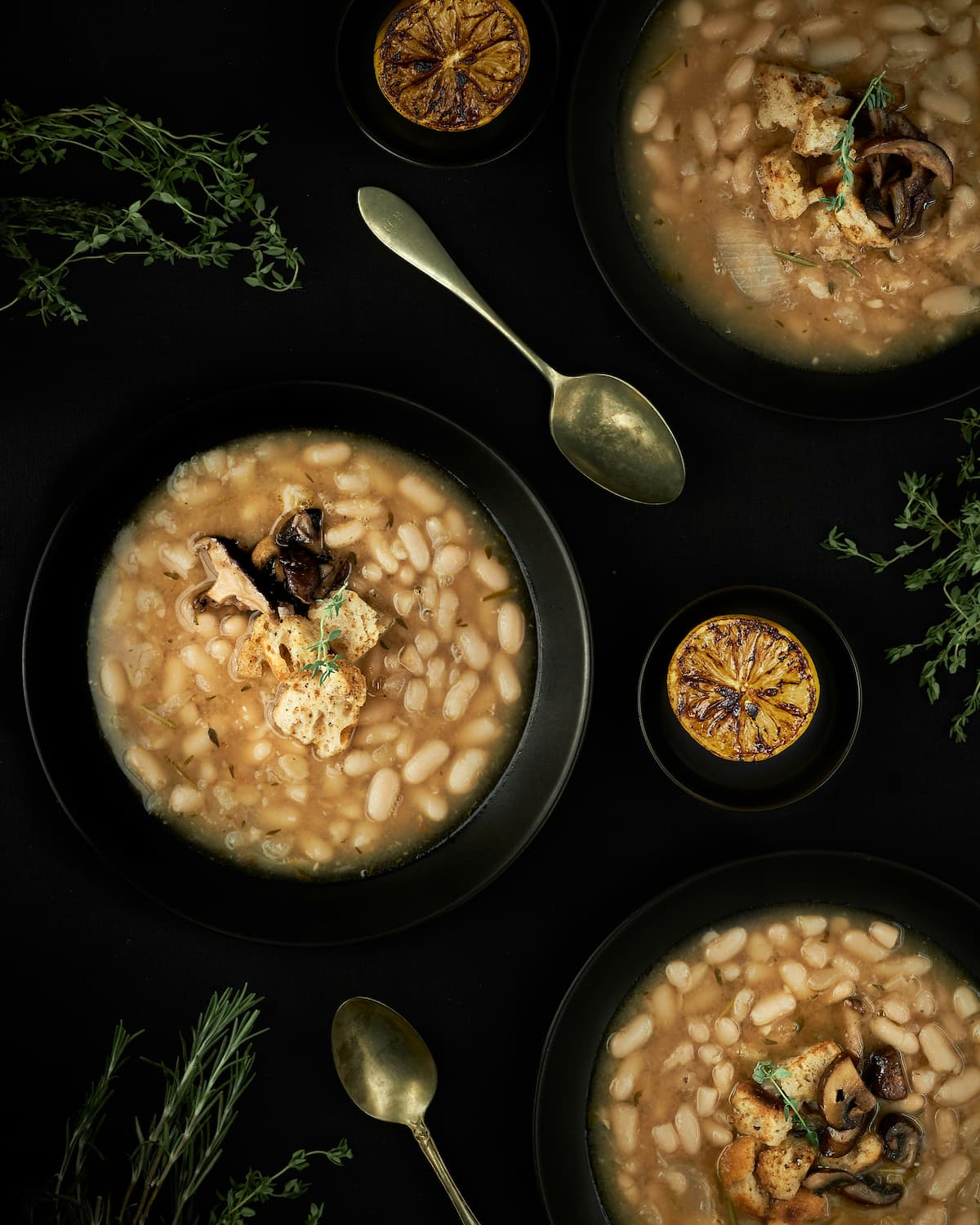
Large White Beans
Coming from South America, white beans have a mild but creamy texture. This makes it easy to slip them into various dishes like pasta sauces or soups. Containing 206 milligrams per 100 grams and 74% of the recommended daily intake, large white beans are an excellent source of tryptophan and good for triggering serotonin production. Usually packaged in cans or jars, white beans have a long shelf life, meaning they can be eaten in any season. However, hot meals like bean soups or chilis are perfect both for winter and for incorporating this source of tryptophan.
Soy Milk
Soy milk has been cultivated for thousands of years. Usually, sugars and flavourings are added to get rid of the bean-like taste of soy milk. This can be added to many meals as a replacement for cow’s milk, including oatmeal, shepherd’s pie, or simply in your morning coffee. Soy milk contains 184 mg of tryptophan per 16oz, making up 66% of the recommended daily intake. Soy milk has a shelf life of a week to ten days, and can also be stored in a refrigerator.

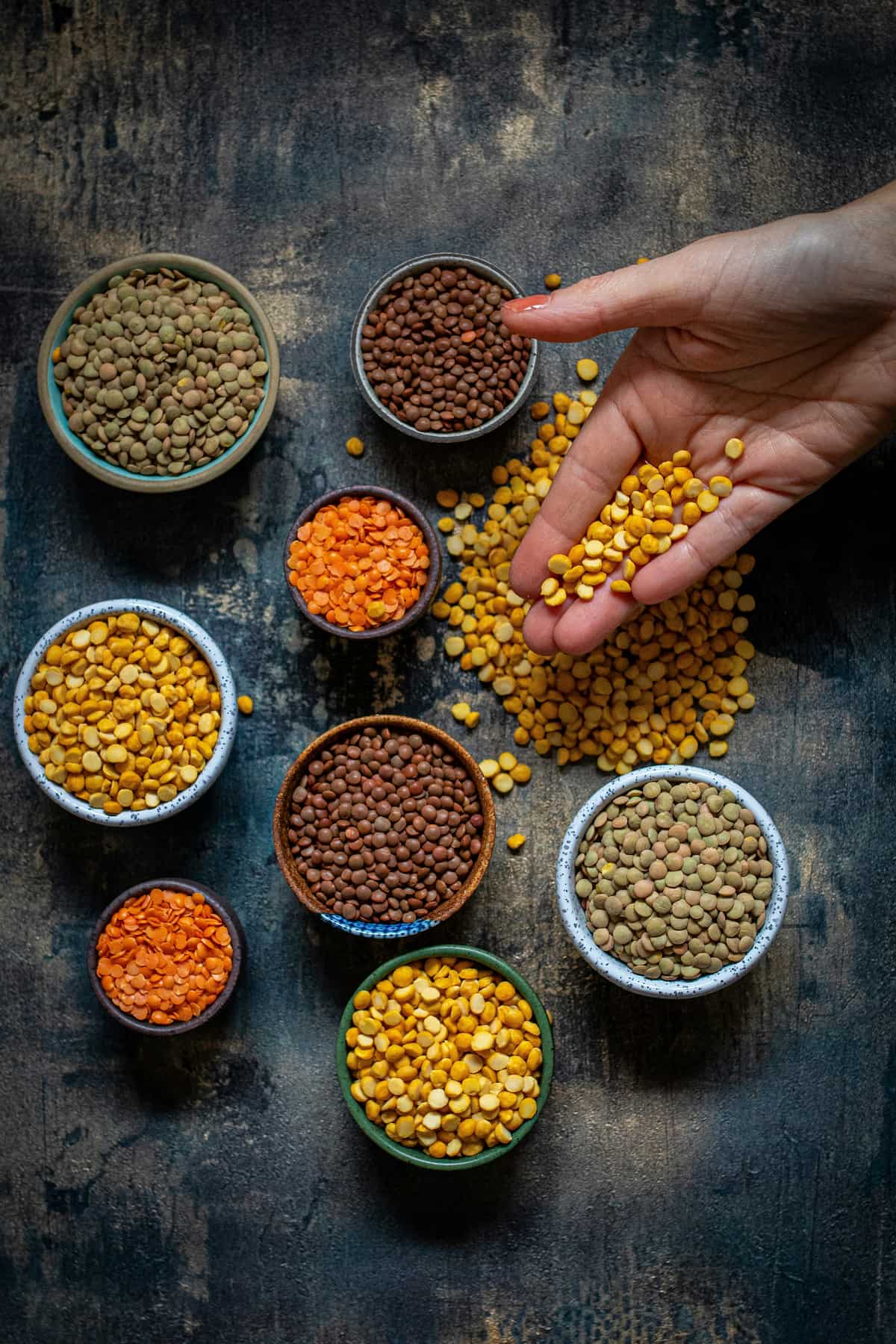
Lentils
Lentils were first cultivated over 8,000 to 10,000 years ago in South-West Asia. A type of legume, they are high in protein and carbohydrates. Usually packaged in plastic, lentils have a long shelf life. While they can be included in summer salads, they can also be a meat substitute in curries, blended into soups or adai. Per cup, lentils have 160 milligrams of tryptophan. This makes up 57% of the recommended daily intake.
Chia Seeds
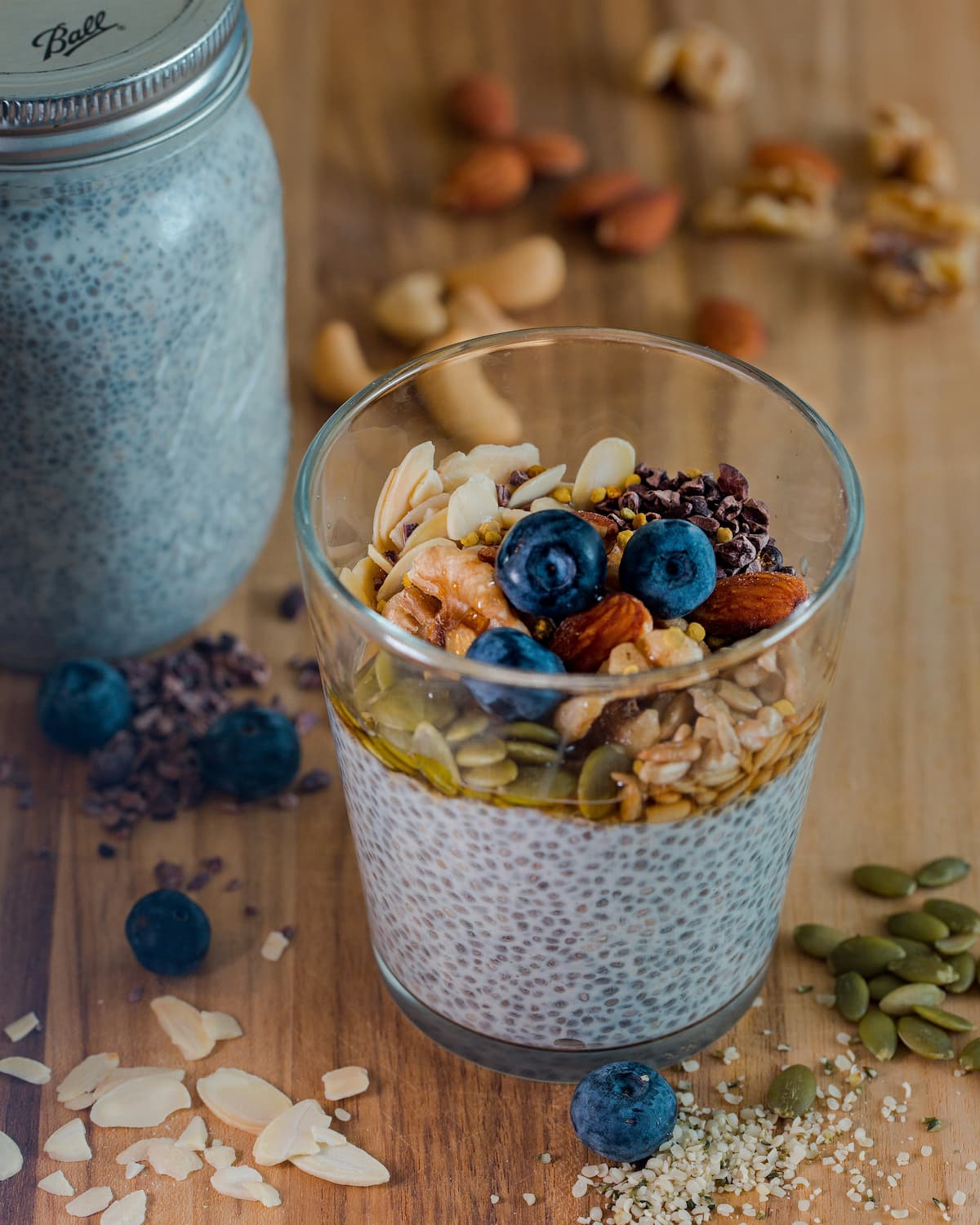
Similar to pumpkin seeds, chia seeds are originally from Mexico. Eighty percent of the world’s supply chain of chia comes from Argentina. These seeds can be stored for up to four months, however, they can be frozen for a longer shelf life. To incorporate chia seeds into meals or snacks, they can be added to muffins or breads. Before adding, they can be soaked or ground to soften their texture. Chia seeds contain 124 milligrams of tryptophan per ounce, making up 44% of the recommended daily intake.
Teff
Teff is a grain that originated in the Main Ethiopian Rift Valley, and is consumed for its high nutritional value. Teff is high in carbohydrates, iron and is a source of protein.. In Ethiopia alone, over 30 million people eat teff daily. However, it is widely grown throughout Europe. Teff can be incorporated into many hot meals as a gluten-free alternative, such as sourdough, waffles or oatmeal. Teff is best stored in airtight containers. The tryptophan value is high, with 103 milligrams per cup, making up 37% of the recommended daily intake.
Quinoa
Quinoa is thought to have come from mountain regions in Bolivia and Peru. Usually boiled, quinoa can be eaten as a side or incorporated with rice. Quinoa is known for its dark colour and nutty flavour. Quinoa has a long shelf life and can be stored in cool, dry areas. As well as being more nutrient-dense than rice, quinoa has 96 milligrams of tryptophan per cup, making up 34% of your recommended daily intake.

The Role of Carbohydrates
While some foods have higher levels of tryptophan than others, eating foods with, or pairing them with, complex carbohydrates is very important.. Complex carbohydrates trigger insulin release, which further helps tryptophan to enter the brain and synthesise serotonin. Although some of the foods listed are high in both (i.e., lentils, teff, quinoa), other foods can be paired with oatmeal, potatoes, pasta and rice. This should further trigger serotonin release and leave you feeling full and stable while helping you maintain healthy habits throughout winter.
Highlight Image:
© Monika Borys via Unsplash


