


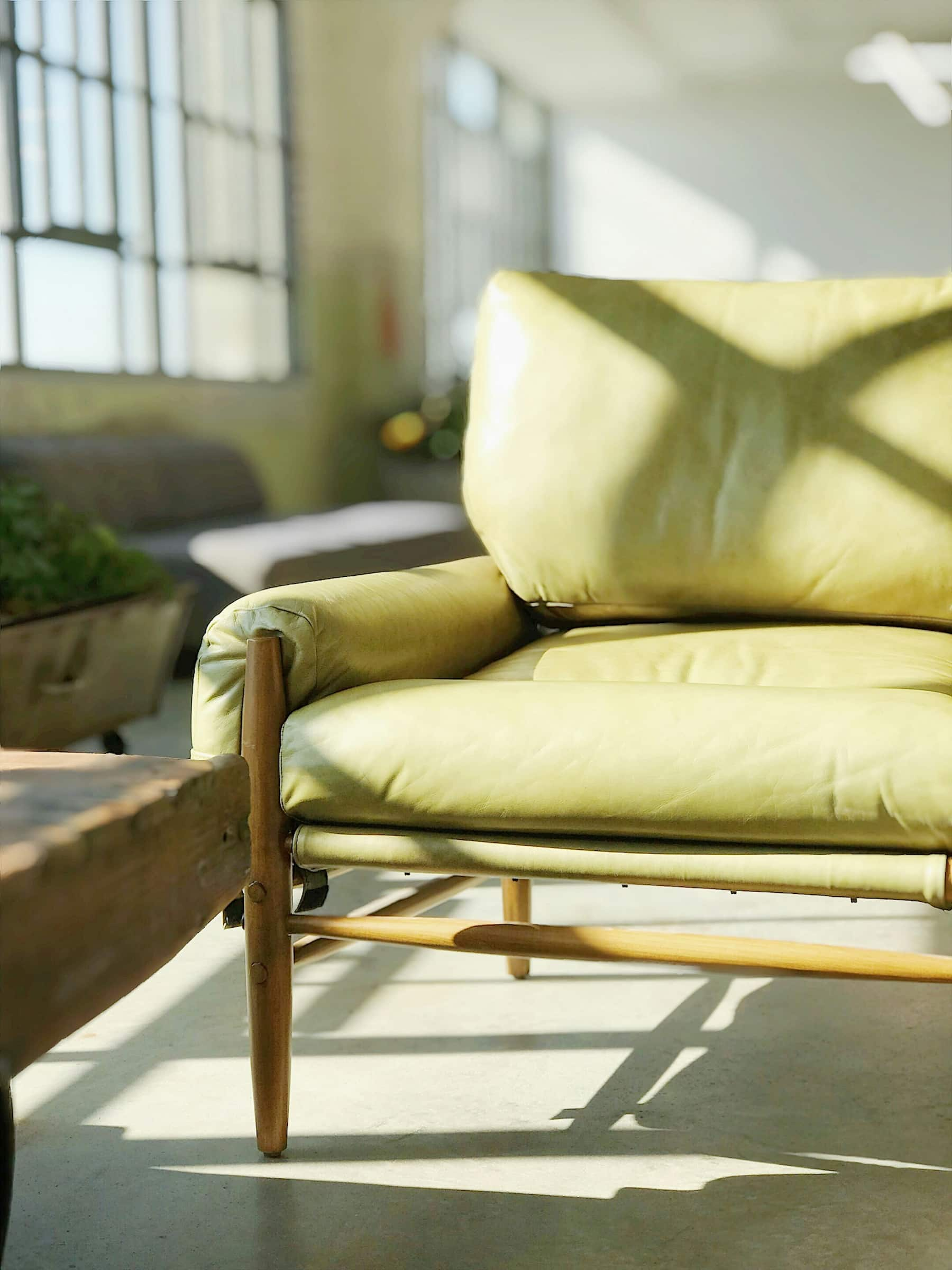
Can Furniture Be Beautiful Without Being New? The Rise of Design for Disassembly
Can furniture be beautiful, even when it’s old? Circular design tactics opt for modern furniture to be made to be recycled, with reusable products and easy assembly/disassembly of the furniture. Can this furniture still look good and why is conventional furniture so difficult to recycle? Designers working with circular principles are exploring how durability, reparability and thoughtful design can make furniture both environmentally conscious and desirable — perhaps even the new luxury.
What is Design for Disassembly?
Design for Disassembly (DFD) is a circular design approach in which products are designed to be easily disassembled when they reach the end-of-life stage. The disassembled products should be easily recycled or reused to maximise the reuse of raw materials. When disassembly practices are incorporated early in the design stage, industries like furniture design can use more sustainable materials and adopt more environmentally friendly design practices. This practice is crucial for minimising environmentally harmful products and for decreasing the amount of new furniture purchased.
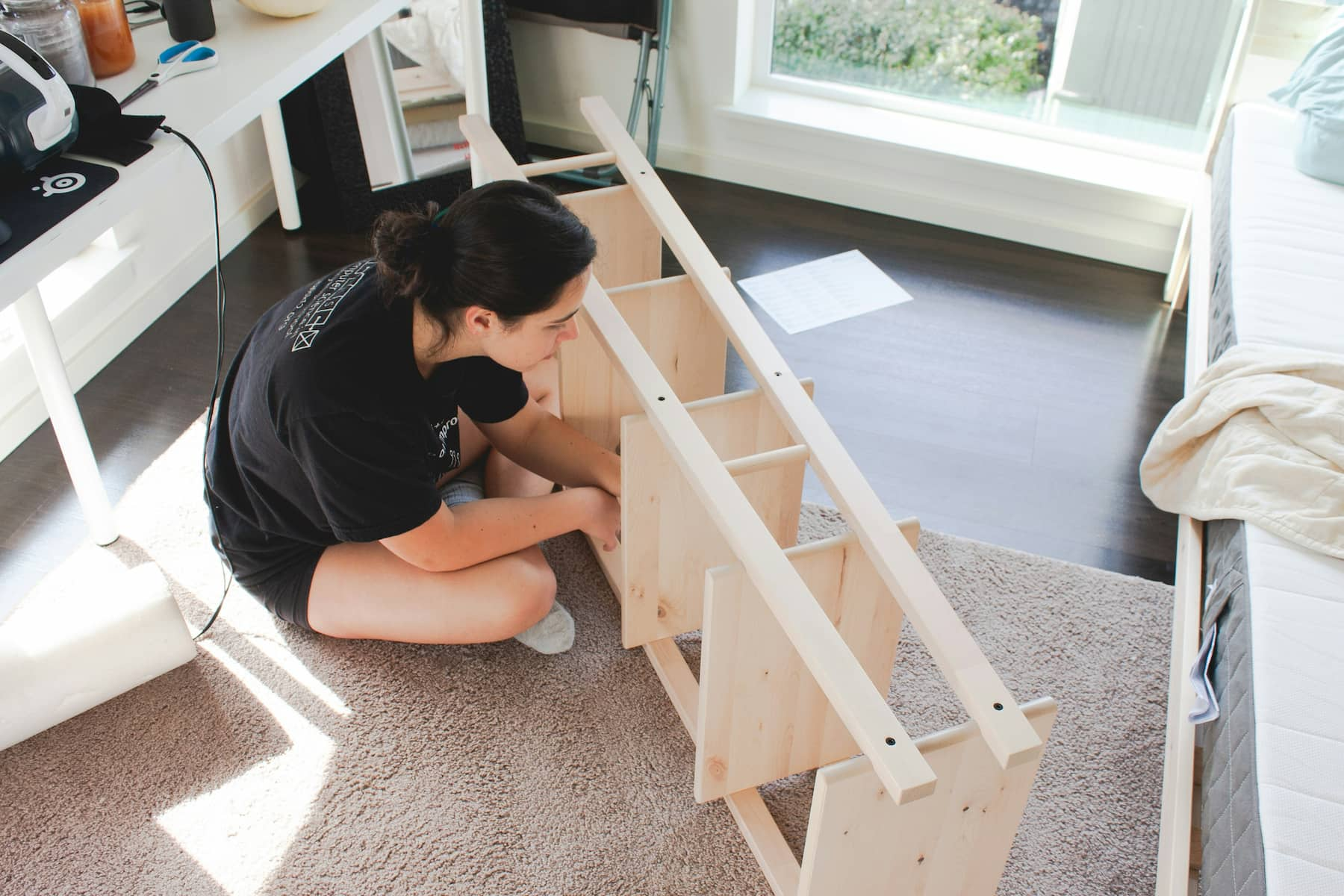
How can furniture be constructed through DFD? Research from 2007 points to using a minimal amount of materials. In turn, this reduces overall product waste. Market Intelligence suggests that using tools like screws, removable fasteners, accessible stitching and easily replaceable components allows individual furniture parts to be easily reused or recycled, as well as easily repaired by the consumer. Similarly, detailed assembly/disassembly instructions offer easy repair guidance and reduce the likelihood of purchasing more furniture. Offering repair kits, replacement parts and refurbishments services are also thought to increase the lifespan of the furniture and influence consumers to keep their current furniture.
Why is Conventional Furniture So Difficult to Recycle?
According to the European Federation of Furniture Manufacturers (UEA), 80 to 90% of the EU’s furniture waste is incinerated or sent to landfill, with approximately 10% of the furniture being recycled. There are many challenges facing designers that make it difficult for conventional furniture to be made from recyclable materials. According to an EU-funded project on the circular economy, there is increasing competition worldwide for furniture production. In turn, this creates higher demand for low-cost materials, which don’t have long-lasting quality. For example, particle board is made from compressed wood particles and is very cheap to produce. However, it is not a durable product – if the material gets wet, it loses its structural integrity. According to a market growth report, the furniture industry takes up 60% of particle board consumption. Similarly, propylene is one of the most widely used plastics in the world and has chemical resistance; however, according to UBQ Evolved Materials, it cannot be easily recycled.
Another difficulty of recycling furniture is certain legislation. Policies like the REACH Regulation (on Registration, Evaluation, Authorisation and Restriction of Chemicals) in the EU create additional costs for recyclers and a lack of information about the chemicals contained in products, or how to deal with them appropriately.
Thirdly, the project found that a lack of availability of spare furniture parts encourages consumers to buy new furniture rather than buy or repair furniture parts. Since there is weak demand for second-hand furniture and the prices of new and second-life furniture are similar, there is no significant drive for more sustainable purchasing behaviour. This is coupled with poor awareness of the availability and benefits of sustainable furniture options. If consumers are not aware and there is not a big enough market, it is difficult to successfully recycle or sell second-hand furniture. Lastly, the costs of repair were found to be very high in the EU, making consumers more likely to purchase new furniture rather than repair their existing furniture.
To make furniture more circular, the project highlighted the need for corrective furniture repair systems, manufacturing products to optimise their lifetimes, the ability to change a products functionality, using recyclable materials, using preventative maintenance so that the products last a lifetime, and reusing products.
Furniture Designers Promoting DFD
There are many furniture designers incorporating DFD into their designs. The first one is Part&Whole. This company is dedicated to producing furniture sustainably. Each product is designed with shared modular parts that can be used to create a range of furniture configurations. The company imports unassembled components from many countries, which are then handled by the team to create and assemble furniture for consumers. Materials are chosen based on their durability and performance. The materials are both natural and synthetic, depending on the project and aesthetic. However, the company tries to balance both material types in each product. Part&Whole offers quick and affordable replacement services – in turn, this means that the products can be repurposed or recycled appropriately without ever ending up in a landfill.
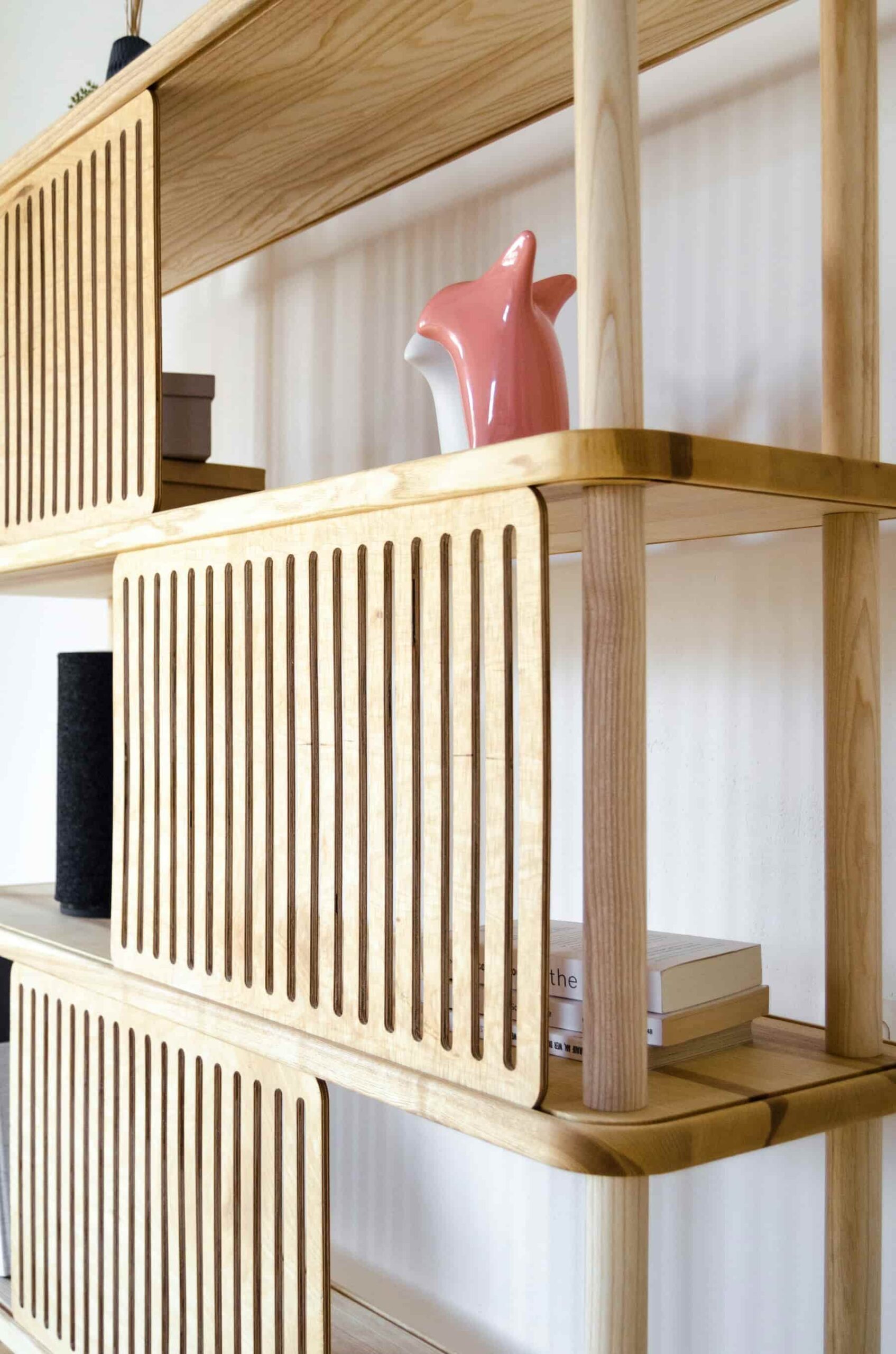
SF-SO offers shelves made from sheet metal which are designed for easy assembly and disassembly, as well as for the reuse of parts and durability. The panels interlock during assembly, which makes the structure sturdy and strong enough to hold heavy items for long periods of time. The panels just need screws to be connected. Steel furniture usually requires additional reinforcement structures and assembly equipment; however, these shelves create a highly minimalist look with very few steps or materials used.
Lessmore is an Italian line of furniture designed by Giorgio Caporaso. The furniture is designed in line with sustainability, durability and transformation. The Ecodesign furniture collection is made out of wood and cardboard. The furniture is designed to ensure maximal reparability and recyclability. Each part of the furniture products can be repaired or replaced easily.
Can Circular Furniture Become the New Luxury?
Can longevity, adaptability and repairability replace constant consumption? Shopping can help regulate emotions, provide excitement or create a sense of reward or control over the buyer’s life. According to FiftyfiveBlue, 17% of adults plan to spend a lot or a moderate amount of money on new furniture in the next six months. Will consumers abide by DFD, or will they continue conventional furniture?
In the same statistics from Market Intelligence, it was clear that rates of purchasing DFD products have increased. Europe made up 37% of the market, and North America made up 30%. Europe is expected to continue growing rapidly until 2034. Is it possible that we can move away from conventional furniture and invest in long-term and recyclable furniture?
Highlight Image:
@ Dennis Cortés via Unsplash


