
How Sustainable Is the Wool Used in the Fashion Industry?
Recent PETA protests at London Fashion Week caused major debates on social media: how sustainable is the wool used in the fashion industry? In conversations with PETA and Textile Exchange, Julia Zhorzel and Sarah Needham discuss opposing sides of the debate.
On September 17th, three PETA protestors interrupted H&M’s show at London Fashion Week with signs that read “H&M: Wool is bloody cruel. Drop it!”. This yielded audible sighs and gasps from the audience, because wool isn’t generally considered harmful. London Fashion Week set requirements for brands stating that they can’t include virgin fur, wild animal skins or feathers in their show. Brands must report in advance if they plan to use fake or upcycled animal materials. These protests raise the question— is this enough?
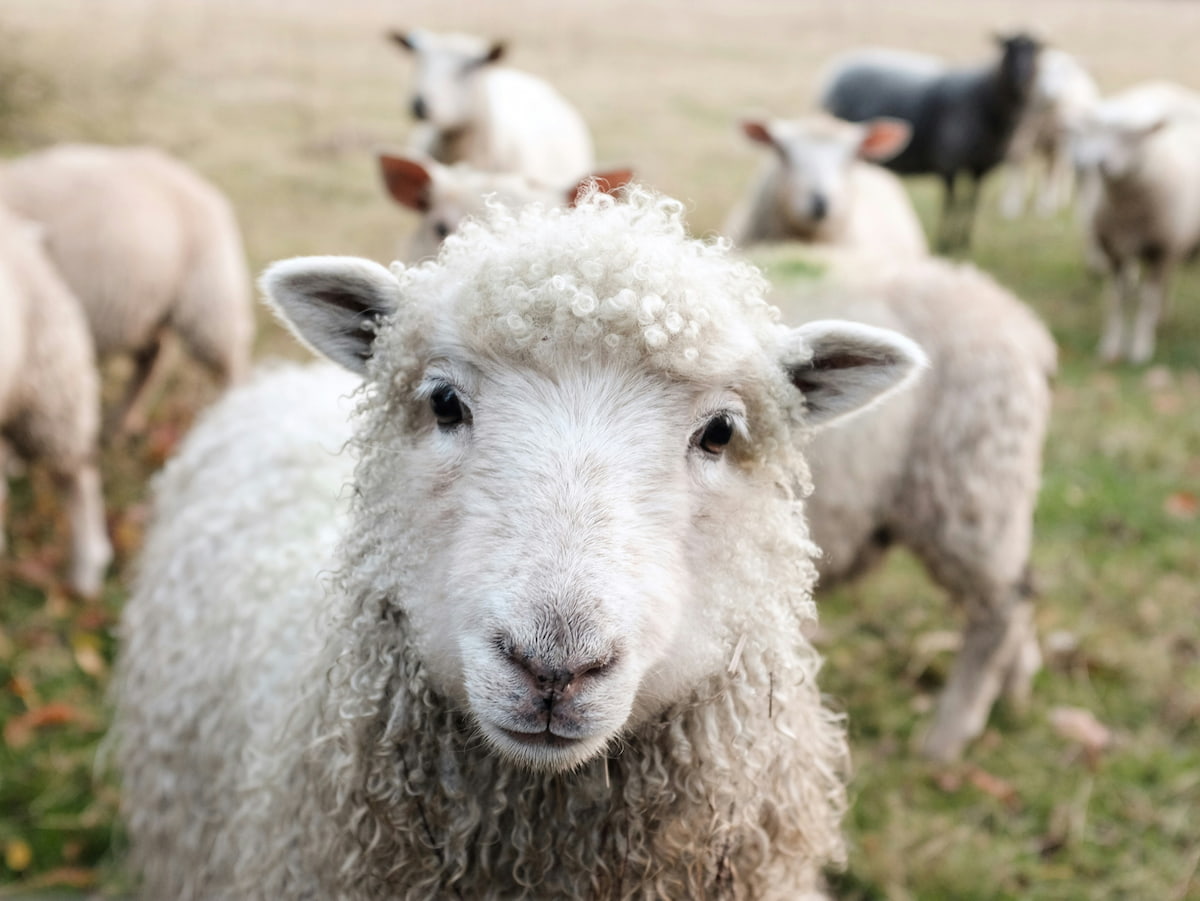
Julia Zhorzel is the campaigns co-ordinator at PETA Germany. From PETA’s perspective, “wool can never be considered animal friendly or ethical”. Recent PETA investigations of over 30 shearing sheds in the US and Australia uncovered severe abuse against sheep. Zhorzel advocates for animal rights in the fashion industry, specifically leather, wool and animal-free alternatives.
Sarah Needham is the chief engagement and partnerships officer at Textile Exchange. Needham has over 14 years of experience with transitioning the fashion industry into more sustainable practices. Textile Exchange offers the Responsible Wool Standard, which certifies sheep farms and tracks wool through the supply chain to the final product. From Textile Exchange’s perspective, wool can be produced in ways that “contribute to better outcomes across climate, nature, people and animals”.
What Should Consumers Understand About Wool?
The first hurdle facing the industry is the information that consumers have about the wool industry. Why was London Fashion Week and the H&M show an important platform to bring back the conversation of wool? Zhorzel speaks about greenwashing and “sham certifications” that mislead consumers – “London Fashion Week is one of the places where the fashion industry defines which materials and practices are showcased as desirable and progressive. That makes it an important event to challenge the continued use of wool, particularly when it is marketed as “natural”, “responsible” or “ethical”. H&M was especially relevant because the company relies on sham certification schemes to support claims about the wool it sources.”
From PETA’s perspective, terms like “responsible”, “traceable” and “certified” can “deceive consumers without changing the fundamental fact that sheep are bred, mutilated and abused so that their wool can be commercially exploited.” Zhorzel also pointed out that “research shows that shearing itself produces a measurable acute stress response. More recent research likewise found significant changes in cortisol and other physiological indicators following shearing” – she highlights.
“What PETA wants consumers and the fashion industry to understand is that traceability is not the same thing as animal welfare, certification is not proof that animals do not suffer, and wool does not become ethical simply because parts of its supply chain are documented.”
This perspective stands in stark contrast to Needham. In her statement, Needham argues that the future of the wool industry can be sustainable for animals, humans and nature: “Wool is a renewable natural fibre that has been part of farming systems and textile production for generations. When produced responsibly, we believe wool can play an important role in a more resilient textile and apparel industry, supporting farming communities while creating opportunities for beneficial outcomes for animals, landscapes and nature.” From Textile Exchange’s perspective, certifications can provide consumers with a brand’s ethical welfare standards – however, wool must be produced responsibly.
What Should Consumers Look For When Sourcing Wool Pieces?
Are there specific certificates or procedures that consumers can look for when buying wool products? For Zhorzel, certifications and traceability standards are used to mislead consumers into thinking there are high welfare standards – “Certification criteria rely on terms open to interpretation rather than unequivocal prohibitions. Painful husbandry procedures can also remain permissible under certification schemes. A certification therefore does not mean that practices causing pain or distress have been eliminated; it rather means that the scheme has established circumstances under which best-practice mutilations and mistreatment may continue.”
“According to their own standard guidelines, certified operations may be inspected as infrequently as once every three years. Individual farms may not receive an on-site inspection. Audits are generally announced, and even some inspections described as unannounced can involve advance notice (PETA Deutschland, 2021). That matters because an audit provides, at best, a snapshot of conditions at a particular moment. It cannot demonstrate how individual animals are treated every day throughout the years between inspections.”
Zhorzel proceeds to discuss the issues with wool traceability; saying, “It does not continuously document how the sheep were treated. Traceability is a supply-chain tool, not an animal-welfare guarantee.”
What does this mean for brands that do hold ethical certifications? In a recent study, PETA exposed “more than 150 wool operations across four continents. Regardless of whether the wool had an “ethical” certification –like NATIVA or ZQ Wool– every single investigation revealed that workers routinely beat, kick, and slice open sheep.” Can consumers look for any ethical considerations when buying wool products? Or are certificates and traceability just manipulation tactics?
In contrast, Needham believes that the Responsible Wool Standard at Textile Exchange can help consumers to purchase wool from brands with high animal welfare standards. However, she argues that the future of ethical wool production also needs to consider nature, landscape and the workers – “For wool, responsible production means putting animal welfare at the heart of farming practices while also considering land management, and the livelihoods of the people who care for animals and landscapes. Our Responsible Wool Standard is designed to help drive this change. Its animal welfare requirements are aligned with the Five Domains model, with humane handling of animals a fundamental requirement.”
The certification has multiple environmental considerations – “It also addresses the management of the land sheep graze on and provides traceability through the supply system. Any mistreatment of animals is unacceptable, and standards provide an important framework for setting clear expectations, independently verifying practices and holding certified organisations accountable.”
London Fashion Week: Is Meaningful Process Being Made?
Is it enough that London Fashion Week has banned the use of some animal products? According to Zhorzel, it is meaningful because it stops some materials “being promoted and normalized on some of the industry’s most visible stages”. However, PETA would like to see further progress on the runway “based on the principle rather than the species or product category”. PETA wants fashion weeks to encourage designers to work with vegan products to avoid outsourcing ethical considerations to just some animals – “As PETA’s examination of wool labels shows, certification can rely on limited and largely announced auditing, vague requirements and standards that continue to permit practices causing animals pain and distress (PETA Deutschland, 2021). A genuinely animal-friendly fashion policy should therefore not focus on trying to certify animal exploitation more effectively. It should help fashion move beyond it.” For Zhorzel, London Fashion Week is taking effective steps, but these steps shouldn’t be selective.
While Needham does not address London Fashion Week in her statement, Textile Exchange’s ethos suggests that with animal welfare certifications, brands could continue to use wool in their collections and runways, as long as high animal welfare standards are upheld and evidenced. In her statement, Needham highlights that there should be greater focus on where wool products come from and on investing in the production strategies to enable the wool industry attain higher animal welfare standards: “At Textile Exchange, we recognize that no fibre or material is without impacts or trade-offs. Rather than comparing fibre categories or positioning one material as universally better than another, we advocate for a portfolio approach: understanding where materials come from, how they are produced, and investing in the production systems that deliver better outcomes.” Could investing in wool production systems create better facilities and quality of life for the sheep? Would it be acceptable for brands that use these producers to attend London Fashion Week?
If Wool Comes From Animals Raised Under High Welfare Standards and Responsible Shearing, is Replacing that Wool with an Alternative Material the More Sustainable Choice?
One of the central arguments for moving away from animal-derived fibres is that alternative materials can avoid animal exploitation. But from an environmental perspective, the comparison can be more complex. Would alternative materials cause more damage than animal-derived fibres?
From PETA’s perspective, they would not. In her response, Zhorzel details the environmental impact that the wool industry can cause. This includes the environmental footprint of breeding and maintaining sheep, the land required for wool production, and water pollution. Zhorzel opts for vegan alternatives to wool – “Durable, animal-free materials with demonstrably lower environmental impacts for their intended application, combined with a reduction in fashion’s overall demand for new raw materials, represent the future of fashion. Reuse, longer garment lifetimes, second-hand clothing and recycled animal-free materials are particularly important because they can reduce the need for new primary material production. For PETA, the ethical and environmental arguments therefore complement one another. The ethical argument is that sheep should not be bred and abused as fibre-producing commodities. The environmental argument is that wool does not simply appear when a sheep is shorn. Producing it depends on breeding and maintaining animals and the agricultural systems supporting them. Peer-reviewed research demonstrates associated enteric methane emissions, land occupation and water demand, while research on sheep-grazed agricultural systems also demonstrates pathways for nitrogen and phosphorus losses into the surrounding environment.”
In contrast, Textile Exchange seems to believe that wool can be sustainable and environmentally friendly through specific, sustainable production methods. Although Needham does not give a specific response to this question, her statement argues that Textile Exchange’s certification is “focused on improving how these materials [wool] are produced. We believe that by strengthening animal welfare, supporting better land management, increasing traceability and investing in farming communities, wool can be produced in ways that contribute to better outcomes across climate, nature, people and animals.” Textile Exchange aims to make wool production practices more sustainable, and possibly act as a more environmentally friendly fibre than alternative materials.
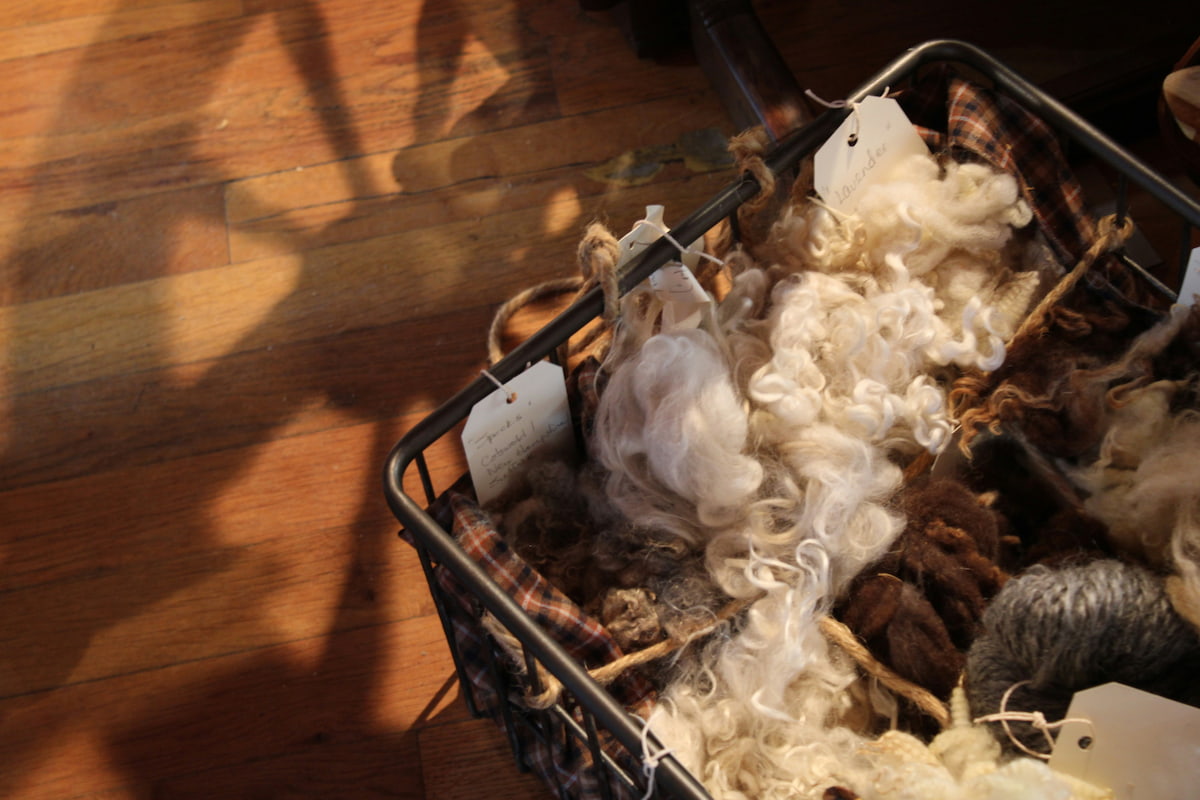
Eco-responsibility in the fashion industry is a growing concern for consumers. Should London Fashion Week do more to prevent brands from using wool and other animal products? Do brands need to focus on higher ethical standards for wool, or should consumers try to avoid all animal-based fibres?
Highlight Image:
@ Sam carter via Unsplash


