
Copenhagen Fashion Week 2026 | Why Craft and Human Connection Matter More Than Ever
For Copenhagen Fashion Week’s 20th-anniversary edition, themes that surfaced centered on tactility, emotional durability, and the human experience. Brands presented collections that felt raw, personal, and sensitive, underpinning the ideas and questions explored in the talks and shows. Many presentations were complemented by live music performances and spoken word poetry. Tactile elements like sand and stone formations surrounded the collections, and windswept models walked barefoot by the canals of Copenhagen, signifying a need to experience something connected to the world around us.
The talk series brought together industry representatives to discuss change in the fashion industry. Hillary Taymour, founder of Collina Strada, discussed the importance of sharing knowledge. In a panel on craft, the panelists mused on craft as legacy and how it can be used to restore and regenerate, leaving communities better than you found them, instead of just sustaining them.
Panelists discussed how there has recently been a revival in craft skills seen at the Lagos Fashion Week, founded by Omoyemi Akerele, and through the work of Madhu Vaishnav with Saheli Women. The conversation evolved to how craft can be used to develop emotional connections with our clothes through an understanding of the craftspeople involved in making them, increasing their lifespan through emotional durability. It is not just important to preserve craft for the sake of keeping textile knowledge alive, but also for the preservation of our relationship with our clothes. In a discussion about fashion media, the value of quality, rare and precious points of view were highlighted, and how original thought will become increasingly important. These conversations emphasised just how topical human creation, input and skills are in the fashion industry, especially today.
The conversation evolved to how craft can be used to develop emotional connections with our clothes through an understanding of the craftspeople involved in making them, increasing their lifespan through emotional durability.
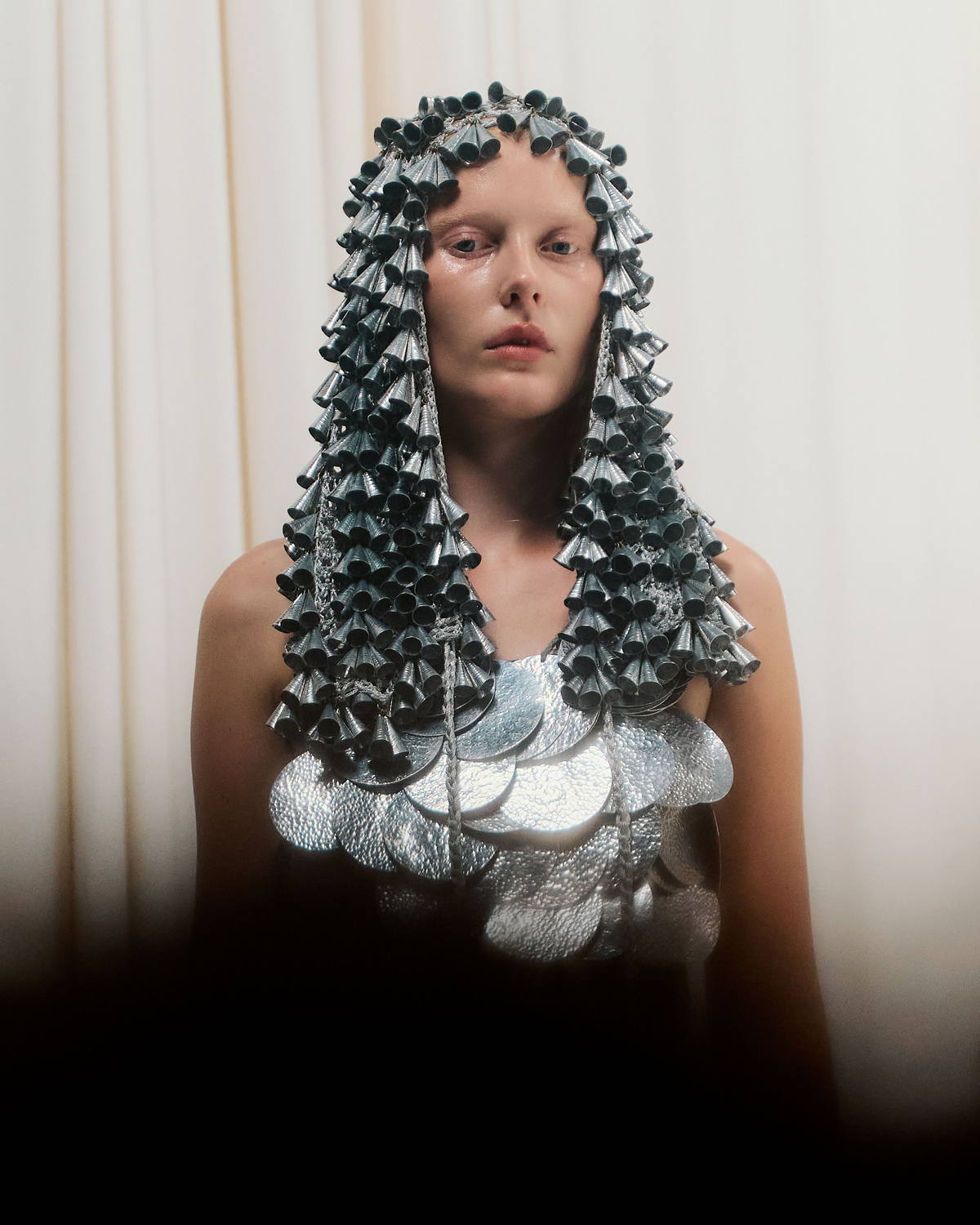
Sacred Ecologies by Iamisigo
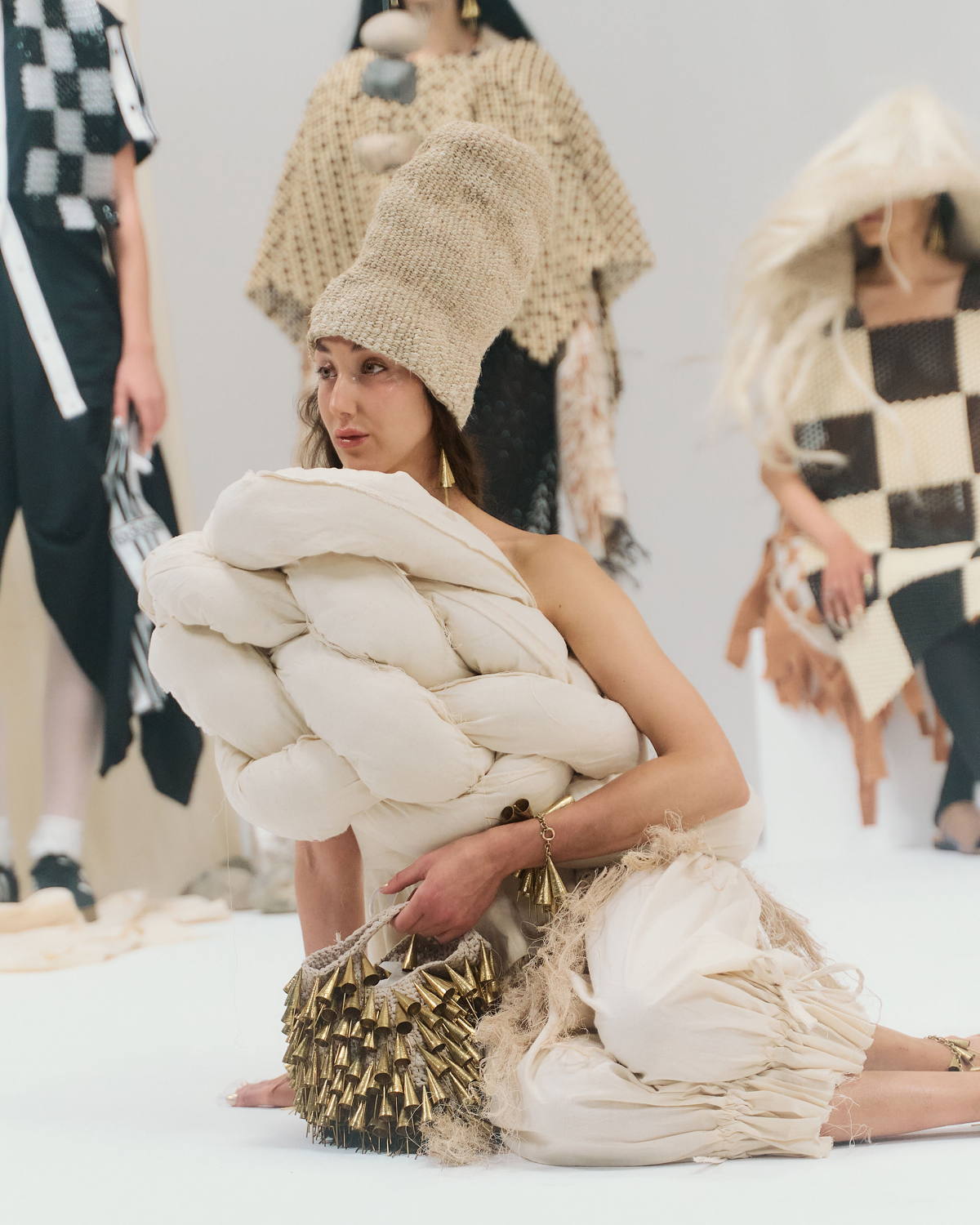
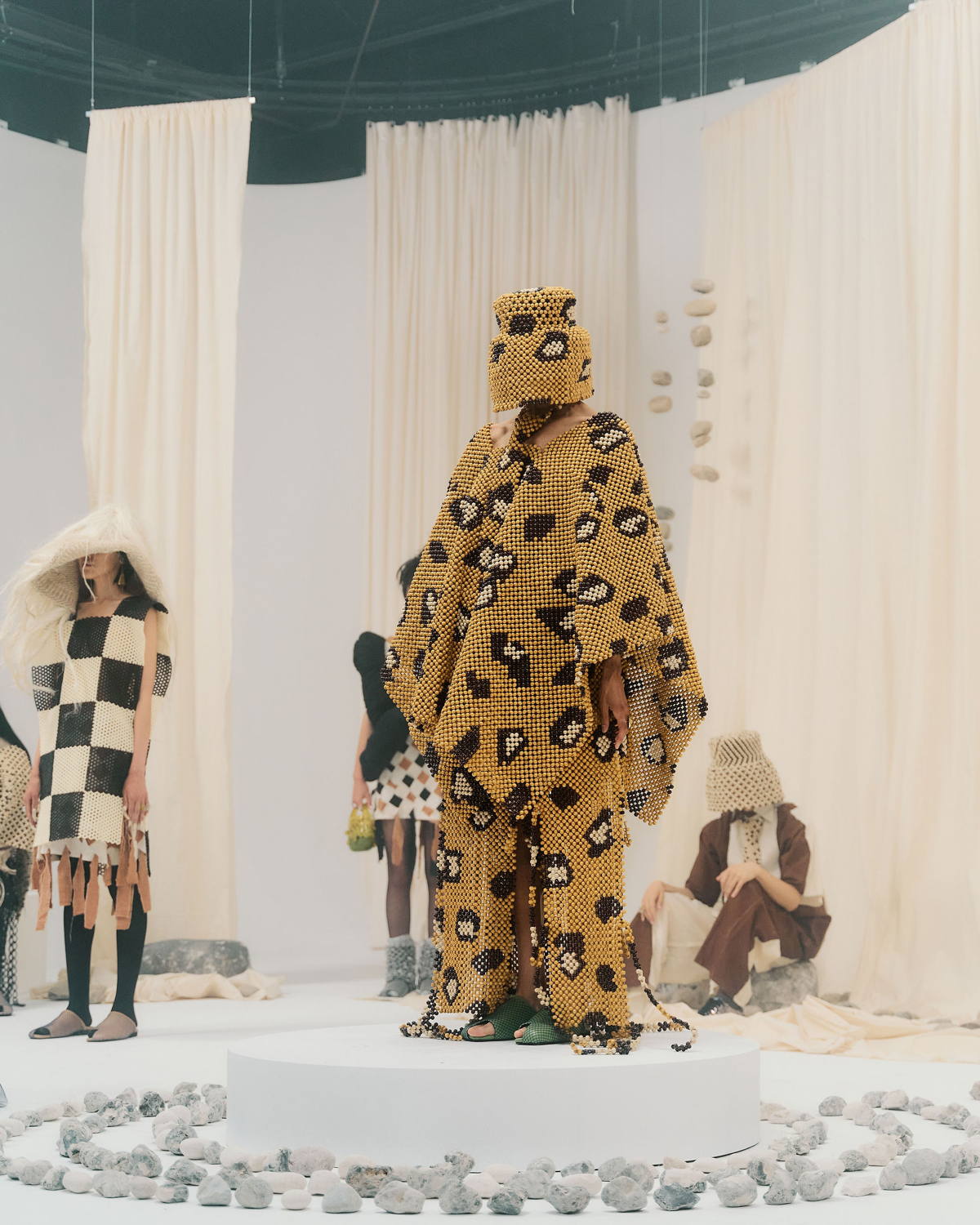
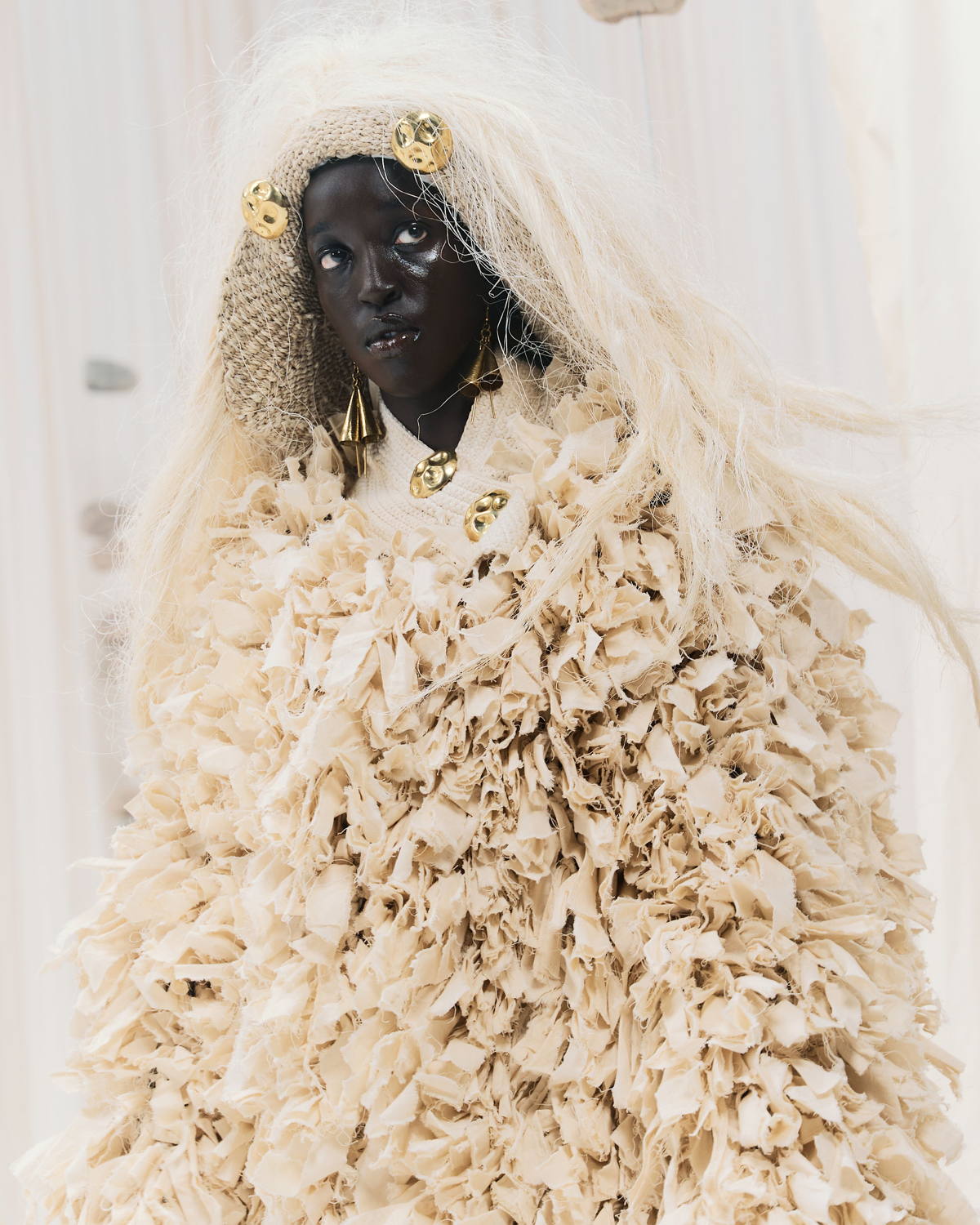
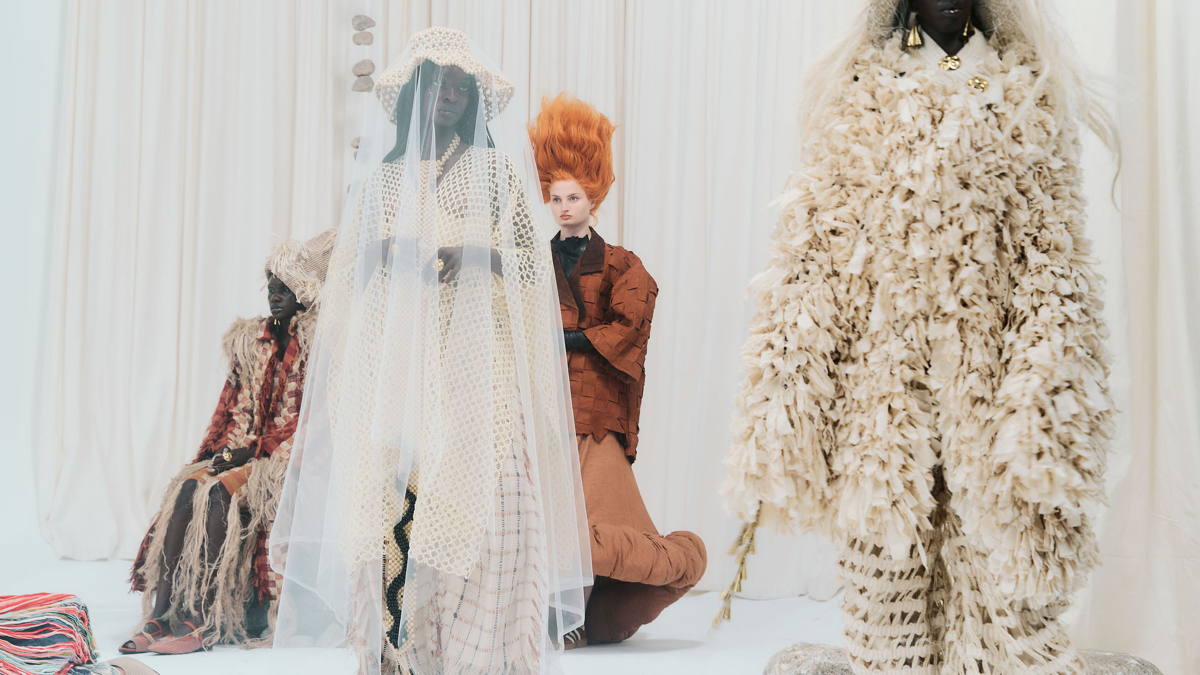
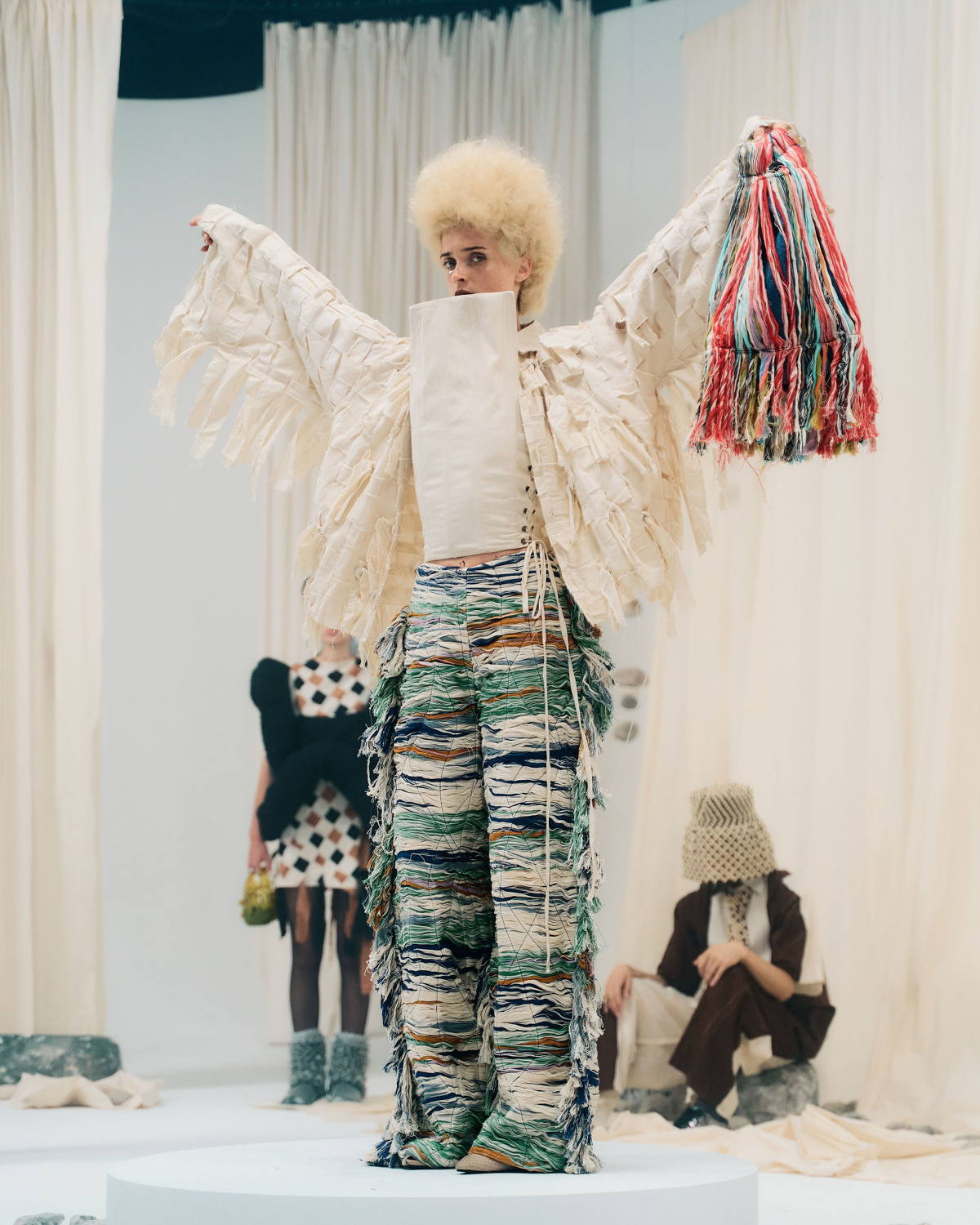
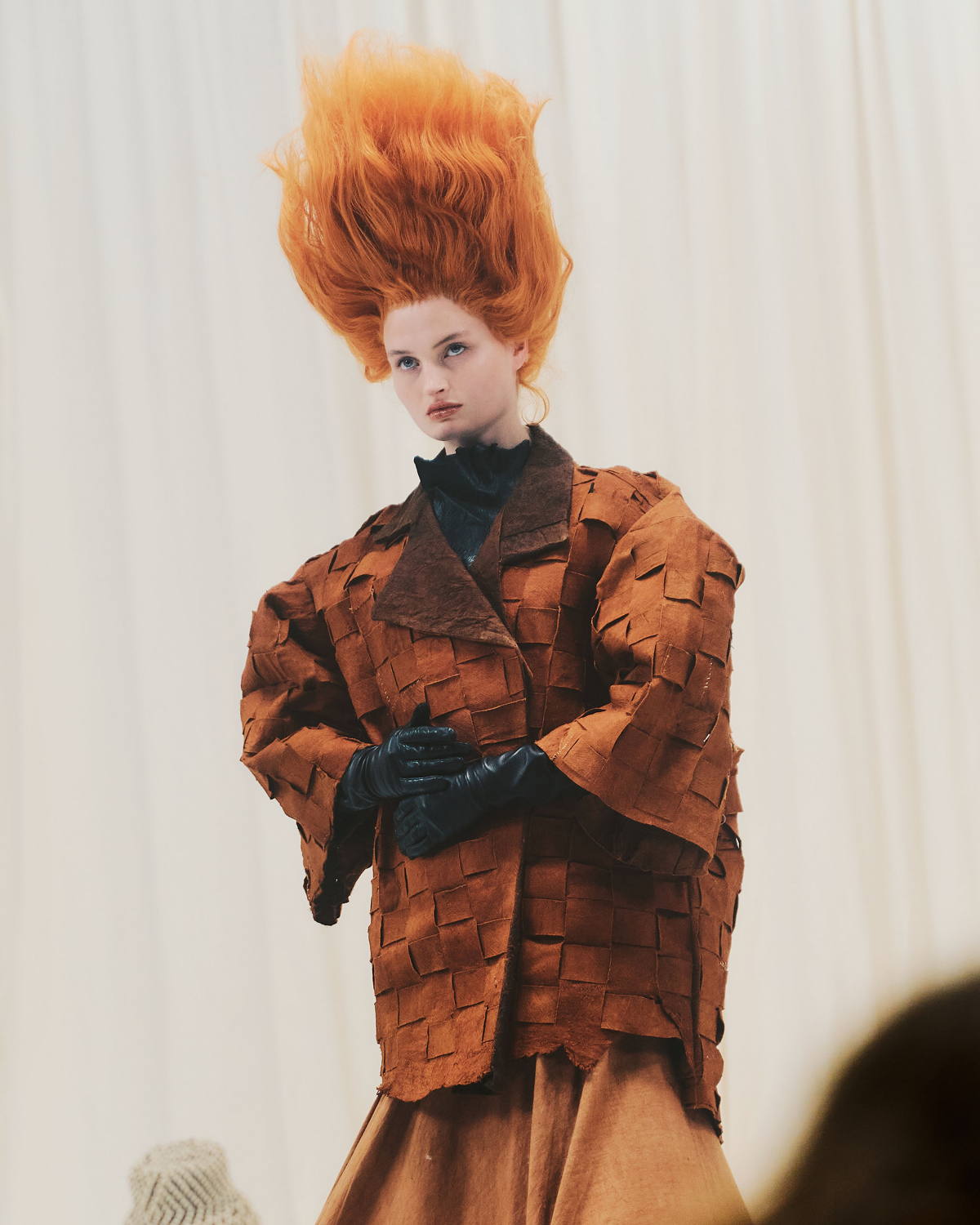
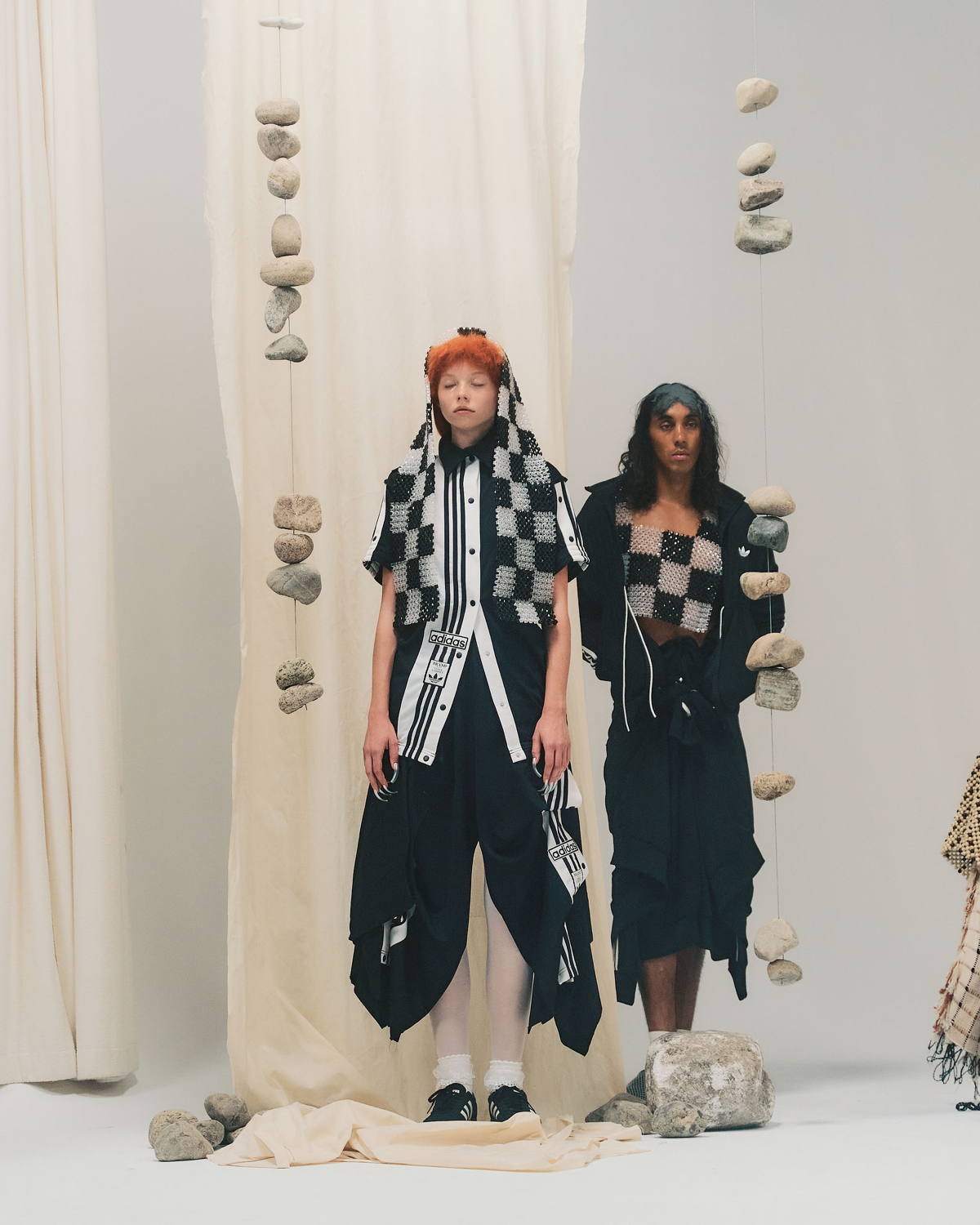
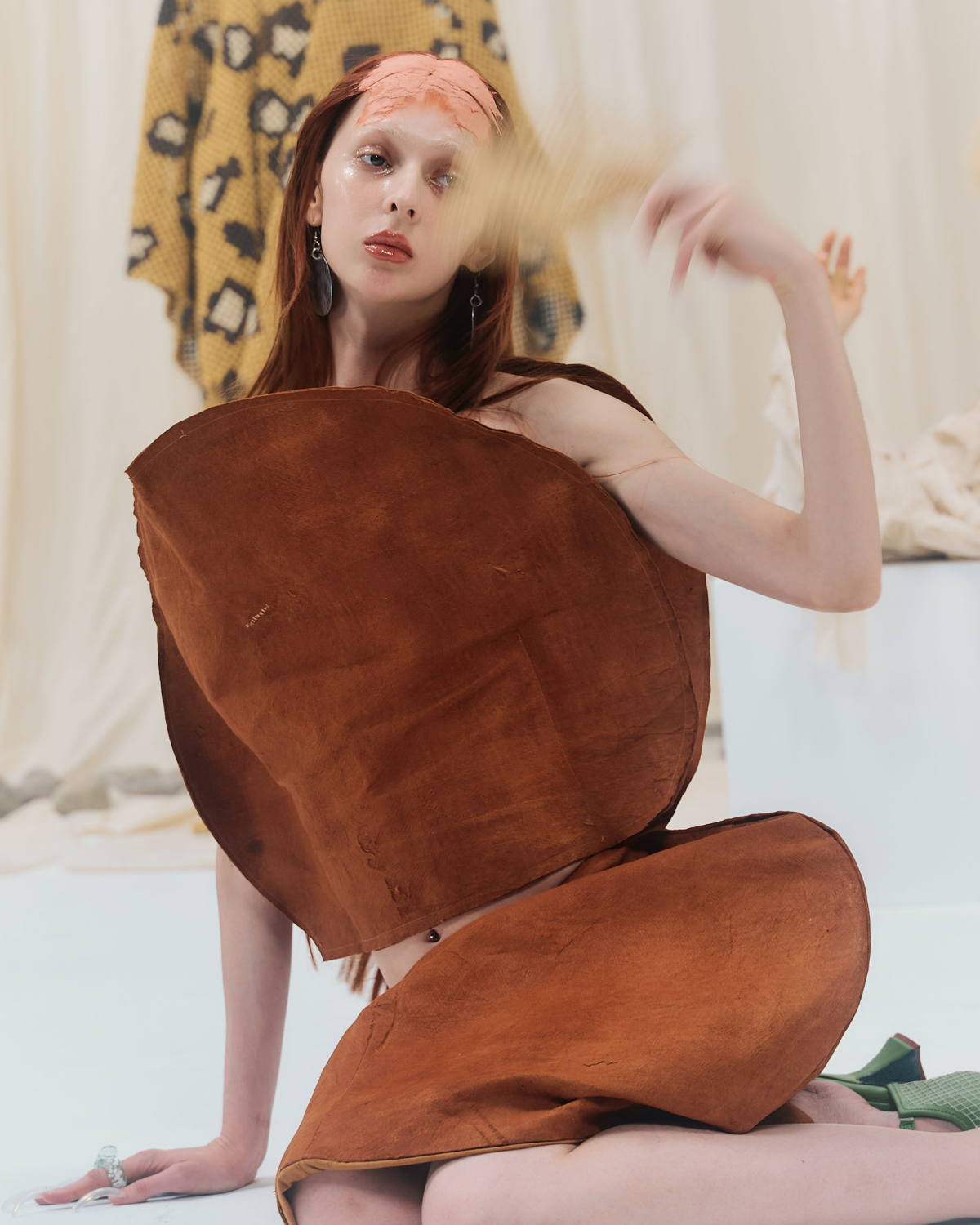
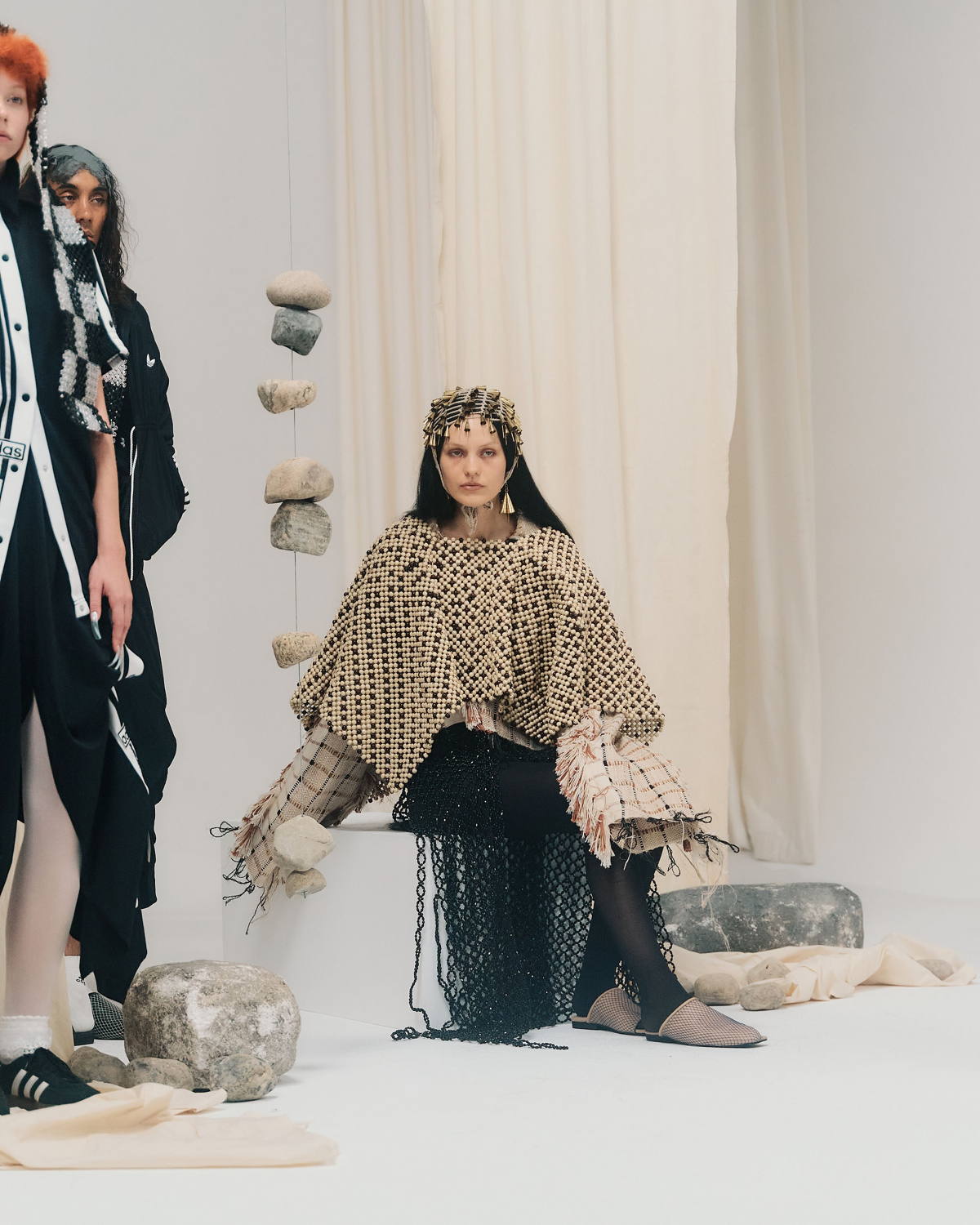
Iamisigo’s SS27 collection Sacred Ecologies investigated how objects hold knowledge and how humans carry it. This concept developed through the use of native, local materials and traditional techniques. Designer Bubu Ogisi says she identifies more as a fibre artist than a designer, giving way to an approach that puts materials, art and spirituality first. Using the body as a canvas, the collection focused on constructing garments that act as living records of ancestral textile knowledge.
Moving between spaces and seeing how craft processes and mindsets evolve, materials are sourced from across Africa, with banana fibre from Uganda, cotton and wooden beads from Nigeria, sisal from Tanzania and recycled glass and natural dyes from Kenya. Leftover material is worked back into the items, with yarn left on the loom worked back into crochet pieces. The process is described as more of a ritual than industrial production, as material that communicates ideologies. These materials carry an imprint of the time it took to create them and the hands that were involved.
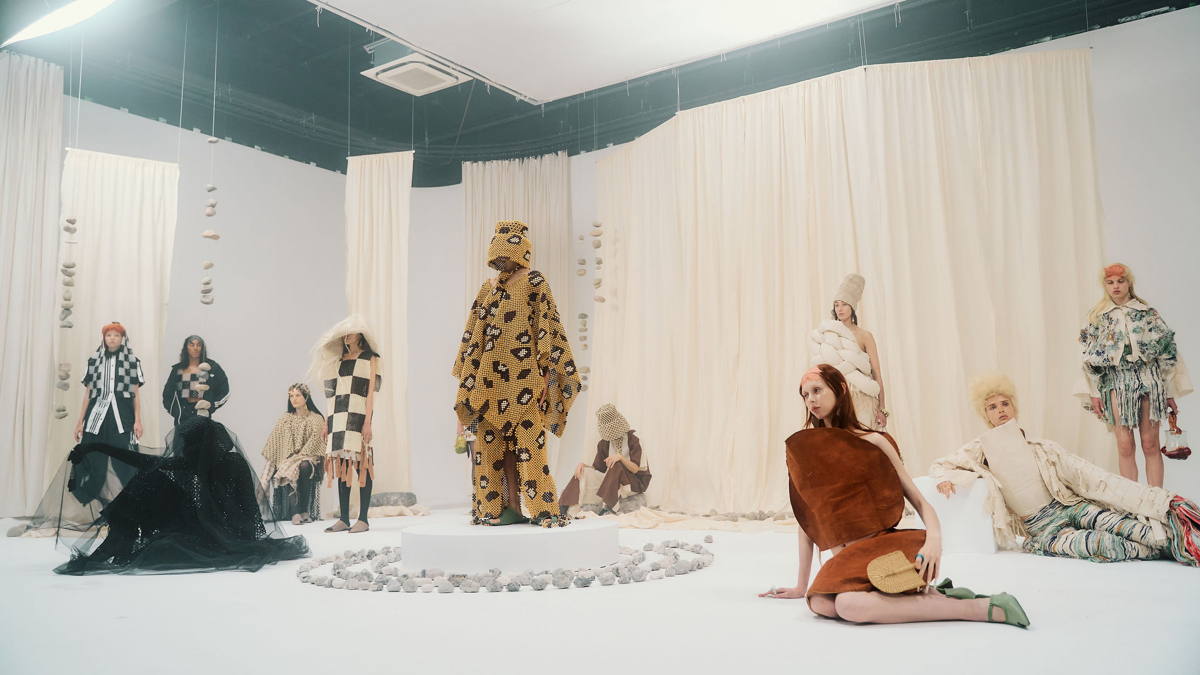
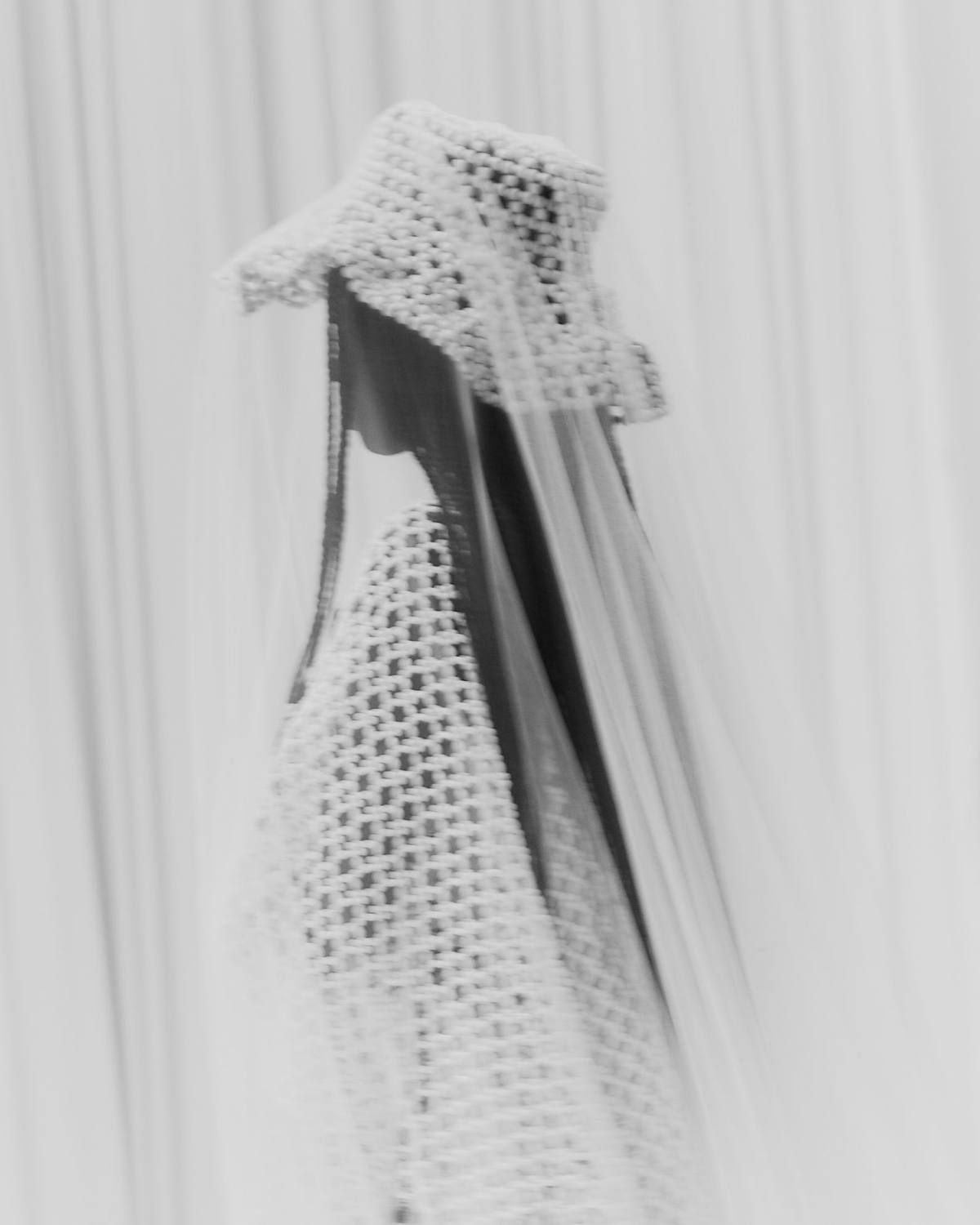
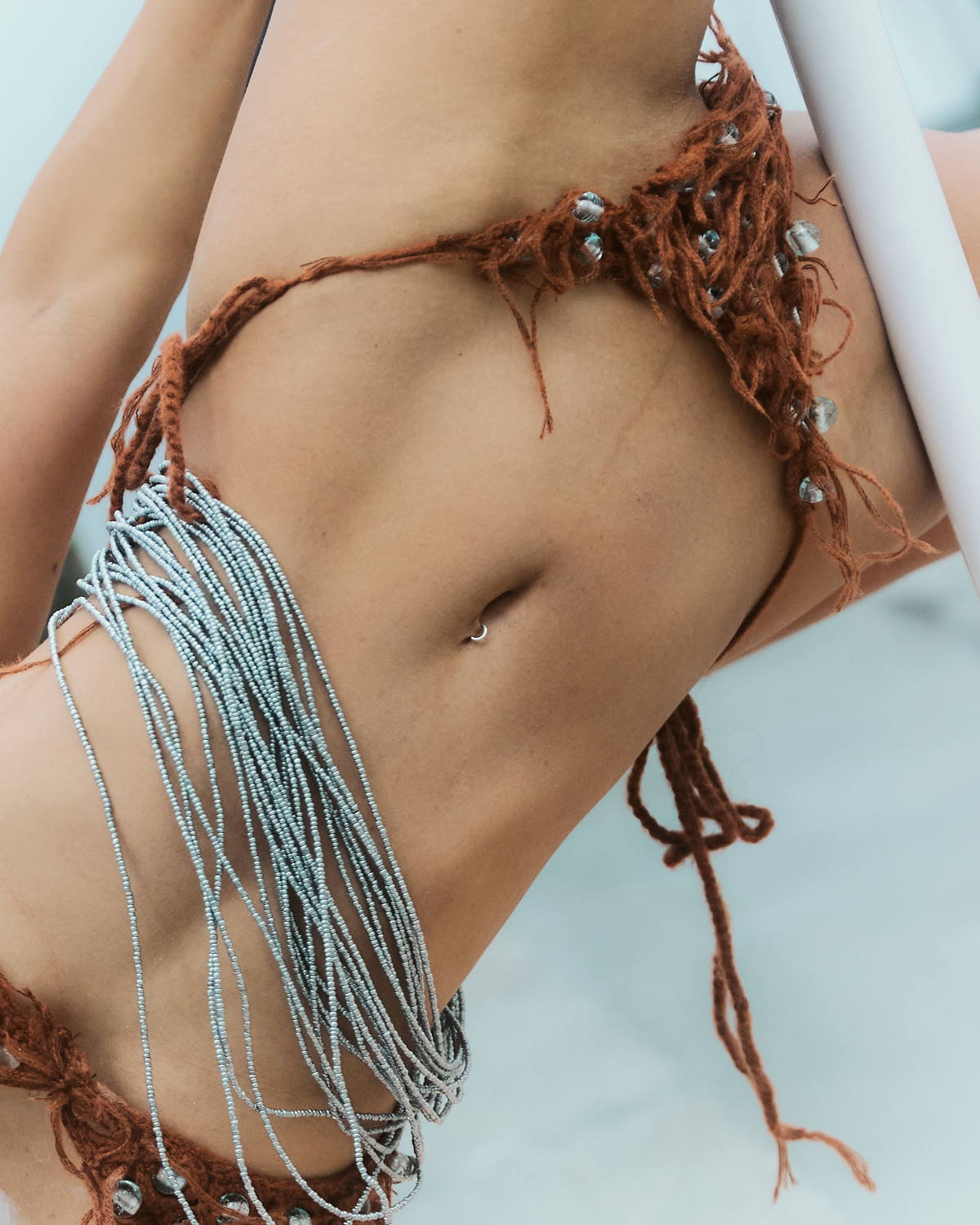
Using the body as a canvas, Bubu Ogisi’s collection focused on constructing garments that act as living records of ancestral textile knowledge.
Tailoring and Workwear by Rene
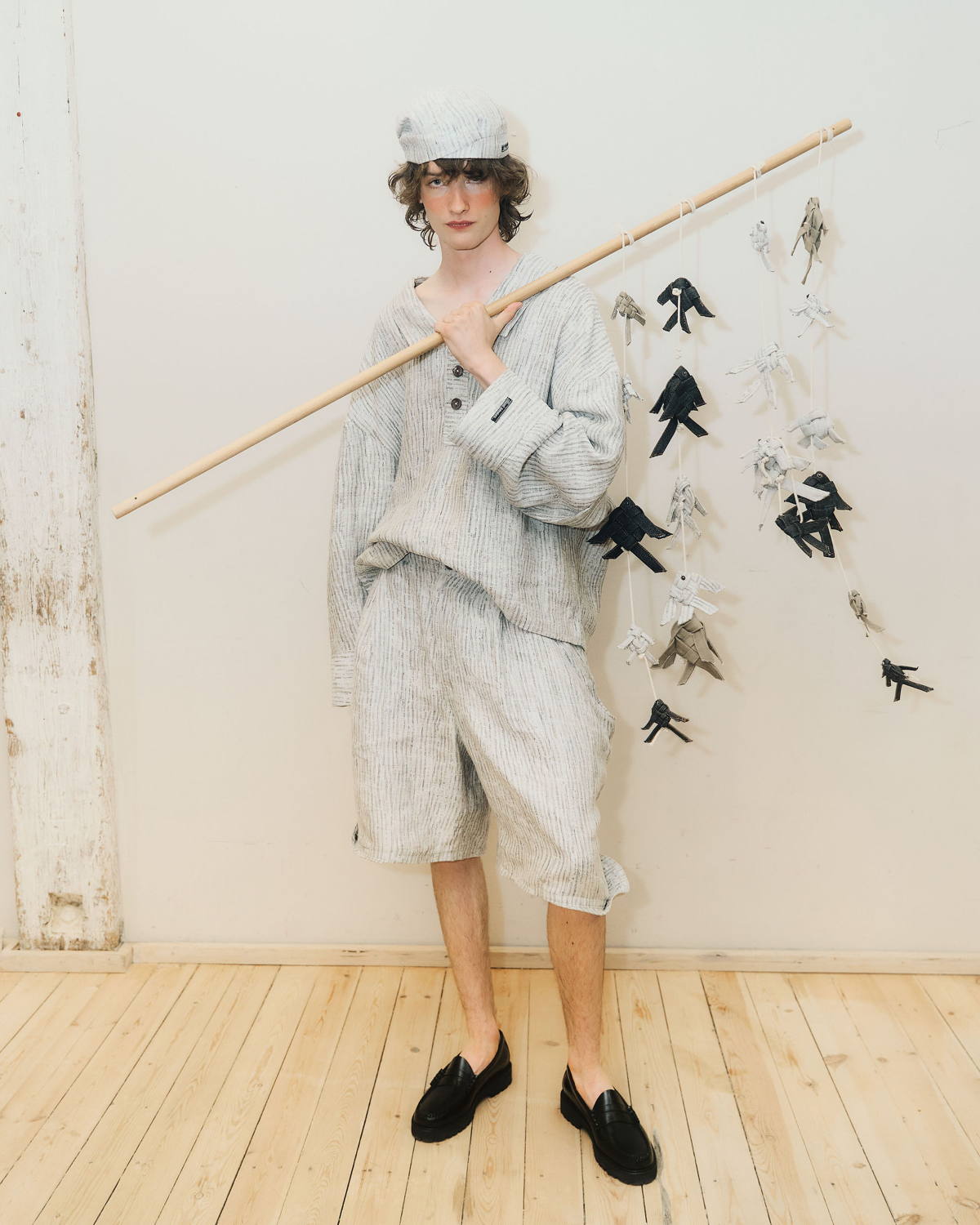
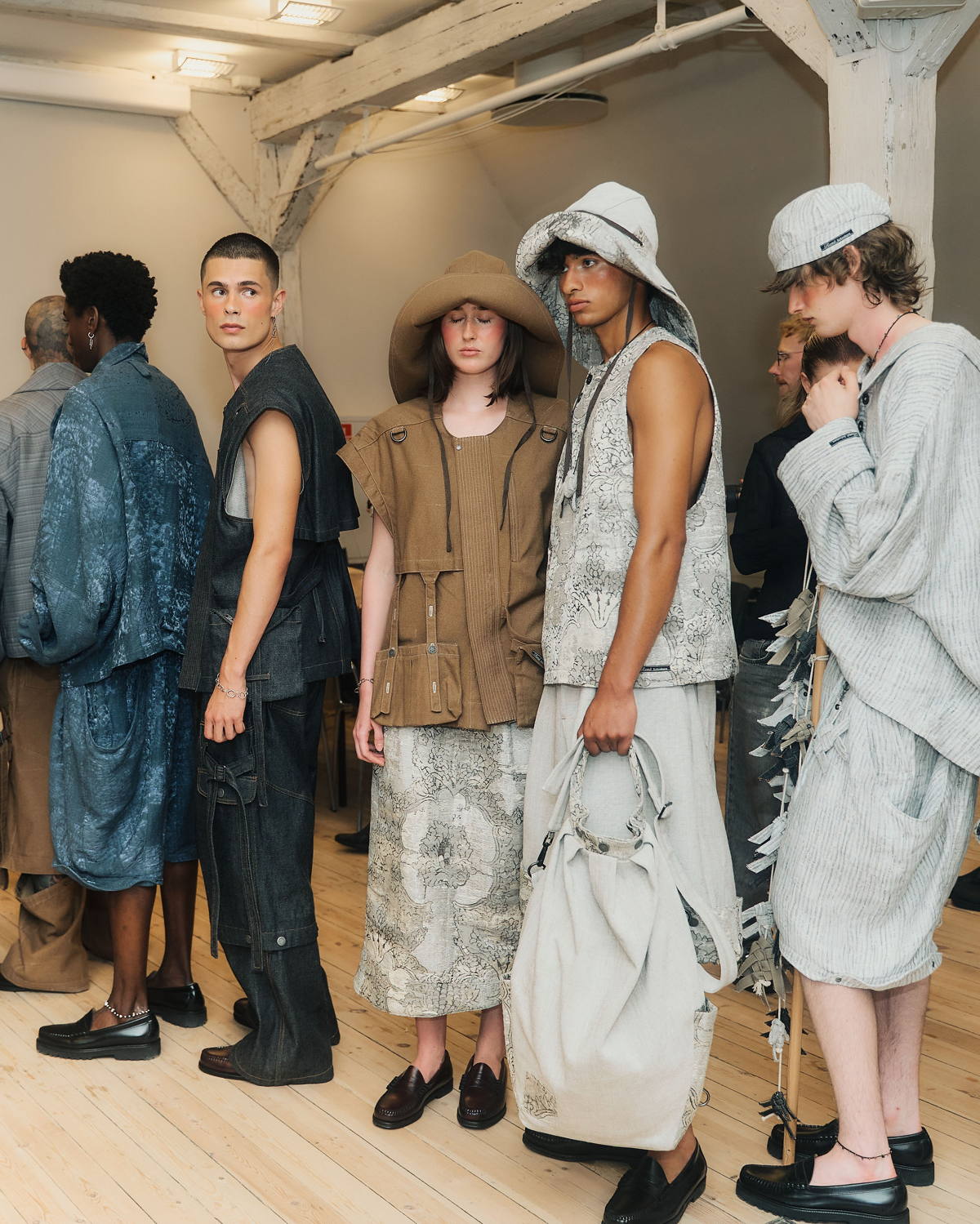
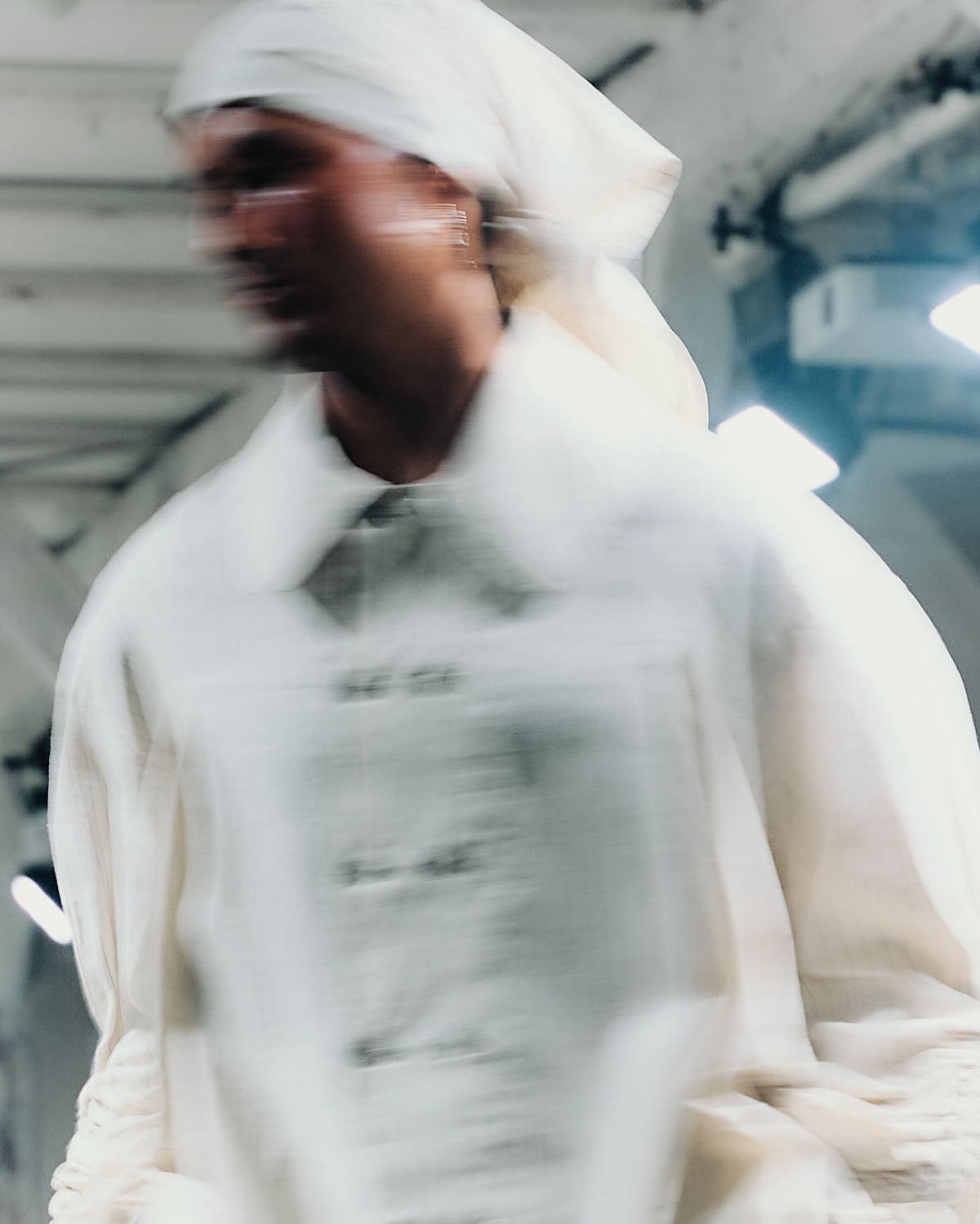
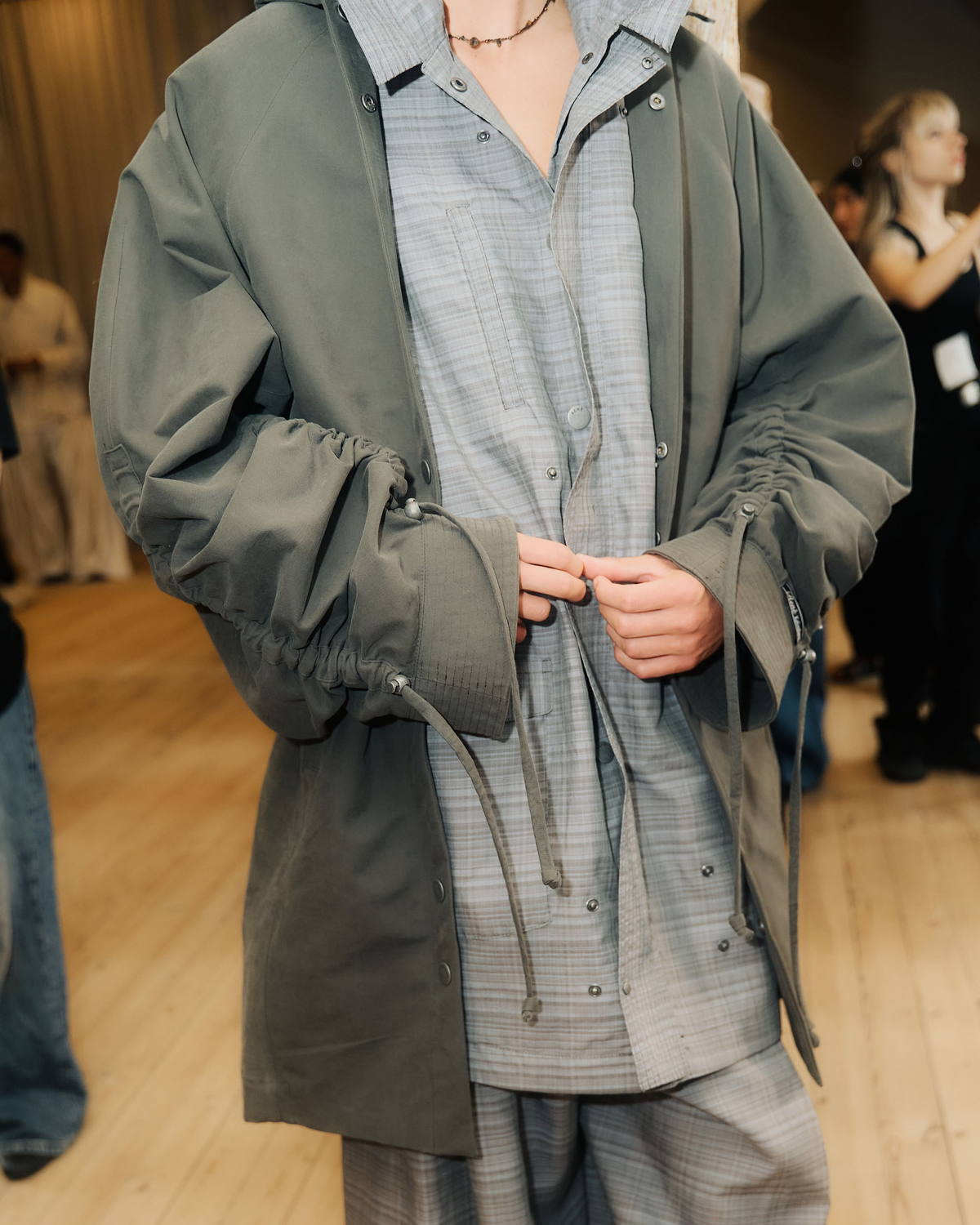
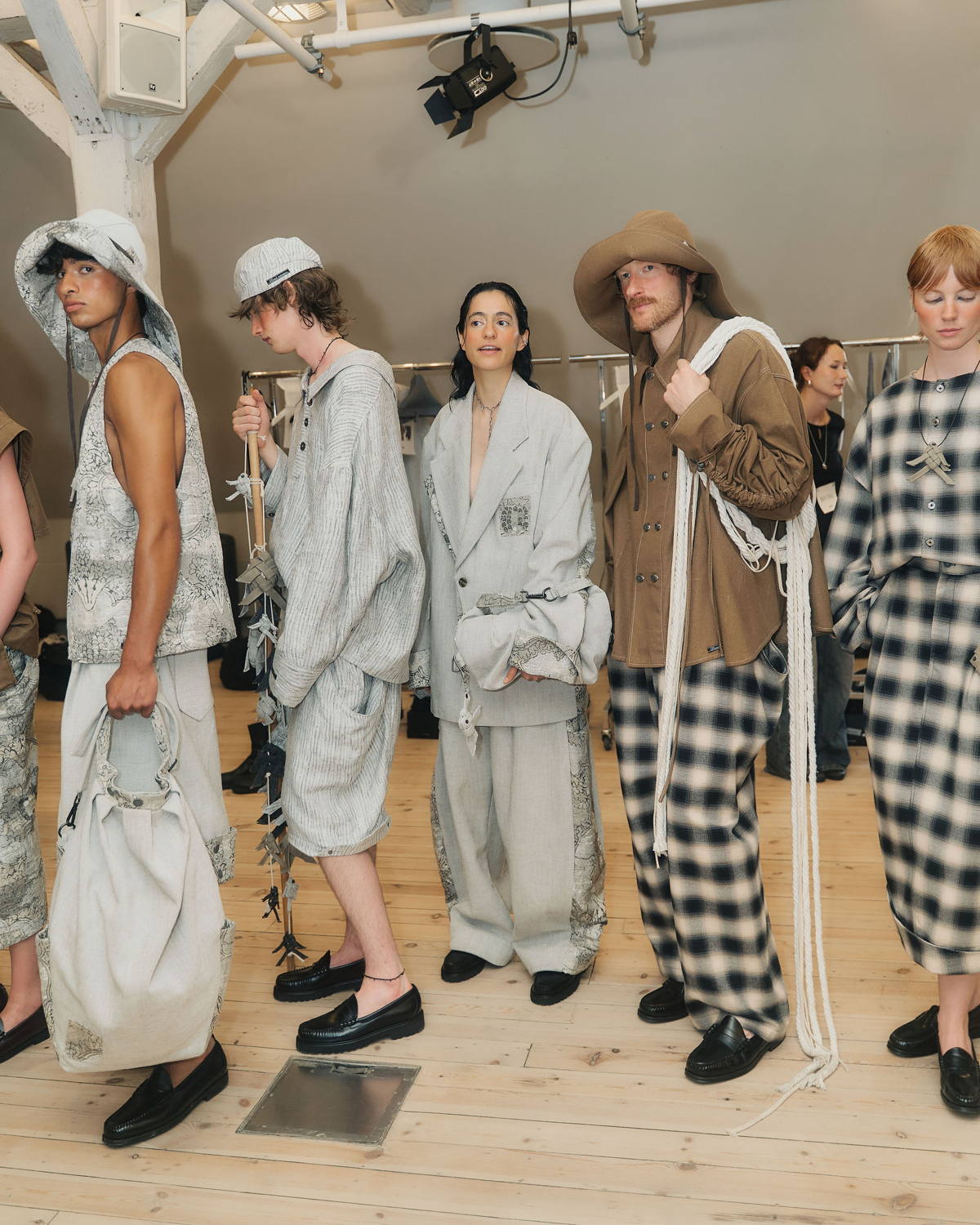
Rene’s focus on tailoring and workwear that is gender neutral gave a good basis for exploration of the concept of maritime communities in the Nordics. In Rene’s debut catwalk show at Copenhagen Fashion Week, the connection to seafaring culture was seen through fabrications that resembled sails, rigged up with drawstring and buttons, patched up to weather heavier use. Utilitarian details give the collection a practicality that connects to how fishermen and sailors adorn themselves. There was pebbled silk, and fabrics reminiscent of rocks worn down by waves, becoming more gleaming and polished through time. Tones of mother of pearl adorned silkier textiles, and worn-down pin stripe could be seen on dry linen. Rope accessories solidified human interaction with the sea. The creatives behind the collection, Jens Skov Østergaard and Kridipat Østergaard, both bring their own cultural sensibilities to the collection, connecting Danish traditions and textile materials with Asian craftsmanship and storytelling, like the Thai fish weaving tradition, said to bring luck.
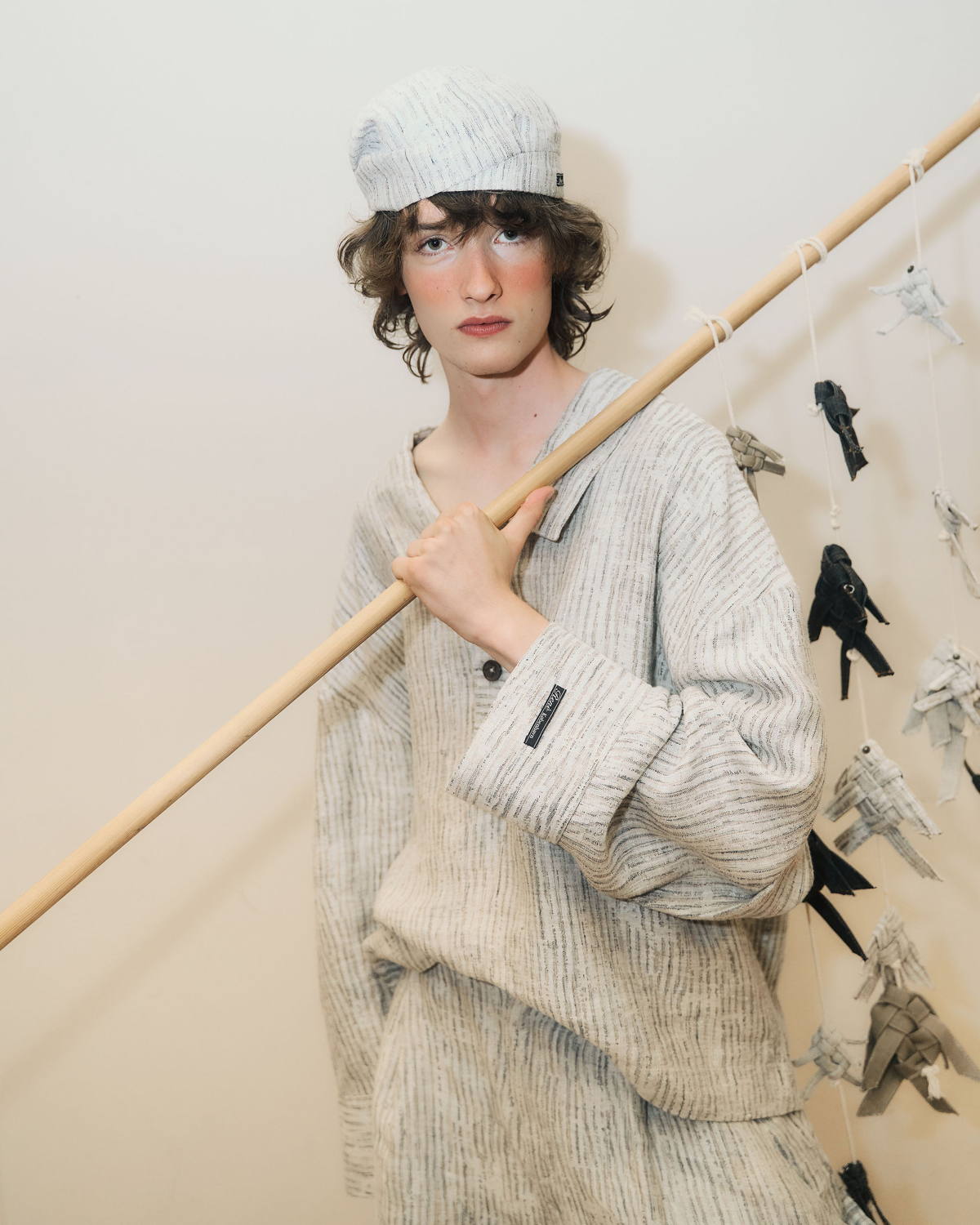
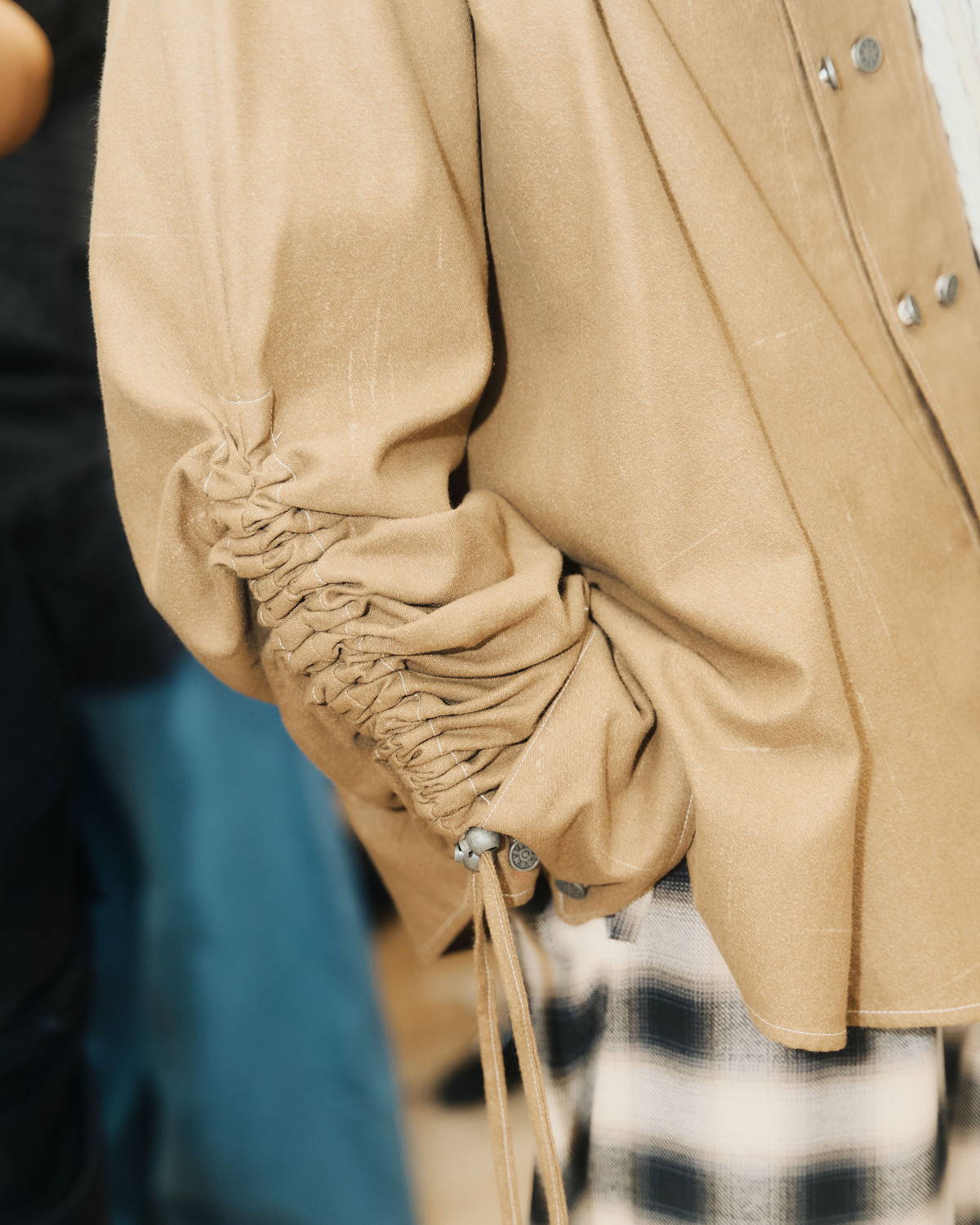


In Rene’s debut catwalk show at Copenhagen Fashion Week, the connection to seafaring culture was seen through fabrications that resembled sails, rigged up with drawstring and buttons, patched up to weather heavier use.




Words: Jennie Barck
Jennie Barck is a freelance writer and sustainability communication specialist. She specialises in material and fiber knowledge, traceability and production processes. You can read her work at https://themakerjournal.substack.com/.
All Images: © Bea Vanhala


