

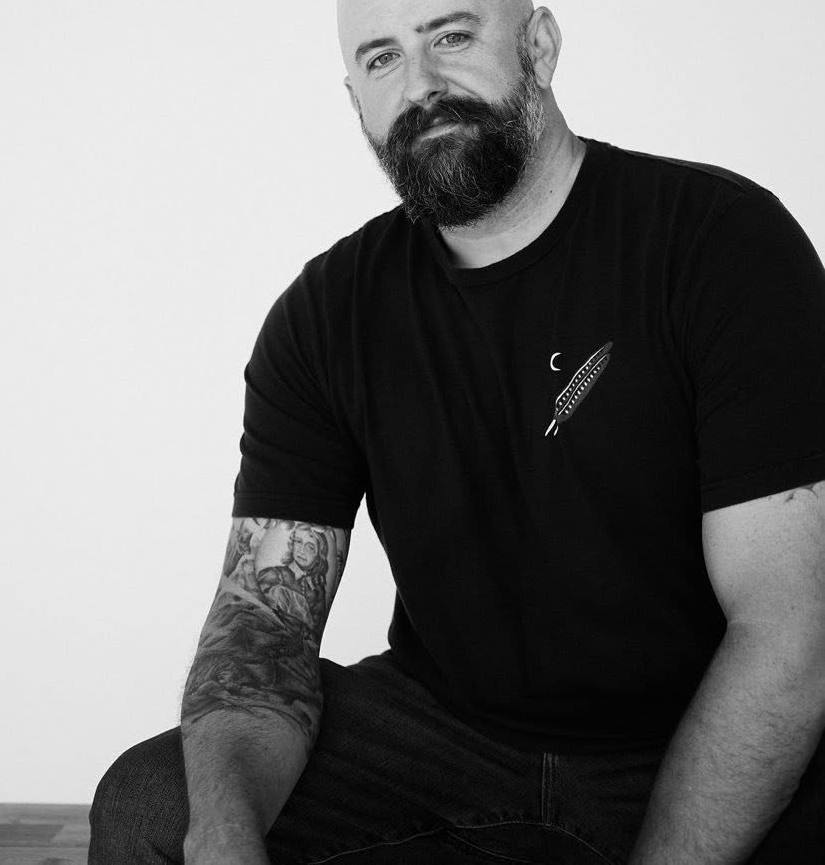
Jarod K. Anderson | On Nature, Depression and the Radical Act of Paying Attention
For poet and writer Jarod K. Anderson, paying attention to the natural world is more than a creative practice – it is a way of resisting despair. In this exclusive interview with Luxiders Magazine, the author of Something in the Woods Loves You and Strange Animals reflects on depression, climate grief, mortality and our disappearing capacity for wonder, revealing why a dandelion growing through a crack in the pavement can still offer a reason to look closer.
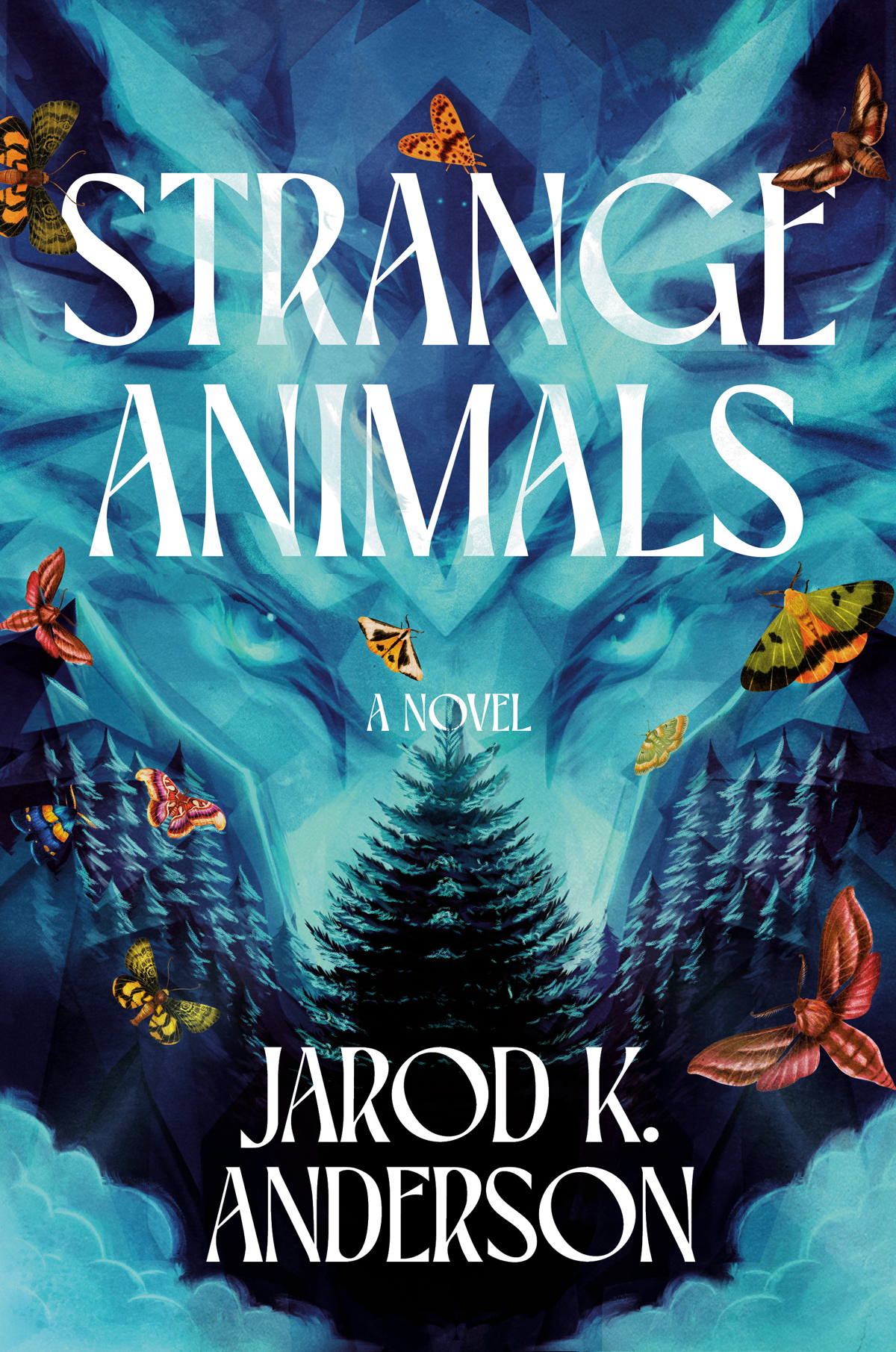
Jarod K. Anderson has built his work around an apparently simple act: noticing. Across poetry, memoir, audio fiction and his 2026 novel Strange Animals, the American writer explores the relationship between nature, mental health, mortality and wonder. His writing does not treat the natural world as an escape from difficult realities, but as a way of looking at them more closely – from depression and climate grief to loss, change and the knowledge that nothing in nature is meant to last forever.
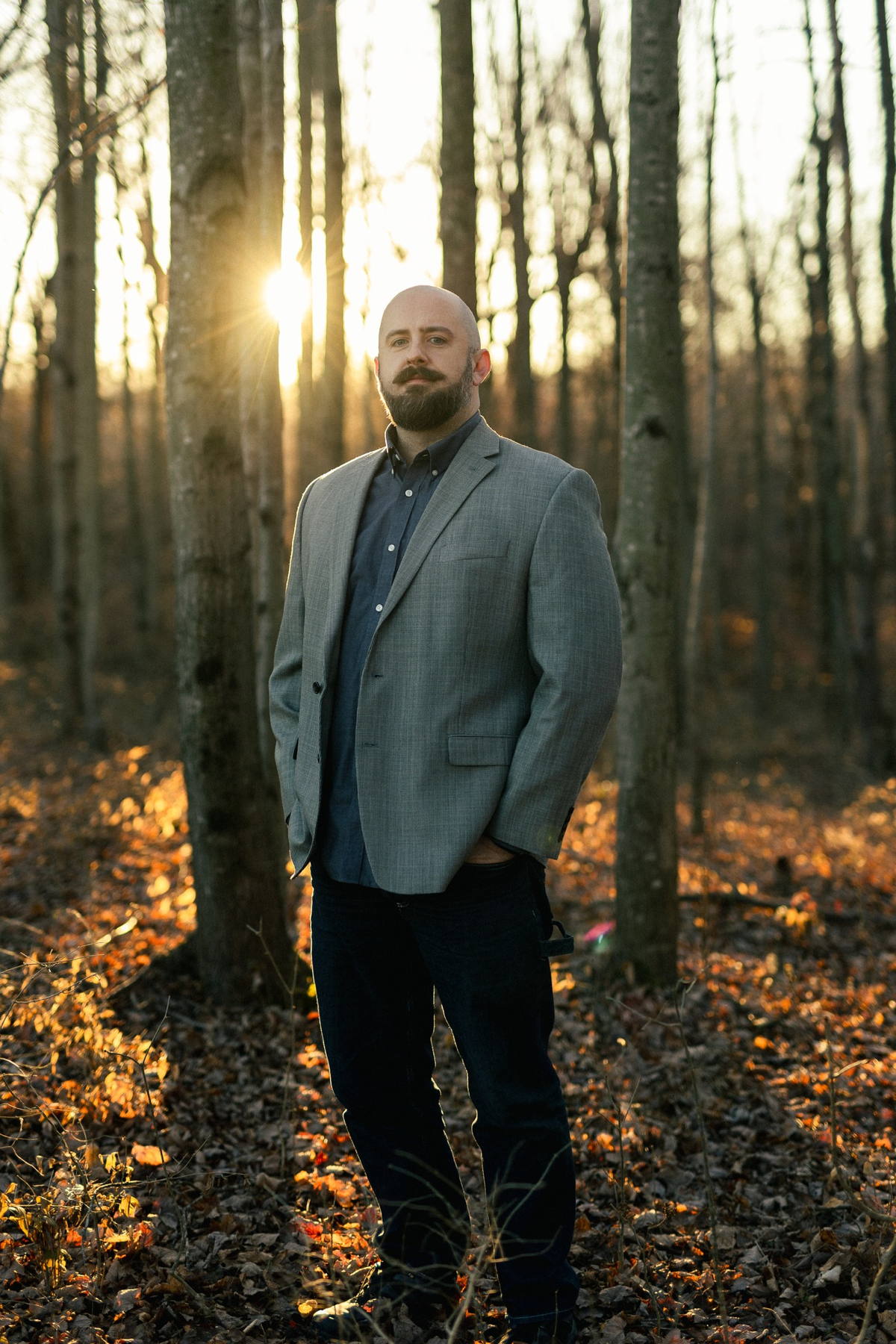
In some of your poems, like City, Afterlife, and Whale Fall, you explore beauty emerging from decay and endings. You write, “All beauty in nature arises from endings.” How did that perspective take root in your life, and has it changed how you experience loss?
I think that perspective arose from catching myself holding the opposite belief, the idea that only things that last forever are meaningful and worthwhile. I found myself employing this damaging and unexamined belief to undercut moments of pleasure and achievement in my own life and in my observations of the natural world. I came to understand that such a belief felt discordant with reality. This personal growth led me to really consider how necessary endings are in all natural cycles, which includes my own life.
Your memoir Something in the Woods Loves You connects a lifelong struggle with depression to the healing power of the natural world. How do you hold those two truths – pain and wonder – together on the page without letting one cancel out the other?
It’s a bittersweet truth that wonder and pain always coexist. We all learn that lesson early in life. For me, the key is to avoid thinking of them as antithetical forces, but intrinsic parts of a larger, balanced system that produces everything I hold dear. My mind does tend toward depression, but I also have a knack for noticing peace and wonder. It’s like recognizing that both lovely and inclement weather are natural and temporary, that neither sunny days nor storms are signs of some final victory or defeat.
In Strange Animals, Green begins as someone disconnected from his own life and gradually finds purpose through encounters with a world most people cannot see. Do you think we have become less capable of noticing the strange, mysterious, or alive within the ordinary? And what do you think we lose when we stop paying attention?
Wonder usually requires us to meet her halfway. I think we rob ourselves of a richer world when we don’t invest in our own curiosity as an active skill that requires our effort and intention to cultivate. There have certainly been periods in my life when I was too tired or distracted to actively pursue wonder. The good news is that wonder is out there waiting for us and will be there when we’re ready to recommit ourselves to noticing.
You have an MA in early modern English literature and describe yourself as “more fun than that makes me sound.” Do you see echoes of older nature writing – like the Romantic poets – in your own work, or are you deliberately breaking from that tradition?
That’s a bit of an old joke from my time in graduate school. Classmates would learn I was writing a thesis about John Milton and that was a real conversation-ender at parties. Jokes aside, I really enjoyed my education and I’m certain that my time studying earlier nature writing has influenced me. At the same time, I really want to write in a very accessible way that connects with modern readers, so I sometimes find myself pushing back against some of those early influences during my editing process.
When you write, who do you feel is the most prominent recipient in your mind – a physical human audience, the natural world itself, or some version of your younger/older self? And are there things you have been able to say through writing that you would struggle to say as yourself?
It changes from project to project, but I’m often writing to a version of myself who is struggling in a dark place, who is battling depression and disconnection. Because of my mental health struggles, I know what it’s like to manually build a sense of contentment when despair feels like the most natural mindset. Sometimes I imagine myself in that dark place and think, “what tools can I give him?” What have I learned or observed that could arm that version of myself against hopelessness and disinterest? I firmly believe that we are nature. We are as natural as any oak standing in a river valley. And sometimes the nature to whom I am best positioned to speak is some version of myself.
“I’m often writing to a version of myself who is struggling in a dark place, who is battling depression and disconnection. Because of my mental health struggles, I know what it’s like to manually build a sense of contentment when despair feels like the most natural mindset.”

“I firmly believe that we are nature. We are as natural as any oak standing in a river valley. And sometimes the nature to whom I am best positioned to speak is some version of myself.”
You have moved between poetry, memoir, audio fiction, and now the novel (Strange Animals, 2026). Do these forms reveal different parts of you? Is there something you can confess through an imaginary creature or a fictional character that would feel too exposed in memoir or poetry?
Fiction and fantasy give me permission to privilege enthusiasm over expertise. That’s important for me. Play is a vital part of my creative life and process, yet I can become daunted and tentative when I’m trying to write about real nature and questioning my own understanding and knowledge. So, fiction is a wonderful playground where I can set aside doubt and just lean into my feelings of love and enthusiasm without worrying about getting my facts straight.
You’ve built a large social media following by sharing poems and appreciations of nature. Much of contemporary life asks us to move quickly, consume quickly, and react quickly, while your work asks us to notice. Has protecting your own capacity for attention become part of your creative practice?
Yes, which means I sometimes have a love/hate relationship with social media. I love that I have connected with a wider audience, but I can feel both the addictive pull toward doom-scrolling and the consequences to my attention span and sense of wellbeing when I give into that pull. So, I intentionally limit my time on social media these days. I often say to myself “telephone not television” when thinking of my social media use. I want to use the technology to actually connect and communicate with real people, not just as a passive form of distraction. I also make sure I have dedicated time outside without my phone in hand. I think we’re all going to be talking about such internet-hygiene much more as we really begin to understand the cost of constant distraction.
In Field Guide to the Haunted Forest and Love Notes from the Hollow Tree, you frame nature in language that feels both eerie and tender. What draws you to that haunted, liminal quality in the natural world?
We evolved to inhabit natural spaces, but natural spaces were not crafted for our convenience (in the way of so many spaces we occupy in our daily lives). There’s some sort of bone-deep deja vu in that feeling when I’m walking through the woods, a feeling of being both perfectly at home and utterly separate from the human-made spaces I usually walk. Being in the woods feels like a kind of homecoming, but I get the sense that the house is full of a watchful presence. One reviewer called my new novel “creepy-cozy,” and that isn’t a bad description for how I often feel walking a forest path.
You once accidentally picked up a rattlesnake and have slept in the branches of a maple tree. We have to ask – what is the most underrated thing the natural world has taught you through direct, physical experience?
Certain moments in nature teach me to be completely and effortlessly present. When I encounter an unexpected animal, a surprising sound or sight, all of my senses are suddenly anchored to that precise moment in a way I seldom experience outside of natural contexts and contemplations.
You’ve spoken at Georgetown’s Earth Commons program and worked with the Thoreau Foundation. As climate grief becomes more common, what do you think poetry can do for people that policy and science alone cannot?
Poetry has the power to take a huge, abstract idea and force it to sit at your kitchen table and have a conversation with you. The enormity of climate grief can sometimes push us toward numbness. I think art and poetry are often antidotes to that feeling of powerlessness that encourages us to disconnect. And as a student of literature, I’ve seen writers writing through very dark times in human history. I think we understand the world and our place in it through story. In order to shape that story, we must first articulate it, we must tell our story to ourselves. For me personally, I want to lend a hand to folks who struggle with despair. I want to draw their attention to a dandelion growing in a sidewalk crack and point out that even in dire circumstances there is still worth in stubbornly deciding to bloom anyway.
Writers often transform what unsettles them into something they can look at more closely. Is there a fear, sadness, or question you find yourself returning to again and again in your work, perhaps without ever fully resolving it?
I love science. I love poetry and philosophy. I love curiosity and empathy. I worry that my kind of love is quiet while the love of taking, of owning, of surrendering to endless want is very, very loud.
After writing so much about depression, wonder, death, strange creatures, and the natural world, what still makes you feel genuinely astonished to be alive?
Getting older… moving through time… is a constant shift in perspective. So, I’m always seeing myself, my life, and my world with new eyes. It’s easy to stay astonished when both I and the world are constantly changing. The part that takes a little effort is deciding to see change as a friend and teacher.
“I love science. I love poetry and philosophy. I love curiosity and empathy. I worry that my kind of love is quiet while the love of taking, of owning, of surrendering to endless want is very, very loud. “
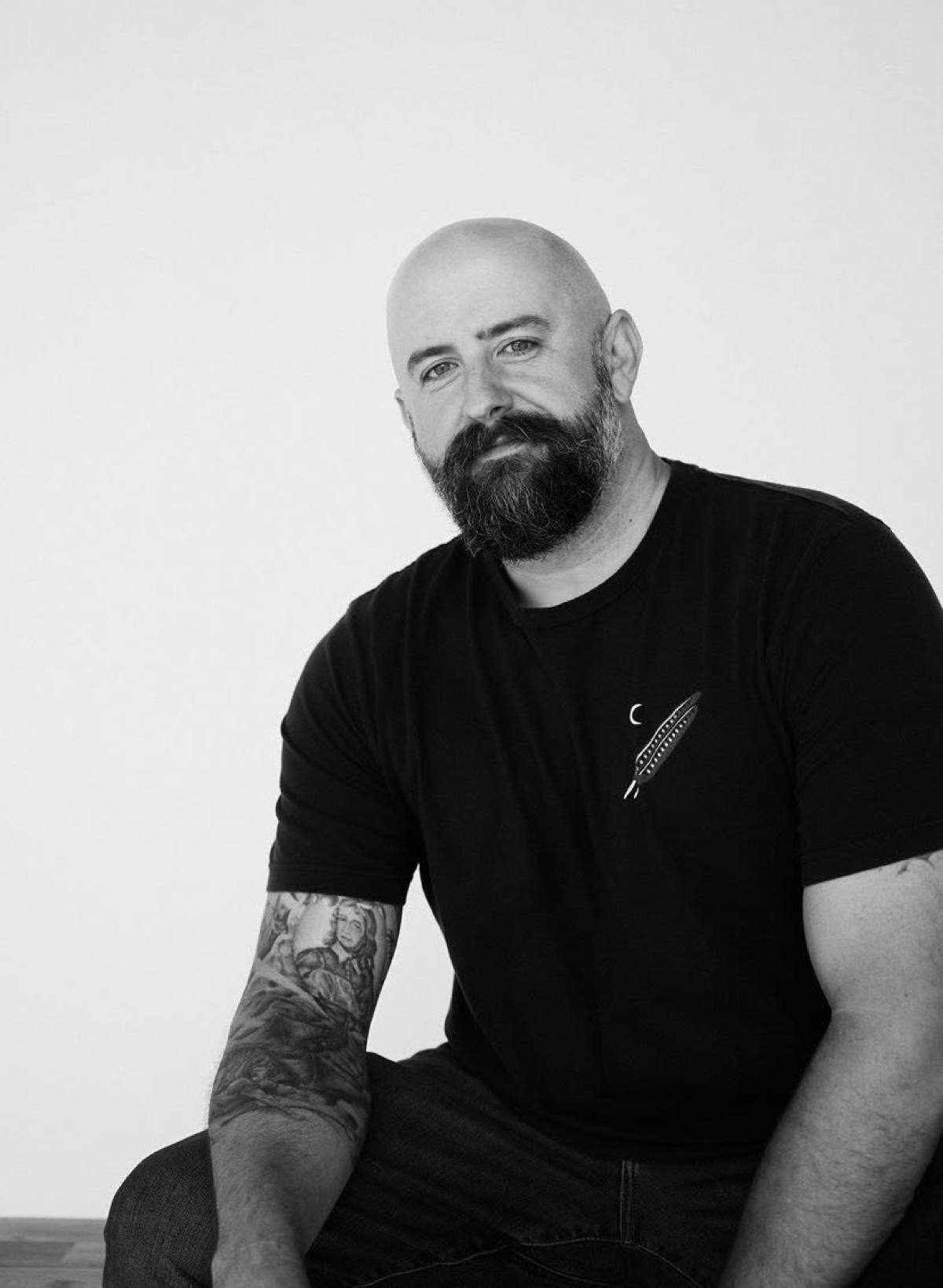
All Images:
© Courtesy of Jarod K. Anderson


