
The Rise of Conservatism is Showing in The Latest Fashion Trends
Is the shift towards conservative politics reflected in current fashion trends? Worldwide, there has been a rise in conservatism. Similarly, the old money aesthetic, neutral colours and luxury-fashion trends have become very popular. How are these related? Historically, how were politics reflected through fashion trends?
The Worldwide Rise in Conservatism
Over the last decade, there were significant strides against conservatism. Since 2016, gay marriage has become legal in 20 countries. The gender pay gap in Europe decreased by 4% from 2016 to 2024. Many people are turning away from long-standing practices of women as ‘trad wives’ or in low-paid jobs. However, more young people are developing conservative beliefs and politics. Similarly, brightly-coloured clothes, short crop tops or high-heels are no longer fashion trends, which were very trendy in the mid-to-late 2010s.
In July 2024, a worldwide survey revealed one third of participants in the US felt they were becoming more conservative, which was larger than the number of people who said they were becoming progressive. Similarly, Germans had a higher number of participants who were becoming more conservative (21%) than progressive (15%). Similar results were obtained in Japan.
Major world events like Covid-19, healthcare or education policies may have led to these attitude changes. With the rise of conservatism, the rise in old money, luxury or ‘conservative fashion’ has dominated fashion trends.

Fashion: How Are Trends Related To Conservatism?
The rise of some fashion trends and aesthetics, like ‘old money’, ‘trad wife’ or ‘cottage core’, promotes classism, racism, and little personal identity or uniqueness in clothing. These align with a lot of traditional or old-fashioned conservative values. Old money fashion consists of polished-looking, luxury clothing. The idea is to look as if the wearer is rich, and comes from a family with generational wealth (hence the ‘old’ money). However, the idea that the wearer has generational wealth is rooted in white supremacy, and the exploitation of the working-class. Do these fashion trends uphold white supremacy? Can anyone who is working-class, or not white, participate in these fashion trends? Are these ‘trends’ just highlighting conservative values?
This ‘demonization’ of the working-class can now be seen in many fast fashion designs. Pretty Little Thing, the previously bright-coloured fast fashion brand, has millions of monthly visits. The online store recently underwent a rebranding. While the website used to be bright pink, with diverse colour and outfit options, the website now emphasises a ‘quiet luxury’ aesthetic. Outfits consist of neutral colours that follow old money or luxury fashion trends. Was this an attempt to make working-class people appear more ‘luxurious’? Would this allow working-class people to fit into the old-money or conservative fashion trends?
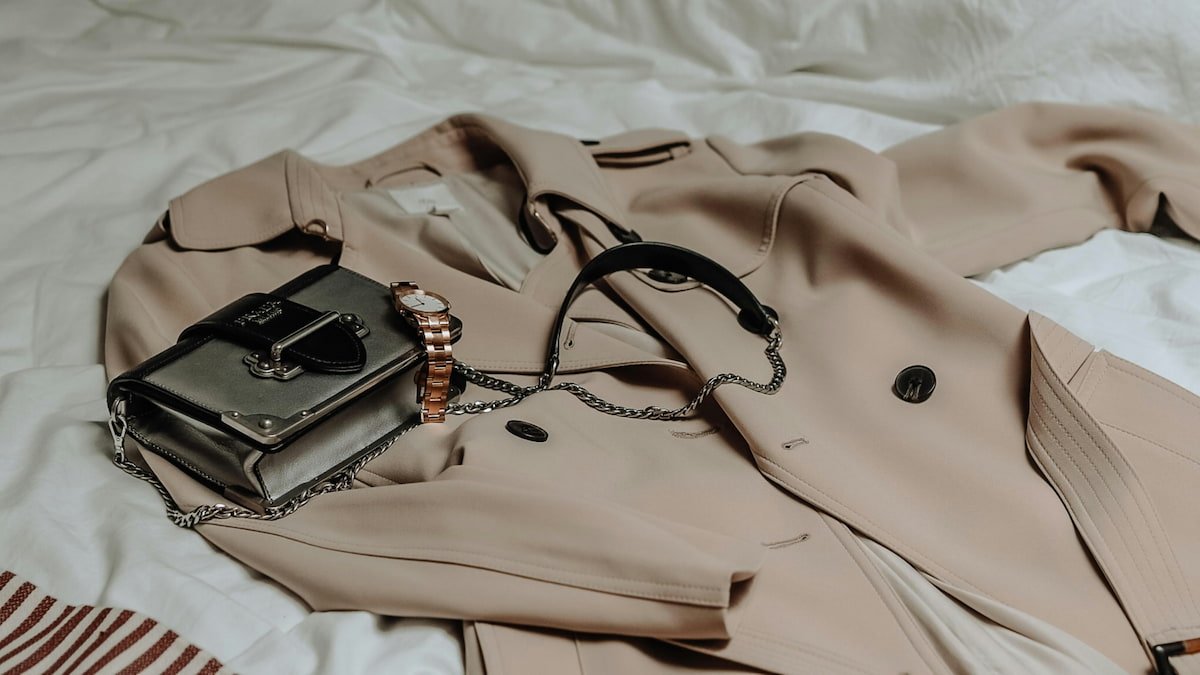
Many brands have recently opted for neutral colours in their designs. These designs symbolise minimalism and luxury, similar to conservative taste. In a recent study, Gen Z consumers were very susceptible to colours representing identity, luxury and minimalism. For these reasons, many brands opted for neutral colours like black, beige, white and grey in their fashion and website designs. These colours symbolised luxury and minimalism for the consumers. Purchasing from these brands allowed consumers to participate in the luxury fashion trends, and reinforced the old-money aesthetic in fashion brands.
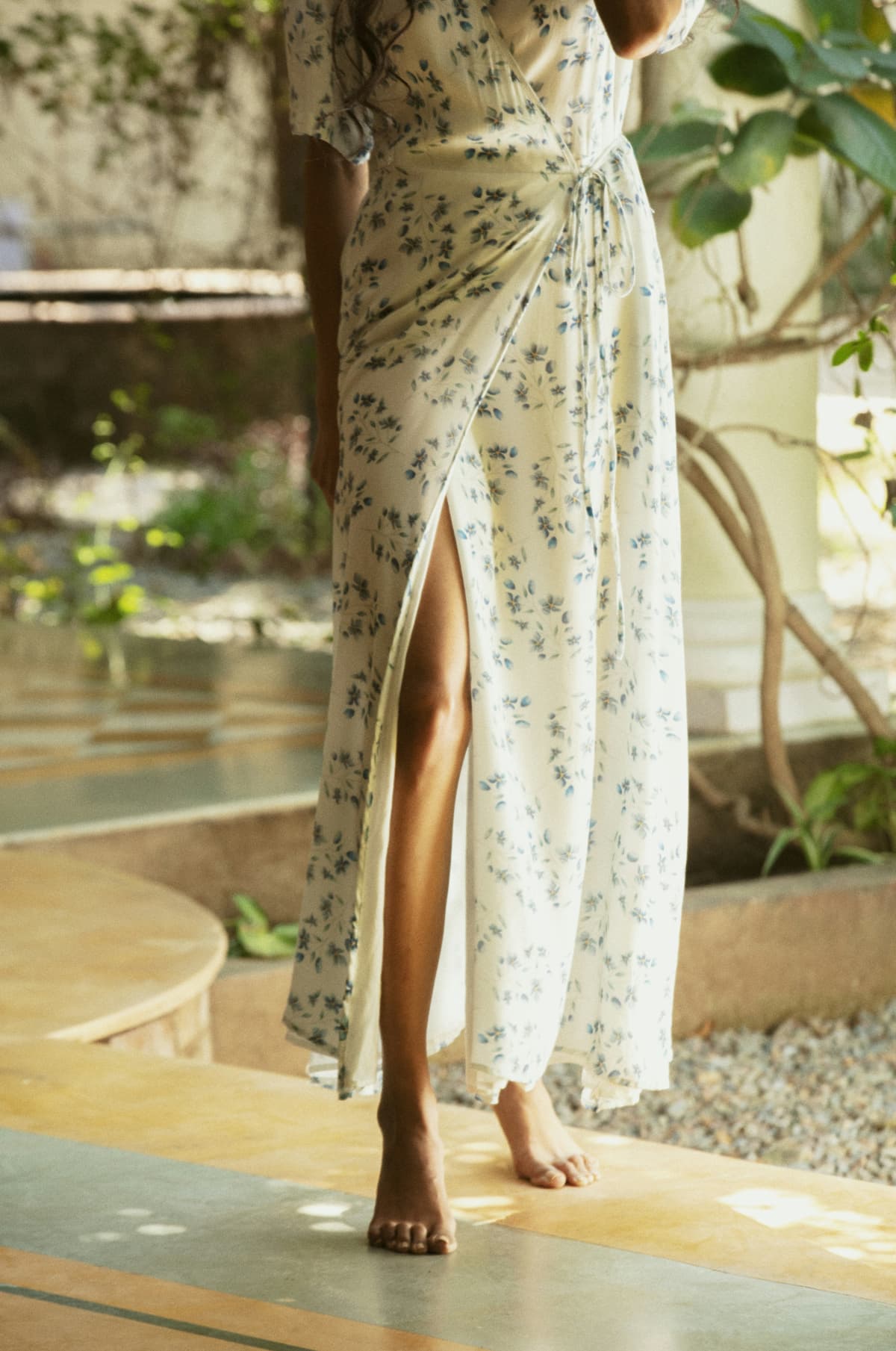
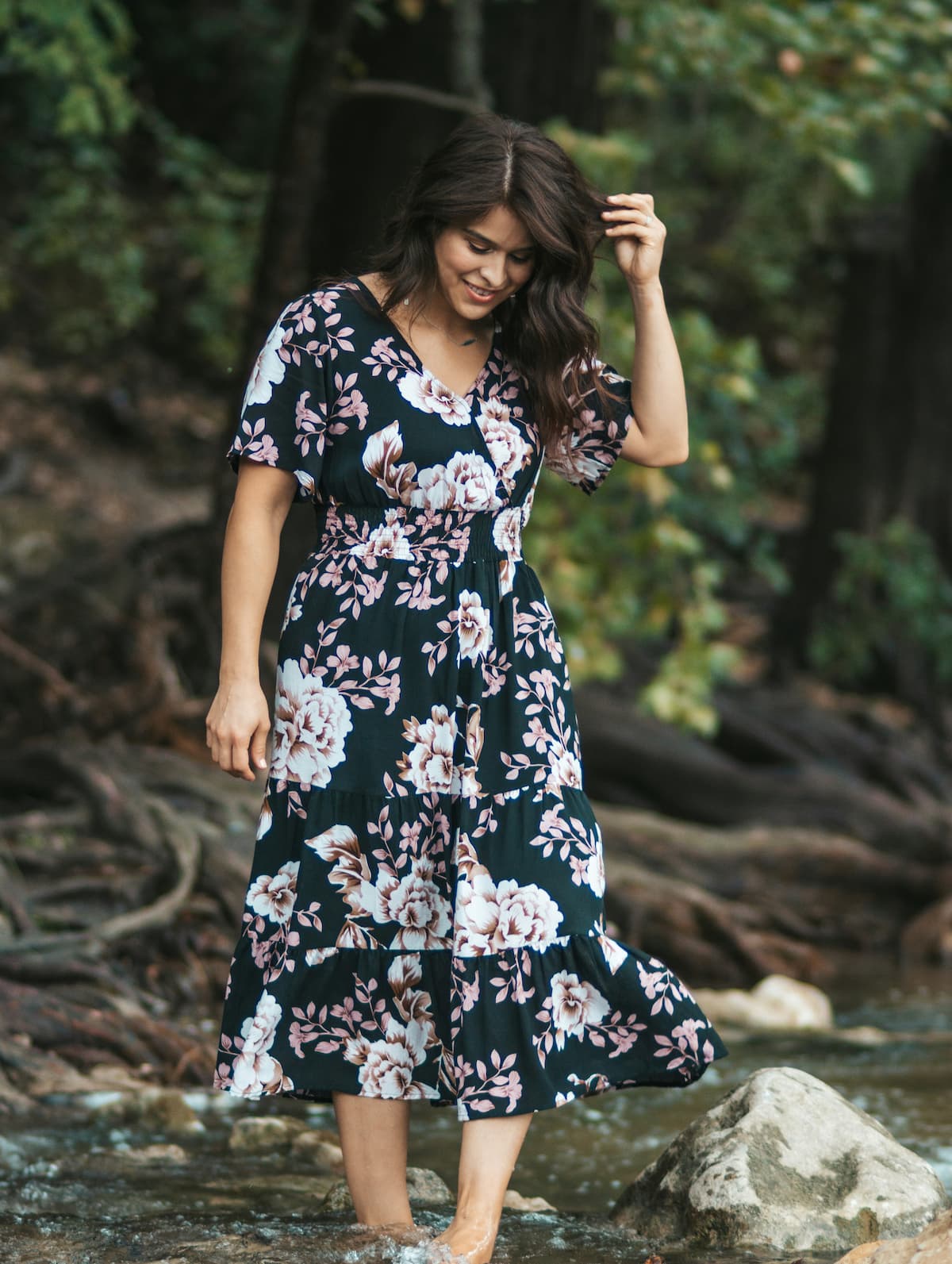
Other fashion trends, like floor-length skirts, kitten heels or longer-length crop-tops have been trending since the early-to-mid 2020’s. Are these trends related to specific ideologies and aesthetics? The ‘cottage core’ aesthetic depicts women in long floral dresses, spending their days cooking and lying in a cottage in the woods. Similarly, the rise of the ‘trad wife’ aesthetic portrays women doing traditional conservative tasks, like cooking and cleaning. The fashion is very old-school, with short/kitten heels, long skirts and checked patterns. Are these trends really about fashion preferences? Or, are these trends just conservative values about maintaining traditions?
The History of Political Statements Through Fashion
Are these fashion trends really related to the rise of conservatism? History would say it’s not a coincidence. For many years, fashion trends were shaped by politics. This is no different today, and could explain why fashion trends are leaning towards conservative ideologies.
The rise of denim in fashion trends coincided with liberal ideologies, like gender and racial equality. Denim, specifically jeans, were originally part of miner’s uniforms and seen as working-class wear. With protests emerging in North America about racism and women’s liberation, protestors wore denim for comfort, rather than showing up to protest in their ‘best’ clothing. Denim became a fashion statement in left-wing politics.
In 1931, the Hungarian magazine Muskátli (Geranium in English) promoted fashion that complimented Hungarian politics. This magazine also gave tips to women about sewing and embroidering, to maintain gender norms. Similarly, the most popular Hungarian designer in the interwar period, Klára Tüdős, used elitist fashion in her designs. To show her right-wing politics, she would incorporate upper-class fashion into her work – for example, her Hungarian embroidered dresses were all inspired by Hungarian gala dresses. In Hungary, her designs were one of the most influential of the interwar period.
Is history merely repeating itself? The most popular political stances tend to influence fashion trends. The rise of conservatism may have led to less colourful or diverse clothing, with an emphasis on luxury, old-money, or online trends like ‘cottage core’ and ‘trad wife’ fashion. Will future political stances lead to new changes in fashion trends?
Highlight Image:
@ Laura Chouette via Unsplash


